Normale Ansicht

Published — 12. Mai 2026 https://boardgamewire.com/

Greater than Games back in hands of founders Christopher Badell, Paul Bender, has multiple games in development

Greater than Games is officially back in the hands of two of its founders, a year after former owner Flat River Group laid off the vast majority of the board game publisher’s staff and suspended new projects amid US tariff uncertainty.

Paul Bender and Christopher Badell, who launched the business in 2011 alongside Adam Rebottaro, said they have reacquired the brand and the rights for the Sentinels of the Multiverse titles alongside their other original IP such as the Sentinel Comics RPG.

The deal comes just under a month after Flat River Group sold the Greater than Games brand name and the Sentinels range to digital developer Handelabra Games, which had spent more than a decade creating digital versions of the Sentinels of the Multiverse and its expansions – as well as for Greater than Games’ best known release, Spirit Island.

That acquisition was done “with the shared goal of returning both to the hands of people who know them best”, according to the company overview page on Greater than Games’ new website.

Spirit Island was not part of Handelabra’s deal, however, and is also not part of the revived Greater than Games line-up, company CEO Bender confirmed on a May 12 YouTube livestream celebrating the publisher’s return.

Two new titles have been announced by the company slated for a summer release, in the form of Badell-designed party game Digital Detox and social deduction title Crime Scene Tamperer, from Homestar Runner creators Mike and Matt Chapman.

Greater than Games co-founder Christopher Badell || Photo credit: Greater than Games

Badell, GtG’s chief creative officer, added on the livestream that the publisher is “in the development process on a high-single-digit number of games right now”, while creative director Matthew Kroll added that the company has two “heavy hobby games in the pipeline” – one co-operative, one competitive.

Bender added on the livestream that Bottom of the Ninth designer Darrell Louder had recovered the rights to the game, which had previously been published by Dice Hate Me and GtG, “and would like us to publish it again, so we’re excited to do that”.

The relaunched company’s five-strong team comprises Greater than Games veterans SaRae Henderson as art director and chief operating officer Katie Nale, in addition to Badell, Bender and Kroll.

GtG’s third co-founder Adam Rebottaro, the original artist and co-creator of Sentinel Comics, has also rejoined as a “creative collaborator”, the publisher added, “helping to shape the next generation of Sentinel Comics releases alongside Badell”.

That will see the pair working together on new content in the Sentinels range, beginning with reprints of all existing definitive edition products for Sentinels of the Multiverse and then moving on to a new expansion, which is expected to come to crowdfunding in 2027.

Badell said in a press release announcing the GtG revival, “A year ago, I wasn’t sure I’d ever get to come back to this. Sentinel Comics has been the defining creative work of my life – fifteen years of stories, characters, and worlds I love – and watching it become uncertain was genuinely painful.

“So when I say this feels like coming home, I mean it. I’m back in the Multiverse. We all are. And we’re just getting started.”

Greater than Games co-founder Paul Bender || Photo credit: Greater than Games

Bender added, “Greater Than Games has always been about more than just publishing games — it’s about building experiences and communities.

“Over the years, the brand has grown and evolved, but its heart has always been with the people who create and play these games. Being able to steward that again is both a responsibility and a privilege.

“We’re excited to reconnect with our community and continue building something special.”

Greater than Games is also set to return to Gen Con this year, the publisher added, underscoring its rejuvenation as a business with a booth in the Entrepreneurs Avenue segment of Hall G – an area dedicated to companies making their debut at the event.

Flat River Group, a distribution and e-commerce specialist, had bought Greater than Games in 2021 after picking up private equity investment from Guardian Capital Partners a year earlier.

It followed that expansion into board game publishing with further deals for Canadian publisher Synapses Games and hobby game distributor Luma Imports in 2022.

Flat River sold Synapses Games to ACD Distribution last summer, at the same time as industry veterans Jules Vautour, Colin Young and Danni Loe left Flat River to revive Luma as part of ACD.

The post Greater than Games back in hands of founders Christopher Badell, Paul Bender, has multiple games in development first appeared on .
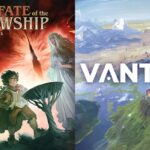

Co-op titles Fate of the Fellowship, Vantage dominate 20th Golden Geek Awards, Hot Streak scores pair of wins

Co-op designs The Lord of the Rings: Fate of the Fellowship and Vantage put in a powerful showing in this year’s Golden Geek Awards, winning five categories between them and scoring another five runner-up successes.

Pandemic creator Matt Leacock’s spin-off creation The Lord of the Rings: Fate of the Fellowship took home the awards for medium game of the year, best thematic game and best co-op at the 20th annual Golden Geeks, which are selected and voted on by BoardGameGeek users from games released in the prior year.

Co-op open-world exploration game Vantage, designed by Scythe and Viticulture creator Jamey Stegmaier, won the innovative game prize and best solo game awards, while Jon Perry’s chaotic mascot racer Hot Streak triumphed in the best party game and light game of the year categories.

Jamey Stegmaier’s design Vantage, from Stonemaier Games

The much sought after heavy game of the year title went to Galactic Cruise, while The Old King’s Crown secured the artwork and presentation award, Toy Battle took best 2-player game and Star Wars: Battle of Hoth best wargame.

Fate of the Fellowship’s flurry of wins and runner-up nods continues a powerful run in the Golden Geeks for games based on JRR Tolkien’s seminal novels, with Bryan Bornmueller’s The Fellowship of the Ring – Trick-Taking Game and Antoine Bauza and Bruno Cathala’s Duel for Middle-earth both having secured wins in last year’s contest.

All of those Lord of the Rings titles were published by studios at board game giant Asmodee – which last October announced it had been named manager of the hugely lucrative Middle-earth licence for tabletop games and accessories.

Questions naturally abounded within the industry about what that would mean for other publishers hoping to create The Hobbit or Lord of the Rings-based titles – but Luke Peterschmidt, the tabletop veteran tasked with running the Middle-earth operation at Asmodee, sat down with BoardGameWire at Spiel Essen last year to outline his vision for the IP, what they want from publishers in terms of pitches, and how they hope to prove naysayers of the deal wrong.

Components from Lord of the Rings: Fate of the Fellowship, designed by Matt Leacock

No game based on The Hobbit or The Lord of the Rings had won a Golden Geek prior to last year’s awards, despite multiple nominations for Journeys in Middle-Earth in 2019, Battle of the Five Armies in 2014 and The Lord of the Rings: The Card Game in 2012.

Fate of the Fellowship winning the co-op award marked the second year running that a Lord of the Rings game has triumphed in the category, after Bryan Bornmueller’s The Fellowship of the Ring – Trick-Taking Game took home the prize in 2025.

Despite the high-profile successes of two co-operative titles in this year’s Golden Geeks, the results were less positive for co-op fantasy adventuring game Arydia: The Paths We Dare Tread – which failed to convert any of its six nominations into wins or runner-up placings.

Sci-fi and space-themed games were notably everywhere again across this year’s awards, continuing a trend from 2025 which ended in multiple wins for Arcs and SETI.

In addition to win for Star Wars: Battle of Hoth and Galactic Cruise, SETI’s expansion Space Agencies won expansion of the year award in this year’s Golden Geeks, while there were two runner-up places for Star Trek: Captain’s Chair, and runner-up nods for Moon Colony Bloodbath and Dune: Imperium – Bloodlines.

Elsewhere in this year’s awards, Dungeons of the Oak Dell won best print and play game, Board Game Hot Takes secured best podcast and Ark Nova took home the best digital app prize.

Speaking about Vantage’s multiple wins and nominations, designer Jamey Stegmaier – who spent about eight years designing and playtesting the title – told BoardGameWire, “I’m just happy for the opportunity to bring a little joy to people through our games, and I’m honored that my labor of love, Vantage, was able to do that for the people who selected it for the Golden Geek Awards.”

Fate of the Fellowship creator Matt Leacock said, “Designing The Lord of the Rings: Fate of the Fellowship was such a rewarding experience for me. I’m so pleased that players are continuing to enjoy it and using it to write their own stories with each other.

“So many things came together with this product: the creative direction, development, illustration, paper engineering, graphic design, sculpting, and marketing. I want to extend my congratulations to the entire team that brought it to life.”

The 20th Annual Golden Geek Awards results in full:

2-Player Game
Winner: Toy Battle
Runner-up: Tag Team
Runner-up: Star Trek: Captain’s Chair

Artwork & Presentation
Winner: The Old King’s Crown
Runner-up: Galactic Cruise
Runner-up: The Lord of the Rings: Fate of the Fellowship

Cooperative Game
Winner: The Lord of the Rings: Fate of the Fellowship
Runner-up: Vantage
Runner-up: Eternal Decks

Expansion
Winner: SETI: Space Agencies
Runner-up: Lost Ruins of Arnak: Twisted Paths
Runner-up: Dune: Imperium – Bloodlines

Innovative
Winner: Vantage
Runner-up: Moon Colony Bloodbath
Runner-up: Hot Streak

Light GOTY
Winner: Hot Streak
Runner-up: Magical Athlete
Runner-up: Toy Battle

Medium GOTY
Winner: The Lord of the Rings: Fate of the Fellowship
Runner-up: Moon Colony Bloodbath
Runner-up: Vantage

Heavy GOTY
Winner: Galactic Cruise
Runner-up: Speakeasy
Runner-up: Luthier

Party Game
Winner: Hot Streak
Runner-up: Magical Athlete
Runner-up: Take Time

Print & Play
Winner: Dungeons of the Oak Dell
Runner-up: Rise of the Oak Dell
Runner-up: 52 Duels

Solo Game
Winner: Vantage
Runner-up: The Lord of the Rings: Fate of the Fellowship
Runner-up: Star Trek: Captain’s Chair

Thematic Game
Winner: The Lord of the Rings: Fate of the Fellowship
Runner-up: Galactic Cruise
Runner-up: Vantage

Wargame
Winner: Star Wars: Battle of Hoth
Runner-up: Toy Battle
Runner-up: Cross Bronx Expressway

Best Podcast
Winner: Board Game Hot Takes
Runner-up: Space-Biff! Space-Cast!
Runner-up: Five Games for Doomsday

Best Board Game App
Winner: Ark Nova
Runner-up: Cascadia Digital
Runner-up: MicroMacro: Downtown Detective

The post Co-op titles Fate of the Fellowship, Vantage dominate 20th Golden Geek Awards, Hot Streak scores pair of wins first appeared on .

Published — 11. Mai 2026 https://boardgamewire.com/

Veteran board game writer Keith Law expresses shock as AV Club shutters tabletop section

Entertainment website The AV Club has shuttered its board game and video games segment, bringing to an end almost 13 years of tabletop coverage for veteran writer Keith Law across the site and its predecessors, Paste Games and Endless Mode.

Law wrote more than 300 pieces across those sites following his debut article in 2013, helping bring modern board gaming to a wider audience through his reviews, opinion pieces and highly regarded ‘games of the year’ lists.

Speaking to BoardGameWire, Law said the shuttering had come as a shock, adding that he would continue to write about board games on his personal blog.

He said, “It’s been an honor and a privilege to write about board games and the tabletop space for the last 12 years for Paste, Endless Mode, and AV Club.

“I worked with some great people, notably my longtime editor Garrett Martin, and feel incredibly lucky to have had the opportunity to write so much about one of my passions.”

The loss of Law’s writing from such a well-read entertainment site was bemoaned by Votes for Women designer Tory Brown, who cited his rave review of that title as “a high water mark in the effort to bring my game to the masses.”

She told BoardGameWire, “Keith Law is a treasure, the kind of smart and thoughtful writer whose approach to criticism makes us all smarter and more thoughtful.

“That a media outlet failed to recognize the value of his contribution says more about the lack of vision in American journalism than the board game audience or industry.”

Keith Law’s glowing review of Tory Brown’s design Votes for Women

The shuttering of the AV Club tabletop section marks the latest in a string of high-profile gaming and entertainment sites closing or shrinking their tabletop coverage in recent years.

They include major video games site Kotaku, which has not published an article to its tabletop section since veteran writer and editor Luke Plunkett left in 2023, and Polygon, which lost renowned, long-serving tabletop editor Charlie Hall as part of a downsizing 12 months ago.

While Polygon’s tabletop section still exists, the segment’s focus has shifted heavily towards coverage of trading card games such as Magic: The Gathering and Pokemon.

Of the 61 articles in tabletop section last month, just three were about board games – one a story highlighting that Star Wars: Outer Rim was being discounted at Amazon, and two about the Game Changer Kickstarter from comedy team Dropout.

Kevin Bertram, the founder of Votes for Women publisher Fort Circle Games, told BoardGameWire, “While I appreciate the contributions of many YouTube reviewers, video cannot fully replace the depth and clarity of written criticism.

“The loss of voices like Charlie Hall (of Polygon) and now Keith Law marks a deeply troubling turn for our industry.

“Board game journalism faces a structural challenge: establishing a sustainable business model that supports rigorous, long-form analysis. Perhaps that future lies with independent critics like Dan Thurot or collaborative models such as Rascal.

“Whatever forms emerge, their success will depend on active support from a community that values thoughtful, written criticism.”

AV Club editor-in-chief Danette Chavez provided a statement to BoardGameWire which said, “The AV Club made the difficult decision to eliminate three roles, which included two full-time staff who ran our video games coverage after joining us from Endless Mode in November 2025.

“This also includes changing the direction of our television coverage. Our hope is this will allow The AV Club to focus on our core strengths: incisive coverage of film and TV through reviews, features, and news. 

“We will continue to have some games coverage, but we cannot sustain a full-time staff covering it with our smaller team. All previously published games stories will remain available to read.” 

The post Veteran board game writer Keith Law expresses shock as AV Club shutters tabletop section first appeared on .

Published — 08. Mai 2026 https://boardgamewire.com/

“Reality has definitely exceeded our expectations”: Board game awards magnet SETI rockets past 100,000 sales

Tomáš Holek’s space exploration eurogame SETI has surged past 100,000 copies sold, following a triumphant 2025 in which it cleaned up across a string of major board game awards.

SETI publisher Czech Games Edition told BoardGameWire it had ordered bigger than usual, more frequent print runs than it initially planned for the Spiel 2024 release, after the title picked up early widespread praise from reviewers and impressed visitors at gaming conventions across last year.

That swell of interest translated to a rash of awards, including heavy game of the year and best thematic game in the Golden Geeks – voted on by BoardGameGeek users – and a trio of wins at last year’s Dice Tower Awards, where it was named game of the year and best strategy game, while designer Tomáš Holek was named best new designer.

SETI designer Tomáš Holek

CGE said, “We knew the game was good. But the reality has definitely exceeded our expectations.”

It added that the speed at which SETI became popular was comparable to its 2020 release and fellow multi-award winner Lost Ruins of Arnak, with SETI’s sales numbers “much higher than for our other recent heavy game releases” such as the well-received Kutná Hora and Deal With the Devil.

Asked whether the high-profile awards success across 2025 was a big contributor to SETI’s sales performance, a CGE spokesperson said, “This is very hard to evaluate, especially with the number of awards SETI has won.

“There probably wasn’t a noticeable bump thanks to a particular award, but they definitely help bring more eyes to the game. Awards like Golden Geek or The Dice Tower Awards help guide the community to what games are worth checking out, and that leads to increased sales.

“But oftentimes, those awards come when the game is already popular. There might be more noticeable bumps in region-based awards, though, as we’ve seen with Kutná Hora: The City of Silver after winning the French As d’Or.”

SETI’s rapid success is striking following a year which has seen many publishers pivoting to smaller box titles over more heavyweight designs, as a response to economic factors such as US tariff volatility, as well as gamers having less money to spend due to inflation and general cost of living struggles.

CGE told BoardGameWire the colossal success of its 2015 release Codenames had been critical in putting the Prague-headquartered publisher in a financial position where it can take a chance on heavy titles like SETI from previously unpublished designers.

Titles from the relaunched version of Codenames, which was unveiled in 2025

Codenames had sold more than 16 million copies as of May last year, has been translated into more than 45 languages, and has just undergone a relaunch with new art, packaging, a re-tuned word selection and simplified rulebook, with CGE looking to keep the evergreen title flying off shop shelves.

The CGE spokesperson said, “We can now experiment more than in the past. However, we’ve also made quite smart decisions overall and chose really strong titles recently (Arnak, SETI) – and we’ve built a really strong position on the market throughout the years.”

They continued, “SETI’s success is a combination of theme, art, and game design. When we showed the game at UK Games Expo, people geeked out seeing various projects.

“That’s where a good part of SETI’s success lies – the inspiration in real science and space exploration. It’s hard to find a chunky space-themed game that would be more grounded in reality, while also being visually stunning.

“The beautiful art is not only on the box, but also on the board, cards, and other components. On top of that, the innovative spinning board always manages to draw attention.”

They added that they believed the game “scratched an itch” for fans of successful games like Terraforming Mars, providing a heavy strategy title with gameplay that “can be explained in a digestible manner, making the game quite accessible”.

They added, “Players also often think about how they’ll approach it differently when they play again. Because of this, SETI gets to the table more often than some heavier titles. Players feel like there are truly more ways to explore the galaxy.

“When the game is played more often, it reaches more people, and it gets organic lift through discussions on forums, groups, etc. This also leads to more favorable reviews and posts on BGG, where SETI has quickly climbed the charts over the last year.”

SETI is currently ranked in 16th place across all of the board games on BGG, ahead of perennial and long-time successes such as 7 Wonders Duel, Concordia and Root.

The title is CGE’s highest-ranked game, above Through the Ages: A New Story of Civilization (18th), Lost Ruins of Arnak (30th) and Codenames (162nd, although it is ranked 6th in the party games sub-category).

CGE’s 2026 release slate revealed to date includes Drillers, from first-time designer Roman Bednář and Project L co-creator Adam Španěl, as well as a Critical Role-themed co-op reworking of Codenames and several Codenames expansion packs, focused on themes such as sci-fi, fairy tales and ‘cute critters’.

The post “Reality has definitely exceeded our expectations”: Board game awards magnet SETI rockets past 100,000 sales first appeared on .

Published — 07. Mai 2026 https://boardgamewire.com/

Asmodee continues social game expansion push, buys rights to Time’s Up! from R&R Games

Asmodee has agreed to buy the rights to party game Time’s Up! from R&R Games, continuing an expansion push predicated on social games being the fastest growing category of the board games market.

Time’s Up!, first published by R&R in 1999, is based on classic party game Celebrities, in which players write down names on pieces of paper, which teams then take turns guessing based on a single player’s descriptions.

The game increases in difficulty over two subsequent rounds, with players having to describe the same names using just a single word alongside actions and gestures, while in round three the describer cannot speak at all.

Time’s Up! Family, published by Asmodee studio Repos Production

Celebrities has been reworked into multiple different boxed releases from various companies over the years, with Peter Sarrett’s design Time’s Up! and Monikers from CMYK among the best known versions.

Asmodee has been a publisher of Time’s Up! since its 2020 acquisition of Repos Production, which had been putting out various versions of the game in Europe since 2004 through a licensing agreement with R&R.

Last year the board game giant shifted Time’s Up! to its Zygomatic studio alongside fellow small-box social games such as its bestselling Dobble range, Werewolves of Miller’s Hollow, the Timeline series and Jungle Speed.

Asmodee said the rights purchase cemented Time’s Up!’s presence as once of Zygomatic’s flagship titles, adding that the Zygomatic team would focus on focus on “expanding the IP and further strengthening its global reach particularly in English-speaking territories, where there is a significant growth potential for the brand”.

It added that it would undertake a “rationalisation and modernisation” of the Time’s Up! range in 2027, which will see it “streamline the product line, refresh the brand positioning, and ensure stronger competitiveness and accessibility across markets”.

Asmodee said Time’s Up! Express, which was launched in January, marked the first step in its refreshed strategy for the game – with its faster gameplay and broader accessibility reaching new audiences “while remaining faithful to the core experience that made the game successful”.

The company’s acquisition of Time’s Up! comes just over a month after it agreed to pay up to €250m for French social and party game publisher ATM Gaming, the publisher of titles including Speed Bac/QuickstopMouton Mouton and Pili Pili.

Asmodee said at the time that it expects a compound annual growth rate (CAGR) for social games of between 4% and 8% between 2025 and 2030, compared to about 4% for the wider board games market, citing mass market sales research for the US and ‘main European countries’ conducted by Arthur D Little.

Company CEO Thomas Koegler said in the company’s Q2 report last November that Asmodee had seen “good momentum” in its lower price-point products in the US mass market, singling out Exploding Kittens as a particularly strong performer in what he called a “challenging market”.

Last October the company launched a new party games studio, Moodbox Games, as part of a push into the US mass market.

Asmodee announced in November 2024 that it was preparing to “reignite” its strategy of buying up smaller board game publishers and distributors, saying at the time that it had a pipeline of more than 20 acquisition opportunities.

The ATM deal followed five other acquisitions from the past 12 months – including the buyout of Japon Brand from CMON, anchoring the board game giant’s push into a “currently untapped market” for the company.

Its other recent deals include picking up ZombicideCthulhu: Death May Die and Sheriff of Nottingham from CMON, which is attempting to recover from heavy losses over the past couple of years.

Speaking about the Time’s Up! deal to Board Game Beat, R&R Games president Frank DiLorenzo reportedly said multiple companies had reached out over the years to inquire about buying the title or the entire business, but added that “most offers either didn’t align with our valuation or came from partners we felt would not fully honor and support what we’ve built”.

He said of the Asmodee buyout, “We’ve had a longstanding relationship with Asmodee, particularly following their acquisition of our European partner, Repos.

“They have a deep understanding of the game and a clear vision for maintaining its longevity and appeal. Their offer was both attractive and well balanced. We believe this agreement creates meaningful benefits for both companies and for the players who love the game.”

He added that R&R would transition out of publishing the game over the next few months, winding down its remaining stock through direct sales on its website.

The post Asmodee continues social game expansion push, buys rights to Time’s Up! from R&R Games first appeared on .

Published — 06. Mai 2026 https://boardgamewire.com/

Long-running publisher, retailer networking event Alliance Open House rebrands to Universal Summit US

Alliance Open House, the tabletop publisher and retailer networking event launched more than 25 years ago by Alliance Game Distributors, has rebranded to Universal Summit US in the wake of Alliance’s takeover by Canada’s Universal Distribution.

Board game, TCG and comics distribution major Universal agreed a $49.6m buyout of its US peer 12 months ago following a tumultuous bankruptcy auction of Alliance’s former owner Diamond Comics, and officially rebranded the business to Universal Distribution US in January this year.

Universal said it is waiving all registration fees to celebrate the inaugural US Universal Summit, which will continue its predecessor’s slate of game demos, panels and workshops, vendor exhibit hall and networking opportunities.

This year’s event will be held at the Grand Wayne Convention Center in Fort Wayne, Indiana between August 27 and 29, with registration required by May 15.

Universal Distribution CEO Angelo Exarhakos told ICv2 last July that the company intended to invest “a fair bit” in expanding the event and “making it more welcoming to both retailers, and especially the vendors”.

He added, “We generally, at the Universal level, don’t charge vendors to attend these shows. We think this is a very good marketing expense for us and a good investment, to be able to bring our vendors close to our retail partners, so you’re going to see us invest and expand that show.”

Alliance Game Distributors was a perennial heavyweight of US board game distribution since it was created through the merger of Chessex and The Armory in 1998, with both companies already major players in the sector before the deal was signed.

The company had maintained its strong position since being bought by Diamond in 2000, despite the woes of its parent business in recent years.

Universal will also be holding its regular Canadian summit on September 13 and 14 this year, at the Sheraton Laval in Montreal, Quebec. Registration for that event is also due by May 15.

The post Long-running publisher, retailer networking event Alliance Open House rebrands to Universal Summit US first appeared on .

Published — 05. Mai 2026 https://boardgamewire.com/

French board game publisher Savana makes first acquisition, buys Beat That! publisher Gutter Games

Savana Games, the French publisher of small box games such as Traitors Aboard and Emblems, has made its first acquisition by picking up Beat That! publisher Gutter Games.

UK-based Gutter Games, which was launced in 2017, is best known for dexterity challenge party game Beat That!, and has also published adult-themed party titles including Gutterhead and Trunk of Drunk.

Beat That! by Gutter Games

Gutter was bought by US Amazon aggregator Perch in 2021, which was itself acquired by private equity-backed Amazon FBA businesses operator Razor Group three years later.

Savana founder and president Romain Chemière de Carné told Mojo Nation, “Gutter Games built something genuinely special – irreverent, high-energy games that travel across cultures and languages.

“Our intention is clear: restore the brand to the prominence it deserves, develop extensions and new entries in the Gutter Games universe, and further strengthen a portfolio that is already one of the most dynamic in the global board game industry.

“This is our first M&A operation, and our first acquisition overseas – it demonstrates SAVANA’s capability to execute complex international transactions, and it opens a new chapter in how we grow the business.”

Savana also sells markers and crayons, nail stickers and temporary tattoos in addition to its line of board games.

The company’s game releases this year are set to include a One Piece version of its pirates-themed social deduction game Traitors Aboard, according to a listing on BoardGameGeek.

The post French board game publisher Savana makes first acquisition, buys Beat That! publisher Gutter Games first appeared on .

Published — 04. Mai 2026 https://boardgamewire.com/

Arcs named game of the year by Italian tabletop magazine ioGioco, Paolo Mori named best designer

Arcs, the hybrid trick-taking wargame from Root and Oath designer Cole Wehrle, has won game of the year in the ioGioco Awards, which were created in 2021 to celebrate Italian-language board games and their designers.

Paolo Mori

Paolo Mori was named game designer of the year after demonstrating his huge range through designs including Toy Battle, Altay: Dawn of Civilization, Battlefields of the Napoleonic Wars and the second edition of Blitzkreig.

Bryan Bornmueller’s The Fellowship of the Ring – Trick-Taking Game triumphed in the light and family games category, the new edition of Richard Borg’s Memoir ’44 won best wargame, while children’s game of the year went to Marc and Catherine André’s design Splendor Kids.

This year’s award for best aesthetic and production quality went to Michele Morosini’s The Breach, published by Ludus Magnus Studio, while best two-player game went to Paolo Mori and Alessandro Zucchini’s design Toy Battle.

Nominees are picked by the editorial staff at Italian tabletop gaming magazine ioGioco from all of the titles published in Italy in the previous year, with the winners decided by public vote via the magazine’s website.

The Breach, from designer Michele Morosini and Ludus Magnus Studios

ioGioco said the tabletop gaming sector continues to prove “particularly vibrant”, with the market in Italy seeing a 27% rise in value last year compared to 2024 according to data from research company Circana.

Trading card games were a huge driver of that figure, the research shows, with sales of tabletop games outside of that category growing 3% year-on-year. More than new 800 titles were released in the country last year, ioGioco added.

Last year’s ioGioco game of the year award was won by fantasy deckbuilding and strategy game Black Rose Wars: Rebirth, which was designed by Andrea Colletti, Diego Fonseca and Marco Montanaro.

ioGioco Awards 2025 – full results

BOARD GAME

Winner: Arcs, designed by Cole Wehrle – published in Italy by MS Edizioni
Ants, Renato Ciervo, Andrea Robbiani
Bomb Busters, Hisashi Hayashi
The Lord of the Rings: Fate of the Fellowship, Matt Leacock
Star Wars – Battle of Hoth, Richard Borg, Adrien Martinot

GAME DESIGNER

Winner: Paolo Mori
Gregory Grard
Hisashi Hayashi
Reiner Knizia
Matt Leacock

LIGHT & FAMILY GAME

Winner: The Lord of the Rings: The Fellowship of the Ring – Trick-Taking Game, Bryan Bornmueller – Asmodee Italia
Bomb Busters, Hisashi Hayashi
Castle Combo, Grégory Grard, Mathieu Roussel
Cities, Steve Finn, Phil Walker-Harding
Flip 7, Eric Olsen

WARGAME

Winner: Memoir’ 44 (New Edition), Richard Borg – Asmodee Italia
Battlefields of the Napoleonic Wars, Paolo Mori, Alessandro Zucchini
Pocket Air War: Definitive Edition, Carlo Amaddeo
An Impossible War: The First Carlist War in the North, 1834-1838, David Gómez Relloso
Wunderwaffen, Walter Obert)

CHILDREN’S GAME

Winner: Splendor Kids, Marc André, Catherine André – Asmodee Italia
Jurassic Valley, Davide Panizza
My Puzzle Adventure: Ochre Land, Antonin Boccara, Romaric Galonnier, Fabrice Lamouille, Mathilde Malburet
Redwoods, Gary Kim, Yohan Goh, Hope S Hwang
Opération Noisettes, Emilie Soleil, Jérôme Soleil

AESTHETIC AND PRODUCTION QUALITY

Winner: The Breach, Michele Morosini – Ludus Magnus Studio
Cyclades: Legendary Edition, Bruno Cathala, Ludovic Maublanc
Galactic Cruise, TK King, Dennis Northcott, Koltin Thompson
Koi, Rosaria Battiato, Massimo Borzì, Martino Chiacchiera
Runar, Diego Fonseca)

AESTHETIC AND PRODUCTION QUALITY – ROLE-PLAYING GAME

Winner: Mörk Borg, Pelle Nilsson, J Yamil – Need Games
Daggerheart
Elder Mythos, Laura Fontanella, Marta Palvarini
Magus et Oraculum – New Edition, Momatoes, Oscar Biffi
Pilgrims of the Murk Dome, Pelle Nilsson, J Yamil

SOLITAIRE GAME

Winner: Gloomhaven: Buttons & Bugs, Joe Klipfel, Nikki Valens – Asmodee Italia
Final Girl Season 2, Evan Derrick, AJ Porfirio
Hispania, Miguel Marqués
Too Many Bones, Josh J Carlson, Adam Carlson
Voidfall, Nigel Buckle, Dávid Turczi

TWO-PLAYER GAME

Winner: Toy Battle, Paolo Mori, Alessandro Zucchini – Asmodee Italia
Duel for Cardia, Faouzi Boughida, Mathieu Rivero
Agent Avenue, Christian Kudahl, Laura Kudahl
Memoir’ 44 – New Edition, Richard Borg
Zenith, Grégory Grard, Mathieu Roussel

BOARD GAME EXPANSION

Winner: The White Castle – Matcha, Sheila Santos, Israel Cendrero – Devir
Dune: Imperium – Bloodlines, Phil Amylon, Andy Clautice, Paul Dennen, Caleb Vance
Food Chain Magnate: The Ketchup Mechanism & Other Ideas, Jeroen Doumen, Joris Wiersinga
Talisman: Nemesis – Call of the Hunt, Craig Van Ness
Twilight Imperium: Fourth Edition – Thunder’s Edge, Dane Beltrami, James Kniffen

ROLE-PLAYING GAME

Winner: Daggerheart – Acheron Games
DIE: The Roleplaying Game, Kieron Gillen
Marvel Multiverse Roleplaying Game, Matt Forbeck, Marty Forbeck
Triangle Agency, Caleb Zane Huett, Sean Ireland
Wilderfeast, Federico Corbetta Caci, KC Shi

ROLE-PLAYING GAME SUPPLEMENT

Winner: The One Ring: Realms of the Three Rings, Michele Garbuggio, Marco Maggi, Francesco Nepitello, Gabriele Quaglia – Need Games
Dolmenwood Campaign Book
Dungeons & Dragons 5.5e: Dungeon Master’s Guide
Outgunned Adventure, Simone Formicola, Riccardo Sirignano
Tal’Dorei Reborn, James JHaeck, Matthew Mercer, Hannah Rose

GAMEBOOK

Winner: Un altro passo nella neve, Manuele Giuliano – Ingenioso Hidalgo
15 Mondi da Cana, Stefano Tartarotti
Chi è stato? 1 – La Casa degli Automi, Michele Buonanno
Fiabe Oscure 2 – Aurora, Valentina Ceciliato
The Freedom Finders – Beak Your Chains, Emily Conolan

The post Arcs named game of the year by Italian tabletop magazine ioGioco, Paolo Mori named best designer first appeared on .

Published — 27. April 2026 https://boardgamewire.com/

Deluxe editions ‘have become sort of an arms race… we often do the opposite’: Roxley CEO Gavan Brown on the stellar success of Brass: Pittsburgh’s $9.1m crowdfund

27. April 2026 um 16:15

The follow-up to the top ranked game on BoardGameGeek, Brass: Birmingham, was always like to attract significant attention for its crowdfunding campaign. For Roxley Games’ Brass: Pittsburgh, that interest converted into more than $9.1m, securing the biggest board game crowdfund of 2026 so far and one of the top ten tabletop gaming raises of all time. Roxley CEO Gavan Brown, who co-designed Pittsburgh alongside original Brass creator Martin Wallace, spoke to BoardGameWire about soaring past his expectations for the crowdfund, avoiding the ‘arms race’ of deluxe editions, the advantages of Gamefound over Kickstarter and overcoming the campaign’s biggest mis-step.

BoardGameWire: Congratulations on the crowdfund! It’s obviously been a massive success, in terms of raw numbers – are these the kind of levels you were anticipating prior to launch, for backer numbers and total funding, or were they above or below where you’ve ended up?

Roxley Games CEO Gavan Brown: I thought $4m was most likely. If the community and fans felt like we nailed the game, it was POSSIBLE (but highly unlikely) to hit as high as $8m. On the low end, if it funded below $2m I would have felt that we must have dropped the ball in some way, only because of how respected Birmingham is.

Roxley Games CEO and Brass: Pittsburgh co-designer Gavan Brown

I think there are plenty of people out there who would look at this campaign and say ‘well of course it performed well, it’s the sequel to the number one game on BGG’. Can you speak to the advantages you might have had going into making this game, in terms of it being a success – and also the ways in which you had to make sure you didn’t take crowdfunding success for granted?

I’ve said before that starting this project, it felt like we were making The Matrix 4. It’s going to be nearly 10 years between the two titles, so we can’t wait this long and just throw something together. Obviously, there is a cohort of fans who are going to back it regardless, because it’s Brass. On the other hand, Brass players enjoy playing a 3-4 hour economic simulation game about the industrial revolution, so needless to say, they are also some of the most savvy gamers in the hobby who would be absolutely uninterested in a cash grab. So I realized before we started that we would need to create a sequel that fires on all cylinders. Which luckily, that’s the always the objective of myself and Roxley.

How long has the development process been for this one, and what would you say were the major changes that you made as playtesting and development went on?

The research went on for years prior to me even beginning. I also kept a document where I would jot down ideas of new mechanisms and dynamics that I wanted the game to feature when they popped into my head. Heavy development for Pittsburgh started in November of 2024. I began working on it every single day of the week.

I am the type of designer who will gut an entire system if it’s not working how I want to. There is basically no level of redesign that I will refuse to undertake if I believe that the change will make the game better. There were many massive, large-scale redesigns of the system in Pittsburgh, but the largest one was fundamentally redesigning how oil was consumed.

Initially, oil was only consumed by the kerosene industry. But as time went by, we realized that this resource not being consumed by manufactured goods reduced the competition and interdependence between players, which I feel is a core defining principle of Brass. As I researched oil and its relationship with manufactured goods, I discovered that a massive amount of crude oil was also processed into lubricants used in the making of manufactured goods.

What was your professional take on the board game crowdfunding environment prior to launching – both for crowdfunding in general, and for higher-priced, deluxe games. Did you make any specific changes / have any particular strategies for the crowdfund based on your knowledge of the current environment?

The strategy of many publishers is to create deluxe editions of their games to increase average order value. They need to increase average order value because they need the product to cost enough to fuel the advertising needed to fuel the campaign. Roxley was one of the first companies to start leaning into deluxe editions of board games, simply because I (and our team) love the experience of playing games made from high-quality materials.

So to us, the Collector’s Edition represents the most pure vision of the game. While we do put immense care into the retail ‘Essentials’ version of our products, this is always done after we realize the pure vision of our Collectors Editions. To us, the Collectors Edition is the painting, and the retail is a print. Both can be beautiful, but the painting is made from different stuff.

So we win because we get to make our ideal version of the game, and it’s a win for the consumer because if we sold the Collectors Edition through retail distribution, it would need to cost over $200. Deluxe Editions across the hobby have become sort of an arms race, with endlessly scaling scope, physical size, number of boxes, vac trays, and plastic in the boxes.

Our strategy: we do not pay attention to any of this. In fact, we often do the opposite. We focus on making our games as physically small as possible to respect your shelf space. We also choose materials that feel innovative and fit the aesthetics of the game, rather than just adding more plastic miniatures (unless the creative direction or game design calls for them).

My motto regarding innovation in product and game design is: we aren’t trying to make the ‘next thing’, because someone is making that as we speak. Instead we are trying to make the ‘next next thing’. We spend a great deal of time studying manufacturing methods used outside of boardgaming. For example, yesterday I recorded a video of a nice velvet texture on the inside of a friend’s new Volvo, wondering how we could apply same texture on a vac tray.

This was your first campaign on Gamefound, after ten on Kickstarter across more than a decade. Why did you decide to switch for this campaign, and has it persuaded you to stick with Gamefound for your next one?

We do not have any allegiance to any crowdfunding platform. We see them a tool used to realize creative expression, and Roxley will always use the best tool for the job. But in recent years, Kickstarter has mostly remained the same while Gamefound has been silently innovating and refining its service.

So our decision to use Gamefound was based on them currently being the best tool for the job.

What did you find where the biggest advantages to using Gamefound as the campaign went on – and were there any aspects which you’d expected to be more beneficial than they were?

Here’s a few ways we Gamefound is currently leading over Kickstarter:

  • They have a built in pledgemanager
  • They invented pre-campaign updates, which was pivotal in precampaign hype
  • They allow a youtube link for the campaign video
  • Greater level of comment moderation
  • They allow mp4 videos embedded in the campaign page, which also support transparency (making them work better for dark mode), which are vastly more function
  • Responsive design is vastly superior to Kickstarter. When you have a Kickstarter page open on a full screen browser window, the imagery is a little 580px strip in the middle of the page. 2015 called and wants their boilerplate back.
  • Tools to help charge and remit sales taxes on behalf of the creators. Kickstarter simply washes their hands of this and says “It’s the creator’s problem”
  • Greater localization support: we can display every part of the campaign in multiple languages
  • They are highly responsive to the needs of their clients

What do you think was the most important thing you learned from running this campaign generally, in terms of preparing for future crowdfunds – and maybe for providing others with advice on running theirs?

Our biggest misstep was not communicating the total value of the Collector’s Edition on day one of the campaign. Every single component of the Collector’s Edition was intended to be upgraded by the end of the campaign. We wanted to ‘surprise’ everyone with these upgrades as the campaign progressed. But Brass already had a deluxe edition released previously, so while the final form of the Collectors Edition does represent immense value, the way it was initially presented did not adequately communicate this.

We corrected this by discarding the concept of stretch goals (Funding Quests), for this campaign, unveiling all of them in text form on day four, and then doing a spotlight on each one of these upgrades for each day of the campaign. This change immediately got us back on track.

 My advice to other creators:

  • Do not be afraid of changing or redesigning your campaign.
  • Consider not using stretchgoals on a crowdfunding campaign for a sequel to a previous title, which likely carries preconceived consumer expectations with it.

I think one of the notable aspects of this campaign was the weekly drip-feeding of content updates and reveals from August through December last year, prior to the campaign launch. Is that a strategy you’ve employed before, what was the impact of doing things that way (in terms of e.g. backer numbers, online conversation etc), and would you make any changes to the way you approached it, in hindsight?

This is probably the best thing we did for the campaign. I don’t think any campaign had utilized prelaunch updates to the level that we had during this campaign. Usually, creators do updates talking about all the new cool components, materials, mechanics, and effort put into the game during and after the campaign. But during the campaign, you need to focus on very short concise messaging to try to get a conversion. After the campaign the customer is already getting the game, and it doesn’t help you sell more.

But talking about this before the campaign launches allows the players to form a bond with your game and your team before the campaign even launches. If they like what they hear and what they see, they will follow your campaign, which greatly increases hype, followers, and if your updates are interesting and from the heart, it will also increase sales.

There’s been discussion online from people upset at what they see as a high price level for this campaign – but then more than 37,000 people have backed it to the tune of over $9.1m. Can you speak a little to why you went the direction you did with this campaign – deluxe components, for example, rather than a more basic, more affordable production?

The Essentials Edition is priced at the exact same MSRP as we sell Brass Birmingham for in Target. It was also pointed out on BGG that after adjusting for inflation, Brass Pittsburgh: Essentials Edition is cheaper than the 2007 Treefrog Games Edition.

The Collectors Edition provides immense value, and as discussed would need to be priced at upwards of $200 if sold through retail distribution.

I hear retailers talk about margins all the time, and their need for reaching levels of about 50% for individual titles. Is the pricing of Pittsburgh going to provide any challenges on the retail side, do you think, or are you confident the numbers will work out for both Roxley and retailers of the game?

Target is regarded as having the most price-conscious demographic in the market. Brass Birmingham currently sells well in Target at $80. We don’t forsee this being any different for Pittsburgh.

How concerned are you about the impact of further US tariffs changes on producing and delivering Pittsburgh – and what kind of tariff hike could Roxley reasonably absorb before additional fees would have to be charged to backers?

The tariff situation has been evolving rapidly, and we’re keeping a close eye on it. For US backers, applicable tariffs are effectively a VAT. This is something international customers have always navigated, and now the US is in the same boat.

What were your expectations around endgame, and what impact has it ultimately had on the game and on the crowdfund for Roxley overall?

We have never done end game before, and I had never even heard of it until [Roxley director of operations Kira Peavley] said it was running for our campaign. The Gamefound folks reached out to us a few days prior to the campaign ending and suggested we create a little trinket that backers could add to their pledge in order to keep the timer going.

Because the campaign had done so well, we also decided to come up with an exclusive gift for everyone who backs copy Brass: Pittsburgh collectors edition on Gamefound. Because this gift was to be exclusive to Gamefound, it could not be gameplay related, as Roxley does not offer gameplay-related crowdfunding exclusives (we want people to be able to buy all game content after the campaign). So, we came up with the idea of doing an artfolio that would feature Brass’ artwork from Mr. Cuddington that they’ve created over the years. It will even feature a fabric cover, as you would see in a high-quality hardcover book.

When the campaign shifted to Endgame, the funding amount was $7,869,841, so it has generated over $1m in extra funding. As for how much impact it has had, that is up for debate: Some of our previous campaigns that have generated an additional 75% of additional funding while the pledge manager was open. But honestly, that doesn’t matter to us… we are very happy with the funding level we have reached, and it makes us happy to reward each of our backers with this extra item as a thank you to them.

The post Deluxe editions ‘have become sort of an arms race… we often do the opposite’: Roxley CEO Gavan Brown on the stellar success of Brass: Pittsburgh’s $9.1m crowdfund first appeared on .

Published — 26. April 2026 https://boardgamewire.com/

Isaac Childres steps down as Cephalofair CEO to focus on game design, promotes Price Johnson to role, hires Julie Ahern as COO

26. April 2026 um 17:38

Isaac Childres, the founder of Cephalofair Games and designer of its runaway successes Gloomhaven and Frosthaven, is stepping down from his role as CEO to focus exclusively on game design at the company.

Cephalofair’s long-time chief operating officer Price Johnson has been promoted to CEO at the publisher, while industry veteran Julie Ahern has been hired from Van Ryder Games as its new COO.

Childres founded Cephalofair in 2014 to self-publish his first game, Forge War, and struck huge success with his follow-up design, fantasy co-op campaign design Gloomhaven, which raised about $4m for its second printing on Kickstarter in 2017.

Three years later the company broke the Kickstarter funding record for a tabletop game with Childres’ successor design Frosthaven, which pulled in almost $13m from more than 83,000 backers.

Standees from Frosthaven

Childres has led the company since inception, seeing it growing from a one-person operation to overseeing a team handling design, development, writing, art direction, promotion, publishing and fulfillment.

New CEO Johnson, who joined Cephalofair in a business development role in 2017, oversaw strategic initiatives such as mass market placement of Jaws of the Lion, as well as managing marketing and production of Frosthaven as the heavily-delayed project navigated the huge disruption caused by the Covid-19 pandemic.

He has also been a high-profile voice in campaigning against US tariffs imposed by President Donald Trump over the last year, and aiming to highlight the heavy financial burden it has placed on tabletop game publishers – many of which rely on Chinese manufacturing for their titles.

Johnson will continuing to oversee strategic initiatives, business development, sales and marketing, and catalogue growth at the company following his promotion to CEO.

He said, “Working with Isaac since the early release days of Gloomhaven to grow both Cephalofair and our community has been an absolute privilege and highlight of my career.

“We have come a long way since the early days of indie game design and crowdfunding, while learning a lot about ourselves and this industry in the process.

“I can’t wait to share the exciting plans we have creatively and organizationally in this next chapter with our fans, but that starts by putting in the hard work alongside our amazing team, whom I thank for their trust and support.

“With confidence, there is no place I’d rather be… epic strategy awaits!”

A statement from Cephalofair said Childres would now focus solely on his role as lead game designer at the publisher, overseeing design and development on its entire line of games.

Julie Ahern, who replaces Johnson as COO, most recently spent almost four years as senior director of operations at Van Ryder Games, which is best known for solo horror game series Final Girl and murder mystery title Detective: City of Angels.

Titles from the Final Girl range, from Van Ryder Games

She previously spent almost 12 years at Greenbriar Games as COO and vice president, overseeing day-to-day of business operations and game development while contributing to the Folklore: The Afflication and Zpocalypse product lines.

Childres said, “Julie is my absolute favorite person in the board game industry (sorry Price!), and I could not be happier to welcome her to the team.

“I think she is the perfect fit for a needed role in this transition that allows me to focus on my core passion: designing epic, strategic games. Thanks Julie!”

Johnson added, “Growing as an organization means surrounding ourselves with professionals who not only compliment our core strengths, but exceed many of our own.

“Julie Ahern is one of those professionals I’ve long admired as a leader, innovator, and tabletop enthusiast. From coffees at conventions to shared manufacturing trips in China, I’m thrilled to finally have the opportunity to work directly alongside her as Cephalofair enters its next chapter.”

Ahern said, ““I have known and respected Isaac and Price for many years. While I loved my time at Van Ryder Games, it is a genuine pleasure to start this new adventure.

“I am thrilled to delve into the Gloomhaven universe with all its deep lore and challenging campaigns.”

Cephalofair’s most recent crowdfund saw it raise more than $5m on BackerKit for Gloomhaven Grand Festival – one of the highest-profile campaigns on the crowdfunding site to date – which included a second printing of Frosthaven, second edition of Gloomhaven and several other designs such as small-box release Gloomhaven: Buttons and Bugs.

That campaign has suffered heavy delays compared to its original timeline, however, due to both production delays and the volatility caused by US tariff policy.

The new edition of Gloomhaven, for example, only began fulfilling in May last year, despite initial estimates that it would begin fulfillment in March of 2024.

Cephalofair is currently on Wave 4 of production for the project, working on the Gloomhaven RPG, which it originally estimated would be fulfilled in July 2024.

The post Isaac Childres steps down as Cephalofair CEO to focus on game design, promotes Price Johnson to role, hires Julie Ahern as COO first appeared on .

Published — 24. April 2026 https://boardgamewire.com/

CMON to invest $2.1m in NFT video game maker, says digital shift needed to expand revenue, remain ‘relevant’

24. April 2026 um 14:34

Financially-troubled board game publisher CMON is pinning its future on a push into video game development and blockchain-based projects, beginning with a $2.1m investment in NFT game maker Blissful Link.

CMON’s board said it planned to transition its titles such as Massive Darkness and Super Fantasy Brawl Reborn into “high-quality digital assets”, adding that it believed integrating its board games with digital and Web3 technologies “would enhance the long-term commercial value of the group’s portfolio”.

The company has kicked off that shift by agreeing to acquire a 2.2% stake in Blissful Link, which operates Capverse, a play-to-earn video game built on blockchain technology in which players buy NFT ‘Sumer’ characters to battle with online.

CMON’s investment values British Virgin Islands-incorporated Blissful Link at more than $95m. Blissful Link made a loss of about $197,000 in 2024, on revenues of just over $408,000, and had net liabilities of about $889,000, according to unaudited figures provided by CMON. It did not include finances for 2025.

A statement from CMON’s board supplied to the Hong Kong stock exchange, where the board game publisher is listed, said, “Over the years, traditional board and other table top games have merged with digital ones providing digital convenience, offering online multiplayers, automated rules and apps that enhance physical play.

“The company believes that in order to continue to be relevant in the games industry and to expand the group’s revenue stream, the group would need to conduct digital transitioning and venture into video game development and Web3 projects.

“Digital transitioning would have the benefits of enhanced visual effects, have apps that handle scoring, timing etc, would enable a diversified number of players and are more accommodating to players not within the same vicinity.

“Added to this, entering into Web3 projects often emphasise social responsibility and ethical practices such as transparency and fairness on decision marking. By participating in Web3 projects, the company can demonstrate its commitment to social responsibility and sustainability.

“However, the group would continue to supplement this digital transformation as physical games would still offer a ‘screen break’ for individuals as well as foster direct face to face interaction.”

Non-fungible tokens, or NFTs, are digital assets which represent specific items – such as an illustration, trading card or piece of music – each with an individual signature stored via blockchain technology, which includes information such as who created it, who owns it, who sold it and for how much.

NFTs, which emerged out of cryptocurrency technology such as Bitcoin, exploded into the public eye in 2021 thanks to big-money speculative purchases – such as an NFT of Twitter founder Jack Dorsey’s first tweet selling for $2.9m.

That speculative bubble had already burst a year later, however with many of the digital assets involved losing more than 90% of their peak value. The Dorsey tweet NFT, for example, received a high bid of $6,800 when it was put back on the market in April 2022.

Other board games that have pushed into NFTs are few and far between, with one of the highest profile examples being SolForge Fusion, which allows players to mint decks as digital assets in addition to playing the game in physical form.

Two years ago CCG project Wonders of the First had to pull a $1.4m campaign from Kickstarter after falling foul of the crowdfunding platform’s ban on NFTs. The game went on to raise about $1.2m after relaunching without NFT content.

CMON, a long-time heavyweight in board game crowdfunding thanks to games such as Zombicide, Blood Rage and Cthulhu: Death May Die, slumped to a loss of more than $3m in 2024 due to falling sales for its crowdfunding campaigns.

That loss was almost double CMON’s total profits from the prior three years – but the figure was dwarfed by the $19.9m annual loss the company announced in its 2025 financial results.

CMON’s $23m losses across 2024 and 2025 are now almost 5.5-times larger than its profits from the preceding nine years combined, and have pressed the company into a string of asset sales as it attempts to fulfill more than $14.3m of as-yet-undelivered crowdfunding campaigns.

Those IP sales included parting with its most famous and profitable title Zombicide – which has raised more than $40m on Kickstarter since its 2012 launch – to Asmodee, as well as Blood Rage, Rising Sun and Ankh to Tycoon Games.

It followed those by selling the IP for former Mythic Games titles Anastyr and Hel: The Last Saga to Don’t Panic Games in September, and parting with the lucrative Cthulhu: Death May Die IP to Asmodee a month later – the latter a series which has raised almost $10m from backers to date.

Last month an independent auditor hired by the company questioned whether it CMON had the resources to stay in business for the foreseeable future, saying the publisher’s $19.9m annual loss, its net liabilities of more than $3.5m and contract liabilities of over $7.5m “indicate a material uncertainty which may cast significant doubt about the group’s ability to continue as a going concern.”

CMON’s directors had a different view, however, saying in the company’s 2025 financial report that it “should be able to continue as a going concern” thanks to a trio of factors.

They include financial support from some of the directors “sufficient to finance CMON’s working capital requirements”, the roughly $2.4m proceeds from selling its Singapore office that it received in January, and about $1.25m of gross proceeds from a successful share sale in February.

CMON’s hefty liabilities are largely due to its eight undelivered crowdfunding campaigns, which are not recognised as revenue on the company’s books until they are fulfilled to backers.

They include DC Super Heroes United, which raised more than $4.4m, and DCeased, which brought in over $2.5m. Both campaigns were initially due to be delivered last year, but are now expected to be delivered in Q4 of 2026, according to CMON’s latest estimates.

CMON also has several undelivered pre-order campaigns on its books, including Dune Desert War and the Assassin’s Creed Role Playing Game.

The company pulled the plug on crowdfunding launches and new game development just over 12 months ago, citing the economic uncertainty created by US tariff hikes – which at the time had reached 145% for China, where the vast majority of hobby board games are manufactured.

But CMON announced last month that it plans to relaunch its halted crowdfunding operations later this year.

The post CMON to invest $2.1m in NFT video game maker, says digital shift needed to expand revenue, remain ‘relevant’ first appeared on .

Published — 23. April 2026 https://boardgamewire.com/

Hasbro delays Q1 results after cyber attack, expects revenue rise from ongoing Magic strength

23. April 2026 um 14:32

Toy and game maker Hasbro has delayed its quarterly results by almost a month after suffering a cyber attack, but said it expects to post Q1 revenues of up to $985m thanks to continued strong performance of Magic: The Gathering.

Hasbro said it identified “unauthorized access” to the company’s network on March 28, but believes that access has been “contained” – adding that Magic’s shipments and release cadence had continued unaffected.

The company expects Q1 revenue to be between $970m and $985m, a rise of between 9% and 11% compared to the same period last year – while operating profit is expected to reach $235m to $245m, a 38% to 44% jump.

Those preliminary results are expected to be solidified when Hasbro eventually releases its full Q1 financial report, which is now scheduled for May 20.

Magic continues to underpin Hasbro’s fortunes, with the veteran trading card game’s revenue having soared 59% last year to mark its strongest annual performance yet.

Hasbro saw its wider 2025 revenue rise almost 14% to $4.7bn, driven by a record 45% growth in its Magic, D&D and digital gaming division Wizards of the Coast, the company revealed in February.

Magic’s record-breaking year was capped off by a storming fourth quarter, which saw revenues from the game up 141% compared to Q4 2024 on the strength of the Avatar: The Last Airbender and Final Fantasy releases.

That stellar performance of Wizards, and Magic in particular, was in stark contrast to Hasbro’s consumer products segment – which includes Nerf guns, Transformers and Peppa Pig toys.

That segment saw revenues drop 4% last year “amongst macro and retailer volatility brought on by tariff announcements in Q2″ – and unlike for Magic, Hasbro said that the cyber incident would likely impact second quarter revenues and operating profit in consumer products due to expected order processing, shipping and invoicing delays.

Hasbro added that it still expects full-year revenues to rise between 3% and 5% in 2026. Hasbro CFO and COO Gina Goetter said in February that the company expects Wizards of the Coast to deliver mid-single-digit revenue growth in 2026, “supported by a healthy release cadence and continued engagement across the Magic ecosystem”.

The post Hasbro delays Q1 results after cyber attack, expects revenue rise from ongoing Magic strength first appeared on .

Published — 22. April 2026 https://boardgamewire.com/

High-IQ society Mensa reveals its top board games after annual four-day judging marathon

22. April 2026 um 14:17

The American arm of high IQ society Mensa has unveiled the latest crop of board games winning its Mensa Select seal, which are voted on by hundreds of organisation members during an annual four-day gaming marathon.

Alex Cutler and Peter C Hayward both saw two of their creations win the seal this year, including their co-design Critter Kitchen, Hayward’s Things in Rings and Cutler’s A Place for All My Books – which he co-created with Michael Mihealsick.

Things in Rings publisher Allplay also saw its title Twinkle Twinkle, designed by Ammon Anderson, pick up a Select seal, while other winners this year included Matthew O’Malley and Ben Rosset’s Fromage, Yoann Levet’s Got Five and Tomáš Holek design Galileo Galilei.

Entries to the annual Mensa Mind Games are judged on aesthetics, instructions, originality, play appeal and play value, Mensa says, with the award aiming to highlight games that are original in concept, challenging and well-designed.

Not all games released during the past year are eligible for the award, however – entries carry a fee of several hundred dollars each, and games up for consideration need to have an average play time of 90 minutes or less.

Barnes & Noble and other major retailers have previously given special consideration to games bearing the Mensa Select seal, while winning games are also featured by American Mensa’s official online retailers and on its website.

Fromage is the most decorated of this year’s seal winners, having previously won the Origins Award for best light strategy game, as well as picking up nominations for medium game of the year, most innovative game and best artwork in the 2024 Golden Geek Awards.

Fromage, designed by Matthew O’Malley and Ben Rosset

Things in Rings was previously nominated in both the Golden Geeks and Origins Awards in the best party game category.

Last year’s Mensa Select seal winners included Agueda: City of Umbrellas, Diatoms, HutanIn the Footsteps of Marie Curie and Farms Race: Deluxe Edition.

This year’s Mensa Select seal winners in full:

  • A Place for All My Books – designed by Alex Cutler and Michael Mihealsick (published by Smirk & Dagger Games)
  • Critter Kitchen – Alex Cutler and Peter C Hayward (Cardboard Alchemy)
  • Fromage – Matthew O’Malley and Ben Rosset (R2i Games)
  • Galileo Galilei – Tomáš Holek (Capstone Games)
  • Got Five – Yoann Levet (Blue Orange Games)
  • Things in Rings – Peter C Hayward (Allplay)
  • Twinkle Twinkle – Ammon Anderson (Allplay)

The post High-IQ society Mensa reveals its top board games after annual four-day judging marathon first appeared on .

Arydia leads Golden Geek nominations with nods in six categories, Vantage and Fate of the Fellowship up for five each

22. April 2026 um 12:37

Co-op fantasy adventuring game Arydia: The Paths We Dare Tread has scored six nominations in the 20th annual Golden Geek Awards, which are selected and voted on by BoardGameGeek users.

Cody Miller’s “green legacy” design, which can be fully reset after each dozens-of-hours-long campaign, is up for heavy game of the year, most innovative game and best thematic game, as well as for the best artwork, solo game and co-op game categories.

Fellow open-world exploration game Vantage, designed by Scythe and Viticulture creator Jamey Stegmaier, is challenging across five categories this year, as is Pandemic creator Matt Leacock’s spin-off design The Lord of the Rings: Fate of the Fellowship.

Both those titles will battle it out for the Medium Game of the Year prize, which is also being contested by popular releases including Galactic Cruise, Eternal Decks and fellow Stonemaier Games title Finspan.

Eternal Decks, a limited communication co-op game designed by Hiroken, has picked up four nominations

Other titles picking up nominations across multiple categories included Eternal Decks, Star Trek: Captain’s Chair and Hot Streak, with four each, while Magical Athlete, Molly House, Luthier, Galactic Cruise, Corps of Discovery, The Old King’s Crown, Speakeasy and The Elder Scrolls: Betrayal of the Second Era all picked up three nods.

The Golden Geeks is one of board gaming’s highest profile awards, as well as being among the earliest of the major competitions to unveil its winners each year – with the Dice Tower Awards falling in May, the Spiel des Jahres in July and Deutscher Spiel Priese in October.

Notable awards which have already named their winners this year include France’s highest-profile board game prize, the As d’Or, which picked Paolo Mori and Alessandro Zucchini’s Toy Battle in its main prize for 2026.

Toy Battle is nominated in two categories in the Golden Geeks: best two-player game and best wargame. The latter category will see the title go up against a huge variety of different designs, including Memoir ’44-inspired Star Wars: Battle of Hoth, whist-themed English civil war strategy title A Very Civil Whist, and heavyweight GMT Games releases such as Congress of Vienna and Seljuk: Byzantium Besieged, 1068-1071.

As well as published board games, the Golden Geeks also features categories for best print and play design, best board game app and best podcast.

Voting will be undertaken by BoardGameGeek users who have paid an annual support fee in any year, who pay a one-time 20 GeekGold fee, or who have purchased an avatar on the site. They will rank nominees in individual categories, with voting set to end on April 30.

Last year’s Golden Geeks saw Arcs, the hybrid trick-taking wargame from Root and Oath designer Cole Wehrle, win a trio of awards, while fellow space-themed game SETI notched up a pair of wins.

This year’s Golden Geek Awards nominations in full:

2-Player Game
Azul Duel
Duel for Cardia
Everdell Duo
Flamecraft Duals
Iliad
Star Trek: Captain’s Chair
Star Wars: Battle of Hoth
Tag Team
Toy Battle
Zenith

Artwork & Presentation
Arydia: The Paths We Dare Tread
Eternal Decks
Galactic Cruise
Hot Streak
The Lord of the Rings: Fate of the Fellowship
Luthier
Magical Athlete
The Old King’s Crown
Speakeasy
Vantage

Cooperative Game
Arydia: The Paths We Dare Tread
Corps of Discovery: A Game Set in the World of Manifest Destiny
The Elder Scrolls: Betrayal of the Second Era
Eternal Decks
The Lord of the Rings: Fate of the Fellowship
Nemesis: Retaliation
Regicide Legacy
Take Time
Unmatched Adventures: Teenage Mutant Ninja Turtles
Vantage

Expansion
Castle Combo: Out of the Oubliette!
Clank!: Catacombs – Underworld
Dune: Imperium – Bloodlines
Earth: Abundance
Heat: Tunnel Vision
The Lord of the Rings: Duel for Middle-Earth – Allies
Lost Ruins of Arnak: Twisted Paths
Sea Salt & Paper: Extra Pepper
SETI: Space Agencies
Wyrmspan: Dragon Academy

Innovative
Arydia: The Paths We Dare Tread
Corps of Discovery: A Game Set in the World of Manifest Destiny
Eternal Decks
Hot Streak
Light Speed: Arena
Molly House
Moon Colony Bloodbath
The Old King’s Crown
Tag Team
Vantage

Light GOTY
Duel for Cardia
Flamecraft Duals
FlipToons
The Hobbit: There and Back Again
Hot Streak
Magical Athlete
Railroad Tiles
Star Wars: Battle of Hoth
Take Time
Toy Battle

Medium GOTY
The Druids of Edora
Eternal Decks
Finspan
Formaggio
The Lord of the Rings: Fate of the Fellowship
Moon Colony Bloodbath
Sanctuary
Skara Brae
Vantage
Zenith

Heavy GOTY
Ada’s Dream
Arydia: The Paths We Dare Tread
The Elder Scrolls: Betrayal of the Second Era
Galactic Cruise
Luthier
Molly House
The Old King’s Crown
Speakeasy
Star Trek: Captain’s Chair
Sweet Lands

Party Game
Alibis
Barbecubes
Brick Like This!
La Cuenta
Hitster Rock: Bob!
Hot Streak
Light Speed: Arena
Magical Athlete
Take Time
Wine Cellar

Print & Play
52 Duels
Chronicles of Civilization
Crosswhords!
Dungeons of the Oak Dell
Elevation (fan expansion for Android: Netrunner)
The Promise
Rise of the Oak Dell
Terra Mystica: Fan Factions

Solo Game
The Anarchy
Arydia: The Paths We Dare Tread
Corps of Discovery: A Game Set in the World of Manifest Destiny
Deckers
The Elder Scrolls: Betrayal of the Second Era
The Lord of the Rings: Fate of the Fellowship
Skara Brae
Star Trek: Captain’s Chair
Unstoppable
Vantage

Thematic Game
Arydia: The Paths We Dare Tread
Galactic Cruise
The Lord of the Rings: Fate of the Fellowship
Luthier
Molly House
Moon Colony Bloodbath
Nemesis: Retaliation
Speakeasy
Star Trek: Captain’s Chair
Vantage

Wargame
Battlefields of the Napoleonic Wars
China’s War 1937-1941
Congress of Vienna
Cross Bronx Expressway
Fields of Fire: Deluxe Edition
General Orders: Sengoku Jidai
Seljuk: Byzantium Besieged, 1068-1071
Star Wars: Battle of Hoth
Toy Battle
A Very Civil Whist

Best Podcast
Blue Peg, Pink Peg
Board Game Hot Takes
Board Games Insider
Decision Space
Five Games for Doomsday
Game Brain: A Board Game Podcast About Our Gaming Group
Shelf Stable: A Board Gaming Podcast
Space-Biff! Space-Cast!
Sporadically Board with Mike and Dan
Talk Cardboard

Best Board Game App
Ark Nova
Carnegie: The Board Game
Cascadia Digital
Caverna
The Isle of Cats
Kingdomino: The Board Game
MicroMacro: Downtown Detective
Reiner Knizia’s My City
SpaceCorp
Watergate – The Board Game

The post Arydia leads Golden Geek nominations with nods in six categories, Vantage and Fate of the Fellowship up for five each first appeared on .

❌