Normale Ansicht

Deluxe editions ‘have become sort of an arms race… we often do the opposite’: Roxley CEO Gavan Brown on the stellar success of Brass: Pittsburgh’s $9.1m crowdfund

27. April 2026 um 16:15

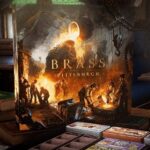
The follow-up to the top ranked game on BoardGameGeek, Brass: Birmingham, was always like to attract significant attention for its crowdfunding campaign. For Roxley Games’ Brass: Pittsburgh, that interest converted into more than $9.1m, securing the biggest board game crowdfund of 2026 so far and one of the top ten tabletop gaming raises of all time. Roxley CEO Gavan Brown, who co-designed Pittsburgh alongside original Brass creator Martin Wallace, spoke to BoardGameWire about soaring past his expectations for the crowdfund, avoiding the ‘arms race’ of deluxe editions, the advantages of Gamefound over Kickstarter and overcoming the campaign’s biggest mis-step.

BoardGameWire: Congratulations on the crowdfund! It’s obviously been a massive success, in terms of raw numbers – are these the kind of levels you were anticipating prior to launch, for backer numbers and total funding, or were they above or below where you’ve ended up?

Roxley Games CEO Gavan Brown: I thought $4m was most likely. If the community and fans felt like we nailed the game, it was POSSIBLE (but highly unlikely) to hit as high as $8m. On the low end, if it funded below $2m I would have felt that we must have dropped the ball in some way, only because of how respected Birmingham is.

Roxley Games CEO and Brass: Pittsburgh co-designer Gavan Brown

I think there are plenty of people out there who would look at this campaign and say ‘well of course it performed well, it’s the sequel to the number one game on BGG’. Can you speak to the advantages you might have had going into making this game, in terms of it being a success – and also the ways in which you had to make sure you didn’t take crowdfunding success for granted?

I’ve said before that starting this project, it felt like we were making The Matrix 4. It’s going to be nearly 10 years between the two titles, so we can’t wait this long and just throw something together. Obviously, there is a cohort of fans who are going to back it regardless, because it’s Brass. On the other hand, Brass players enjoy playing a 3-4 hour economic simulation game about the industrial revolution, so needless to say, they are also some of the most savvy gamers in the hobby who would be absolutely uninterested in a cash grab. So I realized before we started that we would need to create a sequel that fires on all cylinders. Which luckily, that’s the always the objective of myself and Roxley.

How long has the development process been for this one, and what would you say were the major changes that you made as playtesting and development went on?

The research went on for years prior to me even beginning. I also kept a document where I would jot down ideas of new mechanisms and dynamics that I wanted the game to feature when they popped into my head. Heavy development for Pittsburgh started in November of 2024. I began working on it every single day of the week.

I am the type of designer who will gut an entire system if it’s not working how I want to. There is basically no level of redesign that I will refuse to undertake if I believe that the change will make the game better. There were many massive, large-scale redesigns of the system in Pittsburgh, but the largest one was fundamentally redesigning how oil was consumed.

Initially, oil was only consumed by the kerosene industry. But as time went by, we realized that this resource not being consumed by manufactured goods reduced the competition and interdependence between players, which I feel is a core defining principle of Brass. As I researched oil and its relationship with manufactured goods, I discovered that a massive amount of crude oil was also processed into lubricants used in the making of manufactured goods.

What was your professional take on the board game crowdfunding environment prior to launching – both for crowdfunding in general, and for higher-priced, deluxe games. Did you make any specific changes / have any particular strategies for the crowdfund based on your knowledge of the current environment?

The strategy of many publishers is to create deluxe editions of their games to increase average order value. They need to increase average order value because they need the product to cost enough to fuel the advertising needed to fuel the campaign. Roxley was one of the first companies to start leaning into deluxe editions of board games, simply because I (and our team) love the experience of playing games made from high-quality materials.

So to us, the Collector’s Edition represents the most pure vision of the game. While we do put immense care into the retail ‘Essentials’ version of our products, this is always done after we realize the pure vision of our Collectors Editions. To us, the Collectors Edition is the painting, and the retail is a print. Both can be beautiful, but the painting is made from different stuff.

So we win because we get to make our ideal version of the game, and it’s a win for the consumer because if we sold the Collectors Edition through retail distribution, it would need to cost over $200. Deluxe Editions across the hobby have become sort of an arms race, with endlessly scaling scope, physical size, number of boxes, vac trays, and plastic in the boxes.

Our strategy: we do not pay attention to any of this. In fact, we often do the opposite. We focus on making our games as physically small as possible to respect your shelf space. We also choose materials that feel innovative and fit the aesthetics of the game, rather than just adding more plastic miniatures (unless the creative direction or game design calls for them).

My motto regarding innovation in product and game design is: we aren’t trying to make the ‘next thing’, because someone is making that as we speak. Instead we are trying to make the ‘next next thing’. We spend a great deal of time studying manufacturing methods used outside of boardgaming. For example, yesterday I recorded a video of a nice velvet texture on the inside of a friend’s new Volvo, wondering how we could apply same texture on a vac tray.

This was your first campaign on Gamefound, after ten on Kickstarter across more than a decade. Why did you decide to switch for this campaign, and has it persuaded you to stick with Gamefound for your next one?

We do not have any allegiance to any crowdfunding platform. We see them a tool used to realize creative expression, and Roxley will always use the best tool for the job. But in recent years, Kickstarter has mostly remained the same while Gamefound has been silently innovating and refining its service.

So our decision to use Gamefound was based on them currently being the best tool for the job.

What did you find where the biggest advantages to using Gamefound as the campaign went on – and were there any aspects which you’d expected to be more beneficial than they were?

Here’s a few ways we Gamefound is currently leading over Kickstarter:

  • They have a built in pledgemanager
  • They invented pre-campaign updates, which was pivotal in precampaign hype
  • They allow a youtube link for the campaign video
  • Greater level of comment moderation
  • They allow mp4 videos embedded in the campaign page, which also support transparency (making them work better for dark mode), which are vastly more function
  • Responsive design is vastly superior to Kickstarter. When you have a Kickstarter page open on a full screen browser window, the imagery is a little 580px strip in the middle of the page. 2015 called and wants their boilerplate back.
  • Tools to help charge and remit sales taxes on behalf of the creators. Kickstarter simply washes their hands of this and says “It’s the creator’s problem”
  • Greater localization support: we can display every part of the campaign in multiple languages
  • They are highly responsive to the needs of their clients

What do you think was the most important thing you learned from running this campaign generally, in terms of preparing for future crowdfunds – and maybe for providing others with advice on running theirs?

Our biggest misstep was not communicating the total value of the Collector’s Edition on day one of the campaign. Every single component of the Collector’s Edition was intended to be upgraded by the end of the campaign. We wanted to ‘surprise’ everyone with these upgrades as the campaign progressed. But Brass already had a deluxe edition released previously, so while the final form of the Collectors Edition does represent immense value, the way it was initially presented did not adequately communicate this.

We corrected this by discarding the concept of stretch goals (Funding Quests), for this campaign, unveiling all of them in text form on day four, and then doing a spotlight on each one of these upgrades for each day of the campaign. This change immediately got us back on track.

 My advice to other creators:

  • Do not be afraid of changing or redesigning your campaign.
  • Consider not using stretchgoals on a crowdfunding campaign for a sequel to a previous title, which likely carries preconceived consumer expectations with it.

I think one of the notable aspects of this campaign was the weekly drip-feeding of content updates and reveals from August through December last year, prior to the campaign launch. Is that a strategy you’ve employed before, what was the impact of doing things that way (in terms of e.g. backer numbers, online conversation etc), and would you make any changes to the way you approached it, in hindsight?

This is probably the best thing we did for the campaign. I don’t think any campaign had utilized prelaunch updates to the level that we had during this campaign. Usually, creators do updates talking about all the new cool components, materials, mechanics, and effort put into the game during and after the campaign. But during the campaign, you need to focus on very short concise messaging to try to get a conversion. After the campaign the customer is already getting the game, and it doesn’t help you sell more.

But talking about this before the campaign launches allows the players to form a bond with your game and your team before the campaign even launches. If they like what they hear and what they see, they will follow your campaign, which greatly increases hype, followers, and if your updates are interesting and from the heart, it will also increase sales.

There’s been discussion online from people upset at what they see as a high price level for this campaign – but then more than 37,000 people have backed it to the tune of over $9.1m. Can you speak a little to why you went the direction you did with this campaign – deluxe components, for example, rather than a more basic, more affordable production?

The Essentials Edition is priced at the exact same MSRP as we sell Brass Birmingham for in Target. It was also pointed out on BGG that after adjusting for inflation, Brass Pittsburgh: Essentials Edition is cheaper than the 2007 Treefrog Games Edition.

The Collectors Edition provides immense value, and as discussed would need to be priced at upwards of $200 if sold through retail distribution.

I hear retailers talk about margins all the time, and their need for reaching levels of about 50% for individual titles. Is the pricing of Pittsburgh going to provide any challenges on the retail side, do you think, or are you confident the numbers will work out for both Roxley and retailers of the game?

Target is regarded as having the most price-conscious demographic in the market. Brass Birmingham currently sells well in Target at $80. We don’t forsee this being any different for Pittsburgh.

How concerned are you about the impact of further US tariffs changes on producing and delivering Pittsburgh – and what kind of tariff hike could Roxley reasonably absorb before additional fees would have to be charged to backers?

The tariff situation has been evolving rapidly, and we’re keeping a close eye on it. For US backers, applicable tariffs are effectively a VAT. This is something international customers have always navigated, and now the US is in the same boat.

What were your expectations around endgame, and what impact has it ultimately had on the game and on the crowdfund for Roxley overall?

We have never done end game before, and I had never even heard of it until [Roxley director of operations Kira Peavley] said it was running for our campaign. The Gamefound folks reached out to us a few days prior to the campaign ending and suggested we create a little trinket that backers could add to their pledge in order to keep the timer going.

Because the campaign had done so well, we also decided to come up with an exclusive gift for everyone who backs copy Brass: Pittsburgh collectors edition on Gamefound. Because this gift was to be exclusive to Gamefound, it could not be gameplay related, as Roxley does not offer gameplay-related crowdfunding exclusives (we want people to be able to buy all game content after the campaign). So, we came up with the idea of doing an artfolio that would feature Brass’ artwork from Mr. Cuddington that they’ve created over the years. It will even feature a fabric cover, as you would see in a high-quality hardcover book.

When the campaign shifted to Endgame, the funding amount was $7,869,841, so it has generated over $1m in extra funding. As for how much impact it has had, that is up for debate: Some of our previous campaigns that have generated an additional 75% of additional funding while the pledge manager was open. But honestly, that doesn’t matter to us… we are very happy with the funding level we have reached, and it makes us happy to reward each of our backers with this extra item as a thank you to them.

The post Deluxe editions ‘have become sort of an arms race… we often do the opposite’: Roxley CEO Gavan Brown on the stellar success of Brass: Pittsburgh’s $9.1m crowdfund first appeared on .

Brass Pittsburgh – To buy or not to buy?

Von: natokh
08. April 2026 um 12:07

Aktuell läuft auf Gamefound die Kampagne zum neuen Brass Titel Brass: Pittsburgh by Roxley Games – Gamefound, noch bis zum 13.04.26.

Da Brass Birmingham eines meiner langjährigen Lieblingsspiele ist, war ich natürlich von Beginn an daran interessiert, aber auch durchaus skeptisch, was das Spiel betrifft. Aber auch Brass Birmingham (2018) war ja bereits eine Weiterentwicklung des Ur-Brass (2007), welches dann bei Roxley in einer optisch stark überarbeiteten Version als Brass Lancashire (2018) neu aufgelegt wurde.

Brass Pittsburgh ist damit übrigens das 4. Spiel der „Brass-Reihe“. Hier wird gerne das Spiel Age of Industry (2010) vergessen, welches die 1. Weiterentwicklung von Brass war. Age of Industry hatte die Besonderheit, dass es hierfür weitere Karten als Erweiterung gab. Das ursprüngliche Spiel spielt hier in Neu England und ist ein gestreamlintes Brass.

Die Entwicklung von Brass 2007 bis 2018

Aber nun zu Brass Pittsburgh. Ich habe mir in den letzten Wochen einige Videos von us-amerikanischen Youtube-Kanälen zu diesem Spiel angesehen, um mir eine Meinung dazu zu bilden. Vor allem das Let’s Play von Before you Play hat mit hier geholfen einen Überblick über die Änderungen zu den Vorgängern zu bekommen.

Brass: Pittsburgh – Teach & Playthrough (Befor you Play)

Und das sind doch einige. Es gibt in Pittsburgh keine Kanäle mehr, aber nach wie vor 2 Ären. Und auch hier werden die 1er Industrien und ein guter Teil der Transportmittel (welche hier ausschließlich Züge sind) abgeräumt. In dem Spiel gibt es jetzt leichte und schwere Züge. Beim Bau der leichten Züge benötigt man Kohle, beim Bau der schweren Züge Stahl, das zusammen mit Koks eine der neuen Ressourcen im Spiel ist. Die schweren Züge bleiben auch über das Ende von Ära 1 auf dem Spielplan, alle leichten Züge werden entfernt.

Auch hat man zu Beginn des Spieles nur 2 schwere Züge zur Verfügung, alle weiteren muss man sich erst freispielen, indem man Industrien baut oder mit Entwicklung von seinem Spielertableau entfernt.

Es gibt auch jede Menge neue Industrien, wie z. B. Kerosin, Stahlwerke, Koks, ein Generator, eine Ölstadt, Produktionsstätten für schwere Züge und Autos und außerdem noch Wolkenkratzer. Neu ist auch, dass man manche Industrien zwingend überbauen muss, um das nächste Level davon zu bauen. Auch werden wohl jetzt die Siegpunkte von Industrien gewertet, die man überbaut, was bei Birmingham und Lancashire nicht der Fall ist.

Neu sind auch die Ressourcen Stahl und Koks und die „dezentralen“ Ressourcenmärkte, die zudem unterschiedliche Preise für die Ressourcen. Da muss man auch immer aufpassen, von welchem Markt man kauft oder an welchen Markt man verkauft, wenn man mit mehreren davon verbunden ist. Zudem gibt es in Brass Pittsburgh die Möglichkeit Ressourcen von Cornelius Vanderbilt zu kaufen. Dazu muss man auch mit keinem Markt verbunden sein, man zahlt jedoch kräftige Aufschläge.

Statt Bier, wie in Birmingham, benötigt man in Pittsburgh jetzt Öl zum Verkaufen. Dazu muss man zuerst Pipelines zu Ölfeldern bauen. Wenn diese genutzt werden, erhält man zusätzlich einen Bonus (Geld, Einkommensschritte, Siegpunkte). Zu Spielbeginn hat man nur 1 dieser Pipelines, die man bauen kann, weitere muss man erst über sein Spielertableau und das Bauen von Industrien freischalten, genau wie die schweren Züge. Ein Ölfeld kann man immer über mindestens 2 Wege anbinden. Es gibt aber auch die Möglichkeit einen dieser Wege zu blockieren, damit die Mitspieler gezwungen sind über die eigene Pipeline auf das Öl zuzugreifen.

Neu sind auch die einmaligen Bauboni, die man durch das Bauen von Zugverbindungen und Pipelines erhält. Und last, but not least, gibt es in dem Spiel jetzt Whiskey. Diesen kann man Einsetzen, um eine seiner Orts- oder Industriekarten zu einer Jokerkarte zu machen. Eine weitere Option ist das Abgeben von Whisky, um die neuen Premium Aufträge (Quality Rewards) zu erfüllen. Für diese muss man Güter verkaufen, auf deren Industrieplättchen Sterne abgebildet sind. Für einen fehlenden Stern kann man 1 Flasche Whiskey abgeben. Die 3 Premium Aufträge können jeweils nur 1x in der Partie erfüllt werden und bringen Siegpunkte, Einkommenssschritte, Geld oder Whiskey.

Es gibt noch ein paar weitere Besonderheiten, wie z. B. Industrien, die man nicht verkauft sondern nur überbaut, oder die Wolkenkratzer, die sofort nach dem Errichten eine zusätzliche Verkaufsaktion bringen.

Vor Ende der Gamefound-Kampagne soll auch noch die Anleitung zur Verfügung gestellt werden (Stand 08.04.26 war diese leider noch nicht verfügbar). Auch soll noch ein Playthrough von Heavy Cardboard, mit dem aktuellsten Prototypen und dem letzten Stand der Anleitung kommen.

Heavy Cardboard hatte in den letzten Wochen bereits Playthroughs von den bisherigen Brass-Versionen, inklusive Age of Industry, gestreamt.

Nachtrag (08.04., 14:52 Uhr): Ich habe gerade gesehen, dass Heavy Cardboard sein 4 Spieler Playthrough jetzt leider erst für den 15.04. (also nach Ende der Gamefound-Kampagne) angekündigt hat: Brass: Pittsburgh – 4p Overview & Play-through by Heavy Cardboard

Es gab auch noch eine Abstimmung welches Cover die Collector’s Edition von Brass Pittsburgh erhalten soll. 3 Cover standen dabei zur Wahl. Gewonnen hat das Cover mit dem Stahlwerk (Auch mein persönlicher Favorit). Allerdings kann man in der Kampagne auch noch die beiden anderen Cover für die Collector’s Edition auswählen.

Fazit: Ich habe mich entschieden in die Kampagne einzusteigen und die Brass Pittsburgh Collector’s Edition zu unterstützen, auch weil ich natürlich nicht gefeit bin vor nettem Chichi, wie z. B. den Synth-Karten, den hölzernen Industrieplättchen, den metallenen Ölfässern oder den schicken Ressourcenwürfeln.

Das mit den Double Layer Spielertableaus ist insofern etwas doof, da man auch in Brass Pittsburgh Industrieplättchen übereinanderstapelt und diese in der Höhe dann über das Tableau hinausragen, auch wenn es nicht so viele sind wie bei Brass: Birmingham oder Lancashire. Auch den nicht spiegelnden Spielplan bräuchte ich persönlich nicht und statt der zugegebenermaßen schicken geprägten Blechdosen hätte ich viel lieber ein Insert, in welches ich die Industrieplättchen in der richtigen Reihenfolge einsortieren könnte.

Alles in allem haben mich die Playthrough Videos aber angefixt und ich würde das Spiel gerne spielen. Und wenn es dann am Ende doch nicht so oft auf den Tisch kommt, dann kann ich es bestimmt auch wieder zu einem vernünftigen Preis weiterverkaufen.

Es gibt aber auch 2 Punkte, die mich bei der neuen Brass-Version nicht überzeugen. Das sind die Bauboni, die man für manche (nicht alle) Zugstrecken oder Ölpipelines bekommt und das sind die 3 Quality Rewards, die jeweils nur 1 Spieler erlangen kann. Für mich passt das nicht so recht zum sonst sehr eleganten Brass Spielablauf. Es wirkt für mich eher so, als wollte man hier noch ein, zwei neue „Gimmicks“ einbauen. Es sind übrigens auch die einzigen Wege, außer dem Bau der Güter-Fabrikation Stufe IV, um an Whiskey zu kommen. Da hätte ich mir auch noch einen anderen Weg gewünscht.

Nur die neuen Metallmünzen kann sich Roxley wirklich behalten. Zum einen bin ich ein großer Fan von Pokerchips und zum anderen habe ich auch Bedenken hinsichtlich des Designs. Ich bin mir nämlich ziemlich sicher, dass sich in diesen „Münzen“ am Ende einiges an Dreck sammeln wird und das die dazu prädestiniert sind, den Spielplan zu verkratzen.

ERGÄNZUNG 11.04.26: Kurz vor Ende der Kampagne hat Roxley nun auch die Anleitung zu Brass Pittsburgh online gestellt (im Kampagnen-Update Nr. 28): Brass: Pittsburgh by Roxley Games – „Am I the Only One Around Here Who Gives a 😳 About the Rules?!“ – Gamefound Auf der letzten Seite der Anleitungen werden übrigens Brass Lancashire, Birmingham und Pittsburgh in einer Tabelle gegenübergestellt, was ich sehr hilfreich finde.

Brass: Pittsburgh auf BoardGameGeek

Scoop: Tabletop game marketing specialist OffDutyNinja acquired by Game Brands

12. März 2026 um 11:37

OffDutyNinja, the tabletop marketing specialist which has worked on $25m of crowdfunding campaigns since its 2018 launch, has been acquired by industry peer Game Brands.

The combined company will operate under the OffDutyNinja name, with Game Brands adding its web design, search engine and answer engine optimisation, and blog content creation offerings to ODN’s marketing and crowdfunding services.

ODN’s work over the years has included crowdfunding and marketing support for companies such as Roxley Games, Indie Boards & Cards and Stronghold Games, Devir North America and Allplay, while the more than 100 campaigns it has worked with include the $2.2m More Terraforming Mars! Kickstarter and Marvel Dice Throne X-Men, which raised over $4.2m.

The acquisition follows a period of ODN quietly closing down its operations, Game Brands founder Ryan Eichenwald told BoardGameWire, with company founder Kira Peavley having shifted to a full-time director of operations role at Brass: Birmingham publisher Roxley Games over the past couple of years.

Eichenwald becomes CEO of Off Duty Ninja, with former CEO Peavley staying on in an advisory capacity for the next year to help ease the transition.

Peavley told BoardGameWire, “It came down to timing, and the timing was right. I had reached a point where I was ready for my next chapter, and when the opportunity with Ryan and Game Brands came together, it just made sense.

OffDutyNinja founder Kira Peavley || Photo Credit: OffDutyNinja

“The clients, the team, the work they have all built deserve to keep going and growing, and this deal makes that possible. It felt like the right ending to my chapter and the right beginning for theirs. It has been quite emotional but also quite positive.”

Speaking of ODN’s growth and the changes in board game crowdfunding and marketing over the years, Peavley said, “OffDutyNinja launched October 31, 2018, originally as a media management consultancy. That lasted about five minutes, honestly, because clients needed more and I was able to offer it.

“Very quickly it evolved into a full digital marketing agency for tabletop games, helping publishers with their everyday marketing needs as well as crowdfunding. The scope grew, and then ebbed, and then grew again.

“Covid hit hard and when publishers/creators are having to make difficult decisions about whether they can afford to keep their doors open and keep making games, marketing support understandably moves down the priority list.

“Tariffs have brought that same energy back in a different way. Through all of it we just tried to stay flexible and meet clients where they were.

“The other challenge has been the shift in how Kickstarter works. Ten years ago you could launch with no budget and no existing audience and still find success because the platform itself was driving discovery.

“That window has been closing for tabletop for a while now, and it has fundamentally changed what creators need to consider before launching a crowdfunding project.”

She continued, “That discovery shift really gets to the heart of the biggest challenge we see now. The audience has to exist before you launch. Full stop.

“The campaigns that succeed are the ones where the publisher has spent months, sometimes a full year, building a community that is genuinely excited to back on day one. The first 24 to 48 hours drive the algorithm, and the algorithm doesn’t care about your campaign if you don’t come in with momentum already built.

“The biggest obstacle to that? Time. Creators sometimes wait way too long to get started. We’d sometimes hear from people who reached out only a month or two before their planned launch date, or in some cases after they had already gone live.

“At that point every job gets harder: the audience building is rushed, the creative is rushed, and the campaign pays for it. The earlier you start, the better every single piece of it gets.

“The other big thing is expectation calibration. There are a lot of headline funding numbers out there from mega-campaigns that skew what success looks like.

“For most publishers, especially indie and first-time creators, a realistic and fully funded campaign that delivers well is worth so much more than swinging for a number you can’t hit.”

When asked about her take on ODN’s biggest successes in the crowdfunding space, Peavley said, “Honestly, it’s hard to point to a single success.

“People probably want to hear about the big IP projects, and those are genuinely exciting. Getting to work on something like Power Rangers: Heroes of the Grid across multiple campaigns, or Marvel Dice Throne, or Lord of the Rings, or Terraforming Mars is a thrill for obvious reasons.

Marvel Dice Throne: X-Men || Kickstarter image

“But the truth is every project we worked on was a big success to us, from a first-time creator finding their footing to a major publisher launching their next big title. The scale is completely different but the care that goes into it is exactly the same.

“And that’s really the point. A tremendous amount of love, heart, and work goes into every campaign, and that’s not just from our side. It’s from the client, the designers, the artists, the playtesters, the partners, the backers, the community.

“Tabletop is a real group effort, and when all of those pieces come together the way they’re supposed to, that’s the success. Every single time. That never got old.”

Crowdfunding Future

Game Brands launched three years ago as Board Burst, before renaming itself to Digital Wizard. That company consisted of Game Brands, which focused on digital marketing and web support for the board, tabletop, and video game industries, and Opmasis, which provided the same services for realtors, personal injury lawyers and contractors.

Eichenwald told BoardGameWire that Opmasis would be closing its doors following the ODN acquisition. He said the new company would also cease reaching out to potential video game clients “for at least the time being” – although added that it would still accept video game clients if they request its services.

Game Brands’ previous experience in the tabletop industry includes working with Steve Jackson Games “to help them wrangle their website”, backend work for Restoration Games which Eichenwald said doubled the company’s website traffic, and providing website design assistance for Gamelyn Games prior to its acquisition by Tabletop Tycoon (now Tycoon Games).

Eichenwald said, “ODN’s number of clients is currently at 11, including the combined client bases of both companies. ODN has started moving in a very crowdfunding-heavy direction over the last few months, and I’m very excited to continue that work.

New OffDutyNinja CEO Ryan Eichenwald

“ODN’s crowdfunding team is second-to-none, and I’m looking forward to being able to help new games reach audiences in much more concrete, measurable ways than ever before.

“ODN has also had a very board and card game-focused history, but the addition of the Game Brands team – and Brad Bound especially – gives us deep roots in the TTRPG space as well that we’re eager to bring to ODN’s experienced team.”

The ODN team will also include CFO Chris Ortega and backer experience manager Carissa Yaffe, in addition to lead graphic designer Kevin Haemmerle. Editorial manager Anais Torres was already in the process of leaving ODN prior to the sale, but is currently helping with the company’s transition, Peavley added.

Asked to give her predictions for how tabletop crowdfunding might change over the next year or so, Peavley said, “I think we’re going to continue seeing Gamefound grow, and I’m genuinely hopeful that the increased competition will push Kickstarter to make some positive changes. A little pressure never hurts.

“I personally love what the BackerKit crowdfunding platform is doing and I hope to see it pick up more momentum in our space. The platform landscape is more interesting right now than it’s been in a long time, which is good for creators and backers both.”

Eichenwald, who attended the GAMA Expo trade show as part of ODN at the end of last month, said, “One of the big things that came up was just how many people were looking for crowdfunding support, especially after the economic shocks from last year.

“A lot of the newer games seemed to be small-box or app-enabled, and I got a sense of excitement this year that hadn’t been there the year previous – which makes sense, given that GAMA 2025 was overshadowed by the first round of tariffs.”

The post Scoop: Tabletop game marketing specialist OffDutyNinja acquired by Game Brands first appeared on .

❌