The morning rush is already gathering. Passengers wait patiently at the stop, each with somewhere to be, while your little bus rolls into position. You have room for ten, perhaps eleven if you are feeling optimistic, although optimism has consequences when every seat matters. A group of passengers heads for the tennis courts, another bunch has somewhere else to go, and the temptation to wait for one more traveller is almost irresistible. Sometimes patience pays handsomely. Sometimes the bus simply gets fuller. Yet, for you as the driver, it's always the same: Bus & Stop by Saashi from Saashi & Saashi with art by Takako Takarai.
Ich mag Würfelspiele. Nicht alle sind strategisch, zu einigen benötigt man Glück und Bier. Und hier 50 Punkte in Form von 50 Nüssen.
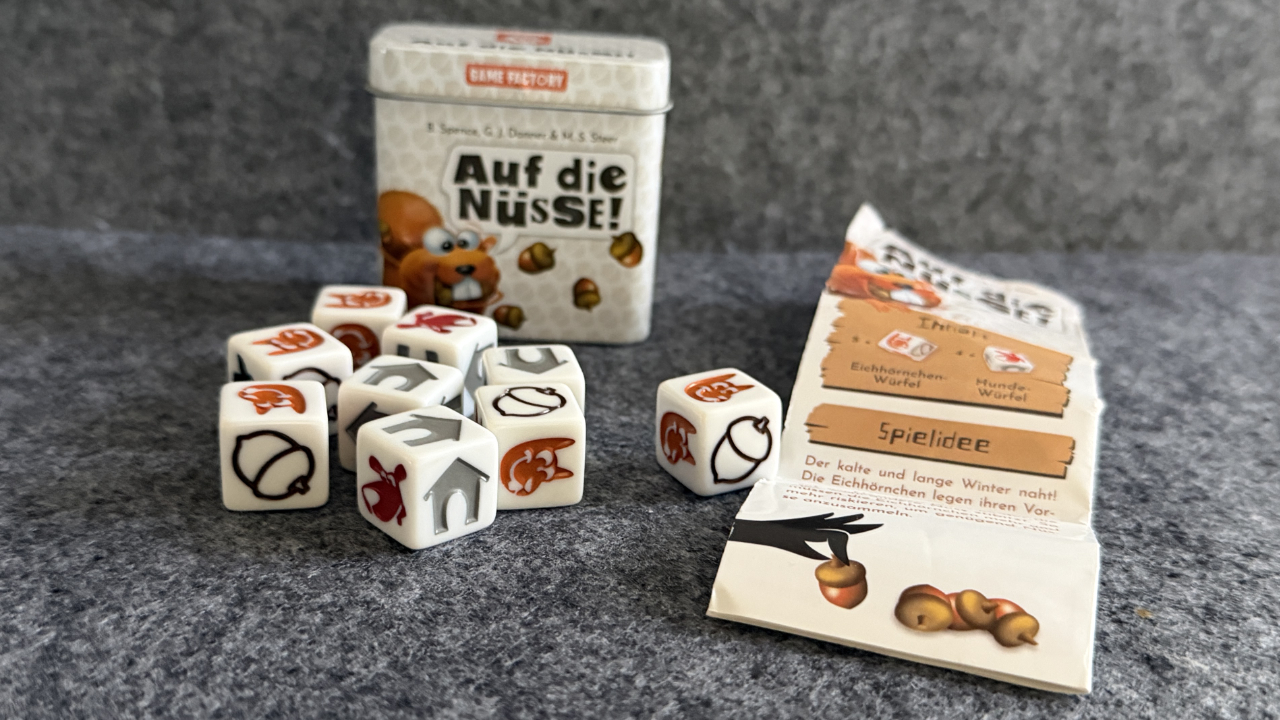
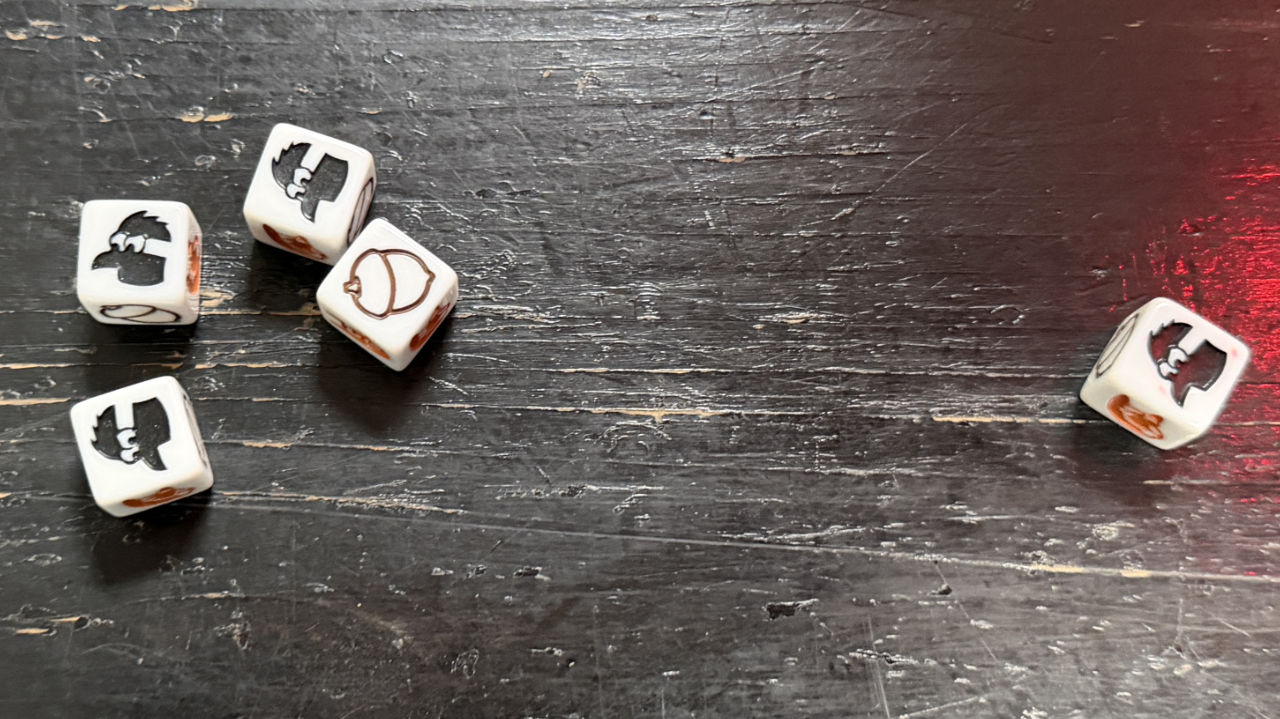
Kleine Dose, 5 Würfel für die aktiven Spieler und je ein Würfel für die Auf die Nüsse-Runde.
Fünf Würfel mit Nüssen, Eichhörnchen und Tannenhäher haben wir. Und nun wird es simpel: Würfeln, Tännenhäher rauslegen, Nüsse als Punkte zählen und – sofern wir push your luck mögen – Nüsse und Eichhörnchen für die nächste Würfelrunde nutzen. Das kann man so lange weitertreiben und weitere Nüsse addieren, bis man ausschließlich Tannenhäher oder Eichhörnchen würfelt.
Ganz spannend lustig ist es schon, wenn man in der Endphase alles Tannenhäher würfelt, denn dann ist die Runde punktlos beendet. Und würfelt man in der Phase lauter Eichhörnchen, wird es interaktiv.
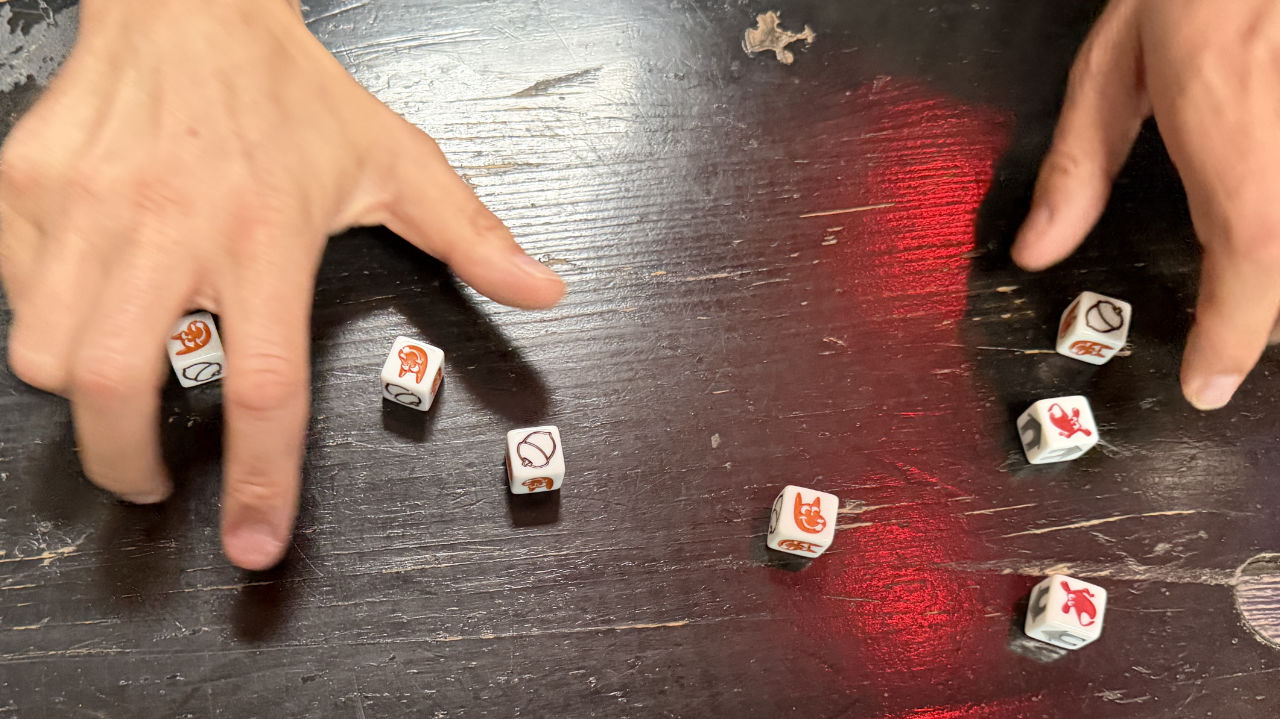
Der Spieler nimmt sich alle Würfel, mit denen er zuletzt alles Eichhörnchen gewürfelt hat, und würfelt diese immer wieder und wieder und summiert die Nüsse. In der Zwischenzeit würfeln alle anderen Spieler ihren Hundewürfel und rufen Wuff-Wuff, wenn ein Hund kommt. Wenn alle einen Hund gewürfelt haben, endet die Runde und der aktive Spieler bekommt Punkte in Höhe seiner bis dahin erwürfelten Nüsse.
Schnell, schnell, schnell Nüsse würfeln. Denn die anderen würfeln sich einen Hund.Mit dem Nusswürfel kann ich weiterwürfeln. 3 Eichhörnchen, 2 Nüsse und 1 Tannenhäher ist die Wahrscheinlichkeit.
Fazit:
Tja, es gibt eine Reihe kleine-Dosen-Spiele von Game Factory. Die Relation von Spieldauer (15 Minuten) zu Spaßfaktor (auch Abhängig von der Umgebung) ist ok, es soll ja auch nur ein Reisespiel für bis zu vier Personen sein.
The morning begins with the sound of servants moving furniture. The dining room needs preparing, invitations need sending, and someone has decided that the garden requires attention before our guests arrive. Money is finally coming into the estate again, although there never seems to be quite enough of it. Reputation is returning too, slowly, helped along by carefully chosen gatherings and the right people at the right tables. Somewhere between arranging another lavish afternoon and wondering whether we can afford the room needed to host it, I realise that running a country estate is an Obsession by Dan Hallagan from Kayenta Games with art by Dan Hallagan.
Bus headquarters was busy. We were still trying to figure out the best route to pick up passengers and deliver them to their destinations. The job was made harder because our competitors were vying for the same customers. We were the only two bus operators to serve this town, and we both wanted to be the best. We were also both making up the route as we went along. All I could do was tell my team: Let's Make a Bus Route: The Dice Game by Saashi from Saashi & Saashi with art by Takako Takarai.
Mit Festung Europa verlagerte Konflikt ’47 den Krieg ins Herz des Kontinents. Doch während die Alliierten dort um Dresden kämpfen, bereitet Japan den nächsten Schlag vor. Invasion Amerika führt den Rift War über den Pazifik und bringt den Krieg dorthin, wo ihn die USA kaum erwartet haben: ins eigene Land.
With this My Favorite Wargame Cards Series, I hope to take a look at a specific card from the various wargames that I have played and share how it is used in the game. I am not a strategist and frankly I am not that good at games but I do understand how things should work and be used in games. With that being said, here is the next entry in this series.
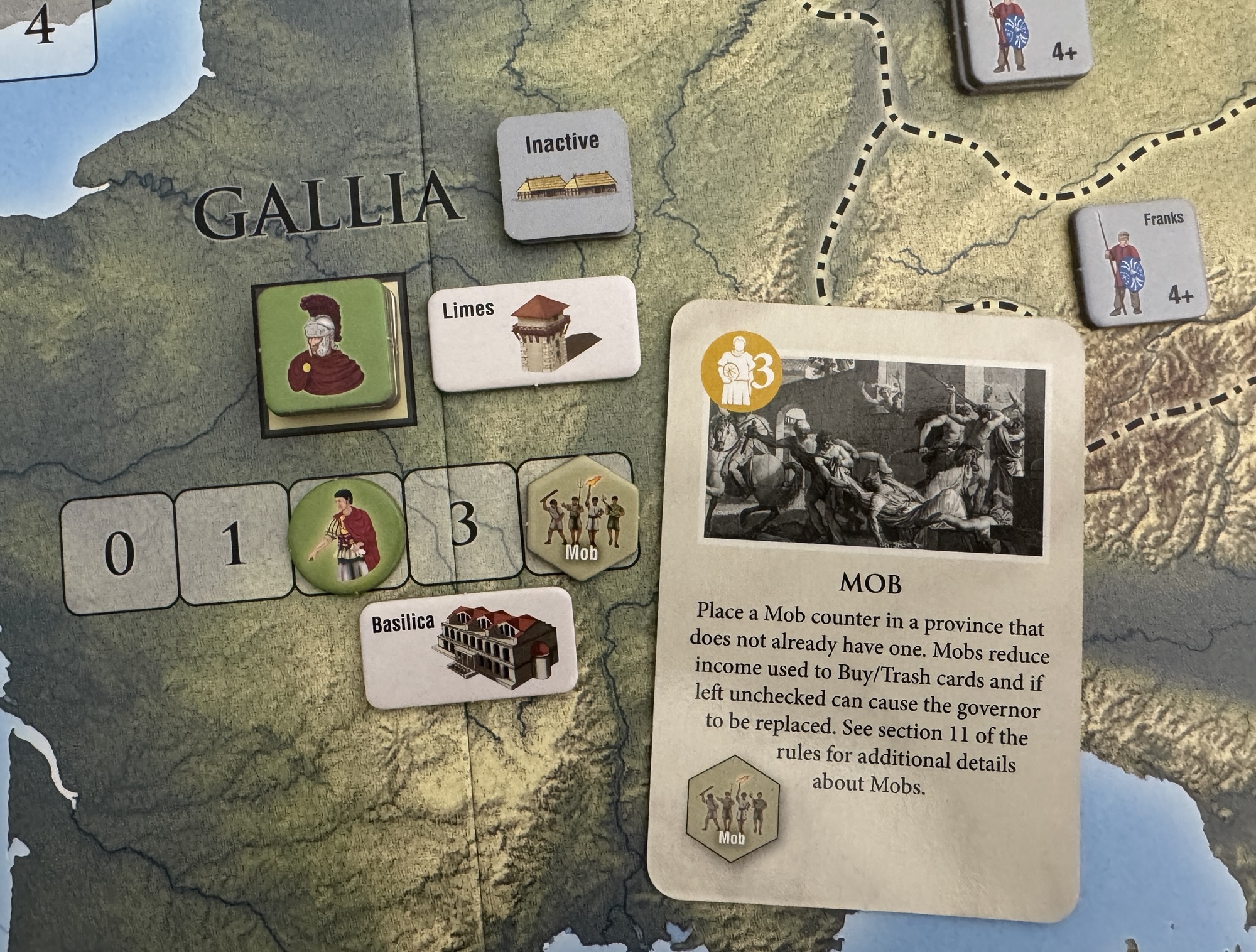
#90: Mob from Time of Crisis: The Roman Empire in Turmoil, 235-284 AD from GMT Games
I really love Time of Crisis from GMT Games. This is a very light, introductory wargame that is just plain fun to play. I have been playing it a ton on the Rally the Troops! online platform and really enjoy it no matter what the outcome of those games are. One card that I enjoy using is called Mob, which is a 3 value Populace Card that really can be a devious way to usurp your enemies. Populace cards are intended to be used to increase the support level for your reign in various local senates, recruit militias to assist in the defense of the local populace, to remove Mob counters through the process of holding games and to build various improvements that provide various benefits such as a Basilica, Amphitheater or Limes. You will be unable to control your local provinces without the support of the people and the Populace cards will help you to build that support. But with the Mob card, this is an offensive focused Populace card that can be used to begin undermining your opponents hold on provinces.
When played, the card allows you to place a Mob counter in a province on the board that doesn’t currently have a Mob counter. Mob counters represent rioting and instability in the provincial capital of a province. The Mob in the province will reduce its income generation by the number of Mob counters in the province but also will grow if not dealt with. During the Support Check Phase, if the number of Mob counters in a province equals or exceeds the province’s support level the Governor is replaced with a Neutral Governor with a support level of 1. During the End of Turn Phase, one Mob counter is added to each governed provinces that already has a Mob counter and no Amphitheater. The presence of an Amphitheater doesn’t stop Mob counters from being added from the play of the Mob card but will stop them from growing. Remember, one of the maxims of Ancient Rome was bread and circuses, which is panem et circenses in Latin. It was coined around 100 AD by the Roman poet Juvenal in his Satires. The phrase criticizes how the Roman public traded their political freedom and civic duties for free grain and massive public spectacles.
The Mob card can be quite effective as it reduces the income of your opponents which is used to to purchase additional and more powerful cards but also forces them to spend their card values on suppressing the mobs, through military force with the Suppress Mob action or through placation with the Hold Games action. Both will be a thorn in the side of your opponents and will cause them to have to change their plans temporarily to deal with the issues you have caused them. A fun and delightful “take that” type of card.
Mobs in ancient Rome were powerful, volatile groups of urban plebeians, freedmen and workers who heavily influenced politics, food supplies and public safety. Driven by economic hardship, political gangs, and grain shortages, these crowds routinely rioted, burned government buildings and forced emperors or senators to heed their demands. Ancient Roman writers, politicians, and historians viewed the urban mob (plebs) with a mixture of fear, contempt and fascination, often describing crowds as volatile, lawless and easily swayed by demagogues. One of the more well known quotes from history comes to us by way of Titus Livy when he said, “Indeed, that is the nature of crowds: the mob is either a humble slave or a cruel master.” Livy also wrote: “As for the middle way of liberty, the mob can neither take it nor keep it with any respect for moderation or law.”
1799/1810 copperplate engraving titled The Death of Clodius (or Clodius killed by Milo’s mob) was drawn by the Polish-born French artist Silvestre David Mirys (1750–1810) as part of his series Figures de l’histoire de la république romaine.
With this My Favorite Wargame Cards Series, I hope to take a look at a specific card from the various wargames that I have played and share how it is used in the game. I am not a strategist and frankly I am not that good at games but I do understand how things should work and be used in games. With that being said, here is the next entry in this series.
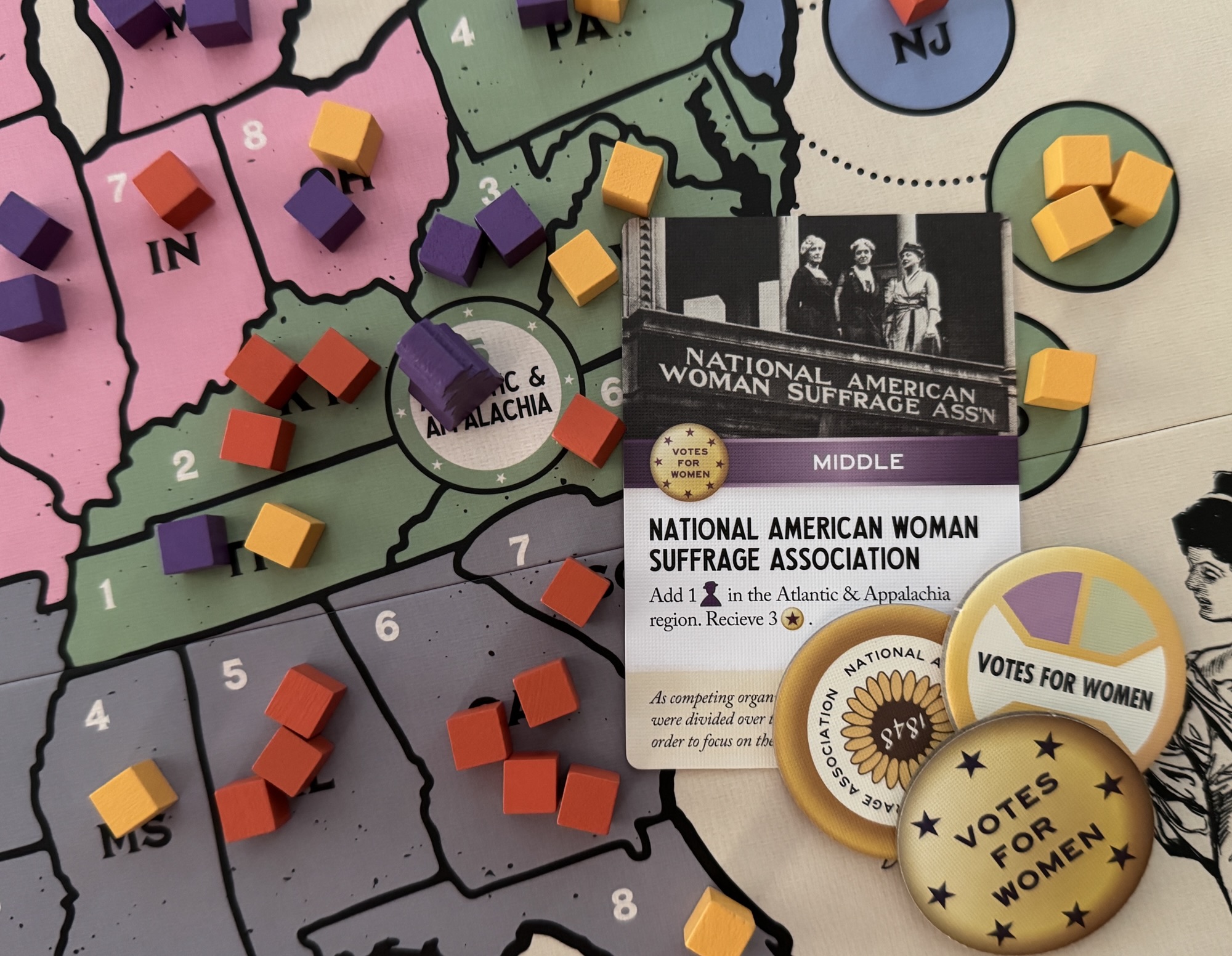
Card #88: National American Woman Suffrage Association from Votes for Women from Fort Circle Games
Votes for Women is a very interesting card-driven game that covers the American Women’s Suffrage Movement from 1848-1920, culminating in the ratification of the Nineteenth Amendment which granted women the right to vote. The game is a 2-player game, that has a fully developed solitaire mode with an “Oppobot” and offers a cooperative mode for those who don’t wish to play as they Opposition. The Suffragist player will have to push Congress to propose the Nineteenth Amendment, and then focus on campaigning to have a minimum of 36 states to ratify the Amendment. The Opposition side will try to prevent Congress from proposing the amendment and failing that to have 13 states reject the amendment.
The game uses cards in a fairly traditional CDG way as there are events that can be be taken or the cards can be played to do things like Campaign, Organize or Lobby Congress. Each card has a specific Card Era that is used to create of the each players’ Draw Decks. Late cards will be on the bottom of the deck, Middle cards will be in the middle of the deck and Early cards will be on the top of the deck. The Suffragist and Opposition decks each have one Start card that will be placed in the player’s hand at the start of the game. Some Event Cards have a prerequisite and some of the cards require a player to roll a 6-sided die and only take the the action on a roll of 3-6. Otherwise, the Event Card is discarded with no effect. The cards in this game are also steeped in historical details, from the name of the events that tie back to specific individuals or happenings, to major moments in the struggle. This game is about the history of the struggle for the right to vote and it is very good!
One of the more interesting aspects about the mechanics of the game is the use of Campaigners to go about trying to influence the attitude of the people and legislators regarding the Nineteenth Amendment through the Campaign Action. When a card is played for a Campaign Action, the player rolls a die, either a 6-sided or 8-sided die depending on what cards have been activated, for each Campaigner they have in play. The player then gets to take the dice and their results, which range from 1-8, and assign a specific die to each of their Campaigners. Each Campaigner may then place the corresponding number of cubes, matching the Campaigner’s color, in the States within the region that the Campaigner is located in. The player may spend a Button to move the Campaigner to a different region, but all of the corresponding cubes must be put into the same region. This is a great way to get a lot of influence out on the board to begin taking control of various States for the final vote in the game. This also is a very efficient way of doing this as you will be rolling 2-3 dice for your Campaigners and then spamming the States. With that in mind, today’s card is the National American Woman Suffrage Association and it provides the Suffragist player with a new Campaigner (purple) to place out specifically into the Atlantic & Appalachia Region that includes the States of Kentucky, Tennessee, West Virginia, Pennsylvania, Virginia, North Carolina, Maryland and Delaware. The card also grants the Suffragist player with 3 Buttons that can be used as described above to relocate a Campaigner from one state to another. This card is very helpful and should be played for the Event 9 times out of 10 and will make a huge difference in the outcome of the game. Once a 2nd or 3rd Campaigner is deployed, I tend to take Campaign Actions rather than some of the less intensive placement options or Events.
The National American Woman Suffrage Association (NAWSA) was an organization formed on February 18, 1890, to advocate in favor of women’s suffrage in the United States. It was created by the merger of two existing organizations, the National Woman Suffrage Association (NWSA) and the American Woman Suffrage Association (AWSA). Its membership, which was about 7,000 at the time it was formed, eventually increased to 2 million, making it the largest voluntary organization in the nation. It played a pivotal role in the passing of the Nineteenth Amendment to the United States Constitution, which in 1920 guaranteed women’s right to vote.
Helen Hamilton Gardener, Maud Wood Park and Carrie Chapman Catt at Suffrage House in Washington, D.C.
Susan B. Anthony, a long-time leader in the suffrage movement, was the dominant figure in the newly formed NAWSA. Carrie Chapman Catt, who became president after Anthony retired in 1900, implemented a strategy of recruiting wealthy members of the rapidly growing women’s club movement, whose time, money and experience could help build the suffrage movement. Anna Howard Shaw’s term in office, which began in 1904, saw strong growth in the organization’s membership and public approval.
After the Senate decisively rejected the proposed women’s suffrage amendment to the U.S. Constitution in 1887, the suffrage movement had concentrated most of its efforts on state suffrage campaigns. In 1910 Alice Paul joined the NAWSA and played a major role in reviving interest in the national amendment. After continuing conflicts with the NAWSA leadership over tactics, Paul created a rival organization, the National Woman’s Party.
Here is a link to our full video review of the game:
With this My Favorite Wargame Cards Series, I hope to take a look at a specific card from the various wargames that I have played and share how it is used in the game. I am not a strategist and frankly I am not that good at games but I do understand how things should work and be used in games. With that being said, here is the next entry in this series.
#86: LRRP from Fire in the Lake: Insurgency in Vietnam from GMT Games
The COIN Series uses cards in a very different way from other CDG’s. These cards are not necessarily the driver of the action but more assistive to the actions of the players by setting eligibility and also providing powerful events. The Event Cards are more often than not, very powerful. They either give you a continuing bonus on future Operations and Special Activities (as in the case of the volumes that include the various Capabilities) or allow you to take Operations and Special Activities more times that round than you would normally have been able to had you not chosen the Event and more often than not, at no cost! Also, because of the power of the cards and their ties to one or more factions, you can take the Event which allows you a huge advantage, only to see that very powerful Event reversed with the next Event or with a regular Operation. This is very frustrating but is one of the major reasons that I love the card-assisted element of the COIN Series. Today we are going to take a look at the LRRP Event Card.
The LRRP Event Card, with LRRP standing for Long-Range Reconnaissance Patrol, allows the US player to place 3 Irregulars outside the South then conduct a free Air Strike, that also allows for the removal of Bases first. Keep in mind that Irregulars are US Special Forces pieces, which are the hexagonal shaped cylinders not ARVN Rangers. “Outside the South” means any Laos or Cambodia Provinces. Seems pretty pedestrian but it is important to note that this card changes the rules when played as normally all other units in a space must be removed before Bases can be removed. A very powerful card that typically will be played by the US player when it comes up. But keep in mind that Air Strikes are a dual edged sword as you get rid of pesky enemy pieces but it will result in shifts of Support/Opposition but can also Degrade the Trail. On the bottom of the card, the text allows the VC or NVA to ambush these LRRP”s and remove 3 Irregulars from the map to Casualties. Then it gives an added benefit of shifting each space these removed Irregulars were in 1 level toward Active Opposition.
Image courtesy of Boxxer’s Blog.
A Long-Range Reconnaissance Patrol, or LRRP, is a small, well-armed and nimble recon team that is tasked with patrolling deep into enemy territory to identify or destroy key targets and gain recon on the enemy. The concept of scouting forces such as LRRP’s dates back to ancient warfare but also has been used in more modern and contemporary wars such as the French & Indian War where specialized Rangers, such as Rogers’ Rangers, were tasked with raiding Indian settlements, disrupting supply lines and reporting back to command on troop disposition and movement.
In Vietnam, veteran or specially trained forces often augmented with Vietnamese irregulars usually carried out Long Range Reconnaissance Patrols into enemy territory. The Studies and Observation Group (SOG) was the ground element of the US air war against the Ho Chi Minh Trail as illustrated by Project Tiger that spotted for and marked enemy trail activity for elimination by US air assets.
Here is a link to a very interesting summary of an LRRP and its mission on a Vietnam veteran run blog called Boxxer’s Blog: From the seat of a motorcycle: LRRPs: “—doing the impossible for the ungrateful.”
Mit der Mischung aus historischen Modellen des Zweiten Weltkriegs einerseits und einem alternativen Zeitstrahl mit futuristischen Elementen, gelang es Warlord Games mit der Neuauflage von Konflikt ’47 in der Szene Aufsehen zu erregen. Nun legt der britische Hersteller mit einem besonderen Kampagnenband nach.
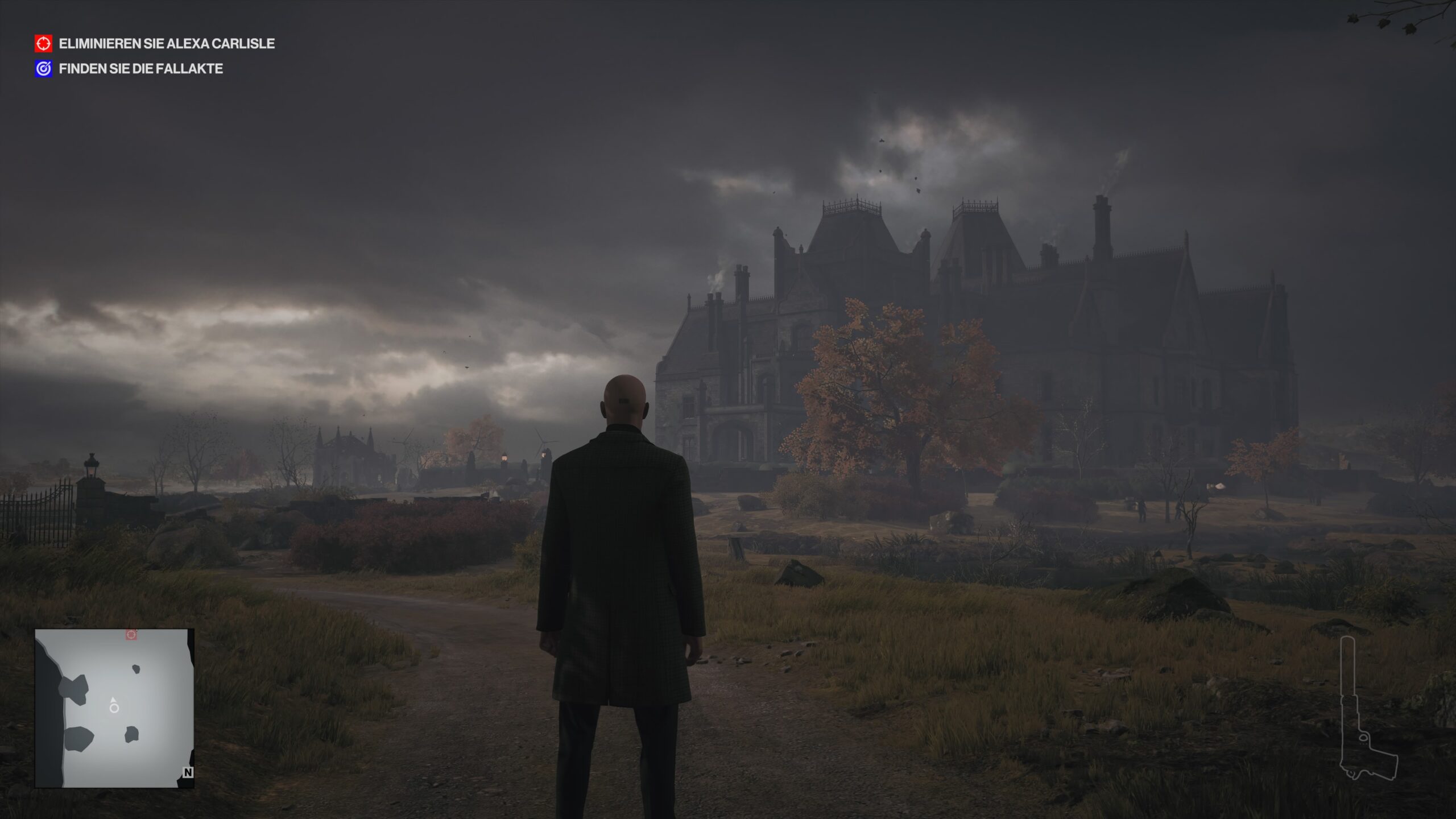
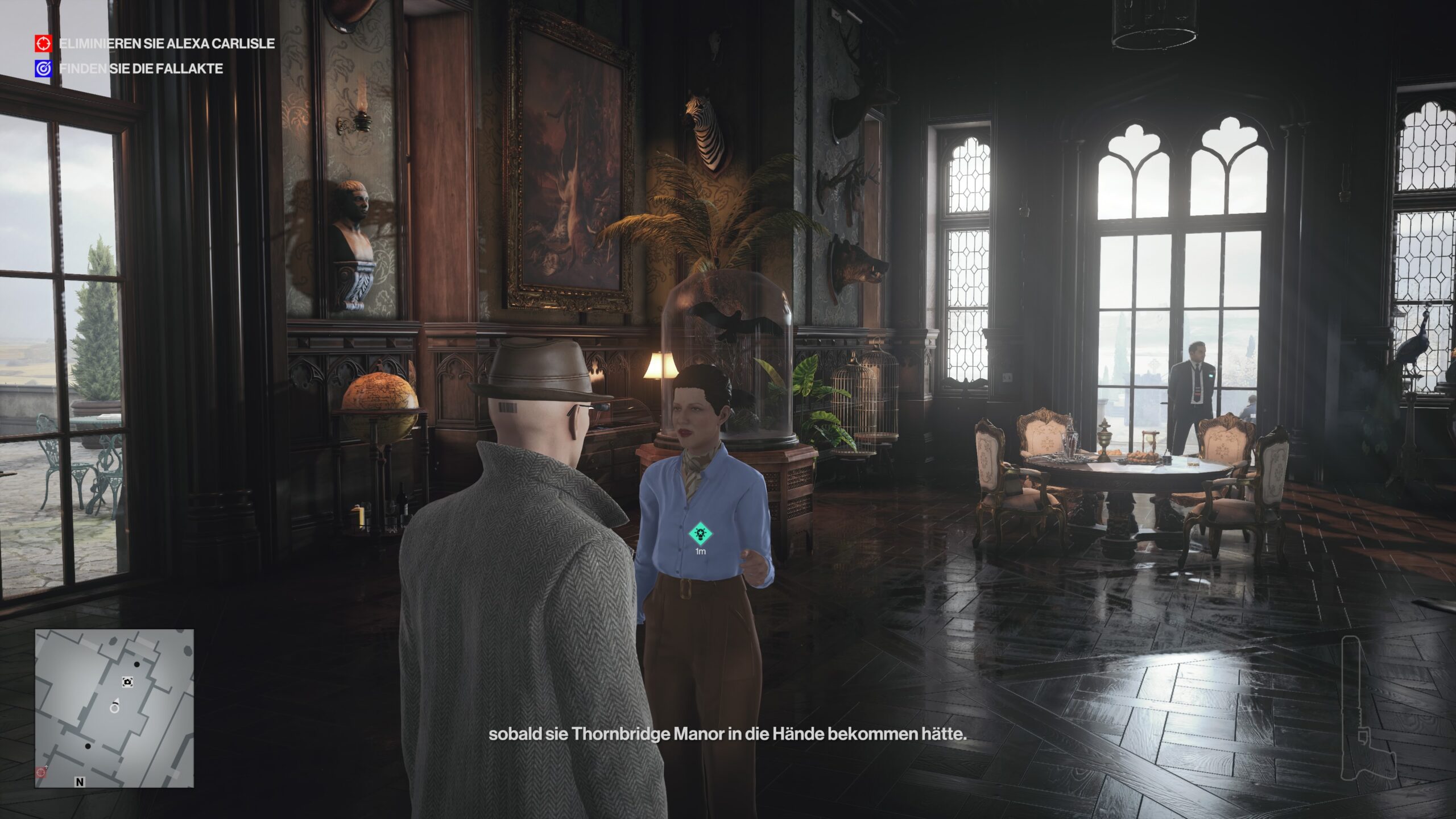
Man muss Agent 47 eigentlich nicht vorstellen. Bereits im Jahr 2000 kam der erste Teil des Schleich-Killerspiels von I/O Interactive und ich mochte die Serie schon in ihren Anfängen.
Damals konnte ich jedoch nicht wirklich viel Geduld aufbringen. Statt die Umgebungen zu beobachten, Gespräche zu Belauschen und geheime Wege zu finden, um meine Opfer möglichst elegant umzubringen, zog ich schnell die Waffe. Ich ermordete meine Ziele ohne Rücksicht auf weitere Verluste, um dann schnell zu einem Ausgang im Level zu laufen. So geht’s schließlich auch, aber ich wollte es diesmal doch anders angehen.
Im schwarzen Anzug mit roter Krawatte bekomme ich meine Einführung in erste Missionen, wähle Ausrüstung, Waffen und den Startpunkt. Es gibt dabei massig Orte auf der ganzen Welt, die ich bereisen und von den Bösewichten befreien darf.
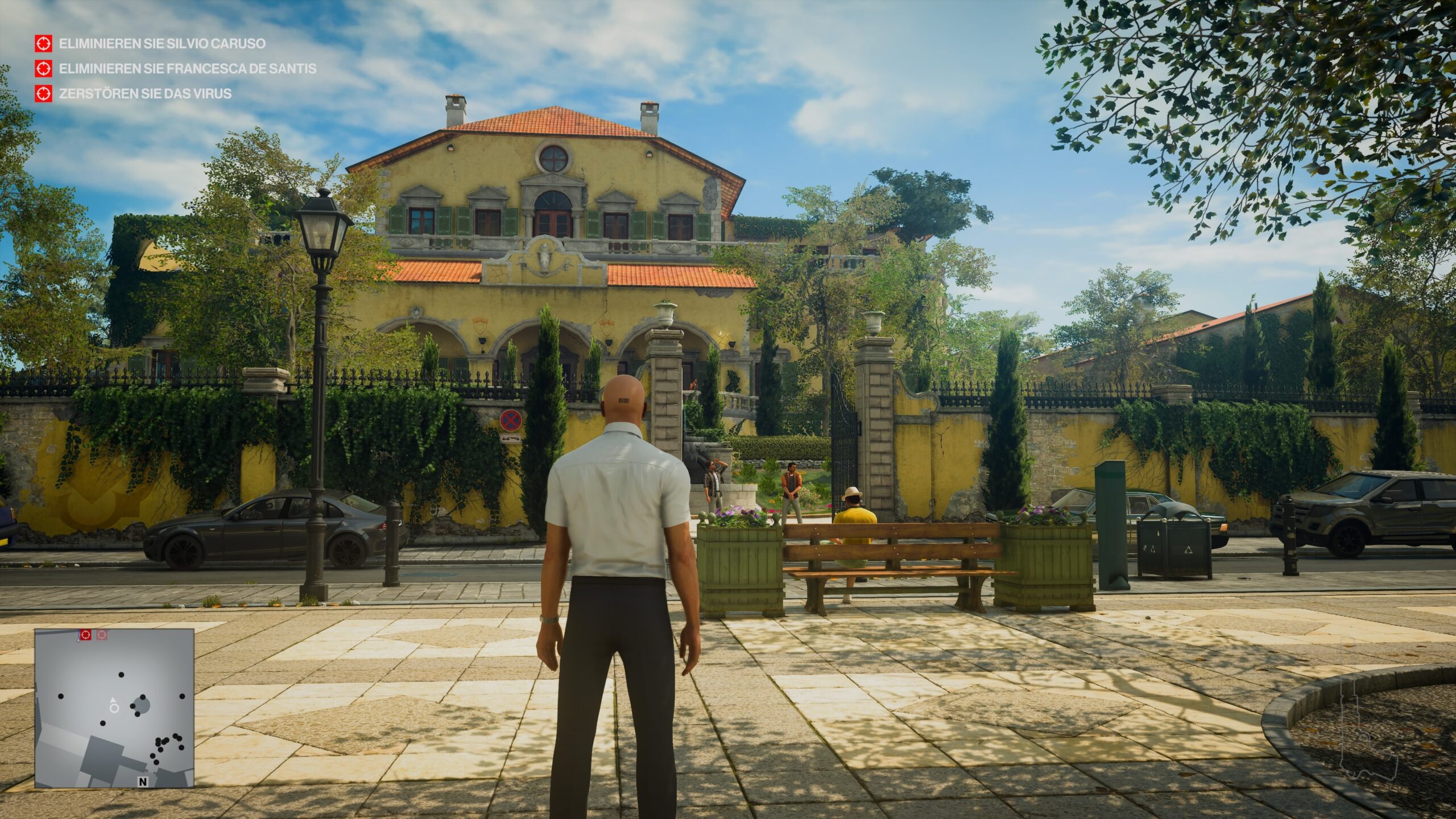
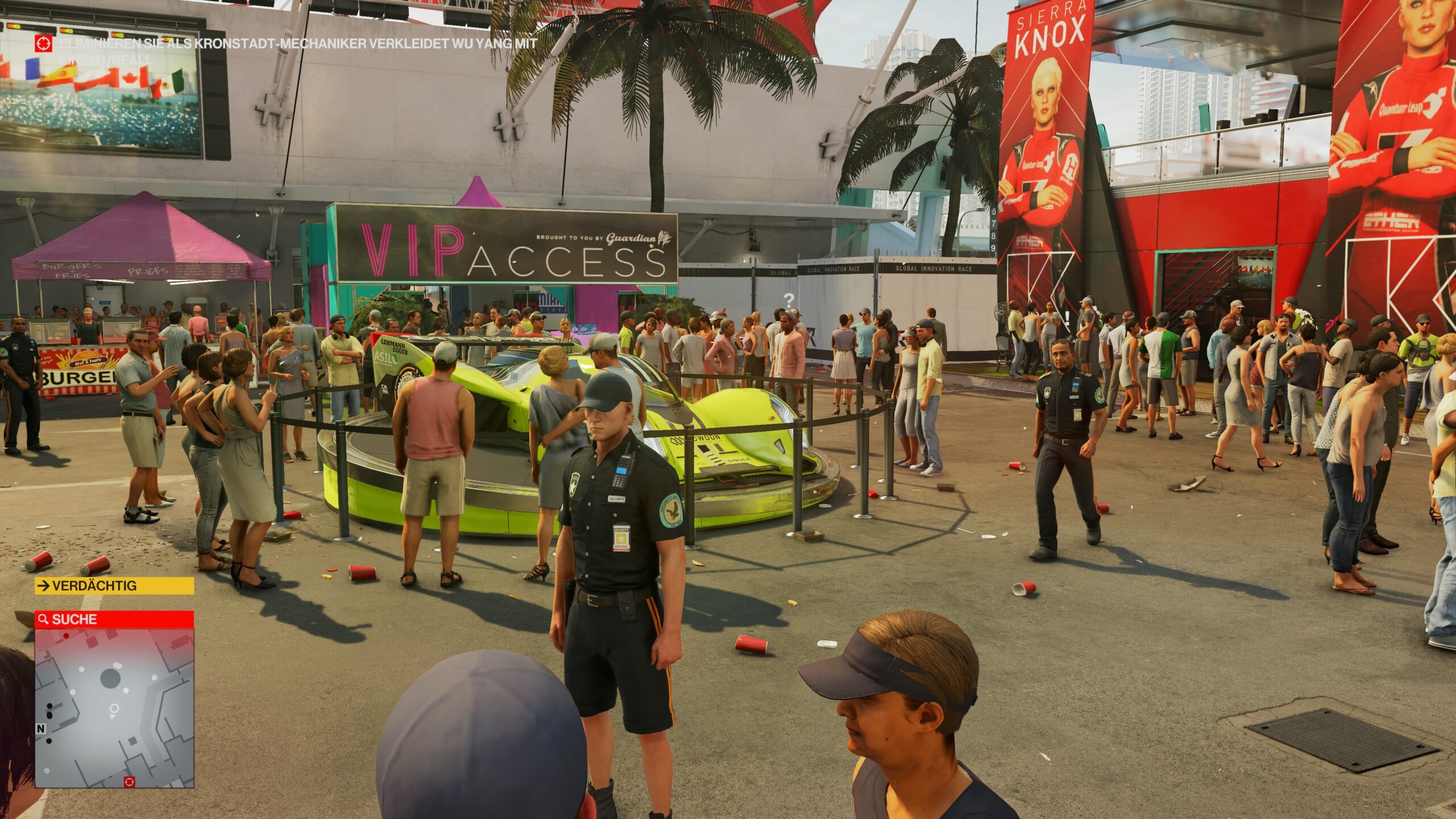
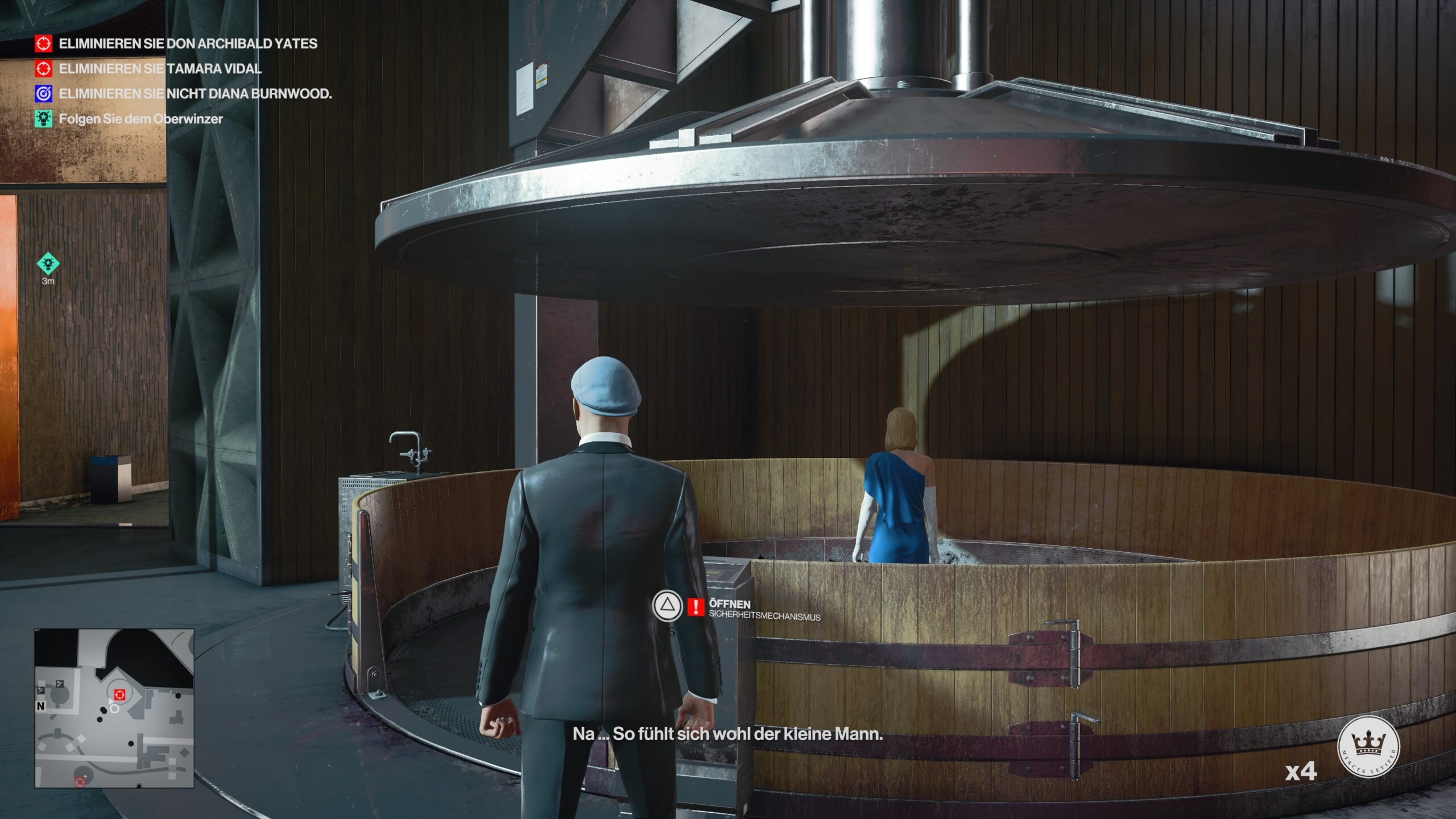
Und so kehre ich zurück nach Dubai und lasse mich erstmals auf die Mission ein, anstatt wild die Ziele zu snipern. Ich lege Verkleidungen an, nehme Identitäten an, täusche und schleiche. Gerade nachdem ich mir bei 007 First Light oftmals mehr Cleverness gewünscht habe, macht gerade diese Spielweise mehr Spaß. Mein Geduldsfaden hält, zumal regelmäßiges Speichern das kreative Ausprobieren absichert.
Und so ist auch durch „intelligentes Spielen“ jedes Setting relativ schnell und kurzweilig gespielt. So wäre alleingenommen ein Hitman 3 schnell durchgespielt, doch die Serie ist darauf ausgelegt, dass man die einzelnen Levels mehrfach spielt und neue Wege entdeckt, wie man die Tötungsziele beseitigen könnte.
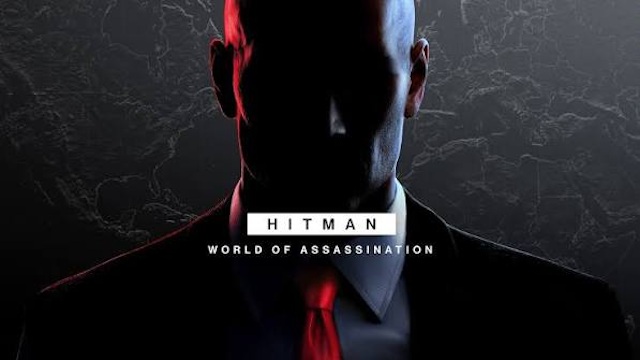
Die World of Assassination ist die Komplettbox von Hitman 1-3 der letzten 10 Jahre und bietet damit sehr viel Mordmaterial. Dazu kommen diverse Zusatzmissionen und zusätzlichen Spielarten, die ich jedoch ebenso wenig brauche, wie die undurchsichtigen Kampagnen-Stories. Hitman bietet coole Signature Kills, abwechslungsreiche Aufträge und bitterbösen Humor und vielleicht ist sogar das Brettspiel interessant.
Stubenscore: 8,7 / 10
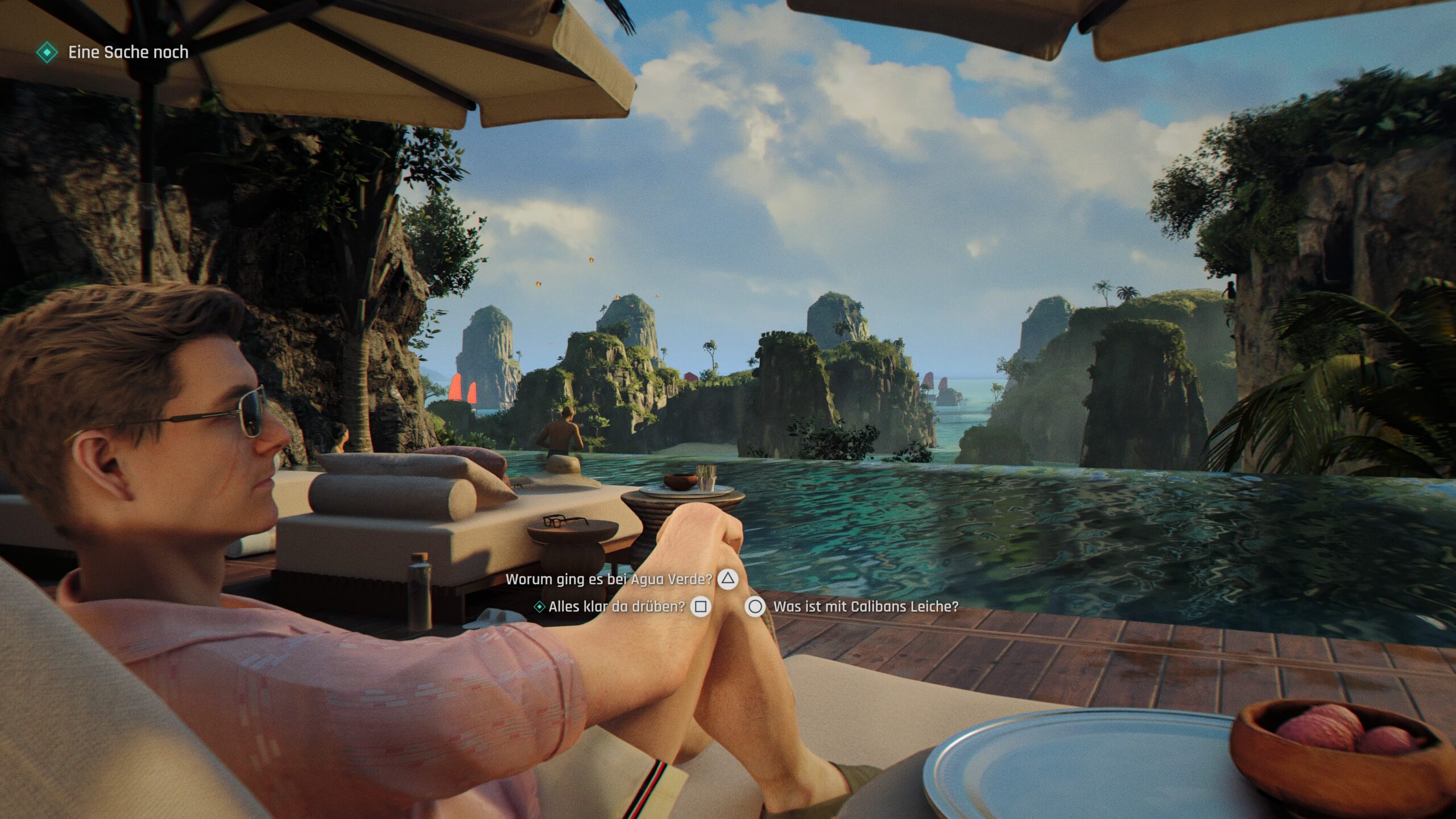
Morden wo andere Urlaub machen – zurück in Sapienza und es sieht gut aus.Die Settings sind sehr unterschiedlich.Und auch die Einsätze. Auf dem englischen Gut darf ich nebenbei einen Kriminalfall lösen.Oh, der Kollege erkennt mich nicht. Ich suche mal schnell das Weite in der Menge.Da drück ich doch mal den Knopf.
A little rabbit peeked cautiously over the edge of a vegetable patch, before it hopped inside and helped itself to a crunchy carrot. Soon, another rabbit joined in, nibbling happily on a radish, while a third disappeared behind broad broccoli leaves, and a fourth emerged triumphantly with an aubergine. Soon enough, mushrooms vanished as well, leaving only tiny paw prints behind. In less than a minute, the whole patch was filled with Rascally Rabbits by Ta-Te Wu from Sunrise Tornado Game Studio with art by TuziNeko.
Die Welt liegt in Trümmern. Der Zweite Weltkrieg dauert nun schon acht Jahre an und ein Ende ist nicht in Sicht. Die Kriegsparteien entwickeln immer neue und noch zerstörerischere Waffen und die Entdeckung der Rift-Technologie macht die Sache auch nicht besser. Willkommen in der Welt von Konflikt 47.
The saloon doors suddenly burst open behind you as your boots skid across the dusty wooden boards of the sidewalk. A split-second later, gunfire cracks through the afternoon air, the bullet ricocheting off a pail of water, sending startled townsfolk diving for cover. Diving behind an old barrel offers you a moment of shelter, although the sound of heavy footsteps suggests your pursuer is closing in on you. Then, glass shatters somewhere near the jail, followed by the sharp whistle of a bullet passing far too close for comfort. A grin spreads across your face as you raise your revolver and prepare to return fire. Well, that's what you get when you arrive in Rattlesnake by Michael Hardacre from Osprey Games with art by Roland MacDonald.
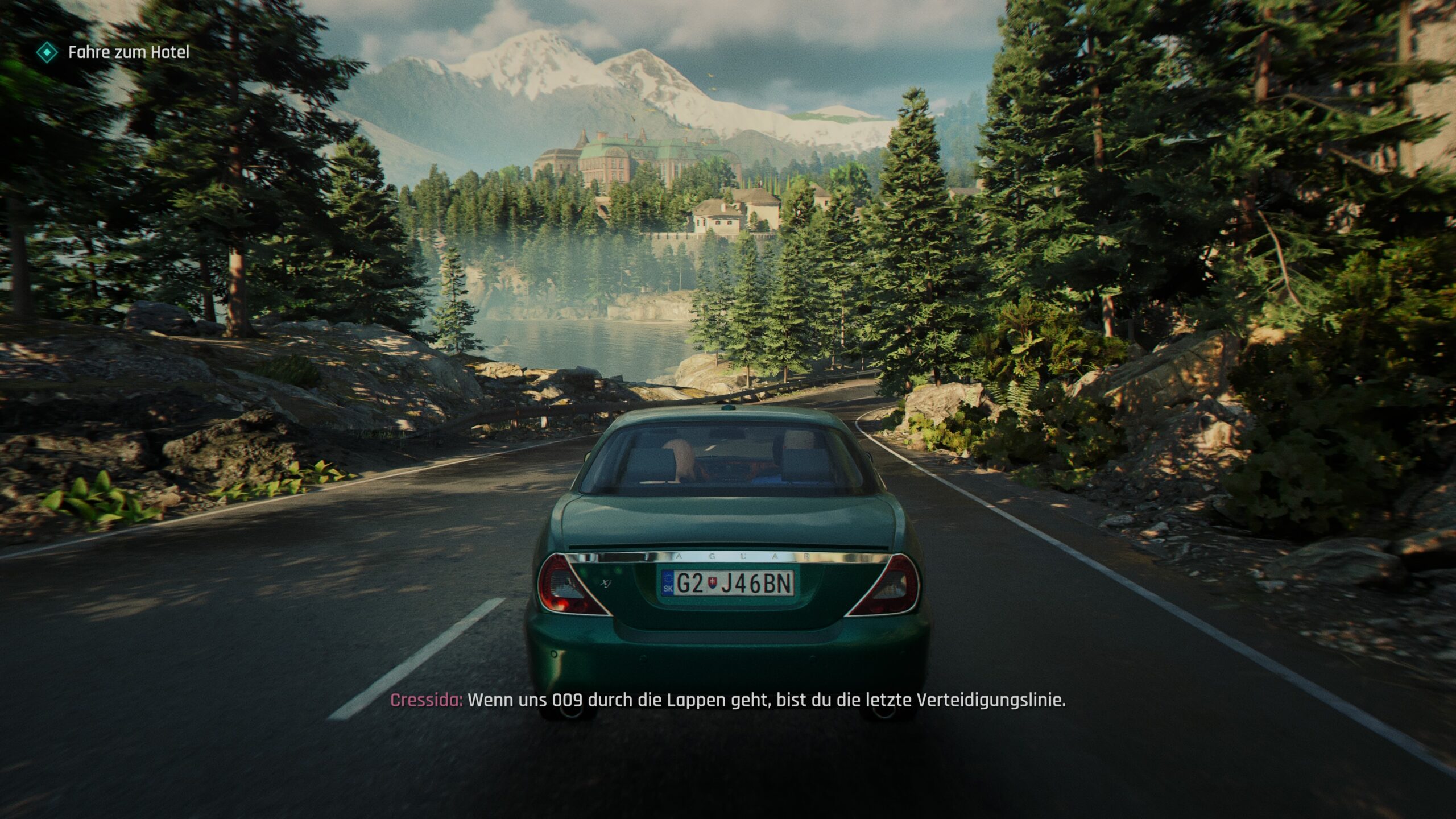
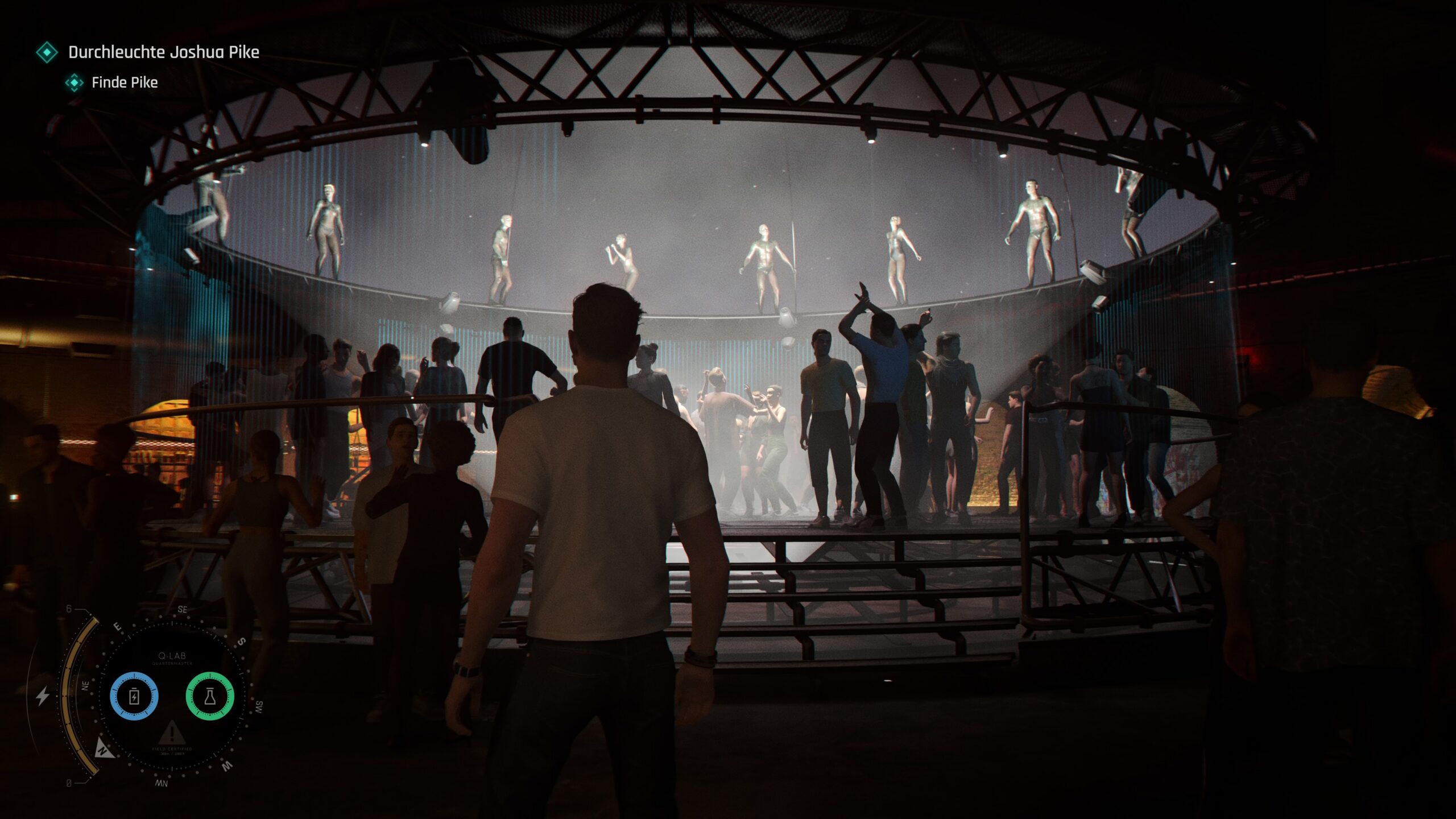
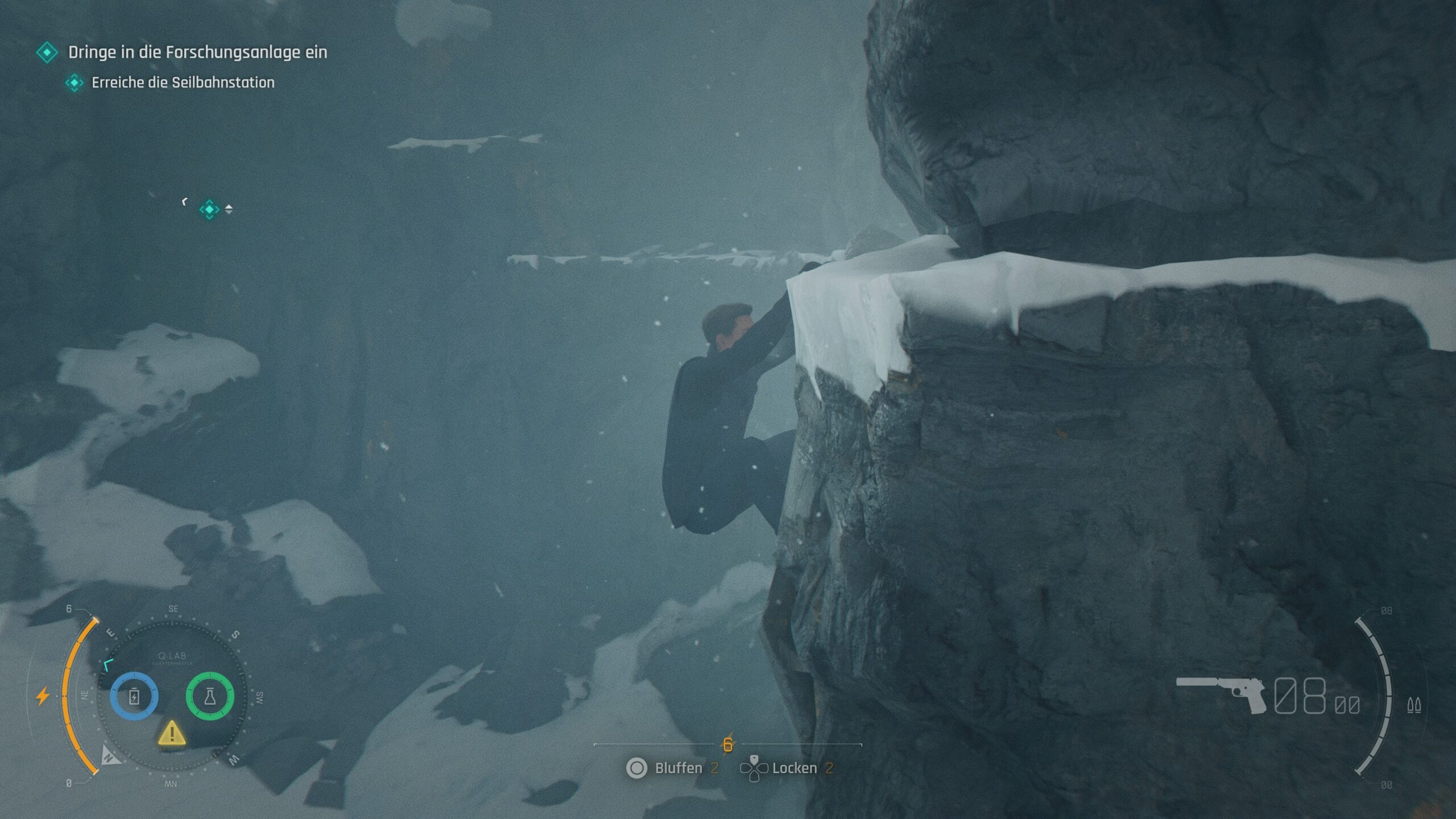
IO Interactive erfindet mit First Light sicher kein neues Genre mit der 007 Lizenz. Bekannt durch ihre Hitman Spiele, sind einige Anleihen von ihrem Auftragskiller-Spiel nicht zu leugnen. Es gibt auch keinen Zweifel, dass die Entwickler auch mal Uncharted gespielt haben und sich zudem anderer Spiele bedienen.
Man muss den Dänen aber lassen, dass ihn nicht nur der spielerische Mix gut gelungen ist – sie schaffen es die Atmosphäre von James Bond sehr gut einzufangen und erzählen zudem eine solide Geschichte, die es mit vielen der Filme aufnehmen kann.
So beginne ich als junger Soldat, der nach einem Einsatz eher zufällig in die Ausbildung zum 00-Agent des MI6 taumelt. Nach ein paar (zu vielen) Tutorialmissionen auf Malta, darf ich dann endlich meine erste wirkliche Mission starten. Ich bekomme ein Briefing von M, lasse mich von Q ausrüsten und hab stets Moneypenny im Ohr. Auch wenn dieser Bond mir in den ersten Minuten etwas stereotypisch vorkam, so gewinnt Schauspieler Patrick Gibson im Laufe des Spiels. Insgesamt gefällt der Cast, dazu kommt der Titelsong von Lana Del Rey und ich fühle direkt mich wie in einem Film.
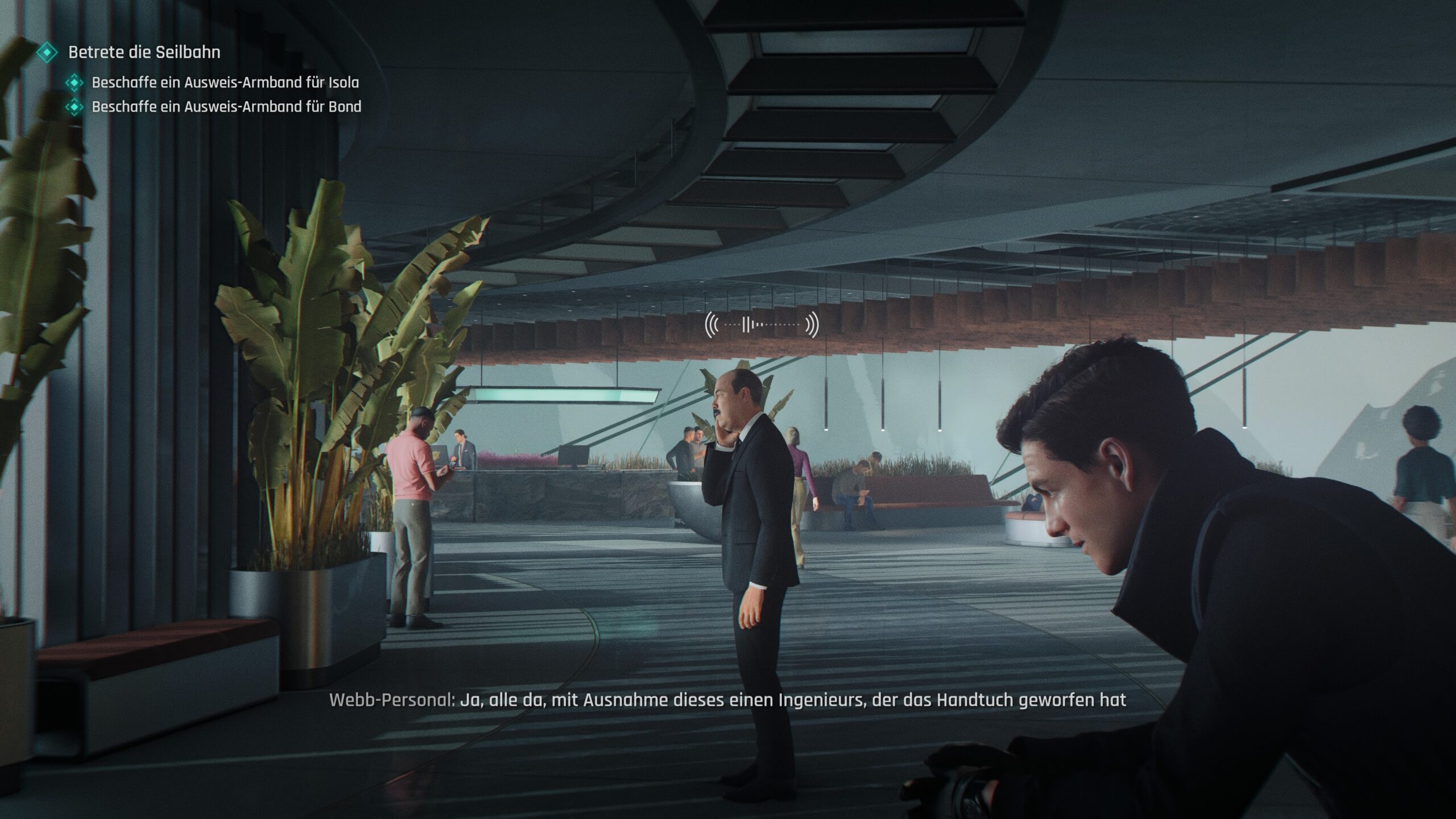
Was spielerisch gefällt ist die Freiheit, mit der man teilweise die Aufgaben in den Missionen lösen kann. Ob man sich brachial durchboxt oder eher klug Hinweisen nachgeht, Leute belauscht, durch Lüftungsschächte krabbelt – es gibt oftmals mehrere Wege. Im Gegensatz zu Hitman, „lockern“ aber auch reine Shooter-, Kletter- und Kampfpassagen das Geschehen auf. Die Stärke liegt jedoch klar in den Passagen, in denen man auch Hirn einsetzen muss – am Ende kommen diese ein wenig zu kurz und First Light übertreibt ein wenig die Action.
Es bleibt aber ein großartig inszeniertes Bond-Spiel mit einer großartigen Atmosphäre und einem starken Hauptdarsteller.
Stubenscore: 8,6 / 10
Im Labor von Q gibt es diverse Spielereien.Optisch macht First Light einiges her.Die Hitman-Engine konnte schon viele NPC darstellen, was auch im Bond Spiel gut funktioniert.Klettern a la Uncharted.Leute belauschen, Hinweise sammeln, Missionen lösen.Are you gonna go my way? Es gibt coole Vilians im Spiel.Inszenatorisch geht einiges.Wo bleibt mein Martini?Patrick Gibson wäre sicher keine schlechte Bond Wahl.
Electric-blue leg warmers stretched over striped socks, sequins sparkling beneath a giant mirror ball, while clouds of hairspray drifted through the air. Synth-pop booms from oversized speakers as skaters practise one last spin, one last shuffle, one last gravity-defying move before the judges arrive. It's November 1983, and the biggest competition of the year is about to begin. Jam skaters from around the world have gathered beneath the glittering lights, hoping their best moves will earn them the championship crown. They want to become the next champion of the Roller Disco by Mike Petchey from Huff No More with art by Joss Petchey.
An Impossible War: The First Carlist War in the North, 1834-1838 from Bellica Third Generation is a block wargame that recreates the First Carlist War in the North of Spain which was a civil war between the Carlists who supported the succession of the late king’s brother Carlos de Borbón and the progressive and centralist supporters of the regent Maria Christina acting for Isabella II of Spain who were referred to as the Liberals. The game uses blocks representing units but also includes counters and uses cards. I was able to play the game about a month or so ago with Francisco Ronco who owns the publishing company Bellica Third Generation and very much enjoyed the game and how it represented this interesting struggle.
In Action Point 1, we took a look at the Game Map, discussing the point-to-point movement configuration, the various spaces and the delineation of the Carlist versus the Liberal Zones, as well as explained the use of the Rest of Spain smaller map. In Action Point 2, we examined the units available to both sides and covered the importance of Supply. In this Action Point, we will take a look at the Carlist Uprising Phase and what it means for the game.
Carlist Uprising Phase
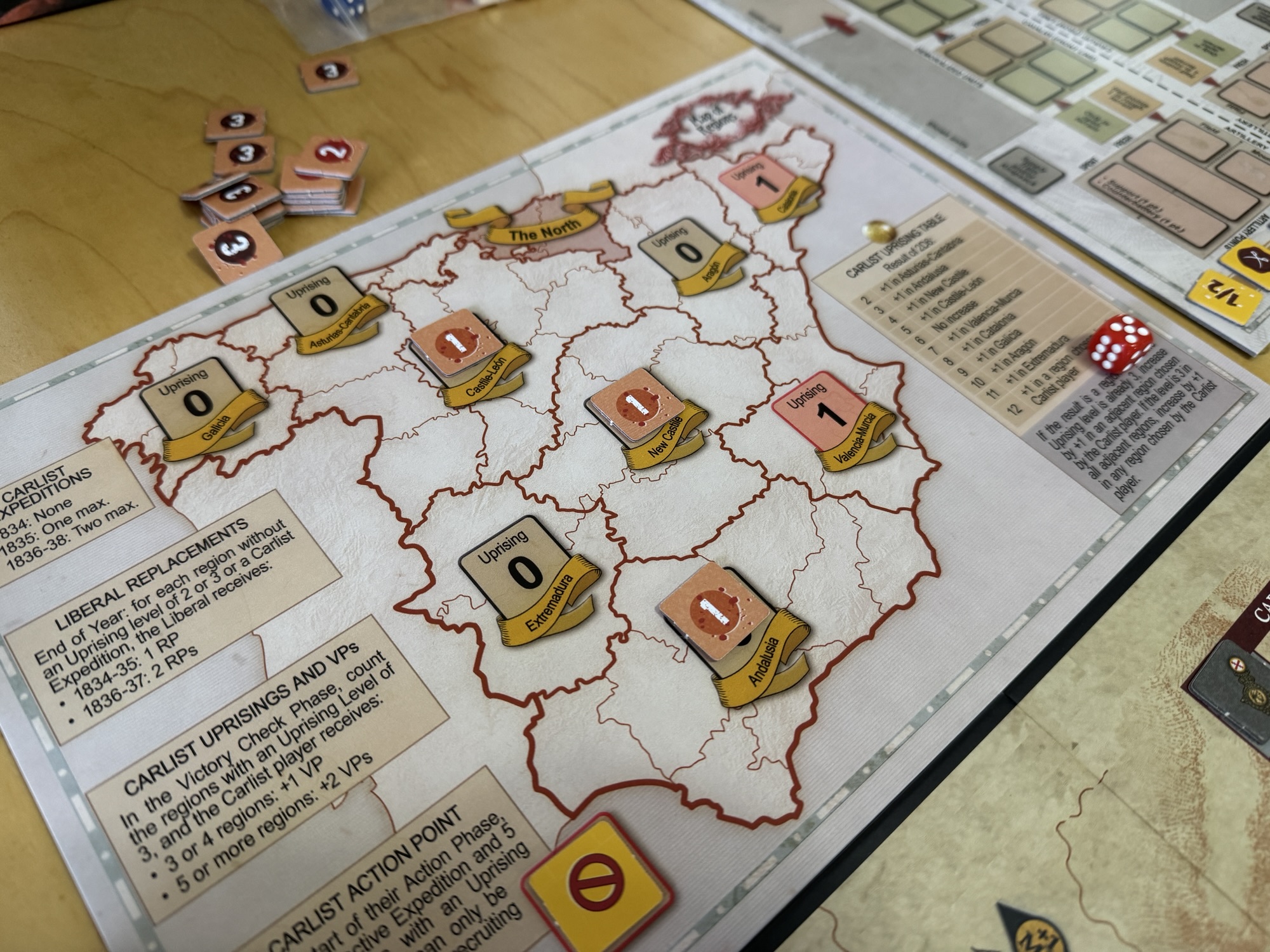
The map of the Regions of Spain, or Rest of Spain Map as it is referred to in the rules, is smaller and simpler than the Game Map itself and is a separate board that plays along side the main board. It consists of 9 large regions that cover large territories of Spain. This map’s purpose is to record the spread of the Carlist Uprisings, to enable Carlist expeditions to operate and for the Liberal player to chase and hunt these expeditions down. The Rest of Spain Map is divided into regions and each region has a Carlist Uprising Level of between 0-3. Also, there are 2 regions, including Valencia-Murcia and Catalonia, where the Carlist Uprising Level cannot fall below 1, reflecting the intensity of Carlism in these regions. The Carlist Uprising Level cannot ever be less than 0 (or less than 1 in Valencia-Murcia and Catalonia which is the printed value on the Rest of Spain Map) or more than 3. Any effects that change the Carlist Uprising Level below or above these numbers is simply ignored.
The Carlist Uprising Phase begins with a roll on the Carlist Uprising Table to determine any effects that will be carried out this turn. Then, if there is an existing active Carlist Expedition on the Rest of Spain Map, the Carlist player may attempt to increase the Carlist Uprising level in its region. This increasing of the Uprising Level is like a wave. A wave that starts out small with presence of unrest being only in a few spaces on the Rest of Spain Map, but it will soon get out of control and turn into a tidal wave that can crush the Liberal player if they have not being paying attention to the situation on the board.
The Carlist player will roll 2D6, sum the result of both of the dice, and then will consult the Carlist Uprising Table found on the Rest of Spain Map to find and then apply the result. If you know anything about the probability of the outcome of this 2D6 roll, the most likely outcome is 7. There are 36 total possible combinations when rolling 2D6 and there are 6 different ways to get to a result of 7 including 1+6, 2+5, 3+4, 4+3, 5+2, and 6+1. So generally your spread will be around that 5-8 range, which according to the Carlist Uprising Table means that you will see the Uprising Level increase in places like Castile-León (result of 5), no increase (result of 6), Valencia-Murcia (result of 7) and Catalonia (result of 8). But it is also important to remember that the highest a region can attain is 3 and if it is rolled then the Carlist player will choose to increase the Carlist Uprising Level in 1 adjacent region.
The next step of this phase is the Expedition portion. If there is any active Expedition on the Rest of Spain Map then the Carlist player can attempt to increase the Uprising Level in each region where there is an Expedition, as long as there are more Carlist units than Liberal units there. The number of Liberal Infantry and Cavalry units in the region is subtracted from the number of Carlist Infantry and Cavalry units forming the Expedition. The Carlist player then rolls a die, and if the result is equal to or less than this number, the Uprising Level increases by +1. An Expedition cannot increase the Uprising Level in a region where the level is already 3 and there is no adjacent spill over of this furor.
The units of the Liberal player can move on this map at all times. The units of the Carlist player cannot enter the Rest of Spain Map before 1835. It is important to keep in mind the Carlist player can only have a single active Carlist Expedition on the Rest of Spain Map in 1835, and a maximum of 2 Expeditions from 1836 onwards.
So why is this part of the game important? Uprisings can provide Victory Points to the Carlist player. In addition to VP’s, Uprisings provide replacements for Carlist Expeditions and feeds the spread of rebellion on the Rest of Spain Map. There is a track on the map where the Carlist player keeps an accounting of the the Carlist Prestige marker to gain VP’s. If the amount of regions with an Uprising Level of 3 is at 3 or 4 regions, the Carlist player will gain 1 VP. If there are 5 or more, the Carlist player will receive +2 VP’s.
But there are other benefits to the players that come as a result of the Uprising Level on the Rest of Spain Map. For the Liberal player, at the end of each year for each region that is empty of Carlist Expeditions and has an Uprising Level of 0 or 1 (no 2’s or 3’s), they gain 1 Replacement Point in 1834-1835 and 2 Replacement Points in 1836-1837. Think of it this way. If there are no Carlist troops threatening the local Liberal supporting public, they are more willing to provide their sons to the military to fight the rebellion. But, if the Carlist fire of uprising has spread and there are active Carlist troops in the streets there will be less support for the Liberal cause.
Also for the Carlist player, if at the start of their turn there is an Expedition on the Rest of Spain Map and there are 5 or more regions with an Uprising Level of 2 or 3, they will gain +1 Action Point that can only be used to move or recruit Expeditions. Once again, if the groundswell of support is leaning toward the Carlist, the local populace are more in favor or supporting these Expeditions and expelling the Liberal from the region.
As you can see, there are a great deal of benefits for both players from the Uprising Level but there seem to be more impactful benefits for the Carlist player. If they can control the Rest of Spain Map, and dot the landscape with support and uprisings, they can win the game handily. But don’t worry, the Liberal player has an action available to them for combating and reducing the Carlist Uprising level in a region. This action is called Suppress Uprising.
Suppress Uprising is where the Liberal player can attempt to reduce the Carlist Uprising Level in a region by spending 1 Action Point and rolling 1D6. If there are no Liberal Infantry or Cavalry unit in the region, or if no unit takes part in the action, if the result is equal to or less than the Carlist Uprising level, then the attempt has no effect. If the result if higher than the Carlist Uprising Level, then the level is reduced by -1. If there is at least 1 Liberal Infantry or Cavalry unit in the region that takes part in the action, for each Liberal Infantry or Cavalry unit after the first that participates in the action, the Liberal player adds +1 to the roll. But there are possible losses that come with using your troops in this manner.
If the result is less than the Carlist Uprising Level, then the attempt has no effect. If the result is equal to the Carlist Uprising Level, then the level is reduced by -1, and one Liberal Infantry or Cavalry unit loses 1 strength point. If the result is 6 or more, then the Uprising Level is reduced by -2. So there is incentive to make sure you use your troops in this action. A bit risky but useful and definitely worth the risk.
An Impossible War is a fantastic design that attempts to capture the historical aspects of this titanic struggle for the throne of Spain in the mid 19th century. Historically, the Carlist forces who were defenders of traditional monarchy, regional privileges, and the Catholic Church, were a minority faction fighting an overwhelmingly larger, richer liberal government. The uprising phase reflects how the Carlists compensated for this disparity by forcing the Liberal government to fight on multiple fronts and suffer from logistical nightmares across hostile terrain. The Carlist Uprising Phase, and the use of its auxiliary Rest of Spain regional map, forces some really tough dilemmas on the Liberal player. They must attempt to divide their forces between the main Game Map and the Rest of Spain Map to prevent the opposition Carlist forces from overwhelming the home territory in the north. It serves as a vital strategic balancing act for the Liberal player that cannot be ignored and must be dealt with systematically and somewhat evenly. Too much focus on the Rest of Spain Map and the situation on the Game Map will quickly snowball and they will lose control. Focus on the situation on the Game Map and the protection of Cities and Towns and the Carlist Expeditions will gain momentum and turn the countryside red. While the primary war centers on the rugged terrain of northern Spain (Navarre and the Basque Provinces), the uprising mechanic abstractly models scattered insurgencies across the rest of the country. And as you know, insurgencies can be very unpredictable and difficult to contain. You stamp out one area only to see a fire start in another. The Liberal player must divert troops and supply resources to the secondary map to quell these localized rebellions and hunt down Carlist expeditions originating from the north. And, the important thing for the Carlist player and the expansion of the uprisings and the success of their expeditions is the possible generation of generation of Prestige and Victory Points, which is really crucial to their path to victory.
In Action Point 4, we will take a look at the activation system and the use of Action Point Markers.
Wer schnappt sich den Titel Kennerspiel des Jahres 2026? Welche drei Brettspiel-Highlights gehen dieses Jahr ins Rennen um den Hauptpreis? Und welche Geheimtipps hat die Jury zusätzlich auf die Empfehlungsliste gesetzt? Hier erfahrt ihr alles über die Nominierten und die aktuellen Empfehlungen der Jury, und (später) natürlich auch über den Gewinner! Nach der mit Spannung […]
Snow drifted from the pine branches as the last chairlift carried us slowly, but steadily, towards the summit. As we looked back, the mountain below was being draped in silver moonlight and covered in fresh powder snow. We couldn't see it, but we knew that, back in the village, steam curled from bowls of ramen waiting for our return. Yet, nobody was ready to leave the silence of the peaks just yet. We all wanted to hit the slopes one more time before calling it a night. At the same time, we already knew what we would do tomorrow. Tomorrow, we would return to the peak and lay the First Tracks by Blake Erickson and Megan Ryan from Sayonara Ski Co.
The pub was quiet after the lunchtime rush. It was a chilly autumn afternoon, so the hearty lunch just hit the spot. Now we were sitting there, playing a card game, with a pint each by our sides. While the meal had filled us up, we still fancied something savoury. We just needed a small snack that the two of us could share. Nothing fancy. Something simple would do. Of course, it had to be Crisps! by Shreesh Bhat from Little Dog Games with art by Sai Beppu.
The low sun drapes itself across uneven fields, gilding half‑finished fences and soil still warm from the plough as hands move with quiet urgency, gathering wood, shaping clay, urging reluctant earth to yield before the season slips away. Your family waits with hunger and hope intertwined, their future resting on each small choice made in the dirt. Buried in this hard labour, there is a deep, steady satisfaction, a sense of watching something humble grow into something living, something that belongs to you alone, something shaped by care and intention, something you created as the Agricola by Uwe Rosenberg from Lookout Spiele with art by Klemens Franz.

 Anmelden



 Mit Festung Europa verlagerte Konflikt ’47 den Krieg ins Herz des Kontinents. Doch während die Alliierten dort um Dresden kämpfen, bereitet Japan den nächsten Schlag vor. Invasion Amerika führt den Rift War über den Pazifik und bringt den Krieg dorthin, wo ihn die USA kaum erwartet haben: ins eigene Land.