Publisher Equinox scrapped the crowdfund for Altered’s Roots of Corruption expansion yesterday after raising more than €420,000, having launched the campaign last week with a €50,000 target – a figure it described on the project page as a “technical necessity” in order to use Gamefound’s stretch goal system.
Equinox said in an update yesterday that it had also collected €680,000 through retailer pre-orders for the expansion – but added that the €1.1m total was “far too far” from the €2m the company required “to guarantee the future of the game”.
The statement said, “It would be dishonest to tell you that we can still turn the tide by Friday evening. We must face reality: the numbers simply aren’t there.
“It is with a heavy heart that we have decided to cancel the Roots of Corruption campaign. As we committed to doing, all backers – both players and retailers – will be reimbursed in full. This is the cornerstone of our responsibility toward you, and it is the most obvious decision to make.
“This campaign does not only mark the end of a crowdfunding project; unfortunately, it also marks the end of the Altered adventure.”
Altered shattered the crowdfunding record for a TCG on Kickstarter through its debut campaign in 2023, pulling in more than €6.2m (about $7.1m) from about 15,000 backers.
Altered aimed to stand out from high-profile competitors such as Magic: The Gathering through its focus on exploration and bringing heroes together, rather than battles between characters and monsters, as well as innovations such as a print-on-demand and a digital marketplace for cards.
That digital marketplace also made it difficult for retailers to offer the TCG staple of being able to buy, sell and trade single cards, and the game’s powerful early momentum waned as the title struggled to go toe-to-toe with offerings based on hugely popular IPs.
Equinox returned to crowdfunding for Altered’s fifth expansion, Seeds of Unity, in October last year – but faced similar problems to the most recent crowdfund in reaching its necessary totals.
That campaign hit the €50,000 goal set by Equinox in less than nine minutes, but an update from the publisher two weeks later revealed that the actual amount needed to create the game was €2.5m – a figure which if it did not reach, “the adventure will come to an end, and both backers and retailers will of course be refunded”.
Noting the €50,000 crowdfunding goal for that project, and the message on the Gamefound page describing it as more than 1,000% funded, Equinox made no mention of it being a technical necessity for the stretch goal system.
It said at the time, “The funding goal displayed on Gamefound is symbolic, as it usually is in crowdfunding campaigns.
“It’s chosen to help build early momentum but doesn’t reflect our actual needs. Setting the bar too high sometimes makes a project feel out of reach, while a more accessible goal helps get the collective energy moving right from the start.”
That campaign ultimately collected almost €900,000 after being extended for several days, with another €1.4m coming through retailer pre-orders.
Equinox said at the conclusion of that campaign, “While we haven’t reached the objective of €2.5m mentioned initially, we’re not that far off our goal, and with some adjustments on our part (which includes reviewing some budgets and determining new production processes) we believe we can cover that difference.”
Equinox had come under fire from some Altered players for launching its Roots of Corruption campaign before Seeds of Unity had been fully delivered to backers.
The company said in an update to Seeds of Unity backers that while it aimed for a four-month cycle per set, production delays meant that it “no longer [had] the flexibility to push dates back”.
Uncertain Future
Equinox founder Régis Bonnessée acknowledged in the latest update announcing the end of Altered that players would inevitably have questions about the future of their digital collections, the game’s availability on Board Game Arena and “the legacy of this universe”.
He said, “We are not going to leave you in a vacuum. We simply need some time to digest this moment, to properly close this chapter, and to provide you with clear and respectful answers. Thank you for every card played, for every smile exchanged, and for everything you put of yourselves into this adventure. It was an honor to imagine it with you.”
Bonnessée added, “I have experienced the end of projects before – cycles that come to a close. But today feels different. Tonight, we feel a profound sadness as we reflect on what Altered has become for all of us.
“Tonight, we are thinking of you – our players, our community, our ambassadors. To everyone who accompanied us, supported us, and sometimes challenged us. Altered managed to create something rare: a sincere, kind, and committed community.
“We say this because we met you time and again. You often surprised us. We are sad tonight because we realize what this game represented for many of you. And because we also realize all that we failed to achieve.
“We are thinking of the game stores. To those who believed in the game before it was a certainty, who championed it to their customers, and who ordered stock on a gamble. Running a game store is an act of faith in itself; betting on an independent French TCG with an original universe and no established license to lean on… that deserves to be acknowledged. Thank you to them.
“We are thinking of our artists. Altered is a universe, a visual identity—something recognizable at a single glance. This world did not exist until they drew it. Thank you to them for giving substance to all of this.
“We are thinking of our partners—those we call such for lack of a better word, because “partner” describes a contract but not the relationship. For their advice, for what they taught us by their side, for the moments they believed in the project even more than we perhaps deserved. We grew together, and that cannot be erased.
“And of course, on a personal level, my thoughts are with the team. To the women and men who continued to believe, even when the headwind became exhausting. To their resilience in the face of invisible obstacles, to their total dedication. They have been extraordinary. I know that word can feel worn out, but here, it takes on its full meaning. Thank you to them for allowing this universe to exist, if only for a time.”
MingYang Lu’s puzzle fighter-style board game Re;MATCH has had a storming start to its Kickstarter campaign, picking up almost $250,000 from over 1,250 backers with half of the month-long crowdfund still to go. In this sponsored interview, Lu talks about why his design looks to derive fun from game mastery rather than discovery, the importance of conventions for small publishers, and why AI art “cheapens creativity”.
Hi Ming!A big part of your design philosophy for Re;MATCH is centred around the difference between ‘mastery’ and ‘discovery’. Can you give an overview of what you mean by those terms?
Yeah! So I’ve developed this personal philosophy about the different types of fun designers can incorporate into hobby board games, and I currently feel there are two main types.
First is Discovery, which is the fun you get from being presented with new information to respond to. This could mean seeing new cards revealed in a shop for an engine or deck builder game, or encountering a new enemy or event card in a miniatures game.
Second is Mastery, which is instead the fun derived from realizing new combos or optimizations with the options you already have. This could involve learning the optimal strategies in a roll-and-write game, or realizing the political intricacies between the factions in Root.
I don’t think these two types of fun are mutually exclusive. In video games, particularly single player ones, both are almost mandatory for a great experience.
Can you give us an overview of Re;MATCH, its design and mechanisms, and how that sets it towards either mastery or discovery?
Happily! Re;MATCH a 1 vs 1 competitive fighting game inspired by Puzzle Fighting games. Players take turns pulling connected and matching marbles from a tray of marbles, and the color and number of marbles you pull will resolve a corresponding attack on your character’s move list.
In the same vein as my first game, Re;ACT, it is a skill expression game that focuses primarily on mastery type fun. All of your abilities are shown upfront, and you must figure out how to use these options to win. There are no event decks to shake things up mid game, and no new options to consider as you play. The fun in Re;MATCH is more about seeing the floor of possibilities open up as you start to understand the system and the characters.
This is pretty standard for fighting video games though. In those games, after selecting your character, you can immediately pause to see the massive list of your abilities and combos, and it’s up to you to learn how to use them to win.
Re;MATCH being demonstrated at PAX Unplugged in December 2025
How do you think mastery relates to complexity? And what are the design challenges for a game like Re;MATCH, in terms of getting that balance right?
Mastery and complexity are not directly related in my mind. Most abstract games provide fun exclusively through mastery. From Chess to Hive, the complexity might be low, but the potential for skill expression is high, leading to repeated plays being the source of joy in the game.
How do you see mastery vs discovery-style titles doing in the current board game hobby landscape, especially when it comes to crowdfunding campaigns and online marketing?
I’ve noticed that in recent years, hobby game releases – games that aren’t party games and generally cost $30 or more – tend to focus on discovery rather than mastery. With so many games being sold on vibes and people posting their opinions or reviews after just a few or even only one playthrough, it’s more important than ever to make sure that first game experience is as smooth and perfect as possible.
Games that front load too much information typically don’t have a smooth first game experience, so you want to slowly drip out the options a player can take. Giving a player a deck of cards with a ton of variety and telling them not to worry about what’s inside that deck upfront is a great way to do this, as you’ll discover new and cool options every single time you draw a different card. However, such randomness can make one group’s first game wildly different from another’s. So this wide variety of cards that feel different actually needs to produce very consistently similar outputs, ensuring that most first games deliver as optimal of an experience as possible.
I think this meta has produced a lot of games that feel incredibly satisfying on your first playthrough, constantly offering new options to explore or challenges to overcome, but don’t really hold that spark after repeated playthroughs.
Of course there are games that successfully offer lots of both types of fun, and I think those are the games that we remember. All of the most replayable deck building games are great examples of games that offer both!
I’ve already seen this game shared on social media, especially from people spotting it at Pax Unplugged last year – and I think part of that is its use of bright colours, those attention-grabbing marbles and that it generally doesn’t look like most of the other board games out there. Was that an intentional decision, in terms of potential marketing, or is this just how you wanted the game to be?
The artstyle was certainly intentional. The hardest part of selling games, or anything really, is getting people to even notice it in the first place. For Re;ACT, featuring very large acrylic standees with bases that can hold tokens was driven by what would make people stop and look when passing by the game at a convention.
Re;MATCH, however, is a really old design. When I first came up with the very first iteration of Re;MATCH, I was inspired by my favorite game at the time, Battlecon, with its very asymmetric characters and fully open information, brain-burning game play, and the idea of using marbles as a component due to the popularity of Potion Explosion and Gizmos at the time.
But after learning many lessons with Re;ACT, I realized that Re;MATCH needed a much more colorful and eye catching art style to match the energy of the marble tower.
The game board for Re;MATCH character The DJ
How did you find artists PsyOptima and machimile, and what was your process in terms of getting to the final artwork? Did you have strong ideas early on, and how much were you guided by those artists / were they guided by you as the process progressed?
Both of them were actually artists on my previous fan projects! Just between Anna’s Roundtable, Genshin Tarot, and Star Rail Tarot, I’ve commissioned over 400 artists. My vision for Re;MATCH was a much bolder and funkier aesthetic compared to Re;ACT, and both of these artists were perfect for that.
Having worked with so many artists over the years, I’ve also grown pretty comfortable acting as an art director for my teams. I’m certainly no drawer, but I’ve learned how to communicate effectively to guide my team towards my visions.
You’ve been very frank online in your opinions about AI generated imagery being used within the board game industry. Why do you think some publishers are leaning into it, despite the well-publicised concerns around copyright, ethics and the environmental impact?
I’ve become increasingly frustrated about the use of genAI to replace or supplement artists in games. To me, the issue is very existential. I am not surprised that already massively successful publishers are leaning into using AI art. There have always been companies trying to squeeze profit out of any artistic medium, from movies to books and beyond. But AI slop feels different from just disingenuous cash grabs. Environmental impacts and stolen work is one part of it, but the idea of letting AI produce the art we consume really cheapens creativity as a whole.
The joy of creativity is so fundamental to life, and the spark of inspiration passed from one person to the next is so vital for human progress. If people continue to consume these things, be it AI art in games, AI written screenplays, or AI generated music, I fear that the very light of human existence will dim.
What would you say to smaller publishers and solo operators who believe they can only bring their projects to completion by leaning on AI generators?
I can see the argument from new designers who want to make games but feel like AI is the most effective way to make their games ready for sale, either because they can’t find a publisher or they can’t afford to pay for art. To these people I would ask: Why do you want to make games? Why do you play games yourself?
I think games can be art, just like novels, music, and movies can be art. The reason I enjoy any of these things is intrinsically tied to the shared human experience I feel when consuming them. A board game’s only component other than rules are its visuals, so I believe the human intentionality behind how the game looks is just as important as how it plays. The artists who want to paint are just as passionate as the designers who want to make good games, so don’t cut them out of the process! There are tons of affordable artists on VGen, and you can always just pick up a pen and make simple drawings yourself! “The enemy of art is the absence of limitations,” so let the limitations of your budget or your art skills be part of your creative process. Just look at how Stardew Valley or Undertale were made!
In aiming for the mastery experience, does that mean you’re not too concerned about expanding this game? Because it looks to me to be ripe for expansions, especially in terms of new fighter characters. How does that fit into your mastery and discoverability theory?
I definitely want to keep adding more characters to both Re;ACT and Re;MATCH! In fact, receiving new characters and discovering their interactions with existing ones is the main source of discovery type fun in these games. This is similar to TCGs, where every new set front loads you with a ton of new options to tinker with.
But the cost of a new character for these games is much higher than just adding more variance to a deck of cards or more enemies in a miniatures game. Not only does each character require a ton of assets, but every new character is exponentially more difficult to balance and integrate successfully into the game. This is why I’ve made additional characters our primary stretch goal targets back during Re;ACT and now Re;MATCH!
Re;MATCH designer MingYang Lu
Can you give us a little background about your time in the board game industry – where did you start out, and how did you get to here?
Sure! I guess I first started experimenting with making card games like many other kids: my friend (Eric Zeringue, who still helps me with game design today) and I designed our very own very bad TCG. In college, I took things a bit more seriously by designing my own pretty bad deck builder based on isekai anime, and then I designed a not so bad fan game based on the indie video game Crawl (one of my favorite indie games of all time).
I then just kept making fan games, and eventually, I made one for Fire Emblem and posted it on Reddit. This one kind of blew up, and Kotaku even wrote an article covering it. I then just kept making print and play fan games and posting them online. I did one for Code Geass, Darling in the FranXX, and Persona 5, among several others that never saw the light of day.
Right around the time I designed the Darling in the FranXX game, I also designed the very first version of Re;MATCH. I brought it to a prototyping convention, posted it to YouTube, entered it into a design competition, and eventually signed it to the publisher Penguin and Panda, who renamed it Sento. After that, I met Chris Lin, who had his very own design for TCG that I enjoyed the core of. While Sento progressed with Penguin and Panda, I started working with Chris to completely redesign his TCG into a board game instead of a TCG, which eventually became Re;ACT.
After Covid hit, it became clear that Penguin and Panda wouldn’t be able to publish Sento, so I focused entirely on Re;ACT, brought it to several conventions, obtained my US citizenship, funded it on Kickstarter, and then quit my job to pursue board games full time.
You’ve run several Kickstarter campaigns before, for Re;ACT – The Arts of War in 2024 as well as several for dice and standee collections and other accessories. What were your big lessons learned through those campaigns, and how are they applicable to running the campaign for Re;MATCH?
Honestly, I’m still figuring things out myself [laughs]. But I will say that the most important thing for me is to always be authentic and only make things I would want to buy myself. Doing something purely to make money is a slippery slope, and I constantly remind myself that if I wanted to just make money, I would’ve stayed at my comfortable 9 to 5 desk job.
But if someone asked me for some more practical advice, specific to running a board game Kickstarter, I would say to just get your game in front of as many eyes as possible beforehand. Bring it to conventions, post playthroughs, and do whatever you can to make it eye-catching. Obviously the game needs to be good for people to stick around, but no one will know if it’s a good game if they don’t sit down to try it first! For Re;ACT, I brought it to Pax Unplugged, Gen Con, and ProtoATL two years in a row before we launched. Re;MATCH moved a bit faster, with me taking it to Pax East, Origins, Gen Con, and Pax Unplugged all in the same year.
An early version of Re;MATCH being demonstrated at the ProtoATL convention in 2018
That’s a lot of conventions! I think there’s a feeling among smaller publishers that it’s a big financial hit to attend multiple cons a year, and it can be hard to stand out against the competition on show floors. What advice would you give for attending conventions as a small publisher yourself?
Definitely agreed that cons are expensive, and I started small as well! In 2023, I attended Gen Con by myself and just offered ticketed event demos. Two of the people who played my games loved them so much that they ended up helping me teach demos at Gen Con in 2024 and 2025! Hosting events at Gen Con is free (outside the cost of travel), and in 2023 I stayed together with over 20 other indie designers and publishers in a big Airbnb to save on cost.
Another cheap option is prototyping and protospiel conventions. I attend ProtoATL nearly every single year, and its by far one of my favorite weekends every year. Many of the early prototype photos of Re;MATCH come from ProtoATL! The badges are very cheap, and you get your prototype ripped apart and rebuilt so many times that you make more progress in three days than you would have in three months. You also make so many meaningful connections with other designers and publishers, who are often avid supporters of games themselves!
I recommend exhibiting at a consumer convention only after gaining experience pitching games to strangers. Prototyping cons and hosting events lets you practice with a captive audience, but working at the booths of established publishers is a great way to practice pitching to passing customers. (I’m always hiring as well!) Another great opportunity is the Indie Games Night Market, which New Mill Industries has hosted at Pax Unplugged for the last two years. This event gives indie designers a single table to sell a small print run (think five to 50 copies) of their game, often with homemade elements.
Once you are ready, Pax Unplugged is by far the best choice as an indie publisher to exhibit at. Unlike Gen Con, Pax really cares about indies (see Indie Games Night Market), has a strong culture of inclusivity, and doesn’t allow AI grifters into their show! Standing out at a convention is definitely very hard though, and I’m still figuring that step out for myself. My booths are pretty basic looking still, but working with really great artists has worked out very well for me, so I’d recommend that as well!
I saw that you’re providing access to the full game on Tabletop Simulator for free. How important do you think that will be for discoverability, and how do you think that balances against the chance some people will just use the digital version and not back the physical campaign?
Super important. Personally speaking for board game Kickstarters, if I don’t see a playable demo, I am very unlikely to pledge. Even if I don’t have the time to personally try it, not allowing backers to try the game before they buy signals to me that the publisher lacks confidence in the game. A good game should make players want to buy it after playing it, end of story.
Not to mention the benefit of getting so many more eyes on your game to tell you what is bad about your game before you hit the irreversible button to start printing! For me, there are absolutely no downsides to having the game fully playable for free digitally during a Kickstarter, and I try really hard to ensure it’s available long before that as well.
What are your ideal goals for this campaign – what does a success look like for you, and how do you ideally see the rest of the year panning out?
For me, I’d like to surpass the number of backers I had on Re;ACT and POND as a minimum. Re;ACT had 1,730 backers, and POND had 1,900 backers. If Re;MATCH hits at least 2,200 backers, that will indicate a consistent growth trajectory for me as a publisher, so that is my real goal.
After Re;MATCH, I’ll be working on Season 2 of Re;ACT, along with several unannounced secret projects I’ve been working on for quite some time now, so please look forward to them!
Angekündigt: Neu: Updates: ANGEKÜNDIGT In der kommenden Woche Crowdfunding. Wenige Projekte sind angekündigt. Hier der Überblick über die kommende Woche: APEX APEX: Carnivore ist ein direktes Deckbuilding Duell, in dem ihr aus einem gemeinsamen Vorfahren eure eigene Raubtierlinie entwickelt. Von der Miacidae Ausgangsart aus evolviert ihr in drei mögliche Familien: Felidae (Katzen), Ursidae (Bären) oder Mustelidae (Marderartige). Jede neue Eigenschaft […]
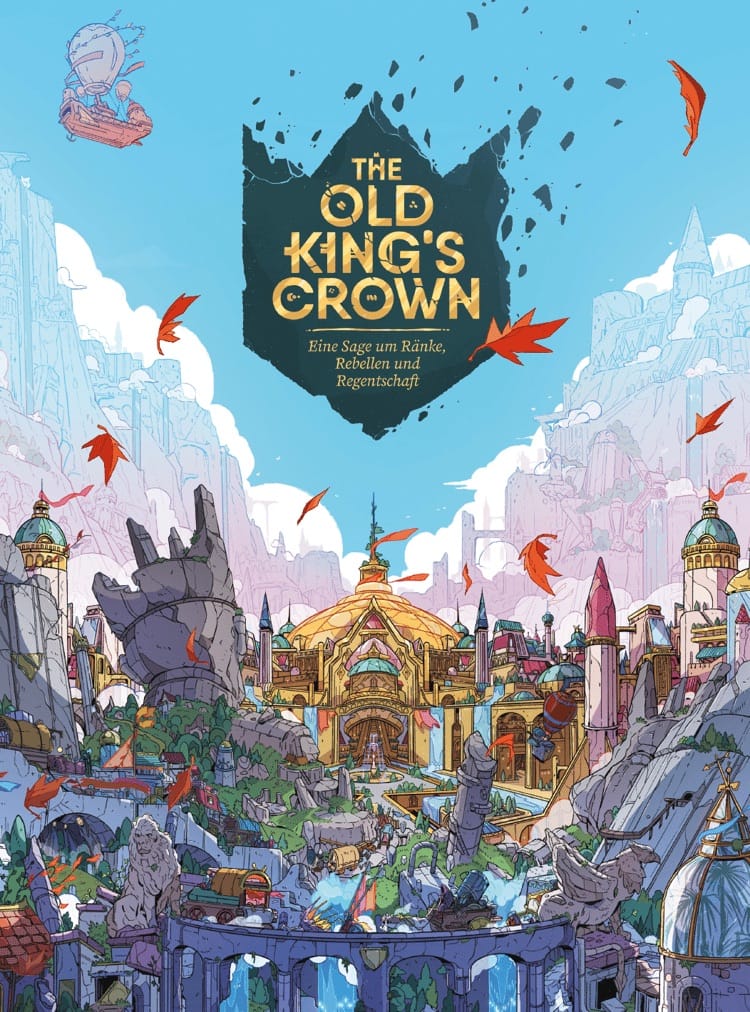
Die Gamefound-Kampagne zu The Old King's Crown ist gestartet und bringt neben einem Second Print auch die neue Erweiterung Songs of Home. Wer die deutsche Ausgabe bevorzugt, kann diese direkt bei Spielworxx vorbestellen.
Kartengetriebene Machtkämpfe mit Bluff und Timing
The Old King's Crown ist ein kartengetriebenes Spiel für 1–4 Personen, in dem Thronerben um die Vorherrschaft über ein vom Verfall gezeichnetes Königreich kämpfen. Vom bröckelnden Schloss bis zur geheimnisvollen Nekropole birgt jede Region des Spielplans eigene Chancen und Gefahren.
Im Kern bewegen die Spielenden ihre Banner über den Spielplan, um strategisch wichtige Orte zu beanspruchen. Anschließend werden Karten gleichzeitig und verdeckt in die verschiedenen Regionen gespielt, bevor sie aufgedeckt und abgehandelt werden. Dieses gleichzeitige Ausspielen sorgt für Spannung und minimiert Wartezeiten.
Gebiete werden sowohl offen mit Herolden beansprucht als auch verdeckt über Karten beeinflusst. Es entsteht ein Mix aus Bluff, Planung und Täuschung, bei dem nicht rohe Stärke entscheidet, sondern das Lesen der Mitspieler und der richtige Moment zum Zuschlagen. Jede Fraktion verfügt dabei über eigene Fähigkeiten und Gefolgsleute mit individuellen Eigenschaften, die unterschiedliche Spielstile ermöglichen.
Machtproben entscheiden über Sieg oder Niederlage und belohnen erfolgreiche Personen mit Einfluss, der zentralen Ressource des Spiels. Nach einer festgelegten Anzahl von Runden gewinnt, wer den größten Einfluss über das Reich errungen hat.
Verfügbarkeit und Vorbestellung
The Old King's Crown ist für 1–4 Personen ab 14 Jahren ausgelegt, eine Partie dauert 60–120 Minuten. Die Auslieferung der deutschen Ausgabe ist für Oktober 2026 geplant. Vorbestellungen sind bei Spielworxx für 70,00 € möglich.
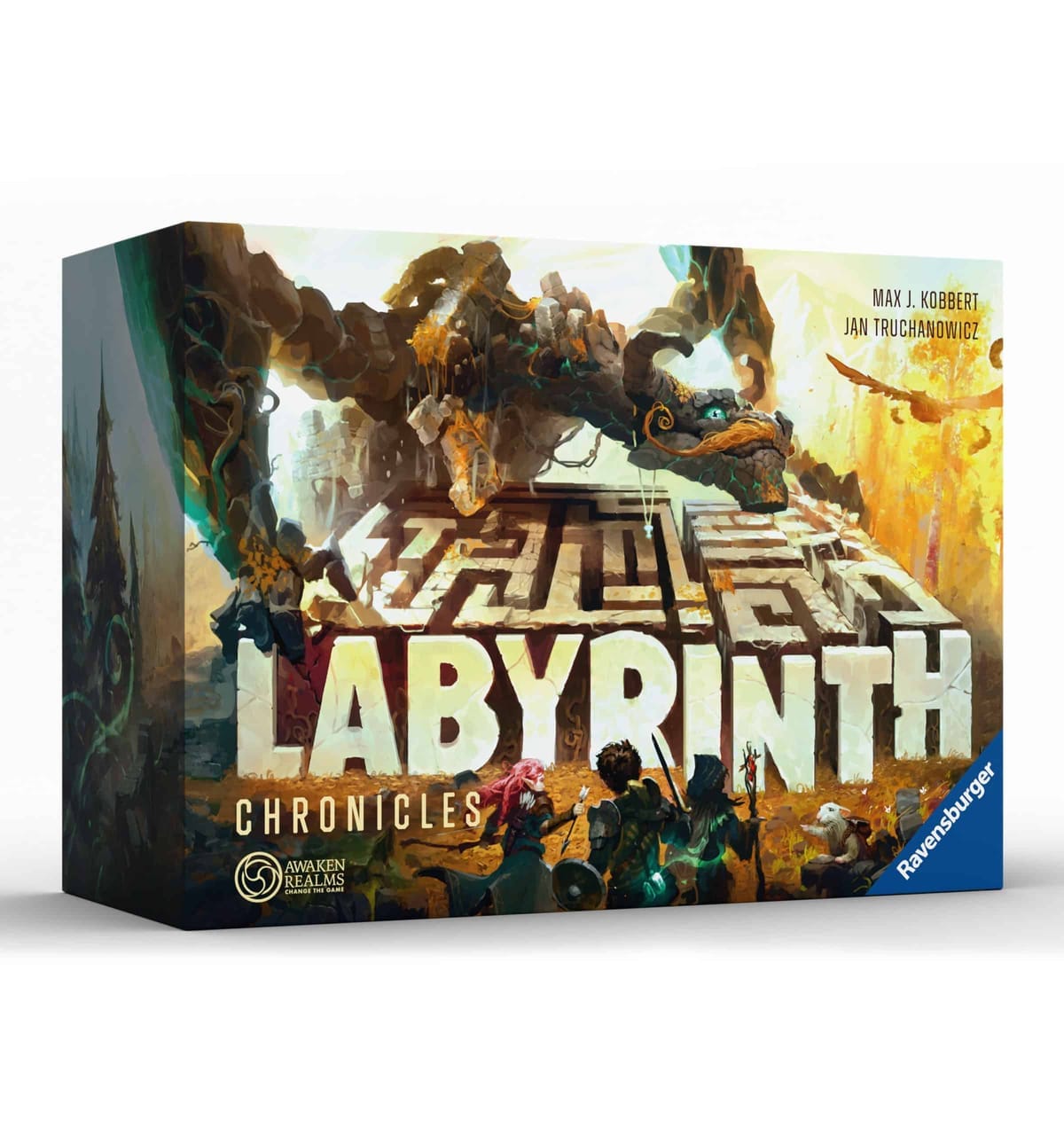
Das verrückte Labyrinth feiert 2026 seinen 40. Geburtstag. Über 30 Millionen verkaufte Exemplare und zahlreiche Auszeichnungen machen den Klassiker zu einem der erfolgreichsten Brettspiele überhaupt. Zum Jubiläum entsteht in Zusammenarbeit mit dem Verlag Awaken Realms eine neue Ausgabe: Labyrinth Chronicles. Die Kampagne läuft bereits auf Gamefound und kann dort noch 20 Tage unterstützt werden.
Das klassische Labyrinth in drei Dimensionen
Labyrinth Chronicles überführt das bekannte Spielprinzip in eine dreidimensionale Spielwelt. Statt flacher Plättchen verschiebst du physische 3D-Module mit Mauern und Gängen. 50 Labyrinth-Module und vier Spielbrett-Puzzleteile bilden das Grundgerüst. Detailreiche Miniaturen für Charaktere, Portale, Goblins und Wächter ergänzen das Spielfeld.
Neben dem neuen Look enthält die Box auch die klassischen Spielvarianten. Sowohl die Classic-Version als auch die anspruchsvollere Meister-Version von Labyrinth sind vollständig enthalten. In der Classic-Variante sammelst du Schätze und kehrst zu deinem Startfeld zurück. Die Meister-Version verlangt, Gegenstände in einer bestimmten Reihenfolge einzusammeln und dabei möglichst viele Punkte zu erzielen.
Das Herzstück der Jubiläumsausgabe ist der kooperative Kampagnen-Modus. In den sogenannten Chronicles erkundest du mit deiner Gruppe eine fortlaufende Geschichte. Jede Partie öffnet ein neues Kapitel und erweitert die Regeln Schritt für Schritt. Im Kampagnen-Ordner sammelst du Karten und Fortschritte. Im Laufe der Kampagne öffnest du Mystery Boxes, die neue Mechaniken, Storylinien und Komponenten freischalten. Mit magnetischen Dorfmarkern baust du zudem das Dorf Fairyvale wieder auf. Der Einstieg ist ab 9 Jahren möglich, durch die steigende Komplexität bleibt das Spiel aber auch für erfahrene Gruppen fordernd.
Pledges und Verfügbarkeit
Die Core Box kostet in der Kampagne 89 Euro. Der reguläre Verkaufspreis soll bei 179 Euro liegen. Enthalten sind unter anderem vier Charaktermodelle, vier Portalmodelle, neun Gegnermodelle, zwei Würfel, ein Kampagnen-Ordner, über 170 Tokens und mehr als 290 Karten. Laut Kampagnenseite sind die Boxen versandbereit und werden direkt nach dem Pledge verschickt.
Für 119 Euro gibt es das Gameplay-All-in-Pledge. Dieses Paket enthält zusätzlich die Erweiterung Personal Stories mit vier Charaktermagneten, 24 Skill-Karten, 12 Tokens, vier persönlichen Questbögen und einem Skriptbuch. Wer seine Miniaturen mit einer Sundrop-Bemalung haben möchte, zahlt jeweils 15 Euro extra. Das Spiel erscheint in mehreren Sprachen, darunter Deutsch, Englisch, Französisch, Spanisch, Polnisch und Italienisch.
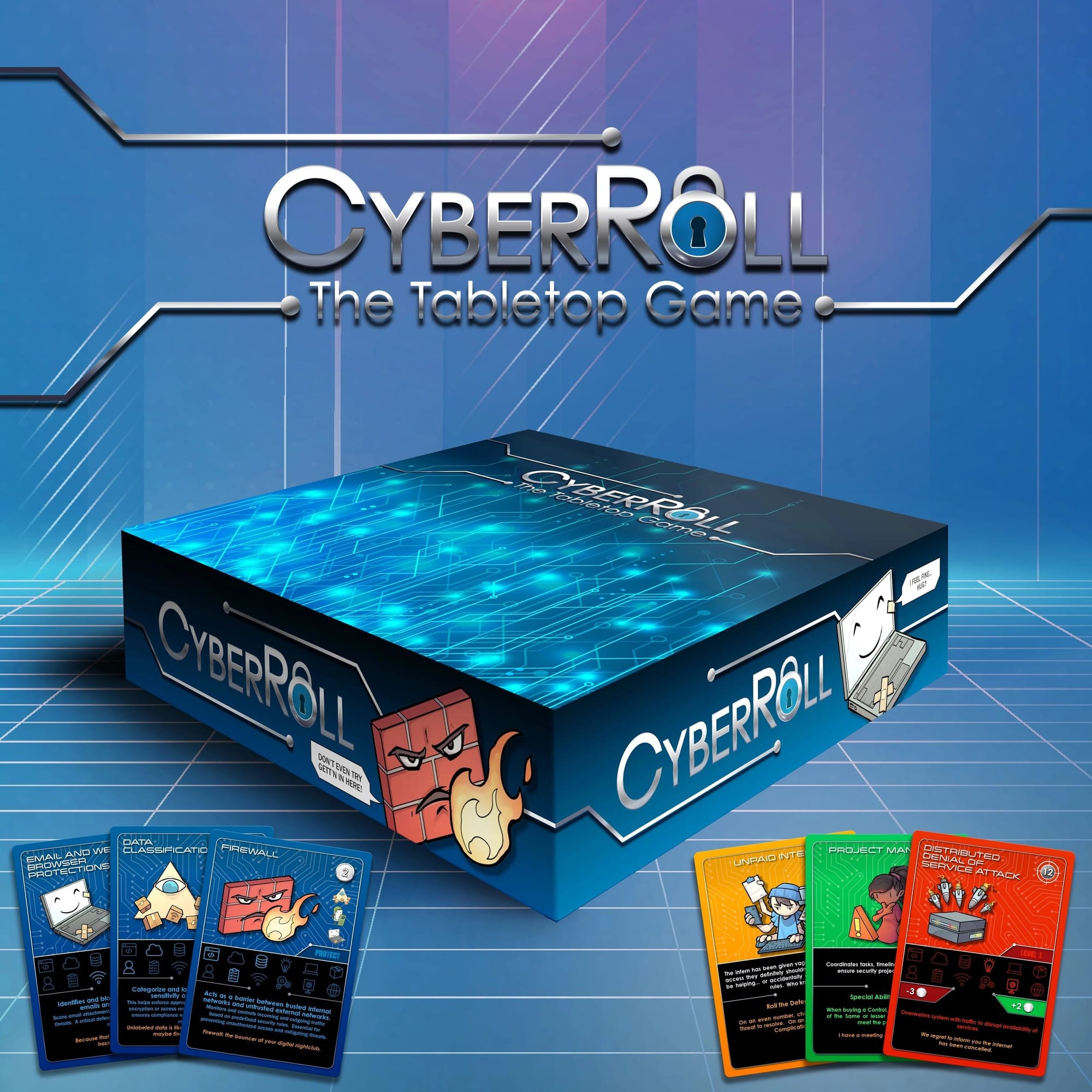
Das kooperative Strategiespiel CyberRoll verwandelt reale Cyberbedrohungen in ein Tabletop-Erlebnis. Die Kickstarter-Kampagne hat ihr Finanzierungsziel von 5.000 US-Dollar bereits deutlich übertroffen und liegt aktuell bei über 16.000 US-Dollar. Hinter dem Projekt steht Molly Cooper, Ph.D., aus East Lansing, Michigan, mit über 25 Jahren Erfahrung im Bereich Cybersecurity.
Cybersicherheit am Spieltisch: So funktioniert CyberRoll
In CyberRoll übernimmst du gemeinsam mit deinem Team die Leitung der IT-Sicherheitsabteilung eines Unternehmens. Über drei Spieljahre hinweg müsst ihr euch gegen eskalierende Cyberbedrohungen behaupten, Ressourcen verwalten und die Moral im Team hochhalten. Jede Runde entspricht dabei einem Geschäftsquartal, und jede Entscheidung zählt. Gleichzeitig versuchen Hacker und alltägliches Bürochaos, euch aus der Bahn zu werfen.
Das Spiel nutzt verschiedene Kartentypen. Mit Rollenkarten stellst du dein Team zusammen und weist Mitarbeiter Sicherheitskontrollen zu. Bedrohungskarten bringen Angriffe wie Phishing-Kampagnen, Ransomware oder gezielte Attacken ins Spiel, gegen die du mit Würfeln und Kontrollkarten vorgehst. Dazu kommen Komplikationskarten, die unerwartete Störungen verursachen, sowie Strategiekarten zum Aufbau langfristiger Cyberabwehr. Ein Dashboard hilft dir, den Überblick über Verteidigungsstrategie, Stärken und Schwächen zu behalten.
Die Szenarien basieren auf echten Cyberbedrohungen und wurden von Cybersicherheitsexperten in Zusammenarbeit mit Spieledesignern entwickelt. Die Illustrationen stammen laut Kampagne vollständig von menschlichen Künstlern ohne KI-Einsatz. CyberRoll wurde bereits auf Konferenzen mit Ingenieuren, CISOs, Analysten und Managern getestet.
Neben dem kooperativen Grundspiel bietet die Red (Threat) Expansion einen kompetitiven Modus. Dort spielt ein Team als Hacker gegen das verteidigende Blue Team. Das Ziel der Angreifer: Daten stehlen, bevor die Verteidiger sie mit Honeypots und Gegenmaßnahmen stoppen.
Kampagne und Verfügbarkeit
Die Kampagne bietet fünf Pledge-Stufen. Das Base Game kostet 60 US-Dollar und enthält alle freigeschalteten Stretch Goals. Für 85 US-Dollar gibt es das Game Bundle mit dem Grundspiel und der Red Expansion. Das Classroom Bundle für 280 US-Dollar umfasst fünf Exemplare des Grundspiels, einen digitalen Facilitation Guide und ein CyberRoll-Poster. Für den Unternehmenseinsatz gibt es das Corporate Bundle für 350 US-Dollar mit Grundspiel, CPE-Zertifikat, digitalem Tabletop-Formular und Companion Guide. Das Training Bundle für 3.000 US-Dollar beinhaltet ein halbtägiges Training, zwei Grundspiele und weiteres Begleitmaterial.
Als Add-Ons stehen unter anderem die Red Expansion (30 US-Dollar), ein Companion Guide (30 US-Dollar), ein Enamel Pin (12 US-Dollar), ein Sticker Pack und ein Poster (je 10 US-Dollar) zur Verfügung.
Mehrere Stretch Goals sollen die Qualität des Spielmaterials schrittweise verbessern. Geplant sind ein Card Upgrade, ein Gameboard Upgrade, ein Game Bits Upgrade, ein Time Tracker Upgrade, ein Custom Tray Insert sowie eine Deluxe-Box als höchste Stufe.
Der Versand erfolgt über den Fulfillment-Partner GamesQuest. Für Deutschland werden Versandkosten von 13,50 Pfund berechnet, für die EU 16 Pfund. Die Mehrwertsteuer wird für EU- und UK-Unterstützer nachträglich über den Pledge Manager erhoben. Die Kampagne läuft noch bis zum 19. März 2026.
Manchmal stolpert man einfach über Dinge, bei denen man sofort hängen bleibt. Genau so ging es mir mit The Danes (Die Dänen). Entdeckt habe ich das Projekt ganz klassisch in der Hotness-Liste von BoardGameGeek. Eigentlich wollte ich was nachschauen und zack: plötzlich tief drin in Wikinger-Plänen von Feuerland und in den Forendiskussionen.
Was ursprünglich wohl als Erweiterung oder Ergänzung für Ein Fest für Odin gedacht war, ist inzwischen zu einem eigenständigen Schwergewicht herangewachsen (angeblich mit Gloomhaven-großer Box!). Hinter dem Projekt stehen unter anderem Uwe Rosenberg aber wohl vornehmlich Gernot Köpke, der auch auf BGG sehr aktiv ist. Veröffentlicht wird das Ganze dann bei Feuerland Spiele. Die Kombination von Namen lässt viele Strategiefans hellhörig werden.
Vom Add-on zum Mammutprojekt
Beim Lesen der Foren wird schnell klar: Bei The Danes erwartet uns wohl ein großformatiges Worker-Placement-Spiel mit Fokus auf Aufbau, Erkundung, Ressourcenmanagement und langfristiger Planung. Der Umfang soll deutlich über dem liegen, was man sonst von klassischen Eurogames kennt – inklusive sehr großer Box und reichlich Material.
Besonders spannend fand ich die Community-Stimmung: Ein Teil der Spieler ist sofort Feuer und Flamme („endlich wieder Wikinger“), andere bleiben vorsichtig und wollen erst Regeln und Gameplay sehen, bevor sie sich festlegen. Denn wirklich viel sieht man noch nicht. Einigkeit herrscht aber in einem Punkt: Das Projekt wirkt ambitioniert – und alles andere als klein gedacht. Und so hat sich auch der Zeitplan gleich mal verschoben.
Crowdfunding in Sicht
Aktuell deutet vieles auf eine Crowdfunding-Kampagne im Laufe von 2026 hin. Die letzte Info ließ den Start in Q2 2026 möglich erscheinen, mit dem Ziel der Auslieferung bis Q1 2027. Eigentlich sollte das Spiel bereits in 2026 erscheinen, war wohl aber zu ambitioniert. Auch spannend dürfte die Preisgestaltung werden. Bei einem Spiel dieses Umfangs und mit so viel Material werden wir bei den aktuellen Produktionskosten und Logistikaufwänden definitiv die 100 Euro Grenze knacken – vermutlich sogar die 120. Alles andere wäre überraschend günstig. Konkrete Details zu Mechaniken und zum finalen Umfang oder zur Ausstattung sind noch rar, aber genau das macht den Reiz gerade aus: The Danes fühlt sich für mich wie eines der Spiele an, die man nicht aktiv gesucht hat – die einen aber trotzdem irgendwie sofort in den Bann ziehen. Man merkt allerdings beim Betrachten der Bilder, dass es eine gewisse Nähe zu Ein Fest für Odin gibt. Allerdings alles in XXL. Eine Abbildung zeigt verschiedene kleine Boxen, die in der Box enthalten sind. Das Ganze noch gehalten von Legosteinen – Prototypen at its best…
Mein Fazit
Ein klassischer Fall für die Kategorie „Nicht gesucht, trotzdem gefunden“: The Danes ist mir zufällig über den Weg gelaufen und hat sich innerhalb weniger Minuten von einem unbekannten Eintrag in der BGG-Hotness zu einem Projekt entwickelt, das ich definitiv weiter beobachten werde, auch wenn ich etwas „Angst“ vor dem Umfang des Spiels habe. Und man muss auch erstmal abwarten, inwiefern sich The Danes (Die Dänen) von Ein Fest für Odin unterscheidet.
Es gibt Podcasts über Brettspiele. Es gibt Podcasts mit Brettspielen. Und dann gibt es jetzt Beyond the Table – das neue Format im Würfelmagier Brettspiel Podcast, in dem Spiele zwar der Ausgangspunkt sind, aber ganz bewusst nicht der Mittelpunkt. Gemeinsam mit Uli Blennemann (Spielworxx, alter Hase mit Betonung auf Erfahrung) wage ich mich in einen monatlichen Dialog, der genau dort anfängt, wo Regelhefte, Top-10-Listen und Kickstarter-Previews aufhören.
Die Idee ist simpel – und genau deshalb spannend: Wir sprechen nicht über das Spiel auf dem Tisch, sondern über das, was drumherum passiert. Über Entwicklungen in der Szene, über Hintergründe, Brüche, Trends und Fragen, die man sich als Spieler, Beobachter oder Macher irgendwann stellt. Crowdfunding als System im Wandel, Logistik zwischen Fernost und Spieleladen, Ethik, Historie, Meilensteine der Branche – kurz: über all das, wofür in klassischen Formaten oft keine Zeit bleibt. Kein Marketingkanal, keine Werbeschleife, kein „Unsere Top 5 der Woche“, sondern ein ehrlicher Dialog zwischen Konsumentenblick und Produzentenerfahrung.
Beyond the Table lebt dabei ganz bewusst vom Austausch: zwei Perspektiven, unterschiedliche Biografien, viel Erfahrung – und hoffentlich kluge Gedanken mit einem Augenzwinkern. Die erste reguläre Folge startet direkt mit einem Thema, das uns beide schon lange umtreibt: Crowdfunding – von der idealistischen Mikro-Community zur galaktischen Maschinerie. Und ja, das ist nur der Anfang. Themen werden uns so schnell nicht ausgehen – Vorschläge aus der Community sind ausdrücklich erwünscht.
👉 Die erste Folge von Beyond the Table ist ab sofort überall verfügbar, wo es Podcasts gibt – natürlich im Würfelmagier Brettspiel Podcast. Reinhören, mitdenken, widersprechen ausdrücklich erlaubt.
Kurz gesagt: 👉 Einmal im Monat 👉 Zwei Stimmen 👉 Viele Gedanken 👉 Wenig Buzzwords (Content Creator ist trotzdem ein schlimmes Wort)
Willkommen Beyond the Table. Wir freuen uns drauf – und ihr hoffentlich auch. 🎲✨
Und die gehören allesamt zu meinen liebsten Euro Spielen. Und auch Movers & Shakers hat das Potential dazu in diese Gruppe vorzustoßen. Ich konnte es mittlerweile schon 1-mal auf der Boardgamearena spielen, wo es derzeit noch im Alpha-Status (Nur für Alpha-Tester zugängig) spielen konnte. Aber ich denke, dass es sehr bald in den Beta-Status wechselt, da es sich dort schon vollkommen problemlos spielen läßt.
Aber was machen wir nun in Movers & Shakers? Wir sind mächtigen Eisenbahnmagnate in Bengalen, im Nordosten von Indien, im späten 19. Jahrhundert und konkurrieren um die Erfüllung von Verträgen zum Transport von Gütern zwischen Benares und der Hafenstadt Kalkutta. Dabei müssen wir den Transport der Güter so effizient wie möglich organisieren und können dabei nicht nur unsere eigenen Züge sondern auch die der Mitspielenden nutzen.
Das Spiel verläuft über 2 Runden in der wie jeweils 6 Aktionskarten auf unsere Unternehmenstableau spielen und damit Aktionen wie das Beladen und Bewegen von Güterzügen, das Beeinflussen der Märkte in Benares und Kalkutta, das Aufwerten unserer Anlagemarker, das Einrichten von Agenturen oder das Verschiffen von Handelsgütern ausführen.
Siegpunkte erhalten wir hierbei durch das Erfüllen von Verträgen, den Wert unserer gesammelten Anlagen (Anleihen, Wertgegenstände, Ressourcen und Infrastruktur), Geschäfte mit regionalen Agenturen, Investitionen und unsere Gesamtleistung (Anzahl transportierter Handelsgüter).
Spannend an dem Spiel finde ich zum einen die Aktionsauswahl mit den Karten. Jeder erhält zu Spielbeginn 4 Lade- und 4 Bewegungs-Aktions-Karten. Im Spielverlauf können wir hier weitere Karten dazu bekommen. Von diesen 8 Karten können wir jede Runde 6 ausspielen. Dabei müssen wir uns immer entscheiden ob wir zusätzlich zu der/den Aktion/en der Karte noch eine Entwicklungs- oder eine Logistikaktion als Unternehmensaktion wählen, je nachdem ob wir die Karte in der oberen oder unteren Hälfte des Slots auf unserem Tableau platzieren.
Beim Laden der Güter können wir diese auch auf die Züge der Mitspielenden laden und beim Bewegen der Züger können wir auch deren Züge bewegen. Hier hat es Ähnlichkeiten zu Panamax. Beim Bewegen von Zügen kommt es auch immer wieder vor, dass wir Züge, die sich bereits auf der Streck befinden, vor uns herschieben. Hier sind also jede Menge strategische Entscheidungen zu treffen.
Was ich auch spannend finde ist das Geldmanagement in dem Spiel. Man kann nämlich maximal 9 Rupien besitzen. Kommt man auf 10 Rupien werden diese sofort in 1 Investmentmarker umgewandelt. Diese braucht man am Rundenende, um zu investieren. Auf diesem Weg erhält man am Ende schon einen sehr großen Teil seiner Siegpunkte. Allerdings kann man Investmentmarker nicht mehr zurück in Rupien tauschen. Man muss sich also genau überlegen was man im Rundenverlauf noch an Bargeld benötigt.
Investmenttafel Quelle: BGA (Copyright by Quined Games)
Geld verdient man in erster Linie damit, dass man Handelsgüter an den Märkten von Benares und Kalkutta abliefert. Der Wert jedes Gutes wird über die Position der jeweiligen Marker auf der Markttafel bestimmt. Diese kann man auch über Aktionen nach oben bewegen und erhält dafür auch noch Boni, wenn man die 2., 4., 6. und 8. Zeile erreicht. Jeder hat hier 3 Marker: einen für Benares, einen für Kalkutta und den Finanzberater. Dieser gibt vor, auf welche Zeile die anderen beiden Marker nach Rundenende „zurückgesetzt“ werden. Man sollte somit den Finanzberater nicht außer acht lassen.
Markttafel – Quelle: BGA (Copyright by Quined Games)
Markt-Marker – Quelle Spielanleitung (Copyright by Quined Games)
Vom Komplexitätsgrad würde ich Movers & Shakers auf jeden Fall unter Nippon & Co. einordnen, also im Bereich Kennerspiele. Für mich ist das Spiel auf jeden Fall ein must have und ich freue mich schon sehr auf weitere Partien. Auf BGA und, wenn Quined seinen Zeitplan einhalten kann, in 1 Jahr mit der physischen Version.
Es soll auch in den regulären Handel kommen. Dann aber mit weniger hochwertigem Material. Einen entsprechenden Vergleich findet man unter „Comparative Chart“ auf der Gamefound-Seite.
Es gibt übrigens ein sehr gutes Video von Gaming Rules, indem die Regeln erklärt werden und im Anschluß eine komplette Partie Movers & Shakers zu dritt gespielt wird: Movers & Shakers – Tutorial & Playthrough Wem das Video zu lang ist, der kann sich das Video von Jonathan von Getting Games anschauen: Movers & Shakers – Quick Play
Und die gehören allesamt zu meinen liebsten Euro Spielen. Und auch Movers & Shakers hat das Potential dazu in diese Gruppe vorzustoßen. Ich konnte es mittlerweile schon 1-mal auf der Boardgamearena spielen, wo es derzeit noch im Alpha-Status (Nur für Alpha-Tester zugängig) spielen konnte. Aber ich denke, dass es sehr bald in den Beta-Status wechselt, da es sich dort schon vollkommen problemlos spielen läßt.
Aber was machen wir nun in Movers & Shakers? Wir sind mächtigen Eisenbahnmagnate in Bengalen, im Nordosten von Indien, im späten 19. Jahrhundert und konkurrieren um die Erfüllung von Verträgen zum Transport von Gütern zwischen Benares und der Hafenstadt Kalkutta. Dabei müssen wir den Transport der Güter so effizient wie möglich organisieren und können dabei nicht nur unsere eigenen Züge sondern auch die der Mitspielenden nutzen.
Das Spiel verläuft über 2 Runden in der wie jeweils 6 Aktionskarten auf unsere Unternehmenstableau spielen und damit Aktionen wie das Beladen und Bewegen von Güterzügen, das Beeinflussen der Märkte in Benares und Kalkutta, das Aufwerten unserer Anlagemarker, das Einrichten von Agenturen oder das Verschiffen von Handelsgütern ausführen.
Siegpunkte erhalten wir hierbei durch das Erfüllen von Verträgen, den Wert unserer gesammelten Anlagen (Anleihen, Wertgegenstände, Ressourcen und Infrastruktur), Geschäfte mit regionalen Agenturen, Investitionen und unsere Gesamtleistung (Anzahl transportierter Handelsgüter).
Spannend an dem Spiel finde ich zum einen die Aktionsauswahl mit den Karten. Jeder erhält zu Spielbeginn 4 Lade- und 4 Bewegungs-Aktions-Karten. Im Spielverlauf können wir hier weitere Karten dazu bekommen. Von diesen 8 Karten können wir jede Runde 6 ausspielen. Dabei müssen wir uns immer entscheiden ob wir zusätzlich zu der/den Aktion/en der Karte noch eine Entwicklungs- oder eine Logistikaktion als Unternehmensaktion wählen, je nachdem ob wir die Karte in der oberen oder unteren Hälfte des Slots auf unserem Tableau platzieren.
Beim Laden der Güter können wir diese auch auf die Züge der Mitspielenden laden und beim Bewegen der Züger können wir auch deren Züge bewegen. Hier hat es Ähnlichkeiten zu Panamax. Beim Bewegen von Zügen kommt es auch immer wieder vor, dass wir Züge, die sich bereits auf der Streck befinden, vor uns herschieben. Hier sind also jede Menge strategische Entscheidungen zu treffen.
Was ich auch spannend finde ist das Geldmanagement in dem Spiel. Man kann nämlich maximal 9 Rupien besitzen. Kommt man auf 10 Rupien werden diese sofort in 1 Investmentmarker umgewandelt. Diese braucht man am Rundenende, um zu investieren. Auf diesem Weg erhält man am Ende schon einen sehr großen Teil seiner Siegpunkte. Allerdings kann man Investmentmarker nicht mehr zurück in Rupien tauschen. Man muss sich also genau überlegen was man im Rundenverlauf noch an Bargeld benötigt.
Investmenttafel Quelle: BGA (Copyright by Quined Games)
Geld verdient man in erster Linie damit, dass man Handelsgüter an den Märkten von Benares und Kalkutta abliefert. Der Wert jedes Gutes wird über die Position der jeweiligen Marker auf der Markttafel bestimmt. Diese kann man auch über Aktionen nach oben bewegen und erhält dafür auch noch Boni, wenn man die 2., 4., 6. und 8. Zeile erreicht. Jeder hat hier 3 Marker: einen für Benares, einen für Kalkutta und den Finanzberater. Dieser gibt vor, auf welche Zeile die anderen beiden Marker nach Rundenende „zurückgesetzt“ werden. Man sollte somit den Finanzberater nicht außer acht lassen.
Markttafel – Quelle: BGA (Copyright by Quined Games)
Markt-Marker – Quelle Spielanleitung (Copyright by Quined Games)
Vom Komplexitätsgrad würde ich Movers & Shakers auf jeden Fall unter Nippon & Co. einordnen, also im Bereich Kennerspiele. Für mich ist das Spiel auf jeden Fall ein must have und ich freue mich schon sehr auf weitere Partien. Auf BGA und, wenn Quined seinen Zeitplan einhalten kann, in 1 Jahr mit der physischen Version.
Es soll auch in den regulären Handel kommen. Dann aber mit weniger hochwertigem Material. Einen entsprechenden Vergleich findet man unter „Comparative Chart“ auf der Gamefound-Seite.
Es gibt übrigens ein sehr gutes Video von Gaming Rules, indem die Regeln erklärt werden und im Anschluß eine komplette Partie Movers & Shakers zu dritt gespielt wird: Movers & Shakers – Tutorial & Playthrough Wem das Video zu lang ist, der kann sich das Video von Jonathan von Getting Games anschauen: Movers & Shakers – Quick Play
Dynamite Entertainment has been publishing Army of Darkness comic books for two decades, feeding hungry fans with further tales featuring Ash Williams and the entire extended mythos.
Legends of the Arena is an intense brawling board game for 2-6 players inspired by Super Smash Bros. Knock your opponents out of the Arena and claim victory!

 Anmelden