❌

Lese-Ansicht

À-la-carte-Kartenspielpreis 2026: Take Time gewinnt
À-la-carte-Kartenspielpreis 2026: Take Time gewinnt

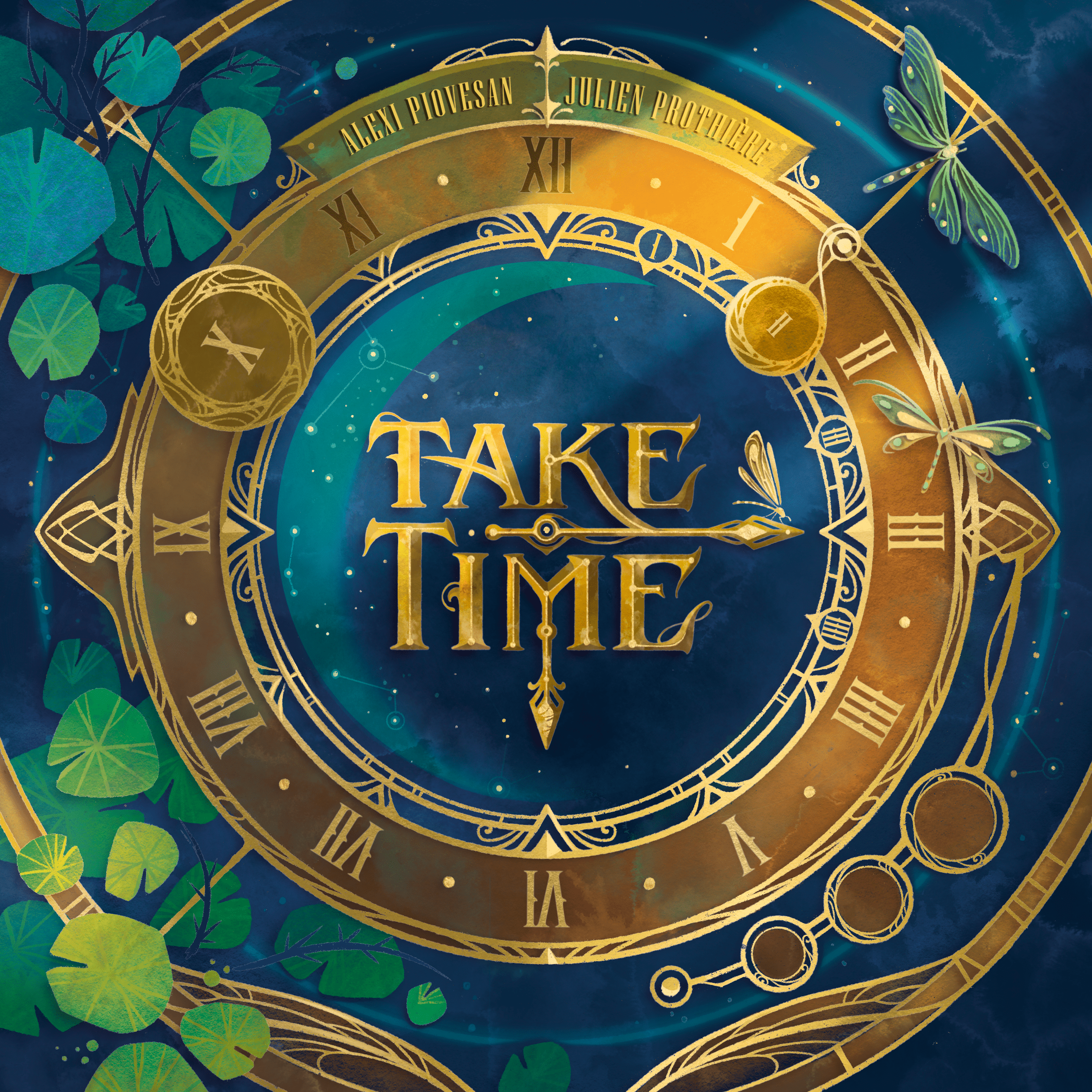
Während der SPIEL-Essen-Woche hat das österreichische Spielemagazin Fairplay den À-la-carte-Kartenspielpreis 2026 vergeben, und der Sieger überrascht niemanden mehr, der die Preissaison verfolgt: Take Time von Alexi Piovesan und Julien Prothière (Libellud/Asmodee) setzt sich vor dnup, Moon Colony Bloodbath und Meister Makatsu durch.

Gemeinsam gegen die Uhr

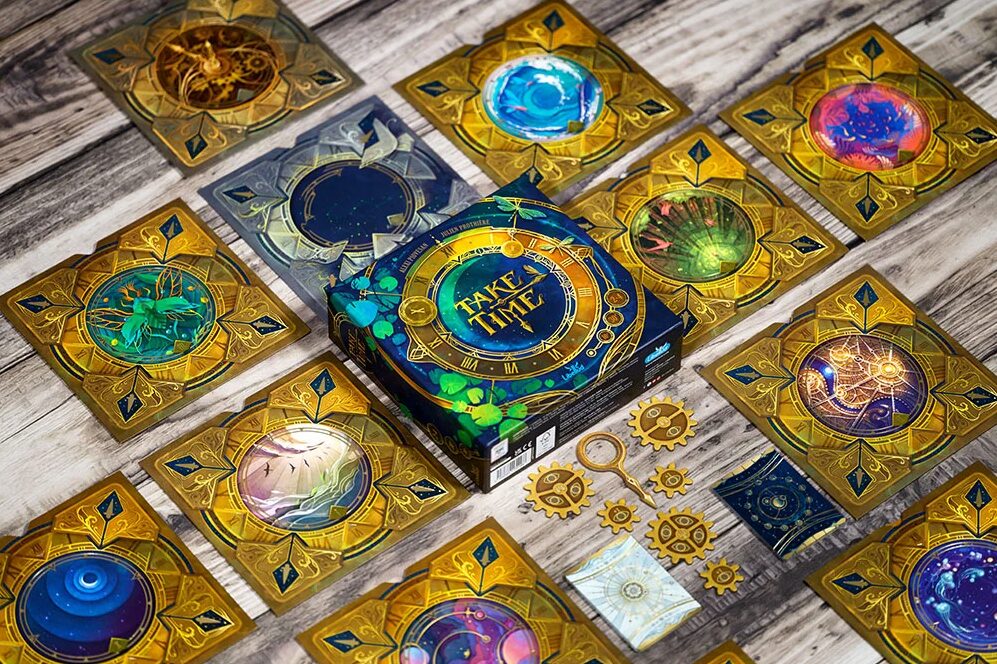
Im Grunde ist Take Time ein kooperatives Rätselspiel gegen eine Uhr: Alle gewinnen oder verlieren zusammen. Ihr legt laut BGG-Beschreibung zu zweit bis zu viert 12 Karten verdeckt rund um eine Uhr und müsst dabei spezifische Regeln pro „Test“ einhalten, insgesamt gibt es 40 davon zu bestehen, dabei ist Reden über die eigenen Karten tabu. Die „etwa 30 Minuten“ aus unserem Eckdaten-Block gelten laut mehreren deutschen Händlerbeschreibungen pro Spielabend, nicht pro einzelnem Test und erst recht nicht für alle 40 Tests in einem Zug. Mechanisch kombiniert das Deduktion mit eingeschränkter Kommunikation und gehört damit zur selben bekannten Spielfamilie wie The Mind und The Crew. Eine englischsprachige Rezension von What's Eric Playing ordnet Take Time konkret als Alternative zu The Crew ein, mit wiederholbaren Partien um dieselbe Mission statt einer einzigen durchgehenden Kampagne. Designer sind Alexi Piovesan und Julien Prothière, die Illustration von Maud Chalmel orientiert sich laut BGG-Einordnung am Art-Nouveau-Stil.

Nicht ganz ohne Reibung

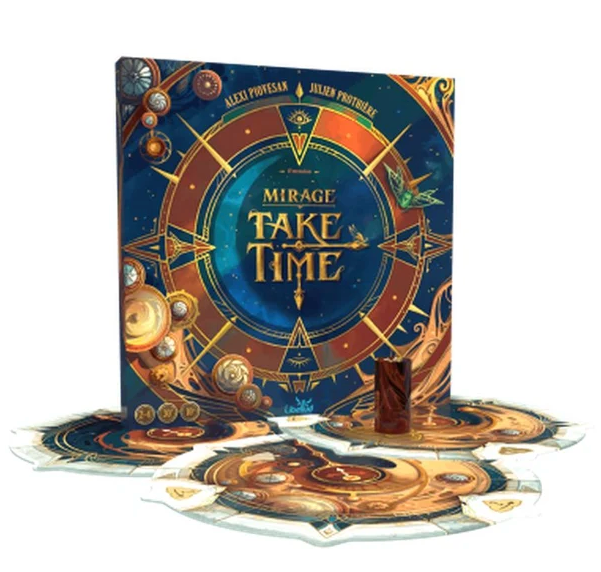
Die Kehrseite der reinen Kooperation bleibt in den meisten Quellen unerwähnt: Wenn alle am selben Ergebnis hängen und gleichzeitig kaum reden dürfen, kann eine einzelne falsch gelegte Karte schnell zur gemeinsamen Niederlage führen, mit dem Risiko, dass sich die verantwortliche Person schuldig fühlt statt mitzufiebern. Zur Spielerzahl liefert die BGG-Community zumindest eine Tendenz: Am häufigsten empfohlen wird Take Time zu dritt, zu viert fast genauso oft, zu zweit gehen die Bewertungen dagegen deutlich stärker auseinander. Sind alle 40 Tests des Grundspiels einmal bestanden, ist die Kampagne durch, die Erweiterung „Take Time: Mirage“ setzt genau hier an: Sie bringt laut Herstellerangabe vier neue Tests rund um einen „Sandvogel“ sowie einen „Rebirth“-Marker, mit dem sich alle 40 Grundspiel-Tests ein zweites Mal unter einer neuen Zusatzregel spielen lassen.

À-la-carte-Kartenspielpreis 2026: Take Time gewinnt

Eckdaten zu Take Time

  • Spielerzahl: 2 bis 4, am häufigsten empfohlen zu dritt
  • Spielzeit: etwa 30 Minuten pro Spielabend
  • Alter: ab 10 Jahren
  • Regelgewicht: 1,75 von 5 (laut BGG)
  • Designer: Alexi Piovesan und Julien Prothière
  • Illustration: Maud Chalmel
  • Verlag: Libellud/Asmodee, deutsche Ausgabe seit Oktober 2025 im Handel
  • Preis: rund 28,50 Euro UVP (deutsche Ausgabe laut Händlerangaben, Stand: 27.10.2026)
  • Auszeichnungen 2026: Swiss Gamers Award, Österreichischer Spielepreis (Spiel der Spiele), À-la-carte-Kartenspielpreis, Platz 5 der DSP-Top-10

Der Preis und seine Jury

Den À-la-carte-Preis vergibt das Magazin Fairplay bereits seit 1991 für das beste Kartenspiel des Jahres, wobei auch Brettspiele mitzählen, bei denen Karten das zentrale Element sind. Laut Brettspielbox stimmen dafür knapp 35 Expertinnen und Experten ab, übergeben wird der Preis traditionell auf der SPIEL Essen. Hinter Take Time landeten dieses Jahr dnup von Kei Kajino (Asmodee), Moon Colony Bloodbath von Daniel X. Vaccarino (alea) und Meister Makatsu von Reiner Knizia (Amigo) auf den Plätzen 2 bis 4, ein Querschnitt, der von leichtem Kartenspiel bis zum Expertentitel eines Branchenveteranen wie Knizia reicht.

Was wir davon halten

Ein Expertenpreis mit 35 Stimmen ist kein Massenvotum, aber genau deshalb interessant: Hier zählt nicht, was sich am besten verkauft, sondern was Leute vom Fach für das handwerklich sauberste Kartenspiel des Jahres halten. Dass mit Meister Makatsu auch ein Reiner-Knizia-Spiel auf die Liste kam, zeigt zudem, dass die Jury nicht nur auf neue Namen setzt. Für Take Time ist der Sieg der vorläufige Abschluss einer Saison, in der das Spiel kaum eine relevante deutschsprachige Auszeichnung ausgelassen hat. Wenn ihr kooperative Deduktionsspiele mit kurzer Spielzeit mögt und euch das Kartendesign im Art-Nouveau-Stil anspricht, gehört Take Time nach diesem Preisregen zu den naheliegenden Empfehlungen der Saison.


  •  

Asmodee scores big at Dutch game of the year awards as Take Time, Lord of the Rings trick-taking titles triumph

Asmodee has sealed a strong showing at this year’s Nederlandse Spellenprijs, with co-operative puzzle game Take Time and its Lord of the Rings-themed trick-taking games taking home two of the three prizes in the country’s longest-running board game awards.

Take Time, designed by Alexi Piovesan and Julien Prothière, beat Castle Combo and Rebirth to the family game of the year award – marking its first major award win, after having picked up a ‘recommended’ in the Spiel des Jahres and nomination in the French As d’Or.

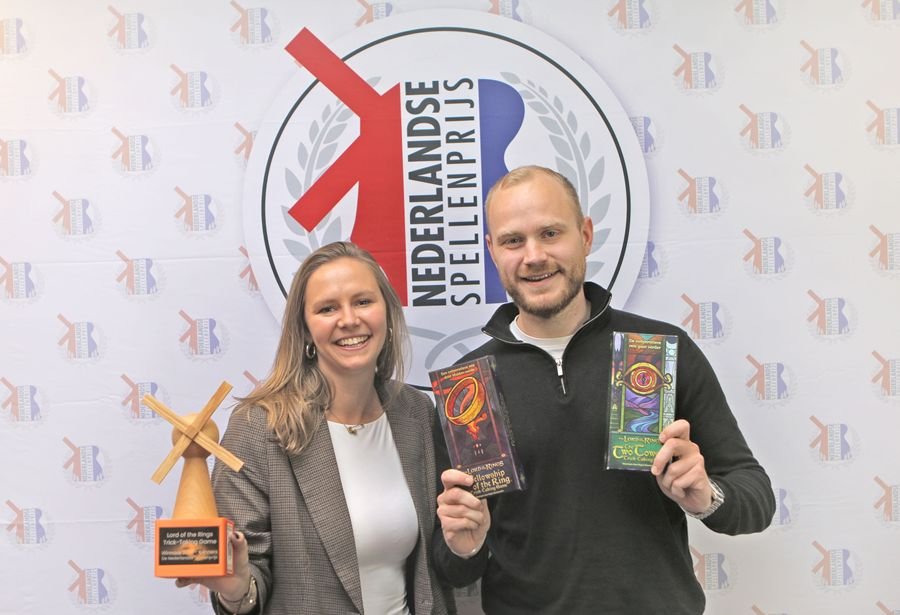
Bryan Bornmueller’s two The Lord of the Rings: Trick-Taking Game releases, which were judged as a single title, triumphed over Dewan and Pondscape in the connoisseur games category, handing a win to Asmodee studio Office Dog.

This year’s expert game prize, meanwhile, went to White Goblin Games’ Dutch-language edition of River of Gold – which saw off competition from Ants and Yokohama. That title was also originally published by Asmodee studio Office Dog in English.

Asmodee’s Yke Rietveld and Hidde van Maurik collect the award for the publisher’s Lord of the Rings trick taking titles || Photo Credit: Henk Rolleman

Take Time’s victory means this is only the second time in five years that the Dutch family game award has not gone to a Spiel des Jahres winner, with Cascadia, Sky Team and Bomb Busters each having claimed both prizes in 2022, 2024 and 2025 respectively.

The victories also mark a second successive year in which a single publisher has claimed two of the three Nederlandse Spellenprijs awards, following 999 Games’ success with Bomb Busters and Botanicus in 2025.

The result saw three-year-old Dutch publisher DSV Games miss out on a prize despite securing a trio of nominations this year – 12 months after picking up its first win in the contest with Tomáš Holek design SETI.

This year’s entire shortlist was shared between just three publishing groups in Asmodee, White Goblin Games and DSV.

BoardGameWire revealed last month that huge demand for co-op puzzle game Take Time had led publishing giant Asmodee to print more than 325,000 copies less than a year after release – outstripping even the company’s high expectations which surrounded its record-breaking launch.

Game line manager Auguste Lecoeur told BoardGameWire, “As soon as the game’s prototype was shown to us and signed, it became an internal priority, with resources and manpower being redirected from other projects to Take Time.”

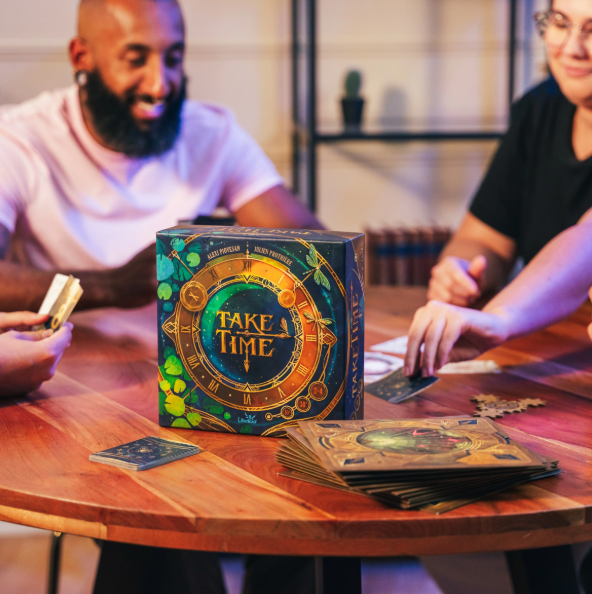
The title sees players attempting to place cards around a series of clock faces while meeting increasingly challenging conditions, with limited opportunities to discuss their plans before playing.

More than 100 Dutch-language board and card games were assessed by a jury of experts for this year’s Nederlandse Spellenprijs, which is now in its 26th year. Games were assessed on their quality, originality and replayability.

This year’s ceremony marked a change in leadership for the awards, with Anna Wassenburg taking over as chair from Niek Ederveen, who stepped down after nine years in the role.

Another change this year was the physical format of the awards themselves, which are now shaped like pawns with windmill sails.

The post Asmodee scores big at Dutch game of the year awards as Take Time, Lord of the Rings trick-taking titles triumph first appeared on .

  •  

Meine ganz persönlich liebste Neuheit seit der SPIEL 2025

Über 1700 Neuheiten zählte die SPIEL in Essen 2025 laut Pressekonferenz vor Ort. Vieles davon, aber gewiss nicht alles, noch nicht mal annähernd, habe ich anspielen können. Direkt vor Ort ebenso wie auf diversen Spieletreffs in den Wochen und Monaten danach. Einiges habe ich mir dann auch selbst gekauft, auch wenn ich längst nicht jede Neuheit selbst besitzen muss. Übrig geblieben ist die finale Frage, welches Spiel seit der SPIEL 2025 mich am meisten begeistern konnte.

Die Suche nach meinem Lieblingsspiel seit der SPIEL 2025 geht in die zweite Runde und damit weiter. Soll hier aber zu einer Antwort führen. Allerdings eine Antwort, die mir für dieses Jahr noch nie so schwerfiel wie die Jahre davor, denn richtig herausragende Spiele gibt es immer weniger. Vieles ist grundsolide, aber nicht wirklich aufregend. Vieles ist gut, hat aber seine Macken und Schwächen im Detail oder nutzt sich in seiner ersten Faszination zu schnell ab. Damit genug der Vorrede und hinein zu einer Auswahl meiner Lieblinge und zur abschliessenden Krönung.

Magical Athlete: Eine Neuauflage eines Klassikers, der inzwischen schon 23 Jahre auf den Buckel hat. Kein geringerer Autor als Richard Garfield hat sich dem Laufspiel angenommen und es modernisiert. Die Athleten wurden auch damals schon ausgesucht, allerdings war das eine mehrrundige Versteigerung, bei der man mit seinem Kapital haushalten musste. Die Rennplatzierungen brachten dann Erfolgsprämien ein. Grafisch im japanischen Manga-Stil mit Pappaustellern umgesetzt, die über einen fotorealistischen Geröllweg dem Ziel entgegen liefen. Den einen beliegenden W6 musste man sich teilen. Im Jahr 2025 beim Verlag CMYK in erfolgreicher Partnerschaft mit Shut Up & Sit Down sah das alles schon ganz anders aus. Die Ausstattung wurde verbessert, auf eine bunte Comicgrafik aufgepeppt und die Versteigerung durch ein flotteres Drafting ersetzt.

In meinen Spielrunden kam Magical Athlete bestens an. Allerdings nur in größeren Runden, die es nicht zu verkopft sehen konnten. Athleten wählen, würfeln und sich vom Spielablauf in seinem sich ergebenden Chaos überraschen lassen. Umso besser, wenn die Mitspieler ihre Athleten anfeuern und besondere Situationen johlend begleitet werden. Magical Athlete will für eine halbe Stunde Spaß machen und wer sich diesem Spielspaß hingeben kann, der hat seine helle Freude daran. Spielt mit mindestens vier Spielern und achtet darauf, dass jeder seinen Athleten auch verstanden hat. Die deutschsprachige Lokalisation als Turbo-Flitzpiepen 2000 sorgt zudem für eine Partie ohne Sprachbarrieren. Gerne wieder, nur eher ein Happen für zwischendurch und keine sättigende Brettspiel-Hauptmahlzeit. Dafür ist es dann doch gewollt zu wenig Spiel.

Take Time: Es ist schon erstaunlich, wie unterschiedlich ein Brettspiel-Erstkontakt wirken kann. Nach meiner eher durchwachsenen Kennenlernpartie, bei der zu viel theoretisiert wurde, statt uns einfach die Chance zu geben, das Spiel selbst zu entdecken, wollte es keiner am Tisch nochmal spielen. Ein fast schon mutiger Trotzkauf einige Wochen später, weil ich nicht begreifen konnte, warum einer der hochgehandelten Anwärter auf das Spiel des Jahres kollektiv nicht zünden konnte, brachte denn des Rätsels Lösung. Take Time entfaltet seinen Zauber erst, wenn es gespielt statt zerredet wird. Einfach mal machen, höchstwahrscheinlich dabei kooperativ scheitern und damit den Ehrgeiz entwickeln, es nach ein wenig gemeinsamer Fachsimpelei nochmal zu probieren. Dann auf zur nächsten Aufgabe. In der richtigen Spielrunde entwickelt sich so ein Sog, der einen durchs Spiel zieht. Wir feiern überraschende Erfolge oder sehen die Chance, es beim nächsten Anlauf doch zu schaffen.

Es hat leider nur zur Empfehlungsliste zum Spiel des Jahres gereicht, die Nominierung oder gar Prämierung wurde Take Time verwehrt. Das hat Gründe und die habe ich in anderen Spielrunden ebenso kennengelernt. Es braucht halt eine halbwegs homogene Gruppe, die den gleichen Ehrgeiz aufbringt, mitdenken zu wollen. Nicht jeder mag das und wird so für die ganze Runde zum spielerischen Stolperstein. Schnell ist dann die Luft raus, wenn man miterlebt, dass man eigentlich in dieser Zusammensetzung nicht vorankommen kann. Bevor Take Time dann frustriert, lieber etwas anderes spielen. So sicher kein Spiel für jede Gelegenheit, eher was für Knobelfreunde. Mir gefällt es, aber nur in ausgesuchten Runden.

Mondbasis Shackleton: Ein schön indirekt interaktiver Spielablauf im Sandkasten der Eurogame-Möglichkeiten. Das ist die Sonnenseite. Die andere Seite unserer Mondkolonie begründet sich auf nur 18 Aktionen, die in Summe einen spürbaren Spielerfolg ergeben sollen. Das kann zu flott gespielten Partien um die zwei Stunden führen oder eben auch solchen, die in der vermeintlichen Bedeutungsschwere zerdacht werden und damit die doppelte Spielzeit verschlingen. Flotte Partien mag ich lieber, weil im spielerischen Kern hier gar nicht so viel passiert, es für mich damit angenehme Denktiefe hat und jede Partie anders ist. Schon alleine, weil von den sieben beiliegenden Gesellschaften nur drei mitspielen – zufällig gewählt oder gezielt für die Spielrunde ausgesucht.

Ob flott oder eher denklastig gespielt wird, ich mag den indirekt-interaktiven Spielablauf einfach. Auch weil sich eine Vierstundenpartie für mich nicht so anfühlt, weil ich stets auch bei den Mitspieleraktionen dabei bin, weil sich die Ausgangssituation dadurch immerzu verändert und ich darauf reagieren muss in meinem Zug. Mal sind Bauplätze belegt, mal werden Einsetzaktionen spürbar teurer oder die Kartenauslage bietet neue Möglichkeiten. Eigentlich immer toll, auch wenn es Gesellschaften gibt, die nicht recht zur Spielrunde passen wollen, ignoriert werden und dadurch das Spiel verflachen. Die richtige Wahl dabei zu finden, empfand ich als erste und durchaus schwierige Entscheidung. Deshalb ein Spiel mit nicht direkt sichtbaren Hürden.

Boss Fighter QR: Ein Ausnahmespiel, das so mutig ist, dass es meine Krönung zum Lieblingsspiel mehr als verdient. Dabei hätte die Kombination aus App und Kartenspiel auch mächtig schiefgehen können. Stattdessen ist es eine gelungene Fusion aus unauffälliger Technik, die uns Spieler vollkommen im Spielverlauf unterstützt, anstatt uns zu passiven Gadget-Bedienern zu degradieren. Das Smartphone oder wegen der besseren Übersicht dank des größeren Bildschirms idealerweise das Tablet liegt in der Tischmitte und bleibt während des ganzen Spiels dort liegen. Zeitgleich haben wir schön haptisch unsere Kartenhand zur eigenen Auswahl und Entscheidung. Der QR-Code auf der Rückseite der gespielten Karte erspart uns weitere Eingaben – einfach drüberhalten und schon wird die Karte erkannt und bekämpft das Monster in der virtuellen Welt, in die wir hineinblicken. Die Technik funktioniert einfach und bietet zudem ganz eigene Überraschungen im Spielablauf, denn das Monster wird komplett per App-Logik gesteuert und reagiert auf unsere Aktionen.

Die komplette, wie nervige, Buchhaltung der üblichen kooperativen Boss-Battler im Brettspielformat fällt dadurch weg. Regelfehler werden so ebenso abgefangen. Wir als Spieler können uns voll und ganz auf die gemeinsame Aufgabe fokussieren. Funktioniert auch bestens in wechselnden Runden, weil neue Spieler einfach während der Partie ins Spiel eingeführt werden können. Dabei sind die gestellten Aufgaben in Form von stärker und komplexer agierenden Monstern keineswegs trivial, sondern je nach frei wählbarem Schwierigkeitsgrad eine echte Herausforderung.

Ein letzter Wermutstropfen wurde zudem schon im März getilgt und bisher von mir übersehen: Der eigene Fortschritt einer Gruppe kann per QR-Code von einem Gerät auf ein anderes übertragen werden, sodass ihr an der Stelle weiterspielen könnt, wie weit ihr auf dem anderen Tablet oder Smartphone gespielt habt. Alternativ auch per Textcode über die Zwischenablage möglich, damit Ihr Euren Spielstand bequem mailen und somit teilen könnt. Damit hindert Euch nichts mehr daran, auch auf Fremdgeräten genau dort Eure Abenteuer fortzusetzen, die Ihr bisher gemeinsam geschafft habt. Denn immer wieder von vorne anzufangen, das war auf Dauer arg öde und ist damit längst Geschichte. Also alles gut und die Reise ist längst nicht zu Ende. Ich bin auf die angekündigte Erweiterung zur kommenden SPIEL 2026 gespannt, sobald ich das Grundspiel komplett durchgespielt habe. Boss Fighter QR hat sich die Krone mehr als verdient.

  •  

“It is clear that Take Time won’t be a one-hit wonder”: Asmodee hit passes 325,000 copies after record-breaking launch

Huge demand for Asmodee‘s co-operative puzzle game Take Time has seen the publishing giant print more than 325,000 copies less than a year after release – outstripping even the company’s high expectations which surrounded its record-breaking launch.

Asmodee printed a massive 145,000 copies of Alexi Piovesan and Julien Prothière’s design for its worldwide launch last October, citing heavy enthusiasm from its distribution teams, board game media and pre-release playtesters.

Game line manager Auguste Lecoeur told BoardGameWire, “As soon as the game’s prototype was shown to us and signed, it became an internal priority, with resources and manpower being redirected from other projects to Take Time.

“Huge credit goes to everyone involved in the project for getting it done so quickly while maintaining such a high level of quality, especially considering that the game went through only around six months of visual development.

“When the game was first presented to Asmodee’s distribution units and partners, the enthusiasm was immediate as well, with Take Time being flagged as a key new release for Libellud.

“The same enthusiasm was shared by media outlets and players that were able to test the game prior to its release, so we had multiple positive signals ahead of launch.

“In that sense, we were definitely expecting a strong first print run, but you can never realistically expect to reach 145,000 copies. It was a very pleasant surprise and clearly exceeded our expectations, even though we were prepared for strong numbers.”

Every major reprint of the game since has topped 60,000 copies, Lecoeur said, with Asmodee currently planning another two to three global print runs of the same size each every year to keep up with demand.

Lecoeur said, “At this point, it is clear that Take Time won’t be a ‘one-hit wonder’, a game that enjoys a high initial print run but then quickly fades. Instead, the game is maintaining a strong sales pace and continues to perform well across markets.”

He added, “The game gained strong visibility and positive feedback at conventions such as Cannes’ FIJ and Spiel Essen, while also achieving higher-than-usual numbers online, thanks in part to its visual appeal and the buzz surrounding it.

“More broadly, the game was quickly validated by the core and specialist market, as well as by opinion leaders, critics and content creators within the board game community. It received strong critical acclaim – it is now ranked [in] the top 95 family games on BGG – and was nominated for multiple awards, which played a huge part in its success.

“Sure, we would have loved to win the As d’Or and Spiel des Jahres (who wouldn’t?), but I guess we’re being picky here!”

Success Story

Part of the game’s powerful performance has been down to it penetrating well beyond the specialist board games market, with Asmodee saying its distribution is now relatively evenly split between hobby stores, mass-market retailers and e-commerce.

Lecoeur said, “I’m convinced that this wouldn’t have been possible if the game hadn’t first been embraced by the core gaming community. Their strong support and enthusiasm for the game helped open the door to other distribution channels much more quickly.”

He added that part of Take Time’s wider appeal was down to the game’s compact size and “accessible price point”, as well as its “high level of replayability and substantial gameplay content”.

Those first two elements have become increasingly important amid ongoing financial strain for people in some of Asmodee’s core markets, such as France, Germany, the UK and US, with rising food and energy prices and ongoing economic uncertainty putting pressure on their purchases.

Take Time || Photo Credit: Asmodee

Other successful initiatives which helped boost Take Time’s appeal included what Lecoeur described as an “unusual” cardboard demo kit, with detachable cards and clocks, which could be ordered by distribution units to give players a taste of the game’s core mechanisms.

He said the kit “generated strong enthusiasm at launch”, but added that the format was not something which could be replicated for every one of its releases.

Award nominations also helped drive sales, especially in Germany and France, which Lecoeur said had been two of the strongest markets for the game from day one.

He said Take Time’s Spiel des Jahres recommendation was followed by a higher-than-usual reprint demand from Germany of 30,000 copies – and added that the impact of other ‘smaller’ awards “should not be overlooked”.

Take Time triumphed in this year’s Swiss Gamers Award and also took the Austrian game of the year prize, in addition to its ‘recommended’ nod in the Spiel des Jahres and nomination in France’s As d’Or.

Lecoeur also believes Take Time benefitted from the success of Libellud’s previous release Harmonies, which also picked up a Spiel des Jahres recommendation and the Swiss Gamers Award, as well as a Golden Geek – and was highlighted by Asmodee CEO Thomas Koegler as having had a strong launch.

Lecoeur said, “The fact that Libellud’s previous release, Harmonies, had been a hit certainly helped. It raised expectations around the studio’s next title and put the spotlight on its launch.

“It’s clear that each publisher develops its own reputation and ‘brand’ image based on its releases (among other things) and that this plays a significant role in the confidence they receive from retailers and, to some extent, from players.

“The success or failure of each release will inevitably have an impact on the games that follow, particularly when it comes to forecasts and initial orders.”

Time After Time

Asmodee is now beginning to turn Take Time into a wider product line, with debut expansion Mirage set for release next month, and the company having “many more ideas we’re currently working on for the range”.

Lecoeur said, “As soon as we received the first feedback on the game and it became clear that the launch was going to be massive, the first discussions about an expansion began in April 2025 with Alexi Piovesan and Julien Prothière, the game’s designers, to explore the possibilities for additional content.

Take Time: Mirage

“They worked on it and presented an iteration that led to a contract being signed in November 2025, as the first market feedback started coming in and multiple markets were selling out.

“However, this timeline was only possible because the designers were fully confident that the game offered enough design space to support an expansion, and because they presented an idea that genuinely excited the team, both mechanically and thematically.

“We’re not releasing expansions simply for the sake of releasing them or to get a marketing boost. If an expansion is published, it’s because we believe it genuinely adds something to the game and offers players a meaningful new experience.”

He added, “Mirage’s format also played an important role. It is a compact expansion, with a €7.99 MSRP, that introduces a new chapter while also adding a new gameplay twist that can be used to replay the entire base game in a different way.

“It isn’t a large expansion that takes up a significant amount of shelf space in stores or represents a massive financial commitment; instead, it is designed to complement the base game and extend the experience without overshadowing it. Its difficulty is also carefully tuned so that players can enjoy the expansion even if they haven’t finished the base game.

“Regarding expansions and product lines, there is a balance to strike between fully trusting your game and not overcommitting. You want to anticipate demand for expansions and reprints in order to avoid out-of-stock situations or a lack of releases and support that could hurt a game’s prospects in the medium to long-term.

“At the same time, a game needs to demonstrate commercial stability before being turned into a full-fledged product line and treated as such.

“It’s no secret that overproducing a game is one of the easiest ways for a publisher to get into financial trouble, and we’re doing our best to avoid that. We want to support successful games and build on their potential while remaining disciplined about production and inventory.”

A Board Game Arena version of the base game is also due for release in Q4 of this year.

The post “It is clear that Take Time won’t be a one-hit wonder”: Asmodee hit passes 325,000 copies after record-breaking launch first appeared on .

  •  

Three-year-old DSV Games continues rapid rise with trio of Dutch game of the year award nominations

Three-year-old Dutch board game publisher DSV Games has continued its rapid rise by securing three nominations in this year’s Dutch game of the year awards, a year after picking up its first win in the contest.

DSV has landed a nomination in each of the three Nederlandse Spellenprijs categories with Reiner Knizia design Rebirth, Tomáš Holek’s Pondscape and Ants from Renato Ciervo and Andrea Robbiani – equalling veteran Dutch publisher White Goblin Games and industry giant Asmodee as the most-nominated company this year.

The entirety of this year’s nominations are split between those three publishers, with White Goblin selected for Grégory Grard and Mathieu Roussel’s design Castle Combo in the Family category, and Keith Piggott-created River of Gold and Hisashi Hayashi’s Yokohama among the Expert games.

The remaining nominations are from Asmodee studios: Alexi Piovesan and Julien Prothière’s Take Time from Libellud in Family, and Space Cowboys’ Dewan (Johannes Goupy, Yoann Levet) and Office Dog’s two The Lord of the Rings: Trick-Taking Game releases (Bryan Bornmueller), which were judged as a single title, completing the Connoisseurs’ game shortlist.

The result sees DSV and Asmodee join White Goblin and fellow Dutch board game publishing veteran 999 Games as the only publishers to score at least three nominations in a single year since the Nederlandse Spellenprijs moved to its current three-category format in 2020.

This year’s shortlist is a stark change compared with last year’s Nederlandse Spellenprijs, when eight different publishers shared the nine nominations.

999 Games was the only company to secure two nominations last year, and ultimately won both categories it contested, with Hisashi Hayashi design Bomb Busters taking the Family award and Botanicus (Samuele Tabellini Ferrari, Vieri Masseini) triumphing among the Connoisseurs games. DSV won the remaining Expert award with Tomáš Holek’s SETI.

This year 999 Games has no nominees at all – a not unprecedented situation, with the publisher also having missed the shortlist in 2021, but one that marks a sharp turnaround from its five nominations across 2024 and 2025. They included Sky Team winning the Family award two years ago.

DSV Games was launched in 2023 by online shop De Spelletjes Vrienden, with a focus on visually appealing titles which offer exceptional gameplay – making use of “stunning artwork, high-quality components, and well-crafted mechanics”, according to its website.

Its debut release slate in 2024 comprised four games including Rats of Wistar, designed by Simone Luciani and Danilo Sabia, which secured the publisher its first Nederlandse Spellenprijs nomination. The publisher increased its output to nine releases in 2025, and put out another 11 releases between January and the end of June this year – the cut-off point for games eligible for the 2026 award.

DSV picked up its first win in the competition last year with its localisation of SETI, which also won Golden Geeks for heavy game of the year and best thematic board game in 2024, and the Deutscher Spiele Preis last year amid a lengthy run of international awards success.

DSV co-owner Marieke Kuit-van Woesik said after the Nederlandse Spellenprijs victory last year, “We are really proud that as a publisher, which has only been around for two years, we receive this wonderful confirmation that we are on the right track with our small team.”

DSV Games co-owner Marieke Kuit – van Woesik collects the Nederlandse Spellenprijs Expert Game award for SETI in 2025

This year’s nominations take DSV into territory previously reached under the current award system only by two of the most established names in Dutch-language board game publishing.

The Nederlandse Spellenprijs added its intermediate ‘Connoisseurs’ category in 2020, creating the current annual line-up of three nominees apiece across Family, Connoisseurs and Expert games.

999 Games took five of those nine nominations in 2020, with White Goblin taking three. White Goblin followed with four nominations in 2021, while 999 again reached three in 2024. No other publishers bar those had scored three nominations in one year under the current format prior to 2026.

More than 100 board and card games released for the Dutch market during this year’s eligibility period were played by the Nederlandse Spellenprijs jury, which selects its nominees with a focus on quality, playability and originality.

The winners of the Family, Connoisseurs and Expert categories are due to be announced on October 10 at BumbleBeez Spellenwinkel in Bergen op Zoom.

Nederlandse Spellenprijs nominees 2026

Family
Castle Combo – designed by Grégory Grard and Mathieu Roussel (Published by White Goblin Games)
Rebirth – Reiner Knizia (DSV Games)
Take Time – Alexi Piovesan and Julien Prothière (Libellud / Asmodee)

Connoisseurs
Dewan – Johannes Goupy and Yoann Levet (Space Cowboys / Asmodee)
Pondscape – designed by Tomáš Holek (Published by DSV Games)
The Lord of the Rings: Trick-Taking Game (Fellowship of the Ring and The Two Towers) – designed by Bryan Bornmueller (Office Dog / Asmodee)

Experts
Ants – Renato Ciervo and Andrea Robbiani (DSV Games)
River of Gold – Keith Piggott (White Goblin Games)
Yokohama – (White Goblin Games)

The post Three-year-old DSV Games continues rapid rise with trio of Dutch game of the year award nominations first appeared on .

  •  
❌