Anmelden
Osprey Games Will Ditch Board and Card Games
14. Mai 2026 um 18:00
In the future, the UK publisher will focus on wargames and roleplaying games

In the future, the UK publisher will focus on wargames and roleplaying games
Asmodee USA adds more companies to its distribution services


Asmodee has revealed the first slate of partner companies it has picked to make Lord of the Rings-themed board games and accessories, six months after becoming the steward of the hugely lucrative Middle-earth licence for the tabletop.
Endeavor: Deep Sea co-publisher Grand Gamers Guild, Ascension publisher Stone Blade Entertainment, and Play to Z, the board game publisher created by Z-Man Games founder Zev Schlasinger, have all been selected by Asmodee to produce new Lord of the Rings titles.
They are joined by dice and tabletop accessories maker Sirius Dice, and Game Toppers, which announced separately that it will be creating Lord of the Rings-themed gaming tables, mats and other accessories.
Individual projects from most of those publishers are still under wraps, although last month Stone Blade announced it would be bringing a Lord of the Rings-themed version of its Ascension deckbuilding game to Gamefound.
Asmodee has had an impressive run of success with Lord of the Rings-themed releases in the last couple of years, with games including 7 Wonders Duel-reworking Duel for Middle Earth, The Fellowship of the Ring – Trick-Taking Game, and Matt Leacock’s pandemic-inspired Fate of the Fellowship all picking up both critical acclaim and a string of awards.
The board game giant was previously the sister company of Middle-earth Enterprises when both businesses were owned by video games major Embracer Group, before Asmodee was spun off as an independent operation early last year.
When Asmodee was given power over the tabletop licence by Middle-earth Enterprises last October, the initial reaction from some publishers was that they would struggle to get a look in, with Asmodee likely to reserve the best opportunities for Lord of the Rings releases for itself.
Speaking to BoardGameWire a couple of weeks after Asmodee became manager of the licence for tabletop, however, Luke Peterschmidt – the tabletop veteran tasked with running the Middle-earth operation at the company – was at pains to quash that line of thinking.
He said at the time, “Our job is to make the right number of Middle-earth games at the right pace, so that every game has space to breathe, and there is a Middle-earth game or gaming accessory for every type of game.
“That’s the mission, and no part of that mission says, ‘and Asmodee makes all the games’.”
He added, “It is absolutely fair to have that thought in your head, and it’s our job to prove that thought wrong. And, I mean, literally nothing I say, I think, could convince anybody other than action. So yeah, it’s got to be the action, we’ve got to follow it up.”
In a statement announcing the first slate of partner companies, Peterschmidt said, “There may be The One Ring to rule them all, but it takes many publishers to satisfy the gaming needs of The Lord of the Rings fans and I’m sure each of our partners are going to do their part in that quest.”
Asmodee’s own Lord of the Rings-themed releases this year are currently set to include The Lord of the Rings: The King’s Gambit, which its studio Space Cowboys is developing in partnership with Restoration Games.
That title is a reimagining of turn-of-the-millennium Avalon Hill release Star Wars: The Queen’s Gambit, which is based around four battles that take place during the events of Star Wars film The Phantom Menace.
Publishers interested in pitching a Middle-earth game to Asmodee can do so by emailing METTGlicensing@asmodee.com.
The post Asmodee unveils first slate of publishers picked to make new Lord of the Rings games first appeared on .
When my 4 children were younger I played games with them all the time, easily several times a week, and sometimes every day. In addition to time together, it was a chance for me to instill important values like fair play, good sportsmanship, and how to win (and lose) gracefully. Early on I came across a game called Zombie Kidz, a small box cooperative game about preventing zombies from escaping a cemetery. It featured cartoony artwork and a simple game loop: roll a die, put a zombie out on one of the corresponding 9 spaces on the board. Then, you could move your character to a nearby space and potentially eliminate a zombie there. The goal was to put locks on all 4 corners of the board and win the game. My kids loved it, and it gave me a chance to teach them about teamwork and the consequences of choice. Eventually, they grew out of the game, and we stopped playing it.
That is until I heard that the publisher was releasing a sequel called Zombie Kidz Evolution, targeted at a slightly older audience, exactly where my kids were at the…
The post Gaming Memories: Volume 02 appeared first on Meeple Mountain.
I feel like I learn something every day from another game publisher, whether it’s game design, operations, product design, marketing, etc. Today I thought I’d highlight some of the things our panelists love about other publishers–the types of things they want to see more publishers emulate.
Also, before we hear from our panelists, we just launched two major products on the Stonemaier Games webstore! Finspan: Sharks & Reefs and Euphoria Essential Edition (or the update pack if you already have the game and expansion) are ready to ship to you now: https://store.stonemaiergames.com/collections/latest
***
Plaid Hat Games (Dillon’s pick): I like how Plaid Hat’s games often have either a subscription or continual, mostly optional content, for their game systems. It’s basically just a living card game model, but it keeps me engaged with the games. In terms of what I’d like to see others emulate, it doesn’t necessarily need to be constant new content, but in the hobby, it can often feel like we’re constantly hurrying to check out what’s new. So something to keep a game feeling alive is valuable. As a side example, I think Stonemaier does this in a different way by representing their games as different “Worlds” and by keeping their amount of releases fairly lean. [JAMEY: I previously highlighted some things related to this that Plaid Hat is doing with print on demand.]
Restoration Games (Garrett’s pick): While our hobby is often fixated on the new, I’d love to see more publishers emulate Restoration Games’ mission of breathing new life into forgotten or underrated classics. It’s incredibly refreshing to see a company look backward to ensure great legacy designs get their well-deserved flowers, combining modern production quality and mechanical updates with genuine reverence for the past. Even though this is Restoration’s core business model, seeing other publishers take a stab at this could increase the output of lovingly remastered titles that honor our hobby’s history. [JAMEY: I also think 25th Century Games does this well.]
Stonemaier Games (Aryn’s pick): I went back and forth on this a lot. But, ultimately, I’d be picking nits if I chose another thing a publisher does that I wanted other publishers to take note. So here I am writing to other publishers, take note of what Stonemaier Games is doing. Hire a team to craft a solo mode for your games. I understand not all games can have a solo mode. It’s hard to have a party game for one, for instance. I also understand this costs money, but please consider it. Stonemaier Games’ relationship with The Automa Factory is why I got into Stonemaier Games. I can play all these wonderful games that Stonemaier puts out without having to worry about another person’s availability. I can dive into the design of a game more in depth when I am able to get it to the table more often. Am I about to teach a game? I play the solo mode to further enforce the rules before I teach the game to others. [JAMEY: I am truly grateful for Automa Factory’s involvement over the years.]
Kaitlyn also chimed in with a general comment that she attributed to Stonemaier Games, but honestly I see other publishers doing this better. Check out Endeavor Deep Sea by Burnt Island Games for a great example of how you can achieve high quality with fully sustainable components. Kaitlyn says: I love seeing publishers use eco-friendly packaging. I think Stonemaier does their best; I first noticed it with Wingspan, but I think most, if not all, Stonemaier games are packaged in an eco-friendly way.
We’ll close with Skiler, who mentions several publishers and examples.
I love consistent components throughout many of a publisher’s games. For example, I believe Garphill Games offers custom metal coins designed specifically for the North Sea, West Kingdom, and South Tigris trilogies. Instead of unique currency for every game, the coins are compatible across every title in a series. I would love to see this with resources and other components in more games. They also often have consistency with their iconography across their games which makes learning new games by them way simpler. I really appreciate this!
I love the trend of missions in games, that are not legacy, but have optional progression. For example, Deep Sea Endeavor (Burnt Island Games): I absolutely love that we can play through different missions, but not feel constrained by the parameters that a legacy game inherently comes with. This isn’t necessarily new, but it feels more common and I welcome it!
I love the trend of cozy games with great art. The gameplay still very much matters, but a cozy theme with great art will get me every time. More please! (Examples of this would be Harmonies by Libellud or Creature Comforts by Kids Table Board Games.)
I love that learn-as-you-play tutorials are becoming more common. (An example of this would be Stonemaier’s Quick Start cards in Wyrmspan.)
***
Huge thanks to Dillon, Garrett, Kaitlyn, Aryn, and Skiler for sharing these things they love about a variety of publishers. One thing I’ll add to the list is that I have a continued and growing appreciation for publishers who focus on one game at most every year or so. That level of focus and time spent getting it right is a luxury that not everyone has, but I admire those who are able to do it.
What’s something a publisher is doing that you love (and would like to see others emulate)?
***
If you gain value from the 100 articles Jamey publishes on this blog each year, please consider championing this content! You can also listen to posts like this in the audio version of the blog.
The March 2026 Monthly Debrief Video, which is the 3rd episode in Season 6 of this series, saw us discussing the games of David Thompson. David Thompson burst onto the board game design scene with his 1st game released in 2018 called War Chest, followed closely by the release of Pavlov’s House. His actual first game designed was For What Remains, which is a tactical skirmish game set in a futuristic post-apocalyptic wasteland where factions fight each other for supremacy, but it was not released until 2020 after a successful Kickstarter. Pavlov’s House was his first foray into the historical board game genre and its success has spawned several follow-up games in the Valiant Defense Series. David is a very conscientious designer and wants to put the time in to make sure his games are not only realistic in their play but representative of the time period covered. David also established Digital Capricorn Studios to support his board game design habit and on that website you can learn more about his design philosophy and check out his numerous games.
Also, as usual, we covered the games we played in March, which included the 14 games we played at Buckeye Game Fest.
We will remind you here that we are fortunate to be continuing our relationship with Noble Knight Games as the sponsor for our Monthly Debrief Video series. In case you don’t know, Noble Knight Games specializes in hard to find games but also carry all the new releases. But what makes them truly unique is that you can find some of the rarest games, long out of print games, hand made games, imported games from overseas, etc. Thanks to them for their sponsorship and we hope that you will consider them first when looking for the games we cover.
-Grant
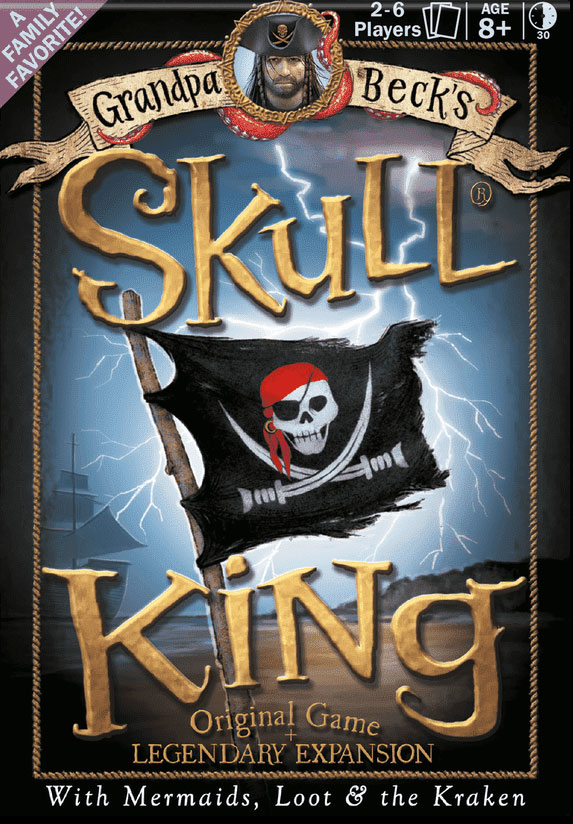
To create balance and ensure that no one class, move, or play dominates a table, the gaming community has adopted several eternal triangles: Scissors beats paper beats rock beats scissors Fighter bests ranger bests mages bests fighter Pirate King defeats pirate defeats mermaid defeats Pirate King. You haven’t heard of the last one? Allow me […]
Other stories include the Golden Geek Awards, Hasbro's Q1 2026 revenue and how to create licensed board games
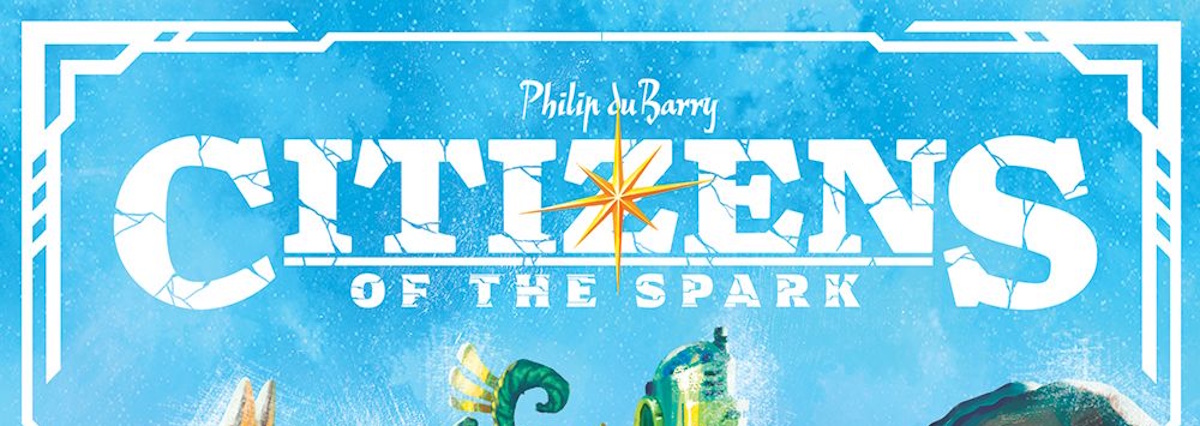
Citizens of the Spark feels like it was custom-made with me in mind. It’s a tableau-builder (yes) designed by Philip duBarry and illustrated by Diego Sá (yes) seeded with a small selection from a huge pool of cards (yeeesss) that happens to be populated with anthropomorphic animals (eh, fine). Those animals, it turns out, are not your usual medieval-ish fare, but scientists, scholars, performers, and everything else, jumbled together to form a polis of intersecting interests and vocations.
Which is to say, it brought me around in the end.
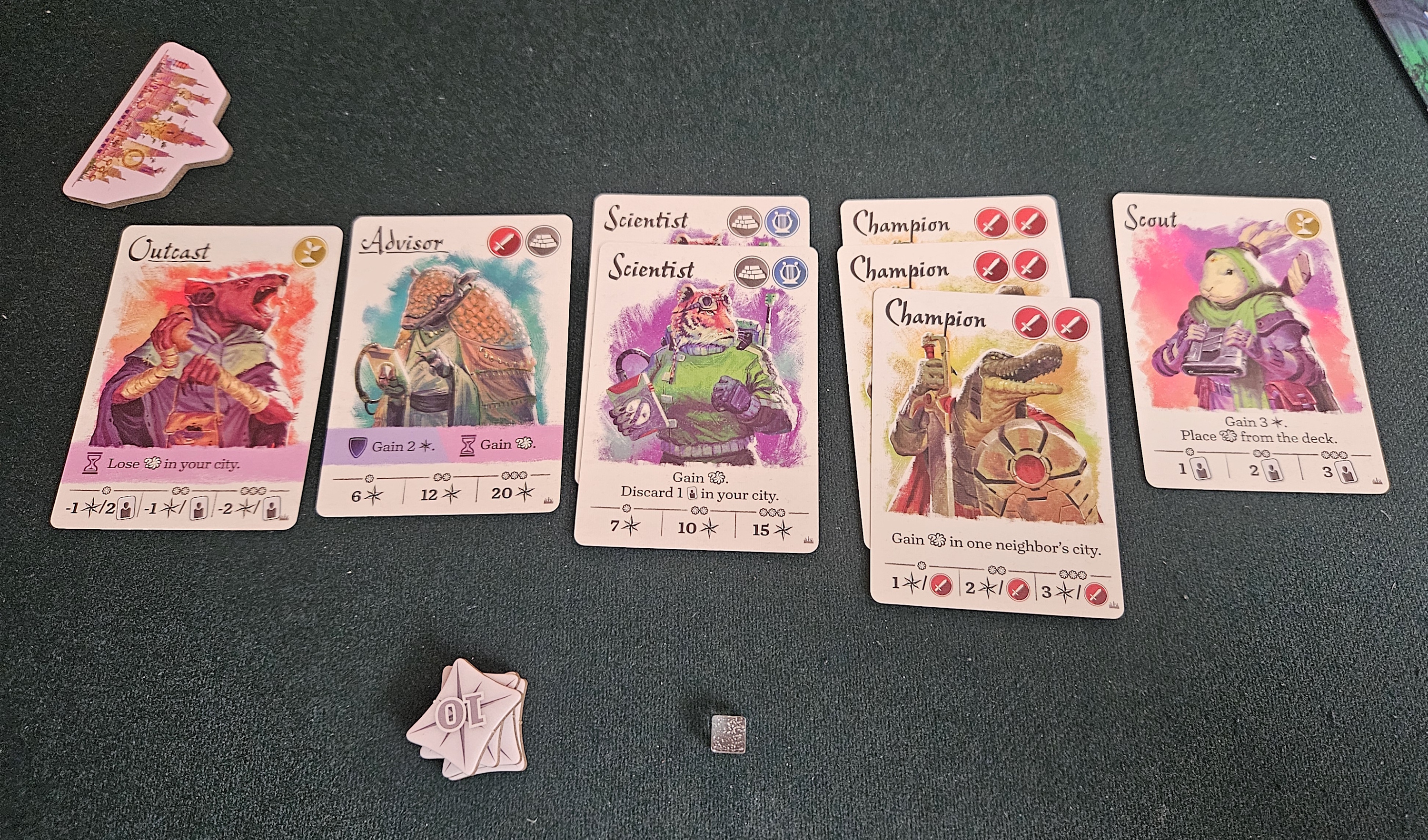
Ah, my pleasant animal polis.
It begins with a shuffle. Such a big shuffle, in fact, that my relatively broad hands ache at the strain of holding so many cards. There are thirty flavors of citizen in the box, a generous spread. Depending on your player count, you’ll take seven to ten of those sets, each set ten cards in size, and riffle them together until your knuckles crack.
And then you try to get them to work together.
Even in its earliest moments, there’s a tinge of something primal to Citizens of the Spark. Not primal in the sense of cavemen striving against the mammoth. Primal in the way the game asks you to create a society from these dissimilar peoples. This is the question that hovers over all of civilization. Can people who don’t see eye to eye live beside one another and strive toward a shared goal? It’s visible in Sá’s artwork. The Judge is a chicken. Not in the sense that she’s a coward hiding behind the bench and his robes. She’s literally a chicken. A hen. A producer of eggs. Tasty in peanut oil. She might share a city with one of her natural predators. An Agitator who happens to be a fanged reptile. A Soldier who is a bear. The tiger Scientist. To thrive, one presumes the city is governed by détente. No eating the judges.
As lovely as those illustrations are, duBarry encodes these dissimilarities into the cards themselves. In any given session, you might be presented with a society of Tyrants and Executioners. Yikes! But those dangerous creatures may soon prove paper tigers in the face of Traders and Politicians. Your task is to take these cards, measure their worth, and try to piece together something functional. There are natural imbalances, of course, but nearly any combination is playable, with the sole exception that you shouldn’t use more than a few underlined citizen sets at once. It’s impressive, both conceptually and as a way to ensure that every session presents a fresh conundrum for players to puzzle over.
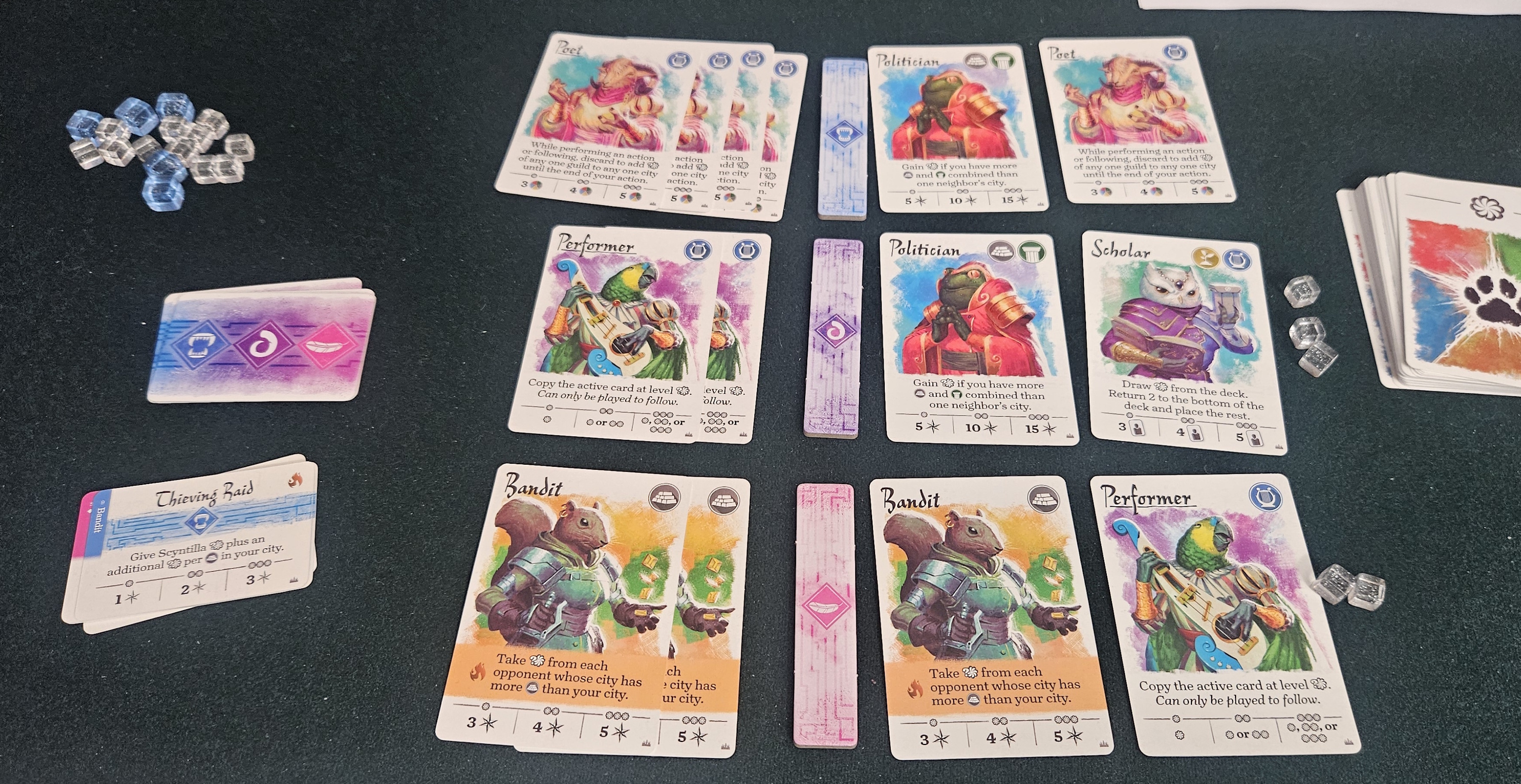
Cards are drafted from rows that gain more sparks as their denizens are neglected.
For all that, the actual gameplay is snappy and rules-light. First you choose a few creatures to add to your incipient polis. These are offered three rows at a time, each containing two or three cards, again depending on player count. As rows go unclaimed, perhaps because they include cards that don’t boast the same natural synergies as their peers, they accumulate sparks, the game’s currency of victory points. After a while, even outcasts accrue enough value to make them tempting.
As your city swells with citizens, you might want to trigger their actions. There are quite a few of these, attacks and defenses and trades and swaps and conversions, but their one commonality is that every action grows more potent with larger numbers of citizens. Here’s a simple example. If you have a Merchant, you can trigger its action to gain sparks for every brick icon in your city. With only one Merchant, that’s one spark per brick. With the maximum of three Merchants, that’s three sparks.
The limitation, though, is twofold. First, that citizen will depart your city forever. So there’s an element of press-your-luck to the whole thing, a barrage of micro-decisions over whether to activate your citizens right now, or wait until you have a bunch of them to trigger their more powerful effects.
Second, everybody else at the table also gets the chance to activate that citizen type. Sure, maybe we’ve tapped out the supply of Merchants, so I’m eager to earn a few points. But if your city is housing three times as many of the guys, or more of the icons they score with, then it’s entirely possible I’ve just handed you a powerful opportunity on your off-turn. Tradeoffs, tradeoffs.
Cluttering this headspace even further is the fact that the Merchant is about as simple as citizens get. The Scientist functions similarly, earning increasing points with more duplicates. But they also force another citizen to abandon your city entirely. Controversial research, perhaps. The Warrior earns points, but only if your city has greater military strength than a neighbor. The Bandit steals points, but you need to have fewer bricks than your victim; as a complicating factor they also provide the very same brick icon they’re trying to have fewer of.
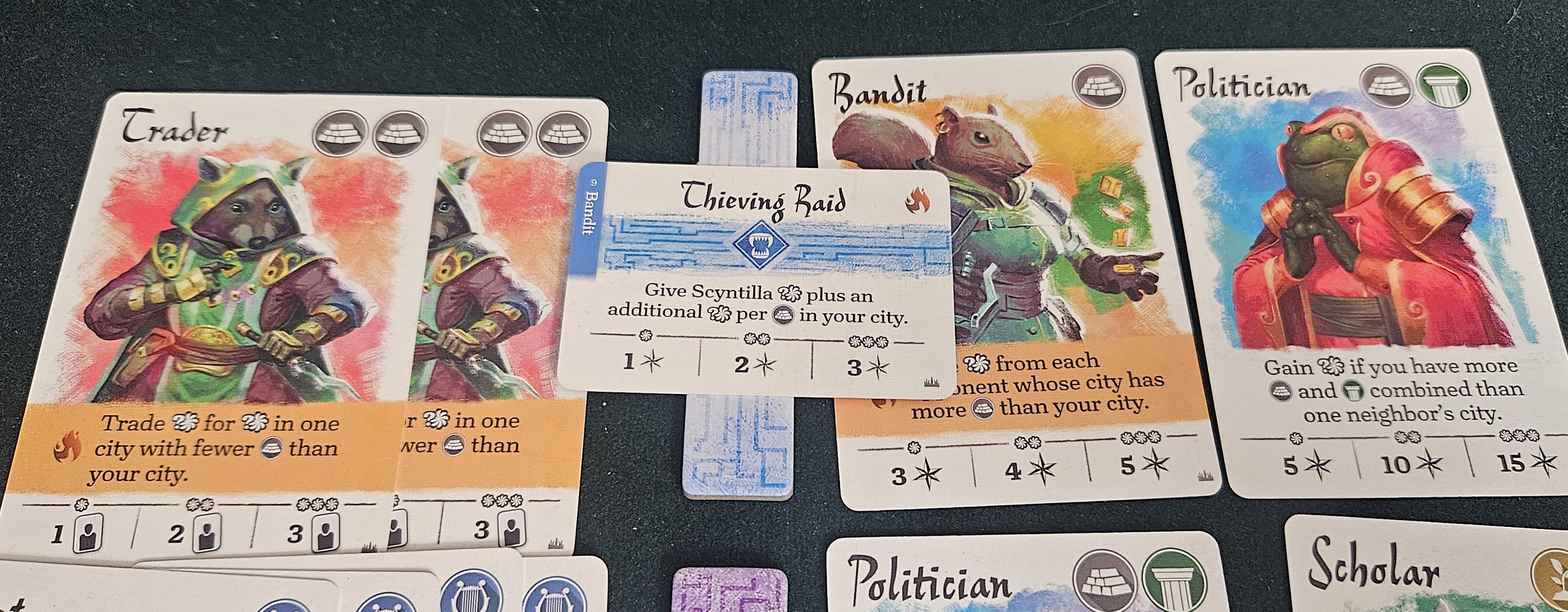
The solitaire mode is bastard-hard.
Put together, Citizens of the Spark is the sort of game that’s rife with imbalances, but those imbalances are the very thing that make it so riveting to explore. It’s almost unthinkable that any assemblage of citizens won’t come with at least one or two stinkers. Philosophers who don’t have anyone to philosophize to. Defensive Advisors and Diviners when there are hardly any attacks to defend from. Poets and Outcasts, the gummy citizens that steadfastly refuse to be put to productive use.
But that’s precisely when the game becomes interesting. Maybe everybody will squabble over the most valuable citizens, thus spreading them between too many cities to be valuable. Or maybe a few cards will sit in the offer so long that they become worth quite a bit more than their printed value. I’m already on the record as believing that “balance” is perhaps the most oversung element of board game design. In duBarry’s hands, the imbalances between citizens become the game’s most essential texture.
To be clear, Citizens of the Spark is a subtle game. It isn’t flashy. There are big swings, but they’re swings of points, a card moving from there to here, more points. There are plenty of turns that consist of grabbing cards, glancing at your tableau, and deciding that, y’know what, there aren’t any actions you want to take right now. Similarly, it’s a rather chancy game. Get ready to listen to that guy complain that no good cards are ever available on his turn.
Still, I can’t help but appreciate this one. I like its gentle ebbs and flows. I like how it feels warm despite its cutthroat tendencies. I like how it can wipe out a player’s city in the early stages, then still, more often than not, pave the way for a comeback with some grit and maybe some whining. I even like the solitaire mode, with its card-shifting and ability-triggering meanie of a bot.
Most of all, I like these dang cards. Their imbalances and chanciness, the way they reward focus and diversification at the same time. The fiction of them. They call to mind any number of successful cultures, from Persia to Star Trek to the Panspecificity, that fashioned functional states despite the vast differences between their subjects. Or maybe the most successful city on the table will be a government of predators. That’s how it goes sometimes. I like that, too.
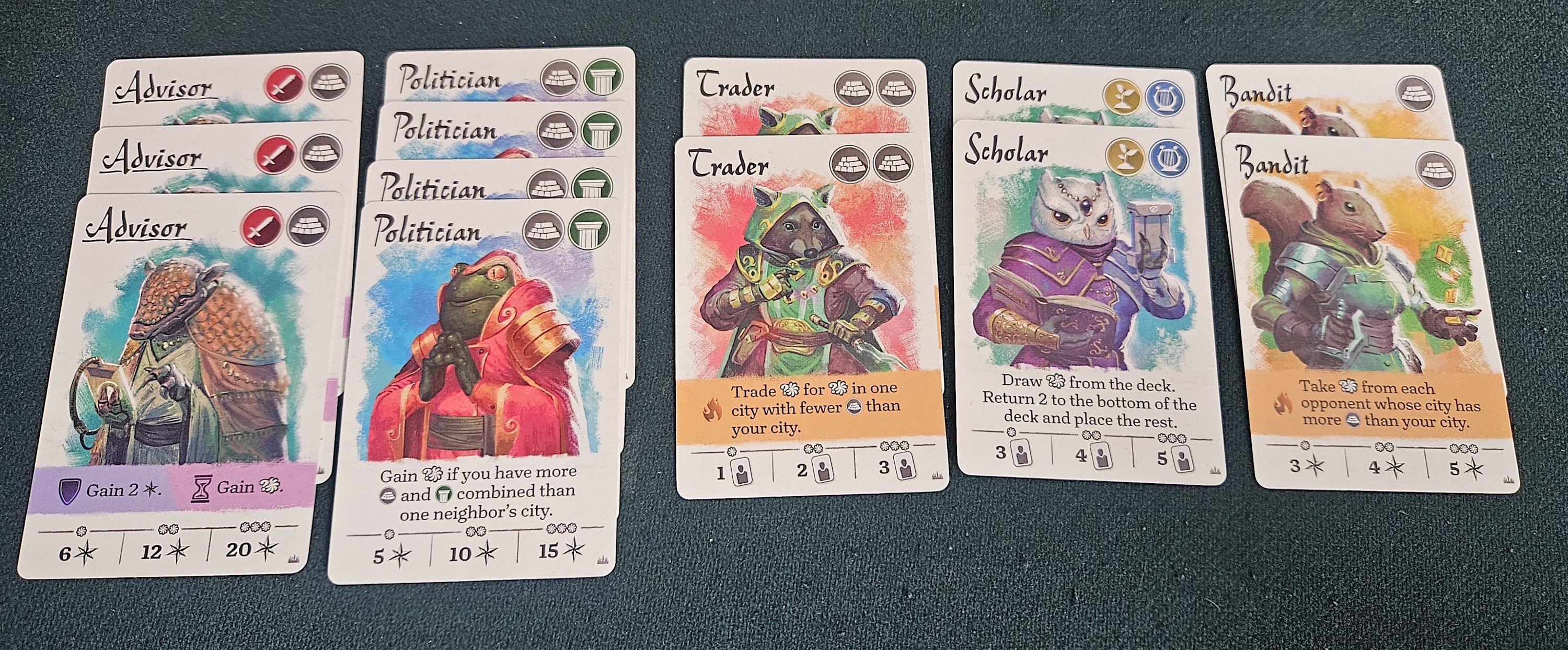
It’s a while before repeat combos show up.
Ultimately, Citizens of the Spark is a pleasant little thing, not groundbreaking or liable to show up in every game store, but still a quiet and compelling artifact of play that grows deeper and cleverer with each session. It’s the sort of game that feels like the beginning of something. More citizens? New modes? Another game inspired by this one’s muted success? Who knows. For now, it’s a game I’ll break out when I want to show somebody what can be accomplished with unassuming systems and some imagination.
A complimentary copy of Citizens of the Spark was provided by the publisher.
(If what I’m doing at Space-Biff! is valuable to you in some way, please consider dropping by my Patreon campaign or Ko-fi. Right now, supporters can read my first-quarter update of 2026: the best board games, movies, books, and more!)
by Steph Hodge
KOSMOS also announces a third Fourth Wing game for October 2026

Osprey Games, the UK publisher of tabletop titles including the critically acclaimed Undaunted series, is shutting down its board and card games operation to refocus on wargames and RPGs.
A statement from the company said Osprey’s owner, the multinational book giant Bloomsbury Publishing, had made the “difficult decision” to sell the board and card game line as part of a “strategic refocusing” on book publishing, adding that the move was “not a decision taken lightly”.
The company said it would not commission any new board or card games, but would continue to release, sell and license upcoming games according to its existing schedules while Bloomsbury hunts for a new owner for its board games.
BoardGameWire understands from two sources that Bloomsbury hopes to find a buyer willing take on the existing board and card game team in addition to its catalogue of titles, but the firm is yet to publicly comment on the sale process.
Osprey Games was launched in 2015 as part of Bloomsbury arm Osprey Publishing, which had a decades-long history of creating military and historical information and reference books before beginning to publish wargaming rulebooks in 2008.
The gaming arm’s early successes included Peer Sylvester’s The King is Dead and The Lost Expedition, as well as popular titles such as Hal Duncan and Ruth Veevers’ design Cryptid and the second edition of Martin Wallace’s London.
Those releases were followed by the high-profile success of the Undaunted series of deckbuilding wargames from David Thompson and Trevor Benjamin and the Imperium games from Nigel Buckle and Dávid Turczi.
Osprey also gained a reputation for taking chances on a range of titles with intriguing mechanisms and designs, such as Sylvester’s area control and trick-taking hybrid Brian Boru, highly asymmetric area control title Crescent Moon, card-based strategic wargame Battalion: War of the Ancients and small-box, quick-playing conflict title General Orders: World War II.
Speaking to BoardGameWire, Sylvester said the sale news had come as “a bit of a bombshell”, adding that he wasn’t aware of any problems at Osprey which pointed to a possible sale.
He said, “I dont think the decision has anything to do with how the games have sold. From what I see, there are some strong titles, like The King is Dead (which is still selling well), Undaunted, and apparently also Lost Expedition. So it’s a decision made from the parent-parent-company at Bloomsbury.
“Working with Osprey was perhaps the defining moment of my ‘career’ as a game designer. First: they always had great developers there, which was fun to work with. Brian Boru wouldn’t be as good as it (hopefully) is without the team at Osprey.
“Also, Lost Expedition was turned into a hit partly because of the great idea to hire [comics creator and illustrator] Garen Ewing. So they elevated my games, but they also published them in the first place, which helped me getting a name and contact in the industry.
“I really don’t know if I would continue working on games as much as I did, if I wouldn’t have worked with them. So I owe them a lot.
“The news of the potential sale therefore makes me quite sad. I just hope the team keeps being around in some form, so I can keep working with them.”
David Thompson, the co-designer of the Undaunted series and fellow Osprey titles War Story: Occupied France, Line of Fire: Burnt Moon and the General Orders games, told BoardGameWire, “I’ve worked with Osprey for the last 14 years. Over that time, they’ve grown to be like a family to me.
“It was over a decade ago that Duncan Molloy, then the lead of the Osprey Games board game division, took a chance on a fledgling designer and signed what would eventually go on to be Undaunted: Normandy. Over the next decade I had the opportunity to collaborate with Duncan, Filip Hartelius, Anthony Howgego, Jordan Wheeler, Rhys Ap Gwyn, and Luke Evison on the editorial staff.
“Each and every one of them are incredibly talented people, and it was through their shepherding that games like the Undaunted series, General Orders, and War Stories: Occupied France came to be. And I would be remiss if I did not mention Emily Neat, Pete Ward, Benji Corless, Benjamin Thorne, and George Barker from the marketing staff and Gareth Clarke for his graphic design.
“Amazing people, each and every one. Over the years I’ve partnered with about 15 board game publishers, but the folks at Osprey will always hold a special, unique place in my heart.”
Fellow board game designer Ellie Dix, whose tapestry-themed worker placement design Threaded could prove one of the last published by Osprey Games, said she also did not know what had provoked the decision.
Dix told BoardGameWire, “I’ve loved working with Osprey. They’ve been absolutely brilliant. Honestly a dream to work with. They’ve taken so much care with Threaded and done such a great job to bring it to life. I’m very sad about the decision to sell.”
The news comes a month after Bloomsbury, which has a stock market valuation of almost £500m, announced it was “streamlining its structure for further growth”, which included a reorganisation of the company’s editorial divisions and the loss of about 55 jobs.
That restructuring follows Bloomsbury’s sales doubling from £185m to £361m over the last five financial years, with profits more than doubling to £48.8m in the same time.
No mention of Osprey was made in the restructuring announcement, or in Bloomsbury’s interim results announced in October last year, which revealed revenues of £160m and profits of £24m in the six months to August 2025.
Osprey Games’ slate of releases for 2026 is currently set to include Undaunted 2200: Revolution, Crab Rage and two Warriors of Athena titles, while the company will be at UK Games Expo later this month demoing Threaded, Flip Pick Towers and Rattlesnake.
The post Undaunted publisher Osprey’s board game operation to be sold off by owner Bloomsbury Publishing first appeared on .
Whoever walked away from a hand of trick-taking and thought, “Hey, you know what would make this better, is if we had to guess how many tricks we would win beforehand,” has my eternal gratitude. I like to think bidding came about as a party trick. “Françoise is really good at tarot, I bet he can guess exactly how many tricks he’ll win. Guess, Françoise, guess.”
However bidding started, it has long been a cornerstone of trick-taking, and is reliably my favorite way to engage with the mechanic. Card games are inherently subject to tremendous amounts of luck, of course, but bidding shifts the balance a bit closer to skill. More skill means more agency. More agency means more investment. More investment means more fun for everyone.
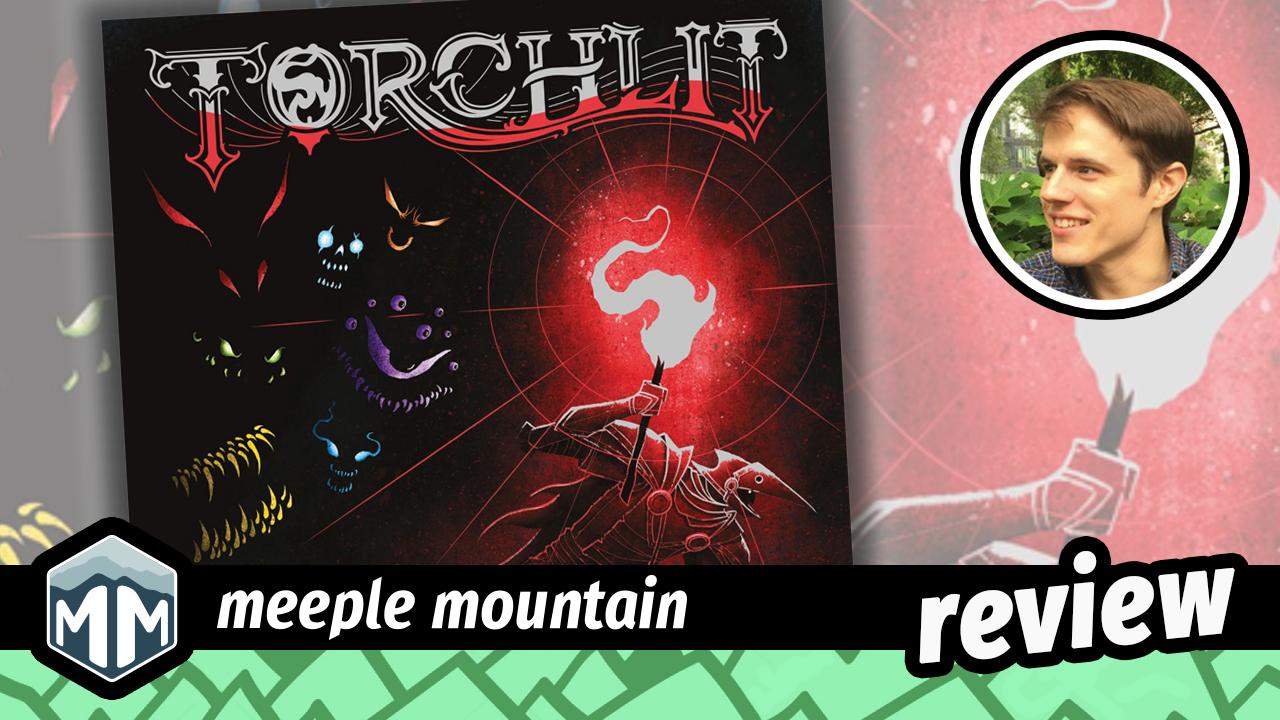
Torchlit is, above all, a bidding game, though it’s a strange one. The deck is dealt out, and every player chooses a card from their hand to put face-down on the table in front of them. The numbers on those cards, which run from 0-7, correspond to a series of dungeon door tiles placed out in the center of the table in numerical order. Whichever card you put down, the matching door is where you want to end up by the end of the hand.
Torchlit Game Review appeared first on Meeple Mountain.
I’ve organized my fair share of group theater excursions, and I’ve always selected a block of seats either in a single row or back-to-back across two rows. How basic of me. Of course, I’ve never had to worry about packing a theater for a world premiere, ensuring celebrities are surrounded by enthusiastic fans, and convincing […]
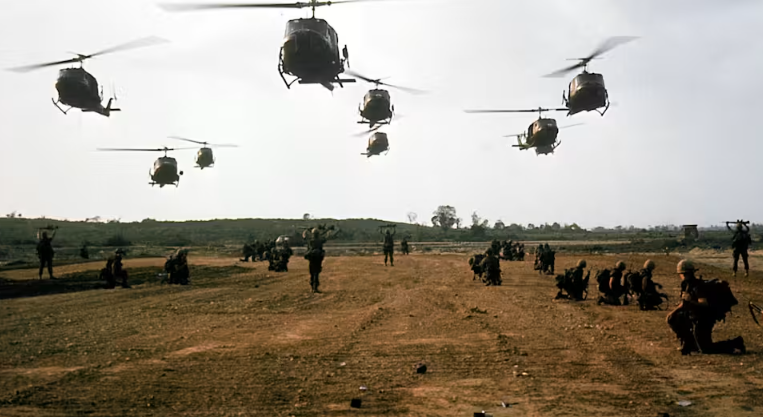
One of my favorite wars to game is that of the Vietnam War. Part of that is because I was born in the early 1970’s and heard a lot about this war for the rest of that decade and throughout my teenage years. I remember watching the short lived television series Tour of Duty. I also read the graphic novel series The ‘Nam from Marvel Comics. But, my interest really grew after watching movies such as Apocalypse Now and Platoon. I always asked myself, how are you expected to fight a war where you don’t know who the enemy is? But also part of the attraction for me is that the war in anything but conventional. The combatants were diametrically different, the powerful and well funded United States of America and their technology and special forces versus the Viet Cong, a rag tag group of insurgents, and the mighty North Vietnamese Army funded and supported by the Chinese. This war also was set amongst the backdrop of social upheaval and cultural change at home with anti-war protests, freedom for all being sung as a marching song and desegregation and civil rights taking center stage. We have played plenty of games set in this conflict and I want to share my Best 3 Games with…Vietnam!
We really enjoy Card Driven Games and try to play as many of them as we possibly can get our hands on. Also, as I said in the intro, we also enjoy Vietnam wargames. So, when we had a chance to play a CDG on the Vietnam War, it was a no brainer! I got this game for Christmas about 6 years ago and it was a used copy of the 1st Edition published by Worthington Publishing. There is a 2nd Edition out there but I really don’t know what the differences are. Since that time, there also is a new 3rd Edition from Compass Games and it looks really good. But that is neither here nor there.
In Hearts and Minds: Vietnam 1965-1975, players will play as either the US/ARVN forces (with some units from NATO as well as ROK) against the Communist forces which include NVA regulars and VC hidden units. The game has multiple scenarios and covers the entirety of the Vietnam War from 1965 all the way through 1975 as the U.S. forces left and only the ARVN remained to attempt to stem the red tide coming down into South Vietnam.
Players have a hand of 5 cards each round from which they will play 4 that provide Resource Points to perform various actions including activating units to move up to their movement allowance, attacking enemy units, doing bombing missions, pacifying areas or forcing a political change. Each faction has their own deck, the Communist deck is red, the Allies is blue and then there are black cards that are neutral. Players will make their decks from their color and mix in half of the black cards. These cards represent the meat of the game and are the vehicle to make the game progress. The Resource Points are spent to perform the actions mentioned above and also can be used to buy the printed event on the card just played. Sometimes this event will have lasting effects for the entire game, such as the Commando Hunt card that allows Bomber missions to target Laotian border provinces and also allows more than 1 bomber to bomb any given province, or will have a one time effect such as Junction City, that allow you to spend more than one saved Resource Point in a given turn as long as all Battle and Political Control Change actions take place in Zone III. These cards are well done and the game boils down to the efficient use of the hand that you are dealt. Sometimes, you will be given cards with high RP’s of 4 or 5, which will allow you to make a lot of progress with various actions including moving forces, battling the opposition and making political changes. But, there will be times when your draws are not great and you have a hand full of low value RP cards but they might have interesting and very useful events that you must take advantage of. In essence, you have to play the cards you are dealt and make the best go of things. This can be both fun and frustrating but always keeps things interesting and requires that you plan and execute on that plan.
Battle is pretty simple as well as all the counters are pretty much the same for both sides. Each counter has an untried side and a veteran side (with either a 1-6 or 2-6 for ARVN and US troops or a 1-4 or 2-4 for NVA and typically a 1-1 for VC units) and then there are support units such as mortars, artillery, tanks and helicopter gunships. When a players units are located in a province with enemy units, a contested area is created where the players can fight by buying a battle round for the cost of 1 RP. If the battle doesn’t conclude, another battle round can be purchased with an additional RP until the player no longer has RP’s. Units in a province simply total up their battle factors (located in the bottom left corner of the counters), roll a die and consult their specific faction’s Battle Table. The results are the damage that must be applied and fire is considered simultaneous. The results include a specific number of units that must be eliminated but also sometimes has a capital R that means the player must either lose one unit or pay a saved RP. The blue table is slightly better than the red table, but not by much.
The really neat part about the battles is that units can evade before the battle starts with a roll, which becomes more difficult in certain terrain types and also has negative results for even attempting, such as the loss of a unit. This part can be very frustrating for the Allied player as he has finally corned the wily NVA and VC and they then slip right through his fingers with a favorable roll.
How does the game end? Well, players will be fighting each other for control of provinces and for casualties that will affect the will of the fighting powers and adjust the Political Will Track. This track factors in how each side feels about the war and their attitude to continued hostilities. Each scenario has a set level for an immediate victory, which frankly will never happen, and an end scenario number, which is more reachable. The Political Will Track really sums up the game for me and the feelings that many had about the Vietnam War. It seemed that escalation of bombing, more U.S. Troops on the ground and bloodshed didn’t equate to a victory. But simply meant the fighting would linger until one side or the other eventually would give in.
I recommend this game wholeheartedly for anyone that likes CDG’s and for anyone that is interested in a holistic approach and treatment of the Vietnam War. My only negative about this game is that it appears to be very hard for the Communists to win. That is probably an assessment after only one play as we both really didn’t know what we were doing but it is a concern of mine that I would like to see in future plays. It just felt very difficult to do anything that was meaningful with the resources they have and they are also outclassed in combat so that is a concern as battle is a big part of the game. Still a very solid representation of the Vietnam War and frankly a very interesting design by John Poniske.
The COIN Series uses cards in a very different way from other CDG’s. These cards are not necessarily the driver of the action but more assistive to the actions of the players by setting eligibility and also providing powerful events. The Event Cards are more often than not, very powerful. They either give you a continuing bonus on future Operations and Special Activities (as in the case of the volumes that include the various Capabilities) or allow you to take Operations and Special Activities more times that round than you would normally have been able to had you not chosen the Event and more often than not, at no cost! Also, because of the power of the cards and their ties to one or more factions, you can take the Event which allows you a huge advantage, only to see that very powerful Event reversed with the next Event or with a regular Operation. This is very frustrating but is one of the major reasons that I love the card-assisted element of the COIN Series.
Fire in the Lake from GMT Games just really sums up the the Vietnam War experience to me and Volko’s magnum opus is Fire in the Lake, without a doubt, as it attempts to answer the question of who the enemy is and does a fantastic job. Fire in the Lake: Insurgency in Vietnam is Volume IV of the COIN Series and teams up two amazing designers in Volko and Mark Herman. The game is an asymmetric treatment of the Vietnam War and pits four players against each other, as even allies want to win the war, but win it in their way. The US Player has control of lots of powerful forces that can utilize Air Lift, Assaults and Sweeps to drive the insurgent guerilla forces of the Viet Cong and NVA back into the jungles but the VC and NVA have tools at their disposal to evade these heavy handed tactics such as tunneled bases, the terrain itself including jungles, rivers and mountains, and the Ho Chi Minh Trail. The US Player must also watch his own back as his ally, the ARVN, is more interested in patronage and lining their pockets with US dollars than necessarily winning the war through brute force. This game design takes into account all of the difficulties with this quagmire of a war and time, and through the cards used to assist the game moving forward, inserts key events such as drug use, protests at home, booby traps and the Tet Offensive.
If you haven’t played Fire in the Lake, please do yourself a favor, and do so. It is an exquisite experience that will test you on so many levels and leave you exhausted at the end of the effort while yearning for more. But, don’t go into it thinking it will be easy as it will not be and is sure to have you pulling your hair out as you attempt to win this war. Great theme. Great game play. High quality components and a well thought out design. To get a little more insight into why this game is so great, please read my article on Why I find the COIN Series to be Fantastic! I use several examples of the game play from Fire in the Lake to prove my point.
I own and have read the book We Were Soldiers Once..and Young by Lt. Gen. Hal Moore and was fascinated by the story he told of his brave soldiers who fought the first major battle of the Vietnam War. How they went into the Ia Drang Valley and ran into nearly 2,500 NVA regulars who were spoiling for a fight and who outnumbered them 2.5/1 and how that fight lasted 5 days from November 14th through November 18th. I was also amazed at the new tactics used by the 7th Cavalry in using helicopters to jump from landing zone to landing zone to remain maneuverable enough to fight a conventional war that we were comfortable with against a non-conventional enemy in the Viet Cong and the North Vietnamese Army who didn’t want to fight our way. When the new 25th Anniversary Edition of Silver Bayonet was announced I was excited to experience this war and was glad when my friend Alexander P500’ed the game and we got a chance to play it.
So, this isn’t some monster game that covers the whole of the Vietnam conflict, but covers the entirety of the Silver Bayonet campaign. The initial landings of the 1st Cavalry Division are just 1 of 11 or 12 scenarios/campaign games included in the box. It covers 4 days and uses a handful of units in brutal close assaults.
Something that I was pleasantly surprised about was that a good number of the scenarios can be played solitaire because most of them don’t involve using the hidden aspects of the game (NVA hidden movement, US secret helicopter basing and staging, etc.). The complexity of the rules, and sub rules, as well as all of the different phases means that the game is very cerebral. There’s a lot to consider, and units/combats might not function in ways that you’re used to in other games. With one stack attacking another you are very unlikely to wipe the other player out. The CRT just isn’t built for that. If you use maneuver combat then the NVA will flee to the hills and then just come back at you. However, NVA assaulting American troops is also deadly, because in assaults the defender inflicts hits first. We found ourselves often in bloody stalemates, with the Americans just barely hanging on for dear life. The US had access to big artillery pieces as well as many points of airstrikes, which learned through hard experience need to be stacked all together in precision strikes in order to do any kind of damage. All of these things lead to just a fascinating, and in my opinion, extremely accurate representation of the type of combat, fought on the jungled hills of South Vietnam. This game felt real and as we played we could really begin to get into the narrative of the situation and even in some small manner, feel the same frustration and disappointment that the US must have felt in fighting an un-fightable enemy! For that alone, I am extremely impressed and cannot wait to play more and just explore the depth that the rest of the scenarios have to offer.
If you can’t tell, I love this game. It’s deep, rich, and flavorful, just like a good curry. There’s volume in the box, so much stuff to play with. The components are unbelievably good value. Something that didn’t feel too great was the importance of the coordination rolls. The NVA would have handed the US their ass early on day 3 if they hadn’t utterly failed this coordination roll. In failing, they were unable to attack with their best stacks that had been meticulously moved into position for the final assault to take LZ X-Ray. And while I understand what it represents, which is is great, but it seemed very ‘swingy’, because it happened on several of my activations during our plays. Coordinating the amount of NVA troops commanded in the jungles whilst being bombarded day and night isn’t an easy thing to do, but that it boiled down to a single d10 roll felt like a little bit of a let down. I might be house ruling a 2d6 method to make that roll less randomly distributed. I also get that over the course of a full campaign those kind of things would have evened themselves out, but in a short scenario like that it kind of felt like bad luck. That being said: It’s still a good model for the command situation, so there is that. Just maybe find a way to be less random?
Well, those are my 3 favorite games focused on the Vietnam War. I have played several others but feel that these 3 best demonstrate what it is like to be in an unwinnable and unmanageable situation that quickly spirals out of your control. What are your favorite Vietnam War games?
As an added bonus, here are links to a few Vietnam related posts that I did during the pandemic on the Music of the Vietnam War:
The Music of the Vietnam War – Playlist Suggestion for Wargames Part 1 – 1964-1969
The Music of the Vietnam War – Playlist Suggestion for Wargames Part 2 – 1970-1975
Post Publishing Edit: I was asked why Purple Haze from PHALANX didn’t make the list and here was my response:
Oh no. It was amazing. We absolutely love the theme and the feel of that game. Fantastic representation of the Vietnam War. Warfighter Vietnam from DVG is also very good.
A few other smaller games I have played and liked on the subject was Fortunate Sons from High Flying Dice Games, Long Cruel Woman from High Flying Dice Games and Dien Ben Phu from Legion Wargames (although not the US war in Vietnam but a great game). Just only wanted to spotlight 3.
-Grant

Root publisher Leder Games has unveiled four new hires as it continues to rebuild from a staff exodus earlier this year that included star designer Cole Wehrle and style-defining artist Kyle Ferrin.
The Minnesota-based publisher has brought in experienced operations director Johnny Dale as executive director, who will take on responsibility for day-to-day operations, and former Trick or Treat Studios graphic and production designer Jody Henning as senior graphic designer.
Jesse Wertz, who previously worked in operations and finance in the software and banking sectors, has been brought in as director of operations, while Adam Jury has been hired as a graphic designer.
The hires come four months after Wehrle, who also designed hits including Arcs and Oath while at Leder, and Ferrin left to launch Buried Giant Studios with Wehrle’s brother Drew and former Leder director of operations Ted Caya, who exited the company last December along with his design for the company’s now axed Kickstarter Take.
Leder agreed to sell Arcs and Oath to Buried Giant as part of the shake-up, while keeping hold of its huge-selling star title Root – a game which despite its complexity has broken out of the hobby game bubble and onto the shelves of major retailers such as Walmart and Target.
Other Leder staff who moved across to Buried Giant included Josh Yearsley, who designed the most recent Root expansion Homeland, senior graphic designer Pati Hyun, event coordinator and community manager Matt Martens and graphic designer Megan Ganey.
That left Leder with a design and development team comprising company founder Patrick Leder – the co-creator of its debut release Vast: The Crystal Caverns and co-designer of multiple Root expansions – Nick Brachmann, who has worked on expansions for Root, Ahoy and Fort, and solo game design specialist Liz Davidson.
Leder named Davidson as the company’s new creative director in February, while former customer support coordinator Andrea Francisco has become a junior game developer at the studio, and Alita Robertson has been promoted from production assistant to producer. The company also brought in Tyler Exsted as a game developer two months ago.
New Leder executive director Dale has had a long career in director roles across advertising, media and pharmaceutical companies – and has also spent many years running the popular Eize Basa social media account, in which he jokes about board gaming and other subjects.
Dale initially announced he had been hired by Leder on his Eize Basa BlueSky account on April 1, which given the nature of the account was widely laughed off as an April Fool’s Day prank.
Speaking of Dale’s hire, Patrick Leder told BoardGameWire, “Bringing Johnny on as executive director is a perfect fit. He’s spent his career building and leading teams like ours, he’s passionate about board games, and anyone who knows him knows how creative he is.
“Johnny has been a friend of Leder Games for almost ten years now, so having him join the team feels completely natural for me, Liz, and the rest of the team.
“For me personally, having Johnny take over day-to-day operations will be a huge benefit: it means I get to spend more of my time doing what I love most, which is designing games.”
Dale added, “I’ve been a fan of Leder Games for a long time, so stepping into this role is a huge honor. I bring nearly 20 years of experience leading creative teams, and I look forward to putting that to work alongside Patrick and this group.
“We have a great pipeline of games in development, and I think players are going to be very excited about what’s coming.”
Some of those in-development games were recently showcased by Leder on its YouTube channel, with Alita Robertson showing off backyard soapbox racing game Kart, and Nick Brachmann demonstrating a prototype of a Taylor Shuss dexterity-based mech and monster battle design with the working title Creature Control.
In the same video Patrick Leder revealed he had been working on a lightly-asymmetric economic euro game called Fish based around catching, canning and delivering fish, which he said might be renamed to Trawl – something which would break a long tradition of Leder games all having four-letter titles.
The company’s last crowdfunding campaign in late 2024 saw it raise almost $2.5m from more than 27,500 backers for Root: The Homeland Expansion, which is slated to come to retail this year.
The post Leder Games staffs up after Buried Giant departures, brings in Johnny Dale to lead day-to-day operations first appeared on .
BGI 419 The One About The Best Pizza
Board Games Insider – Join our Guild on Board Game Geek Guild | Like us on FB
Social media:
Ignacy Trzewiczek / Portal Games: website | FB | Twitter | Youtube
Corey Thompson / Above Board TV: website | Youtube
Stephen Buonocore / “The Podfather Of Gaming”: website | FB | Twitter | Youtube
Intro Music: Happy Rock – Bensound.com



/pic9219071.jpg)