Welcome to this week’s batch of crowdfunding campaigns. We have a variety of offerings here, so we hope you will find something that catches your eye. Also, if you want to chat with the BGQ team, join our Discord Server where we talk about games, movies, sports, and other fun stuff. Check it out and […]
It’s a simple idea – take a basic staple of game design (roll five dice 3 times trying to come up with the best scoring combination – aka Yahtzee) and pair it with the unlocking system of an online game … Continue reading →
CD Projekt Red, the video game studio behind the massive-selling Witcher titles and Cyberpunk 2077, has established a dedicated tabletop games team, several months after the record-breaking success of its $28m Cyberpunk TCG crowdfunding campaign.
The Poland-based company named long-serving Gwent community manager Paweł Burza as its first Tabletop Games Manager in August, overseeing a newly formalised two-person team responsible for working with external publishers on game development, licensing, commercial strategy and bringing products to market.
Burza told BoardGameWire the company was also open to working with additional tabletop publishing partners beyond its existing relationships – and was interested in moving beyond the large-scale, often expensive games that have characterised its recent tabletop releases, and towards experiences that could be played in around an hour.
Burza said the extraordinary response to Cyberpunk TCG had reinforced CDPR’s confidence in the tabletop market, although he stressed that it had not fundamentally changed the company’s approach to choosing projects.
The Witcher Legacy || Crowdfunding image
He told BoardGameWire, “It’s a new role, but at the same time, the work itself isn’t entirely new for us. This is the first time we’ve officially had a Tabletop Games Manager position, but we’ve had people responsible for tabletop projects since we started working with Go On Board on The Witcher: Old World years ago.
“As our tabletop portfolio started to grow, especially with projects like Cyberpunk Trading Card Game, it became clear that we needed more dedicated resources and a team focused specifically on this part of our business.”
While the core tabletop operation currently consists of just two people, Burza said it draws on expertise from across CDPR, including its business development, creative, marketing and PR departments.
He added that its responsibilities extend beyond just licensing approvals, and into working closely with publishers throughout development, helping shape commercial strategy and coordinating the timing of releases.
“We look for partnerships that make sense for our IPs, but also consider how they fit into our broader publishing and franchise plans,” Burza said.
“Timing is really important here – we want to avoid situations where several products are competing for attention at the same time. We want every partner and every project we commit to to have the space and support it needs to really shine.”
Cards from the Cyberpunk TCG || Crowdfunding image
Burza said tabletop was becoming an increasingly important part of CDPR’s wider strategy for developing The Witcher and Cyberpunk beyond video games, with physical products offering opportunities both to keep existing fans engaged and introduce new audiences to the titles.
“You might be surprised how many times I’ve heard someone say, ‘I really like this TCG, now I have to try Cyberpunk 2077’, and I love that because it shows the relationship can work both ways,” he said.
Burza added, “I never want our tabletop games to simply fill a gap between major video game releases. They need to stand on their own as great games and offer something meaningful to tabletop players first.”
Recent CDPR-licensed projects have largely centred on substantial, often miniatures-heavy productions – but Burza told BoardGameWire the company was interested in broadening that approach, seeing smaller games as offering an opportunity to reach players who might not have the time or appetite for lengthy tabletop campaigns.
“One area we’d also like to explore in the future is more approachable tabletop games, that you can sit down and play in around an hour,” he said.
“A lot of our recent projects have focused on bigger experiences and campaigns that can span many hours or days. While we love those games, I think there’s also a lot of potential in creating something smaller and easier to get to the table.”
Burza brings extensive experience of smaller form-factor games to the new role, having worked on Gwent: The Witcher Card Game since its beginnings as a standalone digital game.
He said that experience, which included years spent working directly with its player community, had reinforced the importance of listening to players, being transparent about development and continuing to support games after launch – lessons he believes are equally relevant to physical tabletop publishing.
“One of the biggest lessons for me was that you shouldn’t be afraid to have that dialogue,” he said. “Players who spend hundreds or even thousands of hours with your game will understand it in ways you can’t, and there’s a lot you can learn from them.”
Burza said CDPR would continue relying on specialist external publishers rather than developing its tabletop games in-house, seeking partners with expertise in game design, production and bringing physical products to market. But he stressed that understanding the underlying franchises was just as important as those capabilities.
Players take part in a Cyberpunk TCG event
Asked whether CDPR was looking for additional tabletop partners beyond its existing relationships with Go On Board and WeirdCo, Burza said the company was “always open to interesting opportunities and conversations”.
He added that proposals from prospective partners needed to demonstrate a clear connection to the underlying intellectual property, rather than simply attaching a recognisable brand to a game that could work equally well without it.
“We’re not interested in simply putting our logo or one of our IPs onto an existing concept if it doesn’t feel like a natural fit,” he said. “The best projects come from genuine collaboration, where both sides bring their expertise to the table.”
The company also expects to continue making decisions about crowdfunding and traditional retail releases alongside its publishing partners, rather than committing to a single route to market.
When asked what a successful tabletop arm of CDPR might look like in three to five years, Burza said, “For me, success would mean having a diverse portfolio of tabletop games that different types of players could enjoy – from bigger, more involved experiences to games that are easier to get to the table – across our different IPs.”
But he stressed that the aim was not simply to maximise the number of games carrying CDPR’s brands.
“We want every project to have a reason to exist and bring something meaningful to the IP, rather than reaching a point where there are so many products that they start to dilute what makes The Witcher or Cyberpunk special.”
Welcome to this week’s batch of crowdfunding campaigns. We have a variety of offerings here, so we hope you will find something that catches your eye. Also, if you want to chat with the BGQ team, join our Discord Server where we talk about games, movies, sports, and other fun stuff. Check it out and […]
Data from crowdfunding tracking site Tabletop Analytics shows that board game, RPG and tabletop accessories projects across Kickstarter, Gamefound and BackerKit have attracted more than $416m in 2026 so far, up almost 49% on the $280m raised throughout the entirety of last year.
Campaigns in the site’s narrower ‘tabletop’ category, which excludes RPGs and accessories, have raised almost $266m in the year to date, compared with $196m across the entirety of 2025 – with average funding per project climbing from $113,000 to almost $152,000.
Kickstarter has seen a particularly huge surge for ‘tabletop’ in the first ten months of 2026 according to the data, attracting $148.4m – up 65% from the $89.8m raised over the same period last year.
Rival crowdfunding heavyweight Gamefound also saw a continuation of its rapid growth, Tabletop Analytics shows, with $107.3m pledged between January and October, compared with $73.7m a year earlier.
A Gamefound spokesperson told BoardGameWire that campaigns across its platform raised $111.3m in the first ten months of 2026, up 14.8% from $97m over the equivalent period last year, excluding late pledges and pledge-manager sales.
The platform’s own figures use a different reporting basis from Tabletop Analytics – reflecting quirks such as whether campaigns are recorded in the period they launch or the period they close.
But the respective numbers suggest tabletop crowdfunding’s ongoing growth is being accompanied by a significant recovery at Kickstarter – which had suffered three consecutive years of declining funding as rival Gamefound expanded its share of the market.
Kickstarter’s tabletop funding fell from a pandemic-era peak of $270m in 2021 to about $220m in 2024, with annual declines of 12.4%, 4.3% and 2.7%, respectively. That decline came despite the number of successfully funded projects continuing to rise, with the average amount raised per successful campaign falling to $41,400 in 2024 – its lowest level in a decade.
Gamefound, meanwhile, has been growing rapidly since launching as a fully-fledged crowdfunding platform in 2022. The platform’s campaign funding doubled from $28.3m that year to $56m in 2023, before jumping another 49% to over $85m a year later.
The platform, which began life as a Kickstarter pledge manager in 2015, rapidly grew into a major crowdfunding destination in its own right, particularly for established publishers launching expensive, large-scale games with multiple boxes, expansions and plastic miniatures.
Nemesis: Legacy is the third board game crowdfunding campaign this year to enter the all-time top ten for dollars raised, alongside Flashgitz’s Space King ($9.3m) and Roxley Games’ Brass: Pittsburgh ($9.1m) – with all three drawing on established franchises or large, dedicated audiences to attract huge amounts of pledges.
But despite the extraordinary sums pouring into tabletop crowdfunding, interviews carried out by BoardGameWire with publishers, designers and crowdfunding industry professionals at Spiel Essen last month revealed growing concerns over rising marketing costs, unpredictable campaign results and the impact of high-profile publisher failures on backer confidence.
Two publishers told BoardGameWire they had deliberately decided against crowdfunding their latest games – despite featuring the premium components often associated with successful campaigns – amid concerns about the financial risks and long-term viability of the model for smaller businesses.
They cited rising marketing costs, growing uncertainty over whether campaigns would attract enough backers to justify their investment, and concerns that backers were becoming increasingly reluctant to pay for games they might not receive for several years.
“I think people are more anxious about spending their money,” one publisher said, arguing that customers were increasingly inclined to wait for retail releases rather than commit to expensive campaigns with lengthy fulfilment schedules.
Those concerns have been exacerbated by a string of high-profile crowdfunding failures and financial crises among large, established publishers in recent years – a situation multiple industry professionals told BoardGameWire had made some long-time crowdfunding backers wary of committing money to new projects.
Mythic Games, publisher of the Darkest Dungeon board game, was officially liquidated in October 2025 after raising more than $19m through crowdfunding over five years. The company’s demise left a string of projects undelivered, including the $2.2m Hel: The Last Saga and $1.3m Monsterpocalypse campaigns.
Miniatures from the Darkest Dungeon board game || Photo Credit: Mythic Games
Former crowdfunding powerhouse CMON, meanwhile, lost almost $23m across 2024 and 2025, halved its workforce, sold major intellectual properties including Zombicide and Blood Rage, and has halted new crowdfunding campaigns.
The Hong Kong-listed publisher reported a further loss of just over $2m in the first half of 2026, while continuing to work towards delivering eight delayed crowdfunding campaigns that collectively raised more than $14m.
CMON has attributed part of its financial difficulties to weakening demand for its crowdfunded games, with revenue from crowdfunding projects falling by almost a quarter in 2024. The company subsequently blamed softer crowdfunding and wholesale demand, particularly in North America following US tariff increases, for its worsening financial performance in 2025.
Steamforged investor Foresight said earlier this year that the publisher had experienced “a few disappointing crowdfunding campaigns over the last 12 months” and was looking to move away from the model towards its higher-margin Iron Kingdoms business.
Some smaller publishers have also struggled. Final Frontier Games closed in April 2025 with three crowdfunding campaigns worth almost $1.4m unfulfilled, while Assassin’s Creed: Brotherhood of Venice publisher Triton Noir shut down later that year after cancelling its final campaign.
Triton Noir founder Thibaud de la Touanne blamed growing competition for backers and disappointing crowdfunding results for contributing to his company’s demise, saying most of its Kickstarter campaigns had fallen short of expectations – forcing smaller production runs and higher manufacturing costs.
Final Frontier said unexpected pandemic-era shipping costs of more than $350,000 had wiped out its profits from Merchants Cove, leaving it struggling financially for years. But it also blamed CMON’s alleged failure to pay for a Chinese-language edition of the game as the “final nail” in its closure, although CMON disputed that account.
Belgian publisher Game Brewer, whose crowdfunded titles included Gugong and Paris, announced its closure in June 2024 after struggling to remain profitable in an increasingly competitive market. It subsequently delivered almost all pledges for its final three crowdfunding projects, although some backers were still reporting outstanding deliveries in 2026.
Former FunForge CEO Philippe Nouhra at Spiel Essen 2024
Other industry professionals interviewed by BoardGameWire at Spiel Essen questioned how much of the additional money currently surging into crowdfunding was benefiting smaller and mid-sized publishers, and whether the rising costs of attracting backers were making crowdfunding increasingly difficult to sustain.
One warned of a “compression of the middle tier”, arguing that larger, established publishers were able to easily outspend mid-sized competitors on advertising and convention appearances, crowding them out in the competition for backer pledges.
“I think we’re getting to a time where you need to be spending more, to be making more,” they said. “I think it’s more difficult than ever for mid-sized publishers who are having to spend money to have a bigger team to try and develop and grow.”
The problem agreed on by several industry professionals BoardGameWire spoke with is not necessarily that smaller publishers cannot attract any crowdfunding support – but that the cost of reaching enough backers to make a campaign commercially worthwhile is becoming increasingly difficult to manage.
He pointed to longer production lead times, higher shipping costs, growing competition for manufacturing capacity and increasing localisation demands as factors adding to the cost and complexity of delivering crowdfunded games.
Acorn Dobrovolskyy, the founder and CEO of Ukrainian publisher Boardova, offered a highly critical assessment of the model, arguing that publishers’ success was becoming increasingly dependent on their ability to market products rather than the quality of the games themselves.
“It’s a broken system,” he told BoardGameWire. “It rewards marketing companies, not board game companies.”
Boardova founder and CEO Acorn Dobrovolskyy
Dobrovolskyy argued that companies offering relatively inexpensive games were competing for many of the same potential customers as those selling large, premium-priced products – without necessarily having the same revenue available to afford to advertise to them.
“We see Kickstarter ads every day. All of us are competing for the same guy. So it doesn’t matter if you are selling the $15 game or the $100 game – but if it doesn’t matter, you better be selling the $100 game. But that doesn’t benefit the end customer.”
Dobrovolskyy said he would prefer to move away from crowdfunding altogether, but said Boardova continued to rely on campaigns “because we need the cash flow”.
He said, “Our goal is to become a company that carries the risk of printing and promoting our own games, and doesn’t do crowdfunding because it’s a lot of stress for buyers. It’s a lot of stress for us.
“You spend almost as much… okay, not as much time on a crowdfunding as on creating a game, but it’s comparable, basically. And we could make either better games, or more of them, if we didn’t have to go crowdfund.
“But on the other hand, I understand why it exists still in a market this overcrowded. But I still believe that there are better ways, especially for bigger players, to go about it.”
Despite those difficulties, other publishers argued that crowdfunding remained essential to their businesses because of the greater share of sales revenue they could retain compared with selling through traditional retail distribution.
One publisher with several large crowdfunding projects under their belt told BoardGameWire that paying for staff, game development, logistics and future projects all become much harder to justify when a substantial share of the selling price goes to distributors and retailers.
But they also questioned whether the model could remain sustainable as backers became increasingly reluctant to commit large amounts of money to games that might take years to arrive.
“I do think that … asking for a large crowdfunding splash is going to become less and less of a reasonable ask in the hobby,” the publisher said.
They added that publishers might need to experiment with more conventional retail launches, direct sales and pre-orders, while shortening the time between announcing games and delivering them to customers.
Other publishers interviewed by BoardGameWire said they were already becoming more selective about which products they take to crowdfunding, with the model’s emphasis on deluxe editions, exclusive components and extensive stretch goals not always suited to games intended for wider retail distribution.
One publisher said crowdfunding backers increasingly expected “everything deluxe”, creating products and price points that did not necessarily translate well into conventional retail channels.
But even the largest, most expensive crowdfunding campaigns are not immune to rising costs – with publishers also facing continued uncertainty over US import tariffs and volatile international shipping prices.
Those risks are particularly acute for crowdfunded games, where publishers can commit to prices years before manufacturing and delivery, leaving them exposed to unexpected increases in costs they may struggle to pass on to backers.
One board game crowdfunding professional pointed out that publishers producing large, component-heavy games face particularly substantial freight bills, and cautioned against assuming that expensive deluxe editions necessarily generated correspondingly high profit margins.
“Their margins are already smaller, despite the fact I think a lot of people think that those campaigns with the really deluxe tiers that are really expensive … they’re getting a ton of margin,” the representative said. “Not always.”
The concerns about smaller businesses being squeezed out of the market are clearly weighing on many board game publishers – but currently, those fears are not reflected in a straightforward decline in funding for newcomers.
Tabletop Analytics’ figures show that projects by new creators across all its crowdfunding categories have raised more than $151m so far this year, compared with $90m throughout 2025 – an increase of 68%.
Their share of overall funding has also risen from 32% to 36%, while the number of projects launched by new creators has increased from 2,001 across all of last year to 2,211 already in 2026.
But those figures naturally do not show how many of those newcomers will go on to build lasting publishing businesses – or whether they will encounter the same difficulties with rising costs, marketing and fulfilment that some of the industry’s established names are now struggling to overcome.
Dice-and-card combat game Dice Throne has signed a trio of new agreements with Asmodee to expand its European retail distribution and online sales, including switching its French-language publishing away from Goliath-owned Lucky Duck Games.
The deals will see Asmodee France produce French-language editions of existing and future Dice Throne titles, Asmodee UK expand distribution across British retailers, and Asmodee subsidiary European Player Network provide a dedicated EU online sales channel.
That strategy centres on making Dice Throne more accessible through traditional game stores, including offering individual Hero Packs at lower prices than its larger boxed sets, while using organised play to encourage repeat visits and purchases.
Dice Throne said the UK and EU agreements were aimed at strengthening its existing sales operations, with Asmodee UK providing wider access to British retailers from the first quarter of 2027. EPN has already begun selling English-language products through its Boardgame Select online store.
The French-language agreement, meanwhile, marks a change from Dice Throne’s longstanding relationship with Lucky Duck Games, which began publishing localised editions in 2021.
Characters from the Dice Throne: Vanguard set || Kickstarter image
Lucky Duck, which was acquired by Goliath in 2024, said last October that negotiations over future Dice Throne releases had become increasingly complicated by the franchise’s success, citing discussions over rights, production quantities and exclusivity.
The publisher said at the time that it had yet to secure agreements for several upcoming products, including Vanguard and Outcasts, and could not confirm whether they would receive French-language editions.
The change comes amid a wider restructuring of Lucky Duck’s European operations following its acquisition by Goliath, with the company scaling back third-party localisation to concentrate on developing and publishing its own games.
Lucky Duck global brand director Scott Morris told BoardGameWire in April that localisation had become “resource intensive” and dependent on external factors. The cutbacks have since extended to the loss of the company’s in-house French editorial team, which Lucky Duck acknowledged in September had forced it to cancel planned French-language editions of Into the Godsgrave and Oakspire, and delayed its French release of Too Many Bones.
The restructuring has also affected Poland, where Lucky Duck announced in June that it would no longer publish most of the third-party licensed titles it had unveiled in February. The company said most had found alternative local publishers, while stressing that its Polish operation would continue trading.
Asmodee France will begin releasing French-language Dice Throne products in the second half of 2027, covering France, Belgium, Switzerland and Canada.
The new arrangements are also intended to strengthen organised play across France and the UK, with improved access to kits and dedicated support for retailers, while Dice Throne plans to introduce multilingual packaging for more products, including Hero Accessory Packs.
Dice Throne CEO Casey Sershon said: “Instead of one approach for every market, we’re partnering locally to meet each community where it plays and shops.
In a company update in September, Dice Throne said its single-Hero packs had been a major success, while retail and organised play continued to grow.
The company, which has raised more than $20m through crowdfunding to date, added that it no longer needed Kickstarter to finance production, although it intended to continue crowdfunding new releases “because it’s part of Dice Throne’s community tradition”.
Welcome to this week’s batch of crowdfunding campaigns. We have a variety of offerings here, so we hope you will find something that catches your eye. Also, if you want to chat with the BGQ team, join our Discord Server where we talk about games, movies, sports, and other fun stuff. Check it out and […]
Welcome to this week’s batch of crowdfunding campaigns. We have a variety of offerings here, so we hope you will find something that catches your eye. Also, if you want to chat with the BGQ team, join our Discord Server where we talk about games, movies, sports, and other fun stuff. Check it out and […]
A few years back, we backed a very interesting looking miniatures based board game set in World War II called Aces & Armor from PKB Games. We played it last year and very much enjoyed the combat system as well as the way units gain experience and become more effective. That game did very well on Kickstarter and PKB Games is back with a new addition to the series called Aces & Armor – Spitfire: Battle of Britain & North Africa We reached out to the designer Philipp K. Berger to see if he could give us a look at the game and answer our questions and he was more than willing to accommodate our request.
Grant: Philipp, welcome back to our blog. What is your upcoming game Aces & Armor – Spitfire: Battle of Britain & North Africa about?
Philipp: Thanks for having me back!
Aces & Armor: Spitfire is a tactical World War II strategy game where players command infantry, tanks, artillery, and aircraft in exciting battles.
This time we’re taking the action to two very different theaters: the Battle of Britain, including the evacuation of Dunkirk, and the North African campaign.
The game combines accessible rules with quite a bit of strategic depth. You need to maneuver your troops, coordinate different unit types, capture strategic positions, and make the most of your resources. Your individual units also gain experience throughout the battle, so a rookie Spitfire pilot might eventually become a highly effective war hero!
Spitfire works as a standalone game for 1–2 players, but you can also combine it with the original Aces & Armor for battles with up to five players.
Grant: Why did you want to take your Aces & Armor System to the skies of Britain and the deserts of North Africa?
Philipp: One of the things I love about the history of World War II is how different the various theaters of war were. The original Aces & Armor focuses on land warfare in continental Europe, while the Battle of Britain and North Africa presented completely different strategic challenges.
The Battle of Britain is particularly fascinating because air superiority was absolutely crucial. Suddenly, protecting airfields, intercepting bombers, and coordinating your fighters become central elements of the game.
North Africa, on the other hand, is all about mobility and logistics. You might have the strongest tanks on the battlefield, but they’re not much use if you’ve run out of fuel and ammunition!
I also wanted to introduce the British as a playable faction. Their iconic units, especially the Spitfire, were simply too good to leave out of the series.
Grant: What is your design goal with the game?
Philipp: My main goal has always been to create games that offer meaningful strategic decisions without requiring players to spend hours studying the rules.
I love complex strategy games, but I don’t particularly enjoy unnecessary complexity. Ideally, players should understand the basic rules within 10–15 minutes while still discovering new strategies after many games.
Another important goal is making every unit feel valuable. I don’t want players to simply throw endless disposable troops at each other. Individual units can gain experience, become more effective, and develop into veterans you really want to protect.
And, of course, the game needs to be fun! Historical accuracy is important to me, but whenever historical detail and enjoyable gameplay conflict, I try to find a sensible compromise.
Grant: How have you modified the Aces & Armor System to tell the story of WWII in the Battle of Britain and North Africa?
Philipp: We kept the core mechanics that players already know from Aces & Armor, particularly the combat system, combined-arms tactics, and individual unit experience.
However, we introduced new gameplay elements to capture the distinctive challenges of each theater.
On the Battle of Britain map, aircraft play a much more prominent role. Players fight for control of the skies, defend airfields against bombing raids, and can play scenarios inspired by the evacuation of Dunkirk.
North Africa introduces an entirely new supply mechanic. Your units need access to supplies to operate effectively. This makes supply depots and supply lines strategically important, opening up possibilities such as cutting off enemy forces instead of attacking them head-on.
The result is that the two maps feel quite different, despite using the same underlying game system.
Grant: What elements do you feel are most important to model from the period?
Philipp: I believe it’s more important to capture the strategic realities of a historical conflict than to simulate every technical detail.
For the Battle of Britain, that means air superiority, fighter interception, and the importance of protecting infrastructure such as airfields.
For North Africa, it’s the enormous importance of logistics, mobility, and controlling vital supply routes across a vast desert.
Another major element is combined-arms warfare. Tanks, infantry, artillery, and aircraft become significantly more effective when working together.
I also wanted the different types of equipment to feel distinct. A heavily armored Churchill tank should play differently from a fast Daimler armored car, just as a Spitfire should serve a different purpose from a Junkers Ju 88 bomber.
Grant: What major design challenges did you encounter and how did you overcome them?
Philipp: One of the biggest challenges was introducing two very different theaters without making the rules significantly more complicated.
For example, supply logistics are fascinating from a strategic perspective, but I certainly didn’t want players to spend half their turns calculating fuel consumption and managing spreadsheets!
The challenge was to reduce these historical realities to mechanics that create interesting decisions while remaining easy to understand and manage.
Another challenge was balancing air and ground combat. Aircraft need to be powerful enough to reflect their historical importance, but not so powerful that ground forces become irrelevant.
I approached both challenges by keeping the successful core mechanics intact and adding specific rules only where they meaningfully change the gameplay. And of course gameplay testing and testing and testing!
Grant: What new units are included in this version of the game?
Philipp: Spitfire includes two factions with six different unit types each, represented by 24 detailed miniatures.
The new British faction includes infantry, the Daimler Armoured Car, the Churchill tank, the Bofors 40 mm anti-aircraft gun, the Hawker Hurricane, and, of course, the legendary Supermarine Spitfire.
The German faction features infantry, the Sd.Kfz. 251 half-track, the Panther tank, the famous 8.8 cm Flak, the Messerschmitt Bf 109, and the Junkers Ju 88 bomber.
I particularly like the selection of aircraft because it creates some interesting asymmetry between the factions. The British have two different fighter aircraft, while the Germans combine a fighter with a dedicated bomber.
Grant: How have you differentiated the capabilities of the units from those in your great game set in Europe?
Philipp: Every unit has its own characteristics, including movement speed, combat effectiveness, armor, and cost.
The original Aces & Armor includes some powerful late-war equipment, such as the German Tiger tank and Me 262 jet fighter, the American B-17 Flying Fortress, and the Soviet Katyusha rocket artillery.
Spitfire introduces a different selection of units and therefore different tactical possibilities.
The British Churchill, for example, emphasizes protection, while the Daimler Armoured Car provides mobility. The Spitfire is an excellent air-superiority fighter, whereas the German Ju 88 is particularly useful for attacking ground targets.
The German 8.8 cm Flak is another very interesting unit because it can threaten both aircraft and armored vehicles.
I wanted each faction to have its own strengths, rather than simply giving every nation the same units with different miniatures.
Grant: How can this game be incorporated into the original Aces & Armor?
Philipp: The two games are fully compatible!
You can play Spitfire completely independently, but you can also combine its factions, miniatures, and gameplay content with the original Aces & Armor.
The original game includes American, Soviet, and two German factions. Spitfire adds the British, bringing the total to five playable factions.
This creates opportunities for much larger battles, additional combinations of units, and entirely new scenarios.
I particularly enjoy the flexibility of the system. Players can recreate historically inspired confrontations or experiment with their own hypothetical battles.
Grant: How does the combat system work?
Phlipp: The combat system is probably my favorite mechanic in the game.
Each unit has an individual combat profile that determines how many dice it rolls, its chances of hitting, and how well it withstands incoming fire.
When two units fight, both players can roll their dice simultaneously, provided the defender is able to return fire.
The number of dice depends on how much damage a unit has already suffered. As units take damage, their combat effectiveness decreases. However, as they gain experience, their probability of hitting improves.
Another important element is combined-arms warfare. If your tanks attack an enemy position while supported by infantry, artillery, or aircraft, they can receive additional combat dice.
Finally, terrain and armor determine how much actual damage the hits cause.
So combat involves much more than simply comparing attack and defense values. Positioning, experience, damage, terrain, and supporting units can all significantly influence the outcome.
Grant: What drove your decision to use 12-sided dice for combat? What advantages does this give your system?
Philipp: I wanted a combat system that offers a lot of differentiation between units without requiring complicated calculations.
Using 12-sided dice gives us twelve possible outcomes, allowing much finer distinctions in hit probabilities than conventional six-sided dice. This is particularly useful because combat effectiveness changes as units gain experience. Different units can have different hit probabilities, and improving from rookie to veteran or war hero can make a noticeable difference.
Also, a higher number of dice (you roll up to 15 in one attack) and a higher number of sides per die (12) creates roll results closer to the statistical expected value which rewards players estimating the odds well and limits pure dice luck.
At the same time, resolving combat remains straightforward: roll your dice, check which results count as hits, and determine the damage.
I also think rolling a handful of D12’s simply feels great!
Grant: How is experience gained and tracked for individual units?
Philipp: Every unit begins the game as a rookie and gains combat experience by fighting.
When a unit damages an enemy, it gains one experience point. If it destroys an enemy unit, it receives two experience points instead.
After gaining enough experience, a unit advances from rookie to veteran and eventually to war hero, improving its combat effectiveness.
What makes this system special is how we track the experience. Each miniature has a small transparent holder attached to its base, where players insert colored markers for experience and damage.
This means you can immediately see the condition and experience level of every unit directly on the battlefield, without having to consult separate unit sheets.
It also creates some wonderfully memorable moments when an experienced unit survives against overwhelming odds!
Grant: What type of economy does the game use? How is money produced? What can players spend their money on?
Philipp: The game uses a relatively straightforward economy built around controlling strategic production facilities.
Players earn money from factories they have captured. These resources can then be used to recruit new units or repair damaged ones.
This creates an interesting strategic dilemma. Do you spend your resources replacing casualties, invest in additional troops, or repair your experienced veteran units?
Capturing factories is therefore important not just for victory, but also for strengthening your economy and maintaining your army.
I particularly like how the economic and military aspects interact. Sometimes capturing a strategically important factory can achieve more than destroying several enemy units.
Grant: What is the layout of the maps? How does terrain affect the game?
Philipp: Spitfire includes a large double-sided, hex-based game board featuring two very different environments.
One side depicts southern Britain, northern France, and the English Channel. This allows for combined land and air battles, including the Battle of Britain and Dunkirk scenarios.
The other side represents North Africa, with its expansive deserts, roads, mountains, and strategically important supply positions.
Terrain influences movement and combat. Roads allow ground units to move faster, forests provide defensive advantages, and natural obstacles can restrict movement.
Aircraft, of course, aren’t slowed down by ground terrain.
The North African map adds another strategic consideration: supply. With fewer natural obstacles and long distances between important positions, maintaining your logistics becomes crucial.
Grant: What do you feel the design models well from history?
Philipp: I think the game does a particularly good job of modeling the importance of combined-arms tactics.
Historically, even the strongest tanks were vulnerable when operating without adequate infantry, artillery, and air support. The game encourages players to coordinate different unit types rather than relying on one particularly powerful unit.
I also like how the North African scenario illustrates the importance of supply lines. An army can have superior equipment and still lose because it cannot maintain its operations.
And finally, I think the experience system captures something that’s often missing from tactical board games: troops aren’t interchangeable. A battle-hardened veteran unit can be much more valuable than a newly recruited replacement.
Of course, Aces & Armor is a strategy board game rather than a detailed historical simulation, but I hope it captures the important tactical and strategic decisions commanders faced.
Grant: What type of experience does the game create for players?
Philipp: I’d describe it as an accessible strategy game with a surprising amount of tactical depth.
There are plenty of exciting combat moments, but the game isn’t just about rolling dice. You need to plan your movements, coordinate your troops, control strategic locations, and decide when to attack or retreat.
The experience system also creates an emotional connection to your units. Losing a rookie infantry unit is unfortunate, but losing your heavily experienced Spitfire that has survived several battles really hurts!
I also love the way the battlefield evolves. Units move, take damage, gain experience, and new reinforcements enter the fight. The situation can change dramatically within just a few turns.
A typical game takes around 60–90 minutes, so it offers a fairly substantial strategic experience without requiring an entire afternoon.
Grant: What are some general strategies for each of the sides?
Philipp: That depends somewhat on the scenario.
In the Battle of Britain, the British player should pay particular attention to controlling the skies and protecting important airfields. Their Spitfires and Hurricanes provide considerable flexibility, but they need to be positioned carefully to respond to German threats.
The German player can take advantage of the Ju 88’s bombing capabilities while using the Bf 109 to contest British air superiority. Coordinating air attacks with ground operations can be very effective.
In North Africa, both sides need to think carefully about supply. A powerful offensive can quickly become vulnerable if the enemy manages to interrupt your supply lines.
In general, my most important advice is to use combined-arms tactics and not spread your forces too thinly. A well-coordinated group of different unit types is often much more effective than several isolated powerful units.
Grant: What has been the feedback of your playtesters?
Philipp: Playtesting has been particularly important for getting the balance between historical flavor, strategic depth, and accessible gameplay right.
One of the main things I’ve focused on is making sure the two theaters offer genuinely different experiences without forcing players to learn an entirely new game.
The air battles need to feel exciting, and the supply mechanics in North Africa need to create meaningful tactical decisions rather than unnecessary bookkeeping.
We’ve also been refining the balance between individual units and factions.
What I always look for during playtesting is whether players are making interesting decisions, developing strategies, and enjoying the tension of the battle. That’s ultimately much more important to me than adding another layer of rules.
Grant: What other designs are you currently working on?
Philipp: There are always several ideas floating around in my head!
One project I’m currently exploring is bringing the Aces & Armor game mechanics to a SciFi scenario.
I’m also thinking about where to take Aces & Armor next. World War II offers so many interesting factions, units, and theaters that there’s certainly plenty of room for future additions. And I am getting a lot of great ideas from backers of the current Kickstarter campaign. I just love this creative community and couldn’t be more grateful!
For now, though, most of my attention is on making Aces & Armor – Spitfire as good as possible and delivering another successful Kickstarter campaign.
Thank you for your time in answering our questions Phillip and also congratulations with the game funding already. I really like the look of this one and I am sure that it will be a fun gaming experience.
Welcome to this week’s batch of crowdfunding campaigns. We have a variety of offerings here, so we hope you will find something that catches your eye. Also, if you want to chat with the BGQ team, join our Discord Server where we talk about games, movies, sports, and other fun stuff. Check it out and […]
An early prototype of Ryugu was kindly provided by 14Games. All artwork and rules are subject to change. Thoughts & opinions are my own. Ryugu The Fleeting Paradise, to give it its full name, is a clean, colourful new worker-placement game from 14Games, the studio that brought us Snow Planner (read my review of that here). Following the trend of Japanese Euro games doing things slightly…
The crowdfund had raised $2.33m from more than 7,300 backers in the early hours of its final day, equivalent to almost $319 per supporter – an average spend well above Restoration’s previous major crowdfunding campaigns, including the roughly $260 from last year’s Battle Monsters: Godzilla x Kong.
Almost three-quarters of backers who have committed to one of the game’s various versions opted to spend at least $379 on one of the Mithril tiers, with more than 2,800 people going all-in on the game’s most expensive $449 option.
Those Mithril pledges together account for about 82% of the total raised at the time of writing – a figure well above that expected by Restoration prior to the campaign’s launch, co-owner Justin Jacobson told BoardGameWire.
Restoration Games co-founder Justin Jacobson
He said the company had expected Mithril to be most popular, but had conservatively projected about three Mithril pledges for every two people committing to the base-level Limited tiers of the game
He said, “I’m not entirely surprised. We created the Limited Edition as a sort-of compromise pledge level for folks who wanted some deluxe elements but didn’t want to go all-in for the Mithril Edition.
“Ultimately, though, most Kickstarter backers are there precisely because they do want to go all in, and we try to make that pledge level as appealing as possible and as good a deal as possible.”
Despite the much higher-than-expected proportion of backers opting for Mithril, Jacobson said the campaign’s overall performance was “pretty in-line” with his expectations ahead of the campaign’s final few days – and that “in a vacuum” he would have hoped for slightly higher numbers.
He pointed to the absence of a standard retail edition from the campaign, Free League’s The One Ring RPG crowdfund running at the same time and wider global economic conditions among the factors potentially working against it.
Jacobson said the pattern of backers favouring Restoration’s most expensive option was familiar from what he described as the company’s previous “spectacle” campaigns, with all-in pledges typically outstripping other pledge levels at the close of those crowdfunds.
But King’s Gambit is generating substantially higher spending per backer compared with Restoration’s previous projects offering similarly expensive all-in options.
Last year’s Battle Monsters: Godzilla x Kong offered a $379 Mega Bundle – the same price as the basic Mithril Edition of King’s Gambit – but averaged about $260 across its 2,301 backers.
Return to Dark Tower: Expeditions went even higher with a $499 all-in pledge including the base game, its expansions and upgraded components – although as an expansion-led campaign, existing owners could enter at just $45. Its $1.49m haul from 11,665 backers amounted to an average of $128 per supporter.
King’s Gambit is currently averaging almost $319 across its backers to date – despite almost 1,000 people having committed just $5 for access to the pledge manager.
Jacobson nevertheless cautioned against seeing the campaign as evidence that $379-plus board games were likely to become commonplace.
“This campaign is unusual, and I wouldn’t expect this to become the norm,” he said. “It stems from the unique way in which the original licensing deal and co-publication arrangement came to be in the first place.”
Opening Gambit
Jacobson told BoardGameWire that the publisher decided to pitch licence holder Middle-earth Enterprises in 2023 for a new version of cult 2000 board game Star Wars: The Queen’s Gambit, but instead based on The Lord of the Rings.
Bringing Queen’s Gambit back had been an ambition for Restoration since its inception – it was the first game Jacobson suggested reviving when he approached designer Rob Daviau about founding the company in 2016, although they decided at the time that it was too ambitious for their first project. Daviau had worked on the original during his time at Hasbro.
Jacobson told BoardGameWire, “I put together a big proposal and sent it in. Meanwhile, while that proposal was under consideration, Rob was at the Cannes Game Festival and got approached by Asmodee about doing the exact same thing.
“It seemed like serendipity so we just started that conversation about working on it together. It offered a lot of benefits to both parties.
“We brought our design pedigree and Kickstarter experience, and they brought their massive team for art, sales, distribution, and more. It’s always challenging working outside your own team, but [Asmodee studio] Space Cowboys have been absolutely amazing and have helped make this game the best it can be.”
Space Cowboys plans to release a retail edition of the game next year, which while sharing the same gameplay will use smaller boards, omit the large plastic Minas Tirith and Mordor set pieces and use just two colours of plastic for its miniatures.
Kickstarter image of components planned for the game
Jacobson said, “It was important that our offering was a stark contrast to the retail edition. That edition will be what lives on for as long as the game is sold, long after the Kickstarter campaign is fulfilled. So, first things first, we had to align on what that version of the game was going to be.
“Then, we basically brainstormed all of the ways we could ‘deluxify’ that. The Limited Edition was a slight bump and the 3D plastic set pieces; the Mithril Edition was the whole list.”
When asked if there had been any concern internally over having such a large gap between the price points of the Limited and Mithril editions, Jacobson said, “Not really. There are so many variables and options in setting up any campaign. You’re never going to be 100% certain that you’ve gone the optimal path.
“That said, we were confident in the overall structure of the campaign, i.e., folks who want the cool 3D set pieces and folks who want everything.
“As I’ve always said, the price is always a function of the cost to produce. So once we determine what a pledge level includes, setting the price is relatively straightforward with some minor adjustments. For example, we actually shaved a bit off the Mithril Edition to try and make it a bit more appealing.”
He added, “It does highlight that all of the economic turmoil folks are feeling are not being felt uniformly.
“It also speaks to hobby gamers in general. When you compare it to other hobbies, it’s still a relatively good deal even at the highest end of things.”
Jacobson told BoardGameWire that Restoration deliberately looked beyond established tabletop audiences when marketing the game, in an attempt to leverage the vast fanbase of The Lord of the Rings.
About half of King’s Gambit backers are supporting a Restoration Games crowdfund for the first time, he said – a slightly higher proportion than the company has seen on some of its more recent campaigns.
“We made a concerted effort to try and reach out to influencers whose audience comprises The Lord of the Rings fans and not specifically gamers,” Jacobson said.
He believes the licence was likely part of the explanation for the campaign’s performance, although added that Restoration titles tend to come with followers even without a large IP, given the nature of the company’s strategy of taking memorable, usually long-out-of-print games and redeveloping them for the modern hobby market.
He said, “Fans of The Lord of the Rings are certainly avid and show up in large numbers, but we’ve seen similar excitement from fans of Return to Dark Tower and the like.”
Aragorn Art
Despite the campaign’s strong performance, the release has attracted a backlash from a small minority of online commenters for depicting Aragorn as Black.
That reaction has spilled into the unreleased title’s BoardGameGeek ratings, where some users have awarded it scores of 10 specifically to counter what they believe are 1 ratings motivated by objections to Aragorn’s skin colour.
Jacobson described the reaction as “disappointing but not entirely unexpected”, while stressing that not everyone who preferred a depiction closer to previous versions of Aragorn was motivated by racism.
Aragorn from Lord of the Rings: King’s Gambit || Kickstarter Image
He said, “The art team for both Space Cowboys and Restoration Games spent countless hours working on an extensively researched and thoughtful art brief for the look of the entire game along with each individual character. It’s 59 pages long!
“Our first priority is always to do something true to the source material. Within those pages though there are a number of interpretations. Ultimately, for each depiction, not just Aragorn, we were looking to do something interesting and perhaps novel that still stays true to the source material.
“I can point to details in the lore that support this depiction, but this just isn’t something I have any interest in debating.
“Great works, whether that’s a game or an epic fantasy novel or something else, only arise when the people creating them have a strong vision for what they want to make and put their full effort into realizing that vision.
“In every case, some folks won’t share that vision. But, in every case, if you set out to try and please everyone, you cannot make something extraordinary.”
He added, “There are folks who prefer a depiction more in keeping with prior ones; where other folks enjoy seeing broader depictions. Whenever you are working with an IP, the fans will have strong opinions. I want to be clear: not everyone who would prefer the former do so from a place of racism.
“That said, there are certainly racists, who are using these types of situations to espouse their abhorrent beliefs. It’s unfortunate that they muddy what can be an otherwise interesting conversation.
“As for folks on BGG rating a game a 1 before it comes out, this has been going on for a while for a host of reasons. There’s nothing we can do about it, so we press on and just make the best game we can.
“When people actually receive and start playing the game, we are confident that there will be a lot of great ratings for it that will make the current kerfuffle just so much background noise.”
Welcome to this week’s batch of crowdfunding campaigns. We have a variety of offerings here, so we hope you will find something that catches your eye. Also, if you want to chat with the BGQ team, join our Discord Server where we talk about games, movies, sports, and other fun stuff. Check it out and […]
Welcome to this week’s batch of crowdfunding campaigns. We have a variety of offerings here, so we hope you will find something that catches your eye. Also, if you want to chat with the BGQ team, join our Discord Server where we talk about games, movies, sports, and other fun stuff. Check it out and […]
I do love a good Napoleonics wargame and The Conquerors Series from Shakos is really very good as we have played a few games over the years. They have a new volume in that series on Kickstarter that is designed by a tandem of great designers in Brian Asklev (Baltic Empires from GMT Games and 1812: Napoleon’s Fateful March from VUCA Simulations) and Fred Serval (A Gest of Robin Hood and Red Flag Over Paris from GMT Games as well as A Very Civil Whist from PHALANX) called Napoléon 1870: The Collapse of the Second French Empire from Shakos. This game is set in a different period but uses the same system to tell the story of the collapse of the Second French Empire during the Franco-Prussian War of the 1870’s. We reached out to Brian to get some answers to our questions and he was more than interested in working with us.
Grant: Brian welcome back to the blog. What is your new upcoming game Napoléon 1870 about?
Brian: Thanks – Its nice to be back As the title hints at its about the Franco-Prussian War of 1870-71, and covers the opening weeks of that war.
Grant: Why was this a game that you wanted to design?
Brian: As a Frenchman and a Dane, Fred Serval (my co-designer) and I talked about how the wars of German unification (vs. Denmark in 1864, Austria in 1866 and France in 1870) are massively overlooked in our hobby, and we decided to go about to fix this.
I am a sucker for conflicts which had a decisive impact on history as well as wars where the belligerents have very asymmetric strengths and weaknesses at both the tactical and operational levels so 1870 fits this bill perfectly. The 2nd Schleswig War in 1864 would also fit this bill but is a far less interesting topic for a game due to its static nature. This leaves out 1866 and I might just return and do that campaign in this series
Grant: What does the subtitle “The Collapse of the Second French Empire” mean?
Brian: The opening battles in August 1870, which led to most of the French army being trapped and besieged at Metz, was a crippling blow to the French Second Empire under Napoleon III (nephew to the way more famous Emperor of the First Empire, Napoléon Bonaparte). His attempts to salvage the situation led to the remaining part of the army and the emperor himself being trapped at Sedan and France becoming a republic again on September 4th.
Grant:Why does TheConquerors Series work for this battle in the Franco-Prussian War of the 1870’s?
Brian: It’s a very flexible system so it can easily be adapted to different periods. Its fatigue system and uncertain movement system is perfectly suited to show some of the difference between the French and Prussian armies in this campaign
Grant:What unique challenges to this well-tried and highly acclaimed campaign system are explored here?
Brian: We have added Objective Cards which allow each player to secretly draw one of their sides 5 Objective Cards before play begins. This card then lists some additional ways of earning VP’s for your side and thus you will play differently in each game depending on what you are trying to achieve besides the usual VP’s for losses and controlling specific locations.
In addition, Event Cards allowed us to add some aspects, such as logistics, which we felt was underrepresented in previous games in the series. As the Event Card use in the system is so flexible we could add this without any additional rules to the series as such.
Grant:Who is your co-designer on this effort? What has their experience brought to the table?
Brian: Fred Serval of Red Flag over Paris and A Gest of Robin Hood fame. We work very well together and find it easy to build upon the ideas of the other as well as stop those ideas that only worked well in our heads In addition, he has a lot of knowledge about the period as well as being able to read and understand French sources.
Grant: What was the division of labor between the 2 of you?
Brian: The design started when we lived in the same town and saw each other regularly, so it was easy for us to have brainstorming sessions and test ideas so we only divided the labor between us for the design of the various scenarios once we were sure the main scenario and the decks worked as we wanted them to. Besides this we decided it would be best if Fred did the translation into French
Grant:How does designing a game in an established system work? Any constraints on your thoughts for the battle?
Brian: I love designing in established series as I have a solid framework from the start and can do all my reading and thinking from the perspective of the series ruleset. This was also how I started as a designer (with GMT´s Musket & Pike Series). In many ways I am probably more of a tinkerer than a designer as I always start with one or more established systems as my basic framework and then expand, merge and tweak those gradually until I end up with something that is very different from my starting point.
If a suitable system is chosen for the conflict the designer seeks to model there should be few constraints apart from the basic parameters of the series in terms of what it does, and what it does not, focus on. One of my only critiques of The Conquerors Series is the lack of logistics and supply rules as I really like such rules both as a player and as a designer (as anyone who has played 1812: Napoleon´s Fateful March will know). Luckily, The Conquerors Series is very flexible and as noted above, we could easily represent the logistic challenges of the war by the inclusion of Event Cards.
Grant:What did you need to make sure to model from the Franco-Prussian War?
Brian: We needed to include and highlight the asymmetry of both of the armies involved: The French had a massively superior rifle called the Chassepot that in and of itself could have won them the war, while the Prussians had far superior artillery. In addition, the French command was very chaotic and disorganized while the Prussians were remarkably well organized and planned considering they were technically the defending side in the war.
Grant: What sources did you consult to get the historical details correct? What one must-read source would you recommend?
Brian: Fred and I consulted several sources, with Fred having the major advantage here of being French speaking. We actually made our own draft versions of the decks and then compared to see where we agreed and where we differed in our choice of focus. To me this was my favorite part of the design process as its very enlightening to see how another person interprets the same source info into card effects and special rules. I would recommend Geoffrey Wawro´s The Franco-Prussian War as a good one-volume book on the conflict.
Grant: What is your overall design goal and thesis with the game?
Brian: My main design goal is always to produce a game that is a solid model of the historical conflict, show players their historical counterpart´s objectives as well as the restrictions they operated under, while being capable of producing plausible alternative outcomes.
When designing in an existing series I naturally adopt that series’ focus and design philosophy, so here we have a system that excels at showing a lot of the friction of war that commanders have little control over and must continually adapt their plans to. Movement rates and combat performance are never certain and both sides have plenty of events that interfere in the operations and capabilities of the other side as well as Must-Play events that can upset the plans of both sides. Historically everything went badly for the French as they were horribly unprepared for the war they started. Within a few days it was obvious that they had to change their overall plan from one of advancing into Germany to one of saving their army from destruction.
I wanted the game to represent this and give the French a chance of winning a sudden death victory by advancing into Germany and repelling their advance forces (and thus shaking up the internal cohesion of the Prussian alliance with the other German states), so the Prussian player is forced to act with some caution in the early phase.
Poor French planning & coordination (represented by initial fatigue levels, pesky Prussian Event Cards and low movement values on their cards) will then often create a situation where the French are in danger of being outmaneuvered and encircled and this next phase in the game will often see the French army trying to fall back in good order and utilize its defensive advantages.
Grant: How does combat work in the design?
Brian: Combat in this series is simple, smooth and elegant. Each side draws a number of cards from their deck and checks the symbols in the bottom corner to see how many losses and fatigue points they cause to the opponent. The number of cards you draw depend on the number of units you have present, their strength and their Fatigue levels. Good defensive terrain as well as unit specific bonuses (clearly shown with icons on the units) may increase the number of cards you draw as well. The two decks are intentionally different. The French deck causes more losses to represent the effect of their Chassepot rifle while the Prussian deck causes more fatigue to represent their superior breechloading artillery.
Grant: What is the area covered by the board? What strategic challenges does it present?
Brian: The game covers only the first phase of the war and thus covers the area of France from (and a bit beyond) the border to Prussia in the east to the area just west of Metz. The fortress of Metz is a key terrain feature on the map and a lot of the late game revolves around it. In game terms it is impassable for the Prussians who have to go around it and control the areas behind it to besiege it. But Metz is not the only VP area on the map and the Prussians have to advance along several axis as well as prevent the French from advancing into their rear and capturing the VP areas inside Prussia. Depending on the Objective Cards drawn for each side some areas may have their VP value further increased, which will make them more important.
Grant:What role does Fatigue play in the design? How do you track this aspect?
Brian: Fatigue is a critical aspect of the system and each unit´s Fatigue Level is tracked on an off-map display which also serves to track its current strength. The Fatigue Track goes from 1 to 8. If a unit´s Fatigue Level goes beyond 4 you draw one less card for the unit in battle, and at the end of the turn if will lose a strength point. If Fatigue reaches 8, the Cohesion of the unit collapses completely and it is eliminated. Players can discard cards at the end of the turn to recover 1 or 2 Fatigue Levels on a unit and units that do nothing for a full turn get to remove all their Fatigue at the end of the turn.
Grant: How does the game use cards? Can you share a few examples with us and explain how they work?
Brian: The series uses cards for movement, combat, Fatigue recovery and for events during your own and the opponents turn, so it is very much a card driven system
Whenever you wish to move a stack you declare who is moving and then draw a card – the number in the upper-right corner is the stacks movement points (with some modifiers from leader presence and the size of the stack)
The icon in the upper left corner show when a card´s event (the text in the middle) is playable:
Cards with a sabre icon are battle events that are (as the name implies) playable during battles.
Cards with your side´s flag are playable when its your turn to move units while cards with the opposing side´s flag are playable in their turn.
Cards with their title in a blue box are played at the start of the turn and generally add reinforcements or effects that last throughout the turn.
Cards with their title in a red box are played immediately and usually represent bad stuff, outside the control of the historical commanders, happening. This could be bad weather but also logistical problems.
The icons in the lower right section show how many fatigue points you get to remove from a unit if you discard this card at the end of the turn while the icons in the lower left section shows how many losses and fatigue points you cause if this card is drawn to resolving a battle.
Disclaimer: The cards below are low-resolution images from the pre-proofreading so they contain small errors that have already been corrected. Blue background cards are from the French Deck while grey background cards are from the Prussian Deck.
Grant: How is victory obtained?
Brian: Victory is obtained by capturing VP cities and causing losses as in the other games in the series. In addition to that we, as mentioned above, added Objective Cards that give players options for scoring additional VP’s by fulfilling the conditions on them.
Grant: What are some general strategies for each of the sides?
Brian: The French are definitely the weaker side in this campaign and will be fighting to prevent their army from being destroyed and the Prussians from placing Metz under siege. But on a unit-on-unit basis the French are usually superior, especially when defending, and in the early game have a chance to inflict enough losses on the Prussians to win a sudden death victory. So the Prussians are on a tight schedule and have a lot to do – but also have to be careful in how they to it.
Grant:What different scenarios are included?
Brian: The main scenario covers the period from the start of the war up to encirclement of Metz and then we have a short scenario covering the battles on the border in the opening days of the war and a short scenario covering the battle of Mars-la-Tour and Gravelotte.
Assuming we reach all the stretchgoals, there will also be a hypothetical scenario covering the same period as the main scenario but assuming the French command and logistics were better planned and organized. All the scenarios come in a fixed setup version and a free setup version.
Grant: What do you feel the design excels at?
Brian: I think we achieved our goal of showing the different strengths and weaknesses of the two armies. The French, with their accurate and long-ranged Chassepot rifles, will usually cause more losses than they suffer but be forced to fall back to prevent their units’ cohesion from collapsing under the weight of the effective artillery and superior numbers of the Prussians.
Grant:What other designs are you currently working on?
Brian: WAY too many!
I am working on a new Operational level game series with Fred Serval which will include little gamed topics on a vide variety of conflicts in the 1900-1990 time frame. Once we launch this series, we will likely be able to put out titles quickly as we already have several games that are ready to go now.
I am both designer and developer on 3 new games in VUCA Simulation’s Marshals & Quartermasters Series, which currently only consists of 1812: Napoleon´s Fateful March but will soon include games on the 1813 German campaign (by me), 1814 invasion of France (by Pete Manning), 1796 in Italy (by Antonello Salvatucci) and 1812 in Iberia (by me).
For Academy Games I am (hopefully) finalizing games in the Birth of Series on the Vietnam War and the 2nd Punic Wars. The latter is a co-design with Jose Rivero.
I am also working on new games in VUCA Simulation’s War Chronicles Series I started with Thirty Years of Misery that is just coming out now. One of these will also be a co-design with Jose Rivero on Al-Andalus (medieval Spain).
Lastly, I am also doing final testing on The 38th Parallel in Bellica 3rd Generation’s criminally overlooked Campaign Commander Series
If you want to learn more about the game, you can watch this preview video put together by co-designer Fred Serval for the Kickstarter page:
Steamforged Games is facing mounting criticism from crowdfunding backers over unresolved refunds and dwindling updates across its undelivered projects, in the wake of the publisher cutting about a third of its workforce and refocusing towards its Warmachine miniatures line earlier this year.
That left Steamforged with nine campaigns with outstanding fulfilment obligations, which together raised almost £19m including late pledges. The biggest of those is Monster Hunter World: Iceborne, which pulled in almost £6.3m from almost 15,000 backers and was originally estimated to be delivered almost two years ago, in November 2024.
Steamforged said in a Kickstarter update in January this year that it was aiming to deliver the title to all regions in July, but has provided just two updates since.
The first, in April, said things were “back up and running following Chinese New Year” and promising “more substantial updates” in the coming months, while another at the end of July read:
“We’d like to start by apologising for the lack of a formal update recently. We had intended to have concrete fulfilment information ready for you this month, but this update is waiting on some key information from partners which is still pending.
“In the meantime, we wanted to let you know we are working hard behind the scenes and will have an update to share as soon as we possibly can.”
Steamforged’s sparse status updates have led to rising discontent from backers across the comment sections of its crowdfunds and on its official Discord channel, which members say has been abandoned by company staff since the refocus towards Warmachine.
Backers across those channels are now questioning whether their games will ever arrive, with some reporting waits of weeks or months for responses to refund requests. Multiple backers have now turned to PayPal disputes and credit card chargebacks to recover their money.
At least one of Steamforged’s commercial partners has also expressed concerns. Hearts of Iron IP owner Paradox Interactive confirmed in June that it was in contact with Steamforged and working to ensure customers received their games as soon as possible.
A spokesperson for Paradox told BoardGameWire earlier this week, “Paradox has been closely tracking the progress of the Hearts of Iron board game. We are in talks with Steamforged Games to find the best way to get the game completed.
“We are not ready to comment on or commit to a specific course of action on the situation at Steamforged.”
Hearts of Iron: The Board Game || Gamefound campaign image
A spokesperson for Feuerland Games, the publisher of Terra Mystica which teamed up with Steamforged for the special edition crowdfund, declined to comment on the situation to BoardGameWire.
Multiple sources who spoke to BoardGameWire in June on condition of anonymity said the latest Steamforged staff cuts affected departments including the creative, game design, production, project management, QA, marketing and commercial teams – adding that they feared the cutbacks would lead to problems delivering long-term projects.
But Steamforged told BoardGameWire at the time that the “vast majority” of creative work on its crowdfunded board games was complete, described the staff reduction as “carefully considered”, and said the company “retain[s] both the internal resource and the external capabilities needed to deliver on our commitments”.
BoardGameWire has attempted to contact Steamforged CEO Rich Loxam multiple times across August, September and October about the ongoing situation at the publisher, and to ask questions about refunds, production and delivery schedules and whether the restructuring had affected the company’s ability to complete its existing projects – but has received no response.
Terra Mystica Special Edition || Gamefound campaign image
Loxam previously told BoardGameWire during Steamforged’s Terra Mystica Special Edition campaign last November that “backers need to feel heard, valued, and understood, which is why we spend so much time in the comments”.
Reflecting on the difficult fulfilment of Dark Souls: The Board Game, Loxam said in a 2022 blog post that one of Steamforged’s “bigger mistakes” had been handling problems “behind closed doors” and only speaking publicly when it felt there was something important to say.
“We were wrong,” he wrote, adding that Steamforged had “learned the hard way that transparency with supporters, backers, and fans is always the right choice”, and promising to communicate as much as possible to build trust and its reputation.
Steamforged signalled a change in its approach following June’s disclosure of the redundancies, telling BoardGameWire that “in the past, we would post updates once-a-month even during quieter periods for a project”.
“Moving forward, our focus is on providing key updates,” it added.
But the sharp decline in communication has extended beyond crowdfunding updates, with several of Steamforged’s public community channels now restricted or, like the Discord, no longer actively used by staff.
Comments are disabled on Steamforged’s YouTube videos – although the company has not uploaded anything to the channel for eight months – while posts on its Facebook page currently carry a notice saying it has “limited who can comment on this post”.
Despite the absence of staff activity on the Steamforged Discord channel, employees have remained active in the company’s dedicated Warmachine server – where the company has told users not to raise questions about its outstanding crowdfunds.
In a September 23 message on the Warmachine Discord, Steamforged’s head of marketing Chynna-Blue Perkins acknowledged that crowdfunding backers were turning to the server for answers, but said it was not the appropriate place to discuss the company’s outstanding projects.
She wrote, “As much as I understand going where you can to seek answers, I am going to have to draw a line under future Kickstarter queries in this server.
“Everyone’s been respectful considering the topic at hand, and I appreciate that, but this is a Warmachine server and it isn’t the right place for crowdfunding queries.
“The campaign pages are where any and all updates will be shared. I wish I could give you more information, but even if I could, this wouldn’t be the place for it.”
The reduction in communication has left backers increasingly having to divine for themselves exactly what is happening at Steamforged, with discussions in its Discord ranging from questions about whether to withdraw from campaigns and advice on procuring refunds, to speculation about the company’s financial stability.
Backer concerns around the latter were exacerbated at the beginning of last month when Companies House, the UK government agency responsible for company registrations, began compulsory strike-off proceedings against Steamforged Games and its parent company due to their overdue accounts, which were due on June 30.
We’re aware some of you have seen a First Gazette notice relating to Steamforged Games, and we’re sorry for any concern it’s caused.
This is a routine notice Companies House issues when a filing is overdue. Our filing was delayed as a result of the company restructuring work we announced earlier this year and is now being resolved.
To be clear, all business activities are continuing as normal.
While the publisher’s latest accounts remain unavailable, data from Steamforged investor Foresight offers some insight into the company’s recent performance.
The investment house cut the valuation of its Steamforged holdings by almost 74% in the first half of 2026 across its Foresight VCT and Enterprise VCT investment vehicles, from £3.68m to just over £960,000 – although that does not represent the valuation of Steamforged as a whole.
Foresight, which invested £5m in Steamforged in 2019 across those vehicles and a third investment fund, said in an end of June update that the publisher had experienced “a few disappointing crowdfunding campaigns over the last 12 months” and was looking to transition away from that part of the market to focus on its higher-margin Iron Kingdoms business.
Steamforged picked up Warmachine – which is set in the Iron Kingdoms IP – P3 Paints and the Iron Kingdoms RPG from Privateer Press in 2024.
A spokesperson for Steamforged told BoardGameWire in June that Warmachine and P3 Paints revenue had tripled in the prior 21 months, despite significant stock constraints in its first year of ownership due to heavy demand.
They said at the time “Demand has been high and we’ve scaled production to meet it. Our US production capacity for Warmachine has increased by 70% since last March, with a 25% increase in Europe since August and new production facilities introduced in the UK in February 2026.”
But communication problems have also extended to P3 Paints. Backers of the Wave 2 crowdfund have complained about a lack of updates and unanswered refund requests, after Steamforged revealed in May that production problems with metallic colours had pushed expected fulfilment from June 2026 into 2027.
Steamforged has so far completed non-US fulfilment of Horizon Forbidden West: Seeds of Rebellion and Euthia: Cruel Frost this year, as well as the pre-order campaign for 6: Siege – which it picked up from now-liquidated crowdfunding major Mythic Games early last year.
The last crowdfunding campaigns substantially or fully completed by the publisher are all from last year, including Elden Ring: The Board Game, the original P3 Paints campaign and the Iron Kingdoms-set Strangelight Workshop RPG.
CMON has found a route to getting one of its delayed projects into customers’ hands without having to fund the remaining costs itself, as the financially-troubled publisher continues its attempt to recover from almost $23m of losses across 2024 and 2025.
Long-time CMON manufacturing partner Top Games has agreed to take ownership of The Adventurers in exchange for covering the remaining production and fulfilment costs for the pre-order title, with CMON continuing to “provide support”, a joint statement from the pair said.
They added that production of The Adventurers had now been completed, with finished games packed at the factory and ready for shipment.
Copies of The Adventurers ready for shipment || Photo Credit: CMON / Top Games
CMON said in January that IP sales and licensing deals were among the routes it was pursuing to secure fulfilment of its large backlog of outstanding projects, as part of its efforts to stabilise its finances.
But the publisher received a major financial boost last month by completing a $19m capital raise – having entered August with just $368,000 in bank and cash balances.
That new funding is needed for far more than clearing its project backlog, however. About 40% has been earmarked for “working capital” over the coming 12 months, including staff costs, royalties, shipping and distribution, while another 20% is set to go towards repaying borrowings and other liabilities.
Another 25% of the new money is slated for expansion in existing and new markets, while 15% will go towards potential acquisitions as part of a push into digital gaming.
Its team has worked in tabletop manufacturing since 2009, and the Chinese company established its own plastics manufacturing facility in Dongguan in 2018.
Cthulhu: Death May Die – Fear of the Unknown || Kickstarter image
Top Games stressed in the announcement that manufacturing will remain the foundation of its business, and said its involvement with The Adventurers had the specific goal of getting the project completed and delivered to customers.
The Adventurers is CMON’s revival of the adventure game series from Guillaume Blossier and Frédéric Henry, which began with The Adventurers: The Temple of Chac in 2009 – originally published by AEG and Dust Games. That title was followed by followed by Dust Games and Fantasy Flight Games’ The Adventurers: The Pyramid of Horus in 2011.
CMON launched a Gamefound pre-order in March 2025 featuring new editions of both games alongside a new entry in the series, The Adventurers: Tomb of the Pirate Queen, with delivery of the project estimated for December that year.
Those losses are almost 5.5-times the company’s profits from the preceding nine years combined – although the company’s recent restructuring efforts have seen its losses for the first half of 2026 narrow sharply, to just over $2m.
CMON’s revenue has fallen dramatically from its pandemic-era highs, dropping to $9.9m in 2025 from between $37m and $45m in each of the previous four years.
The company has blamed that decline on factors including a slowdown in crowdfunding, weaker consumer demand and disruption from US tariffs, leaving it trying to cut costs and reshape a business built around significantly higher sales.
Its 2026 releases continue that trend via Renier Knizia design KumoKumo Park and Atrah from Jérémy Ducret and Johannes Goupy, while the company has also highlighted Grow Sky as another release it says is ‘coming soon’.
KumoKumo Park, designed by Reiner Knizia || Photo Credit: CMON
The company has not completed fulfillment of a crowdfunding project since Zombicide: White Death in mid-2025, but did manage to deliver pre-orders for Cthulhu: Dark Providence, Marvel United: Witching Hour and Dune: Desert War in the first half of this year.
CMON said in March that it planned to resume crowdfunding in the second half of 2026 – although its latest financial report stopped short of repeating that commitment, saying instead that new titles would be launched selectively depending on market conditions, available financial resources and project readiness.
Once upon a time, there was a tiny company located in a small town in Tennessee…and through hard work and careful planning and taking the time to get it right, they managed to produce a game that won multiple awards … Continue reading →
Welcome to this week’s batch of crowdfunding campaigns. We have a variety of offerings here, so we hope you will find something that catches your eye. Also, if you want to chat with the BGQ team, join our Discord Server where we talk about games, movies, sports, and other fun stuff. Check it out and […]
Welcome to this week’s batch of crowdfunding campaigns. We have a variety of offerings here, so we hope you will find something that catches your eye. Also, if you want to chat with the BGQ team, join our Discord Server where we talk about games, movies, sports, and other fun stuff. Check it out and […]

 Anmelden

 Welcome to this week’s batch of crowdfunding campaigns. We have a variety of offerings here, so we hope you will find something that catches your eye. Also, if you want to chat with the BGQ team, join our Discord Server where we talk about games, movies, sports, and other fun stuff. Check it out and […]


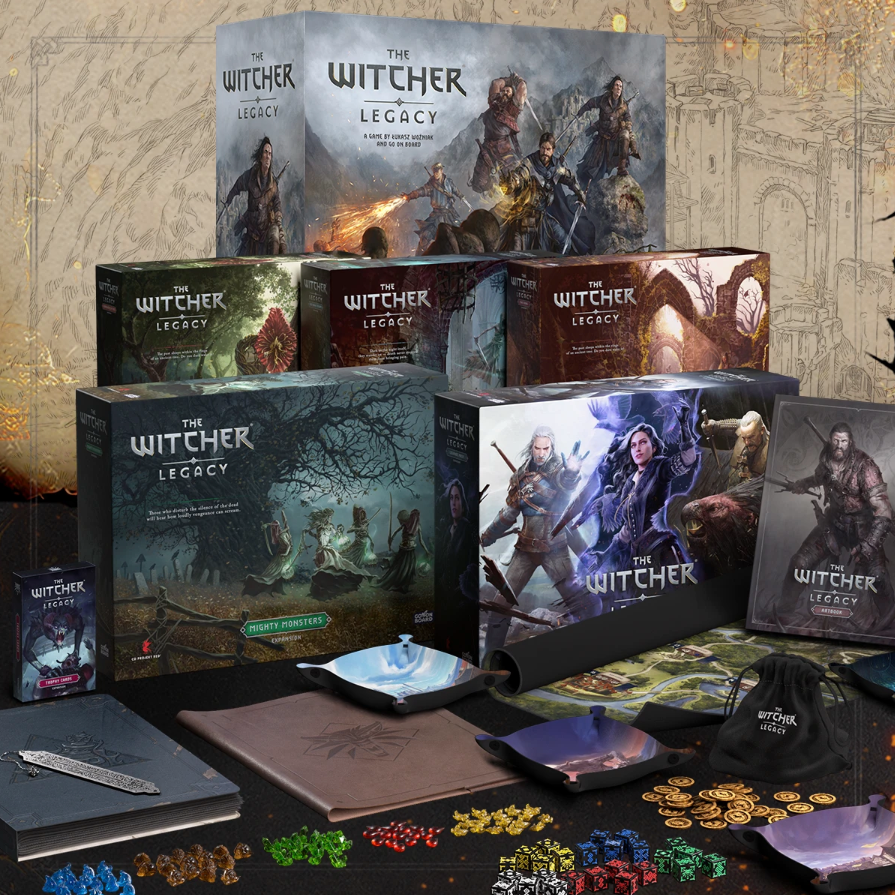
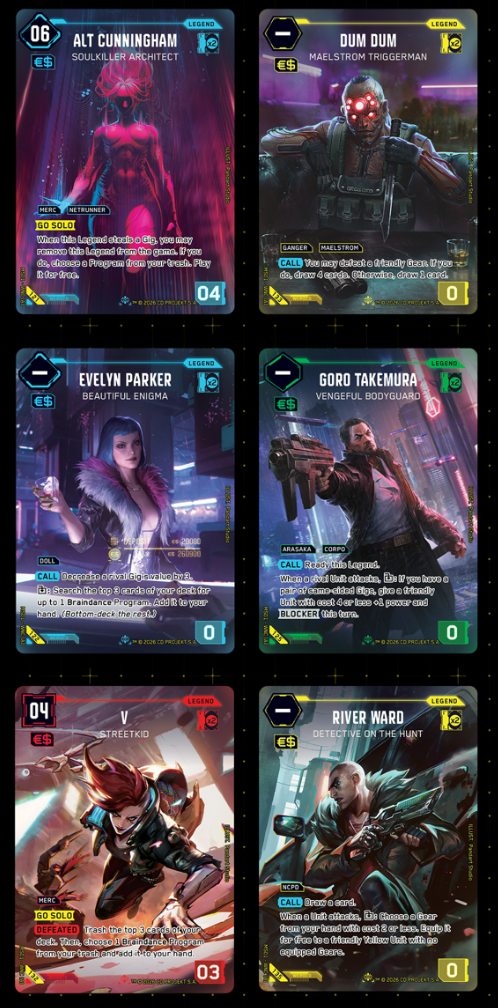
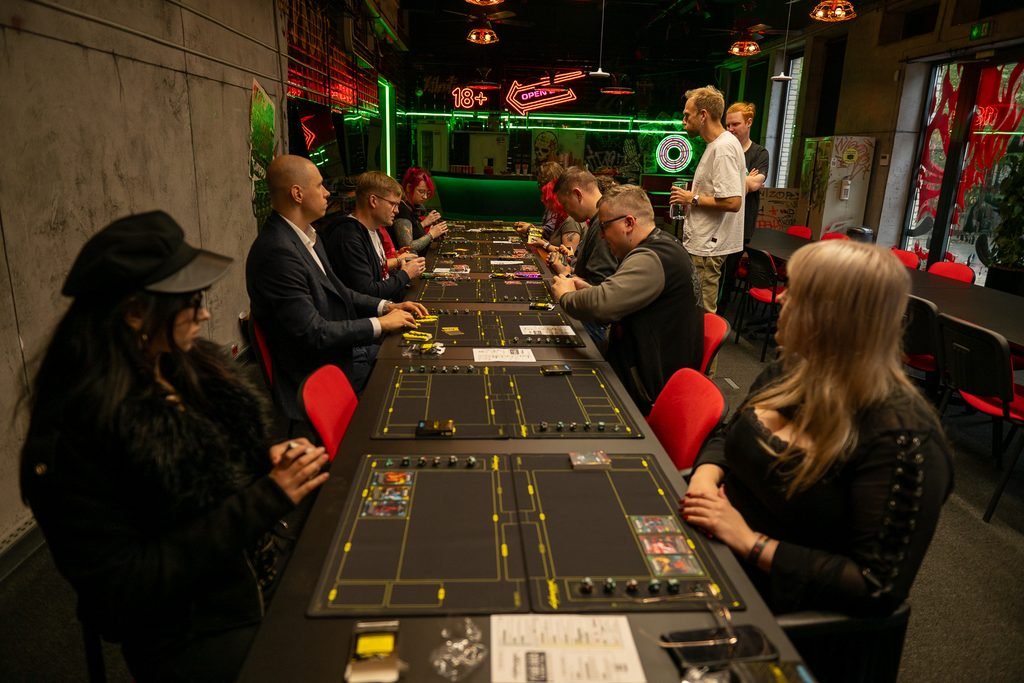
 Welcome to this week’s batch of crowdfunding campaigns. We have a variety of offerings here, so we hope you will find something that catches your eye. Also, if you want to chat with the BGQ team, join our Discord Server where we talk about games, movies, sports, and other fun stuff. Check it out and […]



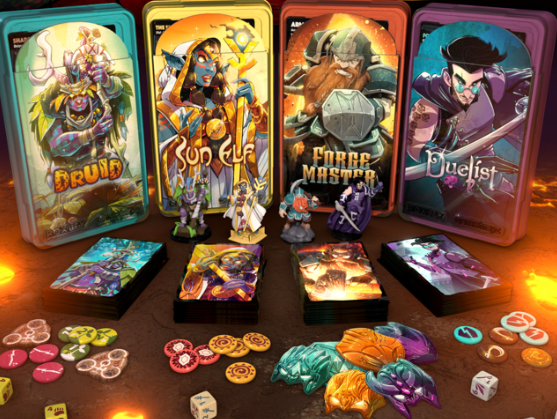
 Welcome to this week’s batch of crowdfunding campaigns. We have a variety of offerings here, so we hope you will find something that catches your eye. Also, if you want to chat with the BGQ team, join our Discord Server where we talk about games, movies, sports, and other fun stuff. Check it out and […]
 Welcome to this week’s batch of crowdfunding campaigns. We have a variety of offerings here, so we hope you will find something that catches your eye. Also, if you want to chat with the BGQ team, join our Discord Server where we talk about games, movies, sports, and other fun stuff. Check it out and […]
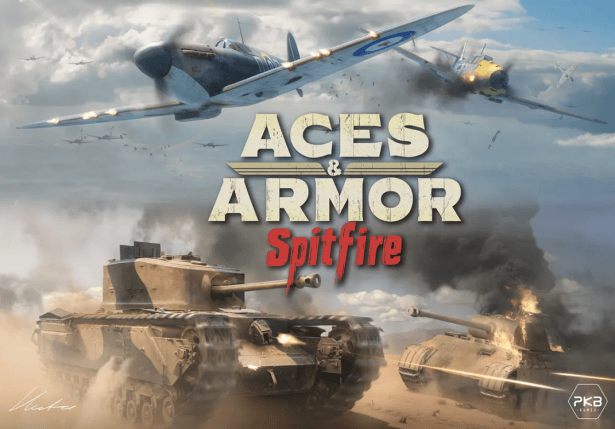
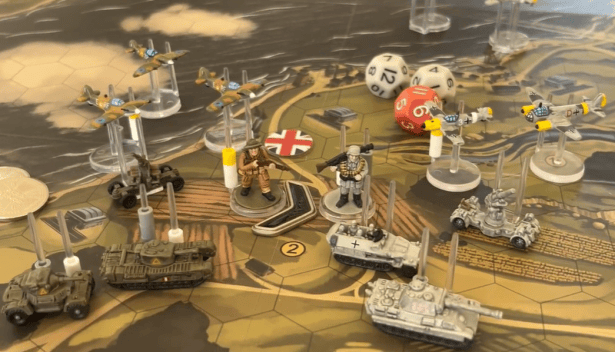
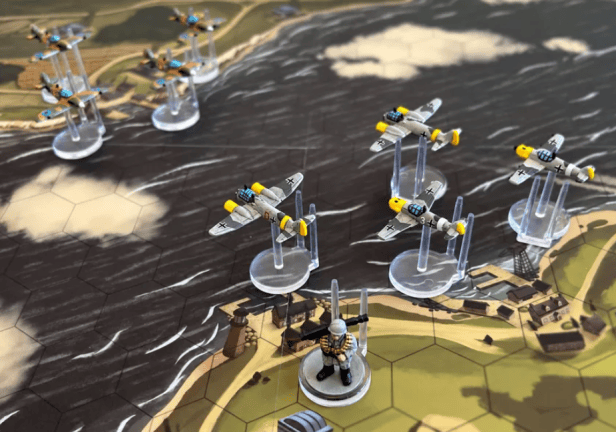
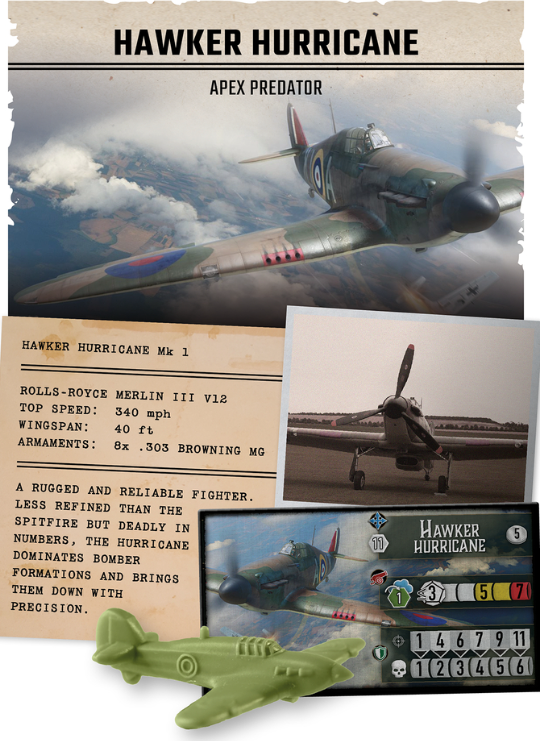
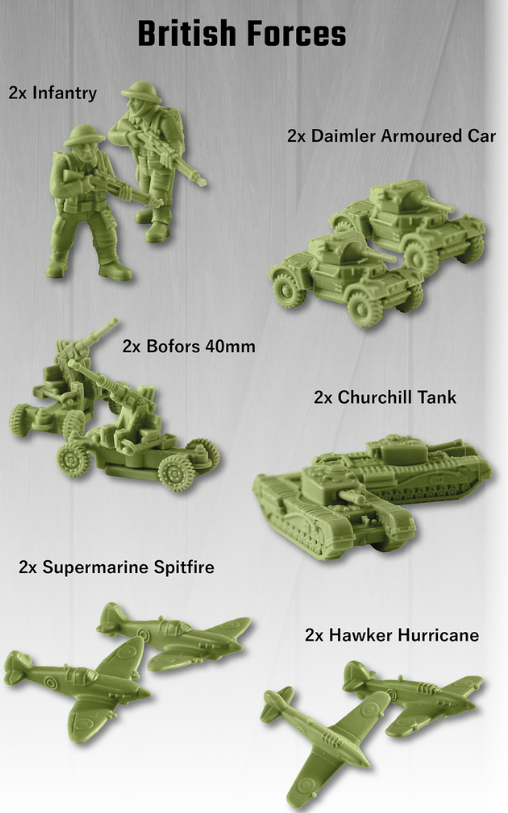
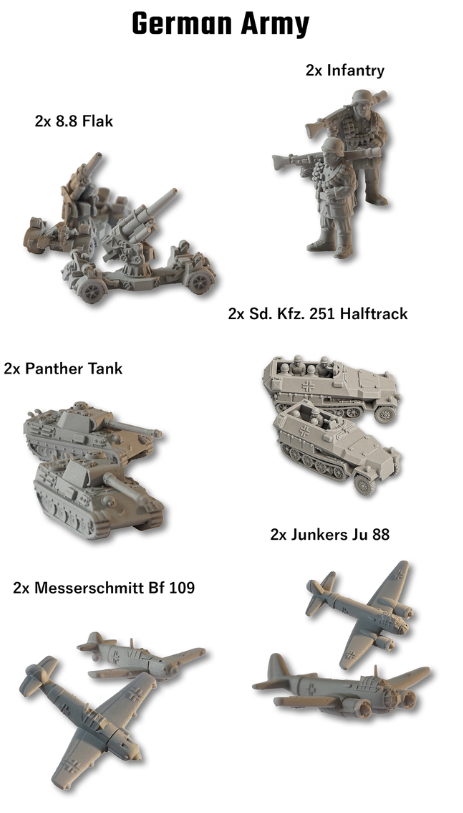
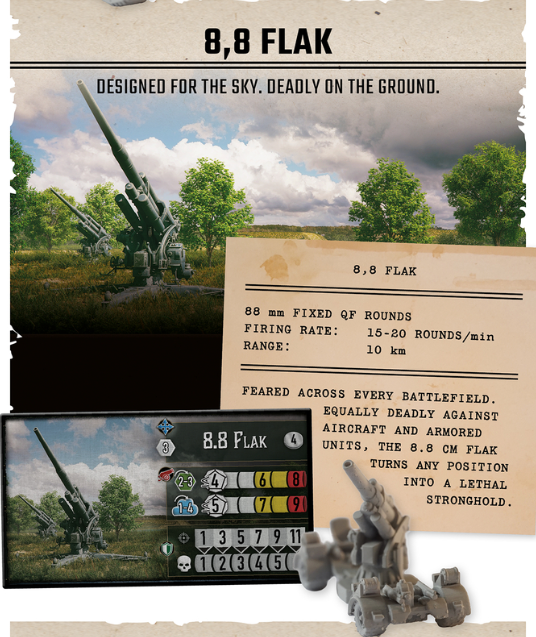
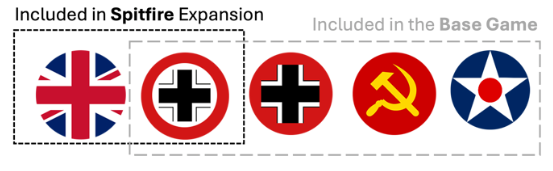
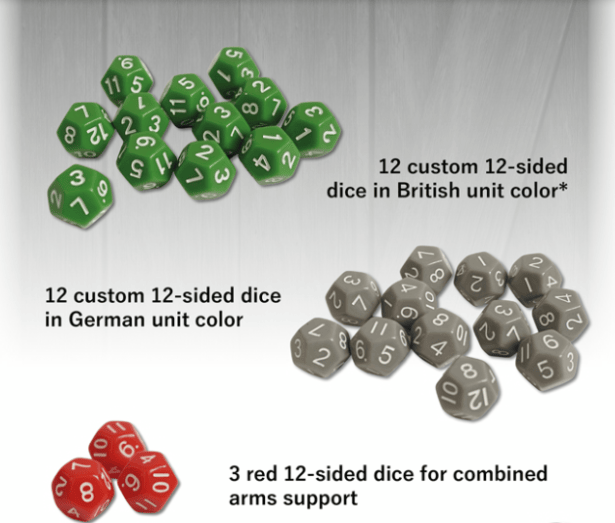
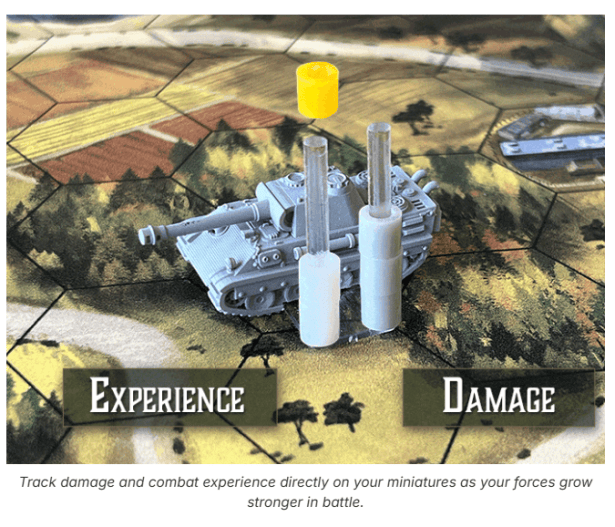
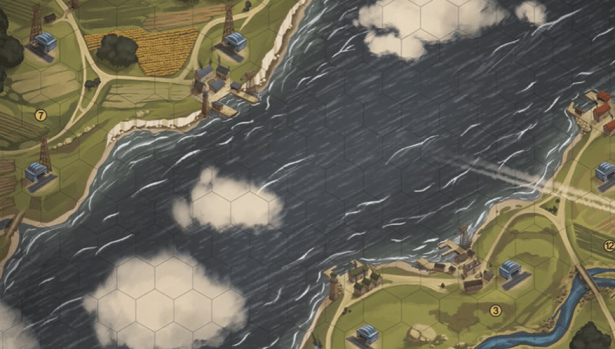
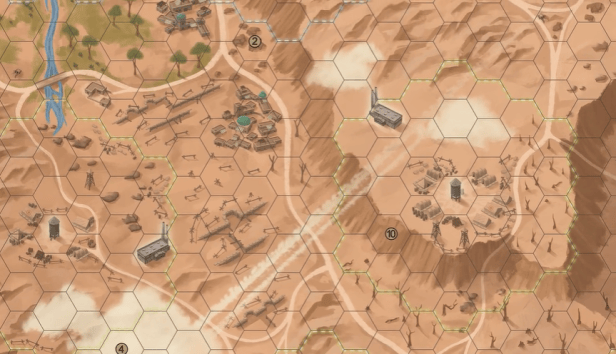
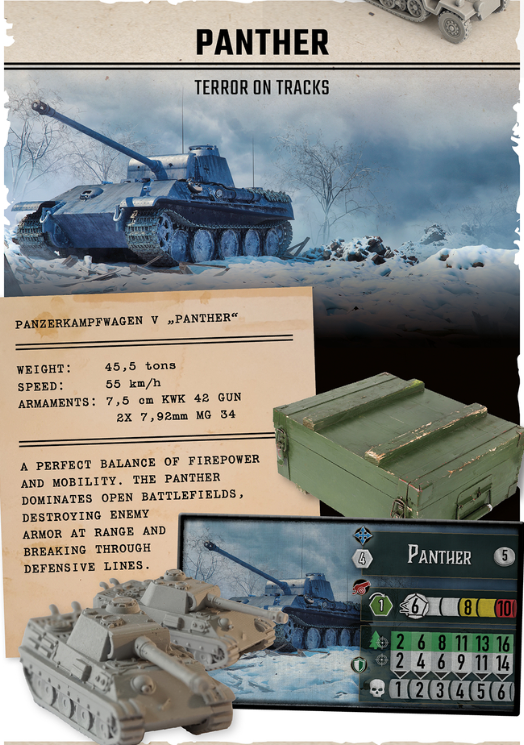
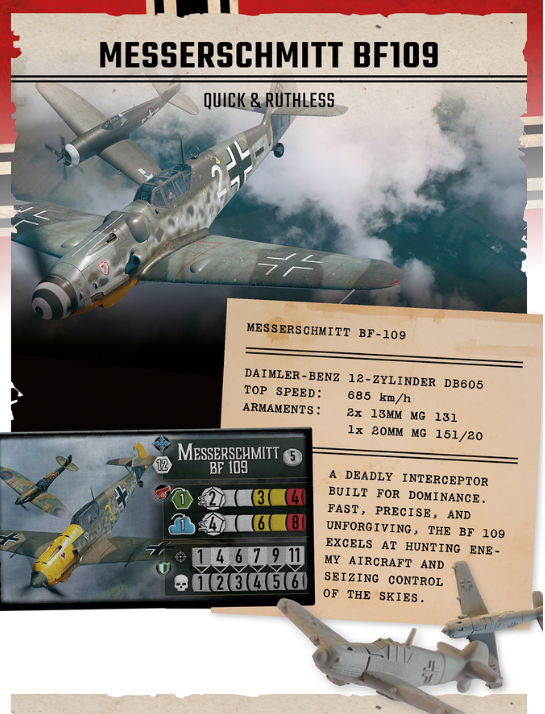
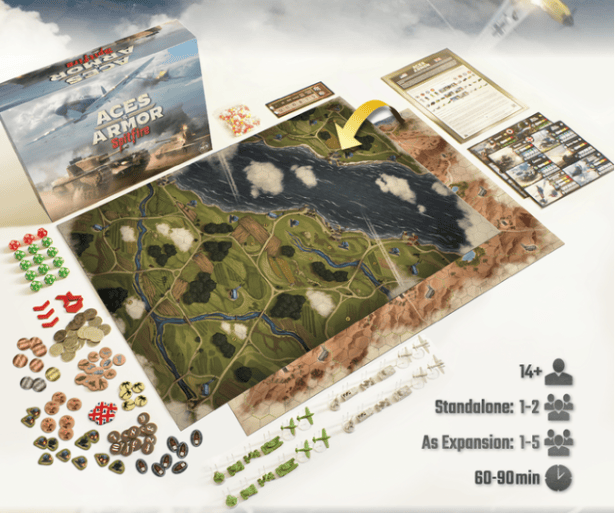
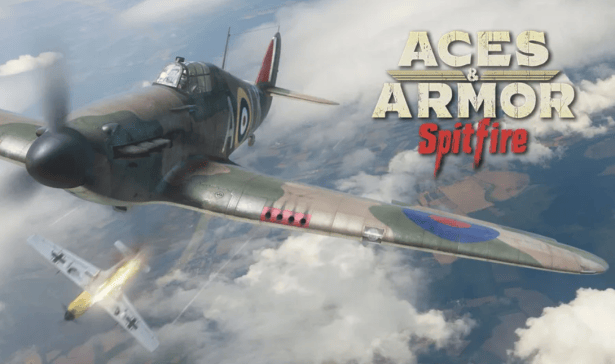

 Welcome to this week’s batch of crowdfunding campaigns. We have a variety of offerings here, so we hope you will find something that catches your eye. Also, if you want to chat with the BGQ team, join our Discord Server where we talk about games, movies, sports, and other fun stuff. Check it out and […]
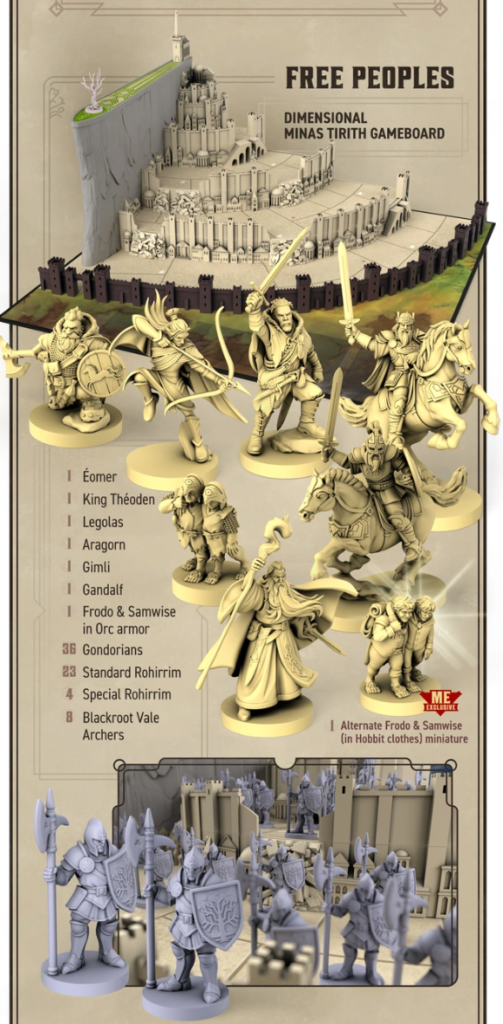
 Welcome to this week’s batch of crowdfunding campaigns. We have a variety of offerings here, so we hope you will find something that catches your eye. Also, if you want to chat with the BGQ team, join our Discord Server where we talk about games, movies, sports, and other fun stuff. Check it out and […]
 Welcome to this week’s batch of crowdfunding campaigns. We have a variety of offerings here, so we hope you will find something that catches your eye. Also, if you want to chat with the BGQ team, join our Discord Server where we talk about games, movies, sports, and other fun stuff. Check it out and […]
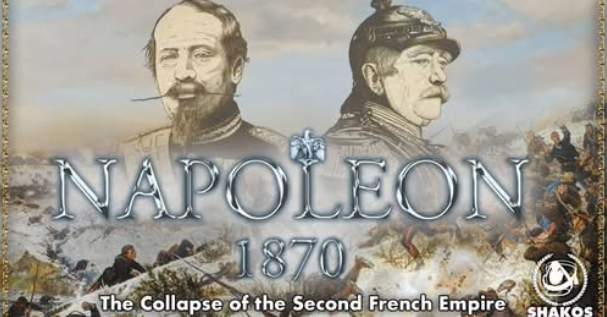
 As the title hints at its about the Franco-Prussian War of 1870-71, and covers the opening weeks of that war.
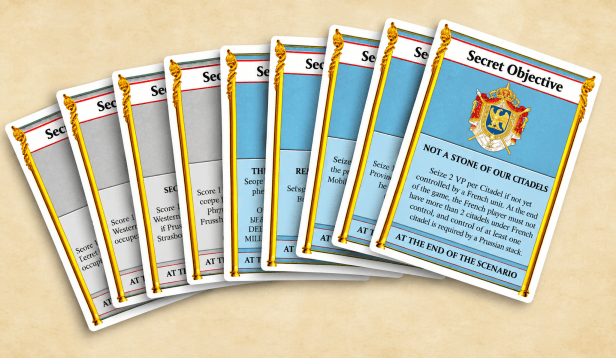
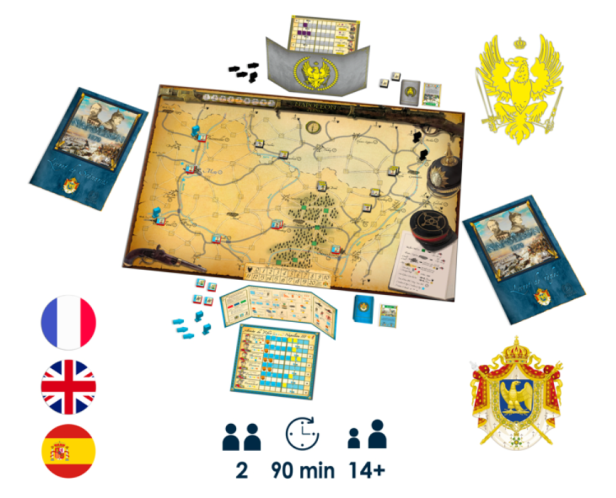
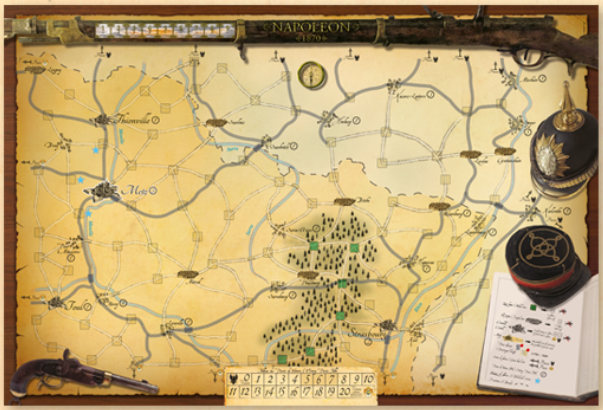
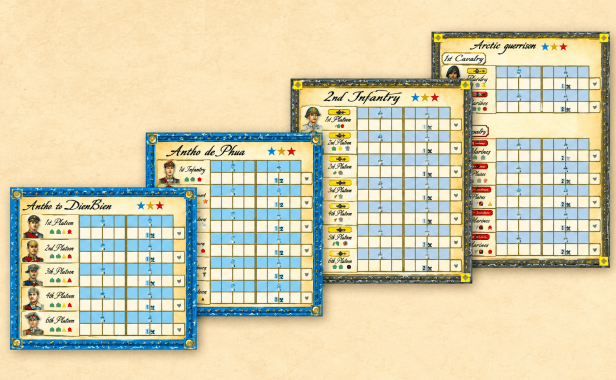
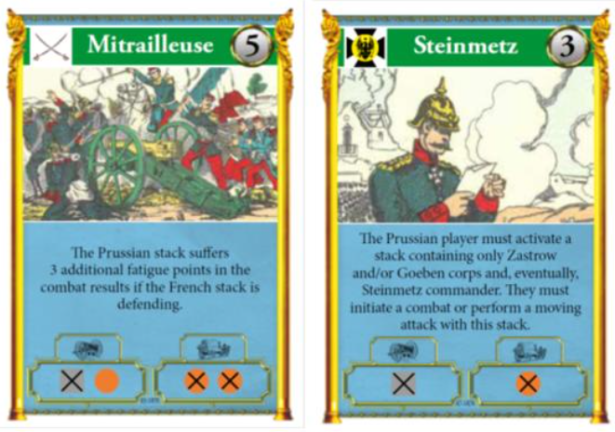
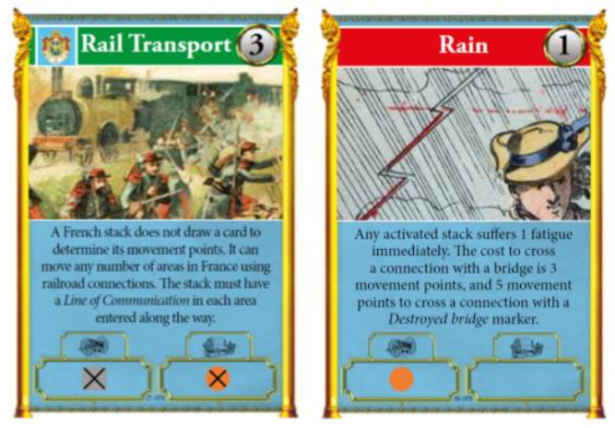
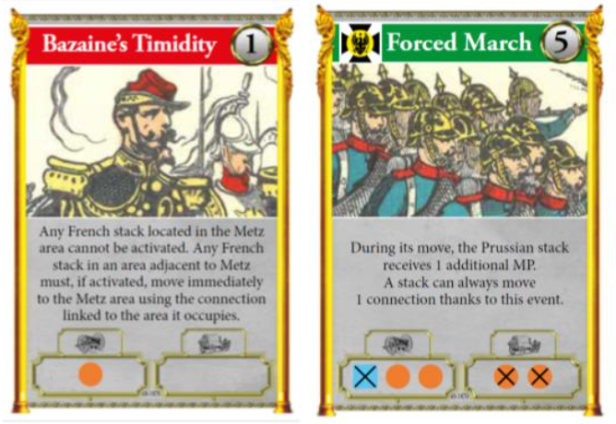

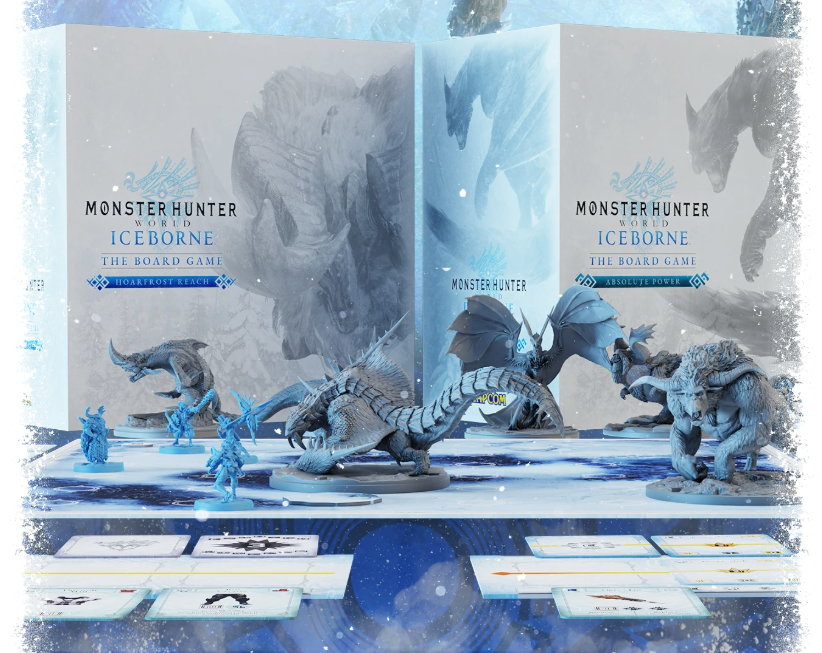
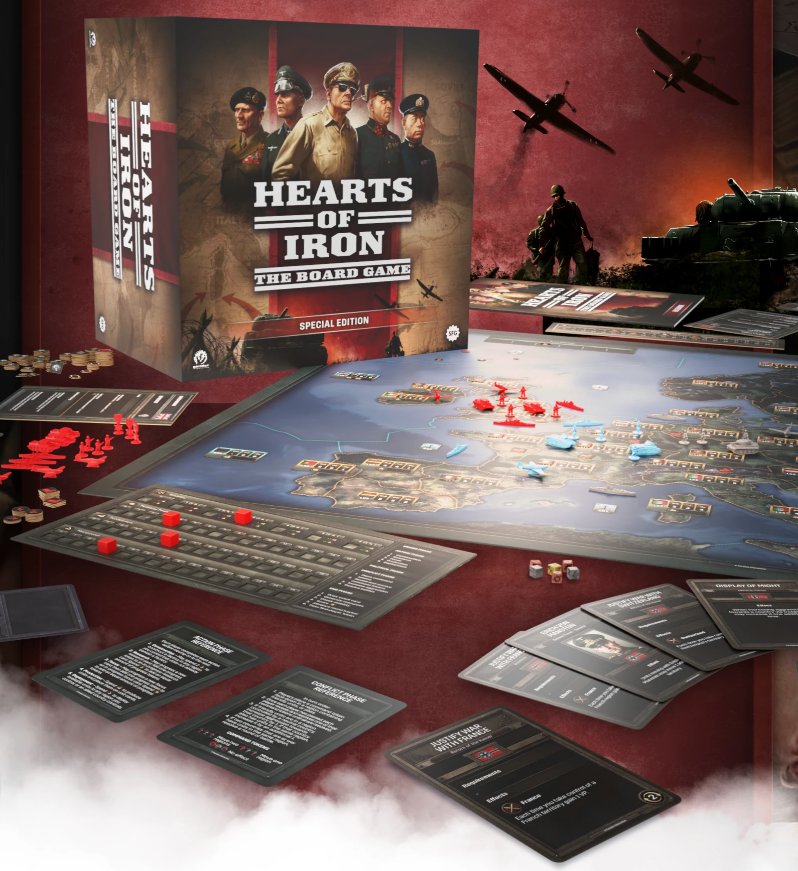
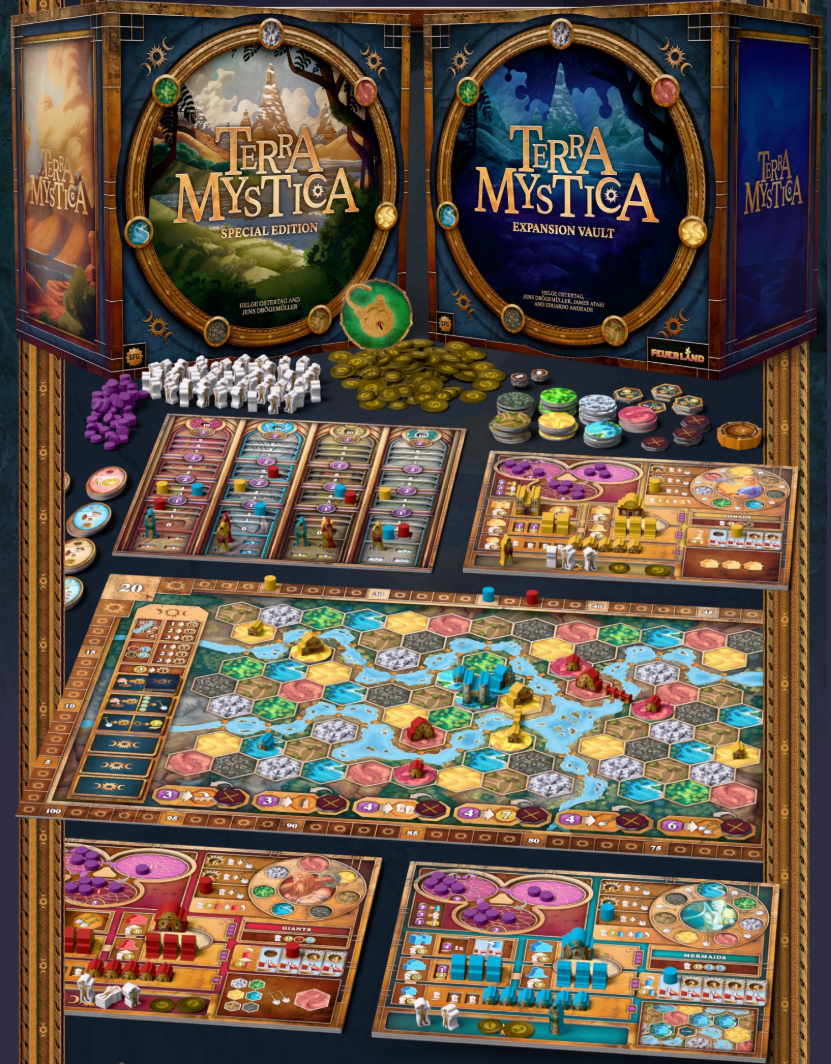
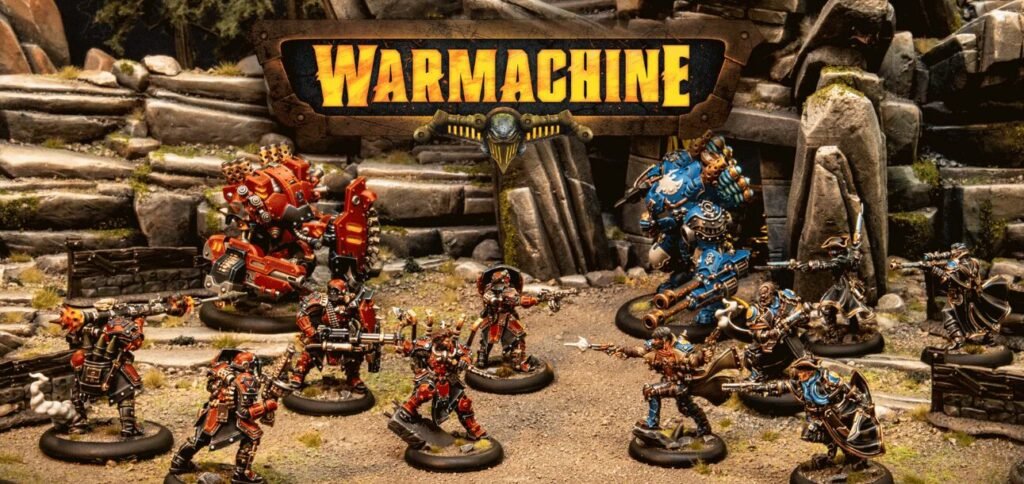
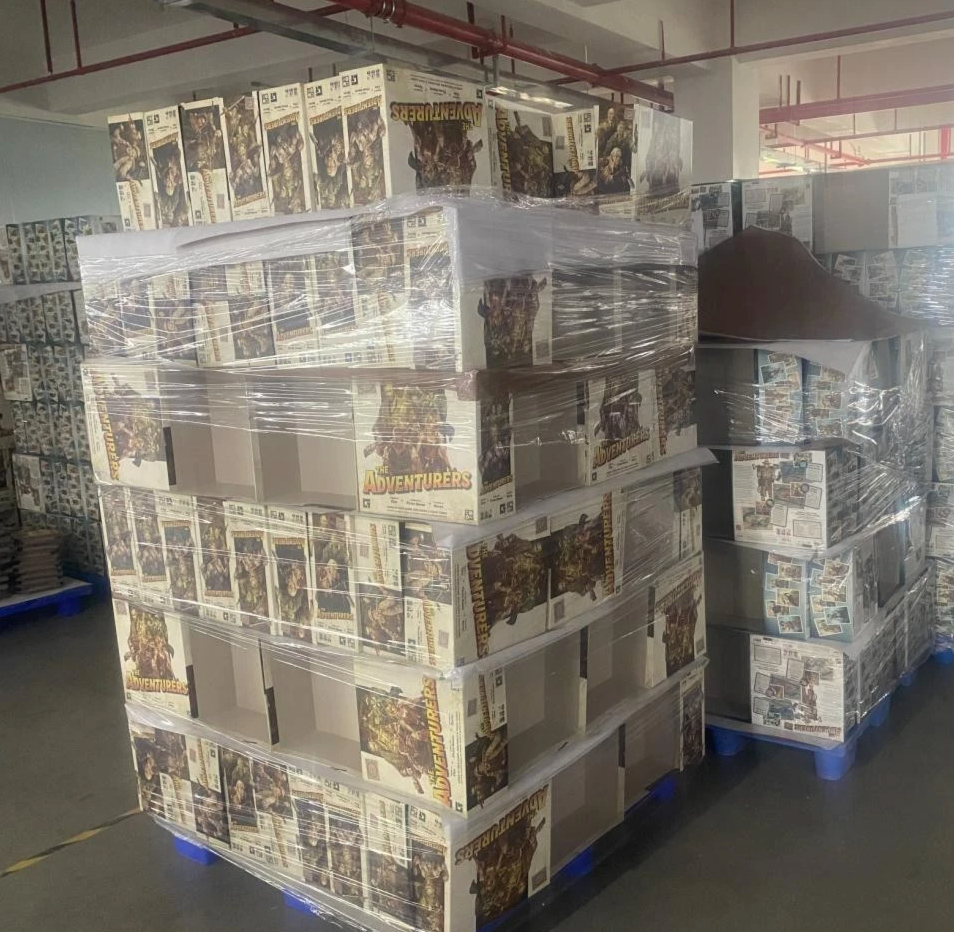
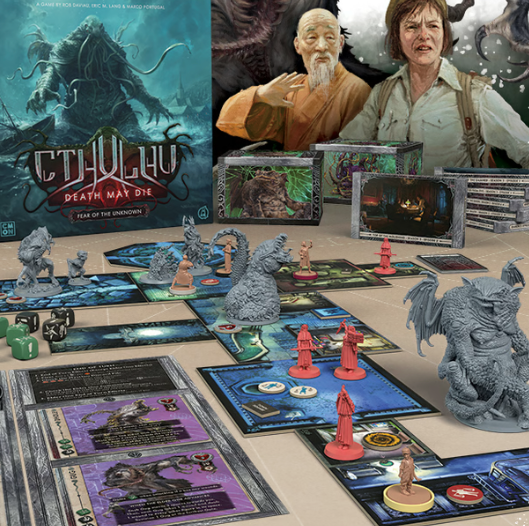
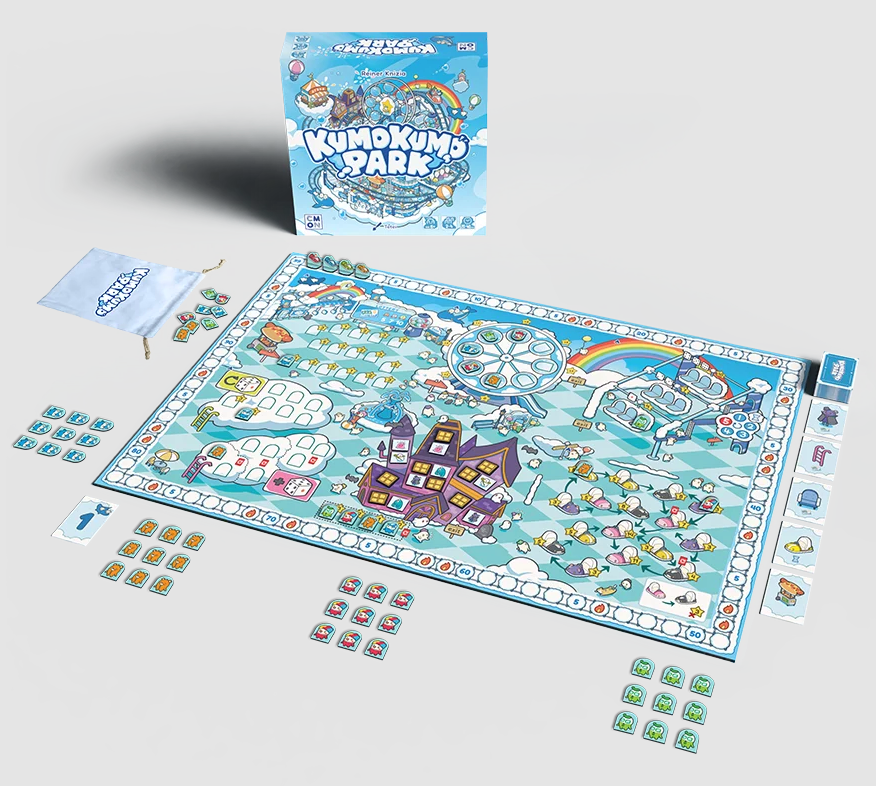
 Welcome to this week’s batch of crowdfunding campaigns. We have a variety of offerings here, so we hope you will find something that catches your eye. Also, if you want to chat with the BGQ team, join our Discord Server where we talk about games, movies, sports, and other fun stuff. Check it out and […]
 Welcome to this week’s batch of crowdfunding campaigns. We have a variety of offerings here, so we hope you will find something that catches your eye. Also, if you want to chat with the BGQ team, join our Discord Server where we talk about games, movies, sports, and other fun stuff. Check it out and […]
