Mit diesem Artikel starten wir unsere Reihe kurzer Spielvorstellungen zur SPIEL Essen 2026 – und natürlich beginnen wir mit einem unserer absoluten Lieblingsthemen: Rennspiele. Ob auf der Rennstrecke, auf dem Wasser oder sogar mit verbundenen Augen – die ersten Neuheiten von unserer Longlist zeigen bereits, wie unterschiedlich das Genre interpretiert werden kann.
Tempo auf dem Wasser: Tornado Splash
Am Stand 6B300 präsentiert MM-Spiele mit Tornado Splash ein rasantes Jet-Ski-Rennspiel von Moyuki Adisawa. Die Partie dauert etwa 20 bis 40 Minuten und richtet sich an zwei bis fünf Personen.
Im Mittelpunkt stehen Handkarten, mit denen ihr eure Route über die Rennstrecke plant. Auf den Geraden lockt die maximale Geschwindigkeit, in den Kurven ist dagegen Fingerspitzengefühl gefragt. Wer zu aggressiv fährt, verliert wertvolle Zeit – wer zu vorsichtig unterwegs ist, sieht die Konkurrenz davonziehen.
Besonders spannend klingt der einmalige Boost, den jede Person pro Rennen einsetzen darf. Der richtige Zeitpunkt kann den entscheidenden Vorsprung bringen, während ein schlecht getimter Turbo schnell verpufft. Die Mischung aus Tempo, Timing und Handmanagement macht Tornado Splash schon auf dem Papier zu einem vielversprechenden Familienspiel für Rennsportfans.
Blind ins Ziel: Mole Racing
Einen der ungewöhnlichsten Ansätze der bisherigen SPIEL-Vorschau verfolgt Mole Racing von Tomas Falemo und Jenny Holf. Der Verlag Gameplay Publishing ApS hat bislang noch keinen veröffentlichten Standplatz für die Messe bekanntgegeben.
In diesem Rennspiel für zwei bis sechs Personen setzen die Teilnehmenden Blindmasken auf und steuern ihre Fahrzeuge ausschließlich mithilfe ihres Erinnerungsvermögens und ihrer räumlichen Vorstellungskraft über die Strecke. Das klingt zunächst verrückt – und genau deshalb so reizvoll.
Wer am Zug ist, bewegt sein Fahrzeug so weit, wie er oder sie sich zutraut. Kommt es zur Kollision mit einer Streckenbegrenzung oder einem anderen Fahrzeug, hallt ein lautes „Crash!“ durch die Runde. Die Fahrt endet sofort und zusätzlich drohen Strafmarker. Gleichzeitig können Treibstoffmarker genutzt werden, um weiterzufahren oder Strafmarker wieder loszuwerden.
Mole Racing kombiniert Rennspiel, Geschicklichkeit und Gedächtnisleistung auf eine Weise, die wir so bisher noch nicht gesehen haben. Gerade in Familien- und Vielspielergruppen könnte daraus ein echter Stimmungsmacher werden.
Welche Brettspiele erscheinen zur SPIEL 2026? Der Brettspielelust-KI-Chatbot weiß es: Befrag ihn zur aktuellen Vorschauliste von Board Game Geek und lass dir spannende Neuheiten zeigen!
Wer lieber klassischen Motorsport auf den Tisch bringen möchte, sollte einen Blick auf Nascard werfen. Das Kartenspiel von Guillem Coll und Ferran Renalias erscheint bei Devir und wird auf der SPIEL Essen 2026 am Stand 3D600 zu finden sein.
Als Teil der beliebten Pocket Collection bietet Nascard Rennspiel-Atmosphäre in kompakter Form. Eine Partie für ein bis sechs Personen dauert rund 30 bis 45 Minuten und führt über zwei Rennrunden bis zur Ziellinie.
Die Fahrzeuge werden über Handkarten gesteuert. Dabei gilt es, Geschwindigkeit, Reifenverschleiß und Treibstoffverbrauch geschickt auszubalancieren. Wer die aktuelle Trumpffarbe spielt, geht aggressiv ins Rennen und macht viele Plätze gut. Andere Kartenfarben ermöglichen dagegen taktischere Manöver und bringen zusätzliche Vorteile ins Spiel. Notfalls kann sogar die Boxengasse angesteuert werden, um neue Karten auf die Hand zu bekommen.
Die Kombination aus Rennspiel, Handmanagement und leichten Stichspiel-Elementen bei Nascard klingt nach einem cleveren Wettrennen mit interessanten Entscheidungen in jedem Zug.
Unser erster Eindruck
Schon die ersten Rennspiel-Neuheiten der SPIEL Essen 2026 zeigen, wie vielfältig das Genre mittlerweile geworden ist. Vom rasanten Jet-Ski-Rennen über das chaotische Blindflug-Erlebnis bis hin zur taktischen NASCAR-Simulation im Taschenformat ist für ganz unterschiedliche Spielgruppen etwas dabei.
Wir werden die weiteren Ankündigungen zur SPIEL Essen 2026 natürlich aufmerksam verfolgen und euch in den kommenden Wochen regelmäßig weitere interessante Neuheiten vorstellen.
Hinweis: Alle Informationen in diesem Artikel basieren auf den aktuellen Einträgen der BoardGameGeek-Preview-Liste zur SPIEL Essen 2026. Änderungen (z.B. bei den Regeln, Erscheinungsterminen, Preisen oder Standorten) sind bis zur Messe jederzeit möglich. Alle Angaben daher ohne Gewähr.
Der Frosted Games Online-Shop. Unendliche Weiten. Wir schreiben das Jahr 2026. Dies sind die Abenteuer der Vorbestellaktion für die Wave 2 von… okay, ich ziehe das jetzt nicht konsequent durch.
Ihr wisst, worum es geht. Das zweite Grundspiel zu Star Trek Captain’s Chair mit dem Titel Unendliche Weiten sowie die Erweiterung Zweiter Kontakt sind ab jetzt in unserem Shop vorbestellbar. Beim Grundspiel ist die Promo kostenlos dabei. Wenn ihr zu einem der beiden attraktiven Bundles greift, spart ihr euch zusätzlich die Versandkosten!
Diese Vorbestellaktion läuft bis einschließlich 12.08.2026.
Heute um 18 Uhr gibt es außerdem eine Videopremiere, bei der ihr sehen könnt, wie Ben und Spartacus sich in einem Duell zwischen Carol Freeman und Jonathan Archer schlagen. Darin seht ihr sowohl Inhalte aus dem neuen Grundspiel als auch aus der Erweiterung. Die beiden erklären dabei ihre Spielzüge und Gedanken, sodass man sehr gut nachvollziehen kann, was auf dem Tisch passiert. An der einen oder anderen Stelle glänzt Ben außerdem mit zusätzlichen Star Trek-Fakten zu den Folgen, auf denen die Karten basieren.
Wir sind im Premierenchat dabei, feiern mit euch den Start der Vorbestellaktion, beantworten live eure Fragen und fachsimpeln über die Spielzüge.
Reicht das immer noch nicht? Dann lest euch doch noch einmal unsere Blogposts zu den einzelnen Captains durch. James T. Kirk und Christopher Pike sind schon online. Weitere folgen während des Vorbestellzeitraums. Unter anderem natürlich auch Captain Rebner, der sogar ein eigenes Solo-Let’s-Play von Spartacus auf YouTube bekommen wird.
Der Frosted Games Online-Shop. Unendliche Weiten. Wir schreiben das Jahr 2026. Dies sind die Abenteuer der Vorbestellaktion für die Wave 2 von… okay, ich ziehe das jetzt nicht konsequent durch. Ihr wisst, worum es geht. Das zweite Grundspiel zu Star Trek Captain’s Chair mit dem Titel Unendliche Weit
We’ve been assessing the merits of political leaders in (more or less) democratic countries on this blog for a few years now. Today, we’re looking at the longest-serving chancellor of the Weimar Republic, Germany’s first attempt at parliamentary government – Wilhelm Marx. And which game could be more appropriate for him than Weimar (Matthias Cramer, Capstone Games/Skellig Games/Spielworxx)?
If you want to read more ratings of historical leaders like this, I strongly recommend you subscribe to the blog – all new posts in your inbox right when they go live!
Some caveats ahead: The chancellors will be rated by the knowledge of their time. If they or their contemporaries could not have known about the effects of something, I will not use my hindsight to mark it as a mistake of theirs. The assessment is focused on their conduct as chancellor.
Now, to the system itself: There are three policy field categories (foreign, domestic, and economic policy) and three more general ones (vision, pragmatism, integrity). A chancellor can earn from one to five stars in each category (for a total sum of up to 30). In detail, the chancellor is assessed as follows:
Foreign policy: Did the chancellor increase German influence in the world and the security of Germans at home? Did the chancellor wield German power responsibly and with positive results for the regions affected?
Domestic policy: Did the chancellor increase the liberty of Germans to express themselves and to participate in the political process? Did the chancellor promote domestic security and shape the framework for fair justice dealing with offenses?
Economic policy: Did the chancellor facilitate the prosperity and economic security of Germans (including in the mid- and long-term)? Was the chancellor’s economic policy based on mutual benefit of those involved or did it unduly burden one side?
Vision: Did the chancellor have an idea of what Germany and Europe (the latter counting for more in times of German influence being great) should look like beyond the immediate future? Did the chancellor’s policies steer Germany (and, if applicable, Europe) in this direction?
Pragmatism: Did the chancellor succeed in seeing their policy through from inception to completion? How well did the chancellor manage the support from parliament, society, the administration, the media?
Integrity: Did the chancellor understand the office as a means to benefit themselves, special interest groups, the entire country, or another community? Did the chancellor respect the boundaries of the office?
Note: If you have read my UK prime minister or US president ratings, you will remember that I rated them on the global impacts of their vision as well. As the rating system is only really applicable to democratic leaders and no democratic German leader ever had the chance to conduct a truly global policy, I only assess their vision on national and European grounds.
Early Life: The Catholic Man of Duty
Wilhelm Marx was born in 1863 in Cologne, then a part of the Rhine Province of the Kingdom of Prussia, soon to be part of the united Germany. No one could have foreseen in his boyhood that he would rise to the chancellorship – he was the son of a mere schoolteacher, and a part of the Catholic minority which was always suspected of possibly disloyalty by the Protestant Prussian state. The young Wilhelm Marx was one of many who set out to prove that he could be just as patriotic as any Protestant: He studied law and entered public service. His Catholic faith, however, would always be the guiding star in his life.
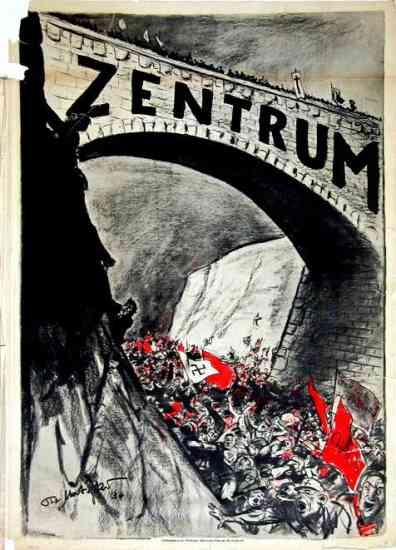
He was first elected to the Prussian parliament in 1899 on the ticket of the Catholic Zentrum (Center) party – one of the four player factions in Weimar. By the time Marx was elected, he had been active for nine years in the Volksverein für das katholische Deutschland (People’s Association for Catholic Germany), an organization dedicated to improving the social conditions especially of the poorer Catholics. Social and cultural issues, especially the expansion of Catholic schooling, would remain close to his heart: In 1910, he founded the Katholische Schulorganisation (Catholic School Organization), a grassroots lobbying organization dedicated to the matter.
The same year, he was elected to the German parliament – his first electoral success on the national level after two campaigns in hopeless districts with very few organized Catholics which he had only undertaken out of duty to the party. In parliament as well as in his electoral campaigns, he aimed to form an alliance with the Protestant bourgeois parties against the burgeoning SPD (Sozialdemokratische Partei Deutschlands, Social Democratic Party of Germany), the second player faction of Weimar. However, this strategy failed when cross-confessional bourgeois solidarity eroded in the more confrontational cultural climate from 1911 on.
World War and Revolution
These divisions faded into the background with the beginning of World War I. Despite the pre-eminence of military and diplomatic action then, Marx’s political activity remained limited to domestic issues. From his papers, we cannot discern if he even formed an opinion on many of the pressing issues in those other realms (say, unrestricted u-boat warfare). He did, however, change his mind about cooperation with the SPD, with whom the Zentrum (and the liberal parties) partnered from 1917 on in their quest to place the imperial government on a more parliamentary basis.
The revolution of 1918/1919 took Marx by surprise. Once more, he placed his powers at the disposal of his party, and was elected to both the Prussian and the German constitutional assemblies. The National Assembly in Weimar developed a constitution which included many long-held dreams of his, as the Catholic church, Catholic associations, and individual Catholics finally had their rights guaranteed. The short period of cooperation with the Social Democrats (and, to a lesser degree, the progressive liberals of the DDP (Deutsche Demokratische Partei, German Democratic Party) had achieved what years of negotiation with the Protestant conservatives of the Empire had not. This early alliance between Zentrum and SPD is the starting point of any Weimar game.
Yet the new German republic was unpopular with the numerous conservative, monarchist Zentrum members, and cooperation with the Social Democrats doubly so. Marx thus spent much of his political energy advocating for the constitution among his fellow Catholics.
At the time, Marx considered leaving politics altogether in favor of focusing on social work: From 1919 to 1921, he acted as director for the Volksverein (but proved unsuited to implement the sweeping changes necessary to improve the Volksverein’s faltering popularity in the Catholic milieu).
Yet once more duty called: As many of the old Zentrum parliamentary leaders died, Marx was one of the most experienced politicians his party could field. And his conciliatory, even-handed manner was just what the Zentrum needed when the party was so deeply divided against itself on the question of supporting the republic or restoring the monarchy as well as if to cooperate with the Social Democrats or the Protestant nationalists of the DNVP (Deutschnationale Volkspartei, German Nationalist People’s Party), the third Weimar player faction.
Marx was thus called on to hold the diverging wings together: He was elected head of the parliamentary group of the Zentrum and then also party chairman in late 1921. As the Zentrum’s governing partner SPD merged with the more left-leaning USPD (Unabhängige Sozialdemokratische Partei Deutschlands, Independent Social Democratic Party of Germany), Marx advanced a closer cooperation with the two liberal parties DDP (in government) and DVP (Deutsche Volkspartei, German People’s Party, in opposition) – the two minor parties which the Zentrum can control in Weimar. Yet Chancellor Joseph Wirth’s attempt to entice the DVP into a government of all democratic parties (a Grand Coalition) failed in late 1922. As a consequence, the SPD left the government as well. The parliamentary basis for the government shrunk.
The following year, Germany was shaken by the French occupation of the Ruhr which exacerbated the already galloping inflation. Under these circumstances, the Grand Coalition of all democratic parties became reality, led by DVP chancellor Gustav Stresemann. While it tackled these huge tasks rather successfully, the government could not maintain its internal cohesion: The right wing of the DVP (under its parliamentary leader Ernst Scholz) wanted to use the crisis to abolish the eight-hour workday and expand the government to the right by including the DNVP. The SPD refused and left the government. Marx’s conciliating manner helped with bringing both of them back to the negotiating table and a new Grand Coalition was formed.
This one was even shorter-lived: When federal forces broke up the socialist state governments of Saxony and Bavaria, but (doubting the loyalty of the army) refused to act against the right-wing coup in Bavaria, the SPD once more went into opposition. Without a parliamentary majority, Stresemann was soon unseated as chancellor. As the SPD’s appetite for government responsibility was sated, a bourgeois minority cabinet would be formed. That would be straight-up impossible in Weimar – unlike left-wing or right-wing coalitions, the Weimar Coalition (with SPD and Zentrum as the player factions and the DDP as a minor party which is always attached to one of the two) cannot refuse to govern, and so SPD and Zentrum are often stuck with each other if they want it or not. Historically, the SPD was not quite as keen on governing as the party is in Weimar.
To get anything done without a parliamentary majority would require special skills at winning friends and not making enemies. Marx, the skilled mediator, was just the right man for the time. He was elected chancellor on November 30, 1923. The weighty issues facing him were Bavaria’s continued insurrection, the implementation of the measures against hyperinflation, and an agreement with the Allies on the reparations issue which had set off the entire crisis of 1923.
A full hand of cards, leading the government (chancellor token in the top left), both liberal minor parties aligned (bottom right) – a comfortable situation for the Zentrum in Weimar, but not so much in history.
The First and Second Chancellorships
Marx’s cabinet nominations sent a signal to Bavaria that he was willing to improve the relationship between the fractious state and the Reich: He made the Bavarian Eduard Hamm (DDP) Minister for the Economy, and, for the first time in the history of the republic, included a member of the BVP (Bayerische Volkspartei, Bavarian People’s Party) whose more radical members had been behind the coup in Bavaria (Erich Emminger as Minister of Justice). His discreet negotiations with the Bavarian coupists would come to fruition in spring 1924: They resigned and opened the way for parliamentary government again. Bavaria, however, would retain some special privileges and be exempt from federal oversight.
The BVP had played an ambiguous role in the anti-republican insurrection in Bavaria. While the party cooperated with the Zentrum in national politics, its leader Gustav von Kahr had also been behind the coup of September 1923. This playtest version of the “Bayerische Volkspartei” card strengthens the Zentrum in parliament, but also allows the DNVP to recruit a dissolved unit – the latter effect was removed in the final version of the game.
Both the reparations negotiations with the Allies and the massive financial and economic reform package which would solidify the end of inflation required Marx to gather parliamentary support far beyond his minority coalition’s meager base. As there were constitutional changes involved (for example, in merging the various state railway companies into a federal railway), he even needed a two-thirds majority. Marx’s parliamentary skills and his reputation as an honest broker who would not abuse his power came together in securing an Enabling Act which would allow his government to gain the respective legislative powers despite their parliamentary minority. Equipped with such power, Marx set out to do the necessary, but unpopular steps forward. The cuts to public expenses which were to flank the currency reform massively reduced the number and salary of public employees and all but expropriated most pensioners.
The bitter taste of Marx’s domestic reforms was lessened by the negotiations with the Allies. Not even France had the stomach to force another confrontation after the chaos of 1923. They were thus inclined to negotiate a payment schedule which suited both sides. American bankers were to provide the loans with which Germany would cover a large part of the payments.
The electorate, however, was unimpressed. In the May 1924 parliamentary elections, Marx’s Zentrum held firm, but his DDP and DVP partners collapsed, as did the SPD. The right-wing parties were triumphant. Yet with no viable alternative to the bourgeois minority coalition, Marx was soon confirmed for his second chancellorship.
In the second tenure, he concluded the negotiations with the Allies. The final agreement would become known as the Dawes Plan after the chief Allied negotiator, American banker Charles G. Dawes. Once more, Marx needed a broad parliamentary majority. In addition to his government coalition, the SPD was sure to support the plan. The DNVP publicly railed against the Dawes Plan (which confirmed the infamous war guilt clause of the Treaty of Versailles), but DNVP chairman Oskar Hergt offered his support in return for policy concessions and the DNVP’s inclusion in government. Otherwise, he threatened that the Dawes Plan would fail in parliament. Marx, however, knew that the DNVP was internally divided on the matter and that a large number of DNVP members of parliament either saw the necessity of the plan for German economic revival or at least did not want to take the blame for the failure. Thus, he called the parliamentary vote without giving in to Hergt’s demands. The motion passed, as most DNVP members abstained.
Marx’s policy successes had not broadened his parliamentary base. As he kept refusing the DNVP’s inclusion in government in favor of a more centrist approach, new elections were called for December 1924. These did not change the parliamentary balance of power much. Marx resigned and was succeeded by Hans Luther, who formed a technocratic government based on the centrist and right-wing parties including the DNVP.
Parliament includes a lot of Zentrum members… but not enough for a majority.
Prussian Intermezzo, Presidential Election
Marx could not enjoy being relieved of his duties for long. When the Prussian DVP, as much a loose cannon as its federal counterpart, forced the end of the Grand Coalition in Prussia, Germany’s largest state, and demanded a right-wing government including the DNVP like in the Reich, Marx was called on to solve the government crisis. He was elected Prussian Prime Minister with the votes of the Weimar Coalition (SPD, Zentrum, DDP) on February 18, 1925, yet just two days after was toppled when renegades in his own party refused to support him in a parliamentary vote of confidence. Marx resigned, his appetite for politics lessened and his trust in the party damaged.
Still, Marx was one of the few Zentrum politicians who were well-known and had a good enough reputation to field in national elections. When President Friedrich Ebert (SPD) died, he was thus the natural candidate for the next presidential elections. The death of Ebert is a turning point in many Weimar games: The office allows its holder to play one card per round for two uses instead of just one. So, it is in essence a one-card bonus. As you normally only hold five cards, this is a huge boon. The presidential elections will thus be hotly contested and usually also serve as a check on who seems to be in the lead and must be reined in… sometimes in surprising coalitions.
In the first round, Marx gained 14% of the vote, the third-best showing after Duisburg mayor Karl Jarres (DVP, 39%) and the new Prussian prime minister Otto Braun (SPD, 29%). Now the coalition-building began. The SPD withdrew Braun, knowing that bourgeois voters almost never supported a working-class candidate in runoff elections. Instead, Marx was nominated as the joint candidate of the Weimar Coalition parties (People’s Bloc). Together, their candidates had received 49% of the vote in the first round. The right-leaning parties knew that Jarres, a man with no national standing, stood no chance in the second round. However, it was legal to field a candidate in the second round who had not stood in the first. They produced the old imperial field marshal Paul von Hindenburg – the “Victor of Tannenberg”.
Now the bickering for support in the second round begins! Unlike in history, parties in Weimar may support candidates which are ideologically opposed to them (usually to prevent a runaway leader or as part of a bigger political deal).
Marx might have been a more attractive candidate for centrist and bourgeois voters than Braun, but he still failed to attract votes beyond the Weimar Coalition. Conservative Protestants did not vote for him, and even his more conservative Catholic brothers and sisters in faith deserted him in favor of Hindenburg. Despite their Catholic fundament and Bavarian particularism, the BVP supported the Protestant Prussian marshal. Hindenburg was elected on April 26, 1925, with 48% of the vote (Marx carried 45%).
The Third and Fourth Chancellorships
The centrifugal forces within the Zentrum intensified. The party’s right wing blamed the defeat at the presidential election on Marx’s refusal as chancellor to form a coalition with the DNVP. The existing coalition under Luther fell apart when the DNVP refused to consider an agreement with the Allies which would confirm the post-Versailles borders in Western Europe. In December 1925, Luther formed a bourgeois minority coalition supported by Zentrum, DVP, DDP, and BVP in which Marx headed both the Ministry of Justice and the Ministry for the Occupied Territories.
The next inevitable call of duty came when Chancellor Luther resigned in May 1926. When the Zentrum once more turned to Marx to fill the post, he wrote to his wife, “Now they’ve found their idiot again”. Like the first two times, Marx’s cabinet based on Zentrum, DVP, DDP, and BVP had no parliamentary majority, so he had to look for outside support. While the SPD bumbled in the Princes’ Expropriation campaign, it could be relied upon to continue the foreign policy of rapprochement with the Allies, and thus Marx was able to negotiate the admittance of Germany into the League of Nations in 1926 – in Weimar, one of the most difficult, but also most valuable foreign policy successes of a government.
Marx’s government was toppled by a vote of no confidence over the military’s secret cooperation with the Soviet Union in February 1927. By now, the right wing of the Zentrum was clearly ascendant, and the party pushed for a coalition with the DNVP. Marx opposed the notion, but felt compelled to give in to his party’s wishes. Thus, his fourth cabinet included DNVP ministers for the first time – no fewer than four of them. Despite this new right-wing bent, the new government implemented a major piece of social security with the introduction of unemployment insurance.
Marx’s special ability in Weimar allows him to swap two issues on the debate track: He might, for example, bring the attractive Unemployment Insurance issue to the Zentrum area of the track – and instead give the SPD the Stab in the Back issue which would have them face the dilemma between either weakening their own position or strengthening the DNVP.
However, infighting increased both in the Zentrum (between its republican and its conservative wings) and the government coalition at large. Marx attempted to pacify the former by pushing for legislation which would please both by appealing to their shared Catholicism – and which was dear to his own heart: A federal school law should codify the equality of confessional schools (with religious instruction only in the corresponding faith) with “simultaneous schools” (with both Protestant and Catholic religious instruction on offer). While that improved cohesion in the Zentrum, it put a strain on the coalition: The liberal parties DVP and DDP opposed the measure. Marx was unable to find a compromise. As the coalition disintegrated and the Zentrum’s right-wing gained ever more traction, the subsequent electoral defeat of May 1928 was almost a relief for Marx. A new Grand Coalition, led by chancellor Hermann Müller (SPD), was formed.
After Politics
After the election, Marx withdrew from politics. His centrist course was abandoned by his ever more right-leaning party which ended the Grand Coalition in 1930, operated a minority cabinet without parliamentary support strictly via presidential emergency decrees, and finally even voted in favor of the Enabling Act of 1933 which transferred the legislative power on the freshly elected Nazi government.
Marx himself limited his public activities to umbrella organization of Catholic student associations which he chaired. When the organization was to be Nazified in 1933, he let himself be pushed aside without a fight.
Marx’s old acquaintances shunned him after the Nazi takeover, as nobody wanted to be perceived to be close to an exponent of the democratic system. He lived a private life on very limited means and was fortunate to be left alone by the Nazis. When the post-war political system was formed in Germany, Marx joined the CDU (Christlich-Demokratische Union, Christian Democratic Union), the new cross-confessional Christian party. Soon after, Wilhelm Marx died on August 5, 1946.
Weimar Germany’s longest-serving chancellor is today all but forgotten.
The Rating
Foreign Policy
Marx’s foreign policy was neither original – Hermann Müller had outlined it as foreign minister and chancellor in the early 1920s – nor entirely his own – Gustav Stresemann, who served as foreign minister in all of Marx’s cabinets, carried out a good deal of it. It was, however, successful, as both the Dawes Plan and the admittance to the League of Nations show. Sometimes, the soft-spoken, conciliatory Marx also enjoyed advantages over the brash Stresemann – tough talk would not have finalized the Dawes Plan.
Rating: 4 out of 5.
Domestic Policy
Marx had been reared to champion the cause of Catholic cultural equality from his early years on. His tragedy is that most of the disadvantages Catholics faced in the Protestant German Empire were removed by the Weimar Constitution, and those which remained – for example, that Catholic civil servants were less likely to be promoted – had no simple legislative solutions. Yet such solutions Marx kept pursuing, as with his ill-fated school law (despite the fact that 85% of Catholic schoolchildren already attended Catholic confessional schools). This practical non-issue has not even made it into the Weimar game – neither as an event card nor as a debate issue. Marx squandered political capital in the pursuit of an object which was neither useful nor attainable.
Rating: 1 out of 5.
Economic Policy
The ambitious anti-inflation reforms of 1923 and 1924 had been initiated by Stresemann, a friend of decisive action. Yet their actual implementation fell to the more measured Marx – probably a lucky stroke. Neither of them attempted to curtail the social effects of the reforms, and thus many pensioners and former as well as current civil servants fell into poverty, often alienating them from the republic.
Similarly, the introduction of unemployment insurance was a great step forward for social security – but it was underfunded in the relatively prosperous years of the beginning, and when unemployment and thus costs exploded after the crash of 1929, the system proved to be both a burden on the national budget and insufficient to alleviate the hardship of the many.
Rating: 4 out of 5.
Vision
Marx was content to be placed wherever his party or the country needed him and do what he thought was required of him. He did not shape politics as much as answer to calls of duty.
Rating: 1 out of 5.
Pragmatism
Considerable parliamentary skill and his negotiation as an honest broker allowed Marx to gain him the majorities for his Enabling Act (1923) as well as the ratification of the Dawes Plan (1924). His mastery in that mere year contrasts unfavorably with his constant inability (despite his best attentions and efforts) to control the direction of his party (or at least keep the renegades under control), most markedly in the Prussian fiasco of 1925. His willingness to go along with any situation and answer any call of duty weakened his negotiating power, and forced him to repeatedly carry out political operations with whose premises he did not agree.
Marx was personally incorruptible. He managed to be both a committed party man, but govern with all of his country in mind. However, the Enabling Act set a dangerous precedent for the erosion of the constitution.
Rating: 4 out of 5.
Overall
In his first and second chancellorship, Wilhelm Marx rose to the challenge of implementing the solutions to the great crisis of the republic. In his later tenures, he performed markedly worse despite the much-improved situation. His biggest successes are holding the course in foreign and economic policy in 1924, his biggest failure his inability to develop and implement a long-term plan for his party and the republic.
How would you rate Marx? Let me know in the comments!
Further Reading
For short overview essays on all German chancellors from Bismarck on, see Sternburg, Wilhelm von: Die deutschen Kanzler.Von Bismarck bis Merkel[The German Chancellors. From Bismarck to Merkel], Aufbau-Verlag, Berlin 2006 (in German).
The only full-length biography of Marx is Hehl, Ulrich von Wilhelm Marx: 1863—1946.Eine politische Biographie [Wilhelm Marx: 1863—1946. A Political Biography], Matthias-Grünewald-Verlag, Mainz 1987. Its somewhat dry style is made up for by its detailed, source-rich research.
For the broader context, see: Herbert, Ulrich: A History of Twentieth-Century Germany, Oxford University Press, Oxford 2019.
In unserem Format „Tipp um Tipp“ laden wir euch ein, mit uns zu quizzen. Wir beschreiben Euch einmal pro Woche in 15 bis 20 Hinweisen ein Brettspiel. Wie schnell bekommt Ihr es heraus? Am Ende gibt es direkt die Auflösung.
Wer regelmäßig die SPIEL Essen besucht, kennt das Problem: Hunderte Neuheiten werden angekündigt, ständig tauchen neue Vorschauen auf und irgendwann verliert man leicht den Überblick. Welche Spiele klingen spannend? Welche Neuheiten passen zu meinen Vorlieben? Und welche Titel sollte ich mir auf der Messe unbedingt anschauen?
Genau dafür habe ich den SPIEL 2026 Messe-Guide entwickelt – einen KI-gestützten Chatbot, der euch dabei hilft, die Neuheiten der SPIEL Essen 2026 schneller zu entdecken.
Frag einfach drauflos
Statt lange Listen oder Tabellen zu durchsuchen, könnt ihr dem Chatbot eure Fragen ganz normal stellen – so, als würdet ihr mit einem anderen Brettspielfan sprechen.
Zum Beispiel:
„Welche interessanten Stichspiele erscheinen auf der SPIEL 2026?“
„Zeig mir Familienspiele für vier Personen.“
„Welche Neuheiten von Czech Games Edition sind bereits angekündigt?“
„Ich suche ein Kennerspiel mit Deckbau-Mechanik.“
„Welche Spiele dauern weniger als 60 Minuten?“
Der Chatbot durchsucht die verfügbaren Vorschau-Daten und liefert passende Vorschläge. Genannte Spiele werden dabei direkt mit den entsprechenden BoardGameGeek-Einträgen verlinkt, sodass ihr sofort weitere Informationen nachlesen könnt.
Chatbot ausprobieren:
Hinweis: Die Antworten dieser experimentellen KI-Anwendung werden automatisiert generiert und können im Einzelfall Fehler enthalten. Bitte prüfe Angaben im Zweifel direkt auf BoardGameGeek. Alle Angaben ohne Gewähr.
Für deutsch- und englischsprachige Besucher:innen
Der Messe-Kompass erkennt automatisch, ob ihr auf Deutsch oder Englisch fragt, und antwortet in der jeweiligen Sprache. Dadurch eignet er sich nicht nur für Leserinnen und Leser meines Blogs, sondern auch für internationale Brettspielfans.
Warum ich den Chatbot gebaut habe
Jedes Jahr verbringe ich viele Stunden damit, Neuheitenlisten zu durchforsten, interessante Titel herauszufiltern und meine persönliche Messeplanung zu erstellen. Dabei dachte ich mir: Warum nicht eine Recherchehilfe entwickeln, die diese Arbeit deutlich einfacher macht?
Der Chatbot soll keine klassischen Vorschauartikel ersetzen. Vielmehr ergänzt er sie um eine interaktive Möglichkeit, gezielt nach den Spielen zu suchen, die zu den eigenen Interessen passen.
Ein Blick hinter die Kulissen
Technisch basiert der Messe-Kompass auf den öffentlich verfügbaren Preview-Daten von BoardGameGeek. Statt jedoch die komplette Datenbank bei jeder Anfrage an die KI zu schicken, sucht das System zunächst selbstständig nach den relevantesten Treffern.
Wenn ihr beispielsweise nach Deduktionsspielen fragt, werden zunächst passende Titel aus der Datenbank herausgefiltert. Erst diese kleine Auswahl wird anschließend von der KI ausgewertet. Das sorgt für schnellere Antworten und hält die Betriebskosten niedrig.
Die eigentliche KI läuft über Googles Gemini-Modell. Ein zwischengeschalteter Sicherheitsdienst sorgt dafür, dass keine sensiblen Zugangsdaten öffentlich sichtbar sind. Für euch als Nutzende bleibt davon allerdings nichts bemerkbar – ihr seht einfach nur ein Chatfenster und erhaltet hoffentlich hilfreiche Antworten.
Noch in Entwicklung
Der Messe-Kompass wird während der kommenden Monate weiter verbessert. Je mehr Neuheiten in der BoardGameGeek-Preview auftauchen, desto hilfreicher wird auch der Chatbot. Außerdem werde ich auf Basis eures Feedbacks weitere Funktionen ergänzen.
Probiert ihn gerne aus und berichtet in den Kommentaren, wie gut er euch bei der Planung eures SPIEL-Besuchs unterstützt.
In Vorbereitung auf unsere Vorbestellaktion zur Wave 2 von Star Trek™ Captain’s Chair wollen wir euch die einzelnen Captains der neuen Boxen vorstellen. Heute geht es weiter mit Captain CHRISTOPHER PIKE. Natürlich, weil heute auch die vierte Staffel von Strange New Worlds veröffentlicht wird! Ich hoffe, ihr seid auch schon gespannt, wie es weiter geht.
Dieser kleine Einblick in Pikes Deck ist übrigens auch noch mal eine gute Auffrischung für ein paar Dinge, die in den ersten drei Staffeln passiert sind. Falls ihr die noch nicht gesehen habt, seid gewarnt, dass sich hier eventuell ein paar leichte Spoiler versteckt haben.
UNWAHRSCHEINLICH, UNAUFHALTSAM, SENSATIONELL
Was Pike ausmacht, ist seine vielseitige Crew, auf die er sich immer verlassen kann. Diese ist gleichermaßen unaufhaltsam wie sensationell. Das muss sie auch sein, denn Pike fehlt die Karte NUTZBARMACHUNG (siehe BLICK AUFS DECK #1: JAMES T. KIRK), um die wichtigen Schritte auf den Kompetenzleisten zu machen. Stattdessen hilft ihm seine Statuskarte UNWAHRSCHEINLICH, UNAUFHALTSAM, SENSATIONELL dabei. Als Reaktion kann er damit einen Schritt auf der dazugehörigen Leiste bekommen, wenn er eine Karte mit Kompetenzsymbol ausspielt. Da seine Crew so vielseitig kompetent ist, haben viele der Personen in seinem Deck auch entsprechende Symbole. Die U.S.S. ENTERPRISE ermöglicht ihm, Personen zum Brückenoffizier zu befördern und seinen Status wieder bereit zu machen. Wer geschickt spielt, kann also ganz ohne NUTZBARMACHUNG mehrere Schritte auf dem Tableau in einer Runde machen.
Außerdem hat seine Statuskarte auch einen spannenden Effekt in der Aufräumphase, also immer gegen Ende des Spielzuges. Pike bekommt damit einen Fortschritt auf der Einflussleiste kostenlos. Allerdings darf er dafür keine Karte mit ZWIELICHTIG oder ANGRIFF-Merkmal ausgespielt haben. Sollte das der Fall sein, muss er stattdessen sogar einen Ruhmpunkt abgeben.
DIE CREW
Kaum ein Deck bringt so viele Personen mit sich wie Pike. Die Vielseitigkeit der Crew sticht dabei hervor. Für jede Situation und jede Spielweise gibt es die richtige Person. Seine Crew gut zu kennen und zu wissen, wann man sich auf wen verlassen kann, ist bei diesem Deck besonders wichtig. Ingenieur HEMMER hilft dabei, schnell an Schiffe zu kommen. Allerdings zieht er immer ein verdecktes oben vom Marktstapel. Und sollte das mit dem Merkmal ANGRIFF ausgestattet sein, muss Pike zusätzlich einen Zwischenfall nehmen. Als kleine Strafe, weil HEMMER ja bekanntlich ein Pazifist ist. LIEUTENANT SPOCK kann Karten loggen, um Fortschritte auf den Leisten zu erhalten. Sollte er Brückenoffizier sein, während die Wissenschaftsleiste weiter ist als die Einflussleiste, bekommt Pike sogar in jeder Versorgungsphase einen Ruhmpunkt. Zum Glück gibt es einige andere Karten im Deck, die Wissenschaft voran treiben. LA’AN NOONIEN SINGH hilft dabei, Karten zu ziehen und auf der Militärleiste weiter zu kommen. Mit dem richtigen Timing kann sie auch alle Militär-Kompetenzen zu Jokern machen.
ZUKUNFT, ZEITREISEN UND GRAUSAME SCHICKSALE
Ein Aspekt, den wir noch gar nicht betrachtet haben, ist Pikes Wissen um das Schicksal, das ihm in der Zukunft bevorsteht.
Die Karte EIN GRAUSAMES SCHICKSAL spiegelt den inneren Kampf von Pike gegen seine eigene Zukunft wider. Diese Karte ist in vielerlei Hinsicht unangenehm und nimmt die Spielweise des Decks stark ein. Gegen Ende des Spiels verliert Pike durch sie ganze 4 Ruhmpunkte. Wenn man sie ein mal ausgespielt hat, bleibt sie als dauerhafte Karte mobilisiert liegen. Ab da muss Pike in jeder Versorgungsphase eine Person oder Verbündeten aus seinem Entwicklungsstapel schrotten. Warum sollte man die Karte dann überhaupt spielen? Man muss sie erstmal auf dem Tisch liegen haben, um die Aktivierungsaktion ausführen zu können. Für das Loggen einer Begegnungskarte, kann man EIN GRAUSAMES SCHICKSAL zerstören. Im Gegensatz zum Loggen, kommen zerstörte Karten ganz aus dem Spiel und werden bei der Endwertung nicht mitgezählt. Das ist also die einzige Möglichkeit, die 4 Minuspunkte bei Spielende zu verhindern. Irgendwie muss sich Pike also mit diesem Schicksal auseinandersetzen und kann es nicht ganz ignorieren. Aber vielleicht gibt es ja auch Möglichkeiten, das Beste daraus zu machen…
Jedes mal, wenn Pike eine Karte mit dem Merkmal Zeitreise spielt, darf er einen Zwischenfall loggen, um einen Ruhmpunkt zu bekommen. Eigentlich möchte ein Captain es vermeiden, Zwischenfälle zu loggen, aber Pikes zweite Spezialfähigkeit ist, dass er Zwischenfall-Effekte auch auf das Logbuch anwenden kann. In vielen Fällen gibt das sogar mehr Flexibilität als immer einen Zwischenfall zur passenden Zeit auf der Hand haben zu müssen. Außerdem besteht eine Mission von Pike daraus, 4 Zeitreise und 2 mobilisierte Dauerhaft Merkmale zeitgleich im Spiel zu haben. EIN GRAUSAMES SCHICKSAL deckt beides mit ab. Für eine andere Mission benötigt er 7 Personen im Spiel. Dass EIN GRAUSAMES SCHICKSAL bei schlechtem Timing sogar die besten Personen aus dem Entwicklungsdeck schrottet, klingt dafür erstmal nicht hilfreich. Aber ein Blick auf die Karte TALOSIANER zeigt auch eine clevere Synergie. Karten vom Schrottplatz mit der Marktauslage zu tauschen, bringt Pikes geschrottete Entwicklungskarten wieder in greifbare Nähe. Mit der Karte ZEITKRISTALL kann Pike sogar den Effekt von TALOSIANER schon nutzen, während er noch im Entwicklungsstapel ist. Auch die Marktkarte SAURIANISCHER BRANDY kann Personen aus dem Schrottplatz retten. Wer dabei noch keinen Knoten im Hirn hat und den Überblick bei den ganzen Zeitreise-Effekten behält, kann so vielleicht auch schon zukünftige Entwicklungskarten über den Umweg des Schrottplatzes eher bekommen. Natürlich auf eigene Gefahr. Der Autor dieses Textes übernimmt keine Verantwortung für langfristige Schäden an Crewmitgliedern, die durch diese Spielweise entstehen.
DAS THEMA
Ich hoffe, bisher wird schon klar, dass die thematische Verknüpfung bei den Karten in diesem Set noch stärker ist als bei der ersten Box. Für die Fans der Strange New Worlds-Serie hier noch ein paar Lore-Leckerbissen, bevor wir uns heute Abend der neuen Staffel widmen.
Auf den Planeten RIGEL VII können Personen gebeamt werden, die bei Aktivierung der Karte alle gleichzeitig geloggt werden. Oder vielleicht werden sie nur vergessen? PELIA ist die Ingenieurin aus dem Entwicklungsstapel. Natürlich ist sie besonders gut darin, jederzeit Fracht zu finden und auszuspielen oder aus dem Schrottplatz zu bergen. Da muss man als Fan schon mal schmunzeln. Mit einem leicht wehmütig melancholischen Ton lesen sich dann aber auch ihre Rekrutierungskosten. Diese sind kostenlos, wenn HEMMER vorher geloggt wurde.
Die KERKHOVIANER verstehen nicht immer, wo eine Spezies anfängt und eine andere aufhört. Oder es ist ihnen egal. Alles auf dieser Alien/Doktor/Anomalie-Karte befasst sich mit Karten, die zwei oder mehr unterschiedliche Spezies Merkmale haben.
Christopher Pike ist geplagt von seinem zukünftigen Schicksal. Aber er kann sich immer auf seine Crew verlassen. Das Deck spielt sich sehr vielseitig, aber kommt auch mit starken Einschränkungen und unangenehmen Effekten, mit denen man sich arrangieren muss. Wichtig ist, dass man sich diesen irgendwann stellt. Aber nicht allein, sondern mit Unterstützung.
Komplexität 5 von 10
Die Vorbestellaktion für die Wave 2 von Star Trek™ Captain’s Chair startet bei uns am 28. Juli 2026.
Bis dahin und darüber hinaus werdet ihr noch mehr Beiträge dieser Art erhalten.
Der Reprint von der ersten Grundbox zu Star Trek™ Captain’s Chair ist direkt im Anflug. Bestellt euer Exemplar jetzt direkt im Shop!
Wenn ihr den Start unserer Vorbestellaktionen und andere News zu Star Trek™ Captain’s Chair nicht verpassen wollt, abonniert unseren Newsletter!
Mit Trover erwartet euch einer der ungewöhnlichsten Gearlocs überhaupt. Statt viele eigene Fähigkeitswürfel mitzubringen, greift er auf die Würfel der Tyrannen zurück, gegen die ihr gerade nicht spielt. Dadurch entwickelt sich Trover in jeder Partie ein wenig anders und kann sich flexibel an die jeweilige Gruppe anpassen.
Trover – der Gearloc für alle Fälle.
Tyrannen-Würfel statt klassischer Skilltree
Immer wenn Trover einen neuen Fähigkeitswürfel lernt, zieht ihr mehrere Tyrannen-Würfel aus seinem Beutel und entscheidet euch für einen davon. Die Würfel stammen aus den verschiedenen Tyrannen des Too Many Bones-Universums und sind auf drei Spezialisierungen verteilt.
Jede Zeile auf dem Charakterbogen gehört zu einem Tyrannen – hier Duster, Goblinkönig, Marrow, Goblinkönigin, Locgear, Domina und Gavenkog. Genau diese Würfel wandern in Trovers Beutel.
Eine Spezialisierung dreht sich um Dummys – kleine Kampfroboter, die Trover als begeisterter Tüftler selbst gebaut hat. Eine weitere konzentriert sich auf offensive Fähigkeiten, während die dritte eher defensive Optionen bietet. Welche Richtung Trover letztendlich einschlägt, entscheidet sich also erst während der Partie.
Die Dummys – Trovers gebaute Helfer
Für die Besonnenheits-Spezialisierung baut Trover kleine Begleiter, die eigenständig auf der Gefechtsmatte agieren. Über passende Fähigkeitswürfel platziert und steuert ihr sie – jeder Dummy hat sein eigenes Chip mit Werten und Fähigkeiten.
Die vier Dummy-Chips: Patches-, Picket-, Duster- und Gasket-Dummy – jeweils mit Lebenspunkten, Verteidigung und eigenen Fähigkeiten.
Die zugehörigen Fähigkeitswürfel platzieren und aktivieren die Dummys, zum Beispiel „Pseudo-Picket“ und „Pseudo-Patches“: Dummy auf ein freies angrenzendes Feld stellen und für ihn einen Zug ausführen.
Die Hitze-Leiste
Neben den Tyrannen-Würfeln bringt Trover noch eine weitere neue Mechanik mit: die Hitze-Leiste. Viele seiner Fähigkeitswürfel verschwinden nach ihrer Nutzung nicht einfach, sondern wandern zunächst in diese Leiste. Von dort können sie später wieder zurückkehren und erneut eingesetzt werden.
Einige Würfel entfalten ihre volle Wirkung sogar erst, wenn sie sich bereits in der Hitze-Leiste befinden. Dadurch entsteht ein spannendes Ressourcenmanagement, bei dem ihr nicht nur den aktuellen Zug, sondern auch die kommenden Runden im Blick behalten müsst.
Einige Blaue Schatzkiste-Würfel drehen sich um die Hitze-Leiste: Manche Effekte greifen erst, wenn der Würfel schon in der Hitze-Leiste liegt.
Auch Bones funktionieren anders
Selbst Trovers Bones folgen eigenen Regeln. Statt eines normalen Bones-Vorrats nutzt er einen speziellen Chip als Zähler. Erreicht dieser sein Maximum und ihr sammelt weitere Bones, springt der Zähler wieder auf Null. Wer zu lange spart, riskiert also, seine Bones zu verlieren – regelmäßiges Ausgeben lohnt sich hier besonders.
Aufgepasst: Das Würfelergebnis „Zu viele Knochen“ setzt den Bones-Chip auf 0 oder kostet Lebenspunkte, wenn ihr über das Maximum sammelt.
Besonders interessant im Team
Trover dürfte vor allem in Gruppen glänzen. Da er sich über die Tyrannen-Würfel flexibel entwickeln kann, übernimmt er genau die Rolle, die gerade gebraucht wird – ob offensiv, defensiv oder als Unterstützer mit seinen Dummys.
Im Solospiel dürfte die Entwicklung etwas weniger planbar sein. Wer auf einen bestimmten Tyrannen-Würfel hofft, muss zunächst das nötige Glück beim Ziehen haben. Genau diese Flexibilität macht aber auch einen großen Teil seines Reizes aus.
Trover richtet sich damit vor allem an Spielerinnen und Spieler, die ihre Strategie gerne während der Partie anpassen und Freude daran haben, mit jeder Partie neue Kombinationen auszuprobieren.
In unserem Format „Tipp um Tipp“ laden wir euch ein, mit uns zu quizzen. Wir beschreiben Euch einmal pro Woche in 15 bis 20 Hinweisen ein Brettspiel. Wie schnell bekommt Ihr es heraus? Am Ende gibt es direkt die Auflösung.
In Vorbereitung auf unsere Vorbestellaktion zur Wave 2 von Star Trek™ Captain’s Chair wollen wir euch die einzelnen Captains der neuen Boxen vorstellen. Heute beginne ich mit dem heiß ersehnten Elefanten im Raum: JAMES T. KIRK.
Er bekommt bei Spielende Bonuspunkte für jeden zweiten erreichten Schritt auf seiner Kompetenzleiste. Allerdings wählt er dafür die Leiste, auf der er am wenigsten weit vorangeschritten ist. Er muss also möglichst gleichmäßig auf allen drei Gebieten erfolgreich sein. Hört sich ein bisschen an wie ein Wertungsmechanismus aus einem Dr Reiner Knizia-Spiel und ist auch ähnlich knifflig.
FLEXIBILITÄT
Hilfreich ist dabei, dass er mehr Joker-Kompetenzen in seinem Deck hat als alle anderen Captains im Spiel.
Kirk wird also so oft wie möglich versuchen, NUTZBARMACHUNG zu spielen, um seine Leisten flexibel zu füllen.
Seine Reaktion-Fähigkeit gibt ihm einen Schritt auf der Militär-Leiste, wenn er Klingonen Karten spielt. SAREK aus seinem Entwicklungs-Stapel kann ihm helfen, auf der Einfluss-Leiste voran zu kommen und der Ort VULKAN unterstützt bei der Forschung.
OPFERBEREITSCHAFT
Aber wie kommt er schnell an SAREK heran? Da könnte die Karte DAS WOHL VON VIELEN helfen. Sie ermöglicht ihm, frühzeitig eine Person aus dem Entwicklungs-Stapel zu rekrutieren. Doch der Preis dafür ist hoch. Ein mobilisiertes Schiff oder ein Brückenoffizier muss dafür geloggt werden. Kirk ist aber auch ein Captain, der mit schweren Entscheidungen leben kann. Wenn er CAPTAIN SPOCK als Brückenoffizier opfert, eröffnet sich für ihn der Weg, seine 4-Punkte Mission AUF DER SUCHE NACH MR. SPOCK zu erfüllen. Eine Grundvorraussetzung dafür ist, dass CAPTAIN SPOCK bereits geloggt ist. Als Belohnung holt er CAPTAIN SPOCK wieder aus dem Logbuch heraus und kann ihn direkt aktionsfrei spielen.
Auch die Karte WAS HABE ICH GETAN fordert ein vermeintlich hohes Opfer, dass sich aber in einen Vorteil umwandeln lässt. Ein mobilisiertes Schiff soll geloggt werden. Dafür kann ein Ort in der neutralen Zone direkt gesichtert werden. Andere Captains würden hierfür eher ein belangloses Schiff aus dem Markt-Stapel nutzen. Doch Kirk kann auch sein Startschiff, die U.S.S. ENTERPRISE (REFIT) loggen. Denn in seinem Entwicklungs-Stapel findet sich die U.S.S. ENTERPRISE-A, ein wesentlich besserer Ersatz. Die Kosten zum Ausspielen sind mit 6 Dilithium sehr hoch, werden aber komplett ignoriert, wenn die U.S.S. ENTERPRISE (REFIT) bereits geloggt wurde.
ENTDECKERGEIST
Doch was macht Kirk mit den Orten, die er erhält? Kaum ein anderer Captain ist so sehr wie er daran interessiert, Orte mit FREMDE WELTEN zu loggen, um an Begegnungskarten zu kommen. Zum einen beginnt er das Spiel bereits mit dem STERNENFLOTTEN-HAUPTQUARTIER. Sollte er diesen Ort loggen, darf er direkt Außenteams an einen neuen Ort schicken. Zum anderen gibt ihm seine Mission DER WELTRAUM, UNENDLICHE WEITEN sofort eine weitere Begegnungskarte, wenn er bereits 2 Begegnungskarten auf einem Schiff hat. Dazu werden noch 2 Ruhm von der Sternzeit-Karte entfernt. Das ist die Mission, mit der man einen Vorsprung gegen Ende der Partie noch mal besiegelt.
JAMES T. KIRK ist ein Captain, der flexibel reagieren muss und nicht davor zurückschreckt, Opfer zu bringen. Mit dem richtigen Timing kann er sie sogar zu seinen Gunsten nutzen.
Aber wir haben jetzt auch nur Teile des Decks gesehen. HIKARU SULU in Kombination mit seiner U.S.S. EXCELSIOR ermöglicht z.B. noch mal andere Spielweisen. Aber das sollt ihr lieber selber erforschen.
Komplexität 4 von 10
Die Vorbestellaktion für die Wave 2 von Star Trek™ Captain’s Chair startet bei uns am 28.Juli 2026. Bis dahin und darüber hinaus werdet ihr noch mehr Beiträge dieser Art erhalten.
Der Reprint von der ersten Grundbox zu Star Trek Captain’s Chair ist direkt im Anflug. Bestellt euer Exemplar jetzt direkt im Shop!
Wenn ihr den Start unserer Vorbestellaktionen und andere News zu Star Trek Captain’s Chair nicht verpassen wollt, abonniert unseren Newsetter!
Heute gibt es wieder eine neue Episode unseres Schreibtischblick Podcasts!
In Episode 143 erwartet euch ein umfangreicher Rückblick auf das verrückte Wochenende in Berlin.
Brettspiel Con, Pressetag, Preisverleihungen, absurde Anekdoten…ihr erfahrt einfach alles!
Außerdem erzählen wir euch noch von den spannenden Neuheiten, die bei uns im Büro angekommen sind, was euch zur Vorbestellaktion zu Star Trek Captain’s Chair erwartet und welche Spiele Dennis & Hesy aufgeholt haben.
Berlin / Bayreuth, 12. Juli 2026 – Die Würfel sind gefallen: Das strategische Legespiel Rebirth von Star-Autor Dr. Reiner Knizia wurde von der Jury „Spiel des Jahres“ mit dem begehrten Titel Kennerspiel des Jahres 2026 ausgezeichnet. Bei der feierlichen Verleihung im Berliner nhow-Hotel setzte sich das Brettspiel des Bayreuther Verlags am Abend gegen starke Konkurrenz durch. Für die Verlage Frosted Games und dem maltesischen Orginalverlag Mighty Boards markiert dieser Gewinn einen historischen Meilenstein ihrer Zusammenarbeit. Frosted Games schafft als erster Spieleverlag den Gewinn in zwei aufeinander folgenden Jahren! Autor Dr. Reiner Knizia hat damit zudem als erster Autor überhaupt die Auszeichnung in allen drei Kategorien Kennerspiel, Kinderspiel und Spiel des Jahres gewonnen.
Ein Meilenstein für das moderne Brettspiel
Im eleganten Legespiel Rebirth von Dr. Reiner Knizia bauen die Spielenden in einem fiktiven Schottland der Zukunft nachhaltige und zukunftssichere Technologien der Energie- und Nahrungsgewinnung auf geschichtsträchtigen Ruinen. Die Illustrationen von Anna Przybylska und Vesna Redesiuk zeichnen dabei ein farbenfrohes Bild des fiktiven Nordens Großbritanniens und Irlands im Wiederaufbau und das in moderner Solarpunk Optik. Das Spiel für 2-4 Spieler:innen hat eine Spielzeit von 30-60 Minuten und besticht durch Zugänglichkeit, schnelle Spielzüge und hohe Interaktion, ohne dass dabei strategisches Planen oder die Spieltiefe auf der Strecke bleibt.
Stimmen zur Auszeichnung
Geschäftsführer Benjamin Schönheiter zum Back-to-back-Sieg:
„Mir fehlen die Worte, dass wir tatsächlich zweimal nacheinander ausgezeichnet wurden, etwas das seit 30 Jahren niemandem und beim Kennerspiel des Jahres noch nie einem Verlag gelungen ist! Ich fühle mich absolut sprachlos, dass uns diese Ehre zuteil wird, und was das für das ganze Team bedeutet, so ausgezeichnet worden zu sein. Es ist vor allem die beste Motivation für die Zukunft und ein riesiger Ansporn, unseren Weg, mit Herzblut, Liebe und absoluter Hingabe Spiele umzusetzen, konsequent weiterzugehen.“ sagt Benjamin Schönheiter, Verlagsleiter von Frosted Games
Auch Spieleautor Dr. Reiner Knizia als frisch gebackener Triple Gewinner der Jury Spiel-des-Jahres ist überglücklich:
„Das ist so ein wunderbarer Erfolg und das mit ganz wunderbaren Verlagen, Frosted Games und Mighty Boards, als ausgezeichnete Partner. Das es nun das Triple geworden ist, freut mich persönlich natürlich sehr und bedeutet mir auch tatsächlich viel.“ so Dr. Reiner Knizia auf der Preisverleihung, bei der zudem den Wert des Brettspielens und aller Spiele und ihrer Autoren hervorhob.
Die abermalige Nominierung und Auszeichnung als Gewinner beim Kennerspiel des Jahres unterstreicht die Bedeutung der redaktionellen Arbeit von Frosted Games und die von Rebirth als das herausragende Spiel des Kennerspiel-Jahrgangs 2025/2026. Im Vorjahr hatte Frosted Games bereits mit dem Titel Endeavor: Die Tiefsee den Preis für das Kennerspiel des Jahres 2025 damals noch gemeinschaftlich mit Partner Boardgamecircus erringen können.
Durch die Erfahrung aus dem Vorjahr ist man bei Frosted Games zudem bestens auf die Zusammenarbeit mit dem nun zusätzlich einsetzenden Handelsgeschäft vorbereitet. Neben den zuletzt intern ausgebauten Ressourcen wie der Einstellung des neuen Verkaufsleiters Dennis Oettershagen zeigt man sich in Bayreuth gerüstet. Und durch die enge Vertriebspartnerschaft mit asmodee Deutschland wird zudem eine sehr gute Verfügbarkeit für alle Handelspartner gesichert sein.
2026, what a year. Here’s what my board gaming looked like in the first half of it.
Let’s start with a statistical overview (as of June 30):
I’ve played 20 different games (slightly down compared to last year at this point).
Only 3 of them were new to me (massively down compared to last year’s 9).
These 23 games resulted in a total of 57 plays (slightly up compared to last year)
The month in which I played most games was June (with 16 plays), the months with the fewest plays April and May (5 each).
Of the 23 different games, 8 are historical. These account for 29 of the plays (half the games, around three quarters of the plays compared to last year).
7 of the plays were solo (up from last year’s single play).
31 of the 57 plays were digital, continuing the strong digital bent of 2025.
The changes are partially due to a changed event schedule – I did not attend any conventions this year, so I played fewer new and fewer historical games.
Here are some of the games I enjoyed most this year so far:
As said, I didn’t play a lot of new games this year. But among them, Pax Pamir is the absolute standout. Cole Wehrle’s first design is a thoughtful exploration of the roles of small power brokers having to deal with big ones, skillfully seizing opportunities and avoiding pitfalls, using loyalty and betrayal as necessary tools in their struggle for security and power. It is also an incredibly clever game blending planning, chaos, and negotiation into a tight, low-scoring affair which usually sees several players reaching for victory until the very end.
End of the game: British Dominance has been warded off (which would have given the victory to either Orange or Gray), Russian Dominance as well (which would have put Red in play). Instead, my Blues have found a way to thread the imperial needle and emerge victorious! From the implementation on Rally the Troops!
At eight plays, Pax Pamir is my most-played game so far this year. I predict a few more plays will follow – facilitated by the excellent digital implementation at Rally the Troops!
New discoveries are great. So are re-discoveries. I was enamored with Imperial Struggle in 2022, getting it to the table (and to Vassal) a few times. Since then, however, I hadn’t played it a single time… until it came to Rally the Troops! this year.
With that, I got in no fewer than seven plays. I delight in the diplomatic, economic, and military opportunities all over the globe and despair when my opponent snatches a key advantage. I carefully plan out the investment tile selection, but sometimes I go with my intuition about what’s the area of contest in which my play will have the biggest impact. And I love both the sheer might of the French juggernaut and the plucky resilience of the British underdog.
British dominance in India has not been enough to outweigh French advantages in the western hemisphere… nor has the almost-complete wipeout of British alliances in Europe helped. From the implementation on Rally the Troops!
If you have also started (or re-started) playing Imperial Struggle and need some strategic pointers, have a look at my strategy post! And if you need the right music to play in the background, here’s my immersive playlist of period tunes.
A game which I had only played online (also on Rally the Troops!) before… but finally, I had the chance to break out my physical copy! I must say, it is a very different experience – the perfect documentation of the digital implementation allows for a lot more analytic play. On the board, you need to rely on your memory – and on your intuition, which suits the bluffing-heavy style of the game anyway.
Caesar’s concentrated forces are ready to strike.
In our game, I led the Caesarian forces against the Pompeians of a newcomer. Antony and Pompey clashed aggressively in Italia; Scipio and Caesar in Asia. All four leaders barely survived their initial battles. After Antony had chased Pompey out of Italia, he rested on his laurels… but old Pompey still had some fight in him and returned with a fresh legion and some elephants to retake Rome! When the Caesarian advance in Hispania was turned into a rout by Jupiter’s divine intervention, Pompey won after only three years of civil war – also proving how accessible the game is to new players who are not burdened with too much rules overhead and can just focus on their schemes and ruses!
Games are fundamentally about people. Legends of Andor is a great series of cooperative games, but I am under no illusions that its main staying power for me comes from with whom I’ve been playing it: My good friends F. and M. started the Andor base game with me in 2014, and since then, it has become one of the mainstays for the three of us – and, since F. died in 2020, for M. and me. We have been steadily playing through the main series and have just finished the fourth big box instalment The Eternal Frost – the first one which M. and I played entirely without F. Legends of Andor is a game, but it is also a celebration and commemoration of our friendship. I can’t wait to start the next instalment: Legenden von Andor: Das ferne Land (The Distant Land – as far as I know, there won’t be an English edition).
Gaming against the heatwave: While we dispelled the eternal frost from Andor, the outside temperatures reached 38°C.
What was remarkable about your 2026 gaming so far? Let me know in the comments!
In unserem Format „Tipp um Tipp“ laden wir euch ein, mit uns zu quizzen. Wir beschreiben Euch einmal pro Woche in 15 bis 20 Hinweisen ein Brettspiel. Wie schnell bekommt Ihr es heraus? Am Ende gibt es direkt die Auflösung.
In unserem Format „Tipp um Tipp“ laden wir euch ein, mit uns zu quizzen. Wir beschreiben Euch einmal pro Woche in 15 bis 20 Hinweisen ein Brettspiel. Wie schnell bekommt Ihr es heraus? Am Ende gibt es direkt die Auflösung.
Heute gibt es wieder eine neue Episode unseres Schreibtischblick Podcasts!
In Episode 142 erwartet euch ein Rückblick auf ein paar kleinere Events, ein Ausblick auf die Berlin Brettspiel Con, eine Aufarbeitung eines weiteren Crowdfunding-Traumas von Hesy, eine kleine Liebeserklärung von Ben an einen alten Klassiker und wir begleiten unsere neue Verkaufsleitung auf ihrem Weg, die Wissenslücken zu Frosted Games-Spielen zu schließen.
Danach geben Hesy und Spartacus noch einen tiefen Einblick in ihre Erfahrungen zu Star Trek Captain’s Chair als Solospiel. Dabei teasern sie auch schon mal ein paar Inhalte aus der zweiten Wave!
I’ve said it before, I’ll say it again: Small local board game fairs and conventions are great. You get board gaming fun in a manageable dose of one day, without long trips and expensive accommodation. In many cases, they’re also not quite as full – which means no waiting times and instead just 100% of the good stuff. In that spirit, I attended Spiel doch! in Friedrichshafen (Germany). Here’s how it went.
If you want to read more convention reports like this, I strongly recommend you subscribe to the blog – all new posts in your inbox right when they go live!
Spiel doch! [Just play!/Why don’t you play?] is a new-ish affair: Its western German original was first held in 2015 in Duisburg (and has since moved to Dortmund). It has branched out to the south in 2023 (Friedrichshafen). The name of the fair also indicates who the target audience is – casual gamers who might not have sold their soul to board gaming entirely (yet). That means the focus is on playing – a good part of the fair grounds is dedicated to tables at which you can play ganes (either your purchases r copies from their ample library of games (which you get to check out for free).
Ever saw the Night Witches fight Louis XIV’s musketeers? – Now you can!
Of course, there are also opportunities for publishers and local board game stores to present their goods (and even some new designs). There’s a lot of variety between the sellers – some focus on the bestsellers, others have a more eclectic collection where you might find a rarer gem. For example, I got a copy of A Battle Through History (Erik Burigo/Pär Sundström/Marco Valtriani, Pegasus) as a gift for a friend who is a big Sabaton fan.
Dice, dice in all colors of the rainbow.
In addition to the games, you’ll also find a lot of board game accessories and other items of interest to the nerdy crowd drawn by a board game fair.
Some great pins to wear for game night!
As said, though, the heart of the fair is the big free play area. We had the chance to give Dungeon Legends (Przemek Wojtkowiak, Rebel Studio) a try: Our team of knight, scout, and smith cleared the underground of monsters, kept the castle safe, and eventually extinguished the fire which was the main challenge of our legend.
The bluish hue of the game mat makes the orange fires which we had to fight in our legend pop even more. Great visual design!
We enjoyed the straightforward deck building and the visual style of the game – but I must say that learning the rules was a bit of a challenge. Whose idea was it to list the actions you can take in the middle of the rule book and then describe how you perform them in an icon overview on the second-to-last-page of the scenario book?
The best thing about Spiel doch!, however, may be that it goes beyond buying and playing games, as two particular highlights for me attest: The booth of the European Society of Game Collectors presents rare games through the ages – this year, all of them aerospace-themed.
Some older aerospace-themed games. The one in the left foreground was co-funded by the German Research and Testing Agency for Flight and Space Flight.
In unserem Format „Tipp um Tipp“ laden wir euch ein, mit uns zu quizzen. Wir beschreiben Euch einmal pro Woche in 15 bis 20 Hinweisen ein Brettspiel. Wie schnell bekommt Ihr es heraus? Am Ende gibt es direkt die Auflösung.
Auch 2026 sind wir wieder auf der Berlin Con dabei – und wir freuen uns schon jetzt darauf, viele bekannte und neue Gesichter zu treffen!
Die letzten Jahre auf der Berlin Con waren für uns immer etwas Besonderes. Es ist großartig, die Menschen zu treffen, die unsere Spiele spielen, unterstützen und mit ihrer Begeisterung zu unserer Community beitragen. Für die vielen Besuche, Gespräche, Partien und das positive Feedback möchten wir uns herzlich bedanken. Ihr macht jede Messe für uns zu einem echten Highlight.
Besucht uns am Stand 3-04
Ihr findet uns während der gesamten Messe am Stand 3-04. Kommt vorbei, schaut euch unsere Neuheiten an, spielt eine Runde mit uns oder plaudert einfach ein wenig über Brettspiele. Wir freuen uns auf den Austausch mit euch!
Öffnungszeiten
Die Berlin Con findet vom 10. bis 12. Juli 2026 im Estrel Convention Center Belin statt.
Unsere Neuheiten auf der Berlin Con
Zum ersten Mal auf einer Messe wird es unser Expertenspiel-Highlight Horologium – Die Orloj von Prag für euch an unserem Stand geben. International wird das Spiel (engl. Orloj) bereits als einer der spannendsten Expertentitel seines Jahrgangs gehandelt. Besonders gelobt werden die Verzahnung der Mechaniken, die hohe Interaktion und die außergewöhnliche Tischpräsenz. Kommt vorbei und überzeugt euch selbst!
Außerdem dabei:
Wuselige Wiesen
Solstis Leuchtkäfer
GROLL, GROLL – Venna, GROLL – Paldeyn (Nach aktuellem Stand (26.06.2026) werden die Lieferungen rechtzeitig zur BerlinCon eintreffen. Da es jedoch jederzeit zu Verzögerungen kommen kann, können wir nicht garantieren, dass diese Titel tatsächlich zum Verkauf verfügbar sein werden.)
Diese Spiele haben wir außerdem dabei
Neben unseren Neuheiten bringen wir natürlich noch viele weitere Spiele mit nach Berlin:
Rebirth
Endeavor: Die Tiefsee
Dead Cells (Reprint)
Leviathan Wilds (Reprint)
How to Save a World
Aquatica
Astro Knights
Star Trek: Captain’s Chair (ganz vielleicht, da muss das Schiff schnell sein!)
u.v.m.!
Besonderes Event – Besonderer Gearloc!
So wie auf der SPIEL DOCH! am Bodensee könnt ihr auch in Berlin den geheimnisvollen Gearloc RIFFLE abstauben! Kommt vorbei, man weiß nie wie lange der Vorrat reicht und er wieder verschwindet.. (Nicht im Webshop)
Wir sehen uns in Berlin!
Wir freuen uns auf ein großartiges Wochenende mit vielen spannenden Partien, interessanten Gesprächen und jeder Menge Brettspielbegeisterung. Danke, dass ihr uns Jahr für Jahr auf den Messen begleitet – und wenn ihr auf der Berlin Con 2026 seid, kommt unbedingt bei uns am Stand 3-04 vorbei.
In unserem Format „Tipp um Tipp“ laden wir euch ein, mit uns zu quizzen. Wir beschreiben Euch einmal pro Woche in 15 bis 20 Hinweisen ein Brettspiel. Wie schnell bekommt Ihr es heraus? Am Ende gibt es direkt die Auflösung.

 Anmelden