Anmelden

Interview with Philip duBarry Designer of The Great Escape from Sound of Drums Currently on Gamefound
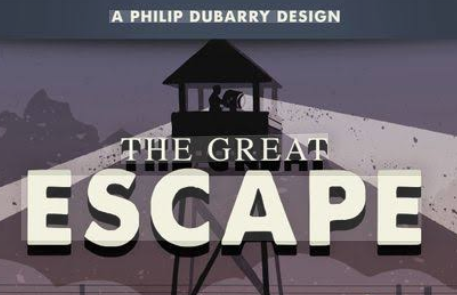
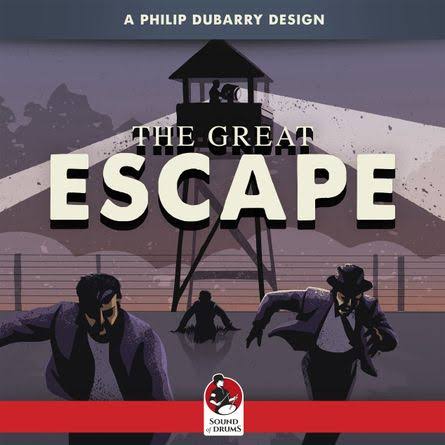
I have known about this game’s existence for a while now. In fact, I saw a prototype last fall while attending Spiel Essen, but recently it was officially announced on Gamefound with a campaign kickoff of October 20th. The game is called The Great Escape and is designed by Philip duBarry, the designer of one of my favorite cooperative historical games in Black Orchestra. The Great Escape is based on a true story and shares the account of the escape attempt by Allied soldiers from the infamous Stalag Luft III POW Camp during WWII. The game is a cooperative or solitaire experience for 1-5 players. We reached out to Philip to see if he would answer some questions and he was more than willing.
If you are interested in The Great Escape, you can back the project on the Gamefound page at the following link: https://gamefound.com/en/projects/sound-of-drums-gmbh/the-great-escape
Grant: Philip welcome back to our blog. What is your upcoming game The Great Escape about?
Philip: Thanks for having me back! The Great Escape tells the story of the most famous prison break during WWII. A group of 76 POW’s managed to dig under the fence of Stalag Luft III and escape into the country side. While the Germans eventually recaptured all but three, the episode wasted many hours and struck a blow against German morale.
Grant: What is your design goal with the game?
Philip: I wanted to make another WWII co-op game in the vein of Black Orchestra. I want players to experience some of the drama and intensity of the real historical event.
Grant: What elements do you feel are most important to model from the period?
Philip: I especially want to convey the cat-and-mouse dynamic of prisoners and captors trying to outwit each other. I want players to feel the tension of the risk involved in hiding contraband items, as well as the sheer difficulty of putting together such a massive operation with limited resources and opportunity.
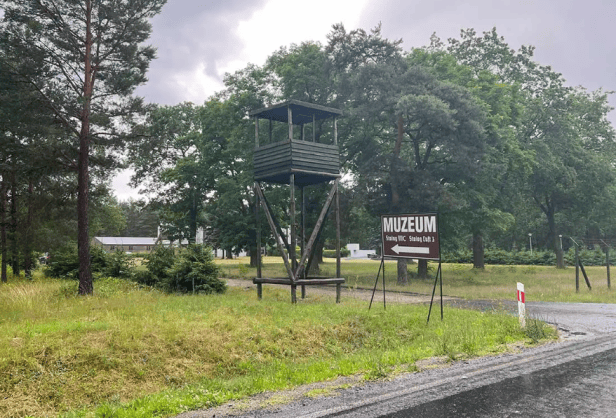
Grant: I understand that the team has worked closely with the Stalag Luft 3 Museum in Poland. What assistance have they provided?
Philip: The museum has provided a wealth of background information. They will also be contributing a short historical summary of the events in the game.
Grant: How do you go about creating an overarching feeling of tension and difficulty?
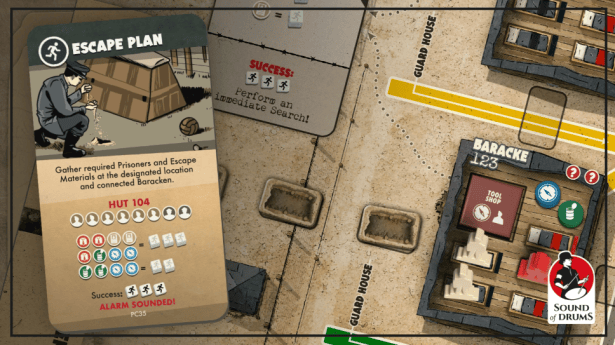
Philip: A lot of the tension comes from some push-your-luck elements. Each turn, the guards will be patrolling through the camp. Periodically (and somewhat randomly) they will conduct searches of nearby huts (or barracks / barracken), so where you locate your various stashes of contraband is crucial. Another aspect is the timing of when to make the attempt. Finally, everything must be done before the SS/Gestapo take full control of the camp and prevent further attempts through more draconian means.
Grant: How has the artist team of Marc Von Martial and Wouter Schoutteton assisted you in creating the mood you wanted for the game?
Philip: The team at Sound of Drums has been phenomenal! They have produced a beautiful and atmospheric experience for players. The art style strikes just the right tone for the game.
Grant: What major design challenges did you encounter and how did you overcome them?
Philip: This project has taken quite a long time. I made the first prototype about nine years ago! The first few iterations of the game were a bit of a mess. I included way too many details: phases of the moon, seasons, weather, physical distances, a grid system of movement, and many other elements were all jammed into one multi-hour package. Since then, we have been able to streamline and edit significantly. Another tricky part was how to track the trouble (called the Trouble Track) that the prisoners were in. Multiple complicated tracks became one simple track. Adding guard movement and behavior was another big step forward. Finally, getting the balance right also took a good deal of time and testing. Over the course of the game’s creation, I worked with multiple publishers (some of whom contributed some key elements to the final product). Sound of Drums helped me get over the final hurdle!
Grant: As a cooperative game how do the players work together?
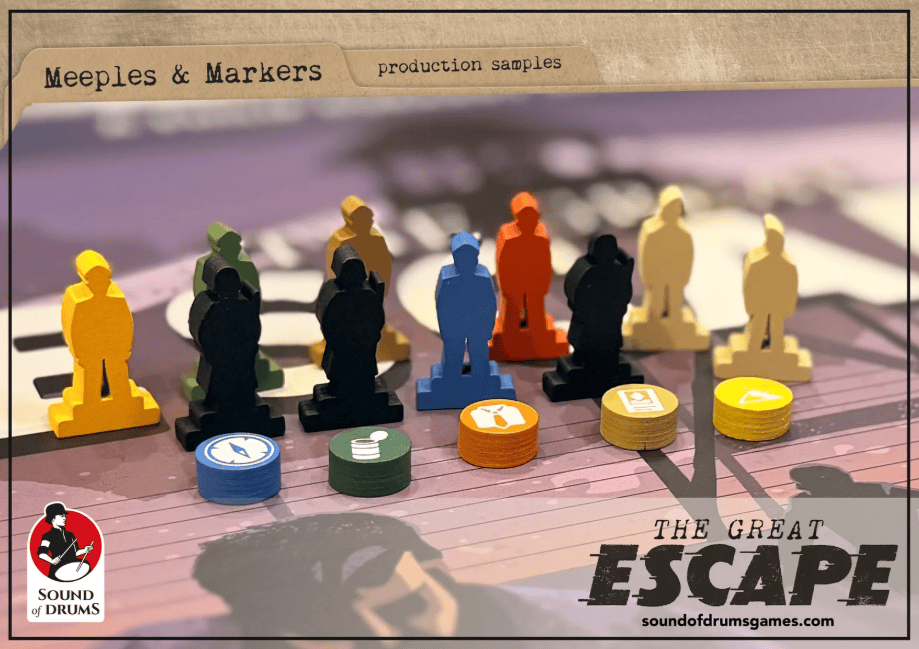
Philip: The players are “officers” in the camp. They direct all the actions and jobs needed to affect a successful escape. As players, you will be working on 1-3 escape plans, pooling resources, positioning the other prisoners, digging tunnels, all the while distracting guards and throwing them off the scent.
Grant: What actions can they take?
Philip: The main actions involve moving around the camp (distracting the guards is necessary to allow this), digging tunnel sections and disposing of sand, producing the various escape materials (clothing, papers, food, tools, etc.), and taking a few special actions scattered around the board and on cards.
Grant: How is the success or failure of these actions determined? How can players improve their chances?
Philip: Most of the actions are open; however, many upgrades are available in the deck of Prisoner Cards. The final escape attempt is resolved by rolling some dice (in Black Orchestra fashion). There are several ways to influence this roll as well.
Grant: How are Tunnel Tiles used? What information is located on these tiles?
Philip: The Tunnel Tiles represent sections of the tunnel being dug. The goal is to connect a few barracks with a main tunnel leading under the fence and out the compound. Normally, each tunnel section requires two non-player prisoners led by a player officer.
Grant; How does the game utilize cards?
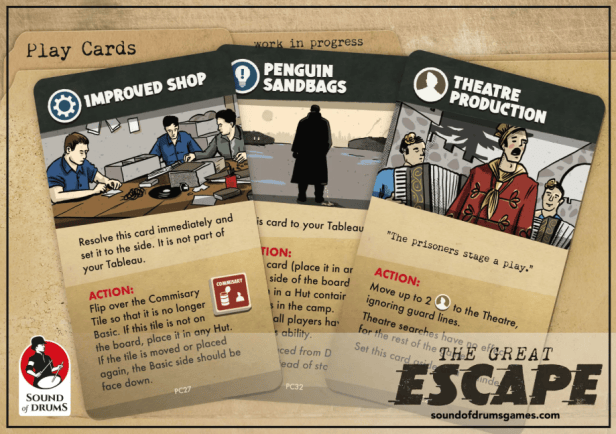
Philip: The cards provide special abilities to the players, as well as additional resources and opportunities. Some of the cards also deal setbacks to the players.
Grant; What different types of cards are included?
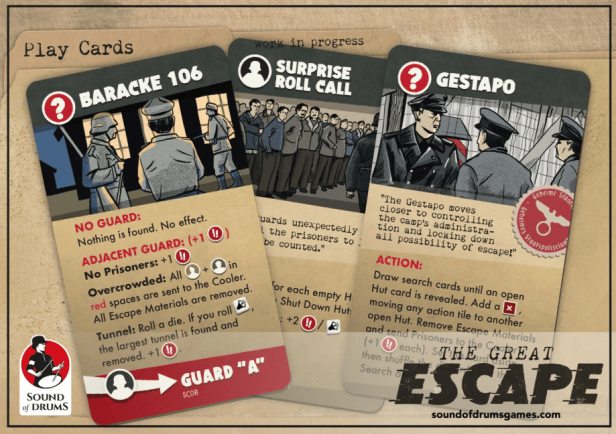
Philip: There are three decks. The Prisoner Deck contains upgrades for players, as well as access to new escape plans. The Search Deck controls the guards each turn, sometimes confiscating your materials and sending prisoners to the “Cooler” (the brig inside the camp). Finally, the Event Deck tracks various historical moments (or representative of historical moments) encountered by the real inmates. Most of these provide new challenges but a few offer a bit of relief.
Grant: What is the anatomy and layout of these cards?
Philip: Because there are several different types, they are all laid out differently. Some fit into your player board tableau. Others fit alongside the board, while the Search and Event Cards are resolved and discarded.
Grant: Can you share a few examples and explain how they are used?
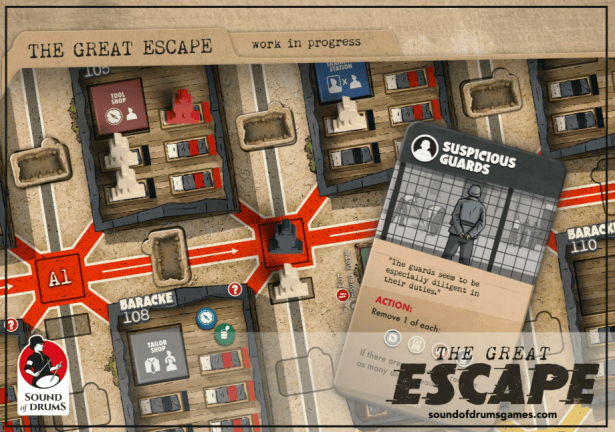
Philip: The Search Cards are especially interesting. Each one lists a specific barrack (or sometimes another location). If no guards are walking by that building, nothing much happens. However, if a guard is adjacent to the building, they will inspect it. If they find it completely empty or too crowded, they will become even more suspicious, possibly setting off the alarm, discovering your supplies, and maybe even uncovering your tunnels. Eventually, the barracks begin to be shut down, restricting your options further as the game nears its conclusion.
Grant: What characters do the players play as? What unique abilities does each bring?
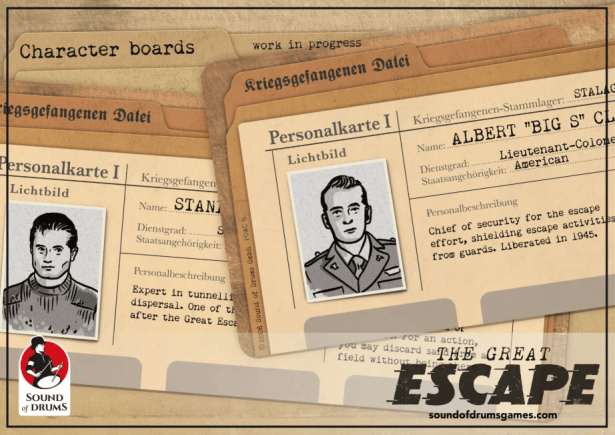
Philip: Fans of the famous movie version of the story might be a little disappointed to find some of their favorite characters missing. This is because we have chosen to feature only real, historical figures. Some of these include: Roger “Big X” Bushell (in charge of X Organization—the escape committee), Walley Floody (a tunnelling expert), “Des” Plunckett (a brilliant map-maker), John Bigelow Dodge (nicknamed “The Artful Dodger” for his many escape attempts), and British Air Commodore, Herbert Massey. There are something like twelve in all…so far.
Grant: What is the layout of the board?
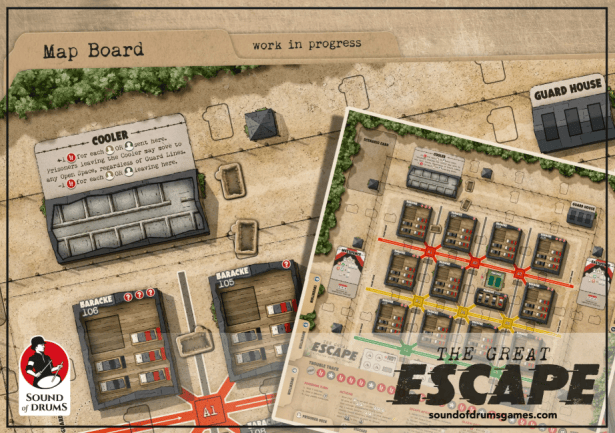
Philip: The board is a somewhat-historical map of the northern section of Stalag Luft III. Originally, this was built to house British air force POW’s, but airmen from many other nations were soon placed there as well. There are 11 barracks (barracken), the Cooler, the guardhouse, a theatre, and two sports fields (a great place for getting rid of excess sand). There is also a fire pool in the middle, which also provided some entertainment to the prisoners.
Grant: What do you feel the design models well from history?
Philip: I hope that players will be left with a better understanding of what went on in the camp. We have had to simplify and condense things, but the general flow should come through. There are playful moments and tense moments, as these brave men fought their own private war from behind barbed wire.
Grant: What type of experience does the game create for players?
Philip: I would like players to feel that they had confronted some of the issues faced by the historical prisoners. There should be stretches of working out a logistical puzzle punctuated by the terror of knowing that the guards are right outside your window waiting for the one Search Card to ruin your plans.
Grant: What has been the feedback of your playtesters?
Philip: Playtester feedback has been overwhelmingly positive. Even when the game needed lots of tweaks and wholesale changes, the basic tensions and historical flavor was present from early on.
Grant: What other designs are you currently working on?
Philip: I’m also working on expansions for Citizens of the Spark and Snowcrest, as well as a larger space-themed game coming from APE Games in 2027. I’m also working on a special project about cobalt mining in the Congo, partnering with a charity in the region to help raise awareness of the plight of child miners. Thanks for asking!
Thank you for your time with this interview Philip. I really appreciate the fact that you responded quickly and provided the answers in very short order.
If you are interested in The Great Escape, you can back the project on the Gamefound page at the following link: https://gamefound.com/en/projects/sound-of-drums-gmbh/the-great-escape
-Grant