Nachdem wir einige Jahre Midgard gespielt und nebenher immer auch Inspiration in anderen Regelwerken gesucht und gefunden haben, entschlossen wir (Wilhelm Klippel aka „Fiomall“ und ich) uns 1994 dazu unser eigenes Regelwerk zu schreiben. Unter tätiger Mitwirkung von Simone (Arne), Patty (Dulmer) und Uwe (Haplo), aber auch weiteren Mitspielern, wie u. a. André. Wir waren mit einigen Aspekten von Midgard und auch anderen uns bekannten Systemen unzufrieden.
Das war der Beginn von Mag Mor, Rollenspielsystem und gleichzeitig auch Welt, auf der dieses System spielt. Und selbst nach 32 Jahren haben wir immer noch nicht die ganze Welt erkundet und auch unsere Regeln werden nach wie vor ständig erweitert, verfeinert und natürlich auch verbessert.
Mit über 600 echten verschiedenen Zaubersprüchen (plus Runenmagie) und über 110 Fertigkeiten ist unser Spielsystem sicher eines der umfangreichsten überhaupt. Da wir uns aber viel bei anderen System bedient haben und uns von D&D, Midgard, Palladium, MERS, Runequest, Das schwarze Auge etc. haben inspirieren lassen, wird Mag Mor wohl nie außerhalb unserer Spielerunde das Licht der Welt erblicken. Aber das war auch nie unser Ziel.
Inspiration haben wir auch immer aus den Fantasyromanen von Alan Dean Foster, R. A. Salvatore, Ed Greenwood, Karl Edward Wagner, Robert E. Howard, Lyon Sgrague de Camp, Fletcher Pratt, Robert Asprin, Marion Zimmer Bradley, Trudi Canavan und vielen vielen mehr gezogen.
Wir spielen nach wie vor mehrmals im Jahr und diskutieren dann auch immer wieder Aspekte unseres Regelwerks und bauen es um. Und obwohl es eine typische Fantasywelt mit Elfen, Zwergen, Trollen, Drachen und jeder Menge Magie ist haben wir versucht viele Aspekte unseres Regelwerkes möglichst nah an der Realität zu halten, wie z. B. der Reichweite und Durchschlagskraft von Langbögen, den Reisegeschwindigkeiten (wenn sie hier denn keine Magie zum Einsatz kommt), den Auswirkungen von Nahrungs- und Flüssigkeitsmangel und so weiter.
Nebenher wir auch immer wieder viel Zeit in die Beschreibung der Welt Mag Mor gesteckt, was vor allem in den vielen Kampagnen passiert ist, die wir dort schon gespielt haben. Es gab und gibt aber auch immer wieder Ausflüge in andere Welten. Aktuell sind wir in unserer Kampagne zum Beispiel auf Aventurien unterwegs. Das liegt auch viel daran, dass wir fertige Abenteuer (seien es nun Fanabenteuer oder Kaufabenteuer) verwenden und diese mal mehr, mal weniger für unser System anpassen. Manchmal verlegen wir die Handlung dabei nach Mag Mor und manchmal spielen wir auf der beschriebenen Welt. Mit Magie ist das ja alles kein Problem.
Auch nach mittlerweile 42 Jahren haben wir nicht die Lust am Spielen verloren. Dabei hat sich unser Fokus von Kämpfen und Looten, aus den Frühtagen mit D&D, doch sehr in Richtung Geschichten erleben, Rätsel lösen und Lösungen für vertrackte Situationen finden, verlagert.
Und es gibt noch sehr viel zu erkunden auf der Welt Mag Mor.
I recently had an excellent, candid, meandering chat with Peter Vaughan (Cardboard Alchemy), facilitated by Will from the Hungry Gamer YouTube channel. Peter highlighted some really important reasons that publishers–even experienced publishers–consider crowdfunding, including a revelation about changes in distribution and localization.
I believe that crowdfunding remains an incredible tool for all types of publishers, especially newer creators, established publishers who are undergoing an important change, and publishers who want to offer super deluxe version priced beyond the limits of retailers. Here’s a quick checklist of considerations for new creators considering crowdfunding.
There isn’t just one way to serve customers, and I love seeing publishers trying and refining different methods to accomplish that goal, even if their methods are different than ours (we wait until our products are ready to ship before launching them on our webstore, like with the upcoming Finspan: Sharks & Reefs and Euphoria Essential, both on May 13).
Feel free to check out our 35-minute chat if this is a topic that interests you or that you’ve been debating. I’d love to hear your thoughts in the comments!
The Banana Ball League, which started in Savannah, is a new type of baseball where the entire focus is on entertaining fans. In fact, Fans First is the title of the book written by founder Jesse Cole, and across several examples it’s clear the extent to which he applies this ideology.
Here are my top 4 takeaways from Cole’s recent chat with Simon Sinek on the A Bit of Optimism podcast:
Every game might be someone’s first game. The Bananas have an incredibly long wait list to watch them play–over 4 million people. So when someone attends a Bananas game, there’s a good chance it is their first game. Knowing this, the Bananas approach every game like their first (and perhaps only) chance for every fan to have a great time. I think that’s a neat approach to tabletop games too: What if my game is someone’s first game? Or it ends up being the only game they play for a long time?
Fans can impact the outcome of the game. One of my favorite rules twists in Banana Ball is that if a fan catches a foul ball, it’s an out. In some ways, this is akin to crowdfunding, where backers can have a direct impact on a game’s final form. In others, it’s more like a game being a living entity that fans shape over time via fan-made content (like Wingspan’s promo birds) or lore-driven decisions (like what Thundergryph is doing with Etherstone).
The fan experience is prioritized over the sanctity of the game. I love sports, but I think sometimes long-standing, classic sports forget that they are ultimately a form of entertainment, and that means evolving with the times. A brilliant example from the Bananas is this rule: After a game reaches the 2-hour mark, no new inning can begin. This effectively puts a time limit on a sport that is notorious for dragging on, instead prioritizing the fan experience.
Look at the game through the eyes of the customer. The Bananas travel around the US to a variety of baseball stadiums, and whenever they arrive at a new place, the first thing they do is walk through the stadium and look at the field from various perspectives, including the most distant seats. They do this to see the game through the eyes of every fan, as they want to make sure they aren’t just serving those in the first few rows. I love this mentality, and it’s a great reminder for me to approach our platforms in a customer’s shoes (the content we create, our website, webstores, how our games appear at local retailers, etc).
Have you been to a Savannah Bananas game? I’m hoping to go someday, and I’d love to hear about your experience.
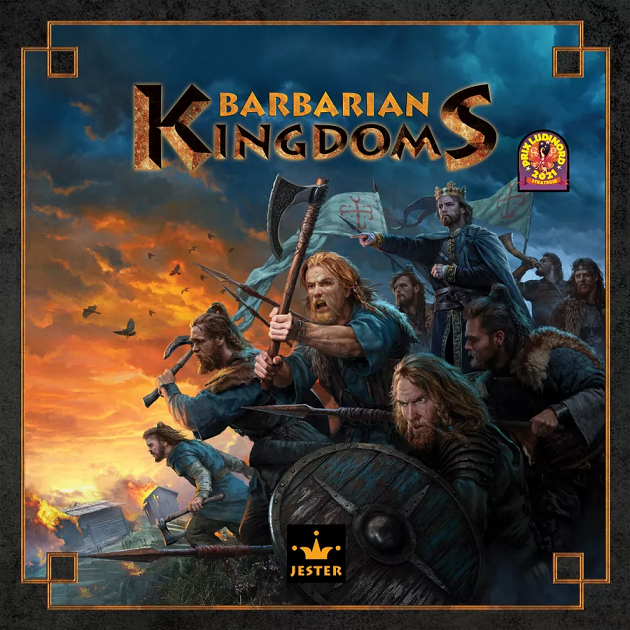
Barbarian Kingdoms is the kind of modest board game that comes in a standard sized box with a small selection of cards, a reasonable number of tokens, and a surprising absence of miniatures. While it is nearly two years old at this point, it actually appears more long in the tooth and weathered. I wouldn’t…
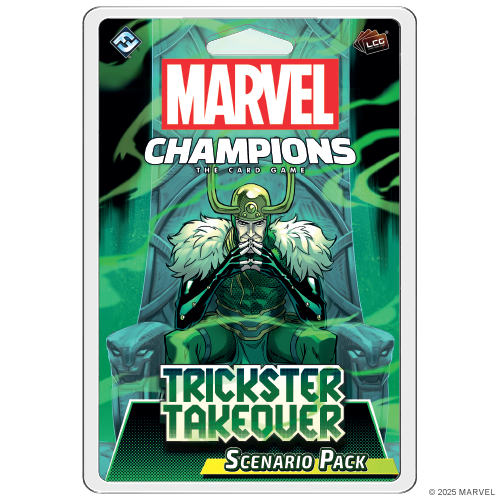
The Trickster or Loki as he is also known heads up an evil team with The Enchantress and they mess with the minds of the Heroes. This gives a fight that the Heroes are fighting inside their minds as well as other with other heroes while not knowing who or what they can trust. from the graphic novels he was known as Loki Laufeyson and he was the Trickster God of Mischief, Evil, and Lies, a member of the monstrous Frost Giants of Jotunheim that was adopted and raised among the Asgardians, a group of humanoid beings from the pocket dimension of Asgard, the Realm Eternal. Born smaller than the rest of his race and rejected by his father Laufey, he was adopted by the All-Father; Odin following the war. He was taken back to Asgard to be raised alongside his adopted brother Thor. He was worshiped by the humans known as Vikings and became part of Norse Mythology. Loki grew jealous of his brother after learning his true origin and schemed against him and Asgard. His later cosmic meddling led to the formation of the Avengers, “Earth’s Mightiest Heroes”. He has the ability to call his wolf Fenris to him amongst many other of his baddies. The Enchantress is a being from Thors realm and in fact she has the hots for Thor and is usually wound up by Loki into attacking Thor.
So how do these work in the game. First of all you have to take on the Enchantress, wh will hit you with a hypnotic gaze. There are five different hypnotic gaze cards each with a different enchantment on the opposite side, get too many charm counters and the card gets flipped to its unique “trance” side and gives you the Enthralled trait which has an immediate effect and also causes you to take a forced action. For example you might be confused or take damage and also forced to draw a card and play it. Also being enthralled will make side schemes nastier to deal with.
Then you have to deal with Loki, but things are never simple with Loki and you have to first deal with his Avator’s who are spread out. This is where you get to play the new “Epic Mupltiplayer Mode” as each player group has to deal with their own batch of the four avators facing off against a randomly-chosen avator that gets swapped out for another each time one is defeated. Each time you defeat one, you Shatter the Illusion that allows you to actually damage the real Loki. But of course Loki is going to just sit there and take damage, once he gets down to half heath, his focus intensifys and his avators get powered up making it even more difficult.
However, there are also some Enthralled Minions, who if you manage to knock back to their senses then they will actually team up with you to help take down the villains, which could well swing the battle back in your favour.
Yesterday I announced the Euphoria Essential Edition, which combines the core game with the expansion and includes some revised rules/components, particularly the board layout. It will be on the Stonemaier Games webstore, ready to ship, starting on May 13.
While discussing the game on yesterday’s livecast, I started to reflect on the factors that result in us considering an “essential” version of an existing game (e.g., Viticulture, Between Two Cities, Between Two Castles, and now Euphoria). I mentioned a few then, and I’ve added a few more to this list:
The game only has 1 expansion, and we can combine the expansion with the game without significantly increasing the price of the essential version compared the original game’s price. This is critical, as we are always focused on price accessibility. If a $60 game and a $30 expansion combined together would still be close to $90 due to the manufacturing cost, we might as well keep them separate. But if the combination leads to some production optimization for a new price of $65, that’s great.
The combined game plus expansion is still accessible to newcomers. Any first expansion of a Stonemaier game is at least partially the result of learning from what people say about the game. Many–but not all–first expansions offer seamless additions rather than new elements that make the game more complex, making them prime for essential editions.
The game and the expansion have successfully been on the market for years. I like to give our games the time to find their audience and thrive in the wild for a long time before revisiting them before considering an essential edition (opposed to releasing the game and then creating a new edition right away).
The game is out of stock but still in demand. For us and the amazing retailers who support our games, we wouldn’t want to create a new edition of a game while there’s still ample inventory of the previous version. We also only consider games with continual sales month-to-month.
We are excited to revisit the game to offer the best version. Even if we’re literally just combining the core game and the expansion, there’s a lot of work involved, especially for the rulebook (but also potentially the box, reference cards, punchboards, etc). And sometimes–like with Euphoria–it’s even more work, as it’s an opportunity to improve the original. I spent a lot of time redesigning the board to make the order of operations and interconnected elements much easier to understand, learn, and teach, and artist Jacqui Davis completely remade the art to match the revised design. We’re passionate about all of our products, but there needs to be a special spark to revisit something that was deemed final for so long.
If there are changes, they do not negate the investment of anyone who already owns the game and the expansion. This is really important to me, and it’s why we created an update pack for Euphoria that includes the new board, updated rulebooks, and the smaller artifact cards. It’s for this reason that I try to be very intentional while weighing the importance of making gameplay changes opposed to just seamlessly combining the game and expansion.
What do you think about these reasons? Is there anything else you would like me to consider for future essential editions (none of which are in the works)?
If you’re curious to learn more about the inception of Euphoria Essential, I’ve included the latest design diary post below.
***
April 23: The Inception of Euphoria Essential Edition
In March 2025, almost exactly 13 years after finishing the design for Euphoria, it was time to reprint the game. We’ve reprinted Euphoria a number of times over the years–a reprint is simply printing more of the same exact game–but this time I reached out to Morten (who had designed the Ignorance Is Bliss expansion) with the idea of updating Euphoria with everything I’ve learned about the game over the last decade.
Here’s what I proposed to Morten:
Player mats and big tokens: Remember the tiles in Euphoria that let you quickly adjust token quantities (1x, 2x, 3x, etc)? I’m thinking we could update the player mats to have those tracks, allowing us to remove the big wooden tokens.
Board and bazaar: The inclusion of the player mats allows us to use the area of the game board currently occupied by tracks for the bazaar. It might be just a little tight, though–maybe decrease the size of artifact cards? Also, I would like to offer a double-sided board (bringing back the grayscale look of the original version on one side).
Recruits: I would love to offer a single set of recruits instead of telling players to use only the new or original recruits. To accomplish this goal, I’m open to removing some of the original recruits that aren’t balanced well for the expansion changes. I would also prefer to remove the factionless recruits. They’re clever, but by nature they are exceptions to standard recruit rules.
Markets: I feel similarly about the markets–I just want to shuffle them all together. If we need to remove some markets to accomplish this, that’s fine.
Gameplay: There are 4 elements of Euphoria that I don’t fully love: It’s difficult to teach despite its weight, I’m not sure the ethical dilemmas are necessary, it feels really bad to lose a worker due to a knowledge check (or even to see someone else lose a worker), and it feels impossible to catch up once someone has 9 stars and you’re behind. I’m not necessarily saying that anything needs to change to address these issues, but this is an opportunity to do so if we choose.
[end of message to Morten]
I’ll cut to the chase on a few of these elements: The final result was that we consolidated information onto player mats, we combined all recruits (102 total: asymmetric abilities that each player has), and we combined all market tiles (34 total: worker-placement actions to construct on the board). This essentially results in Euphoria plus the Ignorance Is Bliss expansion, offering a ton of variability with everything seamlessly integrated into a single box.
What do you think about this inception story? Join us tomorrow to dive into the core elements of the Essential Edition’s board, including a few minor-but-impactful rule changes! You can also click here to get a May 13 launch notification (followed by shipping later in May).
I made a huge intentional shift in my life in 2011. I’m now 45 years old, and looking back I realize how distinctly different my life was before and after my 30th year (mostly for the better).
If I had the chance to speak to my 30-year-old self, here are a few things I might say:
1. Creativity thrives in the small windows of free time, not the big ones. For most of my 20s I hoped for big gaps in time that were completely clear of other responsibilities–weeks and months–when I could write a novel. But the two times I had a big gap of time (the summer after college and when I was between jobs), I mostly just played and procrastinated. When I turned 30, I decided to spend 2 hours every night writing the novel, and I was done in 2 months while still maintaining my day job, friendships, and other hobbies. Realizing I could do that motivated me to also spend those small windows of time to design a game, Viticulture. This is one of the biggest changes I’ve ever made in my life, and my career with Stonemaier Games wouldn’t exist without this shift.
2. A change in location won’t make me a different person. I’m an introvert with a rather crippling social anxiety regarding approaching people. I romanticized the idea of going somewhere completely new by myself to see if a different, fearless version of Jamey would emerge, so I booked a solo trip to Ireland for a few days in 2011. Not only did I learn that I much prefer to travel with at least one other person, but also found that I’m still myself–for better or worse–even in a different country where everyone is a stranger. Another way to put this is: For the things about myself that I most want to work on, there’s no magic bullet.
3. There is so much to learn after formal education. I’m incredibly grateful for the all the teachers and professors who guided me from kindergarten through college. But there’s a whole world of knowledge outside of the classroom. I’ve learned so much about game design, for example, by listening to podcasts, reading articles, and watching videos (along with actually playing and designing games).
4. Healthy living starts to take effort after a certain age. I’ve been physically active my entire life, and I was blessed with a great metabolism, so for many years I didn’t feel the need to eat with intention. That was all fine and dandy until I started running Stonemaier Games in my early 30s, a job that often involves sitting at a desk for 12 hours a day. I was no longer playing sports as regularly, yet my diet was the same as ever (and it wasn’t even terrible–I ate fruits and vegetables every day). My body changed incrementally, and before I knew it, I was 20 lbs heavier than I’d ever been. Fortunately I realized it’s never too late to change, but I wish I could tell myself what I was doing to my body and how even 20 minutes of exercise every day can make a huge difference.
5. I don’t want kids, and I’m not alone. For most of my life, I thought I wanted to have kids–I never questioned doing the same thing my parents did (I have a brother and sister). It wasn’t until my early 30s that started to realize that the creative, nurturing, and compassionate sides of myself were fulfilled and challenged better in other ways (game design, friends, cats, etc). But when my siblings and college friends started to have kids, I struggled sometimes to feel like an “adult.” But then I started to make some wonderful friends who were just as happy not having kids as I was–and I found a partner in Megan who also doesn’t want kids–and I’m so grateful for those relationships (they even helped the relationships I had with friends and family who do have kids).
me at 45
6. Money well spent makes a big difference. For the longest time, if I wanted a chocolate bar, I’d spend $0.50 at checkout at the grocery store. But one day I was shopping with a friend, and they said, “You love chocolate, right? If you love something, it’s worth paying for the best.” So I shelled out for a $5 chocolate bar, and it was amazing. This isn’t to say that I don’t still enjoy a Snickers, Kit-Kat, or Hersheys Almond from time to time. But I give myself permission to spend money on the things I love. Similarly, I’ve learned to pay for things that last–I have shoes and jeans that have lasted over a decade.
7. Every job before my career was a good use of time. I think there was a time when I didn’t believe this; I wished I could have found my path earlier in life. But whether it was waiting tables, project managing medical textbooks, or managing a nonprofit staff and fundraiser, I was learning indispensable skills and habits that have had a direct impact on Stonemaier Games’ success.
8. Loving a pet requires compassionate discipline. I adopted my beloved cat Biddy in 2007 when he was a tiny kitten, and raising him from beginning to end is one of the greatest joys of my life. Biddy loved to eat, and I gave him open access to cat food (and sometimes human food). At one point he tipped the scales at 20 lbs. He developed diabetes and required twice-daily insulin shots for the rest of his life. He died of intestinal cancer when he was 16 years old. While I don’t know if I could prevented any of Biddy’s ailments, I wish I had known earlier that I could have made Biddy’s life better overall by denying him a portion of the thing he wanted the most (kibble). Not enabling someone’s worst habit is a core part of loving them. I would truly do anything to have another month or year with Biddy–I miss him every day.
9. There is no rule that says everything must remain the way it’s always been. This applies to relationships, habits, routines, beliefs, hobbies, diet, behaviors, even our bodies. For example, for as long as I can remember, I had large protruding mole at the base of my back. I didn’t like it, but I figured it was too close to my spine to be removed. But then I asked a dermatologist about it, and she said, “Oh, sure, we can remove that right now.” Five minutes later, something that had bothered me for years was gone forever. I wish I could have known earlier that if there is any persistent element in my life that I could cut or add that would make me happier (and those around me), it’s never too late to choose to make that change.
10. Try a lot of different things to continually discover new passions. At 30, I thought I only enjoyed specific types of games and that I didn’t like party games…until I tried Telestrations, Just One, So Clover, Blob Party, and Caution Signs. At 30, I thought I enjoyed blogging as my only form of content creation…until I filmed a “my favorite mechanism” video for YouTube, tried a Facebook livecast, posted an Instagram photo, or recorded a podcast. At 30, I thought ultimate frisbee was the only disc-related sport I enjoyed…until I started playing disc golf during the pandemic and now play every week. The world is full of potential passions I have yet to try, and I won’t know if they’re for me until I actually try them!
I wasn’t sure where this list would take me, but I appreciate the opportunity to share. I’d love to hear if any of these resonate with you or if there’s something you wish you knew before you turned 30.
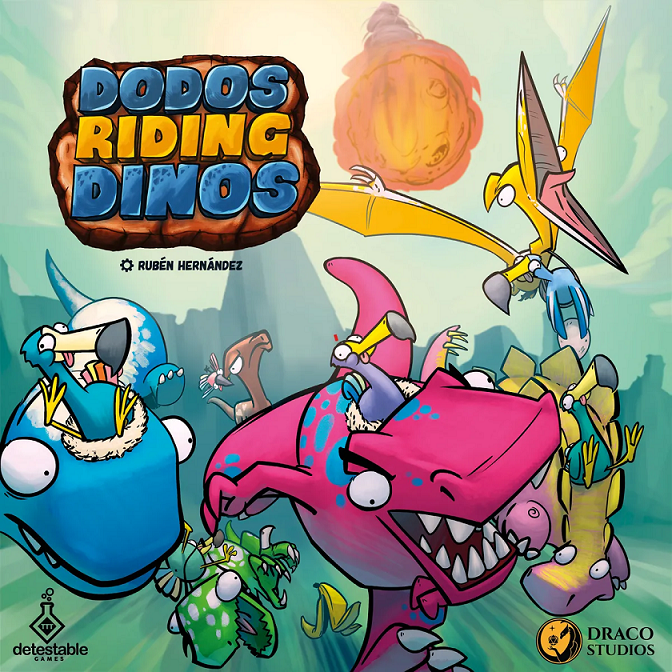
Rubén Hernández’s Dodos Riding Dinos was one of those games people talked about. The kind of nutty activity that combines a longstanding tabletop genre with silly dexterity elements. I mentally associated it with killer titles like SEAL Team Flix, PitchCar, and Space Cadets. These games marry the frivolous kinetic energy of flicking with a more…
Es begann alles am 6. Oktober des Jahres 1984. Damals war die 1. Auflage des D&D Basis Set gerade mal 11 Monate auf Deutsch erhältlich. Einige Interessierte trafen sich im Bücherwurm, in Bad Camberg, um einen ersten Einblick in die Welt des Fantasy-Rollenspiels zu bekommen. Heute, mehr als 40 Jahre später, spielen einige von Ihnen immer noch dieses Spiel und Ihre Begeisterung dafür hat nicht nachgelassen.
Dies ist auch der Grund für meinen Internet-Nickname NATOKH. Natokh war einer meiner ersten Charaktere in einem Fantasy-Rollenspiel und die Figur die ich am längsten gespielt habe. Der Name geht auf eine Kurzgeschichte aus dem Conan-Universum von Robert E. Howard zurück. Dort war der dunkle Zauberer Natohk (Thugra Khotan) ein Gegenspieler von Conan.
Aber vielleicht sollte ich erst einmal kurz erläutern, worum es sich bei Fantasy Rollenspielen überhaupt handelt. Eigentlich ist es ganz einfach. Eine Gruppe von Spielern, nach unserer Erfahrung mindestens 3 aber höchstens 4-5, versuchen mit fiktiven Charakteren, welche nur auf dem Papier existieren, Aufgaben zu lösen, welche Ihnen ein Spielleiter stellt. Eine Aufgabe kann zum Beispiel das Erretten einer Prinzessin aus den Klauen eines bösen Drachen sein oder aber Detektivarbeit à la Sherlock Holmes oder vielleicht auch nur Metzeln und Looten in der Art eines Dungeon Crawlers. Der PHANTASIE sind hierbei keine Grenzen gesetzt, bzw. nur die des Spielleiters.
Zuerst beginnt man damit sich einen Charakter zu erstellen. Im ersten Schritt werden einige Attribute des Charakters ermittelt, zumeist mit Hilfe von Würfeln, dies sind z.B. die Stärke, das Aussehen, die Intelligenz oder aber das Zaubertalent. Aufgrund der Attributswerte muss sich nun der Spieler eine passende Profession für die Figur aussuchen. Hier gibt es unter anderem den Dieb, den Krieger oder einen Magier. Außerdem legt man fest, welche Rasse man spielen möchte. Neben Menschen gibt es da zum Beispiel Halblinge, Zwerge oder Elfen. Allerdings sollte man für nichtmenschliche Rassen schon etwas Spielerfahrung mitbringen, da es beim Spiel noch einige Besonderheiten und Verhaltensweiten der jeweiligen Rasse zu berücksichtigen gilt.
Hat der Spieler nun die Attribute, Rasse und Profession seines Charakters ermittelt muss er sich an dessen Beschreibung machen. Ist die Figur feige oder mutig, ist sie Links- oder Rechtshänder, ist sie hilfsbereit oder ein grenzenloser Egoist, liebt sie das Glücksspiel oder ist sie ein enthaltsamer Asket. Dies alles ist später wichtig, da der Spieler seine Figur entsprechend spielen soll, er wird also zum Schauspieler, zumindest verbal.
Hat man nun eine Gruppe von Charakteren entworfen beginnt das Spiel. Der Spielleiter übernimmt hierbei die Rolle der Welt sowie aller darin befindlichen Lebewesen. Die Gruppe agiert in dieser Welt. Dies geschieht zum Teil mit dem Einsetzen ihrer Fertigkeiten, wie z.B. dem Stehlen, dem Wirken von Zaubersprüchen und ihren Waffenfertigkeiten, dem Wissen über Kräuter und Gifte usw., zum anderen aber mit der PHANTASIE der Spieler.
Nachdem wir eine Zeit lang das D&D System gespielt haben sind wir relativ schnell zu Midgard gewechselt, dem ersten deutschen Rollenspiel, da uns einiges am D&D Regelwerk gestört hat. Midgard erschien bereits 1981, also 2 Jahre bevor D&D das Licht des deutschen Rollenspielmarktes erblickte und 3 Jahre vor dem Schwarzen Auge, welches 1984 veröffentlicht wurde.
Wir haben dann einige Jahre Midgard gespielt. Da entstand auch mein Zauberer Natokh. Damals haben wir uns fast jede 2 Woche zum Spielen getroffen. Zwischendurch haben wir uns aber auch immer andere Rollenspielsysteme angeschaut. So haben wir auch ein paar Runden Sternengarde gespielt (sozusagen D&D im Weltraum), haben uns Regelwerke wie MERS (Mittelerde Rollenspiel), Runequest, Pathfinder oder Palladium. Wir haben auch ein paar Mal In nomine Satinis gespielt. Ein besonders abgefahrenes Pen & Paper Rollenspiel in dem man Dämonen spielt, mit übernatürlichen Kräften und zum Teil sehr seltsamen Phobien, wie der Angst vor Kindern oder Colaautomaten. Man spielt einen Diener des Teufels und erledigt Aufträge in seinem Namen. Das Spielsystem ist sehr satirisch und nimmt sich nicht Ernst. Wer auf schwarzen Humor und Gemetzel steht, der ist hier genau richtig. Wir haben allerdings nie eine Kampagne gespielt sondern immer nur Einzelabenteuer.
Als Gegenpol gab bzw. gibt es Magna Veritas. Hier spielt man einen Engel und ist natürlich im Auftrag Gottes unterwegs. Das habe ich jedoch nie gespielt. Überhaupt habe ich mir sehr viele Rollenspielbücher nur gekauft, um mir daraus Inspiration zu holen. Was uns zu unserer nächsten großen Veränderung führt.
Anfang der 90er, begannen wir nämlich damit unser eigenes Regelwerk zu schreiben und die Welt Mag Mor aus der Taufe zu heben. Aber das erzähle ich euch beim nächsten Mal.
Finspan: Sharks & Reefs adds to the variety of the core game with a focus on sharks and fish that live among coral reefs. This expansion introduces new coral reef habitats to your ocean mat and more incredible sharks—with fearsome new abilities!
Players can now nurture colorful coral reefs in each of their ocean’s three dive sites. Healthy reefs enable you to play powerful reef fish, unlock fish abilities, and score bonuses at the end of the game. Meanwhile, sharks scatter schools of young (to form even more schools elsewhere) and leave behind food scraps that any fish in your ocean can consume.
Sharks & Reefs is designed by Michael O’Connell, illustrated by Ana María Martínez, Catalina Martínez, & Mesa Schumacher, developed by David Gordon and Elizabeth Hargrave, and features an Automa solo mode by David Studley. The Finspan core game is required to play the Sharks & Reefs expansion, and the full rulebook is available now.
You can see larger versions of these slides onInstagram.
Over the next few days we will share stories about the creation of Finspan: Sharks & Reefs in the design diary series on our website, in the Finspan Facebook group, and on BoardGameGeek. Here is today’s post:
April 16: The Inception of Finspan: Sharks & Reefs and Product Design
Here’s designer Michael O’Connell with some Finspan backstory and an introduction to this expansion:
When David Gordon and I designed Finspan, we weren’t sure how it would be received. How would the world react to a third -span title, especially one released just one year after Wyrmspan? We had known for years that we wanted to do a game like this. There is even a topic on the Stonemaier Games Discord server that’s still called “aquatic Wingspan,” where folks within the company post regularly about the game. But would the public embrace it? Did fish hold the same fascination for people as birds and dragons?
Of course, Finspan has done everything we hoped it would. As with the other -span titles, it has helped bring new players into the hobby. Many content creators have tried to articulate why all three games deserve a place on your shelf. Each has its own identity. Finspan is the friendly one. Open hands, so everyone at the table knows what you’re working with. Abilities that help other players as well as yourself. Fascinating fish facts on the cards that make you want to read them aloud. Components that are colorful and a tactile delight—especially if you pick up the “squishy eggs” upgrade pack. The goal has always been that Finspan be genuinely inviting. A game where players can help each other, where the rules are intuitive, and where you aren’t asked to make a lot of small decisions.
We never wanted players to feel stuck or confused about how to get the resources they need. Need new fish? Dive here. Need eggs? Dive here. Need young or a school? Dive here. It’s always clear how to progress. The only thing you need to worry about is how to optimize that progression. That’s where the game’s depth lives. (Pun intended.) Finspan’s intricacies reveal themselves as you play, rather than hitting you all at once. And the game is forgiving. Don’t like your engine? Consume that fish that gives you nothing but points with a larger one that has an IF ACTIVATED ability. There is always a way forward.
Once you know how to play the game, my hope is that you never need to return to the rulebook. The player aids, the achievement board, the ocean mat—those should be enough. I don’t know if that’s possible to achieve with every group of players, but it’s what I strive for, and it shapes every decision I make about what goes into an expansion.
So. Sharks & Reefs.
When Jamey and I began talking about designing the Finspansions, we had the typical discussions around what players might want to see, what things might be improved about the game, and what things might be accentuated. However, in the case of Finspan, there was an additional consideration: Many, perhaps even most Finspan players are not typically the people who buy expansions. I’m guessing a lot of them don’t even know that expansions to board games are a thing. Players who buy expansions often want more to think about. But, with Finspan, we’ve tried to limit “more for the sake of more.”
And so, Sharks & Reefs is not just a “more cards” expansion. It adds a dimension to the game without the burden of exponential complexity. The coral overlay and tokens and new reef fish enhance the tactical and strategic choices available to you on nearly every turn. The sharks feel splashy and reward a well-timed turn, but they don’t require you to set your brain on fire to play them effectively. I’ve taught the game to brand new players with Sharks & Reefs included from the start, and it wasn’t dramatically more difficult than teaching the base game alone, which is exactly what I intended.
We designed Finspan (the core game) at the same time that Connie Vogelmann was designing Wyrmspan. Connie finished first, and so Wyrmspan was released first. (Yeah, she was faster than David Gordon and I combined.) But that gave us a year-long window to think ahead—to design the mats and the base game rules with future expansions already in mind while still giving our 100% focus on making the base game a complete package.
I started work on the first two expansions while Wyrmspan was still being released and while the base game of Finspan was still in development (though we waited a few months after Finspan was released before finalizing the first expansion so we could learn from public feedback). This let me make choices that allow future content to slot in organically. The deepwater row in the base game is a good example of this. It started as an expansion idea, but playtesters loved those nightmare-fuel abyssal fish, and so we pulled the deepwater row into the base game to make room for more of them. That’s why there are three more slots for cards than in the other -span titles.
We couldn’t anticipate exactly how popular Finspan would be, but we knew we’d want to create multiple expansions for it. So, I thought carefully from the start about how they would work together. I want each expansion to be easy to learn on its own, and I want them to integrate cleanly with each other without overwhelming the players.
***
Michael has some fun stories in the next few days that delve into the gameplay of Sharks & Reefs, and I wanted to briefly mention a product design element: In the expansion we included a large card tray designed to fit in the Finspan box next to the original tray. The new tray includes 4 slots for stacks of cards and a central area to hold tokens. Our hope in supplying this tray in the first expansion is that it will hold all components for the core game, this expansion, and any future expansions.
You can follow along and get a launch notification on May 13 by clicking here.
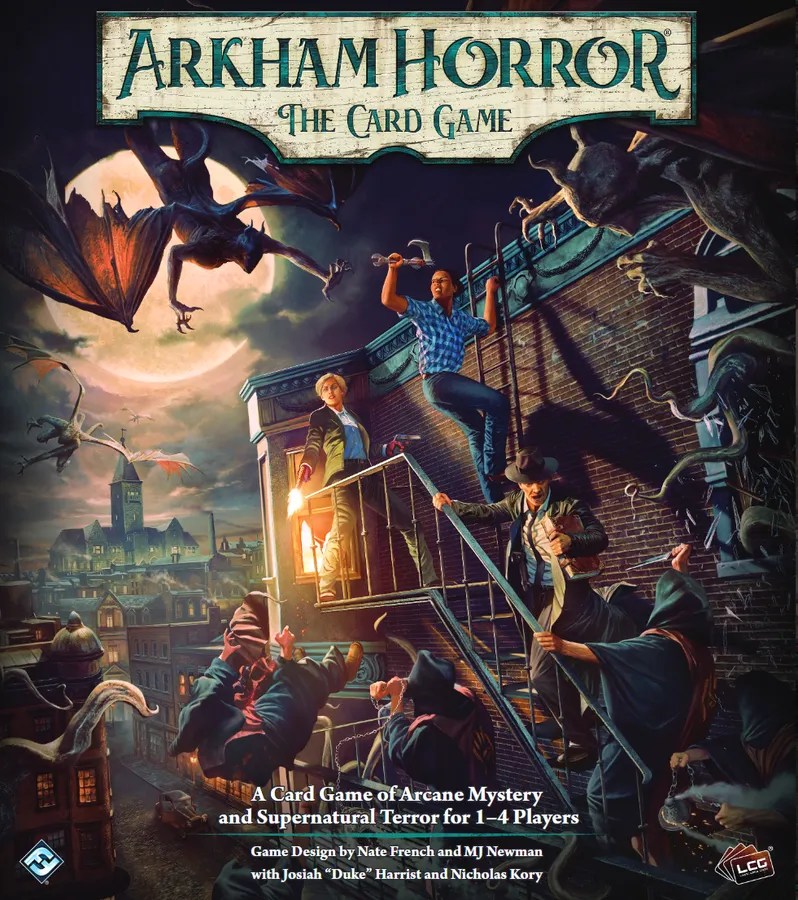
Fantasy Flight Games launched the Living Card Game (LCG) format in 2008 with A Game of Thrones: The Card Game. It soon extended to a variety of lines, including Call of Cthulhu, Android: Netrunner, and Lord of the Rings: The Card Game. The promise of this exciting new format was an end to chasing rares,…
Was habe ich gespielt? boardgamearena.com: Die Burgen von Burgund, Postcards, Tipperary, Perfect Words Blood on the Clocktower Trekking: Reise durch die Zeit VOLT Piña Coladice Cat Trick
boardgamearena.com: Die Burgen von Burgund, Postcards, Tipperary, Perfect Wordsboardgamearena.com: Die Burgen von Burgund, Postcards, Tipperary, Perfect Wordsboardgamearena.com: Die Burgen von Burgund, Postcards, Tipperary, Perfect Wordsboardgamearena.com: Die Burgen von Burgund, Postcards, Tipperary, Perfect WordsBlood on the ClocktowerTrekking: Reise durch die ZeitVOLTPiña ColadiceCat Trick
Have you ever bought a mystery box, a blind booster pack, or a subscription with an unknown assortment inside?
In the early days of COVID, Megan and I signed up for Universal Yums, a treat box subscription service. Every month we would open a new box together and do a taste test of the various sweet and salty treats, and we’d often pair it with a thematically related movie. It was a delight.
I’ve also purchased my fair share of Magic booster packs over the years, most often to draft with friends, not to collect, sell, or compete in tournaments. I can’t deny the thrill of opening a booster and looking through the contents for the first time.
Yet that’s probably the extent to which I’ve engaged with mystery boxes. I don’t like most surprises, and I’m selective about the things I buy–quality and specificity over quantity.
Recently I asked livecast viewers what they thought about mystery boxes. Reactions were mostly mixed at best, and many were fairly negative, with people talking about how blind buys play into gambling compulsions and how they can cheapen a brand.
However, many people also acknowledged that they have enjoyed at least one mystery box (across a wide range of categories): Specific IPs they enjoy, category-specific subscription boxes (tea, chocolate, etc), and when they were just starting a new hobby.
So I’m curious what you think: Have you ever had a good experience with a mystery box, blind booster pack, or surprise subscription?
1.1. Die Teilnahme am Gewinnspiel ist freiwillig, nicht an andere Aktionen gekoppelt und nicht vom Erwerb einer Ware oder einer Dienstleistung abhängig. Teilnahmeberechtigt sind alle, die mindestens 18 Jahre alt sind, ihren Wohnsitz in Deutschland oder Österreich haben und entweder Fan von www.facebook.com/amigo.spiele sind oder der Seite www.instagram.com/amigo.spiele folgen. Fan ist, wer den „Gefällt mir“-Button auf Facebook aktiviert. Auf Instagram muss der „Folgen“-Button ausgewählt werden. Die Teilnahme ist kostenlos sowie unabhängig vom Erwerb von Produkten oder Dienstleistungen der AMIGO Spiel + Freizeit GmbH. Mitarbeiter*innen von AMIGO sowie deren Angehörige dürfen an diesem Gewinnspiel nicht teilnehmen. Alle, die den Gewinnspielpost mit einem passenden Kommentar auf www.facebook.com/amigo.spieleoder www.instagram.com/amigo.spielekommentieren, nehmen automatisch am Gewinnspiel teil. Teilnehmer*innen sind für die Richtigkeit ihrer Angaben selbst verantwortlich. Jede Person darf nur einmal am Gewinnspiel teilnehmen. Die Teilnahme über automatisierte Massenteilnahmeverfahren Dritter ist unzulässig. 1.2. Der Veranstalter darf einzelne Personen von der Teilnahme ausschließen, wenn berechtigte Gründe vorliegen, wie z. B. doppelte Teilnahme unter verschiedenen E-Mail-Adressen oder sonstige Verstöße gegen die Teilnahmebedingungen. In diesem Fall können Gewinne nachträglich aberkannt und zurückgefordert werden. 1.3. AMIGO kann zu jedem Zeitpunkt ohne Vorankündigung und Angabe von Gründen das Gewinnspiel abbrechen oder beenden. Von diesem Recht kann AMIGO insbesondere dann Gebrauch machen, wenn eine ordnungsgemäße Durchführung des Gewinnspiels aus technischen oder rechtlichen Gründen nicht mehr möglich sein sollte.
2. Gewinn
Alle, die den Post mit einem passenden Kommentar auf www.facebook.com/amigo.spieleoder www.instagram.com/amigo.spielekommentieren, nehmen automatisch am Gewinnspiel teil. Die Gewinner*innen werden zufällig ausgelost. Der Preis ist je ein 6 nimmt!-Paket bestehend aus einer Schürze, einem Notizblock und einer signierten Jubiläumsedition des Spiels 6 nimmt!.
Die Gewinnspielteilnahme ist nicht vom Erwerb einer Ware oder einer Dienstleistung abhängig. Eine Barauszahlung des Gewinns ist nicht möglich. Etwaige mit der Inanspruchnahme des Gewinns verbundene Zusatzkosten gehen zu Lasten der Gewinner*innen. Es ist strengstens untersagt, mehrere E-Mail-Adressen oder mehrere Facebook-Profile bzw. Instagram-Profile zur Erhöhung der Gewinnchancen zu verwenden. Pro Teilnehmer*in wird nur ein Preis vergeben. Mehrfachgewinne sind nicht möglich.
3. Gewinnspielzeitraum und Prozedere
3.1. Der Teilnahmezeitraum endet am 26.04.2026 um Mitternacht. Nach Teilnahmeschluss eingehende Kommentare werden bei der Auslosung nicht berücksichtigt. 3.2. Der Veranstalter ist nicht verantwortlich für die Verfügbarkeit von ihm oder Dritten bereitgestellter Webseiten, Computersysteme oder Netzwerke oder von Telekommunikationssystemen, die für den Zugriff auf die Webseite des Veranstalters oder Computersysteme erforderlich sind. 3.3. Der Nachweis der Versendung gilt nicht als Nachweis des Zugangs beim Veranstalter.
4. Gewinnspielermittlung und -Benachrichtigung
Die Gewinner*innen werden ausgelost und benachrichtigt. Danach haben sie sich innerhalb von 3 Tagen per Facebook- oder Instagram-Nachricht zu melden, damit die Zusendung des Gewinns abgestimmt werden kann. Bleibt eine Bestätigung innerhalb von 3 Tagen aus, so behält sich der Veranstalter das Recht vor, den Gewinn einzubehalten. Ist der Gewinn bestätigt, erhalten die Gewinner*innen ihre Spiele. Der Gewinn wird an angegebene Anschrift gesendet. Es erfolgt nur ein Zustellversuch, es besteht kein Anspruch auf einen erneuten Versand. Die Teilnehmenden sind selbst für die Richtigkeit ihrer Angaben verantwortlich. Der Gewinn wird direkt aus unserem Lager versandt und wird daher nicht AMIGO Spiel + Freizeit GmbH als Absender aufweisen.
5. Informationen zum Umgang mit personenbezogenen Daten / Datenschutz 5.1. Im Rahmen der Verlosung werden folgende personenbezogene Daten der Teilnehmer*innen verarbeitet:
Vor- und Nachname
Kontaktdaten wie E-Mail-Adresse sowie die postalische Anschrift
5.2. Zwecke
Diese Daten der Teilnehmer*innen werden ausschließlich zum Zweck der Durchführung des Gewinnspiels erfasst, gespeichert und zur Gewinnbenachrichtigung und um Gewinne zur Verfügung zu stellen genutzt.
5.3. Rechtsgrundlage
Rechtsgrundlage der Verarbeitung Ihrer personenbezogener Daten ist Art. 6 Abs. 1 lit. b DSGVO – Vertragserfüllung, wenn Sie diesen Teilnahmebedingungen zustimmen bzw. diese akzeptieren und damit ein Vertrag mit uns zustande kommt.
5.4. Empfänger Ihrer personenbezogenen Daten:
Für die Verarbeitung der Teilnehmerdaten werden auch vertraglich gebundene externe Dienstleister (Auftragsverarbeiter gem. Artikel 28 DSGVO, z. B. Lager- und Versanddienstleister) eingesetzt. Die AMIGO Spiel + Freizeit GmbH sichert die Einhaltung aller datenschutzrechtlichen Vorschriften zur Auftragsverarbeitung bei diesen Dienstleistern zu.
Eine sonstige Weitergabe oder Übermittlung personenbezogener Daten der Teilnehmer*innen an unberechtigte Dritte findet nicht statt.
5.5. Lösch- und Aufbewahrungsfristen Wir löschen personenbezogene Teilnehmerdaten, sobald sie für die genannten Zwecke nicht mehr erforderlich sind und keine gesetzlichen Nachweis- und Aufbewahrungspflichten entgegenstehen. Die datenschutzkonforme Löschung der Daten erfolgt spätestens drei Monate nach Ende des Gewinnspiels.
5.6. Rechte der Teilnehmer*innen In Bezug auf die verarbeiteten personenbezogenen Daten stehen den Teilnehmer*innen folgende Rechte zu:
das Recht auf Auskunft über gespeicherte Daten (Art. 15 EU-DSGVO),
Recht auf Berichtigung (Art. 16 EU-DSGVO),
Recht auf Löschung der Teilnehmerdaten (Art. 17 EU-DSGVO), sofern keine gesetzlichen Aufbewahrungspflichten dagegensprechen.
Ferner haben Teilnehmer*innen das Recht auf Einschränkung der Verarbeitung von Daten (Art. 18 EU-DSGVO),
das Recht auf Widerspruch (Art. 21 EU-DSGVO)
das Recht auf Widerruf eventuell erteilter Einwilligungen mit Wirkung für die Zukunft. In diesem Fall ist eine weitere Teilnahme an der laufenden Verlosung naturgemäß nicht mehr möglich.
das Recht auf Datenübertragbarkeit (Art. 20 EU-DSGVO).
Teilnehmer*innen haben zudem das Recht auf Beschwerde bei einer Aufsichtsbehörde ihres Aufenthaltsorts, ihres Arbeitsplatzes oder des Orts des mutmaßlichen Verstoßes, wenn Anhaltspunkte dafür bestehen, dass die Verarbeitung der jeweils betreffenden personenbezogenen Daten gegen die EU-DSGVO verstößt (Art. 77 EU-DSGVO).
Alle Informationswünsche, Auskunftsanfragen oder Widersprüche zur Datenverarbeitung richten die Teilnehmer*innen bitte per E-Mail an datenschutz@amigo-spiele.de oder an die unten genannte Postanschrift.
6. Anwendbares Recht Die Teilnahmebedingungen sowie Streitigkeiten oder Meinungsverschiedenheiten im Zusammenhang mit diesem Gewinnspiel unterliegen deutschem Recht.
7. Verantwortlicher Fragen oder Beanstandungen im Zusammenhang mit diesem Gewinnspiel können unter nachfolgender Adresse an den Veranstalter gerichtet werden: AMIGO Spiel + Freizeit GmbH („AMIGO“) Waldstraße 23-D5 63128 Dietzenbach hotline@amigo-spiele.de
Die Promotion wird in keiner Weise von Meta gesponsert, unterstützt oder organisiert.
8. Abschlussbestimmungen Die Promotion wird in keiner Weise von Meta gesponsert, unterstützt oder organisiert. Ansprechpartner und Verantwortlicher ist allein AMIGO.
Der Rechtsweg ist ausgeschlossen.
Dieses Gewinnspiel steht nicht in Verbindung mit Meta. Meta ist insbesondere nicht Veranstalter, Sponsor, Unterstützer oder Organisator dieses Gewinnspiels. Informationen werden ausschließlich durch den Veranstalter und nicht durch Meta bereitgestellt. Mit der Teilnahme am Gewinnspiel erklären die Teilnehmerinnen, dass sie gegenüber Meta keine Ansprüche geltend machen werden, die im Zusammenhang mit dem Gewinnspiel stehen und sie Meta insoweit freistellen.
Da Brass Birmingham eines meiner langjährigen Lieblingsspiele ist, war ich natürlich von Beginn an daran interessiert, aber auch durchaus skeptisch, was das Spiel betrifft. Aber auch Brass Birmingham (2018) war ja bereits eine Weiterentwicklung des Ur-Brass (2007), welches dann bei Roxley in einer optisch stark überarbeiteten Version als Brass Lancashire (2018) neu aufgelegt wurde.
Brass Pittsburgh ist damit übrigens das 4. Spiel der „Brass-Reihe“. Hier wird gerne das Spiel Age of Industry (2010) vergessen, welches die 1. Weiterentwicklung von Brass war. Age of Industry hatte die Besonderheit, dass es hierfür weitere Karten als Erweiterung gab. Das ursprüngliche Spiel spielt hier in Neu England und ist ein gestreamlintes Brass.
Die Entwicklung von Brass 2007 bis 2018
Aber nun zu Brass Pittsburgh. Ich habe mir in den letzten Wochen einige Videos von us-amerikanischen Youtube-Kanälen zu diesem Spiel angesehen, um mir eine Meinung dazu zu bilden. Vor allem das Let’s Play von Before you Play hat mit hier geholfen einen Überblick über die Änderungen zu den Vorgängern zu bekommen.
Und das sind doch einige. Es gibt in Pittsburgh keine Kanäle mehr, aber nach wie vor 2 Ären. Und auch hier werden die 1er Industrien und ein guter Teil der Transportmittel (welche hier ausschließlich Züge sind) abgeräumt. In dem Spiel gibt es jetzt leichte und schwere Züge. Beim Bau der leichten Züge benötigt man Kohle, beim Bau der schweren Züge Stahl, das zusammen mit Koks eine der neuen Ressourcen im Spiel ist. Die schweren Züge bleiben auch über das Ende von Ära 1 auf dem Spielplan, alle leichten Züge werden entfernt.
Auch hat man zu Beginn des Spieles nur 2 schwere Züge zur Verfügung, alle weiteren muss man sich erst freispielen, indem man Industrien baut oder mit Entwicklung von seinem Spielertableau entfernt.
Es gibt auch jede Menge neue Industrien, wie z. B. Kerosin, Stahlwerke, Koks, ein Generator, eine Ölstadt, Produktionsstätten für schwere Züge und Autos und außerdem noch Wolkenkratzer. Neu ist auch, dass man manche Industrien zwingend überbauen muss, um das nächste Level davon zu bauen. Auch werden wohl jetzt die Siegpunkte von Industrien gewertet, die man überbaut, was bei Birmingham und Lancashire nicht der Fall ist.
Neu sind auch die Ressourcen Stahl und Koks und die „dezentralen“ Ressourcenmärkte, die zudem unterschiedliche Preise für die Ressourcen. Da muss man auch immer aufpassen, von welchem Markt man kauft oder an welchen Markt man verkauft, wenn man mit mehreren davon verbunden ist. Zudem gibt es in Brass Pittsburgh die Möglichkeit Ressourcen von Cornelius Vanderbilt zu kaufen. Dazu muss man auch mit keinem Markt verbunden sein, man zahlt jedoch kräftige Aufschläge.
Statt Bier, wie in Birmingham, benötigt man in Pittsburgh jetzt Öl zum Verkaufen. Dazu muss man zuerst Pipelines zu Ölfeldern bauen. Wenn diese genutzt werden, erhält man zusätzlich einen Bonus (Geld, Einkommensschritte, Siegpunkte). Zu Spielbeginn hat man nur 1 dieser Pipelines, die man bauen kann, weitere muss man erst über sein Spielertableau und das Bauen von Industrien freischalten, genau wie die schweren Züge. Ein Ölfeld kann man immer über mindestens 2 Wege anbinden. Es gibt aber auch die Möglichkeit einen dieser Wege zu blockieren, damit die Mitspieler gezwungen sind über die eigene Pipeline auf das Öl zuzugreifen.
Neu sind auch die einmaligen Bauboni, die man durch das Bauen von Zugverbindungen und Pipelines erhält. Und last, but not least, gibt es in dem Spiel jetzt Whiskey. Diesen kann man Einsetzen, um eine seiner Orts- oder Industriekarten zu einer Jokerkarte zu machen. Eine weitere Option ist das Abgeben von Whisky, um die neuen Premium Aufträge (Quality Rewards) zu erfüllen. Für diese muss man Güter verkaufen, auf deren Industrieplättchen Sterne abgebildet sind. Für einen fehlenden Stern kann man 1 Flasche Whiskey abgeben. Die 3 Premium Aufträge können jeweils nur 1x in der Partie erfüllt werden und bringen Siegpunkte, Einkommenssschritte, Geld oder Whiskey.
Es gibt noch ein paar weitere Besonderheiten, wie z. B. Industrien, die man nicht verkauft sondern nur überbaut, oder die Wolkenkratzer, die sofort nach dem Errichten eine zusätzliche Verkaufsaktion bringen.
Vor Ende der Gamefound-Kampagne soll auch noch die Anleitung zur Verfügung gestellt werden (Stand 08.04.26 war diese leider noch nicht verfügbar). Auch soll noch ein Playthrough von Heavy Cardboard, mit dem aktuellsten Prototypen und dem letzten Stand der Anleitung kommen.
Heavy Cardboard hatte in den letzten Wochen bereits Playthroughs von den bisherigen Brass-Versionen, inklusive Age of Industry, gestreamt.
Es gab auch noch eine Abstimmung welches Cover die Collector’s Edition von Brass Pittsburgh erhalten soll. 3 Cover standen dabei zur Wahl. Gewonnen hat das Cover mit dem Stahlwerk (Auch mein persönlicher Favorit). Allerdings kann man in der Kampagne auch noch die beiden anderen Cover für die Collector’s Edition auswählen.
Fazit: Ich habe mich entschieden in die Kampagne einzusteigen und die Brass Pittsburgh Collector’s Edition zu unterstützen, auch weil ich natürlich nicht gefeit bin vor nettem Chichi, wie z. B. den Synth-Karten, den hölzernen Industrieplättchen, den metallenen Ölfässern oder den schicken Ressourcenwürfeln.
Das mit den Double Layer Spielertableaus ist insofern etwas doof, da man auch in Brass Pittsburgh Industrieplättchen übereinanderstapelt und diese in der Höhe dann über das Tableau hinausragen, auch wenn es nicht so viele sind wie bei Brass: Birmingham oder Lancashire. Auch den nicht spiegelnden Spielplan bräuchte ich persönlich nicht und statt der zugegebenermaßen schicken geprägten Blechdosen hätte ich viel lieber ein Insert, in welches ich die Industrieplättchen in der richtigen Reihenfolge einsortieren könnte.
Alles in allem haben mich die Playthrough Videos aber angefixt und ich würde das Spiel gerne spielen. Und wenn es dann am Ende doch nicht so oft auf den Tisch kommt, dann kann ich es bestimmt auch wieder zu einem vernünftigen Preis weiterverkaufen.
Es gibt aber auch 2 Punkte, die mich bei der neuen Brass-Version nicht überzeugen. Das sind die Bauboni, die man für manche (nicht alle) Zugstrecken oder Ölpipelines bekommt und das sind die 3 Quality Rewards, die jeweils nur 1 Spieler erlangen kann. Für mich passt das nicht so recht zum sonst sehr eleganten Brass Spielablauf. Es wirkt für mich eher so, als wollte man hier noch ein, zwei neue „Gimmicks“ einbauen. Es sind übrigens auch die einzigen Wege, außer dem Bau der Güter-Fabrikation Stufe IV, um an Whiskey zu kommen. Da hätte ich mir auch noch einen anderen Weg gewünscht.
Nur die neuen Metallmünzen kann sich Roxley wirklich behalten. Zum einen bin ich ein großer Fan von Pokerchips und zum anderen habe ich auch Bedenken hinsichtlich des Designs. Ich bin mir nämlich ziemlich sicher, dass sich in diesen „Münzen“ am Ende einiges an Dreck sammeln wird und das die dazu prädestiniert sind, den Spielplan zu verkratzen.
Was habe ich gespielt? boardgamearena.com: Dice Missions, Perfect Words Fantasy Ink Stapelsalat Piratatak Schatz der Mumie Strike Formidabel Just One Siderische Konfluenz Pili Pili
boardgamearena.com: Dice Missions, Perfect Wordsboardgamearena.com: Dice Missions, Perfect WordsFantasy InkStapelsalatPiratatakSchatz der MumieStrikeFantasy InkFantasy InkFormidabelJust OneSiderische KonfluenzSiderische KonfluenzPili Pili
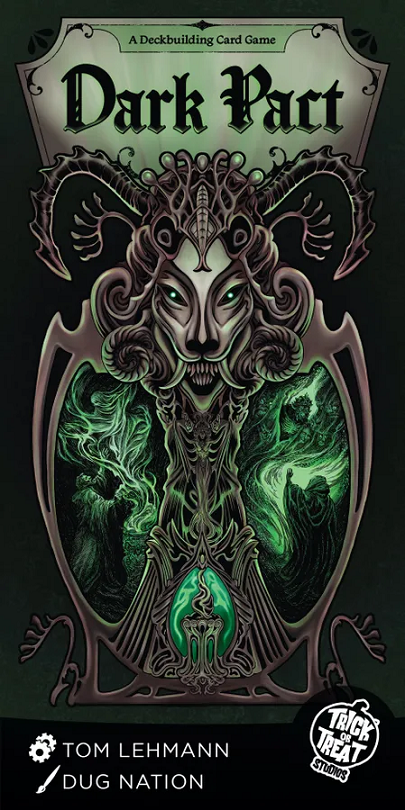
Tom Lehmann is one of the sharpest card game designers in the biz. Responsible for highly regarded engine builders such as Race for the Galaxy, Jump Drive, and Res Arcana, he has branched off to ply his trade in the somewhat creaky deckbuilding realm. The result is a mashup of traditional aspects riffing on Dominion…
For the last few years, I’ve been buying bar soap from a friend who makes custom soap as a hobby in the greater St. Louis area (Nerdy Bird Nest). In early 2025, after buying my latest batch, I had a wacky idea: What if we worked with Jenna to make soap that smelled like the themes for several of our games?
We already find a variety of ways to make game nights more immersive (thematic music, food, drinks, etc)–why not add to the immersion with soap that reminds us of the gritty landscape of Scythe or the vineyards of Bordeaux?
It seemed like a great fit for our series of silly-but-real April Fools products, and Jenna agreed…but she said it was already too late to have the soap ready in time for April 1, 2025. So we decided to plan ahead for 2026.
The extra time was a big help, as it gave Jenna time to experiment with different ingredients, fragrances, and colors. After a few months, she shared with me a total of 6 different bars that smelled and looked like Euphoria, Scythe, Finspan, Viticulture, Apiary, and Wingspan:
Making soap is just a hobby for Jenna, so I asked her for full honesty in regards to how many bars of soap she could comfortably make over the next few months and still have fun with the process. She said would be comfortable making 100 of each bar, which is far more than she’s ever made of even a single type of soap in the past.
So while Jenna made the soap (a process that is just as much about waiting for the soap to set as it is about mixing the ingredients), I collaborated with our graphic designer to design two sets of boxes. We decided to sell the soap in sets of 3 so we could reach more people (200 people instead of 100).
I looked into box manufacturers in the US, but I found the same thing I’ve found with various US manufacturers: Less customization, less personal, limited communication, odd scaling, and higher costs. In contrast, Panda made the process incredibly easy. They quickly printed the boxes and sent them to us, and I handed them off to Jenna at our monthly cookbook club.
I also looked into the possibility of shipping the soap from the US over to our fulfillment centers in Canada, Europe, and Australia. There were several key problems with that idea, though: The shipping would have significantly increased the price of the soap, it would have spread such a small quantity even thinner, and most importantly, each region has its own regulations and certifications for beauty products that added risk and expense. So I made the call to only offer the soap on our US webstore.
Real April Fools products are always a bit odd, as people generally assume they’re not real. However, enough people clicked through to our webstore on April 1 that the soap sold out in just over 10 minutes.
I genuinely never want to have such a limited stock of anything, but I think people understood that there was an individual human behind the creation of these soaps–Jenna is just one person, not a factory, and there truly was a limit to how many bars she could make. However, Jenna can make more, and if/when she does, she’ll share them on her Etsy store.
If you were among the 200 people who bought the soap on April 1, I look forward to hearing your thoughts upon receipt. For everyone else, what game world would you like to see as soap?

 Anmelden