Bryan Caplan wrote an RPG one-shot called “Badger and Skinny Pete,” based on the characters from Breaking Bad?! (Discovered in a profile of Dwarkesh Patel)
The Illuminati game in real life might be stranger than the game. Sure, the CIA controls the Orbital Mind Control Lasers, but you’ll be surprised who runs the Weather Satellites! Do Fungi control the weather?1
I played HF4A solitaire and wrote a summary on BGG. (Part 1, Part 2)
I had noticed a bunch of AI videos on Youtube (I no longer trust new channels) but it’s even hit Sumo. Spiffy calls them out. But if people think there is money to be made creating slop in such a niche product, I assume that’s another marker as to how cheap video creation (etc) has become. Incidentally, I remember that Neal Stephenson predicted that the internet would be overrun with slop in Anathem, and Fall, or Dodge in Hell2.
Part 2 — Bolt CEO fires entire HR team for “creating problems that didn’t exist.” (There was one company I worked for that I considered quitting on day one, the HR dept was so messed up …. I was still considering it when the founders fired the head of HR and read the rest of them the riot act3).
A Peter Watts talk from 8 years ago …. the part from 15:00ish to 24:00 ish where he talks about writing Blindsight were of particular interest if you’ve read the book (but all of it was of interest to me).
In Anathem, the IT specialists assign all data a reliability/reputation score because 99% is slop; in the latter one character builds a slop auto-generator for slander and unleashes it, specifically to force people to stop trusting anything they read. ︎
I still quit soon after that, but that probably delayed it by at least … a week. The entire engineering department was cheered up by the news. ︎
A silver stake? A crucifix? What, did you think we haven’t tried everything before?
Another big unboxing! Peter checks out everything for Grimcoven, the new boss battler from Awaken Realms!
Before I say anything more, yes, someone did point out to me I pronounced ‘Grimcoven’ incorrectly throughout this entire video, and I’m deeply ashamed about it. We all make mistakes! But anyway, there’s a lot of exciting stuff to check out here, in my first video about this challenging new game from Awaken.
Grimcoven is a gorgeous looking game with enough boss battling goodness to last you many years, so let‘s get into it!
Making high quality tabletop gaming content at the EOG takes time and money. Please consider becoming a Patreon supporter or making a donation so I can continue this work! Thankyou!
My Fifty by Fifty finished a few years ago (four years late). But time marches on. So … Fifty-One. Dice Realms recently got its 25th play and picked up a few more last night, which was nice. (I honestly thought it would make the list years ago, but I’m much more of a proponent that most of the locals).
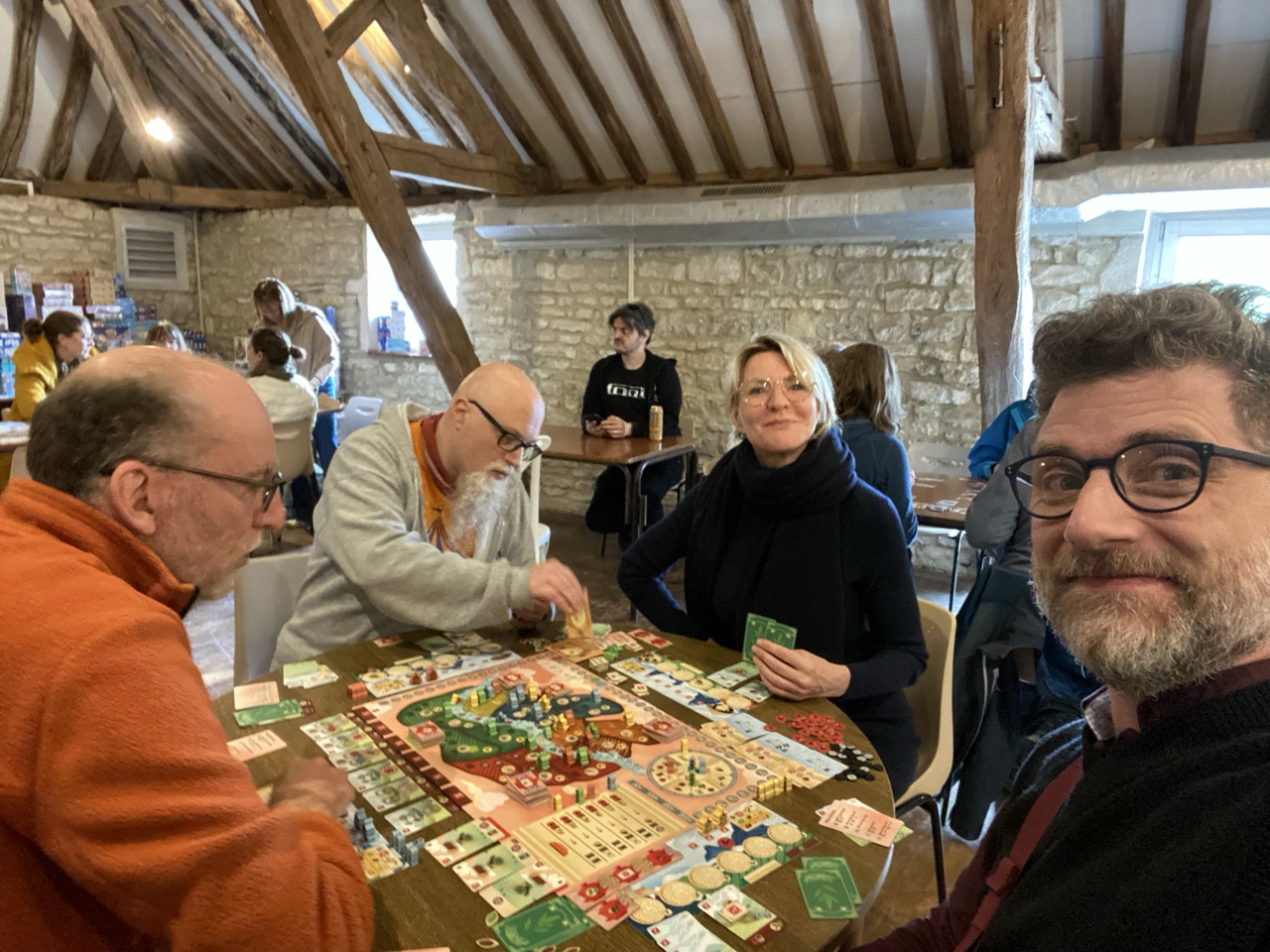
Also, the local group has switched FLGS to one of the more modern ones that has a liquor license and a kitchen. I haven’t gone much this year, but last night had a large crowd of several different groups, including quite a few couples and one adorable baby. It speaks quite well of the hobby to see such a broad cross-section of people. Now the store just needs to sell a few more copies of High Frontier 4 All (which it does have stocked!) so I can get more opponents, because that’s going to be a hard game to get fifty plays in.
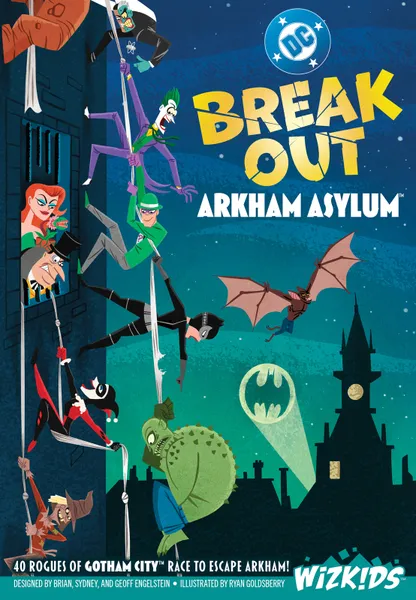
Geoff Engelstein was influential in bringing Takashi Ishida’s Magical Athlete to the United States in 2003. It’s unsurprising that Geoff, alongside his children Brian and Sydney, have tapped into the spirit of that phenomenal race game, pairing its traditional roll and move structure with several new flourishes. In fact, there is so much of that…
Designers don't like it when players criticise their board game, and the response often is that the game was intentionally designed that way. Players complain that a strategy feels unfair, a mechanism is frustrating, or a game simply isn't very clear. Designers reply that that just misses the point. Similar disagreements exist in films, novels, and art, yet board games seem to have them more often, and they are often more personal. Part of the reason may be that board games are not passive experiences. Players are not simply watching events unfold, but instead are interpreting rules and shaping the experience themselves every time the game hits the table.
Don your black leather and grab your Grimcoven rules and reference!
Awaken Realms are now a decade old as of this writing, and their astonishing success and huge creative output has not only made them one of the best publishers in the business, but the flag bearers for huge, over-the-top productions absolutely drenched in theme and atmosphere. A gaming style I’ve had a soft spot for since I bought my first big box Games Workshop games back in the late 80s.
Grimcoven continues the tradition of wonderful excess, but there are some interesting things here that break the mould a little and tell us that the company isn’t just resting on its laurels. First, it’s a boss battler in which you play one-off games – no overarching campaign here (though you can add a little bit of character development with the Personal Stories expansion). Next, there’s something about this game system that, as I was playing, made me think of that much-used word ‘elegant’ – and I can assure you that’s not a word I use often when it comes to Awaken Realms. Unlike their usual style of dense, many-step phases that you can never remember without a reference sheet close to hand, Grimcoven actually flows smoothly and cleverly from step to step (and where it does get a bit complicated, nice little standees remind you of the sequence of steps).
I’m very happy to see Awaken step back from the long campaigns which demand a commitment of months (and often seem end up in solo play mode as a result), and move more into one-off games and more manageable campaign structures (see Lands of Evershade). Not all of us want to leave a game set up for months, or wish to devote that much extended gaming time to a single game.
Grimcoven is packed with content – there are 6 unique hunters, and each of the 6 ‘big bad’ Griefbounds have 5 scenarios of increasing difficulty (plus combinations of elite enemies and minions), plus expansions give you 2 more hunters and 2 more Griefbounds. Then, if the hunters get corrupted enough, they unlock ‘Pretenders’ – semi-Griefbounds that you can also hunt. The game plays out on modular hexagonal tiles with various terrain setups, and special cards give the terrain even more personality. The dice allocation system that powers the hunters’ actions is nothing revolutionary, but it works smoothly and efficiently here, without all the dice modifier jiggery-pokery that slowed down ISS Vanguard.
And you want the system to be smooth, because this game does not go easy on you, and you have to fully concentrate on your tactics to beat your Griefbound of choice. The game demands careful cooperation between players for success, so this is one of the most engaging cooperative combat experiences I’ve had. Also, as your hunters collect lament (the power currency of the game), you can customise your suite of abilities and gain more dice as you simultaneously become more corrupted, which gives the game a lot of forward momentum. While the difficulty can be frustrating at times, there’s a great sense of wanting to come back and try again if you lose, and there are enough interesting choices to keep you planning what you’ll try next time.
I’m highly impressed by Grimcoven so far, but I have a few more games to play yet before my full review. In the meantime, download my rules & reference (also available on Tabletop Codex) and check out my full ‘boss pledge’ unboxing video, released tomorrow!
Repos Production has released a new dice-based game, the nominees for this year's Spiel des Jahres have been announced, and Space Cowboys has released First Giants.
My favorite way to market our products is to facilitate and encourage them to get to the table more often. Your table, my table, the tables of reviewers, ambassadors, etc–any table will do. The more our products get to the table, the more they’re exposed to people, and hopefully the more fun people can have with them.
One of my favorite ways to accomplish this goal is through play-and-win donations for game conventions and 100+ person gaming events.
Play-and-win is a convention concept where people can check out a game, play it, and then enter their name in a lottery to win that specific game at the end of the convention. If I donate a play-and-win game to a convention, it can be experienced by dozens and dozens of people in a short amount of time. Only one of those people will win it, so if other people liked the game, they’re now informed in their decision to purchase it later.
The play-and-win room at the recent Geekway to the West convention was a bustle of activity right until the end of the convention. Geekway solicited and invested in over 140 different play-and-win titles, each with multiple copies. In total, these games had nearly 15,000 reported plays over the course of 4 days.
Geekway does play-and-win exceptionally well, but they aren’t alone. There are over 250 conventions listed on the 2026 tab of the play-and-win Google Sheet I maintain, so publishers have lots of options when choosing events to target. But which games should you send to these conventions?
Geekway play-and-win coordinator Jeff Hiatt was very kind to send me the data from the Geekway 2026 play-and-win, and he gave me permission to share and analyze it. The sheet is here. I’ll focus on the first four columns, but you’re welcome to contribute your thoughts to any data in the comments.
I’ve highlighted the most-played games in blue (1-30), the highest “desire to win ratio” in yellow, and the crossovers in green.
Number of Plays
The top 5 games that were played the most were Hot Streak, Magical Athlete, Bomb Busters, Moon Colony Bloodbath, and Hummingbirds. All of the games in the top 10 were released in the last year.
For this and the other categories I’ll discuss, I’m hesitant to draw blanket conclusions or stretch to find commonalities among the top 5. For example, there are 2 racing games here, but not every racing game will garner 250+ plays at a convention.
Average Player Count
Around half of the games with the highest average player count are among those that reported high numbers of plays: Hot Streak, Magical Athlete, French Toast, Bomb Busters, Trinket Trove, and Spooktacular.
However, sorting the data this way doesn’t seem to indicate that higher player counts equate to more convention plays. I think player count flexibility is more indicative of a game’s popularity at an event like Geekway–if you grab a game off the shelf, it’s nice if you can just play it with one other person or if you can invite a few others to join too.
Desire to Win
I calculated this by dividing the number of player who wanted to win a game by the total number of plays, indicating that people had a great time with the game. The top 5 were Hot Streak, Magical Athlete, Pinched, 12 Rivers, and Spooktacular. Some games with fewer plays but a high level of desirability were Sprocketforge, Mission: Red Planet, Rebirth, and Pergola.
The main pattern I see here is great table presence, whether it’s component hooks like in 12 Rivers or Sprocketforge or eye-catching art.
Rating Delta
This is perhaps my favorite data point. Which games rate significantly higher at a convention than their BoardGameGeek rating suggests? I think this is so important to pay attention to, as the top-rated games BGG would lead us to believe that people value heavy, complex, long games over everything else. But a vast variety of games bring joy to tabletops, including lighter games.
The top 5 rating delta games were French Toast, Purrramid, Tembo, Australis, and Catan.
Granted, the boisterous environment of a convention is atypical for gaming. Some games shine at events and may not have the same luster when it’s just you and a few friends at home. Also, you might take a look at the games that actually left a worse impression at Geekway than their BGG rating would indicate. Those are the types of games a publisher might avoid contributing to play-and-win (I mostly see longer, heavier games here).
Anecdotal Analysis and Conclusions
Here I’ll look at the games with the both the most plays AND the highest desire to win ratio:
Hot Streak
Magical Athlete
Bomb Busters
Moon Colony Bloodbath
Trinket Trove
Formaggio
Fate of the Fellowship
12 Rivers
Spooktacular
French Toast
Sanctuary
ease of learning: Most of these games skew towards easy to learn and teach.
game length: Most of these games are played in under an hour.
game weight: Most of these games are on the lighter side.
price: Most of these games are less than $50.
Overall, the types of games I see exceling in play-and-win are those released in the last year, have player count flexibility, feature great table presence, and are on the lighter side.
Despite those patterns, I still think it’s completely fine to send a variety of games to play-and-win conventions. Take a look at the Google Sheet and you’ll see games of all shapes, sizes, weights, prices, player counts, etc. I think this speaks to the diversity of gamers at events like Geekway.
What did you learn from this data? Are there certain types of games you seek out at conventions?
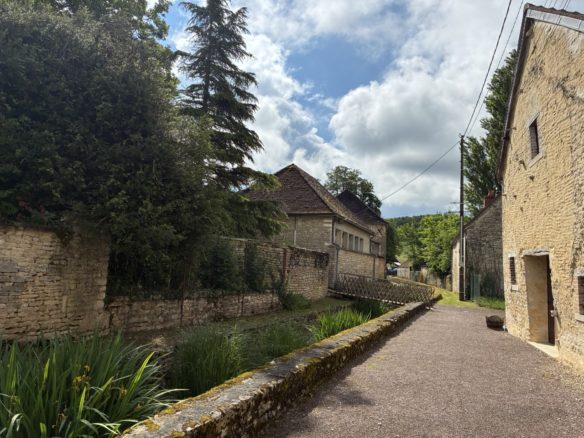
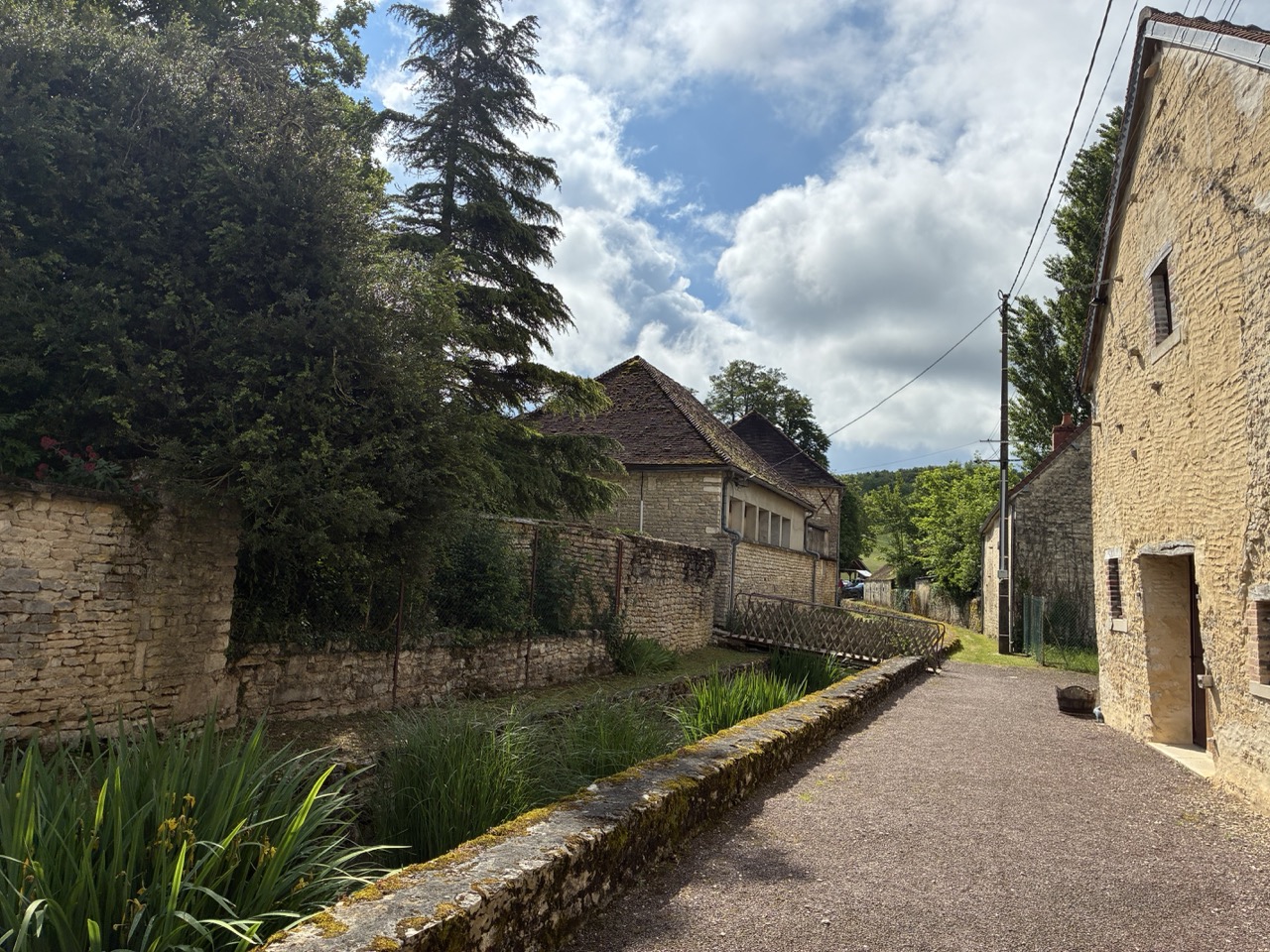
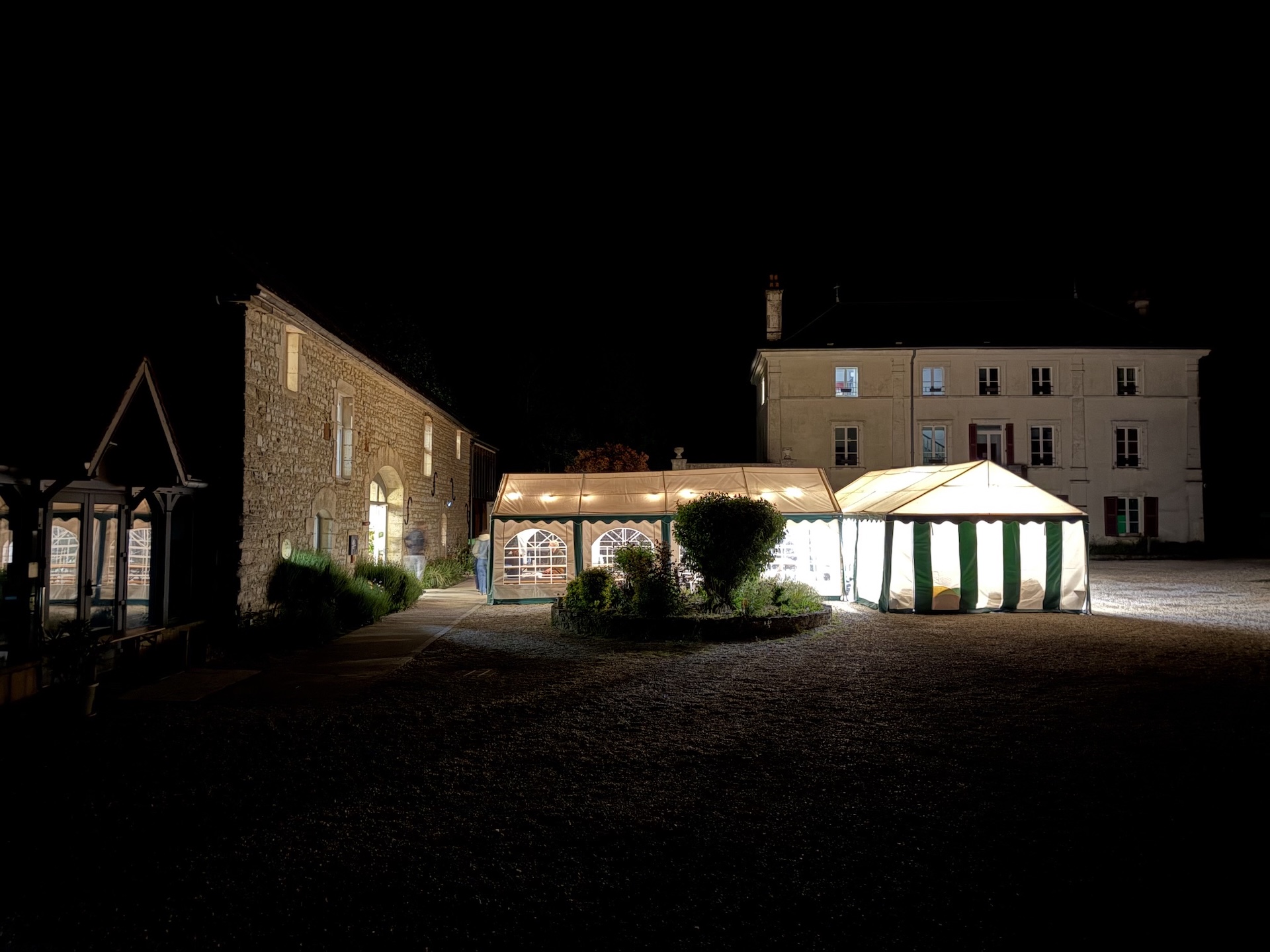
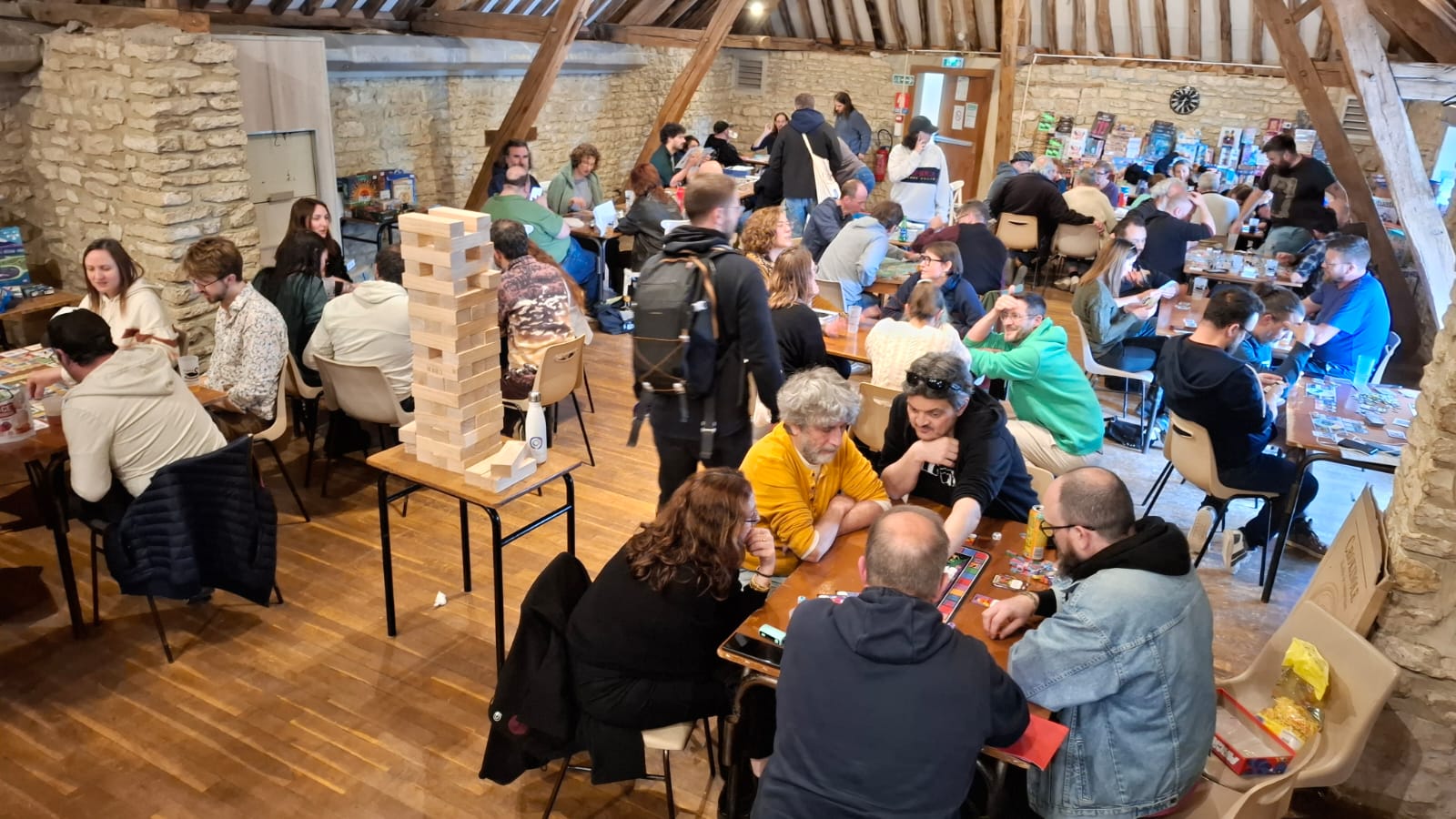
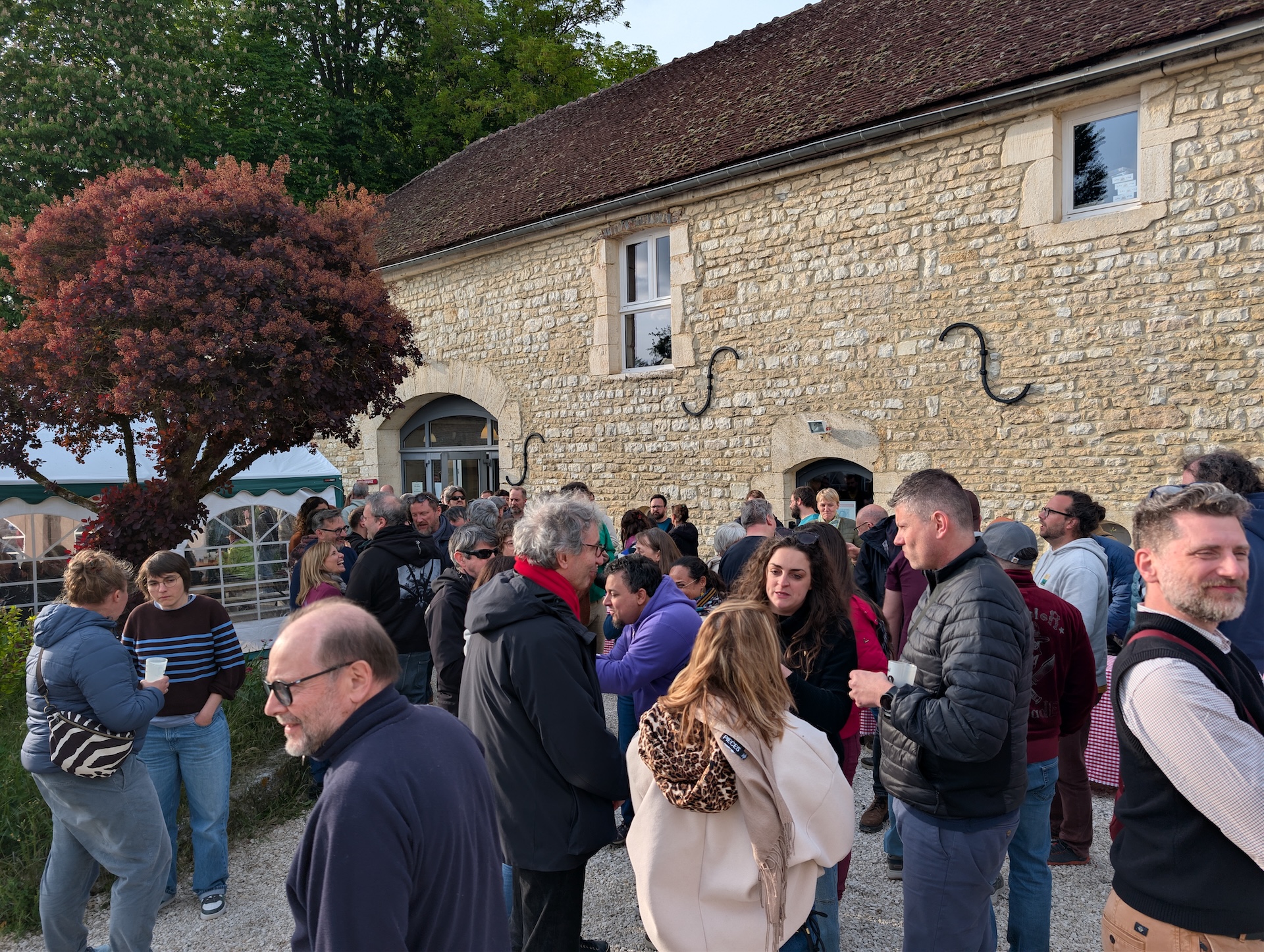
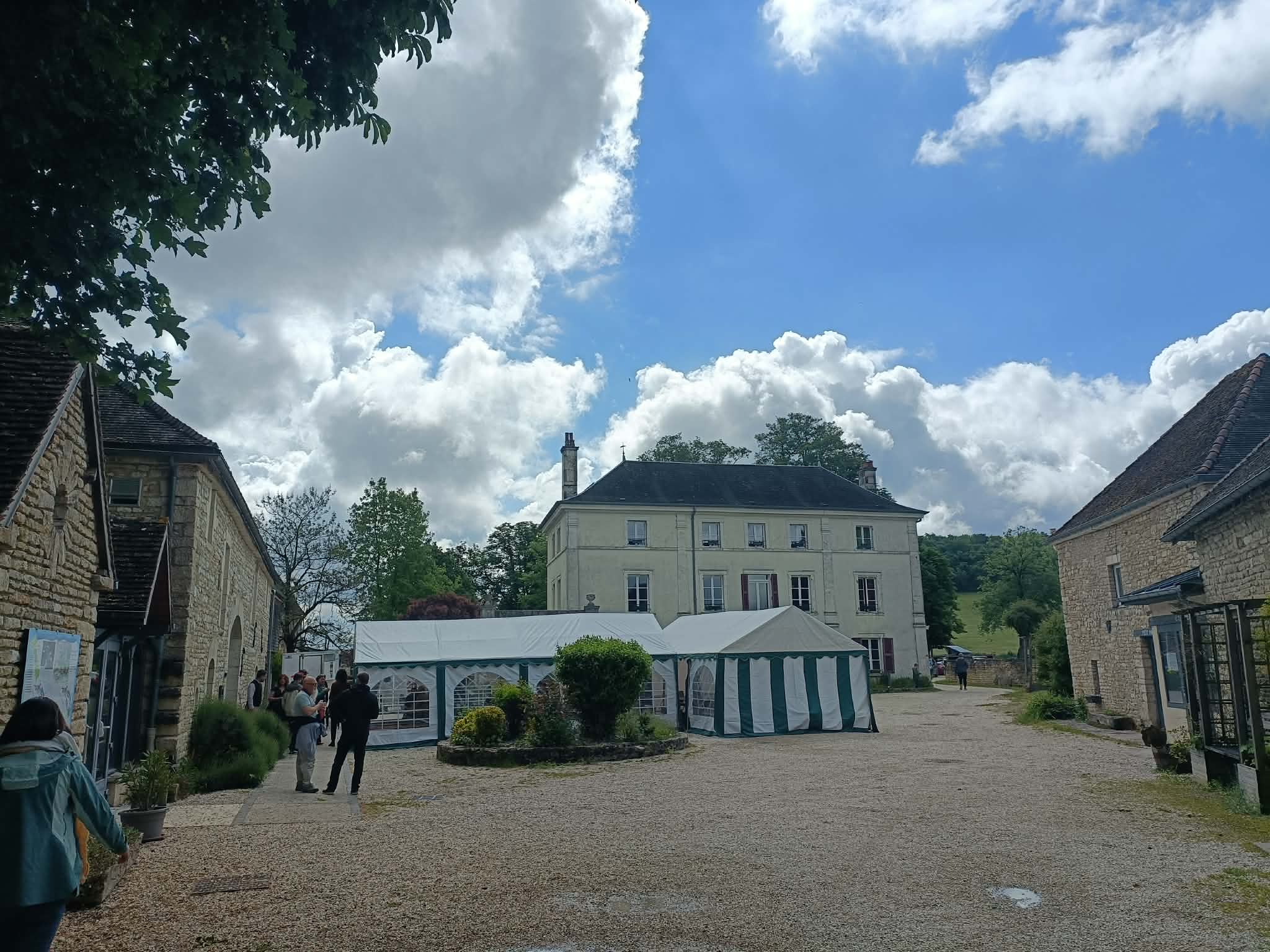
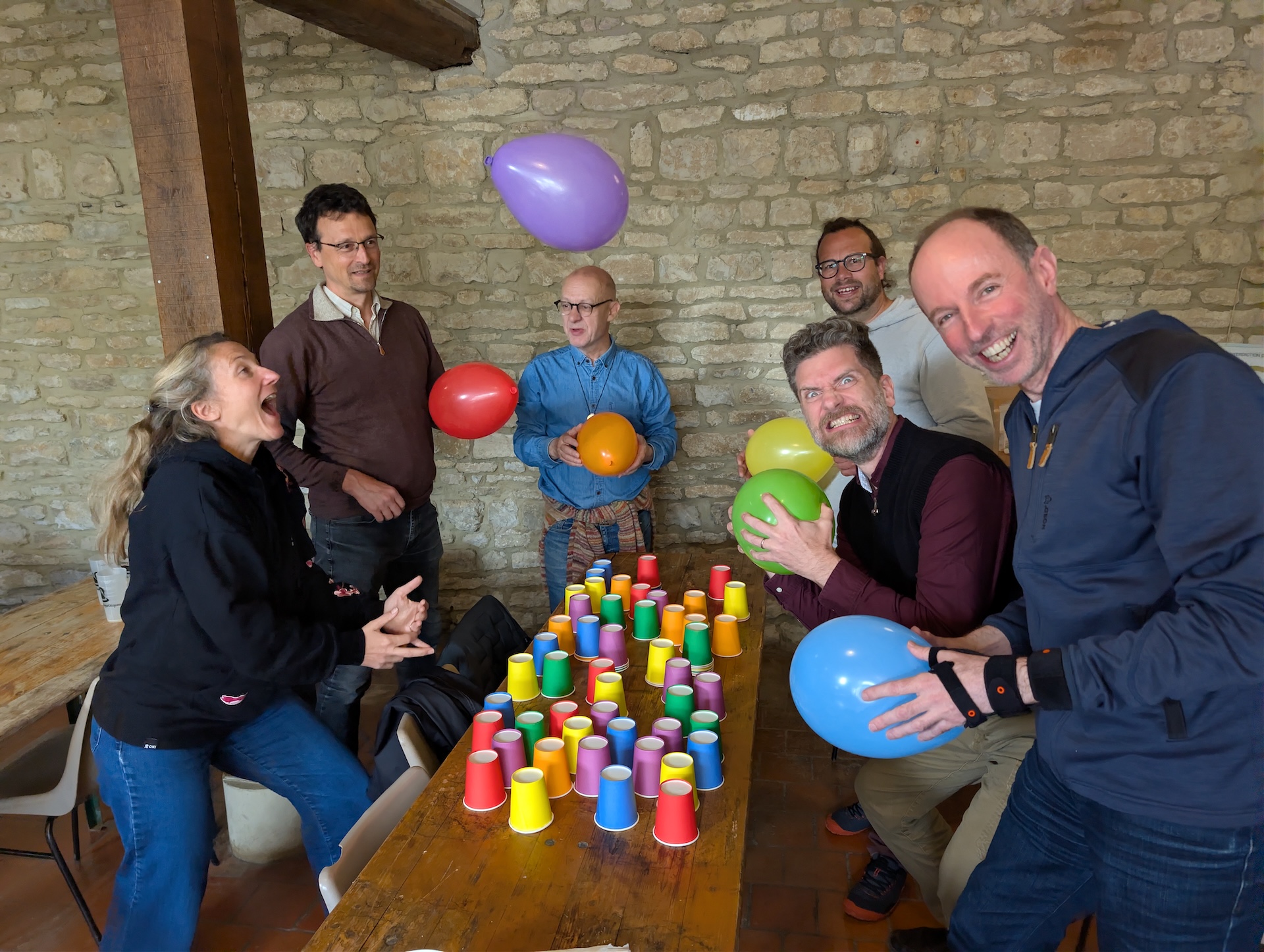
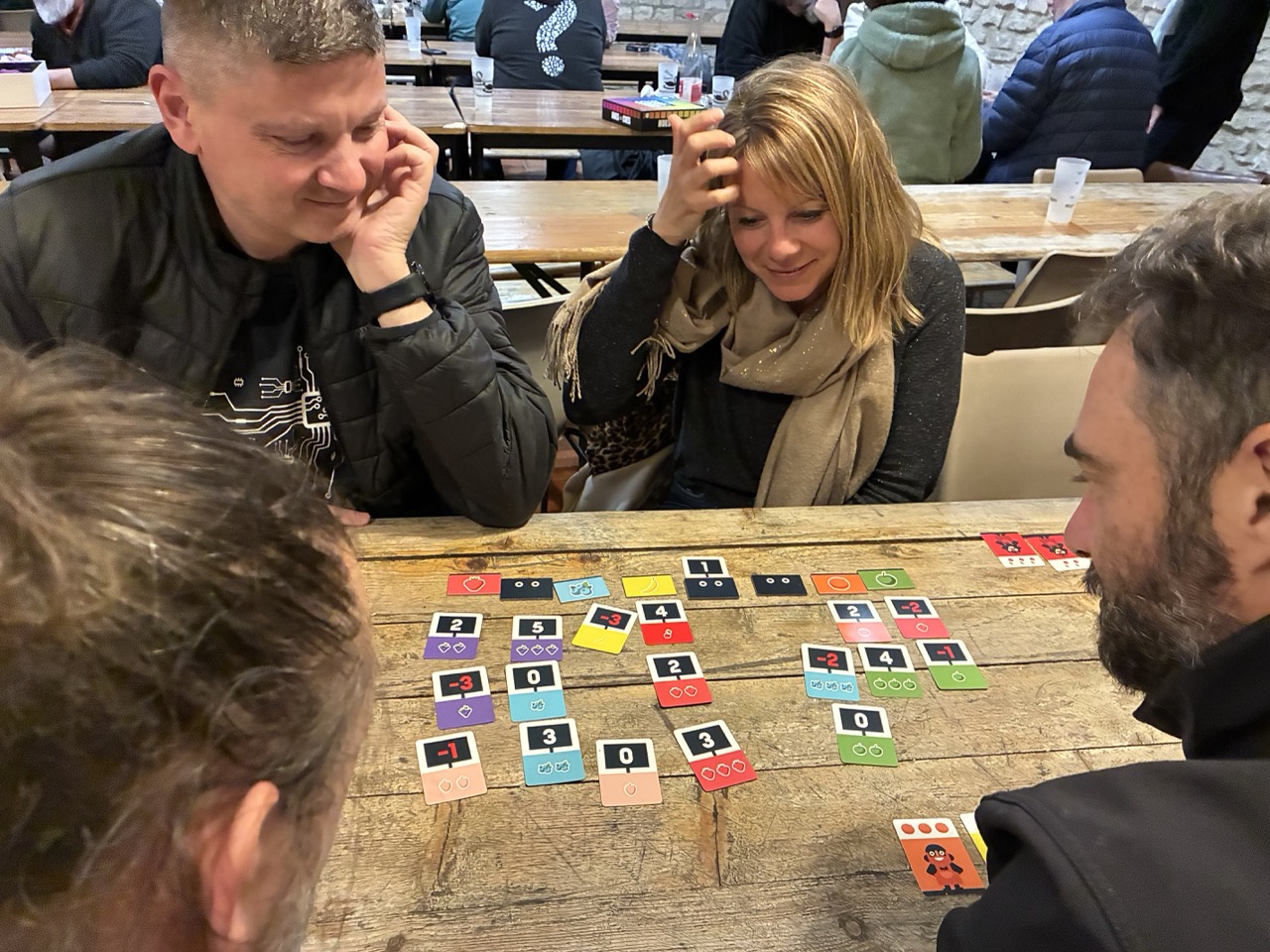
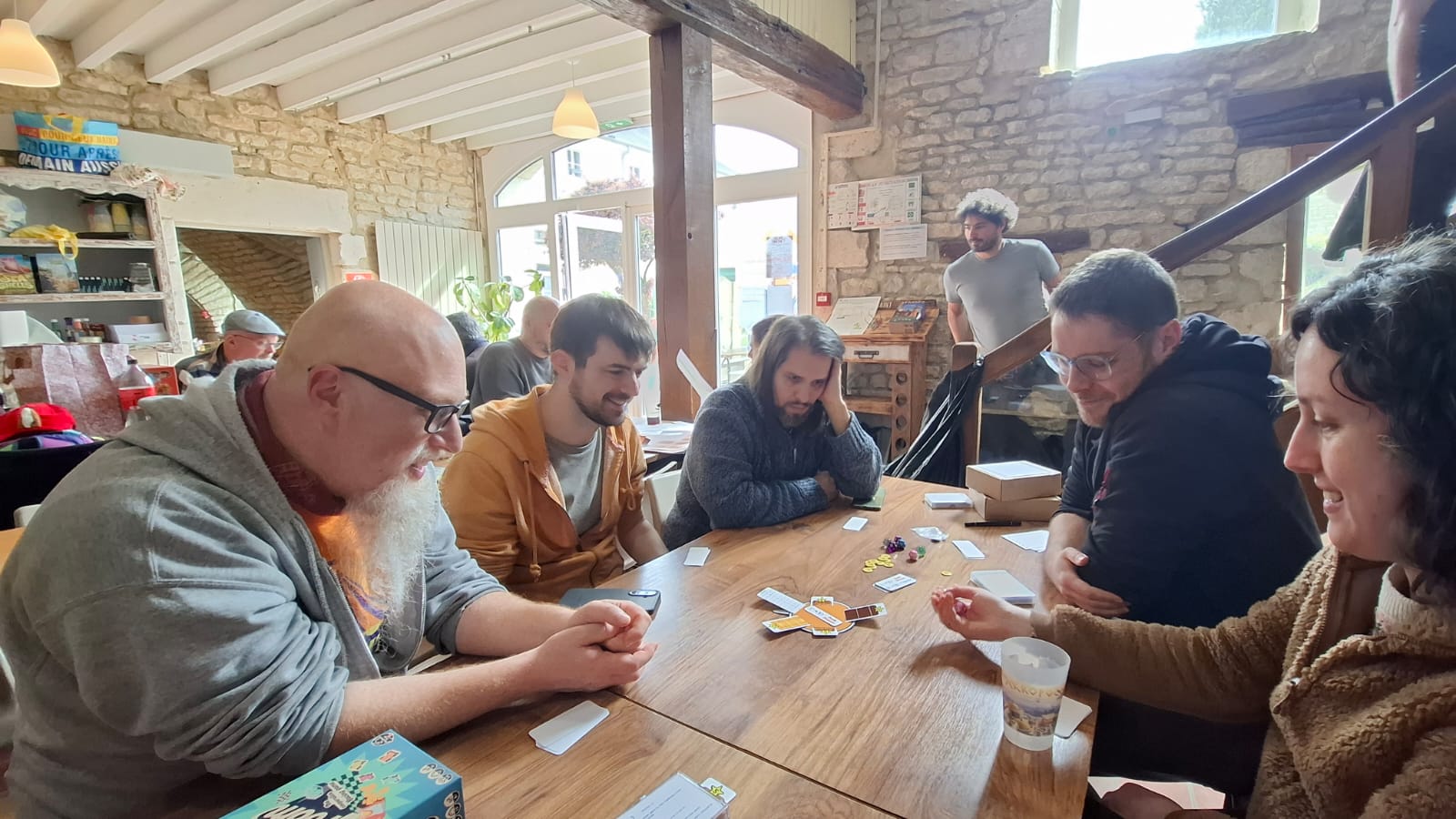
Et voilà, je suis rentré d’Etourvy, le petit village où j’organise, depuis une trentaine d’années, les rencontres ludopathiques. Ce qui avait débuté comme un petit week-end entre amis, avec la petite équipe de Ludodélire et mes potes de GNs, est devenu un événement international certes amical et de taille modeste, mais relativement important dans le petit monde du jeu de société. Nous étions près de 200 cette année parmi lesquels, je crois, deux personnes qui étaient là lors de la toute première édition, en 1994 – Hervé et Droopy.
200 participants environ, une cinquantaine de plus que l’an dernier, essentiellement parce que la date était plus pratique, un week-end qui ne coïncidait ni avec UKGE, ni avec le Tokyo Game Market, pour lequel certains s’envolaient dès le lendemain. Le pont de l’Ascension permettait aussi aux français de venir en famille. J’ai eu grand plaisir à revoir des habitués qui n’étaient pas venus depuis plusieurs années, Agathe, Anja, Sergio. Je ne suis pas fan du formalisme des quotas mais j’essaie toujours d’avoir un public varié, et je pense y être assez bien parvenu cette année, avec pas mal de femmes, pas mal d’enfants, et des joueurs venus d’un peu partout, d’Allemagne, d’Italie, du Brésil, des Etats-Unis, du Canada et même de Hong Kong. Bon, il y a une quinzaine d’années, on a eu une joueuse qui venait d’Antarctique, je ne ferai jamais mieux – et je serais curieux de savoir ce qu’elle est devenue, si par hasard elle lit ce billet. 200 participants, c’est aussi le maximum que peuvent supporter les locaux et les équipements du domaine Saint-Georges. Les rencontres ludopathiques ne grossiront plus et si, l’an prochain, je veux faire venir quelques nouveaux participants, il faudra que quelques-uns de ceux qui étaient là cette année renoncent à revenir.
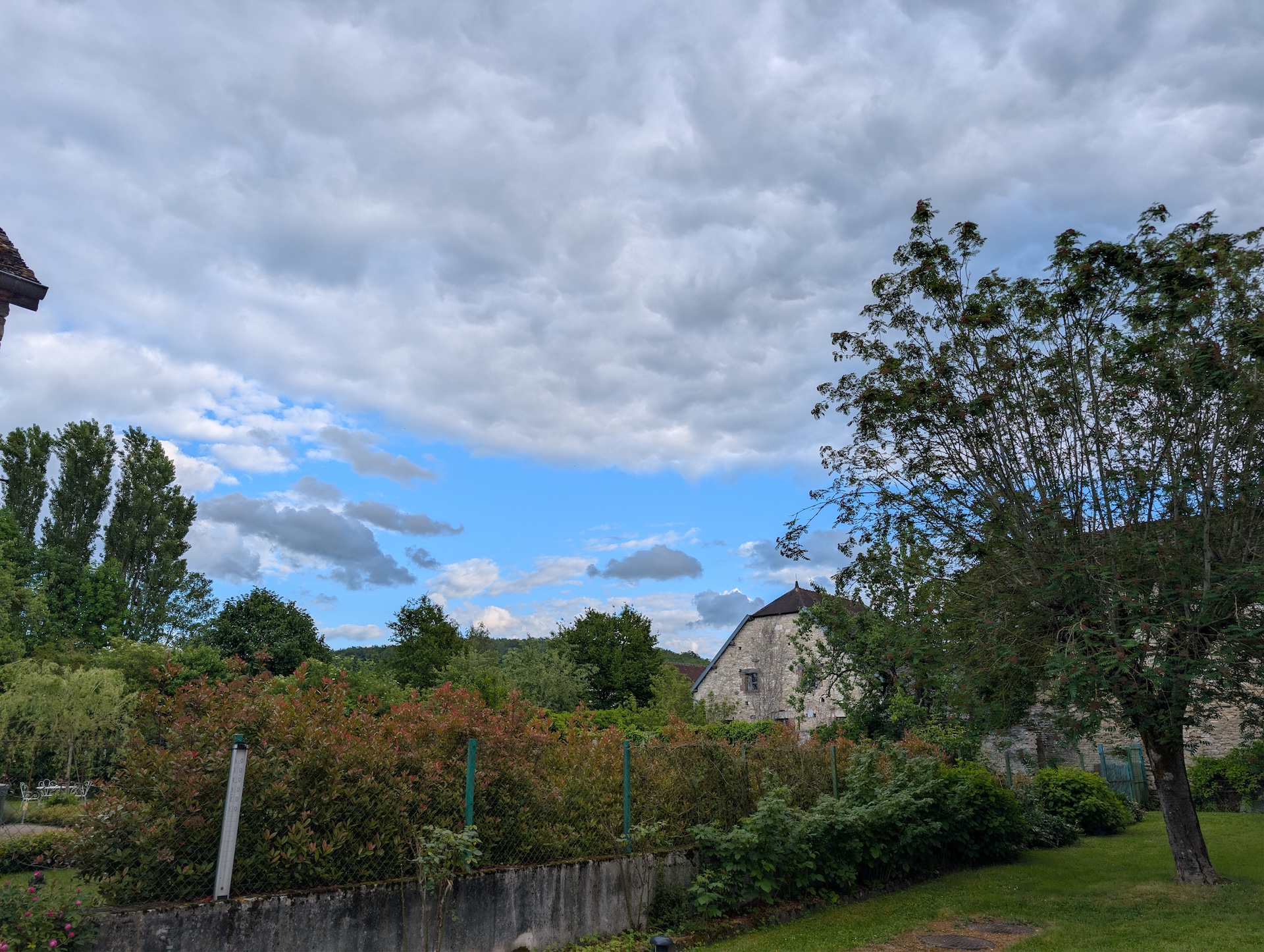
Durant les quinze jours qui ont précédé ce long week-end de jeu, la météo a pas mal joué avec mes nerfs, les prévisions changeant du tout au tout plusieurs fois par jour. Finalement, ce n’était pas terrible, avec des giboulées et même un impressionnant orage de grêle le jeudi, mais cela aurait pu être pire, et l’on a eu quand même quelques chouettes moments ensoleillés. Une averse totalement inattendue le samedi, alors même, que j’avais installé la table des prix offerts par les éditeurs dans le pré attenant à la grange où nous jouons, fait que la distribution des prix s’est déroulée dans un certain chaos.
Après plus de trente ans, la machine des ludopathiques est bien rodée. Une petite équipe m’aide à gérer tout cela, Camille, Ghislain, Didier, Hervé et, cette année, Éric qui s’est joint à nous en arrivant dès le lundi. C’est largement grâce à eux que j’ai pu trouver un peu plus de temps pour présenter mes prototypes aux éditeurs présents, même si j’ai complètement oublié ce que j’ai laissé ou promis à qui, merci de m’envoyer un mail pour me le rappeler…
La météo capricieuse a limité les activités extérieures, mais nous avons quand même pu faire un brouhaha, dont j’ai curieusement peu de photos, et quelques courageux sont allé marcher, voire courir, vendredi et samedi matin. J’avais prévu un Turtle Wushu géant, mais j’ai bêtement oublié et ne l’ai réalisé qu’en partant, en retrouvant les grenouilles qui me servent de tortues… ce sera pour l’année prochaine. La nouvelle salle de la meunerie, un peu à l’écart, a permis de faire quelques activités ludiques dans un certain calme, des parties de jeux de rôles, le traditionnel tournoi de poker, et un jeu de guerre napoléonien fantastique organisé par le Dylan canadien. C’est dans un coin encore plus cosy et discret que s’est déroulée la murder-party Woodstock, dont j’espère que quelqu’un a pris des photos parce que je n’en ai aucune ! Le vainqueur du Super Cats géant organisé par Théo a été Cathy, avec 12, le chiffre le plus petit à n’avoir été chois qu’une fois par les participants. Marc avait organisé un étonnant concours de lecture sur des nouvelles ludiques écrites par Viencent Everaert. Le tournoi de poker menteur a été remporté par Maud, celui de poker tout à fait classique par Cyrille (y aurait-il un pattern ?), celui de pétanque par Droopy et Hervé.
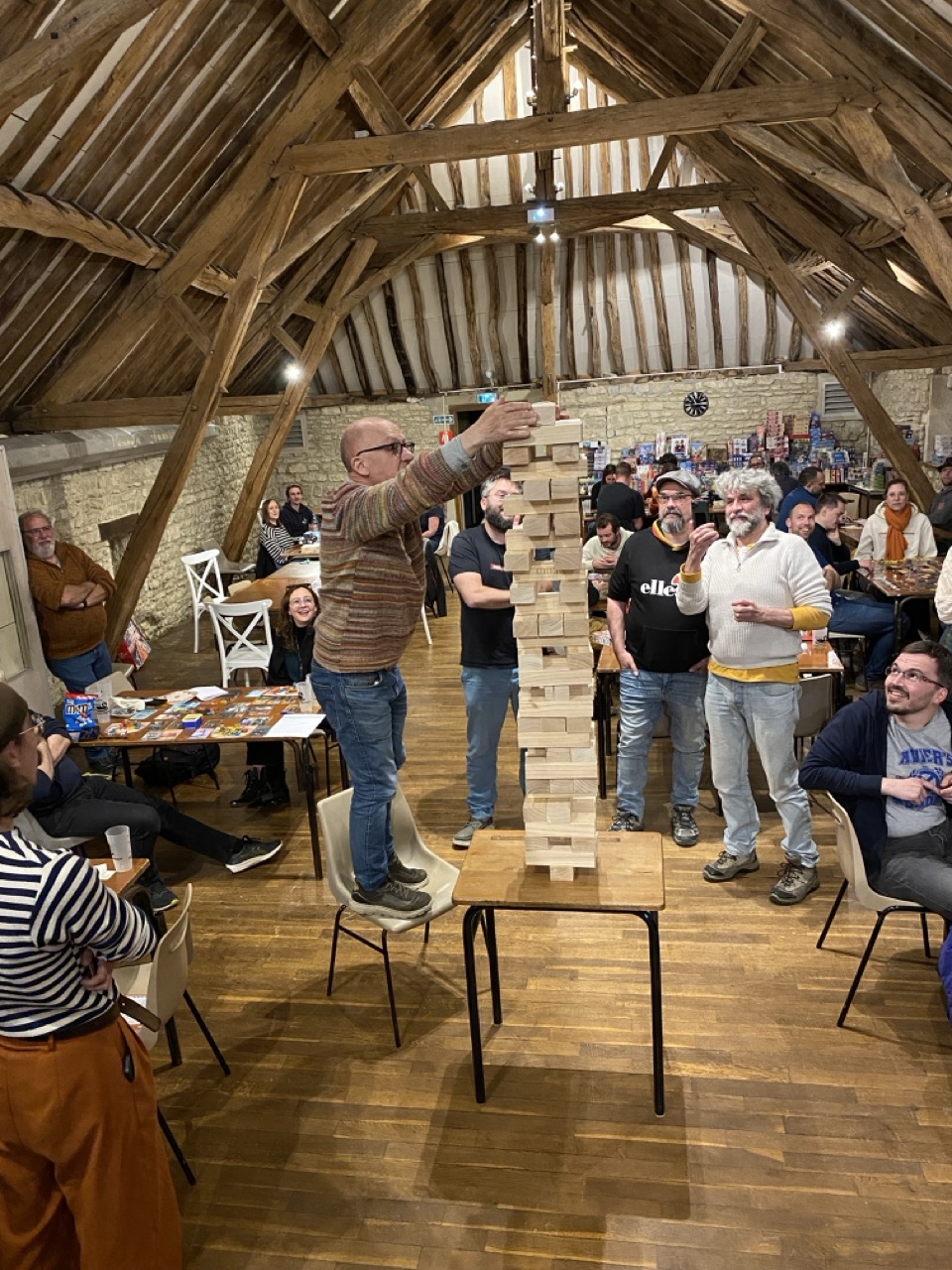
La collection de gros jeux en bois que je laisse sur place d’une année sur l’autre s’est enrichie cette année d’un jenga géant, et passablement bruyant quand il s’effondre, qui a eu un certain succès. Il sera encore là l’an prochain mais s’il fait beau on le mettra dehors pour éviter de faire trop trembler les tables de jeu.
L’un des jeux les plus joués aura certainement été mon Fruit Cocktail, mais j’avais triché puisque j’en avais offert une boîte à chacun des participants. J’ai aussi présenté Seashells, dont l’éditeur, KTBG, avait envoyé mes exemplaires d’auteur directement à Etourvy, et deux boites en avant-première de Citadels Duel, dont les deux auteurs, Manu et Guillaume, étaient présents – au fait, si vous avez apprécié l’un de ces trois jeux, allez mettre une note et un commentaire sur le boardgamegeek, merci !
Sinon, parmi les jeux qui m’ont semblé les plus joués, j’ai notamment remarqué quelques nouveautés comme Trinket Trove, Magical Athlete, Hot Streak, Got Five, FlipToons, Paon, Moon Colony Bloodbath, Dnup, Excalibur, Misfit Heroes, Amarok, Vroom, Symbiose ou Whirly Derby mais aussi quelques jeux qui étaient déjà là l’an dernier comme Botswana, Things in Rings, Dude, Long Shot, Flip 7, Come Sail Away, Tea Garden, Rebirth ou Krazy Wordz. Plusieurs éditeurs faisaient tourner des prototypes ou des avant-premières de jeux destinés à sortir bientôt. Parmi ceux dont je pense avoir le droit de parler, The Happiest cat in the World, Rocket Rollout et Tea and Rum semblent avoir été les plus appréciés, tandis que Paon, Mon, San et Cat 40, de petits jeux de cartes, m’ont paru le plus dans mon style, même si je n’ai pas eu l’occasion d’y jouer. Le succès de jeux comme Magical Athlete, Hot Streak, Whirly Derby et Moon Colony Bloodbath, parmi les plus joués du week-end, est particulièrement notable. Ce sont d’excellents jeux, mais ce sont aussi des jeux édités avec humour, ce qui se faisait rare ces derniers temps, et j’espère que c’est une tendance qui va se confirmer. Je n’ai pas pu jouer à toutes ces nouveautés, loin de là, mais je prévois de me rattraper un peu cette semaine en passant trois jours au chalet d’Aline et Martin Vidberg – ils n’ont pas pu venir à Etourvy cette année, ce qui était bien dommage.
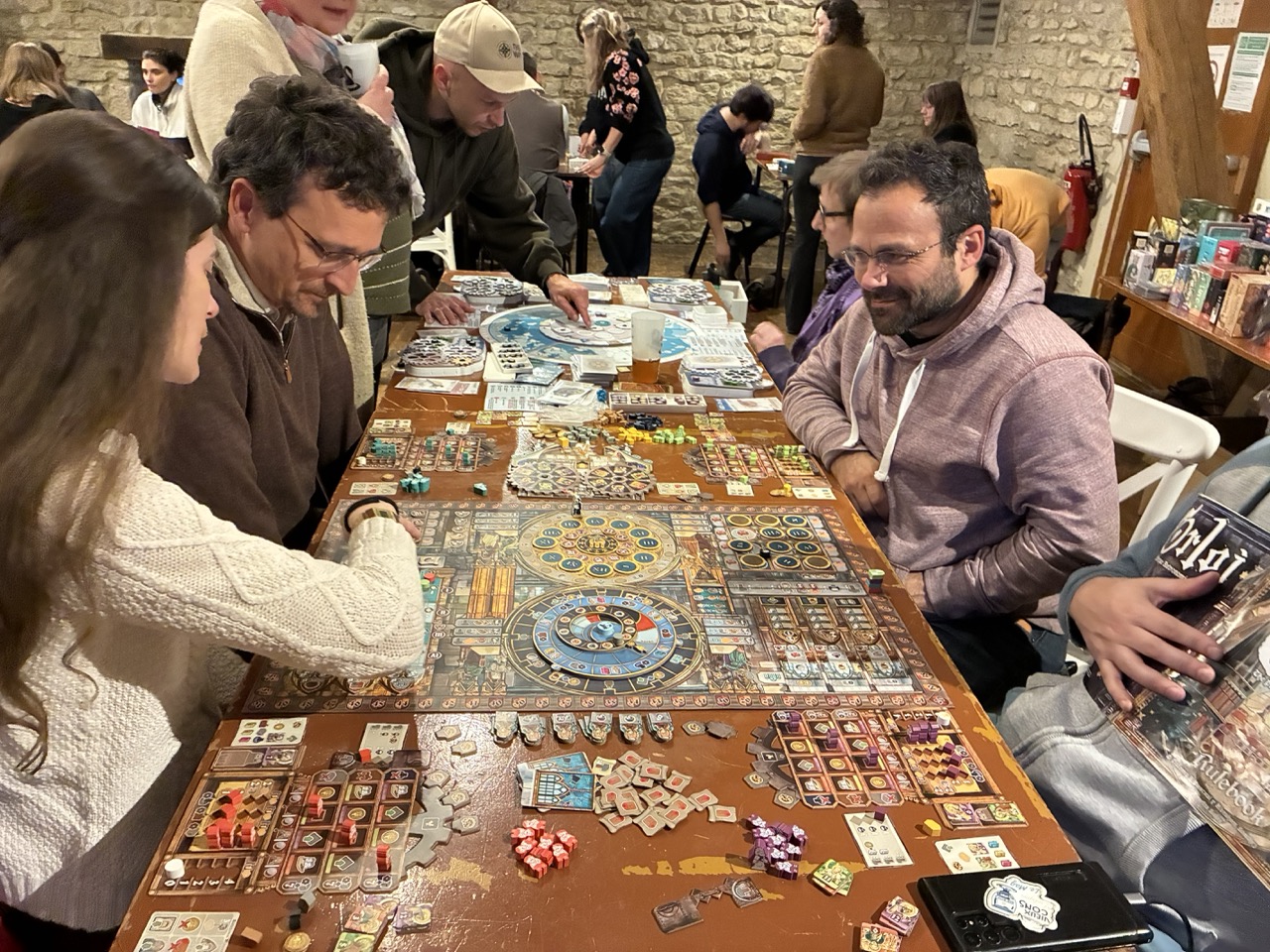
J’ai vu aussi pas mal de parties de The Gang, Duel for Cardia et Harmonies, mais il s’agissait le plus souvent d’auteurs ou d’éditeurs testant de futures ou possibles extensions. Avec une trentaine d’auteurs de jeux présents, et autant d’éditeurs, les prototypes étaient nombreux et pas toujours faciles à distinguer des jeux édités. Deux tendances m’ont frappé. Beaucoup de cartes ressemblant à des cartes à jouer classiques servaient de support à des variations plus ou moins sophistiquées sur les jeux de plis, sur le poker et, dans une moindre mesure, sur les jeux de défausse – j’en ai d’ailleurs un qui sort l’an prochain. J’ai aussi été frappé par le nombre de tables occupées par d’énormes plateaux de jeu rectangulaires où l’on place des ouvriers de toutes formes, tailles et couleurs sur des cellules de tableau excel, qu’il s’agisse de prototypes ou de jeux publiés – Kikai, Tea and Rum, Arctica et plein d’autres que je ne connais pas ; c’est un genre que je pensais, sans doute à tort, sur le déclin. L’un des prototypes les plus joués, et certainement le plus mystérieux, était cependant le jeu narratif de Manu et Guillaume avec son grand plateau blanc. Entre les petits jeux de cartes et les gros jeux de gestion ou d’aventure, on pouvait parfois avoir l’impression que les jeux poids moyen, ceux ont quatre pages de règles et se jouent en un peu plus d’une demi-heure, avaient disparus. Qu’ils soient petits ou gros, les jeux strictement pour deux joueurs m’on paru absents des nouveautés, mais c’est paut-être parce que nous étions nombreux et cherchions à jouer en grands groupes.
En rentrant d’Etourvy, j’ai découvert la sélection 2026 du Spiel des Jahres allemand, qui reste le prix le plus renommé et le plus influent. Parmi les neuf jeux sélectionnés par le jury, je n’en ai vu que trois, Rebirth, Moon Colony Bloodbath et l’Île des Mookies, joués à Etourvy. Cela illustre bien la variété, mais aussi la qualité de l’offre ludique actuelle – il y a tellement de bons jeux que l’on ne peut, et c’est vrai aussi bien pour mes amis joueurs que pour le jury du Spiel, que passer à côté de beaucoup.
Si nous avons bien sûr passé le plus clair de notre temps à jouer, il est arrivé aussi que l’on cause un peu. Suite à l’un de mes posts sur Facebook la semaine précédente, il a pas mal été questions d’aphantasie, qui semble relativement répandue dans le monde du jeu. Nous avons un peu discuté des ambiguïtés politiques du milieu ludique, avec des créateurs et des équipes éditoriales plutôt de gauche et des investisseurs franchement de droite ; nous ne sommes pas les seuls, mais pour l’instant, cela se passe plutôt bien. On a parlé, comme l’an dernier, du poids croissant de l’Asie dans le marché et dans la création ludique ; certains pensent même que l’avenir du jeu de société était euro-asiatique, avec un marché américain condamner à se marginaliser, et plusieurs des hôtes d’Etourvy s’envolaient dès le lendemain pour le Tokyo Game Market. D’autres, ou les mêmes, se demandaient si le « jeu de plateau narratif », sorte d’hybride entre nouvelle, jeu de rôle et jeu de société classique, était là pour rester ou n’était qu’une mode passagère ; j’ai longtemps pensé que ce n’était qu’un discours, un concept un peu creux, mais j’avais visiblement tort. Je me suis fait un peu expliquer le monde, que je connaissais mal, des « influenceurs ludiques » entre lesquels la concurrence semble nettement moins bienveillante qu’entre auteurs ou éditeurs; cela m’a rappelé la formule de Kissinger sur les universitaires entre lesquels « la haine est d’autant plus féroce que les enjeux sont ridicules ». La place des intelligences artificielles, dont tout le monde parlait l’an dernier mais qui pour l’instant ont relativement peu affecté le monde du jeu, m’a semblé curieusement absente des discussions, peut-être parce que beaucoup de personnes, comme moi, changent d’opinion deux ou trois fois par jour sur ce sujet. Peut-être aussi suis-je passé à côté des conversations sur ce thème.
Et voilà, je pense que c’est tout, dites-moi si j’ai oublié des trucs, à l’année prochaine. J’espère que tout le monde est bien rentrés, et que ceux qui s’envolaient dès le lendemain pour Tokyo ont bien dormi dans l’avion.
Plusieurs raisons font que j’ai attendu plusieurs semaines avant de poster ce compte-rendu. Souhaitant l’illustrer de jolies photos, j’ai décidé d’attendre d’e recevoir’avoir reçu les portraits d’Antoine, sans doute le meilleur photographe parmi les participants, qu’il ne pouvait m’envoyer qu’après son retour du Tokyo Game Market. Une semaine après les ludopathiques, j’avais également prévu de passer quelques jours en Franche-Comté, dans le chalet d’Aline et Martin Vidberg, ce qui m’a d’ailleurs donné l’occasion de jouer à quelques uns des jeux que j’avais vu tournet à Etourvy sans trouver les temps de les essayer. J’ai particulièrement apprécié Minikin City et FlipToons, deux petits jeux de cartes dans l’esprit de Far Away ou de Château Combo, Fû Festive Fortunes, un jeu de bluff et de placement d’ouvriers sur le thème du nouvel an chinois, et French Toast, un party game pas vraiment nouveau mais à côté duquel j’étais passé, et que Pénélope avait pris à Etourvy sur la table des prix. Dans une semaine, je serai au petit salon des auteurs de jeux allemands à Göttingen, où je vais sans doute jouer à quelques autres.
Plus de photos après la version anglaise de ce compte-rendu. Attention, il en va des jeux comme des jeux, certains sont plus photogéniques que d’autres. Les jeux les plus présents sur les photos ne sont pas nécessairement ceux qui ont été le plus joués.
I’m back from Etourvy, the small French village where, for more or less thirty years, I hold my yearly personal game convention, the ludopathic gathering. What had started as a small gaming week-end with friends, mostly the Ludodelire team and my larp friends, has now become a small and friendly but nevertheless relatively important event in the small boardgaming world. We were almost 200 this year, including, I think, two attendess who are here since the very first edition, Hervé and Droopy.
200 attendees, almost 50 more than last year, mostly because the timing was better. It was before two other events which many planned to attend, the Tokyo Game Market, to which a few people were flying the next day, and UKGE. It was also a “long week end” for French schools, allowing older gamers to come with their kids. I’m wary of formal quotas, which usually backfire, but I always try to have a varied attendance, and I think I managed it well this year, with a good proportion of women, kids and people coming from all over the world – Germany, Italy, Brazil, USA, Canada, and even Hong Kong. OK, fifteen years ago we had a gamer come from Antarctica, it’s a unbeatable record – and btw, I’m curious to learn what became of her, if anyone knows or if she reads this post.200 attendees was also the maximum the main place, the Domaine Saint-Georges, can accomodate, and the Ludopathic Gathering will not grow bigger than this.
I spent the two weeks before this game prolonged week-end worrying about the weather forecast, which was changing completely every few hours. In the end, weather was mediocre, but it could have been worse. We had an impressive hailstorm on Tuesday, and an unexpected rain on Saturday just when I had prepared the prize table with all the games sent by the publishers in a nearby field. The prize giving was therefore a bit hurried and messy.
The thirty years old process of the ludopathic gathering is now well oiled. A small team help me managing everything, Camille, Ghislain, Didier, Hervé and, this year, Eric who arrived with us on Monday. Thanks to them, I had more time this year to show prototypes to publishers, even when I forgot which ones I have given or promised to send to whom – please email me to remind me of it.
The capricious weather restrained the outdoor activities, but we nevertheless managed to play the traditional Brouhaha, of which I have surpringlu few photos. A few dedicated people went walking, and for some of them even running, on Friday and Saturday morning. I had scheduled a giant game of Turtle Wushu but completely forgot about it, it will be held next year. The new room in the Meunerie was very convenient for activities requiring some calm and concentration, a few rpg sessions, the yearly poker tournament and a Napoleonic horror war game held by the Canadian Dylan. The Woodstock murder party took place in an even more cosy and isolated place, so isolated that I have no pictures of the event – if someone took pictures, please send them to me. Cathy won Théo’s giant Super Cats tournament with the number 12, the smallest to have been chosen by onely one player. Maud won the liar’s poker tournament, and Cyrille the true poker one – is there a pattern here ? Droopy and Hervé won the boules tournament.
There was a new addition to the collection of big wooden games I let in Etourvy from year to year, an oversized Jenga game, which was quite successful. It will still be there next year but, if the weather is better, we will place it outside so that gaming tables don’t quake too much when it falls.
Fruit Cocktail, un jeu que Yohan Levet aurait pu faire. Fruit Cocktail, a game Yohan Levet could have designed.
One of the most played games was my new Fruit Cocktail, but I had cheated a bit since every attendee had been offered a copy. I also showed Seashells, whose author copies I had been sent directly to Etourvy by the publisher, KTBG, and two prepress copies of Citadels Duel, whose designers, Manu and Guillaume, were both present. By the way, if you were there and enjoyed these games, please go rate them on BGG !
Among the most played games, I noticed many other brand new games, Trinket Trove, Magical Athlete, Hot Streak, Got Five, FlipToons, Moon Colony Bloodbath, Dnup, Fetching Feathers, Excalibur, Misfit Heroes, Amarok, Symbiose, Vroom and Whirly Derby, as well as some older stuff like Botswana, Things in Rings, Dude, Long Shot, Flip 7, Comme Sail Away, Tea Garden, Rebirth or Krazy Wordz. Many publishers were showcasing prototypes or prepress copies of games which will soon hit the shelves. Among those I think I am allowed to name, or at least I was not told not to, The Happiest cat in the World, Rocket Rollout and Tea and Rum had the most table presence, while Paon, Mon, San and Cat 40, four smaller card games, look more in my style, though I didn’t have the opportunity to play them.I am especially happy to see the succes of games like Magical Athlete, Hot Streak, Whirly Derby or Moon Colony Bloodbath. These are really good games, of course, but also games published with humor – I hope it’s only the start of a trend.I didn’t find the time to play most of the new games, but I plan to make up for it in the coming week with spending three days at Aline and Marin Vidberg’s place – they could not make it to Etourvy this year and we missed them.
I also saw many games of The Gang, Duel for Cardia and Harmonies, but most of them were designers or publishers playtesting future possible expansions. There were about thirty boardgame designers around, and as many publishers, prototypes were everywhere, some of them hard to distinguish from published games. I Noticed two main trends. Many card games were variations on trick taking games or on poker and used cards looking more or less like those in traditional card games – fewer climbing games, I think, which is good since I have one coming next year. I was surprised by the number of heavy looking games with oversized boards where players seemed to be placing workers of various shapes, sizes and colors on large spreadsheet cells. There were Tea and Rum, Kikai, Arctica and a dozen other ones. I thought, visibly wrongly, that the genre was on the wane. One of the most played prototype, and certainly the most mysterious, was Manu and Guillaume narrative game with its large white board.So many light card games and heavy management or adventure games, that it sometimes felt as if everything in between, middle-sized board games lasting a bit more than half an hour, had vanished.Strictly two player games wrer also largely absent, but this may be because we were many and wanted to play with everyone.
Les tableaux excel existent aussi en version circulaire. Circular excel sheets ?
Back from Etourvy, I discovered the 2026 nominees for the Gerrman Spiel des Jahres, still the best known and the most influential award. From the nine nominees, only three, Rebirth, Moon Colony Bloodbath and Mookie Island, were consistentlyt played in Etourvy. This clearly shows the variety, but also the diversity, of today’s boardgame design and publishing. There are so many good games that everyone, including my gaming friends and the Spiel jury, inevitably misses many of them.
We spent most of our time playing games, but still found some time for discussions. The week before, I had posted on Facebook about aphantasia, which seems to be extremely prevalent among boardgame designers and became one of the most discussed topic. We discussed the political ambiguities of the French boardgaming world, with publishing teams rather on the left and investors very much on the right. So far, the cohabitation seems to go smoothly. Like last year, we talked about the growing place of Asia in the hobby, in the market and in the design of boardgames; some even think that the US market will slowly get marginalized and that future of boardgames will be Euro-Asian. Several of the Etourvy attendees were flying the next day to the Tokyo Game Market. We discussed whether “narrative boardgames” were there to stay or were just a passing fad ; I used to think it was just a marketing discourse, an empty concept, but I was probably wrong. I listened to some stories of the world of « boardgame influencers »,about which I knew nearly nothing, and was surprised to learn that their competition is far less benevolent than that between designers or publishers; it reminded me of Henry Kissinger’s saying about university scholars, between whom hatred « is so vicious because stakes are so small ». Surprisingly, while last year everyone was talking AI, the subject was largely ignored this year, either because boardgame design has so far not been really affected, or because many people, like me, still change their mind on the topic two or three times a day.
That’s all for this year. Please tell me if I forgot something worth mentioning, and see you next year. I hope everyone went home safe, and those who were flying to Tokyo the next day slept well in the plane.
I’ve waited a few weeks before posting this report, for several reasons. I wanted to enrich it with nice pictures, and decided to wait for Antoine’s photos, which I would only get after he came back from the Tokyo Game Market. I had also scheduled, one week after the ludopatic gathering, a few days in Antoine and Aline Vidberg’s cabin in the Jura mountains, which was an oportunity to give a try to some of the games I have only seen being played in Etourvy. I especially enjoyed Minikin City, Fliptoons, Fu Festive Fortunes, a double guessing and worker placement game about the Chinese New Year, and French Toast, a really fun party games which Pénélope had taken on the prize table in Etourvy. Next week, I will be at the German Game designers meeting in Göttingen, and might play a few other ones.
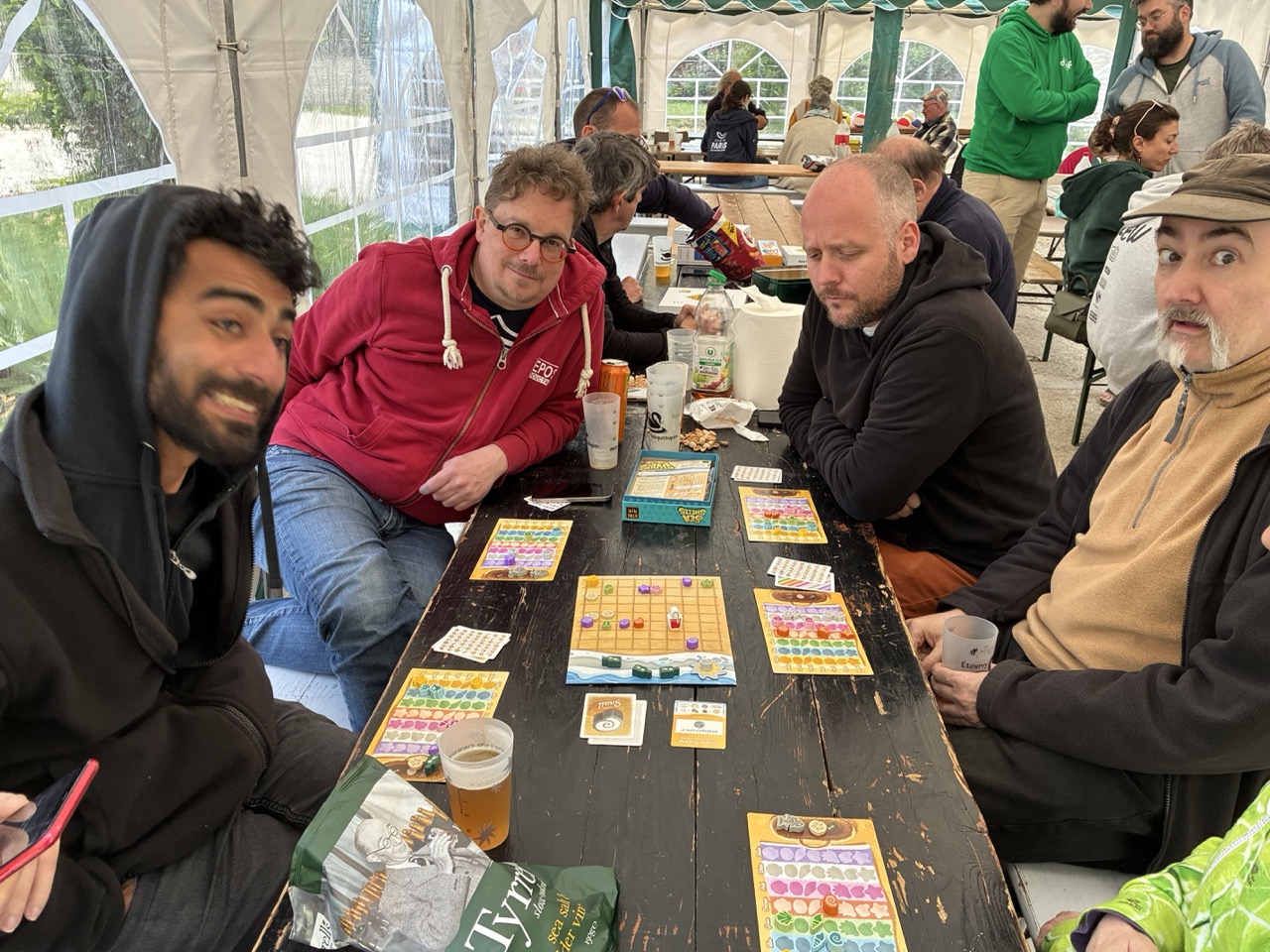
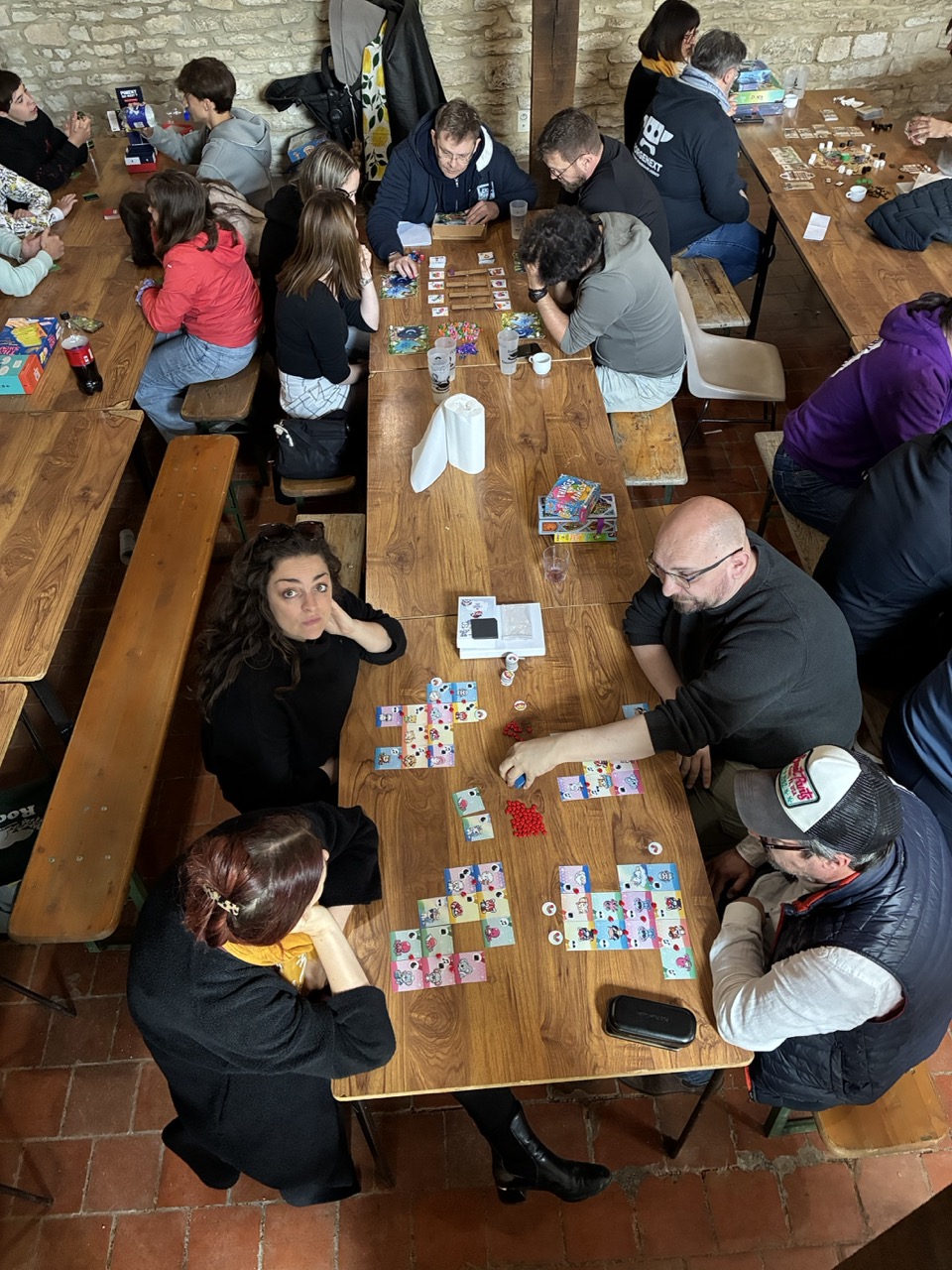
After this report, you will find a selection of pictures from all attendees. Don’t be fooled, though, games are like people, some are more photogenic than others. The most photographed games are not necessarily the most played ones.
Mes photos, en ordre chronologique – My photos, in chronological order – part 1
Mes photos, en ordre chronologique – My photos, in chronological order – part 2
Les photos de Dylan – Dylan’s photos
Les portraits d’Antoine – Antoine’s portraits
Les photos de Seb et Ghislain à la Murder Party – Seb & Ghislain photos of the Muder Party
Les photos de Candice – Candice’s Photos
Les photos de Sophie et Mel – Mel & Sophie’s photos
Les photos de Nathalie, Maud et Sven – Maud, Nath & Sven’s photos
Des photos d’un peu tout le monde – Everyone’s other photos
The pub was quiet after the lunchtime rush. It was a chilly autumn afternoon, so the hearty lunch just hit the spot. Now we were sitting there, playing a card game, with a pint each by our sides. While the meal had filled us up, we still fancied something savoury. We just needed a small snack that the two of us could share. Nothing fancy. Something simple would do. Of course, it had to be Crisps! by Shreesh Bhat from Little Dog Games with art by Sai Beppu.
“Don’t go where I can’t follow.” – Samwise Gamgee, The Two Towers, J.R.R. Tolkien
Disclosure: completed all the chapters
We had fun playing The Lord of the Rings: The Fellowship of the Ring Trick-Taking Game despite it not being optimized for two players, so we were excited to play The Lord of the Rings: The Two Towers Trick-Taking Game to see if there were any interesting mechanical changes (also we‘re LotR fans so there’s that).
The art style is very similar to the first one, but the cards are much more vivid. We also like that they used paper instead of plastic wrapper for the packaging of the tokens and the decks which makes it easier to open and better for the environment (we have a copy from the 1st printing).
paper, not plastic
The initial setup for two players is still very similar; each of us plays one character, but one of us should play an additional character whose cards are open but in a pyramid form where five of the cards are faceup and the rest are facedown. The One Ring token and the ring cards are not yet part of the setup. Instead, two new tokens and five cards are added: the titular Two Towers, as both tokens and cards and the three Orc cards. All of theses cards don’t belong to any particular suit. As such they can only be played if a player doesn’t have follow the leading suit. The towers are similar to the One Ring, they win any trick that they are played into. Unlike the One Ring the player cannot choose to lose the trick, instead if both towers are played into the same trick, they both lose. The Orc cards are the opposite of the towers and always lose. We like these new cards as they add challenge to the game since they cannot be used to lead a trick. If a player is forced to lead a trick with an Orc (e.g. because it’s their only card left), the group loses the whole chapter. If a trick contains both tower cards and an Orc card, no one wins the trick and it is set aside.
As with the first game, each chapter features a different set of characters with their own goals and rules. These tend to be slightly more complex and interesting this time around. Likewise, many chapters still feature event cards that further change the rules. Unlike the first game, there is a big change after the first ten chapters, which correspond to book three of LotR. Without spoiling too much, the deck changes to become more similar to the deck in the first game, with some significant changes. This of course makes perfect sense thematically, as the later chapters are the ones featuring Frodo, Sam and the One Ring.
We were hoping that Two Towers would be much better for two players. We found the first few chapters to be both fun and mechanically challenging even though the 2-player friendliness is just the same as the previous game, and we were ok with it (we got used to it and we accepted it) but as we stepped in to Chapter 25, that’s when we realized that the game just became worse for two players. We could imagine this chapter being a bit easier for three or four players, but with two, it wasn’t. How the pyramid works in that chapter made us feel very frustrated. We’re still trying to figure out why they made the decision for the set up of the pyramid for this chapter to be the way that it is. With many challenging games, we get that feeling of great satisfaction after beating them, but not with this one. Even though we were able to finish the chapter after a few tries, it didn’t feel satisfying or rewarding. The relief that we felt is more of us not having to be in a very frustrating situation anymore (we could’ve just stopped playing it, but it’s the completionist in us that deterred us from just moving on) than being able to succeed. While it is not as frustrating and has a regular pyramid setup, Chapter 30 also proved difficult for us, due to the specific combination of character goals and the limitations introduced by the event card for that chapter.
We still decided to finish all the chapters. Some of the mechanical changes in part 2 were a noticable improvement and made the game more fun. We also liked how the theme and the mechanisms in part 2 felt very familiar, but were still different and interesting. We also liked the last chapter a lot and how the mechanism matches the theme. It was a good ending.
Our Final Thoughts:
The Lord of the Rings: The Two Towers – Trick-Taking Game was still enjoyable for us in most parts, but there were times where we thought that we could’ve enjoyed it more if there were more of us playing it, something that also crossed our minds while playing FotR, but it did occur more frequently and strongly while playing this game. It’s unfortunate because the interactions between the mechanisms and the theme here are much more interesting than in FotR. We were hoping for it to be at least as good for two players as the previous one if not better, but it wasn’t. Still, we’re looking forward to playing The Return of the King if it comes out in the future and hoping that it will have better mechanics for two players.
What we like:
production quality
mechanical changes in each chapter
art style
better packaging
interaction between mechanisms and theme
What we do not like:
the pyramid can be frustrating
less optimized for two players than FotR
Kaysee’s rating: 3.5/5
Max’s rating: 3.5/5
Combined rating: 3.5/5
Reference:
Tolkien, J. R. R.(1999). The Two Towers. HarperCollins.
Title: The Lord of the Rings: The Two Towers – Trick-Taking Game
Game Design: Bryan Bornmueller
Illustration: Elain Ryan, Samuel R. Shimota
Publisher: Office Dog
When searching for a game in the List of Games the following is now also possible:
Search based on words: Just enter one or more words in the game title to find it. For instance. the search “Game Thrones” will now also find “A Game of Thrones“
Search on alternate names: The game can now be found under all alternate names known on BGG, not just the primary name and name you gave it in the app. For instance: if you’ve added your game in the app as Sanctuary, you can now also find it under Artengarten.
As before, you can also find a game by its BGG ID.
Extra sorting options for selecting players in a play
When selecting players for a play, there are two extra options to sort the players available. Next to Alphabetical, Recent play and Most plays, you can now also sort players on Recent play of this game and Most plays of this game.
Android
The extra sorting options are added to the list of sorting options.
Sorting options Android
iOS
Once you select Recent play or Most plays, an extra option will become available, “of this game“. Once enabled the Player List filters will only take into account the plays for the game that is being played.
Sorting options iOS
Automatic Play tagging for Locations
You can now set a Default tag that will always be added to plays when they are logged on that location.
A default play tag can be added for every location:
Go to the Location list
At the end of a Location line
tap on the dots and select Edit (Android)
tap on the ⓘ (iOS)
Tap on Default Play Tag
Select a tag
Go back (Android) or tap Select (iOS) to go to the Location overview
Tap Save
Editing a Location
Extra option when selecting a duplicate game
When you search for a game and the game already exists in your app, with the extra option you can go to that Game entry directly.
When you tap on the + button on the list of Games, you can search for a game on BoardGameGeek. Type the name of the game (or BGG ID) and tap Search BGG.
If you tap on one of the search results, but that game is already in your app, you’ll now have three options:
Go to existing entry: opens the existing Game overview screen
Add separate entry: adds the game to the app
Cancel
Game already added in app
Heat map Accessibility option
You can now tap the Heat map legend to switch the heat map display from colors to grayscale. For each value, the number will be displayed as well.
The Heat map is available with the Power expansion. You can access it from the Insights screen, when you are viewing a Year or All time period.
Improved compatibility with accessibility settings (iOS)
BG Stats now adjusts its behavior based on the Accessibility Settings Reduced Motion and Differentiate without color. Larger Text, Dark Interface and Reduce Transparency were already supported.
BG Stats will soon list “Accessibility Nutrition Labels” in the App Store with all supported accessibility features.
Other improvements
Lots of other small bug fixes and improvements:
The game detail screen now shows how many board/variants and expansions you have
Switched the order of the Wins and Losses columns in stats for Plays and Games without scores
Game default scoring settings (Highest/Lowest wins) are automatically adjusted based on your recorded plays, when applicable
Improved handling of duplicates and New flag on Matching screen
I haven’t played too much Mage Knight recently. I played with the TaoLing1 a few times last summer. But at a recent convention one of the Wiz Kid reps asked me if I wanted to try Mage Knight Emergence: The Portal to Power,2 which is apparently a Res Arcana Duo like product. A game that can serve as a 2p introduction to the system, or an expansion you just shuffle in. I’m not a completist (I didn’t buy the ultimate edition, so my set is 4-5 cards short of complete), but I just shook me head “No thanks, I’ll just buy it when it comes out.”
So he gave me a few preview cards from the expansion. Thankfully I have a few extra sleeves of the various correct colors so I could just add them in. (I’m pushing 500 plays with my set3, wear is definitely noticeable on components. I sleeved my game after 100 ish plays4). I use dice to randomize tiles and chits, but the cards would be gone without sleeves.
All of which is to say, I don’t write about Mage Knight often, but after that convention I set up a solitaire game and played it, and I’m looking forward to more content for it.
Who has graduated college, moved out, gotten a job, etc … yet will still be referred to as such for consistencies sake. ︎
Although that does count solo games, which probably represent ~300 or so. I don’t normally track solo games any more, but I was back then so I’ve continued. ︎
I use dice to randomize tiles/chits, because the wear is obvious and its easy to tell which ones are newer. I’m considering using coin chips for the tiles (then I could bag them) but the space increase would be significant, I think. I don’t normally use the Shades of Tezla chits. ︎
I’ll break down this opportunity today, but first a disclaimer: I’ve worked with Panda, a Canadian company with their main facility in Shenzhen, as the sole manufacturer for Stonemaier Games over the last 14 years. I consider them a close partner. However, I have no connection at all to p20–I learned about it yesterday just like anyone else. That said, I probably wouldn’t write this if I couldn’t personally vouch for how great it is to work with Panda.
Here’s the deal: If you have two or fewer tabletop games published, you are eligible to enter exactly one game as your p20 submission. You own the game, not Panda. It’s free to enter, and it’s open to anyone worldwide.
Crucially, you have an entire year to make your submission. I think this is a really smart choice by Panda. Game design, playtesting, and development take time. This is a great chance to actually do something with that game idea you’ve thought about.
However, it’s also important to note that there is a critical gap between game design and manufacturing, and that gap is bridged by a publisher (whether it’s an existing game publisher or you as a self-publisher). The intent of p20 appears to be for the designer to self-publish the game (the submission form reads, “I am, or intend to be, the self-publisher of this game.”), which involves a lot of responsibility beyond design.
Panda confirmed with me that the manufacturing credit could potentially be passed on to a publisher, though the credit stays specifically with the designer and the game they submitted. The FAQ says this about signing with a publisher during the design process, “Tell us. We handle it case by case. We’re not in the business of penalizing good news.”
At the very least, p20 seems like a no-risk chance to hone your pitch. Panda asks for a sell sheet, a short video, and a blind playtested rulebook. These are all things you would need no matter how you seek to publish your game.
I’ve reached out to Panda to get clarity on my one other question: What if you also want to crowdfund your game? It seems reasonable that a new, indie designer looking to self-publish their game would use a crowdfunding platform to market the game, build community, improve the game, optimize freight shipping, and gauge demand. The game needs to be unpublished at the time of submission to qualify for the manufacturing sponsorship, so I’m guessing the crowdfunding campaign would need to happen after the final selections are made (Gen Con 2027).
UPDATE: Panda responded to say, “Yes, someone can submit for p20 and also run crowdfunding, as long as the crowdfunding happens after they apply for the program. As far as timing – it would be preferable if these campaigns ran later in the year/early next year/closer to the end date of the p20 program, but as long as they keep us informed of their plans, it is no problem to run a crowdfunding campaign especially if it is party of their larger marketing plans for their game/start up publishing company – we like to see what their vision is for the future.”
One other highlight of p20 is that there isn’t just one winner. Instead, twenty indie game designers will win! That’s huge. To put these credits in perspective, a typical minimum order quantity (MOQ) is 1,000 units, and a basic card game like Flip7 costs around $2 to manufacture (e.g., a total minimum cost of $2,000). If you’re looking to make a more complex game with custom meeples, trays, dice, etc, you’re probably looking at the $8-$12 range and a potential increase in MOQ to 1500 units (e.g., a total minimum cost of $15,000). This doesn’t account for all the other costs required to make a game (art, graphic design, freight shipping, etc).
Overall, if you’re interested in self-publishing a game you’re passionate about, I think p20 is an excellent opportunity. Even if you’re not one of the twenty winners in the end, it’s still a motivation to do the work and make your game idea a reality over the next year (and learn how to effectively pitch it in the process).

 Anmelden


 ︎