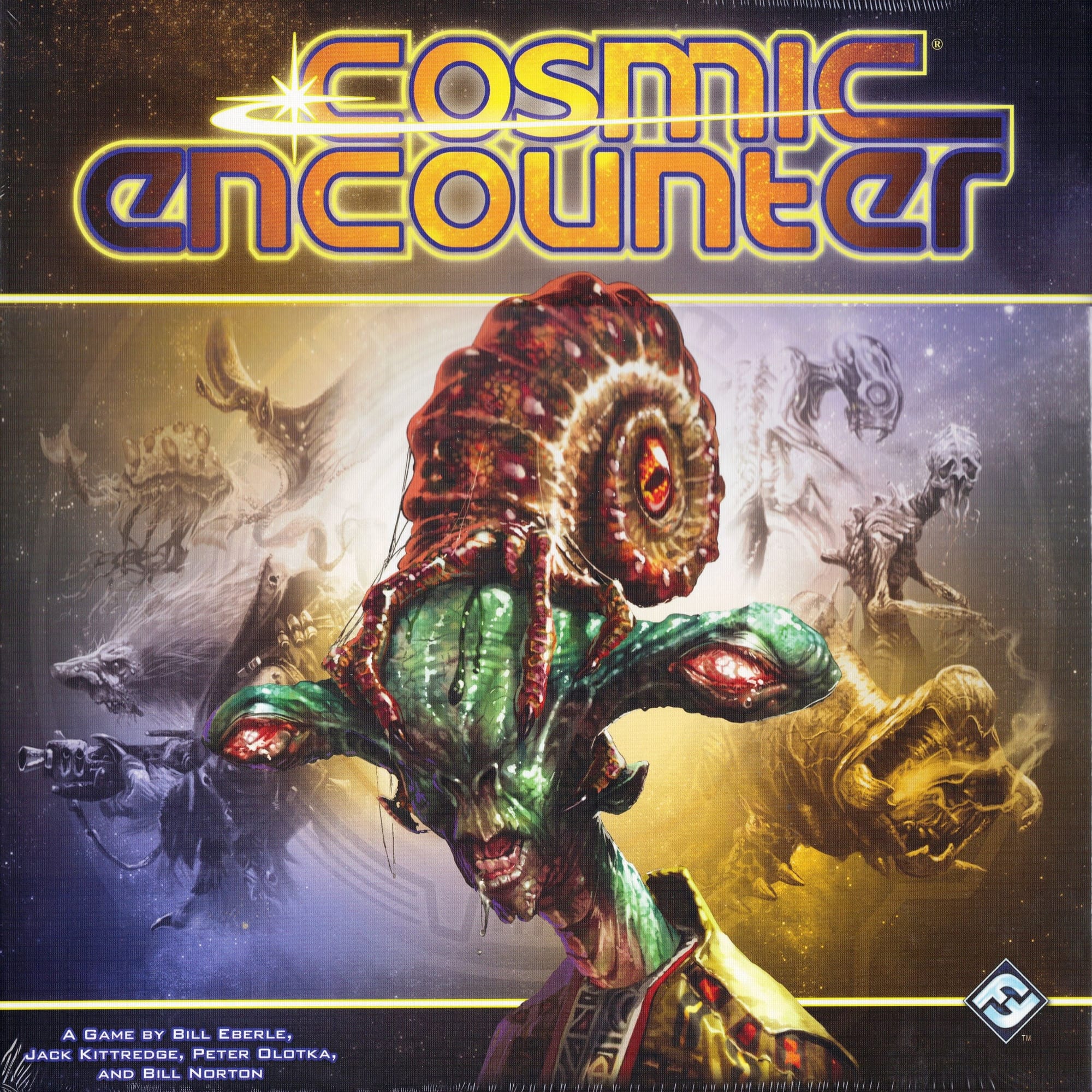
John „Jack“ Kittredge ist am 25. Oktober im Alter von 82 Jahren gestorben. Mit Bill Eberle, Peter Olotka und Bill Norton gehörte er zum Design-Kollektiv Future Pastimes, das 1977 „Cosmic Encounter“ veröffentlichte, eines der prägendsten Spiele der modernen Hobby-Szene.
Die Grundidee reicht laut BoardGameWire bis 1972 zurück, als das Team unter dem Namen „Universe Game“ einen Prototyp entwarf. Parker Brothers soll das Spiel damals mit der Begründung abgelehnt haben, „Weltraum verkaufe sich nicht“, worauf die Gruppe mit Eon Products ihren eigenen Verlag gründete. Zwei Jahre nach Cosmic Encounter folgte mit „Dune“ (Avalon Hill, 1979) ein weiterer Future-Pastimes-Klassiker. Mitautor Peter Olotka schreibt Kittredge dort persönlich das simultane Kampf-Zifferblatt-System zu, entwickelt aus einem unveröffentlichten Prototyp namens „Tribute“.
Die Liste der Designer, die sich von Cosmic Encounter beeinflusst sehen, ist lang. Magic-Schöpfer Richard Garfield nennt das Spiel laut BoardGameWire den „einflussreichsten Vorfahren“ seines eigenen Kartenspiels. Pandemic-Autor Matt Leacock sagt, die unterschiedlichen Spielerfähigkeiten hätten direkt Pandemic, Forbidden Island und Forbidden Desert geprägt, Steve Jackson nennt das Spiel als Einfluss auf sein 1982 erschienenes „Illuminati“. Citadels-Designer Bruno Faidutti beschreibt die Arbeit des Kollektivs als sein eigenes Vorbild, als er selbst mit dem Entwerfen von Spielen begann.
Für uns ist das der Abschied von einem Kollektiv, dessen Idee asymmetrischer Spielerkräfte bis heute in vielen modernen Hobbyspielen nachklingt, auch wenn kaum jemand noch die vier Namen dahinter kennt.
John “Jack” Kittredge, the co-creator of seminal hobby games including Cosmic Encounter and Dune, has died aged 82.
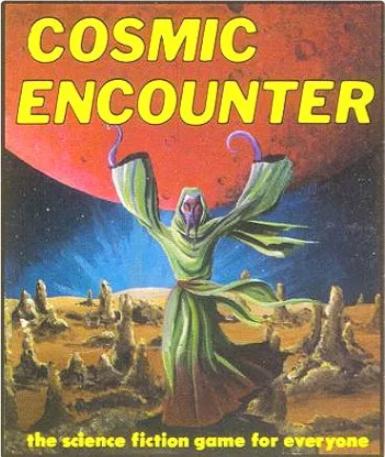
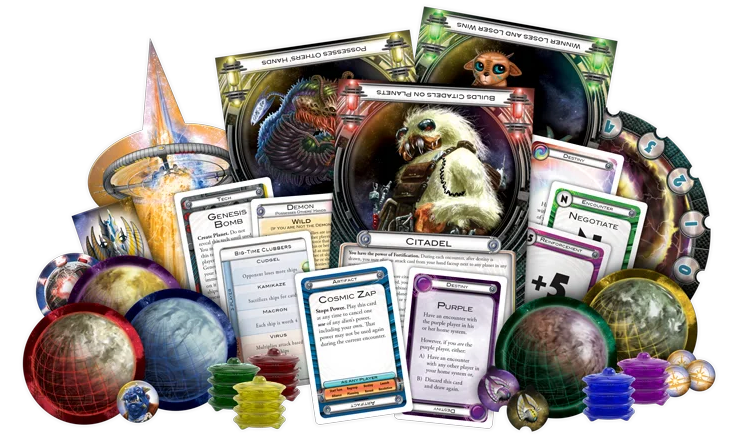
Kittredge, who died on October 25, was a founding member of Future Pastimes, the design collective whose 1977 release Cosmic Encounter helped establish asymmetric player powers and rule-breaking abilities within modern tabletop gaming.
Future Pastimes also created the highly regarded asymmetric title Dune, which was published by Avalon Hill in 1979. Olotka later credited Kittredge personally with designing the game’s simultaneous combat-dial system, which was developed from an earlier unpublished prototype called Tribute.
He also said Kittredge was responsible for structuring the original Avalon Hill deal as a licence of the game’s underlying system, rather than a sale – allowing the designers to retain control of their work independently of the Dune franchise. They later licensed its mechanics to Fantasy Flight Games for 2012’s Rex: Final Days of an Empire.
Cosmic Encounter also returned through Fantasy Flight decades after its original release, while Dune was revived by Gale Force Nine for a new edition in 2019.
Fantasy Flight Games’ version of Cosmic Encounter
Kittredge turned his attention to organic farming in the 1980s, establishing Many Hands Organic Farm with his wife Julie Rawson in 1984 – but continued contributing to game design over the years.
Olotka’s son Greg recalled in a tribute that Kittredge helped refine Fantasy Flight’s 2008 edition of Cosmic Encounter, and returned to digital playtesting in 2015 for the Cosmic Eons expansion.
Greg Olotka, who had known Kittredge for about 50 years, said he remembered attending some of Future Pastimes’ earliest playtesting sessions at his home in Hyannis.
“If you ever got into a logic argument with Jack, you’d probably lose,” he wrote. “The DNA of his logical mind will live on forever in Cosmic Encounter, Dune, and all the other games they created many years ago.”
Kittredge was born in Baltimore in 1944. He studied history at Carleton College and was involved in anti-war activism and community organising before entering the games industry.
He later made organic farming and environmental campaigning his main occupations, and edited the Northeast Organic Farming Association’s newspaper, The Natural Farmer, for 33 years.
Kittredge is survived by Rawson, their four children and eight grandchildren.

 Anmelden