In the spirit of Thanksgiving, I’d like to express my gratitude for various types of people who have had a positive impact on me and Stonemaier Games this year. Perhaps some of these people will be good resources for you as well.
I’m incredibly thankful for…
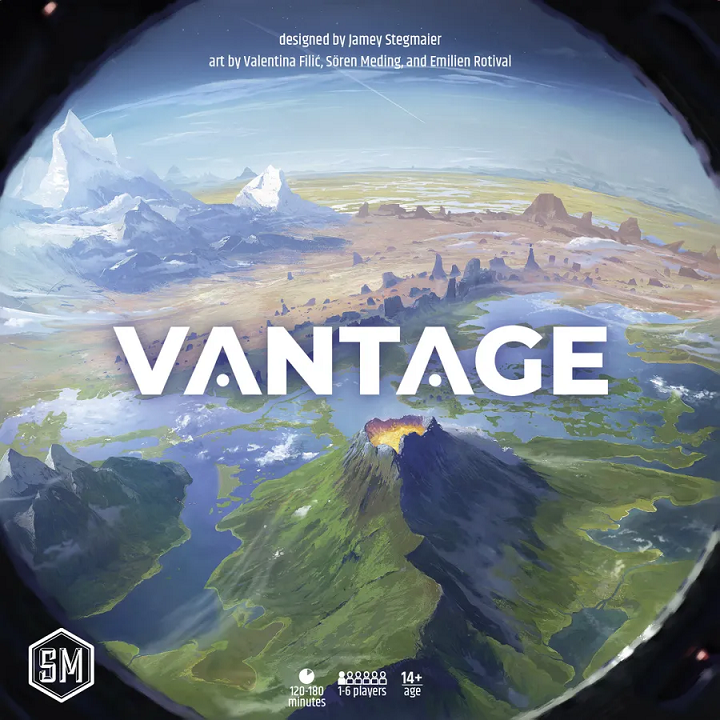
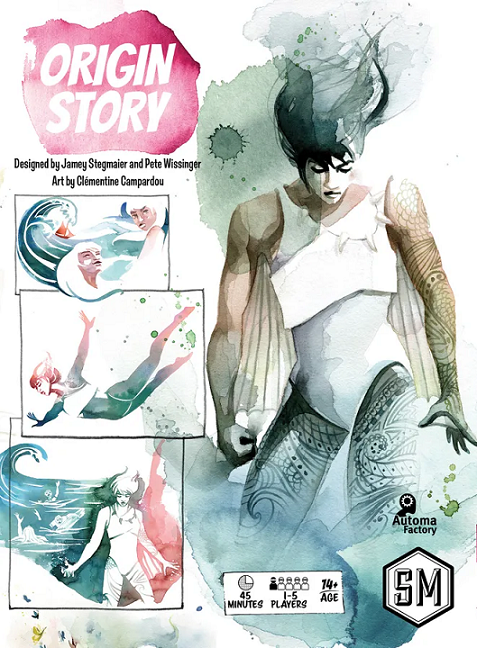
Supporters, Fans, and Followers (Facebook, enewsletter,YouTube, Instagram, Discord, Bluesky): None of this would be possible without you. I truly hope our games, content, and interactions have brought you joy this year. Thank you for supporting our games, and thank you for sharing them with others. Our 2025 releases were Vantage, Origin Story, Finspan, Tokaido (and expansions), Tokaido Duo, Smitten 2, Between Two Castles Essential, Wyrmspan: Dragon Academy, and the Wingspan promo birds, plus various accessories, disc golf discs, and new Rolling Realms promos.
Stonemaier Champions: I’m incredibly grateful for the 15,000+ Champions who support the 100+ blog entries and 250+ YouTube videos we film each year for creators and designers, and having Champions use their 20% discount on every order (among other perks) to buy directly from us has been a huge help in stabilizing the sustainability of Stonemaier Games.
Coworkers (Alan Stone, Joe Aubrey, Alex Schmidt,Susannah Eisenbraun,Dave Deenik, Christine Santana, and Erica Sanders): It’s so helpful for me to always have people who know the business as well as I do to bounce ideas off of, playtest with, be accountable to, and delegate to, especially in areas where I am weak and they are strong.
Independent Contractors Who Feel Like Coworkers (Morten Monrad Pedersen, Dave Hewer, Shannon Lentz, Karel Titeca): These are people who have other clients and jobs, but they do a lot of amazing work for Stonemaier Games, and I’m incredibly grateful for them.
Retailers and Distributors (see retailers who sell our products): You are the backbone of our supply chain. Thank you for being the bridge between Stonemaier and customers.
Shareholders: We’re fortunate to have a few dozen investors who believe in what we’re building at Stonemaier Games and who share excellent advice, questions, idea, and insights. I’m really grateful for our shareholders.
Independent Contractors and Freelancers: Notable artists for 2025 releases were Clementine Campardou (Origin Story and Wyrmspan: Dragon Academy); Emilien Rotival, Soren Meding, and Valentina Filic (Vantage); Naïade (Tokaido); Ana María Martínez, Catalina Martínez, & Mesa Schumacher (Finspan); the Mico (Smitten 2); along with ongoing support in the form disc golf art (Miles Bensky), realm art (Marius Petrescu), 3D sculpts (Heriberto Martinez), videos (JC Trombley, Pixel Potion Creative, and Emmanuel Ho), voiceovers (Megan Selke), music composition (Joel Winbigler), photos (Tim Chuon and Erica Sanders), Henry Seymour (game teaching), and Andrew Cook (advertising). I’m so grateful that these people communicate quickly and effectively–-I highly value that.
Lawyers, Accountants, Bookkeepers, Advisors, and Payroll (Michael Hargis, Zachary Strebeck, Justin Marty, Leigh Reiter, & Brandi Ruhland at Anders Accounting, Stephanie at Timely Totals, Drea at Execupay, Chris Fleming and Tara Blunt at our bank, Tony Aiazzi and Brian Hires at Moneta, and Benjamin Arana covering insurance): I’m very grateful to have these lawyers to help us create tight contracts, secure solid trademarks, and protect our IP, as well as a great accounting, bookkeeping, and financial advisors.
International Production Partners (Igromag, Feuerland, Maldito, Phalanx, Matagot, Delta Vision, Arclight, Surfin’ Meeple, Ludofy, ALBI, Ghenos, 999 Games, Rebel, and many others): Thanks to these partners, we’ve been able to reach tens of thousands of gamers who wouldn’t otherwise have access to our products.
Replacement Part Helpers (Helen, Mark, Devon, Christian, Dave, Austyn, Xander, Mark, and Yannis): To date, we have received and responded to over 40,000 replacement parts requests. I’m incredibly grateful to have these diligent helpers positioned around the world to take care of lost, missing, and broken components from our products.
Automa: The inclusion of robust solo variants in our games thanks to Morten, David, Lines, and other members of their team has been instrumental in extending our reach to solo gamers. I’m constantly amazed by how well Automa Factory is able to capture the feeling of a sentient opponent without requiring much upkeep or rules overheard.
The Mill and Positively Board Gaming: I really appreciate that Carol and Molly maintain a sponsored YouTube channel specifically to talk about Stonemaier Games from a fan perspective. Our Facebook groups are great for those conversations, but they really breathe life to our fanbase through The Mill, and we’re proud to support it. I’ve also really enjoyed the conversations I’ve had this year with Mitchell on our co-hosted podcast, Positively Board Gaming.
Digital Platforms (Tabletopia, Monster Couch, The Knights of Unity, Acram Digital, Digidiced, Board Game Arena, and Boardspace.net): The skill to take a tabletop game and translate it to the digital space for more people to discover, enjoy, and learn from is astonishing to me. I’m so impressed by and grateful for these folks. I’m also really grateful for Paul Hart, the developer of the free Stonemaier Scores app and Jans Carton, creator of Rulepop.
Shipping and Fulfillment Companies (ARC Global, Spiral Galaxy, Let’s Play Games, Miniature Market, and Asmodee Canada): While most of our games are shipped in bulk to distributors, we offer more direct shipping to those who order on our webstore thanks to these fulfillment companies. We also offer local pickup in St. Louis!
Co-Designers and Game Designers (Ben Rosset, Matthew O’Malley, Hoby Chou, Kai Starck, Ryan Lopez, Elizabeth Hargrave, Morten Monrad Pedersen, David Studley, Travis Jones, Alexander Schmidt, Mike Young, Paolo Mori, Francesco Testini, Mihir Shah, Chris Scaffidi, Connie Vogelmann, Paul Salomon, David Gordon, Michael O’Connell, Antoine Bauza, Ryan Davis, Pete Wissinger, and others to be revealed next year): The talent and dedication of these designers is astounding, and they are integral to our ability to bring joy to tabletops.
Manufacturers (Shannon at Panda Game Manufacturing and Chris at Innova): It’s a true blessing to work with a manufacturer like Panda. Their communication, quality, care, and willingness to work with us on things like making our games more eco-friendly makes them the only manufacturer I ever want to work with. It’s also been fun to continue to make custom discs with Innova this year!
Proofreaders: Using our proofreading and oversight process, a dedicated group of proofreaders can see every step of a product’s evolution during the proofreading process. I’m incredibly grateful for the time and effort that Dana, Michael, Josh, Ian, Brian, Inga, Justin, Crystal, and others have put into our products this year.
Ambassadors: Our ambassadors have made our community and games so much better by answering questions on forums, playtesting our games, making suggestions for my top 10 lists (Aryn, Skiler, Abagail, Kari, Kaitlyn, and Dillon), and welcoming people into our games at game stores, events, and conventions. We currently have around 750 active ambassadors–I love that I can trust this group with ideas while they’re still being formed to get their feedback. A few ambassadors are particularly helpful on an ongoing basis are Josh Ward, Travis Willse, Garrett Feiner, and Julie Bode (though I should really stress that there are many, many active ambassadors who offer their time and talent in incredible ways).
Reviewers, Journalists, Podcasters, and Video Bloggers: I can’t play every game, but thanks to the variety of perspectives from other content creators, I’m able to listen a variety of perspectives from the comfort of my office. I’m also truly grateful for all of the reviewers who create compelling content to help people decide if our games are a good fit for them, and I appreciate reviewer who understanding that we can’t send every product to all 550 reviewers on our list. Also this year I’m grateful for the YouTubers who accepted our sponsorship for playthroughs.
Convention and Event Coordinators/Volunteers (Geekway to the West, Gen Con, Essen, TantrumCon, any convention that uses the play-and-win system, BGG@SEA, etc): It takes a lot of work to put together a convention, and I’m grateful for my coworker, Dave, for coordinating our convention presence (and with the support of the wonderful people at Meeplesource and Inside Up Games). I’m so grateful for the people who create such welcoming environments for old and new gamers to commune with each other, as well as the volunteers who help us at those events. You can always check here to see if we’ll have a presence at a convention. I had fun briefly attending Gen Con this year, at Geekway, Design Day, and the Finspan event, and going on the BGG@SEA cruise to Norway.
Design Day Attendees: The creative energy and generosity of time and talent at our annual Design Day is always inspiring for me. Thank you to all of the designers and playtesters who attended in 2025, and especially to Pieces Board Game & Cafe for being awesome hosts.
Fellow Creators: I love that there are so many brilliant, innovative creators and game designers. You all truly inspire me to be a better creator and a more interesting game designer. I’m particularly grateful for fellow publishers who share their advice, insights, and insights (publicly and privately)–I learn so much from you!
My Gaming Groups: Gaming is my main social outlet, and I’m really grateful to have a few consistent game groups filled with people who love a wide variety of games (including disc golf). I like that these people try to win but focus on having fun, and it’s been fun to play every other week with local friends in person and every other week on Board Game Arena with friends outside of St. Louis.
Charity Auction Participants: The extremely generous donors (along with other contributors like Fulfillrite and participating content creators) who placed winning bids on our annual charity auction enabled us to donate $22,354 to 10 different charities, putting our total donation amount over all charity auctions at $211,216. We also donated hundreds of games this year to organizations that feature tabletop games to serve communities who can’t buy games.
Friends and Family: I’m very grateful for the many ways my friends and family support me in my passion for gaming, for Stonemaier Games, and for serving you.
What are you grateful for in the tabletop gaming community/industry this year?
Seitdem ich 2019 das Spiel Pandoria von Bernd Eisenstein, erschienen auf seinem eigenen Spieleverlag Irongames in 2018, für mich entdeckt habe bin ich immer mehr zum Fan seiner Spiele geworden. Seine Spiele haben auch immer etwas Besonderes und heben sich vom Mainstream ab. Dabei sind die Regeln meist recht einfach und schnell erklärt, aber die Spiele bieten dann doch eine ordentliche Spieltiefe und ausreichend Anlass zum Grübeln.
Bei Pandoria handelt es sich um ein Plättchenlegespiel, in dem man doppelte Sechseckplättchen an bereits vorhandene auf einem gemeinsamen Spielplan anlegt. Man hat dabei immer nur eines dieser Plättchen auf der Hand, legt dieses an und kann dann noch eines seiner Stammesmitglieder einsetzen oder vom Spielplan zurückholen. Es gibt 4 Arten von „Landschaften“, mit denen man Holz, Kristalle, Gold oder Ruhmespunkte erringen kann, wenn man eine solche Landschaft abschließt (mit anderen Landschaften, Seen oder Bergen umschließt) und dann am Rand möglichst viele seiner Stammesmitglieder stehen hat. Diese dienen nämlich als Multiplikator für die „Ressource“, die auf der abgeschlossenen Landschaft abgebildet ist.
Zudem kann man in Pandoria noch Zaubersprüche erwerben und sprechen, Gebäude errichten, die einem dauerhafte Effekte bringen, und Monumente, für die man Ruhmespunkte erhält.
Pandoria enthält 5 verschiedene Völker, die alle noch individuelle Fertigkeiten besitzen. In einer Einsteigerspielvariante kann man die aber auch erst einmal weglassen. Ich besitze zu Pandoria auch noch 2 Erweiterungen. Realms, die 5 neue Völker/Reiche mitbringt, und Artifacts, die neue Geländeplättchen und die Artefakte beinhaltet. Die Artefakte kann man dann gegen Reliquien eintauschen, für die man Ruhmespunkte erhält.
Meine Wertung (Pandoria, nach 14 Partien): 8/10
Das nächste Spiel in meinem Regal ist Discordia, mein aktuell am besten bewertetes Spiel von Bernd Eisenstein (Wertung 8.5/10 nach 13 Partien). In diesem Spiel geht es darum möglichst alle seine Bürger (Seeleute, Soldaten, Händler und Bauern) einzusetzen. Wem dies zuerst gelingt, der gewinnt umgehend das Spiel. Das hört sich jetzt deutlich einfacher an als es ist. Mir ist es tatsächlich erst ein Mal geglückt, alle meine Figuren einzusetzen, denn dummerweise bekommt man am Rundenende (Jahresende) immer wieder welche hinzu. Das Spiel wird übrigens über 4 Jahre a 5 Jahreszeiten gespielt und spielt in der germanischen Provinz des römischen Reich. Und die Römer hatten außer Frühjahr, Sommer, Herbst und Winter auch noch die Saturnalien, das war ein mehrtägiges römisches Rest, zu Ehren des Gottes Saturn, welches nach dem Abschluss der Winteraussaat gefeiert wurde.
Eigener Stadtplan
Papyria (2025)
Papyria ist die einzige Essen-Neuheit die ich in 2025 gekauft habe und ich hatte mich bereits im Vorfeld sehr auf das Spiel gefreut. Hier hatte ich bereits im Juli das Video von Rhado gesehen. Mittlerweile habe ich es auch gespielt und meine Erwartungen wurden nicht enttäuscht.
Das Spiel ist eine wahre Punkteschlacht. Man bewegt sich mit seinem Wanderer und seinem Schiff um einen Spielplan (Euphrat & Tigris Gebiet) und führt im Zielgebiet jeweils 2 Aktionen aus. Eine Aktion ist dabei das Nehmen von Landschaftsplättchen, die man an sein eigenes Gebiet anlegt. Dabei gibt es unterschiedliche Landschaftsarten und Bauwerke, die man im Spielverlauf auch immer wieder werten kann: Berge (in denen man Minen errichten kann), Wälder (die man mit Städten überbauen kann), Flusslauf und Heiligtümer (die man mit Tempel überbauen kann), außerdem gibt es Plättchen mit Erfindungen, die zum Beispiel die Reichweite seines Schiffs und/oder Händlers erhöhen.
Rechts: eigenes Gebiet / Links: Wertungsleiste
Weitere Aktionen sind: Lapis in seinen Bergwerken fördern (1 von 2 Ressourcen im Spiel), Papyri produzieren (die 2. Ressource), Wertungsplättchen nehmen und damit eine von 7 möglichen Wertungen ausführen, Städte (blau), Tempel (weiß) und Bergwerke (dunkelblau) errichten und Multiplikatoren (für die Wertungen) nehmen. Für das Errichten von Tempeln und Städten benötigt man Lapis. Im späteren Spielverlauf kommen dann noch Spielendeplättchen ins Spiel, die man mit Lapis oder Papyri erwerben kann und die einem weitere Siegpunkte bringen.
Mit Lapis kann man auch die Wanderer oder Schiffe Mitspieler von einem Feld verdrängen. Hierzu muss man deren Besitzern 1 Lapis zahlen. Dessen Wanderer/Schiff wird dann auf das nächste freie Feld im Uhrzeigersinn versetzt.
An 2 Stellen des Flusses kann man sein Wissen erhöhen oder eine weitere Wertung auslösen, indem man Papyri abgibt. Das Wissen ist dann auch ein wichtiger Aspekt und ein cooler Kniff im Spiel. Man kann nämlich nur so viele Siegpunkte bei einer Wertung erlangen, wie man auch Wissen besitzt. Erzielt man zum Beispiel 60 Punkte in einer Wertung und hat nur 20 Wissen, dann erhält man auch nur 20 Siegpunkte.
Links: Bei Überschreiten des Aufstellers kann man 1-3 Papyri abgeben, um 4-9 Wissen zu erlangen Unten: Wissensleiste (rot ist bei 18, grün bei 20)
Last not least kann man noch Schlüsselplättchen bekommen, wenn man deren Bedingungen erfüllt. Zum Beispiel 8 Plättchen mit Erfindungen in seinem Gebiet hat oder 3 Städte gebaut hat. Diese Plättchen erlauben einem, nach Spielende, noch einmal eine zusätzliche Wertung.
Unsere Partie zu dritt hat 83 Minuten gedauert und endete 196 zu 260 zu 311. Und ich denke, dass da noch Luft nach oben ist.
Seitdem ich 2019 das Spiel Pandoria von Bernd Eisenstein, erschienen auf seinem eigenen Spieleverlag Irongames in 2018, für mich entdeckt habe bin ich immer mehr zum Fan seiner Spiele geworden. Seine Spiele haben auch immer etwas Besonderes und heben sich vom Mainstream ab. Dabei sind die Regeln meist recht einfach und schnell erklärt, aber die Spiele bieten dann doch eine ordentliche Spieltiefe und ausreichend Anlass zum Grübeln.
Bei Pandoria handelt es sich um ein Plättchenlegespiel, in dem man doppelte Sechseckplättchen an bereits vorhandene auf einem gemeinsamen Spielplan anlegt. Man hat dabei immer nur eines dieser Plättchen auf der Hand, legt dieses an und kann dann noch eines seiner Stammesmitglieder einsetzen oder vom Spielplan zurückholen. Es gibt 4 Arten von „Landschaften“, mit denen man Holz, Kristalle, Gold oder Ruhmespunkte erringen kann, wenn man eine solche Landschaft abschließt (mit anderen Landschaften, Seen oder Bergen umschließt) und dann am Rand möglichst viele seiner Stammesmitglieder stehen hat. Diese dienen nämlich als Multiplikator für die „Ressource“, die auf der abgeschlossenen Landschaft abgebildet ist.
Zudem kann man in Pandoria noch Zaubersprüche erwerben und sprechen, Gebäude errichten, die einem dauerhafte Effekte bringen, und Monumente, für die man Ruhmespunkte erhält.
Pandoria enthält 5 verschiedene Völker, die alle noch individuelle Fertigkeiten besitzen. In einer Einsteigerspielvariante kann man die aber auch erst einmal weglassen. Ich besitze zu Pandoria auch noch 2 Erweiterungen. Realms, die 5 neue Völker/Reiche mitbringt, und Artifacts, die neue Geländeplättchen und die Artefakte beinhaltet. Die Artefakte kann man dann gegen Reliquien eintauschen, für die man Ruhmespunkte erhält.
Meine Wertung (Pandoria, nach 14 Partien): 8/10
Das nächste Spiel in meinem Regal ist Discordia, mein aktuell am besten bewertetes Spiel von Bernd Eisenstein (Wertung 8.5/10 nach 13 Partien). In diesem Spiel geht es darum möglichst alle seine Bürger (Seeleute, Soldaten, Händler und Bauern) einzusetzen. Wem dies zuerst gelingt, der gewinnt umgehend das Spiel. Das hört sich jetzt deutlich einfacher an als es ist. Mir ist es tatsächlich erst ein Mal geglückt, alle meine Figuren einzusetzen, denn dummerweise bekommt man am Rundenende (Jahresende) immer wieder welche hinzu. Das Spiel wird übrigens über 4 Jahre a 5 Jahreszeiten gespielt und spielt in der germanischen Provinz des römischen Reich. Und die Römer hatten außer Frühjahr, Sommer, Herbst und Winter auch noch die Saturnalien, das war ein mehrtägiges römisches Rest, zu Ehren des Gottes Saturn, welches nach dem Abschluss der Winteraussaat gefeiert wurde.
Eigener Stadtplan
Papyria (2025)
Papyria ist die einzige Essen-Neuheit die ich in 2025 gekauft habe und ich hatte mich bereits im Vorfeld sehr auf das Spiel gefreut. Hier hatte ich bereits im Juli das Video von Rhado gesehen. Mittlerweile habe ich es auch gespielt und meine Erwartungen wurden nicht enttäuscht.
Das Spiel ist eine wahre Punkteschlacht. Man bewegt sich mit seinem Wanderer und seinem Schiff um einen Spielplan (Euphrat & Tigris Gebiet) und führt im Zielgebiet jeweils 2 Aktionen aus. Eine Aktion ist dabei das Nehmen von Landschaftsplättchen, die man an sein eigenes Gebiet anlegt. Dabei gibt es unterschiedliche Landschaftsarten und Bauwerke, die man im Spielverlauf auch immer wieder werten kann: Berge (in denen man Minen errichten kann), Wälder (die man mit Städten überbauen kann), Flusslauf und Heiligtümer (die man mit Tempel überbauen kann), außerdem gibt es Plättchen mit Erfindungen, die zum Beispiel die Reichweite seines Schiffs und/oder Händlers erhöhen.
Rechts: eigenes Gebiet / Links: Wertungsleiste
Weitere Aktionen sind: Lapis in seinen Bergwerken fördern (1 von 2 Ressourcen im Spiel), Papyri produzieren (die 2. Ressource), Wertungsplättchen nehmen und damit eine von 7 möglichen Wertungen ausführen, Städte (blau), Tempel (weiß) und Bergwerke (dunkelblau) errichten und Multiplikatoren (für die Wertungen) nehmen. Für das Errichten von Tempeln und Städten benötigt man Lapis. Im späteren Spielverlauf kommen dann noch Spielendeplättchen ins Spiel, die man mit Lapis oder Papyri erwerben kann und die einem weitere Siegpunkte bringen.
Mit Lapis kann man auch die Wanderer oder Schiffe Mitspieler von einem Feld verdrängen. Hierzu muss man deren Besitzern 1 Lapis zahlen. Dessen Wanderer/Schiff wird dann auf das nächste freie Feld im Uhrzeigersinn versetzt.
An 2 Stellen des Flusses kann man sein Wissen erhöhen oder eine weitere Wertung auslösen, indem man Papyri abgibt. Das Wissen ist dann auch ein wichtiger Aspekt und ein cooler Kniff im Spiel. Man kann nämlich nur so viele Siegpunkte bei einer Wertung erlangen, wie man auch Wissen besitzt. Erzielt man zum Beispiel 60 Punkte in einer Wertung und hat nur 20 Wissen, dann erhält man auch nur 20 Siegpunkte.
Links: Bei Überschreiten des Aufstellers kann man 1-3 Papyri abgeben, um 4-9 Wissen zu erlangen Unten: Wissensleiste (rot ist bei 18, grün bei 20)
Last not least kann man noch Schlüsselplättchen bekommen, wenn man deren Bedingungen erfüllt. Zum Beispiel 8 Plättchen mit Erfindungen in seinem Gebiet hat oder 3 Städte gebaut hat. Diese Plättchen erlauben einem, nach Spielende, noch einmal eine zusätzliche Wertung.
Unsere Partie zu dritt hat 83 Minuten gedauert und endete 196 zu 260 zu 311. Und ich denke, dass da noch Luft nach oben ist.
Vantage has been cooking in my mental oven for half the year. I first wrote about this open world sci-fi adventure game in July, with my review appearing at entertainment site IGN. If you haven’t read that or don’t know much about this peculiar design, my apologies, but the rest of this piece may befuddle…
Last month we announced and launched 6 promo packs of all-new Wingspan birds. Each pack focuses on a different region (Asia, Great Britain, Canada, Continental Europe, New Zealand, and USA):
We packaged each set of 25 birds in its own “booster pack” so customers could pick and choose the right combination of packs for them. It’s okay to buy all of them, but you could also just try a few of the packs to see what they add to Wingspan.
It’s rare to have a different product design for our webstore vs retailers. Due to the extra graphic design and production, we prefer to have a single version of each product. The majority of Wingspan’s 2 million copies in circulation have sold through retailers (not our webstore), so we also wanted to offer these packs to retailers and distributors. Based on feedback and experience, we knew that local retailers would want a way to buy the packs together and then display them.
After much discussion and experimentation, we created a display box for retailers. It contains all 6 promo packs, so a retailer can sell the box by itself or open the box to sell individual packs:
The display box also prompted us to slightly change the packaging of each pack so that there’s a band of color at the top, signaling that each pack is different. We also moved the name of the pack closer to the top:
The display box set is unique to local retailers; it will be available from them starting on December 5.
Have you seen other cases of slightly different product design between a publisher’s webstore (or crowdfunding campaign) vs the retail version? I’m not talking about gameplay or component differences (i.e., deluxe vs standard editions), though that is another consideration when trying to appeal to early adopters vs long-term retail viability.
***
There’s more information about the new promo bird packs in today’s World of Wingspan newsletter, including the expansion timeline and a region vs region variant.
Origin stories are the worst. This is coming from a cretin who ingests superhero content via cinema as opposed to paper. I don’t want to see Thomas and Martha Wayne murdered by a low life, again. We’ve had 10 Spider-Mans in the past couple decades; I’ve already rode that ride. I would much rather watch…
The character was first introduced by no other than Stan Lee and artist Gene Colins in Captain America 117 back in Sept 1969. Otherwise known as Samuael Thomas Wilson. Facon has mechanical wings which he uses to swoop in and help save the day. He is also an expert bird trainer with basic empathic and technopathic abilities over birds in the comics and is the Uncle of Jim Wilson friend of the Hulk’s and who was the first notable HIV positive character, who’s father would go on to join the Gama Corp. The Falcon was always a strong character who was always ready to help those who need it. With his tech, ability to fly with Tech and his excellent fighting abilities he is quite a strong character despite his having no super powers.
In the game his unique ability is being able to manipulate the top card of the encounter deck allowing players to plan ahead and make strategic choices. His “Eagle-Eyed” ability, combined with his “aerial” cards, gives him strong defensive and offensive capabilities, especially in a multiplayer setting, whihc means he is an adaptable and excellent control-focused hero. This is a strong Leadership deck with synergies built around aerial cards, as you would expect, as well as other valuable cards that can be used with other heroes.
Falcon is an all round character who doesn’t specialise in one area so is good to fill holes in your roster especially with a smaller team roster, but lacks a specialism to excel in a bigger team of heroes.
I write or rewrite most of our rulebooks at Stonemaier Games, and today I thought I’d share a few observations and techniques I’ve learned over the years.
My Techniques
For initial local playtesting, I create player aids instead of a rulebook, as the rules are very much in flux at that stage (plus, it sets the groundwork for each player to have a player aid in the final product too). It’s only when I’m approaching blind playtesting that I write the rulebook.
I have a simple rulebook template I follow: overview & goal, components, setup, gameplay overview, detailed gameplay, other info, and end of game.
I typically reserve the last page of the rulebook for an icon guide, game flow, and/or index (though often the table of contents at the beginning does the job of the index).
I try to construct rulebooks in such a way that their length is indicative of the complexity of the game, using other components to assist. For example, when I rewrote the Tokaido Duo rulebook, I extracted the character instructions into two separate sets of player aids (i.e., more helpful for players to use during the game, and more representative of Tokaido Duo’s low complexity).
I write rulebooks as if I’m talking to you. “Pay $1 to gain 2 resources,” not “The player pays $1 to gain 2 resources.”
If I ever need a full page to explain a minor concept, that’s a good sign that the concept is too complex for what it contributes to the game. Similarly, in 99% of cases, if I use the word “exception” in the rulebook, it’s a sign of something that will be difficult for players to remember and should be removed from the gameplay.
My favorite rulebook size is 180x240mm. This is big enough for the rules, visuals, and examples, but small enough that you can keep it on the table while playing.
Blind playtesting (when a game is playtested without me there to teach or supervise) is 25% for the purpose of improving the rulebook. If a playtester misses a rule, even if it’s marked clear as day in the rulebook, I consider it an opportunity to make it even clearer or put it in a more obvious place.
My general philosophy is to put text on cards (not combinations of icons to decipher) and that the text be self-sufficient enough that a separate appendix isn’t necessary. However, sometimes there just isn’t room for lots of text. In those cases, either an appendix (like in Apiary) or the back of the card/tile (like in Tokaido) are good places for the text.
I find it helpful to review a rulebook backwards (section by section), as I can hone in on specific elements without skimming ahead by accident.
We have a style guide for the copyeditors and proofreaders in our oversight process. They have full access to all versions of the product (prototype and typeset files).
When the pre-production copy (PPC) of the product is ready, one of the things I’m looking for in our playtests is how easily I can find answers to questions in the rulebook. If I can’t find the answer quickly, I revise the rulebook accordingly.
In today’s flashback post, we’ll look at articles about announcing project status progress, constantly moving graphics, creating satisfaction through certainty, automated address updates, and videos densely packed with info.
The Power of Public Progress (#161): 10 years ago I started sharing the status of our projects in our newsletter. I’ve continued doing that to this day, allowing everyone to see, and get excited by, our upcoming releases!
When to Use a GIF Instead of a Static Image (#162): In general, I’m really not a fan of constantly moving graphics on a computer screen (it’s hard to read the surrounding text). However, I’ve seen them used successfully when the GIF helped to explain a very specific, potentially confusing aspect of the project in a way that neither text nor a static image could. I used a GIF to explain the difficult-to-grasp extended board for Scythe, which is includes a an additional board that slides next to the back of the game board to increase the size of the board by 50%. If that sounds confusing, you’ll understand why a GIF was useful in this case, and you can check it out in the full article.
The Power of Certainty (#163): Certainty has a strong impact on crowdfunding backers, especially given that we creators put projects on Kickstarter many months before backers get any tangible benefit. There’s a lot of uncertainty there. But we can shore up that uncertainty with: offer a nearly ready-for-production product, predefined costs, third-party reviews, visual examples of your product, money-back guarantee, and of course, a history of successful projects to help create a sense of predictability.
How to Automate Backer Address Updates (#164): With some newer-than-this-article features from Kickstarter and the a plethora of third-party pledge managers, this article isn’t as relevant today. But one key part of this article is that there are likely solutions to some of your problems that may simply take a little research to find. Your backers can be instrumental in this process. And of course, some fancy spreadsheet knowledge, like how to use macros, can be very handy.
The Whiteboard Video (#165): A “whiteboard video” is a dynamic approach to sharing a large amount of data in a short amount of space. As the narrator talks, the concepts they describe are illustrated in real-time on the screen. The visuals are good for both short-term attention spans and long-term memory. For my Scythe Kickstarter, I reached out to a creator to see if he would make a preview video for me. In this situation, I didn’t have to write the script. He is particularly good at condensing a lot of information into a short, visual video. He played the game, wrote the script, and sent it to me for review before he moved on to the illustrations. A video like this creates the opportunity to have friendly, accessible visuals for your potentially complex project.
Also, just yesterday I posted this video with some answers to questions from a university class:
***
If you have any questions or thoughts about these topics, feel free to share in the comments!
Gladly this is it’s own version of 7 Wonders with the right feel but with Dice to kick it all off. Each player has a map where they can build their Wonder, each of which has a few differences to their playability. You play for victory points as you build your wonder. You also have a pencil and eraser to help keep your playable dice scores etc. You all start with seven coins and will use them to make up any shortfalls during your game and when the dice are revealed during each round they may have a cost for their use. You start with seven dice in the shaker dice box and as you play, the players change three of them, the grey ones with the wood, stone etc on them are swapped for the black, purple and white dice, so don’t wait around or you are really stuffed with your choice. As you use the dice they stay in play as another player may use them as well. the ability to play Seven Wonders in this way is an eye opener, as it does have a different feel and play to both Seven Wonders proper and Duel,
There are two ways to look at Kingdoms Forlorn: Dragons, Devils and Kings. You can either view this unbelievably massive box as a vast world waiting to be explored and conquered, one of untold treasures and tragic stories. Or it can be seen as a crushing boulder whose massive weight embodies headache, labor, and anxiety.…
Und die gehören allesamt zu meinen liebsten Euro Spielen. Und auch Movers & Shakers hat das Potential dazu in diese Gruppe vorzustoßen. Ich konnte es mittlerweile schon 1-mal auf der Boardgamearena spielen, wo es derzeit noch im Alpha-Status (Nur für Alpha-Tester zugängig) spielen konnte. Aber ich denke, dass es sehr bald in den Beta-Status wechselt, da es sich dort schon vollkommen problemlos spielen läßt.
Aber was machen wir nun in Movers & Shakers? Wir sind mächtigen Eisenbahnmagnate in Bengalen, im Nordosten von Indien, im späten 19. Jahrhundert und konkurrieren um die Erfüllung von Verträgen zum Transport von Gütern zwischen Benares und der Hafenstadt Kalkutta. Dabei müssen wir den Transport der Güter so effizient wie möglich organisieren und können dabei nicht nur unsere eigenen Züge sondern auch die der Mitspielenden nutzen.
Das Spiel verläuft über 2 Runden in der wie jeweils 6 Aktionskarten auf unsere Unternehmenstableau spielen und damit Aktionen wie das Beladen und Bewegen von Güterzügen, das Beeinflussen der Märkte in Benares und Kalkutta, das Aufwerten unserer Anlagemarker, das Einrichten von Agenturen oder das Verschiffen von Handelsgütern ausführen.
Siegpunkte erhalten wir hierbei durch das Erfüllen von Verträgen, den Wert unserer gesammelten Anlagen (Anleihen, Wertgegenstände, Ressourcen und Infrastruktur), Geschäfte mit regionalen Agenturen, Investitionen und unsere Gesamtleistung (Anzahl transportierter Handelsgüter).
Spannend an dem Spiel finde ich zum einen die Aktionsauswahl mit den Karten. Jeder erhält zu Spielbeginn 4 Lade- und 4 Bewegungs-Aktions-Karten. Im Spielverlauf können wir hier weitere Karten dazu bekommen. Von diesen 8 Karten können wir jede Runde 6 ausspielen. Dabei müssen wir uns immer entscheiden ob wir zusätzlich zu der/den Aktion/en der Karte noch eine Entwicklungs- oder eine Logistikaktion als Unternehmensaktion wählen, je nachdem ob wir die Karte in der oberen oder unteren Hälfte des Slots auf unserem Tableau platzieren.
Beim Laden der Güter können wir diese auch auf die Züge der Mitspielenden laden und beim Bewegen der Züger können wir auch deren Züge bewegen. Hier hat es Ähnlichkeiten zu Panamax. Beim Bewegen von Zügen kommt es auch immer wieder vor, dass wir Züge, die sich bereits auf der Streck befinden, vor uns herschieben. Hier sind also jede Menge strategische Entscheidungen zu treffen.
Was ich auch spannend finde ist das Geldmanagement in dem Spiel. Man kann nämlich maximal 9 Rupien besitzen. Kommt man auf 10 Rupien werden diese sofort in 1 Investmentmarker umgewandelt. Diese braucht man am Rundenende, um zu investieren. Auf diesem Weg erhält man am Ende schon einen sehr großen Teil seiner Siegpunkte. Allerdings kann man Investmentmarker nicht mehr zurück in Rupien tauschen. Man muss sich also genau überlegen was man im Rundenverlauf noch an Bargeld benötigt.
Investmenttafel Quelle: BGA (Copyright by Quined Games)
Geld verdient man in erster Linie damit, dass man Handelsgüter an den Märkten von Benares und Kalkutta abliefert. Der Wert jedes Gutes wird über die Position der jeweiligen Marker auf der Markttafel bestimmt. Diese kann man auch über Aktionen nach oben bewegen und erhält dafür auch noch Boni, wenn man die 2., 4., 6. und 8. Zeile erreicht. Jeder hat hier 3 Marker: einen für Benares, einen für Kalkutta und den Finanzberater. Dieser gibt vor, auf welche Zeile die anderen beiden Marker nach Rundenende „zurückgesetzt“ werden. Man sollte somit den Finanzberater nicht außer acht lassen.
Markttafel – Quelle: BGA (Copyright by Quined Games)
Markt-Marker – Quelle Spielanleitung (Copyright by Quined Games)
Vom Komplexitätsgrad würde ich Movers & Shakers auf jeden Fall unter Nippon & Co. einordnen, also im Bereich Kennerspiele. Für mich ist das Spiel auf jeden Fall ein must have und ich freue mich schon sehr auf weitere Partien. Auf BGA und, wenn Quined seinen Zeitplan einhalten kann, in 1 Jahr mit der physischen Version.
Es soll auch in den regulären Handel kommen. Dann aber mit weniger hochwertigem Material. Einen entsprechenden Vergleich findet man unter „Comparative Chart“ auf der Gamefound-Seite.
Es gibt übrigens ein sehr gutes Video von Gaming Rules, indem die Regeln erklärt werden und im Anschluß eine komplette Partie Movers & Shakers zu dritt gespielt wird: Movers & Shakers – Tutorial & Playthrough Wem das Video zu lang ist, der kann sich das Video von Jonathan von Getting Games anschauen: Movers & Shakers – Quick Play
Und die gehören allesamt zu meinen liebsten Euro Spielen. Und auch Movers & Shakers hat das Potential dazu in diese Gruppe vorzustoßen. Ich konnte es mittlerweile schon 1-mal auf der Boardgamearena spielen, wo es derzeit noch im Alpha-Status (Nur für Alpha-Tester zugängig) spielen konnte. Aber ich denke, dass es sehr bald in den Beta-Status wechselt, da es sich dort schon vollkommen problemlos spielen läßt.
Aber was machen wir nun in Movers & Shakers? Wir sind mächtigen Eisenbahnmagnate in Bengalen, im Nordosten von Indien, im späten 19. Jahrhundert und konkurrieren um die Erfüllung von Verträgen zum Transport von Gütern zwischen Benares und der Hafenstadt Kalkutta. Dabei müssen wir den Transport der Güter so effizient wie möglich organisieren und können dabei nicht nur unsere eigenen Züge sondern auch die der Mitspielenden nutzen.
Das Spiel verläuft über 2 Runden in der wie jeweils 6 Aktionskarten auf unsere Unternehmenstableau spielen und damit Aktionen wie das Beladen und Bewegen von Güterzügen, das Beeinflussen der Märkte in Benares und Kalkutta, das Aufwerten unserer Anlagemarker, das Einrichten von Agenturen oder das Verschiffen von Handelsgütern ausführen.
Siegpunkte erhalten wir hierbei durch das Erfüllen von Verträgen, den Wert unserer gesammelten Anlagen (Anleihen, Wertgegenstände, Ressourcen und Infrastruktur), Geschäfte mit regionalen Agenturen, Investitionen und unsere Gesamtleistung (Anzahl transportierter Handelsgüter).
Spannend an dem Spiel finde ich zum einen die Aktionsauswahl mit den Karten. Jeder erhält zu Spielbeginn 4 Lade- und 4 Bewegungs-Aktions-Karten. Im Spielverlauf können wir hier weitere Karten dazu bekommen. Von diesen 8 Karten können wir jede Runde 6 ausspielen. Dabei müssen wir uns immer entscheiden ob wir zusätzlich zu der/den Aktion/en der Karte noch eine Entwicklungs- oder eine Logistikaktion als Unternehmensaktion wählen, je nachdem ob wir die Karte in der oberen oder unteren Hälfte des Slots auf unserem Tableau platzieren.
Beim Laden der Güter können wir diese auch auf die Züge der Mitspielenden laden und beim Bewegen der Züger können wir auch deren Züge bewegen. Hier hat es Ähnlichkeiten zu Panamax. Beim Bewegen von Zügen kommt es auch immer wieder vor, dass wir Züge, die sich bereits auf der Streck befinden, vor uns herschieben. Hier sind also jede Menge strategische Entscheidungen zu treffen.
Was ich auch spannend finde ist das Geldmanagement in dem Spiel. Man kann nämlich maximal 9 Rupien besitzen. Kommt man auf 10 Rupien werden diese sofort in 1 Investmentmarker umgewandelt. Diese braucht man am Rundenende, um zu investieren. Auf diesem Weg erhält man am Ende schon einen sehr großen Teil seiner Siegpunkte. Allerdings kann man Investmentmarker nicht mehr zurück in Rupien tauschen. Man muss sich also genau überlegen was man im Rundenverlauf noch an Bargeld benötigt.
Investmenttafel Quelle: BGA (Copyright by Quined Games)
Geld verdient man in erster Linie damit, dass man Handelsgüter an den Märkten von Benares und Kalkutta abliefert. Der Wert jedes Gutes wird über die Position der jeweiligen Marker auf der Markttafel bestimmt. Diese kann man auch über Aktionen nach oben bewegen und erhält dafür auch noch Boni, wenn man die 2., 4., 6. und 8. Zeile erreicht. Jeder hat hier 3 Marker: einen für Benares, einen für Kalkutta und den Finanzberater. Dieser gibt vor, auf welche Zeile die anderen beiden Marker nach Rundenende „zurückgesetzt“ werden. Man sollte somit den Finanzberater nicht außer acht lassen.
Markttafel – Quelle: BGA (Copyright by Quined Games)
Markt-Marker – Quelle Spielanleitung (Copyright by Quined Games)
Vom Komplexitätsgrad würde ich Movers & Shakers auf jeden Fall unter Nippon & Co. einordnen, also im Bereich Kennerspiele. Für mich ist das Spiel auf jeden Fall ein must have und ich freue mich schon sehr auf weitere Partien. Auf BGA und, wenn Quined seinen Zeitplan einhalten kann, in 1 Jahr mit der physischen Version.
Es soll auch in den regulären Handel kommen. Dann aber mit weniger hochwertigem Material. Einen entsprechenden Vergleich findet man unter „Comparative Chart“ auf der Gamefound-Seite.
Es gibt übrigens ein sehr gutes Video von Gaming Rules, indem die Regeln erklärt werden und im Anschluß eine komplette Partie Movers & Shakers zu dritt gespielt wird: Movers & Shakers – Tutorial & Playthrough Wem das Video zu lang ist, der kann sich das Video von Jonathan von Getting Games anschauen: Movers & Shakers – Quick Play
Today I was looking through the recent YouTube videos of a content creator, and I happened to notice that a certain type of video garners significantly more views than other videos. It’s a type of video I don’t make or watch, so it really stood out.
I decided to look at a handful of tabletop YouTube channels that post a variety of videos to see if their audiences were just as interested in this type of video. And they are!
Here are the channels I looked at, each of which features at least 4 different types of videos on a regular basis, along with an image showing a content cross-section:
For each of these channels, I looked at average views for different types of videos posted over the last few months. This was a very un-scientific process, as there are a variety of factors that can impact the views of any single video.
Here are my three biggest takeaways from this very small dataset:
People Love Anticipation
This is the type of video that surprised me the most. It’s by far the most-watched type of video on these channels.
It doesn’t surprise me that people like anticipating things; I love to look forward to specific games, books, movies, restaurants, etc. Rather, I’m surprised that videos about anticipation are so highly viewed, as they are the one type of video on this list about games that the content creators haven’t even played yet. They’re mostly talking about a game’s potential, not their experiences playing the game.
I’m truly happy that these content creators and their audiences enjoy the anticipation-style videos. However, it isn’t content that I’m personally interested in making–I want to share my excitement for games I’ve played, not games I might someday play–but it’s a great reminder about the marketing power of anticipation.
Lists Are Still Great
In an era of 30-second clips on TikTok, Instagram, and YouTube, people still seem to enjoy the option to learn about multiple games over 10-20 minutes in a single video. As much as I love a focused deep-dive into a specific game–in fact, that’s my heavy preference for podcasts–for videos I like the efficiency and order to longer lists.
The data was a good reminder that top 10 lists aren’t the only way to do this. Various creators have their own twists on variety episodes, including “if we could only keep 5 games,” “comparing these 3 games,” and “let’s talk about games we recently played.”
Playthroughs Are the Most Valued Sponsored Content
Just recently I wrote about how content creators can (if desired) earn a little revenue from paid, non-opinion content like previews and rule videos. However, it seems that playthroughs are the clear winner if a publisher is considering a content sponsorship.
***
Data aside, my motivation for creating YouTube videos is almost entirely driven by the intersection of two factors: (a) What our audience enjoys and (b) what I’m passionate about filming. I’m not going to make something that isn’t true to me (e.g., absolutely no hate-bait) or if very few people engage in it (considering not only views, but comments and likes too).
What’s your takeaway from this data? Again, it’s a very small cross-section, so I’d love to hear your observations from other channels too.
This is a very interesting game, from Stonemaier Games, that was an eye opener for all of those that played the game with me. Do you remember the books from the late 70’s the own adventure ones that were still popular until the 90’s, The ones that you had to chose what to do from a sedate walk to explore or you try a fast run away to escape or several other options, That is basically what this game is. You work co-operatively to try to first survive and then you try to escape together. Let me start more from the beginning of the story.
There is little that the game inventor wanted you to know about this game as it is meant to be an adventure. In fact they said that if you have a part of the story that does not match with you all, that you should discuss it among yourselves and see what feels right. Here is the basics of the game start. You are travelling through space and there was an accident, You are one of the survivors who grabbed an escape pod each of you has landed at a different location. You each roll two skill dice and depending on your roll you work out where you have landed, there is a chart to work this out. You receive a card for your location then you can choose one of the options on the card in front of you. As you can’t see each others location views but can talk over radio you can describe your view but cannot show each other your cards. You can explain what you are seeing on your card and the choices you have, you just can’t show your card to anyone else. You can order this at: https://www.bgextras.co.uk/other-games/vantage/vantage
I will say that there are bonus skill tokens you can gain I can recommend getting the wooden replacements for the skill tokens as they are more solid than the cardboard ones and it is the same for the packs of metal coins you can get to replace the cardboard ones with as the clink of metal is so much better when counting out coins. There is also a dual-layered playing mat pack that does make this game that much more compact and I highly recommend them as they are all of higher quality and beautiful for the game feel as they give you the perfect holder for the eight cards that you collect and put around your character card that are also contained in the dual layered boards. You can order these at: https://www.bgextras.co.uk/other-games/vantage

 Anmelden