❌

Lese-Ansicht

Bunny Kingdom Town Game Review

Bunny Kingdom Town is a two-player version of the original Bunny Kingdom. Instead of trying to establish the best fief in the kingdom, as in the original Bunny Kingdom, you are now heading out into the ‘burbs and trying to establish the best town beyond the kingdom. The player who does this (i.e., earns the most points) becomes the mayor of the new town. 

Bunnies In The ‘Burbs

Bunny Kingdom Town is played over four rounds, with each player taking turns being the starting player. At the beginning of the game, the Building Tiles are shuffled and twenty are stacked randomly into a pile on the board. To begin the first round, the top five tiles are drawn and placed into the market on the board. These are the buildings you can choose from this round. Each player is given two coins that can be spent to construct buildings. (You’re given three coins during setup, and two additional to start each round.) Each player also takes two Request Cards and chooses one to keep face down in their player area, and one to discard. These cards offer end game bonus points if you meet their conditions. 

Bunny Kingdom Town Play

On your turn you must take one of the…

The post Bunny Kingdom Town Game Review appeared first on Meeple Mountain.
  •  

Why The Game of Life Is Still The Best Life-Simulation Board Game

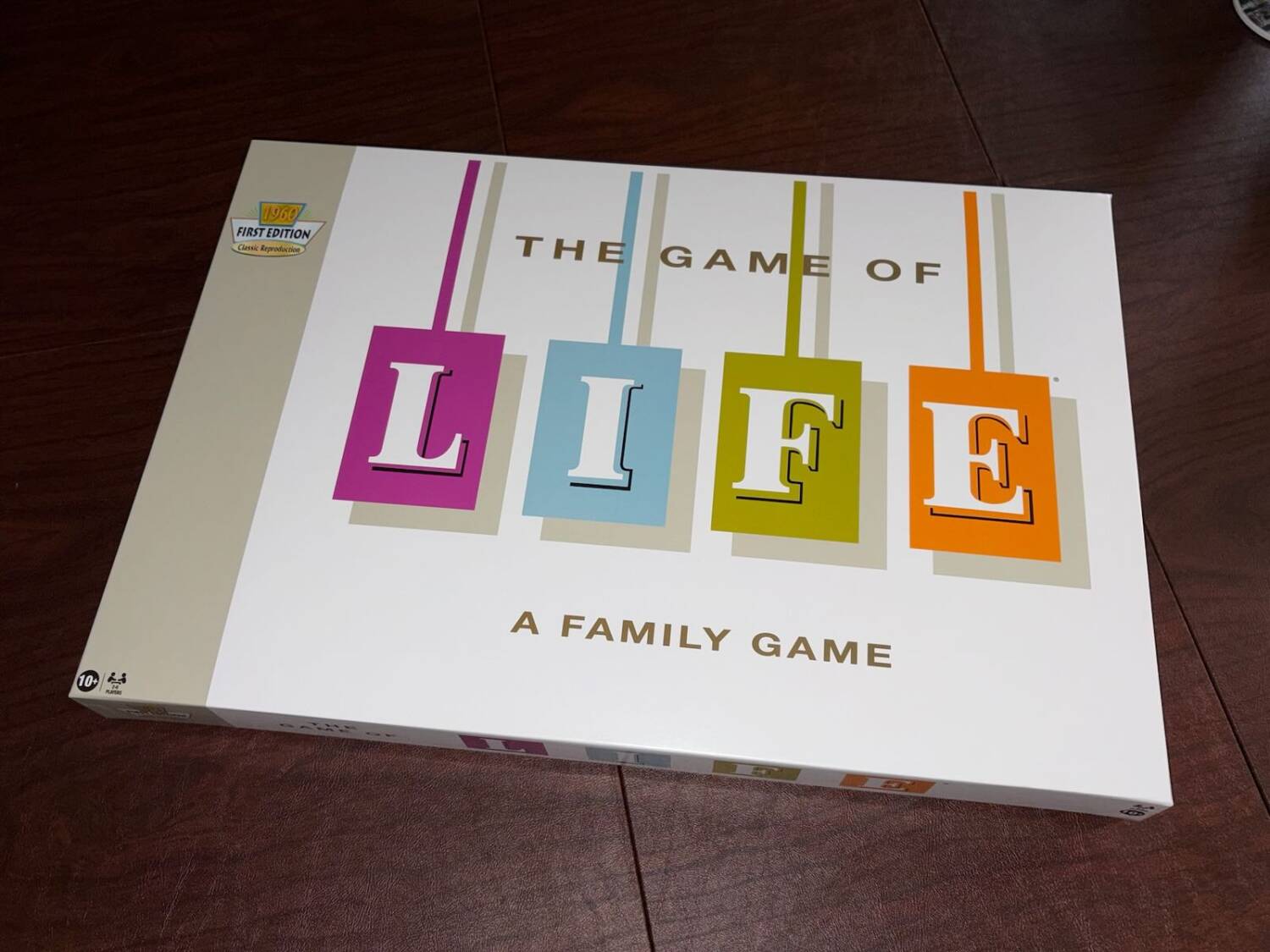
(For reference, everything in this piece refers to the 1960 version of The Game of Life. This version is the version I had as a kid and re-bought when Winning Moves Games remade it. There have been many versions since, but I haven't played all of them. The ones I have played tweaked the formula and have failed to capture "life" laike the original.)

LIFE BOX

Sigh. I just finished another play-through of the newest life-simulation board game, Coming of Age. As a "gamer's game" it is okay, if a lot heavier than I anticipated. There is a lot to think about, manage, and optimize. Plenty of cubes, tracks and tokens, if that's your jam. It gave my brain a workout.

That's not the reason I bought it, however. I was (and still am) looking for a fun, "gamer's" life-simulation game to replace The Game of Life. I've tried almost all of the life-sim games out there. Pursuit of Happiness. CV. Adulthood. And now Coming of Age. They are good games, for the most part, but they lack the pure fun and whimsy of The Game of Life.  

As a kid, The Game of Life was just a blast. We'd put the pegs on the spinner and send…

The post Why The Game of Life Is Still The Best Life-Simulation Board Game appeared first on Meeple Mountain.

  •  

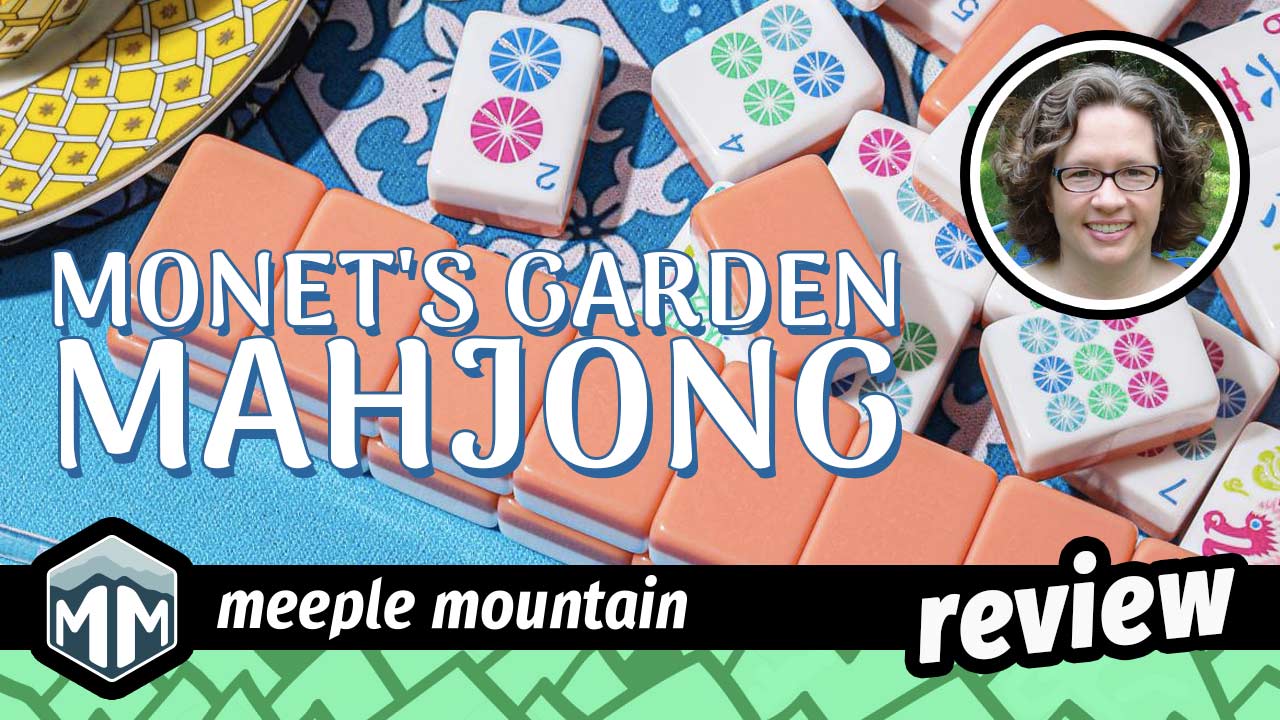
Monet’s Garden Mahjong Tile Set Game Review

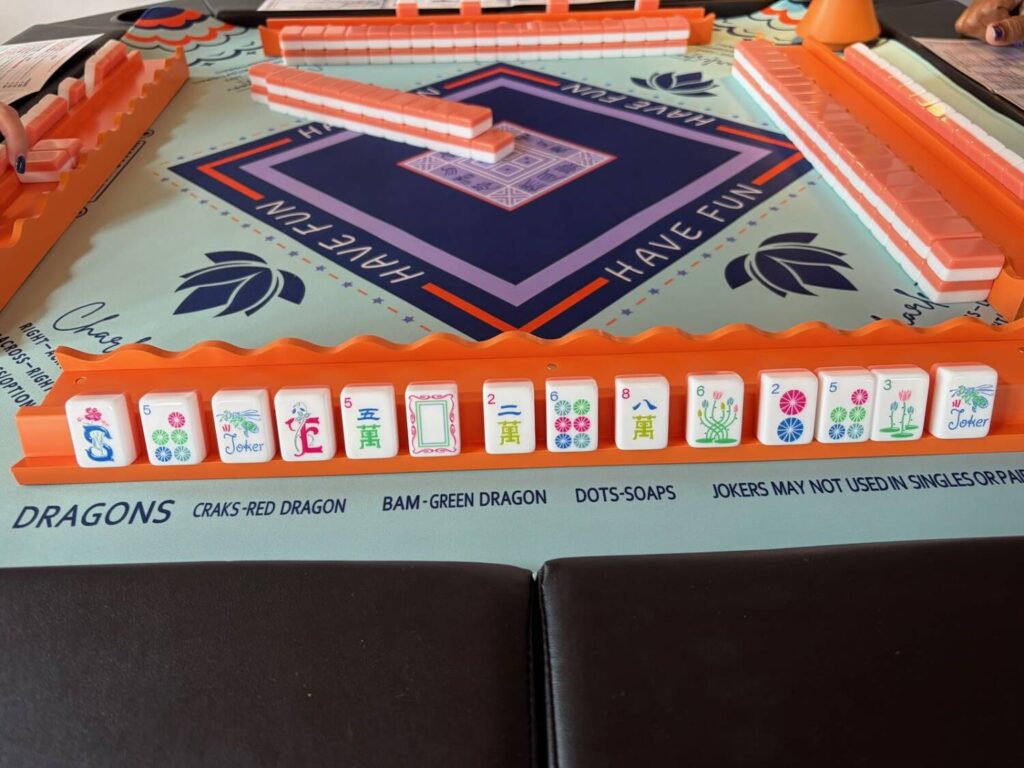
(Note that this tile set is for American mahjong, not Chinese mahjong. While the games are similar and share the same roots, the tile sets required to play each are slightly different.)

Editor: Please read to the bottom for a discount code on Monet's Garden Mahjong set.

The Mahjong Moment

Mahjong is a traditional game that’s having a modern moment. Like chess, it’s a game that has long had its followers but has never quite become part of the mainstream hobby scene. Now both games are experiencing renewed popularity.

In the tabletop world, we saw a big boom in gaming during and after Covid. The need for entertainment and escape, coupled with a need to engage in-person after being isolated drove renewed interest in modern board games. The same is true of role-playing games, chess, and, yes, mahjong.

Suddenly mahjong is everywhere. Social media is bursting with pictures and meetups. I don’t even live in a major city and I see flyers advertising mahjong classes, playgroups, and tournaments all over town. Hallmark even made a mahjong movie and matching Christmas ornament!

Monet's tiles

With all of this interest comes a flood of products designed to capture every possible dollar. Mats, racks, lamps, tile sets, tables, carrying bags and more are all…

The post Monet’s Garden Mahjong Tile Set Game Review appeared first on Meeple Mountain.
  •  

Perennial Game Review

Growing Your Garden

In Perennial, your job is to grow the best prairie garden using tools and tiles. It's a tile-placement game with set collection, drafting, pattern building, and end game bonuses tied to how well you've placed your tiles. Are you thinking you've seen this before? Maybe in Cottage Garden, or Pergola? 

You haven't. 

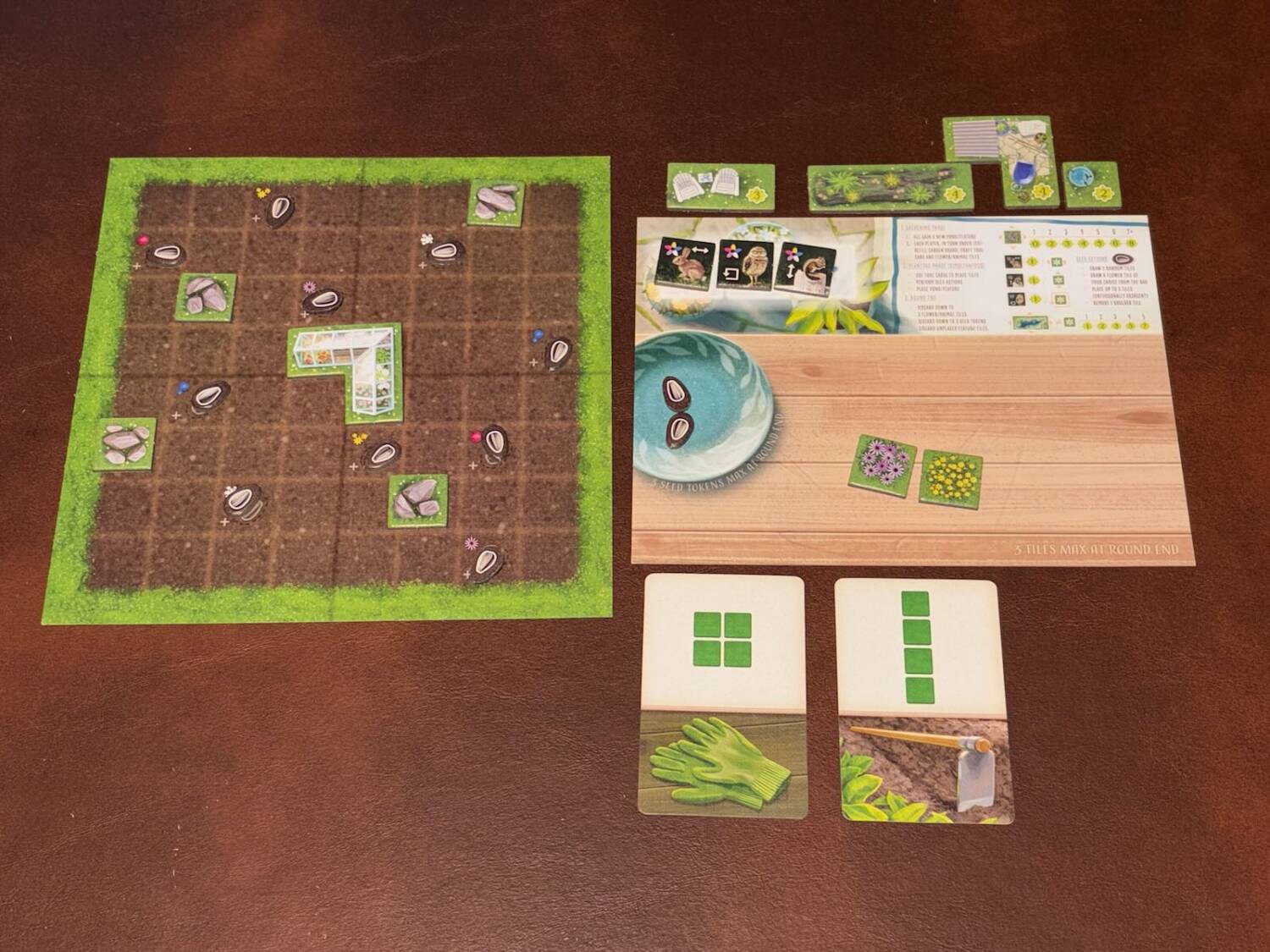
Oh, sure. The game starts in a standard fashion: Each player is given a Garden Board on which to place tiles, and a Workshop Board to store resources. The Garden Board is seeded with boulders which act as obstacles that you must build around, and actual seeds which can give you benefits later in the game. A greenhouse polyomino is placed in the middle as an anchor point for your first tile placement (and it acts as another obstacle). A square Central Drafting Board is randomly filled with Flower Tiles and Animal Tiles. Four Tool Cards are placed around the edges of the square. The Pond/Feature cards are shuffled and placed near the board, and the top one is turned over to reveal the first tile. Each player is given four Pond/Feature polyomino tiles that must be placed, one per round according to the card drawn from the deck. 

[caption id="attachment_333238" align="aligncenter" width="1500"]Individual Player Components…

The post Perennial Game Review appeared first on Meeple Mountain.
  •  
❌