Was habe ich gespielt? boardgamearena.com: Toy Battle, Cacao, A Gest of Robin Hood, Planet Unknown, Dice Missions, Beer & Bread Boss Fighters QR Dewan Trio Crisps! 7 Wonders Architects Deckers Carp City
boardgamearena.com: Toy Battle, Cacao, A Gest of Robin Hood, Planet Unknown, Dice Missions, Beer & Breadboardgamearena.com: Toy Battle, Cacao, A Gest of Robin Hood, Planet Unknown, Dice Missions, Beer & Breadboardgamearena.com: Toy Battle, Cacao, A Gest of Robin Hood, Planet Unknown, Dice Missions, Beer & Breadboardgamearena.com: Toy Battle, Cacao, A Gest of Robin Hood, Planet Unknown, Dice Missions, Beer & Breadboardgamearena.com: Toy Battle, Cacao, A Gest of Robin Hood, Planet Unknown, Dice Missions, Beer & Breadboardgamearena.com: Toy Battle, Cacao, A Gest of Robin Hood, Planet Unknown, Dice Missions, Beer & BreadBoss Fighters QRDewanTrioCrisps!DeckersDeckers7 Wonders ArchitectsCarp City
Die spannende Neuigkeit zuerst: Das Spiel Lords of Waterdeep von Renegade Game Studios und Wizards of the Coast (dem Rechteinhaber von Dungeonss and Dragons), welches bereits 2012 auf Englisch erschien, soll im Herbst 2026 auf Deutsch erscheinen. Das wurde auf dem Asmodee Pressetag am 26.02.26 verkündet. Eine Nachricht, mit der wahrscheinlich niemand mehr gerechnet hätte. Und Asmodee will zeitgleich auch die Erweiterung (die ich unbedingt empfehle) mit herausbringen.
Ausschlaggebend war hier vielleicht auch das angekündigte Reprint des Spiels, dass bereits im Herbst letzten Jahres für April 2026 angekündigt wurde.
Aber nun mal zum Spiel selbst. In Lords of Waterdeep spielen wir einen der maskierten Lords und versuchen die Macht über die Hafenstadt Waterdeep (Deutsch: Tiefwasser), im Nordwesten von Faerun, an uns zu reißen. Über unsere Agenten rekrutieren wir Abenteurer (Ganoven, Kleriker, Kämpfer und Zauberer), um diese dann auf Missionen zu entsenden und damit in erster Linie Siegpunkte und Geld zu erringen.
Zu Beginn des Spiels erhält jeder, der maximal 5 Mitspielenden, einen zufälligen Lord. Jeder der Lords hat eine Vorliebe für bestimmte Missionen (Quests) und man erhält für jede dieser erfüllten Missionen am Spielende (nach der 8. Runde) noch mal zusätzliche Siegpunkte.
Bei den Missionen (Quests) gibt es 5 unterschiedliche Arten, plus die Mandatory Quests (die aber zu den Intrigen gehört). Die Art gibt an welche Art von Abenteurern für die betreffende Mission primär erforderlich sind.
Die Mandatory Quests sind verpflichtende Missionen, die man einem Mitspielenden aufdrücken kann. Dieser muss dann diese Quest zuerst erfüllen, bevor er sich wieder seinen anderen Missionen zuwenden kann.
Zudem gibt es bei den normalen Missionen noch sogenannte Plot Quests. Diese besitzen dauerhafte Effekte, wenn sie erfüllt wurden.
Wenn man am Zug ist entsendet man einen seiner Agenten zu einem Ort in der Stadt und führt dort die Ortsaktion aus, danach darf man noch eine seiner offenen Missionen erfüllen.
Im Cliffwatch Inn erhält man neue Questen (Missionen), Geld und/oder Intrige-Karten.
Eine wichtige Quelle für Siegpunkte sind Gebäude, die man im Spielverlauf errichten kann. Außer Siegpunkten bringen diese Gebäude neue Einsetzfelder. Setzt hier im Spielverlauf ein Mitspieler seinen Agenten ein, so erhält der Gebäudeerbauer (Owner) dafür Einkommen.
Eine besondere Würze (und Interaktion) kommt durch die Intrige-Karten ins Spiel. Mit diesen kann man Mitspielende attackieren, zusätzliche Aktionen ausführen oder konkurrierenden Lords eine Mission aufzwingen.
Ich würde jedem auch direkt die Erweiterung Scoundrels of Skullport empfehlen. Diese bringt 2 neue Spielpläne: Undermoutain (mit 3 Orten) und Skullport (mit dem Corruption Track und 3 weiteren Orten), Material für einen 6. Spieler, neue Quest und Intrige-Karten und neue Gebäude. Die Orte in Skull Port sind dabei sehr verlockend, da man hier besonders viel für seine dorthin entsandten Agenten erhält, aber Vorsicht, man muss hier auch immer 1 Totenschädel (Corruption) nehmen und wenn man die bis zum Spielende nicht wieder los wird, dann gibt es kräftig Minuspunkte.
Lords of Waterdeep ist ein einfaches und schnell erklärtes Kennerspiel, in dem es in erster Linie um das Sammeln von Ressourcen (Abenteurer und Gold) geht, um damit die Missionen (Quests) zu erfüllen.
Eine Partie hat bei uns bisher immer so um die 90 Minuten gedauert, wobei ich das Spiel noch nie mit mehr als 3 Leuten gespielt habe.
Meine Wertung für Lords of Waterdeep: 8/10
Mich begeistert es vor allem thematisch, auch wenn es objektiv betrachtet gar nicht so thematisch ist. Man muss schon ein Fan der D&D Welt Faerun und der Geschichten, die darin spielen, sein und sich auf die Flufftexte einlassen. Ich habe die Welt und Tiefwasser vor allem durch die Romane von R. A. Salvatore, rund um den Dunkelelfen Drizzt Do’Urden und seinen Gefährten, kennengelernt. Mittlerweile gibt es hier 39 Romane und die meisten davon habe ich mehrfach gelesen.
Für das Spiel habe ich mir noch einen großen Spielplan (90x90cm), der noch die 3 kleinen Pläne aus der Erweiterung integriert, auf LKW-Plane drucken lassen. Darauf gestoßen bin ich durch ein Video vom Brettspiel Snob: Lords of Waterdeep – German Review
Eigenes Spielertableau (Taverne)
Kennt ihr Lordss of Waterdeep und habt ihr es schon mal gespielt? Dann teilt mir eure Meinung gerne mit.
Recently an Instagram post about Japanese ideologies appeared in my feed, and I keep returning to it, so I thought I’d share my ruminations with you today.
Kaizen: Improve by 1% every day instead of chasing perfection.
I think about this in two ways: One, I try to acknowledge that Stonemaier Games (and myself) can always improve, and real improvement takes time. Two, big projects are completed only when we make progress in small, incremental steps (a lesson I took to heart when designing Vantage–even if I only found time to design 1 new location on a certain day, that was infinitely better than not making any progress at all).
Shoshin: Keep a beginner’s mind; curiosity makes learning endless.
I love learning about other people, games, companies, etc. You may notice that nearly every article, video, or post I make ends with a question, as I’m genuinely curious about other perspectives. I also love to see people approach a variety of topics–from light to serious–with real questions grounded in curiosity (not loaded questions).
Ikigai: Find the reason you wake up, as purpose fuels happiness.
This is a tough one. It’s truly amazing to understand your “why”, but what if your purpose is distant from your daily responsibilities? That said, I have found it incredibly helpful to have a clear, guiding principle: To bring joy to tabletops worldwide by serving you. That is the lighthouse for every boat I try to steer ashore.
Nemawashi: Prepare quietly before decisions; success comes from groundwork.
I’m working on this, but it doesn’t come naturally to me. Specifically, when there is a decision to be made, my instinct is to make it and move forward. I think this comes from a previous job when decisions would be deliberated ad nauseum; also, for a long time it was just me at Stonemaier. It’s really nice that I can make decisions without going through bureaucratic stopgaps, but now I’ve found so much value in involving different coworkers when I’m deliberating something.
Oubaitori: Never compare yourself to others–everyone blooms in their own season.
One of the most unhealthy things I’ve done (and sometimes still do) is compare myself, my games, and Stonemaier Games to others. It’s an insecurity, plain and simple. I don’t need to judge myself in relation to someone else, nor is it productive to judge someone else in comparison to me. Rather, I try to learn about others with an open heart and appreciate what they’ve created.
***
Which of these ideologies resonates the most with you? Which one do you struggle with the most?
Every day for the last 10 months, I’ve lived in fear that the executive branch of my own country would raise our import taxes to an extreme level that would significantly damage Stonemaier Games and the thousands of small businesses seeking to serve their US customers, retailers, and employees.
So when the Supreme Court ruled on Friday that the tariff taxes and the way they were implemented were unconstitutional, I had a huge sense of relief. Relief that small businesses can no longer be used as pawns in a global game. Relief that the whim of one person can no longer effectively change the landed cost of our product from $10 to $25.
Yes, there are still legal ways for the executive branch to impose tariff taxes. They seem really passionate about making small businesses in the US pay more taxes. But these methods have limits: For example, the new tariff tax is 15% (that’s the max it can be), and it needs congressional approval to extend beyond 150 days.
In the immediate future, I don’t think we’ll see much of an impact on prices, as anything in stock in the US already had its tariff tax paid when it entered the country (if it was manufactured elsewhere). My perception is that many businesses avoided raising prices and instead just ate the extra costs (that’s what we did; we did not increase any prices).
There is also the possibility of tariff tax refunds. To date, Stonemaier Games has paid just under $300,000 in tariff taxes to the US government. I’m not counting on getting any of that back–it will be nice if we do, and I hope that other businesses do, but the level of uncertainty isn’t something for which we can plan.
My hope, as always, is that what happens next will help me best serve my coworkers, our independent contractors and partners, and our customers in the US and around the world (consumers, retailers, and distributors). I wish the same for all other small businesses.
How have the tariff taxes affected you, and what is your hope for the future of tariff taxes?
***
If you want to question the feasibility of manufacturing highly customized games in the US, the ethics of manufacturing in other countries, or the politics of opposing tariff taxes, please read this and this.
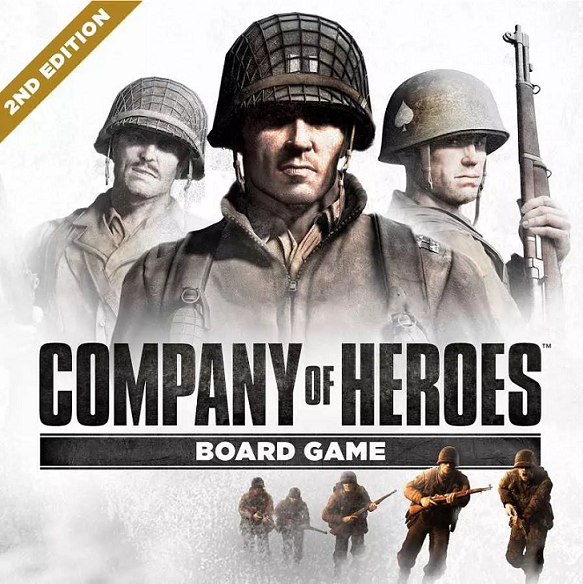
I find it hard to believe the Company of Heroes board game is five years old. This splendid adaptation of the popular real-time strategy PC game was a story in 2021. My review contained a healthy amount of enthusiasm, and it occupied a key position in my top 10 of the year. A lot has…
Was habe ich gespielt? boardgamearena.com: Zauberei hoch drei Frantic Stamp Showdown Dungeon Designer Deckers
Zauberei hoch dreiFranticStamp ShowdownDungeon DesignerDeckers – aller Anfang ist schwerDeckers – läuft…Deckers – projizieren und Magnetstrahl anwenden. Adieu HackmanDeckers – Sieg in Sapporo
For the last 10+ years, Stonemaier Games has invested a lot of up-front time, resources, and love into our products, completing production before we sell to customers on our 4 regional webstores (followed by shipping soon afterwards, then a retail release a few weeks after fulfillment is complete).
This method has proven to serve our customers incredibly well, with 3 circumstantial exceptions:
It’s a guessing game as to how many units we send to each of our fulfillment centers (US, Canada, Europe, and Australia/NZ/Asia), so sometimes we have sold out of a product in one region but not another. Customers then need to make a back-in-stock request and wait for the reprint (or buy from their local store, as many units are reserved for retail distribution).
Even with our extensive oversight process, mistakes can slip through to the first printing of a product.
Our launches primarily reach those who follow Stonemaier Games in some capacity, directly or indirectly.
With this in mind, I was both impressed and intrigued that Gamefound is introducing a new feature called Express Crowdfunding. In their words: “Instead of collecting pledges and waiting months or years to deliver, Express Crowdfunding allows creators to gather shipping details and begin fulfillment while the campaign is still live.” When the initial printing sells out, Express shifts into accepting preorders for a second printing.
I think this is fantastic, as it directly addresses what I believe is the biggest issue with modern crowdfunding: uncertainty. When a creator launches an unfinished product, they pass the burden of uncertainty onto their backers.
Express asks creators to finish and produce some quantity of their product before launching. Yes, there’s risk in that, and I understand why creators old and new have to choose how they mitigate that risk. That’s where Express shines (in principle–we won’t see it in action until Labyrinth Chronicles launches on Tuesday): You can make a smaller print run of the game up front so some customers can receive it within a few weeks of launch, then within the same campaign you can gather preorders from everyone else.
I confirmed with Marcin at Gamefound that the pre-produced games can have a variety of variants (different versions, languages, or quantities at fulfillment centers). A creator could offer a different price for a pre-produced version than a second printing if they wish, and backers can choose between the two. StretchPay doesn’t apply to the pre-produced games, and so Express may not work as well for games priced at $100+.
In my opinion, this is a strongly backer-focused option, and I’m curious which other creators will try it first. If you do, please let me know so we can talk about it.
Does this intrigue me for a future Stonemaier launch? Just a little bit, particularly for #3 on my above list. However, part of our method is that we not only get products to customers soon after launch, we also get them to retailers soon after launch fulfillment. In fact, we saw with Expeditions that it doesn’t serve retailers and their customers well when there’s a big gap between launch fulfillment and retail fulfillment.
Also, we’ve taught early adopter consumers over many years that our webstore is the place to go to get our games, and our Champion program is built around the Shopify platform. Our webstores sync up perfectly with our fulfillment centers, and we’ve invested heavily in the webstores with significant results ($5.3m in net consumer webstore sales in 2025).
So while we likely won’t try Express, I applaud the innovation.
Quick notes on other crowdfunding innovations:
Gamefound has also implemented Endgame, which lets backers extend a campaign as long as it continues to receive pledges. This can help with stretch goals and give more backers access to lower campaign pricing before late pledges begin. Marcin notes, “it is also just a fun experience for an engaged community,” which I can see.
Kickstarter offers creators the option to provide “secret rewards” as a way of showing appreciation to certain backers. I learned about this from the creator of the Sugarworks project. I can see this as a nice way to offer a lower price to people for whom you’re particularly grateful.
What do you think about Express, Endgame, and secret rewards from a backer or creator perspective?
What do Senet, Backgammon, the Royal Game of Ur, Mancala, Go, Pong, archery, running, swimming, and boxing have in common? They are some of the world’s oldest games (tabletop, digital, and sports).
I realized recently that games wouldn’t have existed across the world for thousands of years if they weren’t solving an essential problem faced by humanity. Games let us feel something important that we rarely experience on a daily basis. We are able to work because of what we gain from playing.
Here’s a list I’ve compiled of essential feelings that games let us experience. Games enable us to feel:
clever
powerful
creative
lucky
progress
control
safe
joy
adventurous
discovery
connection
potential
useful
empathy
masterful
victorious
acceptance
complete
unique
purpose
love
Think of a game you love and how it makes you feel. I put a photo of Tapestry here because it provides several of these essential feelings: I can feel clever when I eek out one more advance turn before a break for income. I can feel powerful when I expand my territory and ward off opponents. I can feel lucky when I roll the science die. I’m also consistently feeling a sense of progress (I’m always moving forward), control (full agency over the track I choose), and uniqueness (asymmetry).
Of course, the great thing is that no single game needs to provide all of these feelings. An adventurous or lucky game may not give me all that much control, just as a cooperative game that provides feelings of love and connection may not make me feel powerful or victorious.
Also, some of these feelings are provided by the act of gaming itself. I can feel complete in a game by maximizing a set collection mechanism, but I can also feel complete in the meta sense by collecting all expansions for a game I adore. I can feel useful by teaching a game, and I can feel masterful by honing my skills in a specific game over dozens of plays.
The more I thought about this topic, the more I realized two things:
These feelings are truly important in life. I need to sometimes feel lucky. I need to feel a sense of purpose. I need to feel like I’m making progress. Think about how essential (yet rare) these feelings are in our daily lives (work, family, school, etc). Life can be really hard, and there may be long spans of time when we don’t feel unique, discovery, or control. Games aren’t a replacement for those feelings in our daily lives, but they remind us that these feelings are possible.
We can create games with intention to evoke these feelings. On a purely theoretical level, I can look at any game we make and attribute at least a few of these feelings to it. I can also say that many of my games have an intended experience. But from now on, I plan to use these feelings as the foundation for every game’s design and development. Again, not every feeling for every game–some are contradictory–but I want our games to solve this problem with intention, not stumble into a solution.
I believe these are essential feelings to the human experience. While I truly hope that we all get to feel them in real life on a regular basis, I’m glad that games provide a consistent source of these feelings.
I’d love to hear your thoughts on this concept. Am I missing any essential feelings? Do you consider these feelings essential to our humanity? What’s a game you played recently that provided a few of these?
Was habe ich gespielt? boardgamearena.com: Carnuta, Agent Avenue, Dewan, Toy Battle Stamp Showdown Trekking: Reise um die Welt Dewan
boardgamearena.com: Carnuta, Agent Avenue, Dewan, Toy Battleboardgamearena.com: Carnuta, Agent Avenue, Dewan, Toy Battleboardgamearena.com: Carnuta, Agent Avenue, Dewan, Toy Battleboardgamearena.com: Carnuta, Agent Avenue, Dewan, Toy BattleStamp ShowdownTrekking: Reise um die WeltTrekking: Reise um die WeltDewan
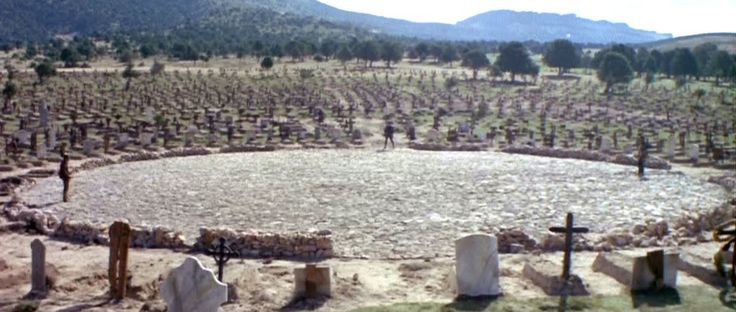
I remember the first time I saw The Good, the Bad, and the Ugly. I was a teen, sitting in front of a small CRT in a small living room. I was wholly unaware of what the next three hours of my life would entail. I hadn’t yet learned to trust my dad. And while…
Years ago I was wrong about pledge managers, and I’m still learning the full scope of my short-sightedness about them.
For the way we sell new products there’s only a few weeks at most between the launch date and shipping, so we don’t use pledge managers. But I noticed a surprising data point after the recent 5-day launch period for Wingspan Americas and Viticulture: Bordeaux.
Both products sold well on our webstore during that time: 20,260 copies of Wingspan Americas and 6,353 copies of Viticulture: Bordeaux. However, in terms of the 5-day revenue, these products comprised of only half of of webstore sales. The other half of revenue came from older products.
You read that correctly. Nearly for every dollar of a sparkly new product, customers spent another dollar on an older product. Perhaps this is to consolidate shipping (we offer $10 flat-rate shipping)? Or the new products provided a nice excuse to browse the webstore?
This is what I underestimated and misunderstood about pledge managers years ago when Backerkit originally created this extension of the campaign. My backer mentality was that I’m there for the new product–if I wanted a company’s older products, I would have already purchased them, right?
But that’s not the case. The pledge manager is just an optional, non-pushy service to customers. After all, everything is shipping from the same fulfillment centers. It’s an opportunity for discovery and shipping consolidation. And, in some cases, it’s a chance for a publisher to try to move slower-selling products.
This was also a reminder to me that having related products in stock (i.e., Wingspan and Viticulture products for the recent launch) is really important, and that requires planning at least 6 months in advance.
What do you think about this? Do you ever add products to your cart in pledge managers that you weren’t planning to buy? Are you typically happy with that choice?
***
Also check out Jet Bridge, a Shopify extension that can act similarly to a pledge manager for crowdfunders who use Shopify for ongoing sales. Ben Harkins at Floodgate shared this with me after I posted this article.
Ich hab hier viel zu lange nichts mehr geschrieben, dabei ist es nicht so, dass nichts passiert wäre. Es hatten sich einfach andere Aktivitäten in den Vordergrund gedrängt. Lust habe ich eigentlich noch. Und aktuell brennt mir was auf der Seele. Trigger-Warnung für alle, die das für skandalös halten: Ich vermische heute mal wieder Spiel und Politik,.
Kurz vor Weihnachten war ich nämlich zum zweiten Mal eingeladen worden, mich als Juror an einem Persian Game Jam zu beteiligen (aus der Ferne). Ein Game Jam ist eine Veranstaltung, auf der Leute Spiele erfinden. In der Regel ist sie gezielt zu kurz für eine ausgereifte Entwicklung (einen Tag lang zum Beispiel, wie auch hier). Es geht also darum, nach einer Vorgabe (Thema, Material, oder etwas anderes) ein Spiel zu entwickeln und einen spielbaren Prototyp herzustellen und damit hinnerhalb der kurzen Zeit möglichst weit zu kommen. Oft werden eine oder mehrere der dabei herausgekommenen Ideen prämiert.
Und ja, solche Game Jams gibt es auch im Iran. Bei der vorherigen Ausgabe 2024 war ich auch schon als Juror dabeigewesen. Damals war die Vorgabe gewesen, eine Variante von UNO zu entwickeln. Von relativ zahmen Varianten bis zu Call of Cthuno war alles dabei gewesen, und es hat Spaß gemacht, mir das alles anzusehen. Spielen konnte ich es nicht, wir Juror:innen kriegten jeweils ein Video und die Regeln für die Begutachtung. Nicht alle Regeln waren immer so klar, was nicht verwunderlich ist, da für Blindtests auf so einem Game Jam nicht viel Zeit bleibt. Aber es war ein großer Spaß, und es hatte mich gefreut, dabeisein zu können.
Ebenso habe ich mich gefreut, als ich für den Game Jam 2025 wieder angefragt wurde,. Der Iran hat, seit ich vor gut 30 Jahren mal für ein paar Wochen durchgereist bin, einen besonderen Platz in meinem Herzen bewahrt. Nicht nur wegen der Sehenswürdigkeiten und der freundlichen Menschen, denen wir begegnet sind, sondern auch wegen der ständig spürbaren Kultur des Aufbegehrens und Brechens von Regeln. Ich habe damals gedacht, dass der Iran sich von der Diktatur irgendwann würde befreien können, aber leider ist das noch imer nicht passiert. Die spektakulären Spielecafés, die es dort gibt, wären ein Traumziel von mir, wenn ich dort eines Tages noch mal hinkommen sollte.
Wie dem auch sei, nachdem ich als Juror zugesagt hatte, wurde mir das Thema des neuen Game Jams mitgeteilt, und ich habe nicht schlecht gestaunt: Sagaland. Natürlich ist Sagaland ein Klassiker, aber von allen Spielen des Jahres (es war Preisträger 1982) war es das Spiel mit der niedtrigsten Altersangabe und war daher ein bisschen aus meinem Fokus verschwunden. Ich hatte irgendwann, als meine Kinder klein waren, hatte ich mir mal wieder eine alte Ausgabe auf einem Flohmarkt gekauft und war ziemlich enttäuscht gewesen – ich empfand es inzwischen als viel zu lang und oft zu frustrierend, insbesondere bei größeren Personenzahlen. Also war ich davon ausgegangen, dass es einfach nicht besonders gut gealtert sei. Erst durch die Einladung habe ich mir die Regeln wieder angeguckt und festgestellt, dass sie schon vor langer Zeit überarbeitet worden. Inzwischen dürften ganze Generationen herangewachsen sein, die das Spiel nur in der neuen Variante kennen: Gut so. Aber dass das Spiel im Iran so bekannt war, hatte ich natürlich nicht geahnt.
Vorab haben wir kleine Grußbotschaften auf Video aufgenommen. Auch Michel Matschoss, der Sagaland ja damals zusammen mit Alex Randolph entwickelt hatte, hat ein solches Video geschickt, was mich sehr gefreut hat.
Nun also ging es für die Telnehmenden am aktuellen Game Jam ebenfalls genau darum: Um eine Modernisierung oder Abwandlung von Sagaland. Und sie lieferten ab. Es gab insgesamt 13 Gruppen von meist 4 Leuten (mit seit dem letzten Jahr klar gestiegenem Frauenanteil, was mich besonders gefreut hat), und wieder spannende Ideen, von naheliegend bis wild. Diesmal hatte ich das Gefühl, dass die Gruppen sich auch analytischer mit Sagaland auseinandergesetzt hatten als letztes Jahr mit UNO. So gab es diverse Beiträge, in denen das gelegentlich langwierige Würfeln verkürzt wurde, mit verschiedenen und verschieden sinnvollen Methoden. In einem anderen Beitrag hatten die einzelnen Märchenkarten, die man einsammelt, noch besondere Fähigkeiten, was die thematische Einbindung gestärkt hat (auch wenn das normalerweise nicht ganz mein Stil ist). Den Vogel abgeschossen hat aber „—“, das die Würfel gleich ganz weglässt – man schnippst stattdessen seine Spielsteine durch den Wald. Das war schon eine wilde Idee, und die hat am Ende auch gewonnen. Innerhalb der Jury gingen die Meinungen zum Teil deutlich auseinander, was sicherlich auch ein Stück weit daran gelegen hat, dass wir die Spiele eben nicht direkt ausprobieren konnten. Ich hoffe aber, dass wir ein bisschen dazu beigetragen haben, Nachwuchsautor:innen zu ermutigen.
Aber natürlich ist mir die Freude an diesem Event nur wenige Tage später jäh vergangen, als das iranische Regime die Proteste blutig niedergeschlagen und Tausende Menschen ermordet hat. Es bleibt nicht aus, dass man sich Gedanken darüber macht, ob jemand von denen dabei war, die einem direkt zuvor noch spannende Spielkonzepte vorgestellt haben. Das werde ich vermutlich nie erfahren, mir aber noch lange Gedanken darüber machen. Ich wünsche mir einfach, dass die Verbrecherbande an der Spitze dieses Staates endlich verjagt werden kann und dass die Menschen wieder mehr Gelegenheiten haben, sich an der Schönheit des Lebens zu erfreuen.
Last year around this time, a coworker shared that they would feel valued by a Stonemaier company retreat. After asking other coworkers about the idea and hearing that they were supportive of it, I started the year-long process of planning the trip, which culminated in roughly 3 days in Phoenix last week.
The main feature of the retreat was that it was the first time all 8 of us have ever been in the same place at the same time, as we all work well from home in Missouri, Oregon, Florida, Nevada, and Minnesota. My happy place is at my desk at work, but I was happy to serve my coworkers by arranging and participating in this trip.
Details about exactly how the trip worked are in the article I wrote in June. Basically, I found a location (Phoenix) that met the environmental preferences of all coworkers and was within a direct flight for almost all of us, and I found a rental property where we could all have our own rooms to meet privacy, introversion, and sleeping needs. The trip was only for Stonemaier employees, and the focus was on each other and Stonemaier Games (opposed to nearly everything else we do, which is focused on our customers). The trip was during the week, as it was a work trip–I wanted everyone to be able to return home for a weekend with their families and friends.
Two things that evolved after I wrote that article in June are as follows:
Food: I heard some good advice about food planning–make it easy for everyone–that I took to heart. For breakfast, we picked up a few basic items from the grocery store on the first day. For lunch, I researched nearby restaurants from which we could order delivery or pickup. For dinner, I made reservations at a few local places that met everyone’s dietary preferences.
Schedule: I heard some other good advice about having some sort of structure to each day, shared in advance so everyone has a clear vision and can plan accordingly. Here’s how it looked:
casual breakfast individually at the house
mornings are free time to do anything you want in and out of the house: work, sightsee, meet outside the house with local friends, relax, etc.
order in together for lunch
stay at the house for the afternoon (not necessarily for anything in particular, but just to create the potential of working together if there are things to playtest, discuss, or just play for fun)
go out together for dinner
play games together, hang out at night, and/or have quiet time
The only last-minute changes involved (a) those of us in St. Louis getting a huge snowstorm just before the trip, resulting in a longer flight and a much later arrival than planned on Tuesday and (b) we rented an 8-passenger van rather than taking rideshares around the city.
Before the trip, I printed/assembled a bunch of prototypes and packed them along with a submission and some pre-production copies. We spent the majority of the two afternoons (plus one evening) playtesting and discussing these games.
My coworkers shared a wealth of feedback for me to consider and implement, which was as helpful as it was exhausting (if you’ve ever run a playtest of one game for a few hours, you know how much mental and emotional energy it requires–this was six games over a total of at least fifteen hours). This resulted in me returning from the trip with a staggering amount of work. Their feedback was great, though, so I’m navigating how to better include coworkers in the playtesting and product design process in a more spaced-out, remote, and independent way.
I think my favorite couple of hours during the retreat happened on the last night after the final playtest session. We were tired enough to go to bed, but instead we drifted one by one into the living room and talked. Just 8 people hanging out, joking, sharing, opining, etc. It was really nice to have that idle time with such delightful folks.
I’m sharing all this partially to close the loop I opened in June’s article and partially to offer an alternative template to traditional corporate conferences filled with speeches and teambuilding activities and intense meetings. We essentially just got together in a nice place and worked/playtested for a few days.
Would I do it again? I’m not sure. I’m definitely not looking to add another job to my job, and this was no small effort for me to plan, coordinate, and execute; I also returned with far more work than when I arrived. I think we work well remotely (in fact, in many ways this was a reminder of why I prefer to work from home, especially as an introvert), and much of the product design discussions can happen virtually on a rolling basis. Three of my coworkers are here in St. Louis and already participate in playtesting (though I could do a better job of inviting them more often). The idle time was intangibly important, though, so every few years I think it would be nice to get together for that purpose, even if it’s just a quiet evening before Design Day when most people are in St. Louis anyway.
I’m curious to hear your reactions, thoughts, and questions to this style of work retreat–feel free to share in the comments!
Was habe ich gespielt? boardgamearena.com: Tipperary, Auf den Spuren von Marco Polo, Dog Lover Toy Battle
boardgamearena.com: Tipperary, Auf den Spuren von Marco Polo, Dog Loverboardgamearena.com: Tipperary, Auf den Spuren von Marco Polo, Dog Loverboardgamearena.com: Tipperary, Auf den Spuren von Marco Polo, Dog Loverboardgamearena.com: Tipperary, Auf den Spuren von Marco Polo, Dog LoverToy BattleToy Battle
A few months ago, my coworker, Alex, moved from St. Louis to Minneapolis. This week I spent some time with him in person for the first time since the move, and we had a long chat about the horrifying recent/ongoing events in his new city.
If you haven’t followed the news, the quick version is that there are thousands of masked, armed men patrolling the streets, breaking into homes, and committing acts of violence with no accountability from the federal government. In the face of such danger and oppression, the people of Minneapolis/St. Paul have joined together to say in their words and actions that this isn’t right. They are taking care of each other. They are being good neighbors to each other.
Alex described the incredible sense of community that has emerged from the peaceful protests in Minneapolis. He also spoke of the small businesses who have spoke up against ICE without fear of retribution (or maybe some with fear–this is a scary situation) and how their words have power.
We see the tremendous weight of grief, anger, and fear that so many are carrying right now. No one should have to live with constant fear. Everyone deserves to feel safe, valued, and to be treated with dignity.
Stonemaier Games wholeheartedly supports the voices demanding an end to violence, calling for accountability, for true racial justice and equality, and for simple kindness and decency. We truly admire the power and necessity of peaceful protest. The care that Minnesotans (and so many others) are showing for one another by standing together, listening, helping, and protecting their communities, demonstrates incredible strength, compassion, and resilience.
Kindness matters. Especially during times like these.
As a company, and simply as people, we believe deeply in our shared humanity. Healing can only happen when we listen with empathy, acknowledge pain honestly, and hold space for one another.
While the path to change often feels slow, we hold onto hope. Hope that accountability, deeper understanding, and meaningful progress will emerge from moments like this. Your quiet determination should inspire us all. Please, look out for each other. We are not all the same, but we are undeniably stronger together.
Stonemaier Games stands with Inside Up Games in supporting organizations doing vital work on the ground. Groups like Monarca MN and MIRAC (Minnesota Immigrant Rights Action Committee) focus on protecting, supporting, and caring for communities who are often the most vulnerable during difficult times, both in Minnesota and other places where these incursions are happening.
You are not alone. We see you, we support you, and we are sending care and solidarity from Missouri, Nevada, Florida, Oregon, and from within Minneapolis.
–Jamey, Alan, Susannah, Dave, Joe, Christine, Erica, and Alex
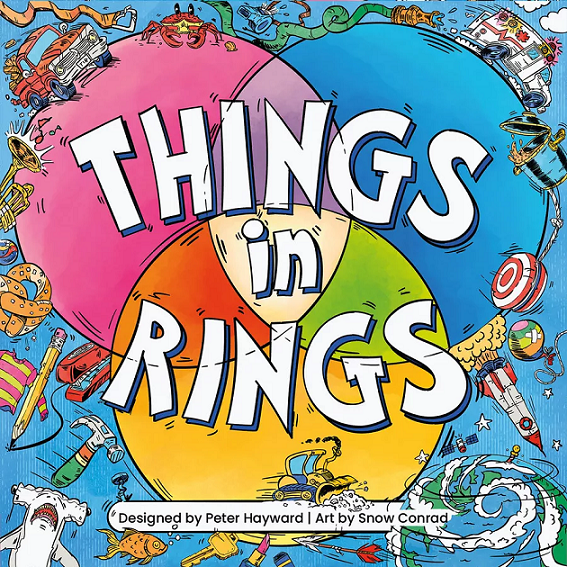
“Think left and think right and think low and think high. Oh, the things you can think up if you only try.” Party games often get short shrift. But it’s a difficult genre for innovative work. The majority of titles in this category are word games springing off the popularity of Codenames, or selection and…
Over the weekend I was printing and cutting some game prototypes, and I put the latest season finale of Welcome to Wrexham on in the background. I didn’t expect the confluence of those two activities to bring me to tears.
In this episode, the Wrexham football team is preparing for a game at the end of the season that will decide whether they are promoted to the second-highest level of English football. The team’s co-owner, Rob McElhenney, gives a speech inspired by a text conversation he had with some unnamed, highly successful athletes.
Here’s most of McElhenney’s speech, almost verbatim (thanks to this transcript). Also, if you have Hulu, I highly recommend watching the speech, as it’s brilliantly edited in a way that splices footage of the final game with the players during their childhood days.
“I want you to picture a time in your life. Maybe you’re eight, maybe you’re nine, maybe you’re ten, maybe you’re six, maybe you’re 12, but you’re out there and you’re playing football. You’re just kicking the ball around. You’re playing with your friends, your dad, your mom, your sisters, your brothers, your buddies. You’re just playing football.
And it’s fun. And you fell in love with that feeling.
Of course you’re grateful for the support that you’ve had along the way, your family, your friends, and everyone, but you’ve already honored that. From this point, the only person you owe something to is that ten-year-old kid who fell in love with football, who could not wait to be in the position that you’re in right now!
The point is, there is a moment or a series of moments in which you were in love with this game, and that is all that matters. I want you to go out there and play like you’re ten years old and have the time of your lives because I promise you that is the only thing you will remember.”
I’m watching this speech unfold while cutting and sorting prototype cards, something I also did as a 10-year-old. I played and created games then purely for the fun of it. Now I’m very fortunate to run a tabletop publishing company as my job, but sometimes I need the reminder that I do this for the love of games.
I also played soccer as my primary sport from a young age up until college, and I still occasionally play pickup games. Even though I never played at a high level, there was definitely a tonal difference between playing for fun with my friends and starting for my high school team. To practice for hours every day can feel like work, even though it’s a game.
So as I listened to McElhenney’s rousing speech, I found myself in tears. I was transported back to those days when there was no marketing and metrics and planning and budgeting and customer service and project management and proofreading. It was just me sitting on the floor in my bedroom, drawing maps, cutting cards, and writing rules. It was just me juggling the soccer ball outside at sunset with my late father.
This isn’t to bemoan any of the business aspects of my job. I genuinely enjoy them, and I appreciate the variety they offer. I like that game design is only a small part of my job.
But with all the complications we make for ourselves and that come with being adults, the speech was a helpful reminder that there is a child in all of us who once did it for the love of the game. It’s worth honoring that child by seeking and spreading joy.
This may not resonate with your career compared to your childhood passions, but perhaps you can still relate to the concept of doing something purely for the love of it you first discovered when you were young. What does this speech make you think about?
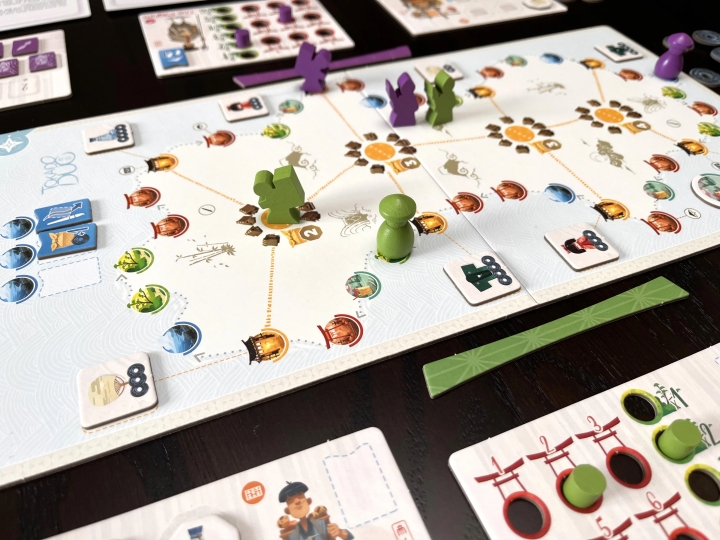
This is an interesting game set on the island of Shikoku, this is a more little bit more complex game than the original Tokaido but it is actually still a fun light game. This has a more in depth map than the original game has and the complexity is in how you use the extra two figures you each have to get the most out of your play. As I have stated unlike the original game each player has three tokens to move and play (a pilgrim an artist4 and a merchant) and a number of zones to do so, they include four mountain towns while the outer zones include temples, gardens, seashores, coastal towns and hot springs.
The aim of the game is points collecting. You collect points in a number of ways and work out at the games end who has won. As in the original you can’t land on an already occupied space so that can be annoying!

 Anmelden