Normale Ansicht

Our Most Important Articles of 2025

25. Dezember 2025 um 15:52

Whether this is the 1st or the 100th article you’ve read on the Stonemaier Games blog this year, I’m so thankful that you’ve decided to read along (and sometimes join the discussion in the comments). Today I’m going to share my most-read articles of 2025 and a key takeaway from each.

  1. How Can We Fix This Together? (Tariffs, Manufacturing, and a Solution): This isn’t technically the most-viewed article I wrote about the tariff tax situation, but it’s the most productive.
  2. Announcing: Wingspan Fan-Designed Bird Promo Packs: Here I revealed one of our final products of the year, 6 packs containing a total of 150 completely new birds (and new powers) for Wingspan.
  3. We Now Sponsor a Professional Athlete!: In a fun twist to something that started as an April Fools product, in 2025 we sponsored disc golfer and huge Wingspan fan Jeremy Koling (“Big Jerm”).
  4. Finspan’s Origin Story and What’s Different Compared to Wingspan: In January I revealed the final game of the -span trilogy, the aquatic-themed Finspan.
  5. Introducing the Third-Party Accessory Showcase: We now offer a way for creators who make Stonemaier-related products to feature their products on our website (they are the seller, not us).

The other substantial content I make is found on our YouTube channel. Other than Stonemaier-specific trailers and videos, the top 5 most popular videos from 2025 were as follows:

  1. My Top 10 Favorite Games of All Time (as of March)
  2. My Top 10 Favorite Heavy Games
  3. My Top 10 Favorite Games of All Time (as of September)
  4. 10 Steps to Design Your First Tabletop Game
  5. My Top 10 Favorite Games of 2025 (Mid-Year)

Is there an article/video–from anywhere–that provided good food for thought this year? If so, I invite you to share a link and your key takeaway in the comments.

If you gain value from the 100 articles Jamey publishes on this blog each year, please consider championing this content! You can also listen to posts like this in the audio version of the blog.

Meaningful Creations, Play, Elevation, and Connections (2025-2026)

22. Dezember 2025 um 16:22

Typically this is a joyful post, a celebration of the past year and hope for the future. But tragedy struck over the weekend: Gosia, aka wingspangirl on Instagram, passed away suddenly, leaving the community awash with grief. My heart especially goes out to her sister, Magda.

As you can tell by her screenname, Gosia loved Wingspan, and she often posted about the game. Her enthusiasm for it was contagious, even for me. She also talked about a bunch of other games–that was the level on which I knew her, and I always appreciated the endless bounds of her positivity.

However, as I’ve learned by reading many of the memorial posts about Gosia, her sense of community went so much deeper. Countless people have expressed how Gosia always took the time to talk to them privately about any topic ranging from games to family/friendships to personal struggles. To Gosia, the social media community wasn’t about views or likes–it was about meaningful connections with people around the world.

With that in mind, the focal point of this year’s post about actions for 2026 is on meaningful connections. In a way that is true to you, how would you like to connect with people in 2026? This could be in the tabletop gaming community or beyond.

For me, I’m looking forward to connecting deeper with my coworkers when we’re all together in the same place for a few days this winter. I also invited my mom to join me, Megan, and a few friends on an Iceland trip later in 2026, and I look forward to the connections that emerge from that trip.

Also, I’m trying to give myself the grace and permission to focus more on the people I connect strongly with, especially at gaming events. For years I’ve felt this inner obligation to try to connect with as many people as possible (at Geekway to the West, Design Day, the gaming cruise, etc), but sometimes I just really enjoy certain people and wish I could spend more time with them. I’m hoping to do better at that in 2026.

Here are the questions I asked last year, with the addition of the new question inspired by Gosia:

  1. What will you create in 2026 that is meaningful to you? This can be something completely new or something you’re continuing to create from the past year. What’s the first step you’ll take?
  2. What will you play in 2026 that is meaningful to you? This could focus on the game/sport itself, the location, the people, etc.
  3. Who or what will you elevate in 2026 that is meaningful to you? This could be anything you love or value that you want more people to know about.
  4. How will you connect with people and the community in 2026 in a way that is meaningful to you?

I’ve added a special mention of Gosia in a Wingspan product coming later next year. To everyone whom Gosia touched, I’m so sorry for your loss–for our loss–and I appreciate you sharing how she impacted you.

***

Also read:

Folge 351 – sick days


Print and Play Bastelecke

Was habe ich gespielt?
boardgamearena.com: Planet Unknown,
Botswana
Just One
Codenames
Würfelwurst

Botswana
Just One
Codenames
Würfelwurst

Podcast Hinweis

Bluesky – @vintersphrost.bsky.social
Mastodon – @vintersphrost@brettspiel.space
Boardgamearena.com – vintersphrost
Yucata.de – vintersphrost
Instagram – https://www.instagram.com/vintersphrost/
YouTube Hörspiel Einspieler – https://www.youtube.com/playlist?list=PLCER_eNjl0R-Rzev5IMG2uufJSbXt01Mp

351 😀

💾

Is This Really the End of Reprints?

18. Dezember 2025 um 19:15

“In the past two weeks last copies of Imperial Settlers and Alien Artifacts sold out from our website. Games are gone. There is no reprint planned. Gone forever. It makes me sad on so many levels…. I am brutally honest – this is no longer an industry with possible reprints. Games come and die fast, you put a title on the market and a few months later it is considered old.”Ignacy Trzewiczek, Portal Games

I’ve read this message (click the link for the full version) several times on different forums. Before I dig into it from a publishing perspective, I just want to say that I feel for Ignacy. I can relate to putting love, time, effort, and resources into something that doesn’t last as long as I hoped. While Imperial Settlers has been around for over a decade, Ignacy also says that much newer Portal games like Thorgal and Eleven also won’t be reprinted.

So is this really the end of reprints for all game publishers? From my perspective, definitely not. Spanning from Charterstone all the way through Origin Story, 17 out of 19 Stonemaier games have been reprinted at least once, and most of them more than once.

That said, I think it is harder than ever to create an evergreen game–a game that sells consistently year after year–though there are a few things publishers can do to increase the odds of a game becoming evergreen:

  1. Reconsider which games you publish: Some types of games are much more likely to become evergreen than others based on price, theme, innovation, art, mechanisms, etc. While there isn’t a magic formula for these elements, there are some commonalities among evergreen games. If your game isn’t the type of game that’s likely to garner multiple reprints, that’s okay–it simply shift to a frontloaded marketing strategy.
  2. Reconsider crowdfunding (and how it impacts retailer relationships): Crowdfunding is great for single-run games (particularly fancy versions). However, I don’t think crowdfunding lays the best groundwork for working with retailers, the backbone of evergreen games. I truly am not suggesting that creators ignore crowdfunding as a launchpad for new games, but be aware of how a crowdfunding cycle impacts your relationship with retailers and customers. Are you just crowdfunding the first printing, or are you returning to crowdfunding for expansions, reprints, etc?
  3. Reconsider digital game strategies: It’s wonderful to have the option to play digital versions of tabletop games on Steam, BoardGame Arena, Tabletopia, etc. In some ways, I think these digital options have replaced reprints for some publishers and gamers, with very few analog sales resulting from digital plays. Perhaps this is just the future of most games’ longevity, but publishers have a choice as to how much of their games they offer digitally and when they’re available.
  4. Reconsider new editions and sequels: I think the industry has trained customers to expect that there will always be a new edition, special edition, or sequel to any game that sells well the first time around. I still hear from people saying that they’re waiting for an all-in version of Scythe even though it will never exist (just like all our products, you can always pick and choose which expansions, accessories, and promos you want). It’s neat that publishers can breathe life into older games or that designers can revisit older games with a more experienced vision, but doing this too often may hurt the longevity of the original game.
  5. Reconsider back catalog marketing: Customers get caught up in the cult of the new, but so do publishers. Imagine if you didn’t release or launch any new games in 2026. How would you market your existing games? If it’s different than how you currently market those older games, why? I regularly offer games to reviewers dating all the way back to Viticulture, I talk about older games on social media and YouTube, I foster online communities built around the game, and we’ve released a variety of expansions over the years.
  6. Reconsider how you gauge demand: The minimum order quantity for many manufacturers is 1500 units, so to reprint a product, you need a clear indication from at least 500 people (ideally more) that they’ll buy the product if you make more. What ongoing opportunities are you giving customers to share their interest in a reprint? Stonemaier uses back-in-stock requests on our webstore (we’re gearing up for a Rolling Realms promo reprint based on this data), along with occasional surveys, polls, and reminders on our monthly newsletter; GMT uses their P500 program; other publishers use Kickstarter.

With thousands of games released each year, most of them will not become evergreen games. Also, games that earned multiple reprints in the past may not have the same marketability today. It’s the bittersweet nature of this industry, and I think it’s okay to sunset a game, a brand, or even a company on your own terms.

Do you view this new era of gaming as the end of reprints? What’s the last game you bought that was released prior to 2025?

***

Also read:

If you gain value from the 100 articles Jamey publishes on this blog each year, please consider championing this content! You can also listen to posts like this in the audio version of the blog.

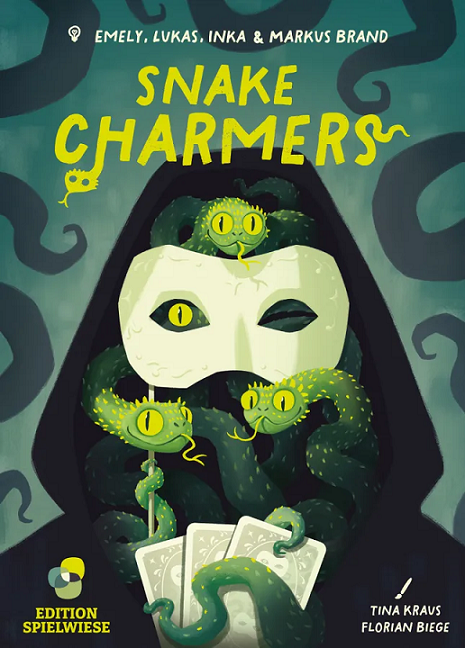
Why’d it Have to be Snakes? – A Snake Charmers Review

18. Dezember 2025 um 15:00
A crafty salesperson would push Snake Charmers as a cross between Cockroach Poker and The Resistance. This allusion is a strong sell, as it ties this new release to two of the best bluffing and deduction games ever designed. Fortunately, it is a reasonably accurate comparison, even if Snake Charmers can’t quite deliver the impact…

Read more →

5 Things I Learned at Universal Epic Universe About Immersive Customer Experiences

15. Dezember 2025 um 23:10

This past weekend I enjoyed a brief reprieve from the cold St. Louis weather, venturing to sunny Orlando to visit Universal Studios for the first time. We also saw some friends from the Stonemaier Games Design Day and spent a day on the beach in Tampa Bay.

We spent half a day at two of the older Universal parks, but the focal point of the trip was Universal Epic Universe, the newest park. It features 5 different worlds, including Super Nintendo World, Dark Universe (gothic monsters), and Isle of Berk (How to Train Your Dragon).

I found the whole experience fascinating from a customer service perspective, as these types of parks bet big on immersing you in an otherworldly experience. Here are the top 5 things I learned and observed during my 12 hours at Universal Epic Universe and how they might apply to the world of tabletop games.

1. Dramatic Entrances

One of the smartest decisions at Epic, in my opinion, is the installation of massive “portals” through which you enter each world. When I left the hub world and walked into the giant green tunnel for Super Nintendo World, I felt like I was transported to a new place. Even the music changes.

As big as they are, the portals are small compared to the worlds they transport you into, so there’s a dramatic moment when you take that first step out of the tunnel. You’re hit with a wave of sights and sounds that are completely absent on the other side of the portal.

The closest comparison to this I can think of in tabletop game is opening a game for the first time. Some games do a particularly great job of making a thematic, intuitive, and organizationally satisfying unboxing experience (see my video on this topic). Perhaps this is also why some people love unboxing videos.

2. Interactive Fake Storefronts

In each of the worlds there’s a mix of thematic displays and fake storefronts (like a movie set) mixed in with real stores, experiences, rides, and restaurants. This makes perfect sense: You don’t need to stock a dozen stores or have every type of craftsman actively working in Berk; instead, invest up front in a rock-solid display, and it’ll last years with minimal maintenance.

However, some of these parks take the set dressing to a new level by giving you a specific way to interact with them. For a few, they’re triggered by motion sensors or your voice, and there’s some combination of programming, animatronics, and live acting behind them. For others, they’re activated by a specific device, like the armbands you can buy in Super Nintendo World that you can bop against the oversized shell blocks.

This is exactly what I was aiming for in Vantage’s first-person perspective art. I wanted it to be more than just a pretty picture; instead, each illustration has information about difficulty and your surroundings, and most of what you see is interactive. If there’s house on a hill, you can probably enter that house and see how it looks inside. When you’re inside, there are a variety of objects you can pick up that result in you (the player) gaining a specific card.

My only wish in these theme parks is for more reasons to look closely and less reliance on phones. A few years ago I went to Star Wars Galaxy’s Edge, and I liked the scavenger hunt, but eventually I started ignoring it because I wanted to immerse myself in the world instead of being on my phone.

3. Immersive Line Management

A major feature at Epic are the rides and shows, with wait times ranging from 15 minutes to several hours. The Universal app helps to mitigate this to a certain extent, as it tells you the current wait times. I was also impressed by the facial scanning technology for the express lanes (which we didn’t use) and the lockers (which we did use for some of the more intense rides).

I was mostly impressed by the queue design. It looks like a maze with several big visual barriers–short lanes that cut back and forth–so you constantly feel like you’re moving forward and so you can’t tell how much longer you’ll wait. Along the way are water fountains and some thematic displays, along with plenty of shade from the Florida sun.

My one criticism is that there really isn’t much to do while in line. I’m not entirely sure what I want to do while I’m waiting, but it could be a crowd game, some form of entertainment, or something small to do along the way that adds up to something meaningful. For example, what if in a How to Train Your Dragon line you can make a few quick personality quiz choices along the way (using facial scanning) that results in your dragon selection at the lockers or when you sit down on the ride?

I often talk about wait times and anticipation gaps, and one example of this in the tabletop space are update emails and newsletters. When done well, I find that they increase my curiosity and excitement while making the wait feel like part of the experience instead of something to endure.

4. In-Character Interactions

My most memorable experience at Epic wasn’t the result of expensive sets, thrilling rides, or fancy technology. Rather, it was 10-minute chat I had with an actor (the “owner” of a shop, pictured here) who stayed completely in character the entire time. She wandered over while I was waiting for Megan, and she talked about her background and answered some questions.

It was a busy shop, and I was surprised at several times in the conversation that she didn’t move on to other customers, but she conveyed that she was in no rush. There was no sense of “move along, next person please”–everything about the interaction was welcoming, authentic, and playful. I hope Epic values what this incredible person gives them every day.

This is an area that I’ve found difficult to balance in scaling Stonemaier Games. I want to give genuine time and attention to everyone who contacts me, but in every private interaction is information that others might want to know too (if the question were instead asked publicly). Though, as I type this, it occurs to me that while the conversation at Epic felt custom for me, it wasn’t private at all. Megan’s mom was there, and Megan eventually joined us, and we were in the middle of the shop–anyone could have joined at any time.

5. The Nostalgia Factor

Sometimes I forget about the sheer power of nostalgia until it hits me full force in the form of the Super Mario theme or the voice of Hiccup. One of my favorite and most unexpected experiences from the weekend was a 20-minute water, light, drone, and instrumental evening show at Universal Studios. Even just 20 seconds of music and a brief projected image from ET, Jurassic Park, or Back to the Future made me want to revisit those movies.

I think games do a great job of using art and themes to evoke nostalgia. Nemesis takes us to the Alien movies, Boss Monster has pixel art for those of us who grew up in the 80s and 90s, and long-running games like Pokemon create their own nostalgia cycles. Nostalgia by itself isn’t enough to sell a game, but just like the movies I mentioned above, if the content itself is great, nostalgia can elevate it.

While I didn’t delve into the food because games aren’t edible, the food (and the thematic places at Epic where we ate, like the mead hall shown here) was also a big part of the immersion for me.

I’d love to hear your thoughts about effective immersive customer experiences at theme parks, and perhaps how you relate them to tabletop games. Let me know your thoughts in the comments!

***

If you gain value from the 100 articles Jamey publishes on this blog each year, please consider championing this content! You can also listen to posts like this in the audio version of the blog.

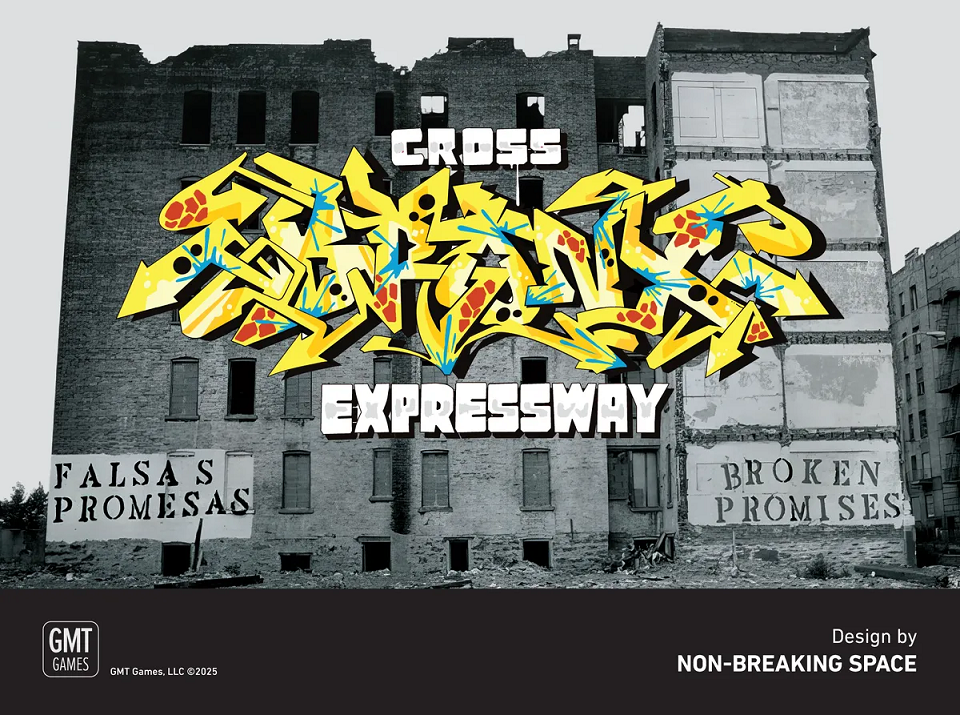
The Legacy of Robert Moses – A Cross Bronx Expressway Review

15. Dezember 2025 um 15:49
The opening sequence of Martin Scorsese’s Taxi Driver depicts a New York with enough grit that you can feel it on your teeth. It’s a feral hour of the night. DeNiro’s sedan is cruising down a street awash in the radiant soul of the city. There’s a shot of the vehicle’s quarter panel. Beads of…

Read more →

Wyrmspan Dragon Academy

14. Dezember 2025 um 21:10

This is another great expansion from Stonemaier Games, with  lot of extra bits to change the game, but not too drastically.
To start with and importantly for me is the fact that it all fits in the main box and you get a new card holder that is more like the one that you get with Wingspan, to replace the old smaller holder.

8
You gain 5 new guilds and their cards. You also gain a whole load of Dragons that have some cool new powers which can make putting them in Caves easier if you reach the requirments. one of the new dragon types is called a fledgling, these will make your games that much more interesting. As with most expansions or games for that matter it is best to explore the game and see how you can make the most of them. If you do not like the game, then I am afraid but this wont fix that, but it will make the game more complex and fun.


I will highly recomend this expansion and you can order it at: https://www.bgextras.co.uk/wyrmspan/wyrmspan/wyrmspan-dragon-academy

The post Wyrmspan Dragon Academy first appeared on Board Game Extras.

Folge 350 – remember


Print and Play Bastelecke

Was habe ich gespielt?
boardgamearena.com: Tag Team, Am goldenen Fluss, Cities, Planet Unknown, Würfelwurst
Botswana
Würfelwurst
Boss Fighter QR
Botswana

boardgamearena.com: Tag Team, Am goldenen Fluss, Cities, Planet Unknown, Würfelwurst
Botswana
Würfelwurst
Boss Fighter QR
Boss Fighter QR
Botswana

Podcast Hinweis

Bluesky – @vintersphrost.bsky.social
Mastodon – @vintersphrost@brettspiel.space
Boardgamearena.com – vintersphrost
Yucata.de – vintersphrost
Instagram – https://www.instagram.com/vintersphrost/
YouTube Hörspiel Einspieler – https://www.youtube.com/playlist?list=PLCER_eNjl0R-Rzev5IMG2uufJSbXt01Mp

💾

8 Crowdfunding Mistakes I Made that Wouldn’t Fly Today

04. Dezember 2025 um 15:56

I haven’t run a crowdfunding campaign in 10 years, but Stonemaier was built on the foundation of the 7 campaigns I ran from 2012-2015, raising around $3.2 million to fund games like Viticulture, Euphoria, Between Two Cities, and Scythe, among some expansion and accessory projects.

It was a very different time on Kickstarter, as the gaming category there was much less populated than it is now. While I was fortunate to have success on the crowdfunded games frontier, I made a bunch of mistakes that likely would sink a project in 2025 (especially if I were a first-time creator):

  1. I didn’t build enough of a crowd for the first game prior to launch. I actually put quite a bit of effort into this before the campaign, but I was still learning the tools and skills to spread the word effectively.
  2. I didn’t budget carefully enough. I got caught up in the excitement of Viticulture and added a stretch goal that likely would have sunk the campaign if we had reached it. It was a big wake-up call that I needed to budget much more carefully (and with a healthy buffer) and not make reckless decisions even when things are looking good.
  3. I didn’t have a production-ready game heading into Kickstarter. I got better at this over time, but Viticulture still needed several more months of playtesting, development, art, and graphic design after the campaign ended. Entering a campaign with an incomplete game puts the burden of uncertainty on backers, who I think are much more savvy to avoid such projects today.
  4. I offered exclusive content. This was such a standard practice in those early days that I didn’t think through the long-term implications. I was thinking about 3,000 customers, not the potential of 300,000 customers in the coming years. After Euphoria, I realized just how poorly I was serving the majority of customers through exclusive content, and I stopped offering it. Instead, I shifted to a model of offering free promos to backers that I could sell in the future to anyone.
  5. I got too fancy with stretch goals. Even after 6 campaigns, I was still making mistakes, as this happened on the Scythe campaign (my final Kickstarter). I was worried about blowing past all of the stretch goals on the first day, so I waited until after 24 hours had passed to announce the stretch goal levels, which greatly irritated backers. I heard their feedback and fixed it, but it was a good reminder to keep core elements like stretch goals clear and simple.
  6. I didn’t invest in great graphic design. I had a shoestring budget for Viticulture, so I hired a college student for the graphic design, and I used my rudimentary InDesign knowledge to construct the project page. It wasn’t terrible, but nothing about it conveyed that the final product would be polished and professional. That’s when I brought in Christine, who is still with us today.
  7. I offered early bird rewards. While this isn’t a huge dealbreaker–I still see plenty of projects offer a little reward for people who follow the pre-launch page or back within the first 24 hours–I wish I had instead used the method of, “If we reach X goal in the first 48 hours, everyone gets this special bonus.”
  8. I used crowdfunding universally instead of selectively. Not every game is a good fit for crowdfunding, but I couldn’t see through any other lens at the time. I think crowdfunding is best when you can truly tantalize backers with several major hooks (component, art, etc). I’m glad that Between Two Cities worked out on Kickstarter, but in hindsight it would have been a great way to start building strong relationships with retailers and distributors. The same goes for the Viticulture reprint in 2014, which I reprinted as part of the Tuscany campaign; I don’t think it’s bad to use an expansion campaign to reprint the game, but it was another lost opportunity to form stronger bonds with retailers.

Despite those mistakes, there are a few things I did right in those early, foundational campaigns: I invested in art (even taking money out of my meager 401k/IRA so I could pay the Euphoria artist up front), I tried to offer a great value for the reward pricing (which even included shipping fees, which was standard at the time), and I focused on the people by inviting conversation, replying to every message within a few minutes, and thanking each backer individually during my first campaign within a few hours of their pledge.

What do you think about these mistakes? Are there other common mistakes you see crowdfunders making that deter you from backing their projects?

***

Also read:

If you gain value from the 100 articles Jamey publishes on this blog each year, please consider championing this content! You can also listen to posts like this in the audio version of the blog.

Philosophy and Board Games: Existentialism and Meaning

04. Dezember 2025 um 15:00
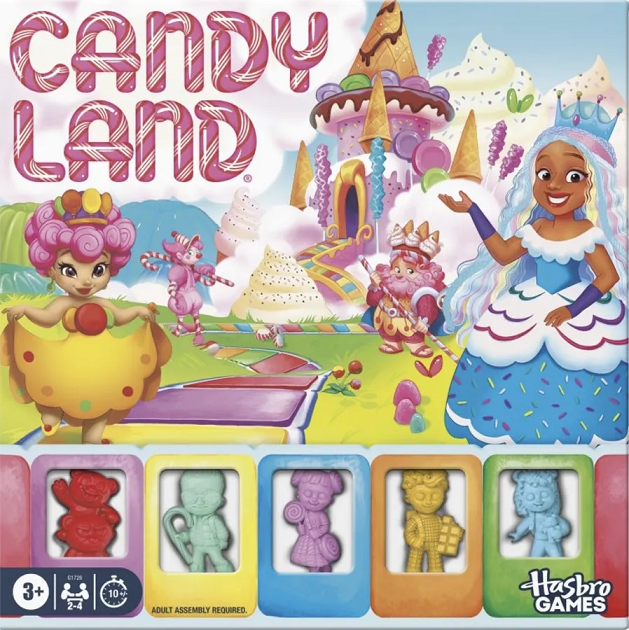
There’s this thing that people say which rips my skin like 60 grit sandpaper. “That was fun, but it’s not much of a game.” Games require decisions. Meaningful ones. At least, that’s what a portion of the hobby community believes. Candy Land isn’t a game they say, it’s an activity. There’s an obvious implication that…

Read more →

Love Language Gift Guide (2025)

01. Dezember 2025 um 17:15

Today I’m looking at the act of gift-giving for the gamers in my life. This is about putting myself in the recipient’s shoes to find the type of gift that makes them feel cared for, seen, and loved. Only 1 of the 5 love languages shared here involve tangible gifts, which I think is a really important distinction at this time of year.

Words of Affirmation: Share your appreciation and kind words with the person.

  • play their favorite game (in person or remotely) and talk about the highlights afterwards
  • if they’re a game designer, playtest their prototype and offer helpful feedback (share what you enjoyed the most and why, along with an example of one thing that didn’t work as well for you)
  • reach out to a designer they admire for a video clip that celebrates your favorite things about the recipient

Acts of Service: Do something that saves the person time or convenience.

  • learn and teach a game (this is my favorite)
  • babysit (if they have kids) to give them time to play a game
  • make a thematic meal or dish to go with a gaming lunch/dinner

Quality Time: Bond with the person over a meaningful, connective activity.

  • give them a miniatures painting set and paint together
  • go to a game cafe or store together
  • devote time to playing a game you both love

Quantity Time: Spend a longer period of time with the person.

  • host a game day
  • play a longer game that they love but rarely get to play
  • commit to and start a campaign game

Tangible Gifts: Give the person a tangible gift.

  • consider their preferred player count, cooperative vs competitive preference, classic vs new hotness
  • go deeper into games they already have and love (expansions, accessories)
  • if their shelf space is limited, give a digital game (Inkborn, Dispatch, and Blue Prince are some of my 2025 favorites)
  • Stonemaier Gift Guide: https://stonemaiergames.com/gift-guide-2/

If you’re curious about non-gaming gifts, here are some of my favorite things I bought in 2025: an easier way to read on my Kindle, a Dropout TV subscription, Jackery backup power source, metal cups, and Ritual zero-proof whiskey for mocktails.

What’s your gaming gift love language?

***

Also read or watch:

If you gain value from the 100 articles Jamey publishes on this blog each year, please consider championing this content! You can also listen to posts like this in the audio version of the blog.

Folge 348 – acute miner


Print and Play Bastelecke
Good Fortune
(https://boardgamegeek.com/boardgame/459170/good-fortune)

Botswana
(https://boardgamegeek.com/boardgame/398/botswana)

Good Fortune
Botswana

Was habe ich gespielt?
boardgamearena.com: Am Goldenen Fluss
Der geheimnisvolle Zaubersee

boardgamearena.com: Am Goldenen Fluss
Der geheimnisvolle Zaubersee

Podcast Hinweis

Bluesky – @vintersphrost.bsky.social
Mastodon – @vintersphrost@brettspiel.space
Boardgamearena.com – vintersphrost
Yucata.de – vintersphrost
Instagram – https://www.instagram.com/vintersphrost/
YouTube Hörspiel Einspieler – https://www.youtube.com/playlist?list=PLCER_eNjl0R-Rzev5IMG2uufJSbXt01Mp

💾

27 Types of People for Whom I’m Thankful (Stonemaier Games 2025)

27. November 2025 um 15:42

In the spirit of Thanksgiving, I’d like to express my gratitude for various types of people who have had a positive impact on me and Stonemaier Games this year. Perhaps some of these people will be good resources for you as well.

I’m incredibly thankful for…

  1. Supporters, Fans, and Followers (Facebookenewsletter, YouTubeInstagramDiscord, Bluesky): None of this would be possible without you. I truly hope our games, content, and interactions have brought you joy this year. Thank you for supporting our games, and thank you for sharing them with others. Our 2025 releases were Vantage, Origin Story, Finspan, Tokaido (and expansions), Tokaido Duo, Smitten 2, Between Two Castles Essential, Wyrmspan: Dragon Academy, and the Wingspan promo birds, plus various accessories, disc golf discs, and new Rolling Realms promos.
  2. Stonemaier Champions: I’m incredibly grateful for the 15,000+ Champions who support the 100+ blog entries and 250+ YouTube videos we film each year for creators and designers, and having Champions use their 20% discount on every order (among other perks) to buy directly from us has been a huge help in stabilizing the sustainability of Stonemaier Games.

  3. Coworkers (Alan StoneJoe AubreyAlex Schmidt, Susannah Eisenbraun, Dave Deenik, Christine Santana, and Erica Sanders): It’s so helpful for me to always have people who know the business as well as I do to bounce ideas off of, playtest with, be accountable to, and delegate to, especially in areas where I am weak and they are strong.
  4. Independent Contractors Who Feel Like Coworkers (Morten Monrad Pedersen, Dave Hewer, Shannon Lentz, Karel Titeca): These are people who have other clients and jobs, but they do a lot of amazing work for Stonemaier Games, and I’m incredibly grateful for them.
  5. Retailers and Distributors (see retailers who sell our products): You are the backbone of our supply chain. Thank you for being the bridge between Stonemaier and customers.
  6. Shareholders: We’re fortunate to have a few dozen investors who believe in what we’re building at Stonemaier Games and who share excellent advice, questions, idea, and insights. I’m really grateful for our shareholders.
  7. Independent Contractors and Freelancers: Notable artists for 2025 releases were Clementine Campardou (Origin Story and Wyrmspan: Dragon Academy); Emilien Rotival, Soren Meding, and Valentina Filic (Vantage); Naïade (Tokaido); Ana María Martínez, Catalina Martínez, & Mesa Schumacher (Finspan); the Mico (Smitten 2); along with ongoing support in the form disc golf art (Miles Bensky), realm art (Marius Petrescu), 3D sculpts (Heriberto Martinez), videos (JC Trombley, Pixel Potion Creative, and Emmanuel Ho), voiceovers (Megan Selke), music composition (Joel Winbigler), photos (Tim Chuon and Erica Sanders), Henry Seymour (game teaching), and Andrew Cook (advertising). I’m so grateful that these people communicate quickly and effectively–-I highly value that.
  8. Lawyers, Accountants, Bookkeepers, Advisors, and Payroll (Michael HargisZachary StrebeckJustin Marty, Leigh Reiter, & Brandi Ruhland at Anders Accounting, Stephanie at Timely Totals, Drea at Execupay, Chris Fleming and Tara Blunt at our bank, Tony Aiazzi and Brian Hires at Moneta, and Benjamin Arana covering insurance): I’m very grateful to have these lawyers to help us create tight contracts, secure solid trademarks, and protect our IP, as well as a great accounting, bookkeeping, and financial advisors.
  9. International Production Partners (Igromag, Feuerland, Maldito, Phalanx, Matagot, Delta Vision, Arclight, Surfin’ Meeple, Ludofy, ALBI, Ghenos, 999 Games, Rebel, and many others): Thanks to these partners, we’ve been able to reach tens of thousands of gamers who wouldn’t otherwise have access to our products.
  10. Replacement Part Helpers (Helen, Mark, Devon, Christian, Dave, Austyn, Xander, Mark, and Yannis): To date, we have received and responded to over 40,000 replacement parts requests. I’m incredibly grateful to have these diligent helpers positioned around the world to take care of lost, missing, and broken components from our products.
  11. Automa: The inclusion of robust solo variants in our games thanks to Morten, David, Lines, and other members of their team has been instrumental in extending our reach to solo gamers. I’m constantly amazed by how well Automa Factory is able to capture the feeling of a sentient opponent without requiring much upkeep or rules overheard.
  12. The Mill and Positively Board Gaming: I really appreciate that Carol and Molly maintain a sponsored YouTube channel specifically to talk about Stonemaier Games from a fan perspective. Our Facebook groups are great for those conversations, but they really breathe life to our fanbase through The Mill, and we’re proud to support it. I’ve also really enjoyed the conversations I’ve had this year with Mitchell on our co-hosted podcast, Positively Board Gaming.
  13. Digital Platforms (Tabletopia, Monster Couch, The Knights of Unity, Acram Digital, Digidiced, Board Game Arena, and Boardspace.net): The skill to take a tabletop game and translate it to the digital space for more people to discover, enjoy, and learn from is astonishing to me. I’m so impressed by and grateful for these folks. I’m also really grateful for Paul Hart, the developer of the free Stonemaier Scores app and Jans Carton, creator of Rulepop.
  14. Shipping and Fulfillment Companies (ARC Global, Spiral Galaxy, Let’s Play Games, Miniature Market, and Asmodee Canada): While most of our games are shipped in bulk to distributors, we offer more direct shipping to those who order on our webstore thanks to these fulfillment companies. We also offer local pickup in St. Louis!
  15. Co-Designers and Game Designers (Ben Rosset, Matthew O’Malley, Hoby Chou, Kai Starck, Ryan Lopez, Elizabeth Hargrave, Morten Monrad Pedersen, David Studley, Travis Jones, Alexander Schmidt, Mike Young, Paolo Mori, Francesco Testini, Mihir Shah, Chris Scaffidi, Connie Vogelmann, Paul Salomon, David Gordon, Michael O’Connell, Antoine Bauza, Ryan Davis, Pete Wissinger, and others to be revealed next year): The talent and dedication of these designers is astounding, and they are integral to our ability to bring joy to tabletops.
  16. Manufacturers (Shannon at Panda Game Manufacturing and Chris at Innova): It’s a true blessing to work with a manufacturer like Panda. Their communication, quality, care, and willingness to work with us on things like making our games more eco-friendly makes them the only manufacturer I ever want to work with. It’s also been fun to continue to make custom discs with Innova this year!
  17. Proofreaders: Using our proofreading and oversight process, a dedicated group of proofreaders can see every step of a product’s evolution during the proofreading process. I’m incredibly grateful for the time and effort that Dana, Michael, Josh, Ian, Brian, Inga, Justin, Crystal, and others have put into our products this year.
  18. Ambassadors: Our ambassadors have made our community and games so much better by answering questions on forums, playtesting our games, making suggestions for my top 10 lists (Aryn, Skiler, Abagail, Kari, Kaitlyn, and Dillon), and welcoming people into our games at game stores, events, and conventions. We currently have around 750 active ambassadors–I love that I can trust this group with ideas while they’re still being formed to get their feedback. A few ambassadors are particularly helpful on an ongoing basis are Josh Ward, Travis Willse, Garrett Feiner, and Julie Bode (though I should really stress that there are many, many active ambassadors who offer their time and talent in incredible ways).
  19. Reviewers, Journalists, Podcasters, and Video Bloggers: I can’t play every game, but thanks to the variety of perspectives from other content creators, I’m able to listen a variety of perspectives from the comfort of my office. I’m also truly grateful for all of the reviewers who create compelling content to help people decide if our games are a good fit for them, and I appreciate reviewer who understanding that we can’t send every product to all 550 reviewers on our list. Also this year I’m grateful for the YouTubers who accepted our sponsorship for playthroughs.
  20. Convention and Event Coordinators/Volunteers (Geekway to the West, Gen Con, Essen, TantrumCon, any convention that uses the play-and-win system, BGG@SEA, etc): It takes a lot of work to put together a convention, and I’m grateful for my coworker, Dave, for coordinating our convention presence (and with the support of the wonderful people at Meeplesource and Inside Up Games). I’m so grateful for the people who create such welcoming environments for old and new gamers to commune with each other, as well as the volunteers who help us at those events. You can always check here to see if we’ll have a presence at a convention. I had fun briefly attending Gen Con this year, at Geekway, Design Day, and the Finspan event, and going on the BGG@SEA cruise to Norway.
  21. Blog Readers, Video Viewers, and Commenters (full KS Lesson list and game design YouTube channel): I hope this blog, my weekly livestreamInstagram feed, my monthly Rolling Realms liveplays, and our YouTube channel added value to you this year, and I really appreciate when you join in the conversation.
  22. Design Day Attendees: The creative energy and generosity of time and talent at our annual Design Day is always inspiring for me. Thank you to all of the designers and playtesters who attended in 2025, and especially to Pieces Board Game & Cafe for being awesome hosts.
  23. Fellow Creators: I love that there are so many brilliant, innovative creators and game designers. You all truly inspire me to be a better creator and a more interesting game designer. I’m particularly grateful for fellow publishers who share their advice, insights, and insights (publicly and privately)–I learn so much from you!
  24. My Gaming Groups: Gaming is my main social outlet, and I’m really grateful to have a few consistent game groups filled with people who love a wide variety of games (including disc golf). I like that these people try to win but focus on having fun, and it’s been fun to play every other week with local friends in person and every other week on Board Game Arena with friends outside of St. Louis.
  25. Charity Auction Participants: The extremely generous donors (along with other contributors like Fulfillrite and participating content creators) who placed winning bids on our annual charity auction enabled us to donate $22,354 to 10 different charities, putting our total donation amount over all charity auctions at $211,216. We also donated hundreds of games this year to organizations that feature tabletop games to serve communities who can’t buy games.
  26. Third-Party Creators: This year we added a showcase for third-party creators to feature their Stonemaier-related accessories. We also released 6 official promo packs that add 150 completely new birds to Wingspan.
  27. Friends and Family: I’m very grateful for the many ways my friends and family support me in my passion for gaming, for Stonemaier Games, and for serving you.

What are you grateful for in the tabletop gaming community/industry this year?

If you gain value from the 100 articles Jamey publishes on this blog each year, please consider championing this content! You can also listen to posts like this in the audio version of the blog.

Irongames – Die Spiele von Bernd Eisenstein (Teil 1)

Von: natokh
25. November 2025 um 11:02

Seitdem ich 2019 das Spiel Pandoria von Bernd Eisenstein, erschienen auf seinem eigenen Spieleverlag Irongames in 2018, für mich entdeckt habe bin ich immer mehr zum Fan seiner Spiele geworden. Seine Spiele haben auch immer etwas Besonderes und heben sich vom Mainstream ab. Dabei sind die Regeln meist recht einfach und schnell erklärt, aber die Spiele bieten dann doch eine ordentliche Spieltiefe und ausreichend Anlass zum Grübeln.

Bei Pandoria handelt es sich um ein Plättchenlegespiel, in dem man doppelte Sechseckplättchen an bereits vorhandene auf einem gemeinsamen Spielplan anlegt. Man hat dabei immer nur eines dieser Plättchen auf der Hand, legt dieses an und kann dann noch eines seiner Stammesmitglieder einsetzen oder vom Spielplan zurückholen. Es gibt 4 Arten von „Landschaften“, mit denen man Holz, Kristalle, Gold oder Ruhmespunkte erringen kann, wenn man eine solche Landschaft abschließt (mit anderen Landschaften, Seen oder Bergen umschließt) und dann am Rand möglichst viele seiner Stammesmitglieder stehen hat. Diese dienen nämlich als Multiplikator für die „Ressource“, die auf der abgeschlossenen Landschaft abgebildet ist.

Zudem kann man in Pandoria noch Zaubersprüche erwerben und sprechen, Gebäude errichten, die einem dauerhafte Effekte bringen, und Monumente, für die man Ruhmespunkte erhält.

Pandoria enthält 5 verschiedene Völker, die alle noch individuelle Fertigkeiten besitzen. In einer Einsteigerspielvariante kann man die aber auch erst einmal weglassen. Ich besitze zu Pandoria auch noch 2 Erweiterungen. Realms, die 5 neue Völker/Reiche mitbringt, und Artifacts, die neue Geländeplättchen und die Artefakte beinhaltet. Die Artefakte kann man dann gegen Reliquien eintauschen, für die man Ruhmespunkte erhält.

Meine Wertung (Pandoria, nach 14 Partien): 8/10

Das nächste Spiel in meinem Regal ist Discordia, mein aktuell am besten bewertetes Spiel von Bernd Eisenstein (Wertung 8.5/10 nach 13 Partien). In diesem Spiel geht es darum möglichst alle seine Bürger (Seeleute, Soldaten, Händler und Bauern) einzusetzen. Wem dies zuerst gelingt, der gewinnt umgehend das Spiel. Das hört sich jetzt deutlich einfacher an als es ist. Mir ist es tatsächlich erst ein Mal geglückt, alle meine Figuren einzusetzen, denn dummerweise bekommt man am Rundenende (Jahresende) immer wieder welche hinzu. Das Spiel wird übrigens über 4 Jahre a 5 Jahreszeiten gespielt und spielt in der germanischen Provinz des römischen Reich. Und die Römer hatten außer Frühjahr, Sommer, Herbst und Winter auch noch die Saturnalien, das war ein mehrtägiges römisches Rest, zu Ehren des Gottes Saturn, welches nach dem Abschluss der Winteraussaat gefeiert wurde.

Eigener Stadtplan

Papyria (2025)

Papyria ist die einzige Essen-Neuheit die ich in 2025 gekauft habe und ich hatte mich bereits im Vorfeld sehr auf das Spiel gefreut. Hier hatte ich bereits im Juli das Video von Rhado gesehen. Mittlerweile habe ich es auch gespielt und meine Erwartungen wurden nicht enttäuscht.

Das Spiel ist eine wahre Punkteschlacht. Man bewegt sich mit seinem Wanderer und seinem Schiff um einen Spielplan (Euphrat & Tigris Gebiet) und führt im Zielgebiet jeweils 2 Aktionen aus. Eine Aktion ist dabei das Nehmen von Landschaftsplättchen, die man an sein eigenes Gebiet anlegt. Dabei gibt es unterschiedliche Landschaftsarten und Bauwerke, die man im Spielverlauf auch immer wieder werten kann: Berge (in denen man Minen errichten kann), Wälder (die man mit Städten überbauen kann), Flusslauf und Heiligtümer (die man mit Tempel überbauen kann), außerdem gibt es Plättchen mit Erfindungen, die zum Beispiel die Reichweite seines Schiffs und/oder Händlers erhöhen.

Rechts: eigenes Gebiet / Links: Wertungsleiste

Weitere Aktionen sind: Lapis in seinen Bergwerken fördern (1 von 2 Ressourcen im Spiel), Papyri produzieren (die 2. Ressource), Wertungsplättchen nehmen und damit eine von 7 möglichen Wertungen ausführen, Städte (blau), Tempel (weiß) und Bergwerke (dunkelblau) errichten und Multiplikatoren (für die Wertungen) nehmen. Für das Errichten von Tempeln und Städten benötigt man Lapis. Im späteren Spielverlauf kommen dann noch Spielendeplättchen ins Spiel, die man mit Lapis oder Papyri erwerben kann und die einem weitere Siegpunkte bringen.

Mit Lapis kann man auch die Wanderer oder Schiffe Mitspieler von einem Feld verdrängen. Hierzu muss man deren Besitzern 1 Lapis zahlen. Dessen Wanderer/Schiff wird dann auf das nächste freie Feld im Uhrzeigersinn versetzt.

An 2 Stellen des Flusses kann man sein Wissen erhöhen oder eine weitere Wertung auslösen, indem man Papyri abgibt. Das Wissen ist dann auch ein wichtiger Aspekt und ein cooler Kniff im Spiel. Man kann nämlich nur so viele Siegpunkte bei einer Wertung erlangen, wie man auch Wissen besitzt. Erzielt man zum Beispiel 60 Punkte in einer Wertung und hat nur 20 Wissen, dann erhält man auch nur 20 Siegpunkte.

Links: Bei Überschreiten des Aufstellers kann man 1-3 Papyri abgeben, um 4-9 Wissen zu erlangen
Unten: Wissensleiste (rot ist bei 18, grün bei 20)

Last not least kann man noch Schlüsselplättchen bekommen, wenn man deren Bedingungen erfüllt. Zum Beispiel 8 Plättchen mit Erfindungen in seinem Gebiet hat oder 3 Städte gebaut hat. Diese Plättchen erlauben einem, nach Spielende, noch einmal eine zusätzliche Wertung.

Unsere Partie zu dritt hat 83 Minuten gedauert und endete 196 zu 260 zu 311. Und ich denke, dass da noch Luft nach oben ist.

Meine Wertung (nach der Erstpartie): 8/10

Ein Let’s Play Video mit vorhergehender Regelerklärung könnt ihr euch hier auf dem YouTube-Kanal von Brettspiel Live anschauen: PAPYRIA – Regelerklärung, Setup & Live-Ersteindruck

To be contuined …

Irongames – Die Spiele von Bernd Eisenstein (Teil 1)

Von: natokh
25. November 2025 um 11:02

Seitdem ich 2019 das Spiel Pandoria von Bernd Eisenstein, erschienen auf seinem eigenen Spieleverlag Irongames in 2018, für mich entdeckt habe bin ich immer mehr zum Fan seiner Spiele geworden. Seine Spiele haben auch immer etwas Besonderes und heben sich vom Mainstream ab. Dabei sind die Regeln meist recht einfach und schnell erklärt, aber die Spiele bieten dann doch eine ordentliche Spieltiefe und ausreichend Anlass zum Grübeln.

Bei Pandoria handelt es sich um ein Plättchenlegespiel, in dem man doppelte Sechseckplättchen an bereits vorhandene auf einem gemeinsamen Spielplan anlegt. Man hat dabei immer nur eines dieser Plättchen auf der Hand, legt dieses an und kann dann noch eines seiner Stammesmitglieder einsetzen oder vom Spielplan zurückholen. Es gibt 4 Arten von „Landschaften“, mit denen man Holz, Kristalle, Gold oder Ruhmespunkte erringen kann, wenn man eine solche Landschaft abschließt (mit anderen Landschaften, Seen oder Bergen umschließt) und dann am Rand möglichst viele seiner Stammesmitglieder stehen hat. Diese dienen nämlich als Multiplikator für die „Ressource“, die auf der abgeschlossenen Landschaft abgebildet ist.

Zudem kann man in Pandoria noch Zaubersprüche erwerben und sprechen, Gebäude errichten, die einem dauerhafte Effekte bringen, und Monumente, für die man Ruhmespunkte erhält.

Pandoria enthält 5 verschiedene Völker, die alle noch individuelle Fertigkeiten besitzen. In einer Einsteigerspielvariante kann man die aber auch erst einmal weglassen. Ich besitze zu Pandoria auch noch 2 Erweiterungen. Realms, die 5 neue Völker/Reiche mitbringt, und Artifacts, die neue Geländeplättchen und die Artefakte beinhaltet. Die Artefakte kann man dann gegen Reliquien eintauschen, für die man Ruhmespunkte erhält.

Meine Wertung (Pandoria, nach 14 Partien): 8/10

Das nächste Spiel in meinem Regal ist Discordia, mein aktuell am besten bewertetes Spiel von Bernd Eisenstein (Wertung 8.5/10 nach 13 Partien). In diesem Spiel geht es darum möglichst alle seine Bürger (Seeleute, Soldaten, Händler und Bauern) einzusetzen. Wem dies zuerst gelingt, der gewinnt umgehend das Spiel. Das hört sich jetzt deutlich einfacher an als es ist. Mir ist es tatsächlich erst ein Mal geglückt, alle meine Figuren einzusetzen, denn dummerweise bekommt man am Rundenende (Jahresende) immer wieder welche hinzu. Das Spiel wird übrigens über 4 Jahre a 5 Jahreszeiten gespielt und spielt in der germanischen Provinz des römischen Reich. Und die Römer hatten außer Frühjahr, Sommer, Herbst und Winter auch noch die Saturnalien, das war ein mehrtägiges römisches Rest, zu Ehren des Gottes Saturn, welches nach dem Abschluss der Winteraussaat gefeiert wurde.

Eigener Stadtplan

Papyria (2025)

Papyria ist die einzige Essen-Neuheit die ich in 2025 gekauft habe und ich hatte mich bereits im Vorfeld sehr auf das Spiel gefreut. Hier hatte ich bereits im Juli das Video von Rhado gesehen. Mittlerweile habe ich es auch gespielt und meine Erwartungen wurden nicht enttäuscht.

Das Spiel ist eine wahre Punkteschlacht. Man bewegt sich mit seinem Wanderer und seinem Schiff um einen Spielplan (Euphrat & Tigris Gebiet) und führt im Zielgebiet jeweils 2 Aktionen aus. Eine Aktion ist dabei das Nehmen von Landschaftsplättchen, die man an sein eigenes Gebiet anlegt. Dabei gibt es unterschiedliche Landschaftsarten und Bauwerke, die man im Spielverlauf auch immer wieder werten kann: Berge (in denen man Minen errichten kann), Wälder (die man mit Städten überbauen kann), Flusslauf und Heiligtümer (die man mit Tempel überbauen kann), außerdem gibt es Plättchen mit Erfindungen, die zum Beispiel die Reichweite seines Schiffs und/oder Händlers erhöhen.

Rechts: eigenes Gebiet / Links: Wertungsleiste

Weitere Aktionen sind: Lapis in seinen Bergwerken fördern (1 von 2 Ressourcen im Spiel), Papyri produzieren (die 2. Ressource), Wertungsplättchen nehmen und damit eine von 7 möglichen Wertungen ausführen, Städte (blau), Tempel (weiß) und Bergwerke (dunkelblau) errichten und Multiplikatoren (für die Wertungen) nehmen. Für das Errichten von Tempeln und Städten benötigt man Lapis. Im späteren Spielverlauf kommen dann noch Spielendeplättchen ins Spiel, die man mit Lapis oder Papyri erwerben kann und die einem weitere Siegpunkte bringen.

Mit Lapis kann man auch die Wanderer oder Schiffe Mitspieler von einem Feld verdrängen. Hierzu muss man deren Besitzern 1 Lapis zahlen. Dessen Wanderer/Schiff wird dann auf das nächste freie Feld im Uhrzeigersinn versetzt.

An 2 Stellen des Flusses kann man sein Wissen erhöhen oder eine weitere Wertung auslösen, indem man Papyri abgibt. Das Wissen ist dann auch ein wichtiger Aspekt und ein cooler Kniff im Spiel. Man kann nämlich nur so viele Siegpunkte bei einer Wertung erlangen, wie man auch Wissen besitzt. Erzielt man zum Beispiel 60 Punkte in einer Wertung und hat nur 20 Wissen, dann erhält man auch nur 20 Siegpunkte.

Links: Bei Überschreiten des Aufstellers kann man 1-3 Papyri abgeben, um 4-9 Wissen zu erlangen
Unten: Wissensleiste (rot ist bei 18, grün bei 20)

Last not least kann man noch Schlüsselplättchen bekommen, wenn man deren Bedingungen erfüllt. Zum Beispiel 8 Plättchen mit Erfindungen in seinem Gebiet hat oder 3 Städte gebaut hat. Diese Plättchen erlauben einem, nach Spielende, noch einmal eine zusätzliche Wertung.

Unsere Partie zu dritt hat 83 Minuten gedauert und endete 196 zu 260 zu 311. Und ich denke, dass da noch Luft nach oben ist.

Meine Wertung (nach der Erstpartie): 8/10

Ein Let’s Play Video mit vorhergehender Regelerklärung könnt ihr euch hier auf dem YouTube-Kanal von Brettspiel Live anschauen: PAPYRIA – Regelerklärung, Setup & Live-Ersteindruck

To be contuined …

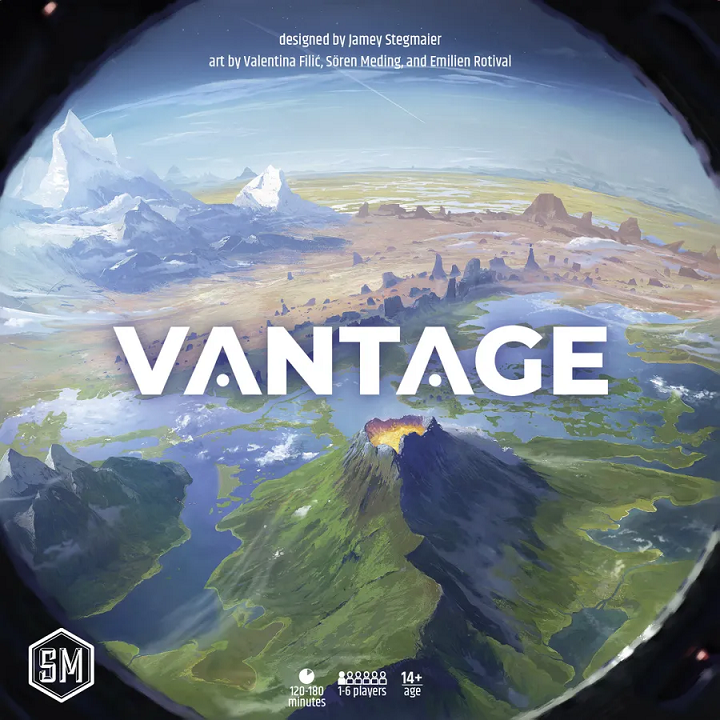
The Planet of the Elephant – A Vantage Companion Review

24. November 2025 um 15:00
Vantage has been cooking in my mental oven for half the year. I first wrote about this open world sci-fi adventure game in July, with my review appearing at entertainment site IGN. If you haven’t read that or don’t know much about this peculiar design, my apologies, but the rest of this piece may befuddle…

Read more →

Webstore vs Retailer Packaging for Wingspan Promo Birds

17. November 2025 um 16:30

Last month we announced and launched 6 promo packs of all-new Wingspan birds. Each pack focuses on a different region (Asia, Great Britain, Canada, Continental Europe, New Zealand, and USA):

We packaged each set of 25 birds in its own “booster pack” so customers could pick and choose the right combination of packs for them. It’s okay to buy all of them, but you could also just try a few of the packs to see what they add to Wingspan.

It’s rare to have a different product design for our webstore vs retailers. Due to the extra graphic design and production, we prefer to have a single version of each product. The majority of Wingspan’s 2 million copies in circulation have sold through retailers (not our webstore), so we also wanted to offer these packs to retailers and distributors. Based on feedback and experience, we knew that local retailers would want a way to buy the packs together and then display them.

After much discussion and experimentation, we created a display box for retailers. It contains all 6 promo packs, so a retailer can sell the box by itself or open the box to sell individual packs:

The display box also prompted us to slightly change the packaging of each pack so that there’s a band of color at the top, signaling that each pack is different. We also moved the name of the pack closer to the top:

The display box set is unique to local retailers; it will be available from them starting on December 5.

Have you seen other cases of slightly different product design between a publisher’s webstore (or crowdfunding campaign) vs the retail version? I’m not talking about gameplay or component differences (i.e., deluxe vs standard editions), though that is another consideration when trying to appeal to early adopters vs long-term retail viability.

***

There’s more information about the new promo bird packs in today’s World of Wingspan newsletter, including the expansion timeline and a region vs region variant.

If you gain value from the 100 articles Jamey publishes on this blog each year, please consider championing this content! You can also listen to posts like this in the audio version of the blog.

❌