Lese-Ansicht

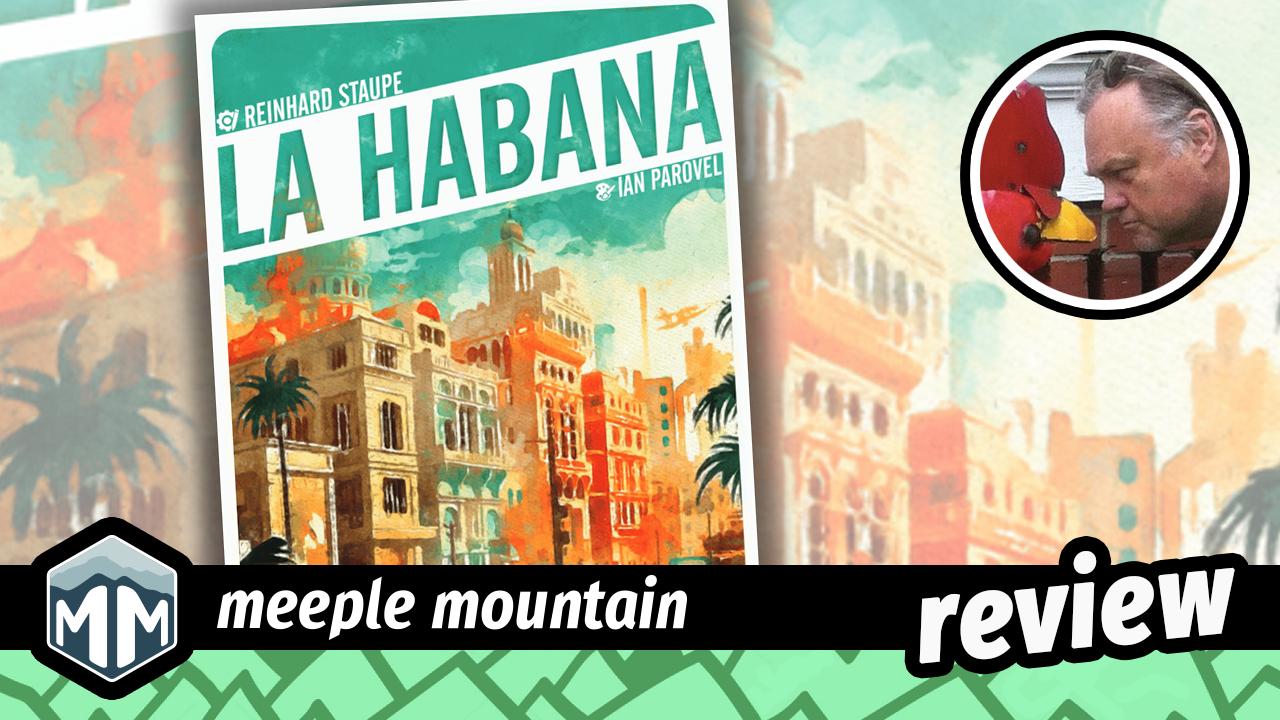
La Habana Game Review

Vibrant, Historic, Rhythmic, Soulful, Crumbling.

With its colonial mansions and mid-century modern buildings suffering from decades of neglect, Havana needs someone with the skill and cunning to collect the right materials and rebuild the structures that make the town the cultural, vibrant city it once was.

To win, you’ll need to collect the right materials to claim building cards that add up to a sliding total based on player count. With limited access to your cards/actions, this is not going to be an easy job.

Let’s get La Habana to the table to see what I mean.

Getting Ready to Rebuild

Start by separating the three types of cards, placing each in its own pile. Put the bag of bricks within easy reach of all players.

Shuffle the Building cards and lay out, side-by-side, two rows of six cards.

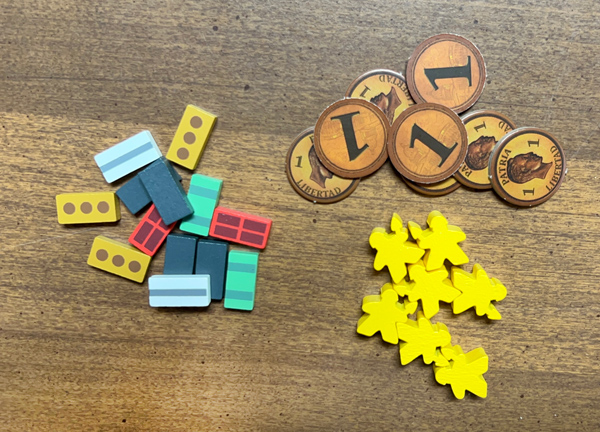
Give each player 1 peso coin, 1 grey brick, and a deck of 13 cards with the color backing of their choice. Place the Central Display card on the table and seed it with 3 pesos and three random bricks drawn from the bag.

[caption id="attachment_331165" align="aligncenter" width="600"]The four different bricks and the dark gray rubble, Pesos, and yellow workers. The four different bricks and the dark gray rubble, Pesos, and yellow…
The post La Habana Game Review appeared first on Meeple Mountain.
  •  

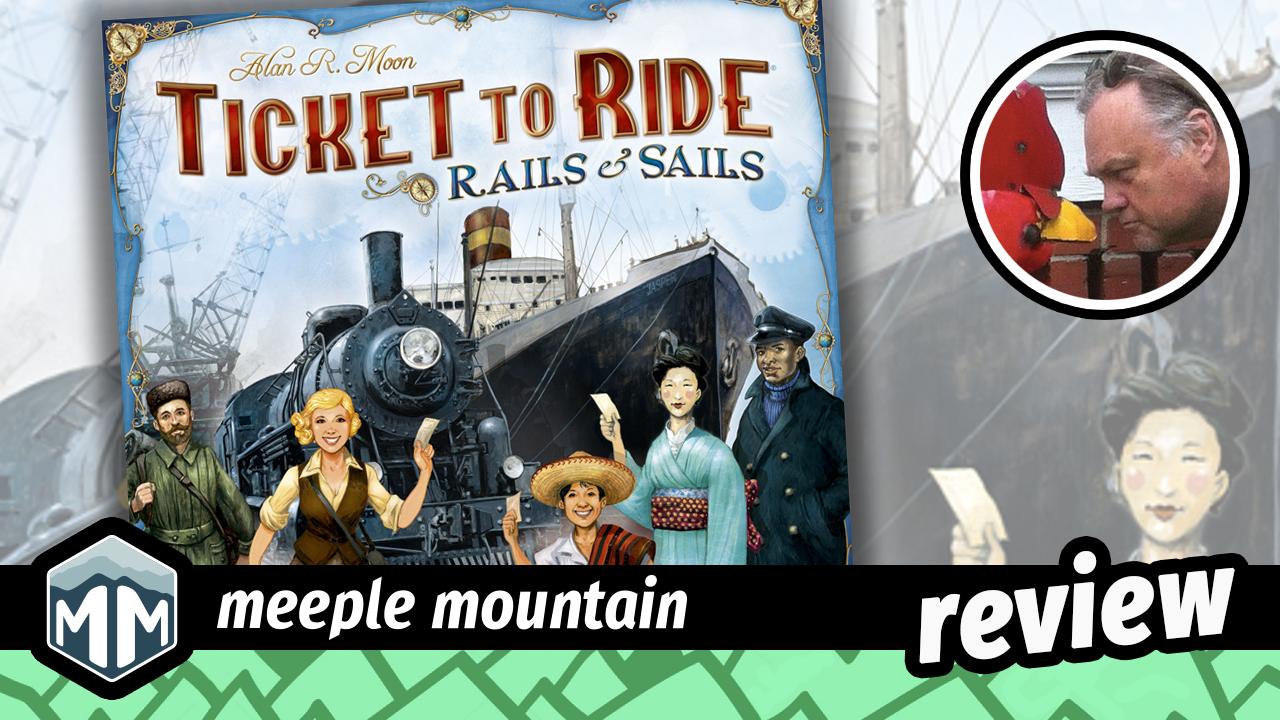
Ticket to Ride: Rails & Sails Game Review

When Ticket to Ride was released in 2004, it became popular the world over. That year, it was nominated for numerous international awards, even winning the prestigious Spiel de Jahres award. Capitalizing on the exposure, the following year designer Alan R. Moon released Ticket to Ride: Europe. By changing the map from the US to that of Europe—and introducing small but meaningful changes—Moon showed how he could expand the game in challenging and entertaining ways while still being familiar to anyone who had played the original. He’s been going strong with new versions of his game ever since.

Ticket to Ride: Rails & Sails (shortened to TTR:R&S from here) comes with a two-sided game board that lets you choose to either play across The World, or in a section of the USA and Canada surrounding The Great Lakes. To do so, you’ll use familiar train cars to move across the land to port cities where your new ships will continue your path across waterways and oceans.

As with my reviews of other Ticket to Ride editions, I’m going to skip the How to Play section of this review. If you haven’t played Ticket to Ride before, check out my colleague Kevin Brantley’s great review of Ticket to…

The post Ticket to Ride: Rails & Sails Game Review appeared first on Meeple Mountain.

  •  

Ticket to Ride: Europe Game Review

When Ticket to Ride was released in 2004, it became popular the world over. That year, it was nominated for numerous international awards, even winning the prestigious Spiel de Jahres award. Capitalizing on the exposure, the following year designer Alan R. Moon released Ticket to Ride: Europe. By changing the map from the US to that of Europe—and introducing small but meaningful changes—Moon showed how the game’s concept could be expanded in challenging ways while still being familiar to anyone who had played the original.

As with my review of Ticket to Ride: Northern Lights,  I’m going to skip the How to Play section of my usual reviews. If you haven’t played Ticket to Ride before, check out my colleague Kevin Brantley’s great review of Ticket to Ride: Refresh to learn how.

What’s New?

The first thing my TTR-playing friends ask when they see a new version of the game hit the table is, “What’s new?!”

Ticket to Ride: Europe introduces several new elements, both physical (new pieces given to each player) and on the board (new route requirements).

Train Stations

Ticket to Ride: Europe introduces Train Stations. Ever wish you could use another player’s route to get to a city that is blocked off? With Train Stations, you can.

[caption id="attachment_330109" align="aligncenter"…

The post Ticket to Ride: Europe Game Review appeared first on Meeple Mountain.

  •  

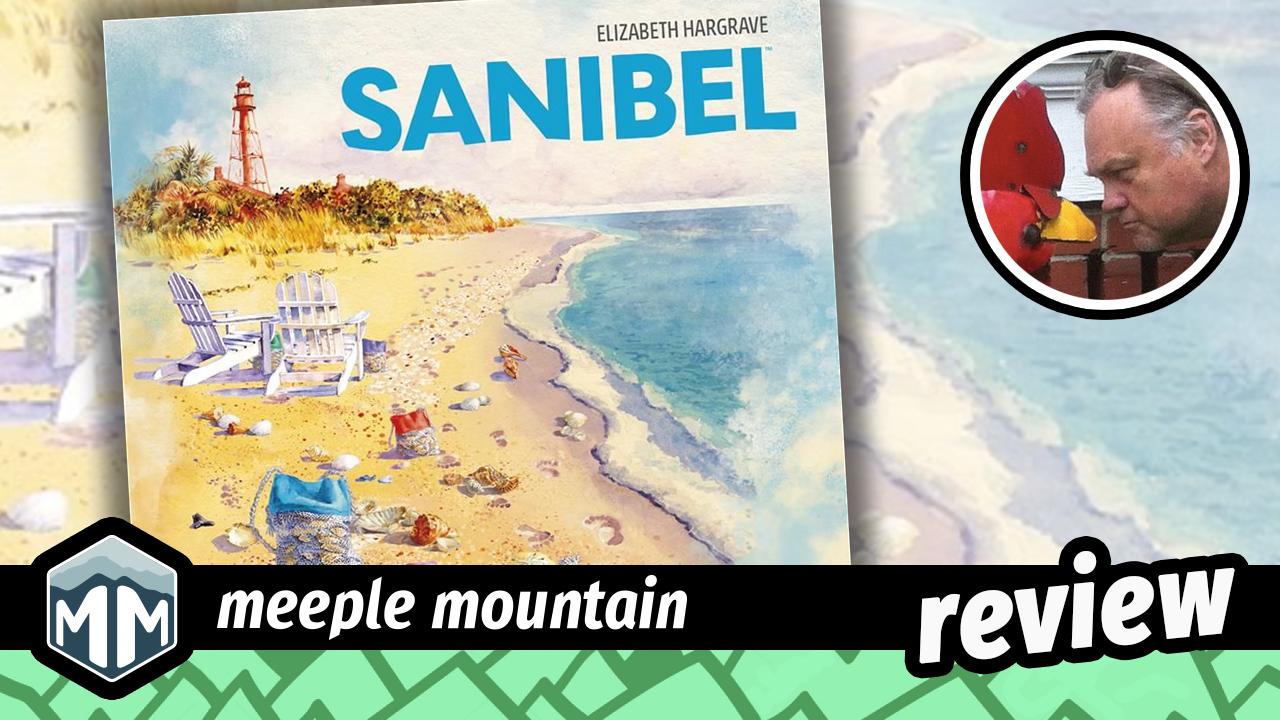
Sanibel Game Review

In Elizabeth Hargrave’s latest game, Sanibel, players take turns walking down the beach and stopping to collect a variety of shells and shark teeth. You’ll score points by dropping these treasures into your bag so they ‘fall’ in alignment with other items already there. Have the most points at the end of the walk, and you win the game.

Setup

To start, unfold and line up the three sections of the board. On the left, place the section with the beach chairs; to the right, place the section with the lighthouse. The section without a special area at either end goes in between these two.

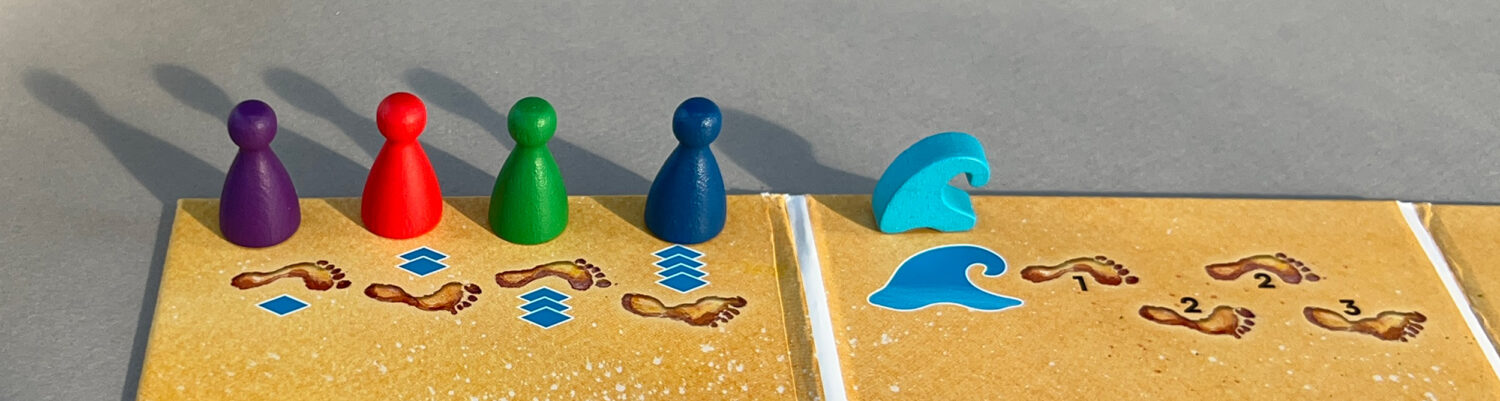
Players then take a token of their chosen color and the corresponding board with a bag printed on it. You’ll place everyone’s tokens in random order in the upper left corner of the central board on the right, just above the beach chairs. Place the Wave token to the far left of the player tokens.

Shuffle the zig-zag-shaped pieces and deal two to each player. These are your Lighthouse tiles and will offer additional scoring opportunities once you reach the Lighthouse midway through the game. Read these carefully, as they may help you determine which shells you want to concentrate on.

Above the shoreline…

The post Sanibel Game Review appeared first on Meeple Mountain.

  •  
❌