
Normale Ansicht

Published — 12. April 2026 Meeple Mountain | The summit of board gaming

Epic Brick Adventures Game Review

Plastic bricks were a key part of my childhood. I have fond memories of tearing up my hands rummaging through a big tub of bricks that may or may not have actually held the one piece that I was searching for. Over time, my siblings and I developed amazing characters and lore of the hijinks that happened in our brick-world, leading me to naturally want to share that with my kids as they grow up. Epic Brick Adventures is designed to couple the world of bricks with the world of roleplaying games to facilitate creativity and storytelling without any age limitations. Ahead of the Kickstarter, I was able to get a look at the Introductory Guide and the Circus Catastrophe Intro Adventure to see if this game is more than just D&D with bricks.

Epic Brick Adventures: Building You Up

Epic Brick Adventures provides a rules framework for players to use their existing collections of bricks and plastic figures in a roleplaying game setting. Minifigures become MiniHeroes as a Brickmaster leads the players through an adventure of their own devising, serving as the Gamemaster (in conventional parlance).

MiniHeroes have Abilities broken out into Creative, Smarts, Willpower, Sense, Muscle, and Zip with concepts of Gusto and Clutch replacing energy and hit points respectively. Tack on an Occupation and some basic equipment…

The post Epic Brick Adventures Game Review appeared first on Meeple Mountain.
Published — 06. April 2026 Meeple Mountain | The summit of board gaming

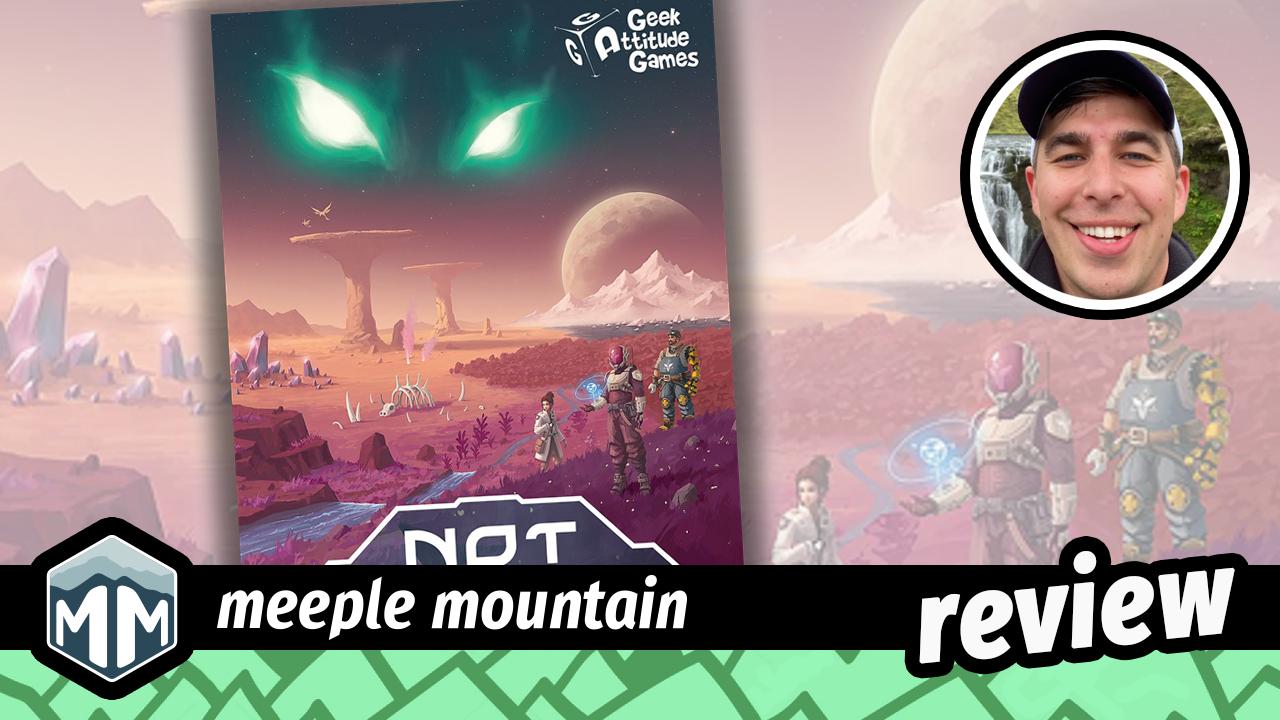
Starfinder Alien Core Review

If you're a Gamemaster running Starfinder Second Edition, the Starfinder Alien Core is your de facto manual of monsters. It promises pages upon pages of strange creatures that would feel at home in any sci-fi world. Some are geared more towards horror, others are more techy, and some are there as classics to hit you with a nostalgia bomb. Let's take some time to run through the highlights of the book.

Starfinder Alien Core

Right off the jump you are greeted with the full alphabetized table of contents for every creature featured in Starfinder Alien Core, including visual breaks for each set of letters to prevent the usual wall-of-text layout. Directly afterward is a brief section that describes the different aspects of a creature's statblock, how to play creatures, and making adjustments. I was quite surprised looking back at the Starfinder GM Core that this information was never included. There is more in-depth guidance into custom creature creation, but nothing that lays out the aspects of the statblock as succinctly as this.

Then it's time to dive right into the 200 pages of creatures, typically featuring one on each page. The general flow of information starts with a brief snippet of lore about the creature to set the scene, followed by the creature's statblock. The sidebar also always features…

The post Starfinder Alien Core Review appeared first on Meeple Mountain.

Published — 17. März 2026 Meeple Mountain | The summit of board gaming

Through the Hedgerow Roleplaying Game Review

Presentation is half the battle when it comes to tabletop gaming; I never follow the adage of 'don't judge a book by its cover' because it goes against the grain of any marketing textbook. Through the Hedgerow immediately draws attention thanks to its evocative, pseudo-woodcut artstyle, imparting its promise of rustic fantasy upon prospective readers. Will it stand the test of time like it requires of its characters? Let's find out.

Through the Hedgerow Overview

Information comes flying at you right from the jump when you open up Through the Hedgerow. Flavorful vignettes separate the mechanical rules so that you are constantly reminded of the setting. The game takes place over four Ages, starting with the Dark Ages and ending during WWII. Much of the game is centered around a singular location during one (or more) of these epochs, setting the table for your characters to watch how history and the magical world of Fay shape it.

Players have an array of Gentries to choose from when building their character: the headless, turnip-wearing Buggeber Fay, scarecrow-adjacent Flayboglin Fay, Light-driven Heathen Clerks, champions of the Light known as Hodkins, the Mortal Motley entertainers, bird-faced Ouzels, humanoid spiders called Tomnoddins, Mortal children protected through innocence known as Waifs, or Warlockes, Mortal wizards who internally struggle with their magic.

Through the Hedgerow Roleplaying Game Review appeared first on Meeple Mountain.

Published — 05. März 2026 Meeple Mountain | The summit of board gaming

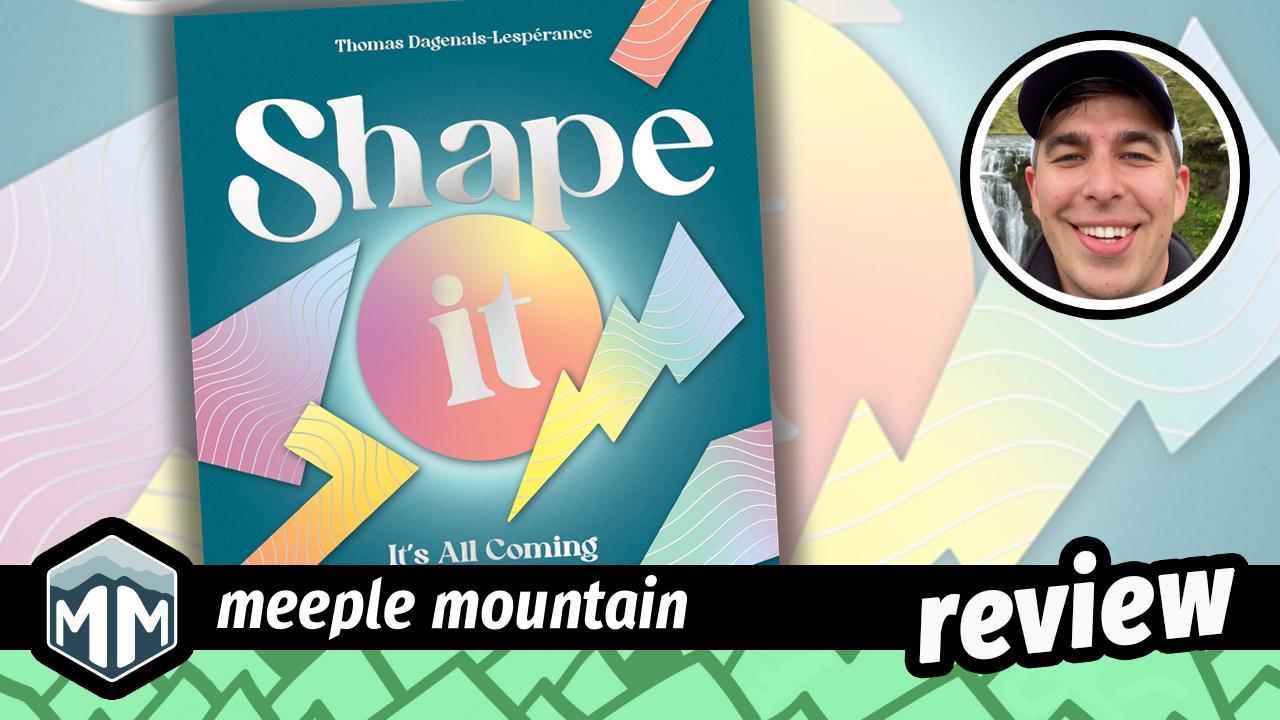
Yokohama Duel Game Review

I first saw Yokohama at Gen Con in 2024 when it was reprinted with updated art and dual-layered boards. My main turnoff was that it seemed quite fiddly with the smaller meeples and felt generally busy with the various worker placement locations. Enter Yokohama Duel which eliminates those issues and presents a similar gameplay wrapped in a convenient two-player package. The question remained: does it stand on its own merits amidst the evergrowing list of 'duel' games? I aim to find out.

Yokohama Duel Overview

Each player in Yokohama Duel assumes the role of a prominent merchant in the Meiji era of Japan, pushing themselves towards prosperity for themselves and the burgeoning port town. Through the acquisition of goods, fulfillment of orders, adoption of technology, and culturally mindful practices over four rounds, players compete to see who will come out on top.

The core of the game is the placement of 'workers' in the form of Power cards. At the start of the game, each player receives a set of Power cards valued 1 to 4. On their turn, a player selects the lowest remaining Power card in their hand and plays it to an unused location on the board. The value of the card played gives an increasing benefit such as more resources, a higher valued Technology…

The post Yokohama Duel Game Review appeared first on Meeple Mountain.

Published — 08. Januar 2026 Meeple Mountain | The summit of board gaming

The Pillars of the Earth Game Review

Just because a game is old doesn't mean that we should overlook it. Thanks to a new gaming group, I'm getting some exposure to lots of older games that I normally wouldn't even think twice about. Our most recent foray was a five-player jaunt through The Pillars of the Earth, a worker placement euro that wasn't as stuffy as my initial cover-based assessment gave it. Together we built the fictional Kingsbridge Cathedral from Ken Follett's novel of the same name, although the process wasn't free from cutthroat resource battles. With twenty years of board game innovation between its release and the present, does The Pillars of the Earth still stand firm?

The Pillars of the Earth Overview

Over the course of the game, players assemble big, blocky, wooden pieces to form a central cathedral, which serves as a glorified round marker. During that time, they balance the need for employing Craftsmen and utilizing their talents to convert resources into victory points. Whoever has the most victory points at the end of the sixth round wins the game.

After setting up The Pillars of the Earth—which involves a great deal of shuffling and deck-stacking—the game begins in earnest. In the first phase, players use their pool of workers and gold to send laborers out to gather resources or to hire…

The post The Pillars of the Earth Game Review appeared first on Meeple Mountain.

❌