Wombats are herbivorous solitary nocturnal mammals native to Australia, and — here’s the part you knew was coming; nay, hoped was coming — they poop in cubes. And stack them. Why? I dunno. Darwin was pulling a goof that day.
Now Wombat Poo is a stacking board game by Phil Walker-Harding. Why? We know why. Because poop is funny, that’s why. But is Wombat Poo funnier than its opening joke? I think so. A little bit.
This is exactly what wombats do. Exactly.
On a surface level, Wombat Poo is about stacking cubes. There are three sizes included in the box: small, smaller, and smallest. Maybe that sounds like a complaint. To be sure, I’ve dinged certain dexterity/stacking games in the past for featuring such light components that their edifices collapsed at the slightest exhale, never mind a hand tremor. Fortunately, while the cubes in Wombat Poo are quite small, they have enough heft that the tower isn’t doomed past its first inch. Not right away.
But what makes Wombat Poo function isn’t its stacking. I mean, yeah, without the stacking there isn’t a game. But the stacking is really the backdrop for a compelling system of wagers. Basically, when your turn rolls around, you decide whether to poo or wipe. Each player even gets a double-sided card for announcing their position on the matter. If you poo, that means flipping a card from the deck to determine which size of poo you must stack. If you’re unlucky, maybe you’ll even need to stack two poos.
I imagine that wombats, since they’re herbivores, produce poop that can be composted without bacteria-killing hot methods, but don’t take my word for it. No, really. Don’t take my word for it.
The other option, wiping, backs you out of the round, while also scoring a point for every cube in the stack.
This is unexpectedly clever for a game that might otherwise seem somewhat single-ply. The thing, you see, is that your fortunes aren’t entirely based on your own prowess at squattie-piley. The decision to stay in the round is also an investment in the other players at the table. If someone in your group suffers from the shakes — as does one of my oldest friends and game-night regulars — they might still remain competitive, building their score by surviving their occasional, um, movements, and letting others do the bulk of the hard work. Conversely, their natural weakness at dexterity games may well translate into everyone else’s natural weakness as well. When the tower topples, the player who did the toppling loses two points. A meager sum. Just enough to prevent somebody from overturning the tower out of spite. But when that happens, those who stayed in the round score nothing at all. It’s only by wiping in time that you’ll accrue a winning score. How’s that for a rule to live by?
This transforms Wombat Poo into a surprisingly forgiving experience. Its central question isn’t “Can you stack this?” so much as, “Can you stack this, plus can the next couple of players also stack their cubes atop your wonky-ass placement, so you can get out while the getting’s good.”
Which is a considerably more interesting question than those posed by most stacking games. For adults, anyway.
My six-year-old’s review: bees are better than Wombat Poo.
At the risk of sounding highfalutin’ — not to mention deeply unserious — Wombat Poo proved too subtle for my twelve- and six-year-old children. An unexpected outcome, given the game’s cartoon wombat and topicality. Those kids were cracking poop jokes literally the evening before we broke out the game for the first time. Then, somehow, overnight, they went from “Poop is the funniest thing in the universe” (juvenile) to “Poop is not funny at all” (adolescent), without quite reaching “Poop is funny unless it’s awful, then it’s even funnier” (mature).
There were other factors. The smallest of the cubes were a bit too light for the six-year-old’s fingers. Maybe it doesn’t help that the notion of playing with one’s fecal matter had been painstakingly ingrained as taboo for years by yours truly, lest this leaking ship we call a home tip over the edge into total disaster. And, yes, the scoring wasn’t quite as immediate as that of, say, Rhino Hero.
Look, I know how I sound. Arguing that Wombat Poo is a mature game for adults isn’t really what I’m trying to say here. I’m sure there are sufficiently advanced children who can also manage it, and some of them will have sufficiently arrested parents to stack poops with. I hope so. In my experience, though, Wombat Poo has become an adult filler, a strong contender for those moments when you just want to heap up some cubes, but with more to the rules than penalizing whichever player makes the tower plunge.
The Leaning Tower of Poopa.
In other words, Wombat Poo is the thinking man’s poop-stacking game. Not David Hume level or anything. Voltaire, though? Yeah, Voltaire might stack some poops.
And that’s all there is to say about that.
A complimentary copy of Wombat Poo was provided by the publisher/designer.
(If what I’m doing at Space-Biff! is valuable to you in some way, please consider dropping by my Patreon campaign or Ko-fi. Right now, supporters can read my first-quarter update of 2026: the best board games, movies, books, and more!)
I no longer think of Volko Ruhnke as a man, but as a machine purpose-built for stamping out novel conflict simulations. COIN, Levy & Campaign, that older one where the terrorists have the efficacy of ’90s movie baddies, and now Hunt for Blackbeard, an unexpected romp that’s as much about setting the record straight as it is about blasting pirates with grapeshot. I now know more about Blackbeard than at any point in my life. Which is to say, I know a lot less, given the man’s outsized legend.
Afore ye vast, starboard lubbers!
Almost everything we know about Blackbeard is wrong, or at least embellished from later sources seeking to cash in on the pirate’s notoriety. That he learned his trade under the legendary Captain Hornigold — unconfirmed. That he braided his hair with smoking fuses — not exactly the sort of fire hazard a man who worked with gunpowder would accept. That he murdered a swath across three seas — well, there was some murder, that’s true. But not as much as previously reported. Not when a pirate’s work required most crews to throw down their arms.
If anything, the Edward Thatch we come to know in Hunt for Blackbeard is something of a sad sack, at least when placed alongside his outsized legend. His great vessel has been stripped. His plunder has been sold down to its last few barrels and crates. His crew has been reduced to a couple dozen hands. Even his most infamous companions are on the outs; Stede Bonnet’s surviving crewmen are likely informers rather than allies, and Israel Hands, Blackbeard’s long-time second in command, may soon be sent on a doomed mission to allow the captain to claim his portion of their remaining goods.
Some of these details are relegated to the historical notes, and this, being a production from Fort Circle Games, provides excellent timelines and essays. But the diminished status of the infamous captain is on display right there on the board as well. For one thing, there’s the scope of the hunt. Confined to the sounds, towns, and islands of North Carolina, this pursuit is leagues away from the Caribbean waters that usually dominate pirate yarns. And then there’s the scale. Blackbeard’s fleet has become one ship, the Adventure, ill-fitted and undercrewed. His pursuers have only two ships, both of them relatively small, plus a band of hunters who travel by land to check the colony’s towns and inlets. These are, in a sense, an invading force, commissioned and outfitted by the governor of Virginia. But as invading forces go, sending bounty hunters from one colony into another isn’t an excursion into foreign territory.
For his part, Thatch behaves more like a cornered rat than a pirate king. Hunt for Blackbeard opens with the pirate standing at an intersection. Rather than expend the resources to hunt down every last offender, the Crown has offered a pardon to all who will renounce the pirate’s life. Most in the colonies have already accepted. Thatch, too, has taken the offer, only to return to the sea to seize some easy plunder. Now the hunters are coming for him, and while he has relative shelter in North Carolina thanks to his largesse with colony officials, the ensuing game of cat and mouse has the mood of a deepening sunset rather than a crescendo.
Blackbeard tends to his retirement… or continues his piratical career.
There are two sides in Hunt for Blackbeard, hunter and hunted, but Ruhnke’s virtuosity at game design clutters and blurs those roles.
Both sides, for instance, are gluttonous for information. In the case of the Hunters, that means Blackbeard’s location — whether that of the famed captain, his lieutenant, or the camp he might periodically visit to resupply or lick his wounds. But for Blackbeard, word of his pursuers’ deeds is every bit as precious. The Hunters are always visible on the map, but how far their reach has extended, where their informants have told them to search, or whether they have a particular stretch of the sea under surveillance, those details may be concealed or laid bare depending on context and choice.
The same goes for the question of which side is hunting whom. Nominally, the Hunters are, well, the hunters. As soon as they’ve outfitted their vessels, they depart from Virginia and begin the chase. But all the while, Blackbeard is laying preparations of his own. Looting vessels, preparing the Adventure, buying off witnesses. When the time comes for the spark to touch powder, it’s entirely possible that Blackbeard will sink the competition.
What Ruhnke produces, then, is a double-blind game of entrapment. First there’s the race. Blackbeard hurries to gain or spend his treasure, whether to reestablish himself as a great pirate captain or to secure another pardon. The Hunters hustle to outfit their vessels before the trail goes cold. But then, over the course of the ensuing rounds, the fierce dance between predators.
Perhaps the most surprising thing about Hunt for Blackbeard is its speed. The game only lasts four rounds. And these aren’t the drawn-out bullet-point-ridden rounds of something like Here I Stand. While there are still bullet points to tick off, the phases pass at a brisk pace, bouncing between sides so rapidly that there’s hardly a moment of downtime. First, the Hunters interview informants, giving them a glimpse at Blackbeard’s potential location — a step that requires Blackbeard to avert his gaze, lest he learn what the Hunters have gleaned. Second, Blackbeard spends his time preparing his ship, sailing, and planning any piratical activities. Again someone must close their eyes, although it’s the Hunter player this time. After that, the Hunters take their turn proper, moving their ships and perhaps picking up their quarry’s trail. Only then does Blackbeard actually accomplish any pirating, a step that may well have been interrupted by the arrival of the Hunters.
The hunters balance preparation against the need to depart early.
Playing through these steps, a few thoughts spring to mind.
First, there’s an essential tactility to Hunt for Blackbeard. The actions themselves are brief, but the need to physically turn the blocks gives every movement a sense of growing unease. When I played digitally, the entire session took perhaps a third of the duration, but in its haste lost its sense of place. It’s one thing to click an icon; another entirely to hover one’s fingertips over the block, stomach knotted into a fist as you try to deduce whether an earlier clatter had come from here or there, or was perhaps your opponent shifting a few components as a ruse. This process elongates the game, but is necessary: touching the pieces, straining your senses for clues, seeing the shadows cast by those monolithic blocks and wondering whether they conceal a trace of your foe’s passage or a flock of passing gulls, these are as much components in the game’s telling as the rules or the wooden ships.
As much as Ruhnke excels at designing macro-level systems, he still has yet to create a compelling method for resolving combat. Perhaps the game’s biggest disappointment is the moment of battle, when, after all those preparations, both sides roll a couple dice to see who hits the higher number. It’s fitting, I suppose, given the chanciness of naval combat. The historical Blackbeard managed to rake one of his pursuers with grapeshot, effectively removing their ship from the fight, before the trap was sprung and he was overwhelmed during a boarding action. But after all those steps and countersteps — after that dance! — it wouldn’t have gone amiss to put some showmanship into the last struggle. What could have been a wall of thunder instead comes across as a puff of smoke.
Lastly, however, the game leaves me in awe of the way board game excel at representing history. I’ve read about Blackbeard. Not a lot. Just enough to know we don’t know much. But it wasn’t until seeing it rendered this way that I understood some of the words on the page. The intimacy of the space. The smallness of a man whose legend has outgrown him and now nips at his heels. The small invasion of a neighboring colony, one governor determined to rid himself of a pest that his peer next door has decided to indulge. Piracy was always caught up in the history of empires, and nowhere is that clearer than here, with official pardons and corrupt commissioners in the balance, populated by enemies and victims, but also imperial troops crowding into spaces that were once open, with safe havens where an infamous pirate acted as a patron rather than a danger to be cut out with the point of a saber. To play this game is to grasp the history a little more tightly.
The hide-and-seek nature of the game is well done.
Is it disappointing that Hunt for Blackbeard operates better as history than as a plaything? Oh, maybe. A little bit. Especially when the game concludes with a wet fuse rather than a discharged cannon, I can’t help but feel some letdown.
But I’m impressed with the trappings that surround that climactic battle. Once again, Ruhnke has created a system that will hopefully earn emulation; once again, Fort Circle has crafted an enviable representation of American history, one that complicates and deepens its subject matter rather than frocking him in smoking fuses.
A complimentary copy of Hunt for Blackbeard was provided by the publisher.
(If what I’m doing at Space-Biff! is valuable to you in some way, please consider dropping by my Patreon campaign or Ko-fi. Right now, supporters can read my first-quarter update of 2026: the best board games, movies, books, and more!)
I would describe my feelings toward Regicide as “appreciation,” despite it finding dedicated fans all around me. For years it was in regular rotation on my wife’s phone; my sister-in-law bought the fancy custom deck rather than just using a generic deck of playing cards. My own interest had more to do with the game as an act of repurposement: the clever casting of face cards as mad royals who needed to be put down, the suits transformed into character classes for blocking attacks or repairing injuries.
Regicide Legacy, designed by the same trio as the original — Paul Abrahams, Luke Badger, and Andy Richdale — is very nearly the exact opposite of the original game, at least in terms of form factor. Where the previous Regicide could be played with any old deck scrounged from a vacation bag, this edition is something of a throwback. It’s a genuine legacy title, for one thing: torn cards, stickers, micro-expansions, all of it. Its cooperative/solitaire campaign is generous. Moreover, it’s hard, significantly harder than is the norm in our current obliging hobby. It isn’t uncommon for a chapter to take two, three, half a dozen tries before your band of mercenaries is permitted to move on to their next target.
Now that I’ve wrapped it up, I can squarely say that the ordeal was thrilling, brilliant, and exhausting.
Hey there. We spotted you from across the bar and liked your vibes.
If you haven’t played the original Regicide… first, maybe give it a try. The rules are freely available, and as noted earlier you can play with a deck of cards that costs five bucks at the supermarket. That’s if you don’t have one handy already.
Regicide Legacy begins with Regicide. As in, its first chapter is the base game with only the slightest of modifications. Your crew, a band of adventurers, comprises the forty non-face cards of an ordinary playing deck, plus perhaps one or two goblins depending on player count. Their strength ranges from one (for an ace) to ten, across four classes that have been given their own iconography rather than repeating the regular French suits.
The face cards, meanwhile, become a deck of targets. First you’ll face the jacks, then the queens, then the kings, ideally lining them up for the guillotine. This is no easy feat. Each royal has a sturdy pool of health points, and punches back after each attack, requiring you to spend cards from your hand to absorb the blow.
The cardplay is impressive. Depending on your chosen attacker, your crew avails themselves of an ability. Warriors deal double damage to your target. Paladins block return damage. Clerics cycle discards back into your deck, which Bards then use to refill everybody’s hands. There’s a life cycle to this process. Some cards can be paired, such as aces, here styled as animal companions, or duplicate ranks whose strength would sum to ten or less. Success demands a delicate balance, between offense and defense, between healing and aggression, between risk and caution.
It’s pretty much inevitable that you will lose.
In contrast to the original Regicide, Regicide Legacy is all premium.
That inaugural failure, though, demonstrates the ways that Regicide Legacy intends to depart from its predecessor. Rather than shuffling the cards and giving it another try, you’re invited to open the first of the set’s many boxes. Within, you discover mercenaries: multi-rank cards that can be readily paired with more of their peers than usual, heavy hitters, maybe an extra goblin or two. Each merc has a cost in its corner. One loss means you have one gold to spend.
So you buy a card, add it to your deck, and take another stab at toppling the divine right of kings.
Again, failure is largely inevitable. It’s just a little less inevitable than before. Second loss, two gold. You grab a couple new fighters. Shuffle. Again.
Another loss. That’s three more gold. Now your company is becoming noticeably tougher. Maybe you were struggling with damage output; some extra Warriors will make up the difference. Or perhaps you found it difficult to manage your hand; that’s where Clerics and Bards come in. Whatever your particular weakness, there’s a patch for it.
At some point, the odds turn in your favor. Inside the first chapter box there is a sealed booster pack with its own instructions. Your mercenaries depart. New cards are introduced. Another chapter presents a new set of bosses, each tougher than the last.
Opening the post-game expansion pack.
Along the way, a few things become apparent.
First, Regicide Legacy wants you to succeed. Even if only belatedly, after spending heaps of gold on up-powered mercenaries who round out your company’s deficiencies. Where the original game bordered on the misanthropic, booting you back to the beginning at even the slightest trip, the ability to pad your deck with repeat failures is a wonderful tool. Some make it easier to pair cards, or add wild aces, or, eventually, strip even the toughest bosses of their natural immunities to your character abilities.
Next, Regicide Legacy earns that second ligature. This is a legacy game through and through. In its earlier stages, this means variable card sleeves. To offer only the lightest of spoilers, the members of your company can become corrupted, adorning themselves in the thorn-framed sleeves usually reserved for royals, and incurring a penalty when played. Not long after that, you’ll encounter more transformative effects. Stickers that dual-class cards, minigames for randomly determining which character succumbs to a story beat, and, yes, eventually the dreaded moment that was so transgressive back in Risk Legacy, the command to rid yourself a card for good.
Go ahead. Tear it up. Don’t let your squeamishness show. Don’t let your fingers tremble. Don’t check how much the reset box costs. Uh oh. You looked. That’s as much as, like, fifteen decks of playing cards. But who would buy that many playing cards? You’re here for the drama, baby, and there’s no drama quite like drama that inflicts lasting damage.
Each boss presents its own conundrums.
The main highlight is the procession of new character classes that are added to your ever-expanding band. To the original four — the original six if you count animal companions and goblin jesters — there’s enough to more than double the roster. I won’t spoil the surprise, but the way your deck morphs from one thing into something else entirely is quite the sight to behold. There’s wild magic to be uncovered, risky operators who might help or hinder your goals, heroes who always seem to show up in the nick of time, and complicated figures who require constant reminders.
Because Regicide Legacy, already a tangled, difficult game, only grows more tangled and more difficult as additional chapters are unlocked. More complicated, too. Sequencing matters. The subtle distinctions between two defensive classes matter. Whether cards are discarded or banished, which abilities a boss blocks, how cards are shifted across the board in this particular scenario — everything matters.
In our case, we played nearly the entire campaign four-handed. There was me, of course, plus my wife and sister-in-law. I doubt I would have survived by excluding the fanatics. We were also joined by my mother-in-law, a veteran of countless trick-takers. Her inclusion highlighted both the game’s strengths and its weaknesses.
Strengths first. Across the duration of the campaign, Regicide Legacy held our interest. Even my mother-in-law’s interest. Even when we were tired from battering ourselves against a particularly difficult chapter. (The worst offender, we discovered, had been nerfed post-release.) At our weekly dinner, the group was eager to see what came next. Not so much in the story, which is the usual fantasy muddle of proper nouns. But in the interplay of cards and abilities. In the composition of our deck. In which sticker would be appended to which character. In the developing shape of the thing.
But these strengths are attended by problems. Foremost, that Regicide Legacy soon gets too big for its britches. My mother-in-law spent the back half of the campaign showing her hand to whichever daughter was seated beside her, effectively requiring someone to play two hands simultaneously. She recalled the starting classes well enough, and even remembered a few of the later outliers. But as for the distinction between a Mage and a Reaver or between a Druid and a Chanter, no player aid was sufficient to fill every gap.
That’s one packed box.
Perhaps this sounds like an issue of age. To some degree, it was, as my mother-in-law would freely admit. But even those of us inured to modern hobby games and RPG classes and this particular brand of cardplay sometimes found our minds snowed in by the game’s avalanche of intersecting triggers. It isn’t only the character classes; there are also the bosses to consider, plus the special rules that govern this chapter, plus, often, the lingering rules from last week’s session, finally cemented in time to be discarded with the previous tuckbox. Most of the time, I had to run the turn-by-turn action, and even then it wasn’t uncommon for someone to stab back that my reminder necessitated a counter-reminder because of such-and-such character or some lingering effect from the scenario instructions.
Is it too much? We finished the campaign. We survived. We succeeded. But we also stumbled along the way. Sometimes we realized two rounds later that we’d flubbed a rule earlier. More than once, we restarted a session altogether, the rules suddenly clear where previously they had been opaque.
Personally, this process was many things. Frustrating at times; exhausting at others.
But it was exciting, too, and exciting in a way that very few games have been before. We developed favorites — dual-classed Elashor, Vegarian the Vegetarian, my crush Lierin — and groaned at the appearance of others — Dinky, may you be damned to the underworld for eternity for how often you have betrayed us. We laughed a lot, especially when a new boss crushed us to powder, or when somebody stared at the problem before them, eyes glazed over, only for someone to recall the exact rule that would save us from a doomed situation.
The remaining question is whether we’ll return. Some of us already have; my sister-in-law has launched her second campaign with another group, spreading the good word to unwitting converts. There’s an entire post-game to tackle, justification for the potential waste of a discarded core box, and I can confirm that it’s a smart system, randomly doling out enemies and modifiers and boons that will test the hardy company that was forged over the previous thirty battles.
Lierin is my Canadian girlfriend you’ve never met.
So. Will we? Return, that is?
I don’t know. Maybe someday. I plan to keep the box, despite my doubts that we’ll remember the class abilities if we go more than a month without a session. Even if we don’t, I can’t help but regard Regicide Legacy with fondness. I can’t remember a single story beat from the narrative. But the stories it told above the table — the way our deck transformed along with our aptitude as players, the inside jokes we developed, the characters whose named we pronounced five different ways — those are worth keeping around. That’s the real legacy here. That’s what makes me consider Regicide Legacy such an unlikely success. Torn cards? Stickers? Psh. I’m only interested in the stickers of the soul. The torn cards of our feelings.
And with those strained metaphors, I think that’s enough Regicide Legacy for one sitting.
A complimentary copy of Regicide Legacy was provided by the publisher.
(If what I’m doing at Space-Biff! is valuable to you in some way, please consider dropping by my Patreon campaign or Ko-fi. Right now, supporters can read my first-quarter update of 2026: the best board games, movies, books, and more!)
Let it not be said that I don’t take requests. A number of readers have pointed out that it’s been a long time since I’ve covered any print-and-play games. Too true. But there’s a reason for that. Voyages, the six-map design by Rory Muldoon and Matthew Dunstan and the launchpad title from Postmark Games, is both an illustration of my reticence and a roundhouse kick to that same reticence’s noggin.
How Voyages really ought to look.
This is how Voyages is supposed to look. Soft hues, perfect for covering with pencil marks. (Or, if you’re a consummate professional, a dry-erase marker.) Weathered at the edges, giving it the feel of a brine-worn map. Crisp, with sharply defined edges, all the better for making out the proper boundaries of everything, from the sea’s hexes to the spaces for tracking the depletion of your sailors.
And this is how my version of Voyages looks:
In my hands, how it actually looks.
Gray. Somewhat dull. Concealed beneath a much-abused plexiglass. Dice not included.
This is a very good thing. Because my main hangup with print-and-play games is that I only own a black-and-white printer. It works roughly a quarter of the time. The ink is sold at a premium by a cartel with armed enforcers and semi-legal firmware updates that mark my bootleg cartridges as empty until I bend a plastic doohickey, perform a hard reset, and offer three Our Emperors to the Omnissiah.
Discussing business practices isn’t very sexy. There’s a reason I don’t talk much about the publishers or marketing schemes behind the games I feature here. But in the case of Postmark Games, the business practice is the format. Buying a game gives you access to a Dropbox folder. That folder includes assets for both high- and low-ink printers. It’s as indie as it gets. A little fly-by-night. Shabby, if you’re the sort of person who demands a custom link to everything.
But the beauty of this format is that it’s also easy to use. Even with my wonky printer, I was able to get everything working in about two minutes. After another hard reset, I even had the rules sheet and a few warm maps ready to go.
Sometimes your crew’s duties are tough, such as when you keep plowing into icebergs.
The gameplay, as befits a one-sheet roll-and-write game, is elegantly simple. You roll three dice and then assign them to three roles. One is your ship’s heading, which of six compass directions it will travel. The second is your speed, how far you’ll travel. You know, provided you don’t run aground on an island, hit a reef, or smack into the map’s edge. Between these two assigned dice, you’ll steer around the map to… well, it depends on the map.
Which brings us to that third die. This one governs your crew’s duties. But those duties differ from map to map. In the first map, this is a simple number-crossing game. If your third die shows a 3, you scratch off a 3 on your sheet. If this happens to finish a row or column, you earn a bonus. Easy.
But as the maps progress, the rules grow increasingly tricky. Not hard, exactly. Just tricky. Frankly, it’s impressive how much territory Muldoon and Dunstan are able to cover. Where one map sees your vessel racing to ignite beacons on lonely islands, another becomes a hard-bitten game of survival in arctic waters. The first map has some simple pick-up-and-deliver gameplay. Basic stuff. But another is all about catching the wind to drift between coral arches.
More often than not, these extra rules are handled by the die you assign to your ship duties. Repairing your vessel when it rams into icebergs or gets swatted by a whale. Tacking into the wind. Diving for treasure. Scavenging artifacts.
It’s a lovely system, surprisingly open-ended despite the stark limitation of three dice, and while there’s obviously a great deal of luck involved, it’s open to manipulation thanks to sailors who can be exhausted to ensure you don’t drift endlessly back and forth. More than once, I found myself thinking back to The Guild of Merchant Explorers, another flux-and-write game that threaded the needle between limitation and expression. That’s not exactly a coincidence, given that Dunstan co-designed that one with Brett Gilbert, but it’s notable how Voyages manages to produce an entirely different tale under similar constraints. To sail these waters is to be both buffeted by the winds and master of your own fate. It’s a wonderful paradox.
Charting invisible islands.
At first, my assumption was that Voyages would be a solitaire game. Because that’s what print-and-play games are for, right? And it is. A solitaire game, I mean.
But the solo mode is merely okay, a race to unlock three objectives (out of five) before sixteen turns have expired. Personally, I found that goal not only achievable, but usually laughable, barring a series of becalmed rolls. Anyway, what’s the fun of rushing all the time? The seas are full of things to discover. I’d rather take the time to poke around a corner before darting off to the next objective-indicating star.
Where Voyages shines is in multiplayer. The race element is still present, with those aforementioned objectives triggering the conclusion of the session, but the emphasis on scoring feels more natural to both the format and the setting. In this mode, there’s room to explore some more, everybody keeping one eye on their own heading and another on their opponents’ progress toward those objective stars. There’s also the pleasure of seeing what someone else did with the same rolls that caused you so much trouble. I was delighted by how quickly Summer picked up those first couple of maps, sailing gracefully from one isle to the next, scooping up sailors from their rafts and weaving between hazards. Compared to my bumbling from one island to the next, it was quite the sight. Also, her dry-erase lines are really sharp. Apparently I smush the felt into the plexiglass like some sort of ape.
If Voyages shines with multiple hands, it really glows when strung together in a campaign. This adds a little bit of everything. There are moonshot objectives to pursue, like visiting every single special zone on a single map or ensuring a half-dozen members of your crew upgrade to elite status. Stars can now be exchanged for upgrades, adding new ways to score points or mitigate a bad roll. And these newfound abilities are offset with the presence of a nemesis that adds increasingly difficult restrictions to the rules.
In the case of our campaign, our nemesis was Scar. Early on, he threatened to snipe any sailors we rescued from the water. Not too bad, given his shoddy marksmanship. But in the campaign’s later stages, he sent us sailing straight through islands rather than stopping automatically and eventually turned our three dice into a measly pair plus a duplicate. At the apex of our power, we found ourselves forced to wring every advantage from our abilities just to make a pit stop or sail the proper currents. The result was another careful dance between limitation and permissibility, stretching the system but never so far that it snapped.
These are my “thematic” dice.
On the whole, I came away deeply impressed. With the business model, with the design, with the way the game actually came out okay on my cartel-operated printer. Crud, even with the way Voyages manages to be a roll-and-write that isn’t just sums and filling in test-sheet bubbles. As much as I enjoy some of those titles, free-ranging movement has its own organic appeal. I’ll go where I want, winds be damned.
Or tacked into, anyway. As I’ve noted before, Voyages is a masterclass in the way board games excel when they lean into the limitations of their medium rather than trying to escape them altogether. Voyages is something special. It seems I’ll be getting back into print-and-play games.
Access to the files to print Voyages was provided by the publisher/designer.
(If what I’m doing at Space-Biff! is valuable to you in some way, please consider dropping by my Patreon campaign or Ko-fi. Right now, supporters can read my first-quarter update of 2026: the best board games, movies, books, and more!)
Considering how often the supervillains incarcerated at Arkham Asylum mount successful escapes, we’d do better to confine them inside a Chuck E. Cheese. At least that way they’d have to contend with food poisoning and sticky benches.
Still, the idea behind DC Breakout: Arkham Asylum is a strong one. Designed by Geoff, Sydney, and Brian Engelstein, this is another entry in the “wacky race” genre, marking it as the fourth such title in the past year. How does its coterie stack up against bun bangers, slippery bananas, and underdog brontos? I’ll put it this way: in any other race, it might have won a medal.
Me, a comics agnostic: oh hey, I can name two of these people.
DC Breakout opens with one heck of a great idea. Rather than having everybody out for themselves, what if our supervillains decided to work together? Not all together, obviously. These are the bad guys. If cooperation was their strong suit, they’d have stomped the Bat decades ago. But two at a time? A three-legged race? Evil duos temporarily setting aside their differences to escape the slammer? Sure. They can do that.
I wouldn’t be surprised if the game’s pitch was that you’re playing Magical Athlete with two characters at a time, because that’s pretty much how events proceed. During setup, everybody receives a hand of supervillains. There will be two races, with the winner of the first receiving some advantage in the second race. Now you pick your duos and head for the starting line.
As openers go, this is as good as they come. There are heaps of villains to choose from. Forty. That’s the number. Forty villains, each with their own ability. It helps, too, that Batman’s rogue’s gallery is probably the most recognizable in comics history. This gives the Engelsteins room to play, but even more importantly ensures that the abilities are able to map to what we expect of any given character.
More or less, anyway. Some are more familiar than others. The Riddler, for instance, turns his movement roll into a bluffing game. Sure. That’s Riddler shit. Talia al Ghul can flip her die to its opposite side. Sure. She’s tricky. Hugo Strange lets other players reroll their dice, but earns extra movements whenever they take him up on the offer. Sure. He’s always manipulating people to get ahead. Scarecrow rotates the tile he’s on, flipping the leader to the reverse and anyone in the rear forward. Sure. That’s his fear toxin causing hallucinations.
Others are less direct. Catwoman takes an extra turn when she ends on a triangle space. That one requires some explanation. Basically, Arkham Asylum is a series of shaped rooms. Most are squares, fewer are circles, and fewer still are triangles. So Catwoman is there to play the odds, hoping to land on the rarest of spaces in order to leap forward again. Which, yeah, that’s kinda Catwoman-ish, I suppose. Close enough.
Watch your back, cat! He intends to stick you into a canopic jar!
But what does it mean when Cluemaster moves another team forward to add one to his roll? Or when the Penguin massages his die roll up or down by one pip? Or when Killer Moth… look, I’m not going to pretend to know who Killer Moth is. But what about Condiment King? Why does he get extra movement when he’s trailing? Is this a condiment thing? Is pickle relish associated with losing? Don’t answer that.
Of course, what these abilities mean is that there’s only so much creativity that can be crammed into the system presented here. Fair enough. Not every supervillain can be transformative. For every Joker, there’s gonna be an Egghead. Except the joke’s on us, because the Joker is sort of a bummer in this one. He forces other teams to reroll. I guess the Joker is about chaos. Still, that’s not exactly what I was hoping for from the Clown Prince of Crime.
To be fair, there’s a huge range of abilities on display. Some villains use henchmen. Calendar Man, for example. He starts with one henchman, and can set his die to however many henchman he has at the current moment. If he does, he adds another henchman. Aha! He’s progressing through the days of the month! Good thing we locked him up. Poison Ivy, meanwhile, spends her tokens to force rival duos to move toward her instead of toward the finish line. Cleavage! The strongest of the fundamental forces.
Simultaneously, there are gadgets to consider. Gadgets are single-use powers that can be earned whenever you stop on an armory space or by earning a solid placement in the first race. There are quite a few of these. Fewer than the number of villains, but still, for a deck without any duplicates, there’s a solid range to potentially draw.
Which brings us back around to that core idea. Two villains. A handful of gadgets. A simple roll-and-move race to the exit. What could possibly go wrong?
Gadgets allow you to break the game even further.
It’s tempting to say “plenty,” but the more honest answer is that DC Breakout: Arkham Asylum is surprisingly solid. It’s just that it isn’t as solid as its competitors in this unexpectedly crowded field.
At heart, DC Breakout is about breaking the game. With the right combination of villains and tools, it’s possible to… well. I’ve watched as one duo created a near-unbroken loop of extra turns. Another duo was able to reuse items and draw a bunch from the gadget deck, permitting a series of teleports and adjusted rolls that was so unfair that its rivals were still way back at the starting line when it was peeling out toward Gotham City. These races were “unfair.” Hilariously so. Infuriatingly so. But they were also the result of previous prep work. Sacrifices in the first race to acquire extra gadgets. Or the opposite, a hard-fought initial race in order to acquire better tools and a boosted villain draft.
Or, right, dumb luck. DC Breakout is full of that. Again, fair enough. That’s the genre.
But what’s interesting to me is the way this game’s chance feels more chancy than the chance in something like Magical Athlete. Not only more chancy, but more irritating. Perhaps it’s the veneer of skill overlaid atop the dice rolls. Or maybe it’s the way gadgets intrude into the regular process of play. A bad roll is a bad roll. But when you get a good roll and another player deploys an item that overturns it? Or worse yet, flips the entire map around so that they’re in the lead? I’m not going to get mad about it. But a scrunchy face? Sure, I’ll make a scrunchy face. Wacky races, as a genre, are full of bullshit moves. But there’s bullshit and then there’s bullshit. DC Breakout is full of the latter.
Which is fine, as these things go. Part of the game’s fun lies in not only getting lucky, not only in building the right supervillain pairs, not only, even, in managing the micro-decisions that occur during the race. But also in bullshit-proofing your team from rival shenanigans. Some of those unsexy abilities start to look mighty tempting when you realize they boast a stronger immune system to outright cancellation. Most of my best combos, for instance, have arisen from characters I was only dimly aware existed. Cameos from video games, footnotes or curiosities, late-night fan-wiki deep-dives, those were often the characters I needed to leap forward to victory.
The winner of the first escape leads the second.
The result is a game that’s sometimes very good and sometimes so lopsided that it stops being interesting at all. When multiple players are breaking the game in sync, busted powers firing all over the place, it’s a hoot. But when one duo skip-teleports to the finish line while everybody else huddles around the office water cooler, the problem isn’t that the game is unfair. It’s that it’s boring. It’s like watching a race between a prize stallion and a certain unnamed sciatic board game reviewer. Also, the prize stallion just played a gadget that made the sciatic board game reviewer run backwards for ten seconds. Whee.
Which is to say, there are moments of real brilliance here. The range of abilities in the game’s generous cast. The delight of watching a guy with a ketchup nozzle defeat a mobster who was so uninventive that he named himself after his matte facewear. Even just the idea of pairing racers to become even more idiosyncratic and game-breaking. There’s a ton of good stuff in DC Breakout.
But it’s a game whose peaks don’t always justify its troughs. Not only in relation to Magical Athlete, Hot Streak, and Dino Racer — in relation to itself.
A complimentary copy of DC Breakout: Arkham Asylum was provided by the publisher.
(If what I’m doing at Space-Biff! is valuable to you in some way, please consider dropping by my Patreon campaign or Ko-fi. Right now, supporters can read my first-quarter update of 2026: the best board games, movies, books, and more!)
Under normal circumstances, it might seem a bitter irony that Paolo Mori and Alessandro Zucchini’s partnership will be lauded for Toy Battle over the supernal Battlefields of the Napoleonic Wars. But these are no normal circumstances. Not when Toy Battle is currently up for a Golden Geek alongside its crunchier sibling, which I’m sure has infuriated a certain class of grognard, but strikes me as maybe the perfect encapsulation of that silly award. (If you needed further proof that the Golden Geeks aren’t especially rigorous, my podcast is also up for one. “LOL,” as the kids say.)
It helps, too, that Toy Battle is a tremendous little plaything. I’d even say it’s good in much the same way that Old Boney’s Battlefields is good, threading an uncommon needle between strategy and chance, heft and approachability. Or maybe I’m just saying that because it’s colorful, feels great on the fingertips, and my twelve-year-old can give as good as she gets.
Watch out for Daddy Warducks.
For those who aren’t in the know, Toy Battle is effectively Toy Story 6, a joke that will grow even further out of touch when in a half decade they wheel Tom Hanks and Tim Allen out of the crypt for yet another unexpectedly delightful coming-to-terms with mortality. Basically, the toys have mobilized for war. Why? They are toys. War is their raison d’être.
From its very first moments, Mori and Zucchini pack the box — which is surprisingly small — with so many goodies that to call it a toy chest would be appropriate, if far too cute for any self-respecting critic. In addition to two full armies, staffed by mismatched rubber duckies, painted unicorns, green army women, and many others besides, there are eight full maps to wage conflict over. It’s nothing if not generous.
The basic concept is so simple that it would only clutter the game to describe. My six-year-old figured it out from two minutes of standing on the sidelines. But in short, toys can be placed on any space that traces ownership back to your base, but only if their target space is empty or, if occupied, their strength exceeds that of any unit already there. There are two main ways to win, whether by chaining your toys to your opponent’s base or encircling spaces to earn a certain number of star badges. Both approaches are viable, and indeed may prove distractions from their opposite number, prompting little tussles where a rival is so busy with logistics that you merrily gobble enough stars to sweep the rug out from under their feet.
In every case, this feels wonderful. Everything about Toy Battle feels wonderful. Every map has its own special rule, like a cursed cemetery that keeps popping units out of your graveyard or a volcanic jungle where untimely eruptions frighten troops into hasty retreats. The same goes for the units. There are eight types in rotation — with plenty of duplicates, naturally — and there isn’t a single extraneous member in the entire roster. There’s a monkey that paratroops behind enemy lines, a fire-breathing tyrannosaur whose entire thing is that he’s a fire-breathing tyrannosaur, a punch-robot for slaying enemies and a wind-up robot for slaying enemies but in the opponent’s hand rather than the battlefield. Some, like the skeleton, seem brittle until they circle around to being exactly the tool you need for the pickle you’re in at this very moment.
Portrait of a battlefield on fire.
It’s tempting to leave the game there. Toy Battle doesn’t require belaboring. It has that childlike spark to it, the quality that makes me recoil ever so slightly when I see people discussing the breadth of its strategies or the unexpected combinations it permits.
But those are a not-insignificant portion of its elegance. Because while Toy Battle straddles the line between adolescence and adulthood, it doesn’t feel like it was designed for the under-fourteen demographic. Not only for them, at least. There are real considerations here. Logistics, for instance. Having to trace a line back to your base in order to keep the troops rolling out is every bit as relevant here as in a denser wargame, and as prone to disruption, too. I mentioned the airborne monkey, right? These stuffed apes aren’t the toughest grunts in your roster, but as delaying and disrupting tactics, they can’t be beat. There’s also a plastic army woman named Cap’n, whose combat number is the second-lowest in your company, but who permits another unit to be added to the map afterward. She’s effectively her own Red Ball Express, especially if you can deploy multiple copies to swiftly encircle multiple objectives.
In its own way, the game even includes resources and the need to rest your army before another push, though in this case both concepts are represented as the troops in your tray. Most turns consist of placing a unit, but you’ll see plenty of pauses to draw a pair of new tiles. If this were a WWII game with periodic breaks to refuel armor columns, we would laud it for its careful modeling of the operational situation. Instead, you just recruited a rubber ducky that can defeat anything on the table and a unicorn with light reinforcement potential. Special forces and combat engineers, anyone?
Of course, I’m half-joking about the game’s potential as a Serious Battlefield Simulator. The half that’s not joking is the part that believes this to be a surprisingly deep experience despite all appearances, which I hope you don’t think I’m knocking, and its sub-ten-minute duration. For example, I just played a four-minute session on Board Game Arena to make sure I wasn’t misusing a particular piece. I won the session by bum-rushing the enemy base and then hoovering up badges while my opponent scrambled to regain territory. Like everything else in Toy Battle, it felt great. Even the randomness of the draw, while not inconsiderable, is one of the game’s highlights. In this case, I sincerely hope the randomness eased the thrashing I delivered to my foe. It wasn’t your fault, Tristi7. It was the pieces you drew. Promise.
Gulp!
Honestly? I hope Toy Battle sweeps the wargame category in the Golden Geeks. Not out of spite, mind you. Popularity contests serve a special purpose in any hobby, and I don’t begrudge the Golden Geeks for that.
Rather, it’s because Toy Battle is every bit as smart and as forward-thinking as Battlefields of the Napoleonic Wars. It’s a game that feels obvious in retrospect, a perfect little gem that must have always been there, only it took many decades and two veteran designers at the top of their game to fashion one of the best expressions of both childlike delight and groggy combat simulation. This one is perfect. I think I’ll tackle another five-minute session right now.
(If what I’m doing at Space-Biff! is valuable to you in some way, please consider dropping by my Patreon campaign or Ko-fi. Right now, supporters can read my first-quarter update of 2026: the best board games, movies, books, and more!)
Certain words set my teeth on edge. “Content” is the worst offender. If you want to tell me you don’t care about something, call it content. The other is “influencer.” Michael Barnes, once the finest critic of board games and the source of my first gig writing paid reviews, would sometimes call me an influencer. I never knew what to make of that. I figured he was joking. I hope so.
Wendybuxxx leans into both terms and understands intimately the hard-edged meanings they carry. As a game it’s an enigma. Combine one measure new-media crossover, another bitter satire, and a third earnest arrested metamorphosis, and the slurry would look something like Wendybuxxx. It carries deep redolences to its author’s previous title — that title being Molly House, the author Jo Kelly — but calls to mind sickly-hued films like I Saw the TV Glow and Love Lies Bleeding. It’s a fascinating artifact. Provided you can get past the purposely confounding cardplay, that is.
Van life! You can poop in a bucket for clout!
Where to begin?
Maybe it begins with a story. Wendybuxxx is the tale of influencers brought to life through strange science to sell necrocurrency, the titular wendybuxxx, at the behest of their grave-digging matron, Wendy Miasma. Over the course of three episodes, they will generate content both positive and negative, court controversy — not so much as to get canceled, not so little as to be perceived as tedious — and ultimately burn out bright, millions of adoring fanatics watching oh so parasocially through smartphone screens across the globe.
Maybe it begins with outward appearances. Wendybuxxx arrives in an old VHS rental case from peak-epoch Blockbuster, all milky plastic and dulled edges. There are two boards, one folded in half and the other segmented like an accordion, and cards in five colors with the contrast pumped up until they clash like jagged teeth. The characters are embodiments of dislocation. There’s Holly, the Cyber Witch, winking behind cyberpunk-esque shades, and Dr. Jonas, Bonerologist, eagerly describing the wonderful world of boners. The Eyes have seen too much, the Queen of Hell has shaped gender into a razor-edged weapon, and the Skeleton Salesperson reminds me of the old friend from elementary school who asked if he and his wife could have an important conversation with me, then began his sales pitch with a fumbling, “So, you might have noticed that we wear nice clothes and take care to present ourselves in a certain way…” After fifteen minutes of preamble, his embarrassment caught up to him and he refused to tell me what he was selling. I wish I was making this up.
Or maybe it begins with the way Wendybuxxx crosses mediums. This isn’t only a board game. One supposes its fathoms might not even be limited to the ten-track album that accompanies the game. What else is down there, through the mirk? Is this a lifestyle? Is this a pale reflection of who we have become as a culture? No, not that. This is no pale reflection. It’s a direct mirror, sunlight beating through the window, not even a smudge of toothpaste on the glass to distract from the full vision of who we are. We stand naked before the brass, and tremble with the knowledge that were we to see ourselves without the benefit of reflection, our terrible beauty would render us statuary.
“Positive” and “negative” content all seem the same to me.
Or maybe it begins with a description of how this dang thing functions.
Imagine a hand of cards, their five suits each representing a different form of influencer/content/slop that’s intuitively familiar to we global beings of bytes and filament. There’s Ascetic (poverty porn), Charitable (donation porn), Everyday (tradlife porn), Decadent (glitz porn), and Billionaire (pretending a bottomless bank account does anything other than wring out your soul until it resembles a cactus porn).
These cards govern everything in Wendybuxxx. In your hand, their sum represents the embodiment of your personal brand. (“Brand.” There’s another word I despise.) When played to the “content strip,” they become parcels of content ready for the consumption of the masses. When played to your offshore account, they become negative content. Notably, negative content is only distinct from positive content in how they’re advertised.
Turns are simple, but the life cycle of content is anything but. Turns consist of two actions, one public, which other players are then given the chance to replicate, and the other private, for your lonesome alone. There are only three actions to speak of: one for drawing new content into your hand, another for developing positive content for the numb masses, and a third for concealing negative content in your offshore account.
Dr. Jonas, Bonerologist, has a deep dark secret. It isn’t the boners.
The import of these actions requires a few rounds to clarify, which is another way of saying that while Wendybuxxx is dead simple to play, it’s a real beast to play well. I’ve found that it’s easiest to teach in reverse. Like so:
(IV) At a round’s completion, the tally in my hand determines which type of content I’ve made my personal brand. For example, if I’m holding a sum of three to four wendybuxxx, that means I’ve made Everyday content my whole deal. I have remade my image into that of the divine tradwife, perpetually pregnant and clad in fetish sundresses, walking barefoot through campylobacter-ridden chicken dung as I grin toothily through my denim prison bars.
(III) To churn Everyday content into as many millions of followers as possible, I want to ensure the right cards find their way to the corresponding space on the content bar. This is usually done by generating lots of positive content, but in a pinch heaps of negative content will do. Negative content also has the additional bonus of being secret. No meddling from rival influencers!
(II) However, negative content may generate controversy. Although the cards in my offshore account will be added to the content bar alongside the positive stuff, their sum, if too high, will cause me to lose followers. Basically, I did a boo-boo and got canceled. Then again, too little controversy and my followers will ditch me out of boredom. The goal is to walk the tightrope of public opinion. It’s one thing to forget about the father of nine I locked inside an abandoned mall to see if he could survive for a month in exchange for fifty grand, but another thing entirely to share a negative opinion about the latest developments in the Marvel Cinematic Universe.
(I) Turns, then, are all about building a brand that will score high, ensuring you’re holding the right cards to score it, and keeping your controversy levels smack dab in the middle.
See? Easy!
Riding the tide of public opinion.
Fine, fine. But while Wendybuxxx isn’t easy to describe, it’s easier than you might think from description alone. Like the card manipulations in Molly House, Wendybuxxx is all about motion. If two influencers are dumping loads of content into the billionaire category, there’s a good chance their hands are stuffed with enough cards to qualify them as billionaires. Maybe you can get in on the fun by scrounging up enough cards to nibble at their extras. Or maybe splitting an audience isn’t your style, so you focus on something totally different, instead blinging yourself out in jewelry. Or maybe it’s time to sabotage their efforts by tweaking the other categories upward, turning billionaire into the social pariah it deserves to be.
Point is, the cardplay in Wendybuxxx takes a few rounds to really wrap your head around, but once you’ve internalized the way the cards move, shifting from place to place in little bids and attacks, the game reveals some unusually sharp gameplay. It’s nasty without being direct. Snitty, even. Which is precisely what it should be, given that it’s basically depicting what would happen if the CrunchLabs guy decided to suffocate Mr. Beast in elephant toothpaste.
(Golly, I hope in twenty years nobody knows what the hell I’m talking about. Wouldn’t that be great.)
This satirical slant is simultaneously Wendybuxxx’s sharpest corner and its bluntest instrument. Rolling around in the muck of online content creation is fine and dandy, but lifestyle influencers are self-satirizing. I know they’re ridiculous. You know they’re ridiculous. The only people who don’t know they’re ridiculous are so far gone that there’s no reaching them, no matter how many board games with ten-track albums we stack on their kitchen table.
Fortunately, while the superficial details are every bit as abrasive as millionaires who pretend to live in repurposed shipping containers in coniferous forests, that isn’t all there is to Wendybuxxx.
CONSUME CONTENT.
At its deeper reaches, this is also a game about remaking oneself. It isn’t enough to forge a personal brand. No matter how solid your initial bid, the game will throw a wrench into your plans. Rivals will bring you down. Controversy will dog your heels. Winning lifestyles will go out of fashion. And so the wheel turns. You are one thing. And then you are another thing. In both cases, the game only permits you to become the wrong thing, another clout-chaser, another hollow person who yearns to feel something but has been brainwashed by the internet and late-stage capitalism to make number go up. Wendybuxxx doesn’t wind up as a cautionary fable about lifestyle influencers. It becomes a question mark. What are you. What will you be. Who is it that you must become. Not on the table. But above it. To play Wendybuxxx is to see your worst self realized again and again.
And, in the seeing — in the playing — maybe Wendybuxxx becomes an opportunity to decide to become something else.
Or maybe not. Maybe Wendybuxxx is none of those things. That’s would also be all right. Because at worst, Wendybuxxx offers some incisive satire, some sharp card-play, and some eerie color in a world where drab people would drain us dry to fill the black holes in their bellies. As a game, it’s worth the effort.
Either way, I hope this content has influenced you. Remember to like, subscribe, and share.
A complimentary copy of Wendybuxxx was provided by the designer.
(If what I’m doing at Space-Biff! is valuable to you in some way, please consider dropping by my Patreon campaign or Ko-fi. Right now, supporters can read my first-quarter update of 2026: the best board games, movies, books, and more!)
I don’t know what I expected Tom Lehmann to design next, but Dominion on Adderall wasn’t on the list. That’s as short a summary as I can muster for Dark Pact, and it’s a surprisingly apt comparison, right down to the action limits and buy phase that marked Donald X. Vaccarino’s genre-defining title. Like the version of Dominion you’d get if a moody teenager popped a double dose and spent six hours scribbling demons in their spiral-bound notebook.
Is it good? Yeah, it’s good. Is it great? Hm. It sits somewhere near Res Arcana in Lehmann’s ludography, sans that game’s brevity, plus a bit of Justin Gary’s Ascension in its flowing market and excessive tallying. Great might be a stretch. Perhaps it would be fairest to say that it contains moments of greatness.
An old-fashioned (but not that old-fashioned) card market.
At a setting level, Dark Pact is about striking a bargain with a demon. I don’t have any experience in such a discipline, but it seems as close to otherworldly binding as Dominion was to Medieval villages. There’s a moment in the game, usually about five minutes into a session, when I can still appreciate Dug Nation’s woodblock-styled illustrations. Five minutes after that, those illustrations have faded from view, along with the remainder of the game’s trappings. All that remains is the machine I’m hopefully streamlining into something aerodynamic enough to drag two dozen cards into motion.
If you’ve played Dominion, you can play Dark Pact. By now the five-card hand has become industry standard, but even a few of Dominion’s other hallmarks return intact. By default you only receive a single action. That’s one card played to the table to activate its effect. Often that card will provide another action. Then its followup provides another two actions and some draws. Then the next card lets you retrieve something from your discard pile and, baby, you’ve got a stew going.
Also returning is Vaccarino’s market phase. After your actions are done, you’re allowed to play as much treasure as you can and purchase new cards. There are a few wrinkles this time around. For one thing, there are none of Dominion’s limited buys. If you want to split up your gold to purchase five cards, well, go nuts. For another, the market is now an ever-shifting offer rather than Dominion’s static display. What you see this turn may well disappear into your opponent’s deck before you get another stab at it.
Turns eventually spool into madness. Seems fitting.
Unsurprisingly, this is where Lehmann dives in with full gusto. There are cards aplenty to grab, with heaps of effects, and all of them are useful for one objective or another. But there are two in particular that transform Dark Pact from spooky-art Dominion into something that feels distinctly Lehmann-esque.
The first is the pacts. The dark pacts. Of Dark Pact fame. There are thirteen in all, all of them shuffled into the deck, and all offering a game-winning condition that initially sounds impossible. You might, in the course of your demonic experimentation, uncover a dark pact called Diverse Learning that will let you win if you have 15 unique cards in play. Or perhaps you’ll pursue Secular Power, the card that wins if you enter the market phase with 40 unspent coins. Or Great Potential. That one wins if you have 19 cards in hand.
For Lehmann-heads, dark pacts aren’t far off from the monuments and places of power in Res Arcana. It’s just that they’re hidden in the deck like your average demon-summoning ritual or cursed ring, get shuffled into your deck, and present conditions that let you win outright rather than offering spills of points. If their targets sound intimidating, that’s deliberate. When the game opens, most dark pacts are well out of reach. Especially, remember, because you only get one action per turn, five cards per draw phase, the usual limitations.
That’s where the second special card comes in: multipliers. They’re… multipliers. No spooky gauze this time. Just a simple 2x or 3x. These also circulate through your deck, and can be attached to any card to amplify the effects of its printed numerals. Gold coin? Now it’s worth two or three times more. Summoning circle? Now you can nab a card worth 16 or 24 coins rather than a measly eight. Generous spirit? Enjoy your six extra actions and nearly your entire discard pile popping back into your hand.
Things really get bonkers when you discover that multipliers multiply multipliers. Before long, some turns are transformed into those obnoxious order-of-operations social media tests. (“Only one in thirty people can solve this equation!”) The effects can be staggering. Thanks to multiple 3x cards stacked atop some silver, I once generated something like 70-ish coins in a turn. I wasn’t even holding the pact that let me win from having so many coins. It was so much that I could have bought out the entire market. I didn’t do it, of course. Winnowing is every bit as worthwhile in Dark Pact as any other deck-builder. It’s possible to over-stuff your card pool, so I reined myself in. But I considered grabbing all ten cards on offer for the lifetime accomplishment award.
Another day at the office.
At its best, these cards result in a deck-builder that’s incredibly familiar, to such a degree that it feels like a throwback to 2008, while also chucking everybody down a slip-n-slide to see who can break the game the fastest. In those moments, Dark Pact is Lehmann in top form. All the broken combos of Res Arcana. All the busted dice-assembling of Dice Realms. All the recursive triggers of Race for the Galaxy. All of it and more, wrapped in a tidy package that barely asks deck-building veterans to learn anything new. Truly, it’s impressive how smoothly the game riffs on the genre’s basics. When I say you can play Dark Pact if you’ve played Dominion, I mean it.
At the same time, Dark Pact sometimes feels one or two elements shy of a summoning ritual.
The biggest issue is duration. Basically, it’s often too slow for its own good. Turns are anything but simple, with one power begetting another, often after drawing from the deck, retrieving from the discard pile, and refreshing a segment of the market, all of which make it difficult to plan during one’s off-turn. It might sound like the exception to have a dozen cards trigger in sequence, but that’s the goal of Dark Pact, which makes turns sprawl more often than not. Even with only two players, the downtime and duration can be formidable. At three or four, they grow interminable. I would play the heck out of this game via an asynchronous app; on the table, it needs optimal conditions to thrive.
Meanwhile, I’m sure much will be made of the card balance. Multipliers are powerful, that goes without saying, and the early game often feels like a race to secure an economic engine that will springboard your longer-term plans. Fortunately, Lehmann offers a few solutions to sidestep the usual deck-building snares. Purchased cards go straight to your hand rather than first cycling through your discard and deck, and everybody begins with a few cards in their own private grimoire that can be purchased at their leisure, including, crucially, a deck’s second 2x multiplier. It’s a clever move that eases the whims of the flowing market without totally erasing what makes it interesting.
Personally, I’m more interested in the dark pacts. These don’t need to be balanced. I would go so far as to say they oughtn’t be. For all I know, they’ve been painstakingly playtested and algorithmically tuned. But some of them feel like a breeze compared to some others. Is this a problem? Only insofar as you make it one. It’s an open bar. If somebody nabs a pact that’s more reasonably completed than one you’ve taken, maybe it’s time to run interference. But there are some, maybe two, that feel so comparatively easy that I’m always going to give them priority. In a game this muscular, even the slightest flab seems especially visible, like a world-class bodybuilder with one sagging boob.
When nobody is sure which pact to buy, the market tends to clog with them.
Sagging boob or no, Dark Pact is fascinating for how Lehmann has taken a familiar formula and made it new again. This is Dominion, but rather than coming across as goofy when the optimal deck consists of seven sentries and four throne rooms, Dark Pact’s flowing market and sheer busted nature make the process feel vibrant and alive. It’s funny to get excited about trashing a card after all this time.
Which is to say, yeah, there are downsides. Some cards feel mistuned. The downtime is considerable. Four players? Forget about it. But Dark Pact once again showcases Lehmann as a master at work. In his hands, cards become more than cardstock. They’re components in a machine, one that sputters to life with every shuffle, draw, purchase, and winnow. The game is its own demon, and whatever dark pact Lehmann has struck to summon so many bangers in one lifetime, let’s hope the price never comes due.
(If what I’m doing at Space-Biff! is valuable to you in some way, please consider dropping by my Patreon campaign or Ko-fi. Right now, supporters can read my first-quarter update of 2026: the best board games, movies, books, and more!)
Yesterday we looked at Pillars of Fate, a kinda-sorta remake of extended family reunion simulator Veiled Fate, and found it wanting for much the same reason as the original. The gods are capricious, everybody knows that, but their fickleness doesn’t exactly make them the most appealing playmates.
But here’s the thing. At the same time Austin Harrison, Max Anderson, and Zac Dixon were designing Pillars of Fate, another remake was, um, remade. On a superficial level, this one, Scales of Fate, resembles its namesakes. As in those other titles, dueling gods intend to deduce the identity of their rival’s offspring, minimize their impact on the world, and elevate their own bastards over everybody else. Basically, it’s a race to promote your nepo babies over everybody else’s at the family tire shop. And that tire shop happens to be the eternal mountain at the root of the world.
And it’s excellent. Scales of Fate just might be one of the tightest, nastiest deduction games out there. That it was built for two players only makes it the more impressive.
But these are the ones standing on pillars…
For first-timers, the board presented by Scales of Fate is wonderfully labyrinthine. I say “wonderfully” because just look at it. It’s colorful. The pieces slot together like joined fingers. There’s a topography to the whole thing. You can tell the elevated pieces will be more important than the pieces seated a few millimeters below them. Even when I had no idea what any of these components portended, I wanted to know. Needed to know. Were they gears? Would my demigods traverse them? Veiled Fate presented its map as a wheel. Pillars of Fate offered three lanes. Both are fine. Good, even. But I’ve seen wheels and lanes before. A series of interlocked cogs and risers is something new. That’s a metaphorical depiction of a landscape if ever there was one.
In practice, Scales of Fate is surprisingly easy to get a handle on. Turns consist of three possible actions. One of those, while important, functions more as an exception, an occasional bolt of lightning, than as business as usual.
The main two actions, meanwhile, immediately explain the function of those wonderful cogs and pillars. First, a demigod can be placed atop a pillar to trigger its ability. Whether it’s to smite another demigod down to the underworld to cool their heels, obtain the loyalty of a servant, or… well, that’s it. Rather than offering a wide menu of abilities, there are really only two to keep in mind. Sure, there’s some variety within those categories, but they fall into camps rather than cluttering the decision-space with branching paths.
The second action has to do with those servants. Placed along the edge of the board’s cogs, they trigger the quests that will increase or decrease each demigod’s renown. But to understand what that means, we need to back up a bit.
A servant sends two demigods on important quests.
Okay, so you’ve fathered/mothered/sea-foamed two half-divine offspring. Their identities are determined in secret at the beginning of the game. Put a pin in that. We’ll come back to it.
You want to elevate your children. Doing so openly is a surefire way to attract the wrath of your co-pantheonists. So you work in secret. The problem is that every demigod’s current standing is shown on the renown track, visible to both players. When the game begins, all nine demigods share the middle space. That’s seven renown. Even before they’ve done anything interesting, your offspring are worth something by means of their divine parentage.
What will they accomplish? Rather than doing the obvious thing — say, by asking you to push them up the renown track — Scales of Fate makes a tantalizing offer. Your children score points in one of two ways. If they occupy the same renown space when the game ends, they score its value. If both are seated on their starting space, having neither moved up nor down, that means they’ll be worth seven points. That’s respectable. Polite. Not a bad score. But if they move to different spaces on the track, now they score equal to the distance between them. Ticking one child up a single space means their combined value is one point. On the other hand, if your children should do the twin thing by embracing entirely opposite ends of the spectrum, they’ll be worth a whole lot more.
This introduces a wonderful sense of risk and reward to Scales of Fate, not to mention fixes my hangups with Veiled Fate. In that game, players earned points for ensuring their holy bastard earned the most renown. But that made their identity almost trivial. Once any one demigod got too hot for their britches, everyone would work together to take them down a peg. It was simple. Too simple.
Here, their relative standing makes the family tree more tangled. With nine demigods in the world, they’ll be all over the renown track. But what does that mean? Are those clusters on the track actually siblings working in tandem? Are those gods at the farthest edges secretly growing into a hero-villain rivalry that will shake the foundations of the earth?
Each age provides new clues on your rival’s childrens’ identities.
Of course, this is a deduction game, which means there are tools for producing those deductions. Some of these tools are subtle. With experience, I’ve made a habit of watching my opponent like a hawk and marking whenever they idly touch a piece or linger too long over a move. More often than not, some correlation can be drawn over time, hinting at favoritism or resolute neglect. (Similarly, I’ve developed the habit of studiously avoiding my own offspring. This, I’m sure, is a tell in its own right. If I reach out to tentatively brush the pink demigod, Isabel, before pulling back like my fingers were singed by her presence, you can reliably infer that I have nothing to do with her.)
But the game’s more explicit tool is provided each age. Scales of Fate takes place over three rounds, each of which provides a different criterion that will be checked at the round’s end. Early on, for example, you might be required to inform your opponent whether you have any demigods out of play. That means they weren’t sent to the board, whether to trigger actions or because someone blasted them down to the underworld. Later, your suspicions might be confirmed by evidence of divine parentage for any demigod placed on a highlighted action pillar.
Crucially, these cards ask yes/no questions rather than demanding specifics. If you’re clever enough to ensure that only one of your two children meets the current age’s criterion, you can simply say “yes” to their presence without giving too much away. For example, one first-age card asks whether one of your children is still seated at four to six renown on the track. Saying yes is almost worse than saying no, especially if nearly all of the demigods have yet to make a name for themselves.
In the meantime, nearly everything adjusts their standing on the renown track. When servants trigger quests — the cogs that surround the action pillars — the surrounding demigods shift up or down. When sent to the underworld, another action will determine the place’s magma forecast, thus providing feats or humiliations that also adjust their standing. Every little detail matters.
Now that’s nice.
And we still haven’t talked about the game’s cleverest touch. Remember when I mentioned we would return to the question of your children’s parentage? Turns out this pantheon is rocking one big orgy, with all the problems it poses for any paternity/maternity/sea-foam tests.
In most deduction games, including the basic rules for Veiled Fate, holding a card means nobody else is holding it. In Scales of Fate, both sides have their own duplicate deck. Just because your children are Agamar and Saghari doesn’t mean your rival won’t have some personal interest in one of them as well. Maybe even both of them, although that’s unlikely. This adds no small amount of static to the ongoing deductions. When one of your demigods gets bumped off their current space, is that because your rival has figured out that they’re your kid and is trying to mess with you, or are they chasing an ambition of their own? Some of my favorite matches have featured duplicate offspring, and while this calls into question what’s so demi- about these so-called demigods, it’s a brilliant addition to a shared-control deduction game.
That goes for the entire package. To some degree, I wish I could play a version of this game that featured more than two players. The idea behind Veiled Fate was always one that appealed to me, and while it finds its best expression here, there’s a slightness to Scales of Fate that I wish would be transposed into a more robust framework. Of course, it’s entirely possible that this game only functions because its manipulations are so laser-focused. It’s generally possible to figure out your rival’s progeny. At least one of them. I’m not sure that would be the case if we had to keep an eye on three other players rather than staring down only one person.
Along the way, there are other little touches that elevate the experience. Like the game-breaking powers that let you smite anyone or swap two demigods, but subtract points from your final tally. Or the way the end-game deduction rewards a correct genealogical discovery but only penalizes you for not uncovering at least one of your rival’s kids. Like the board’s cogs and pillars, everything locks together into one elegant whole, resulting in a crystallized experience where nothing is out of place.
Chillin’ with the cousins.
Honestly, it’s such a breath of fresh air. Not only that Scales of Fate is this good, but that it takes such a novel approach to almost every corner of its design. From the non-literal map to the way it uses relative proportions to signify importance, both on the board and between renown trackers. From the clever approach to shared control to the way players might find themselves accidentally co-parenting a demigod. It’s achingly smart.
More than smart, it feels great to handle, to push around, to study a rival and mark down a clue. When I first saw Scales of Fate, I knew I had to figure out how those pieces fit together. The beautiful thing is, their inner workings proved even better than they seemed from afar.
A complimentary copy of Scales of Fate was provided by the publisher.
(If what I’m doing at Space-Biff! is valuable to you in some way, please consider dropping by my Patreon campaign or Ko-fi. Right now, supporters can read my first-quarter update of 2026: the best board games, movies, books, and more!)
Ah, Veiled Fate. It’s been a while since we encountered IV Studio’s game of spurious divine parentage. At the time, it was dearly close to becoming a favorite, but its shortcomings were sufficient that the possibility was as scuttled as my own Olympian provenance. Now the team behind the original game — Austin Harrison, Max Anderson, and Zac Dixon — have revisited the concept via not one but two separate titles.
Today, we’re looking at the one that recasts the whole thing as a lane-battler. What could possibly go wrong?
I think the lanes are the pillars.
The first time I played Pillars of Fate, it seemed like a stroke of genius. Maybe two strokes of genius folded together into an omelette of genius.
The idea is wonderfully simple. There are three lanes between players. Each lane has two separate scoring values. In all cases, one is higher than the other. Most of the time, the distance between them is so great that the lower range dips into negative points.
Into these lanes both would-be divinities play cards whose strength determines which side wins the contest. Obviously. So far we’re evoking, what, every lane-battler? What’s less obvious is that those cards also determine which scoring value the lane will trigger. Play feathers, the game’s symbol for its “light side,” and that’s the scoring that’ll be awarded to the stronger player. Conversely, a greater number of scorpions means the stronger player will earn the points on the “dark side” of the card.
To be clear, there’s no hard correspondence between “light” and positive points or “dark” and negative points. It’s entirely possible that feathers will spell negative points and vice versa. This introduces the first and most notable of a few graphical issues. Namely, that the points themselves are not color-coded. Whether feather or scorpion, light or dark, positive or negative, the points are rendered in the lane’s neutral hue. In our experience, it’s a missed step that bore rotten fruit on more than one occasion, making the lanes that much harder to read. And, in some cases, to reach the conclusion of a round and realize we’d made an early misstep in our understanding of a particular lane’s stakes.
Oops. Oh well. That’s on us, I suppose. Back to the grindstone.
Most cards are simple: strength and suit.
Over the course of three rounds — more epically entitled “ages” — those spills of positive and negative points veer back and forth. Sometimes you win a coup, others you find yourself toppled from heav’n’s lofty pillars.
Again, it initially feels genius. There’s room for subtlety. Each lane can accommodate a face-down card per player, allowing both sides to conceal their motives. Is your opponent trying to win that lane with their best cards, or nudging it toward a negative scoring value in the hopes that you’ll invest all your strength there instead? Most cards are straightforward strength values and feather/scorpion icons, but their possible range — as low as one strength, as high as nine — is enough to ensure some major swings.
And then there are the demigods. There are twenty of these special foil-embossed cards in all. (Although only their backside is so visibly rendered, another misstep of design that makes them a little harder to pick out from the crowd than I would have preferred.) Both players receive three at the beginning of the game, and then, after swapping a couple, can only deploy one per age.
As you might expect, the demigods are potent indeed. There’s the Mother of All, a real jerk who awards ten points if you lose all three lanes in an age — a blow that’s significantly lessened if by “losing” you really mean “your opponent just received thirteen negative points.” Or Naka, a demigoddess who has to be played face-up, but allows your other two lanes to hold two face-down cards instead of only one. So much for your rival’s headspace. Others are dead simple, like Vesper and Penance, both of whom have zero strength but so many feather or scorpion icons to single-handedly determine the status of a lane.
Despite this potency, not every member of this demipantheon is equivalent. Some cards are harder to utilize than others, and how. One, Hadria, dings your opponent five points if they win that lane, but boasts a hefty seven strength, forcing you to measure your other deployments carefully. The Steward alters the scorpion/feather composition of lanes bordering his holy self, but not by very much. These cards are still powerful if deployed smartly, but can also threaten to detonate in your face, making them as mercurial as Hercules was a family man. (Too soon?)
Demigods upend the usual rules.
This probably sounds good. Smart. Possessed of a spirit of genius. It did to me as well.
But there are problems, and not all of them are as minor as the game’s graphical omissions. Take, for example, the way cards are parceled out. Both sides have an identical deck of 32 champions, the little non-demigods that make up the bulk of your army. As noted earlier, the range on these cards is extreme. Some have strength as low as one. Others stretch up to nine. And while there’s some correlation between a card’s strength in battle and its capacity to manipulate the value of a lane, this isn’t always the case.
Put another way, Pillars of Fate is unusually subject to the vagaries of the draw. Missing out on a high card or two can prove disastrous. And that goes double if you find yourself poorly armed and holding the first-player token. Because let me tell you, going first in Pillars of Fate is the pits. Every turn leaks another crucial missive to your rival, letting them play reactively and with such precision that each and every one of your moves becomes Sisyphean. Play a card, watch it get countered. Play a card, watch it get countered. Fill a lane, watch your opponent take their sweet time responding. Really, you’ll almost certainly fill all three lanes in advance of your opponent. This often proves disastrous.
And there are none of the mitigating systems that have found their way into other lane-battlers. There’s no ability to withdraw a bad hand, as in Jon Perry’s Air, Land, & Sea. John Clowdus’s Omen: A Reign of War fills its war-torn cities with so many special units that they’re effectively all demigods, producing wild swings that can’t be entirely countered. Even The Old King’s Crown, itself a freshman design by Pablo Clark, understands this problem, asking players to assign cards to their lanes simultaneously rather than let trailing players repeatedly one-up the leader.
The result is a lane-battler that feels bad as often as it feels brilliant. That makes its face-down cards such potential swings that they’re agony to reveal at the age’s conclusion. That generally goes to whomever held the first-player token least. Somebody will, by the way. Hold that accursed token the least. The game is three ages long, remember. Even something as small as a fourth age might have mitigated the worst of the game’s imbalances.
The components are lovely.
To be clear, these issues don’t ruin Pillars of Fate. The game’s smartest touches are still present and accounted for. In particular there’s the way lanes can be manipulated to turn a rival’s momentum against themself, the points-tallying equivalent of judo. Oh, you’ve deployed your most strong-armed champions to this distant battlefield? Oops, the only prize here is a cornucopia of spoilt meat. In those moments, the game shows itself at its most devious.
At some level, I even feel the same way about the demigods. I wish they had been a little more level, ability-wise, so that some weren’t such obvious picks compared to their siblings. But the game’s restraint in only allowing one per side per age is noteworthy, keeping the contests a little tighter than they might have been otherwise. Sure, the huge gap in their strength — in all units’ strengths — makes outcomes a little harder to preempt and keeps the game’s fickleness intact. But when things are going right, those become strengths rather than frustrations. It’s just hard to know which way the game will go.
My greatest reservation, really, is that there are so many excellent lane-battlers right now. I’d rather play any of the titles I mentioned earlier. I’d rather play Compile. I’d even rather play Riftforce or An Empty Throne. It doesn’t help that Pillars of Fate somehow misses out on its predecessor’s potential. You aren’t a god pushing around progeny. You’re a big dude with an army of your own. That’s fine enough, but as another stab at what made Veiled Fate so interesting, it travels toward an entirely separate heading, and a much less interesting one at that.
Okay, here’s one way in which Pillars of Fate recaptures that spark. If you remember Veiled Fate, you might recall that sometimes its contests were determined by the flip of a coin or the turn of a card. There are no coin-flips in Pillars of Fate, but the wildness of those champion decks and the testiness of its demogods often results in a similar caprice. After all this time, one’s fate might still hinge on whether they’re holding the right cards. And a first-player token.
In the early stages, most cards tend to be concealed.
Here’s the good news: Pillars of Fate isn’t alone. Its sister title, Scales of Fate, offers another attempt to make good on the promise of Veiled Fate. We’ll take a look at that one tomorrow, but I’ll tip my hand right now: that one got it right.
As for this one… well. Despite its flashes of brilliance, sometimes even a genius can prove more trouble than they’re worth.
A complimentary copy of Pillars of Fate was provided by the publisher.
(If what I’m doing at Space-Biff! is valuable to you in some way, please consider dropping by my Patreon campaign or Ko-fi. Right now, supporters can read my first-quarter update of 2026: the best board games, movies, books, and more!)
At this point, it doesn’t seem far-fetched to crown Josh Wood the king of tableau-builders. Yes, yes, like a trampler of horse glue I’m invoking Santa Monica yet again, but the more relevant touchstone today is Let’s Go! To Japan, a lovely, if flawed, game about planning a vacation to Tokyo and Kyoto.
Let’s Go! To France is Wood’s follow-up to that latter title. It tackles every single one of my reservations with that game, and then goes on to produce one of the most delightful, evocative, and grounded tableau-builders I’ve ever played. Maybe it helps that I’ve actually been to France. More likely, it’s that Wood knows precisely what he’s doing with every mechanism, component, and locale.
I can even pronounce some of these words.
It’s going to be hard to not turn this into a comparative review with Let’s Go! To Japan, so let’s open with the basics. Let’s Go! To France is a game about planning and executing a trip. Not just any trip. A two-week trip to Paris and some portion of wider France, undertaken day by day and hour by hour.
For all that, there’s an elegance to the whole thing. Turns are presented as simple drafts. You receive some cards. One or two of them will get scheduled into your itinerary. The rest are passed around the table. The cards each present a different activity in Paris: visiting a museum, snacking on delicacies, touring a park, shopping at an open-air market, finding an overlooked nook that you’ll boast about to friends for years to come.
Each card has four main components. Victory points — self-explanatory — some icons that increase the appeal of your trip on a numbered track, the amount of time required to fully visit that card, and lastly a scoring opportunity that will only trigger if this is the final event scheduled on any given day. Your objective is largely about optimizing scoring. To offer but one example, visiting the National Archives earns three points for every history icon you placed on that day. That’s a tremendous opportunity if you’ve arranged a day full of tours, but is easily dismissed if you’re planning on shopping or eating instead.
Those other considerations are no slouches, either. It’s possible to absolutely cram a day with activities, but your energy level will suffer, possibly resulting in subtracted points. There are also ideal conditions for each day, earning little bonuses for visiting the park when it’s clear outside or stuffing yourself with pastries on what I imagine is your cheat day. And if nothing appeals, Wood returns with a trick he deployed to great effect previously, letting any card flip to its reverse side to become a generic “Explore the City” activity.
Spending a week in the country before heading to Paris.
If you’ve played Let’s Go! To Japan, this likely sounds familiar. Indeed, nearly everything here resembles Wood’s previous title, but has become the beneficiary of little tweaks that mark this as the far superior outing.
For instance, there’s the way those Explore the City activities are handled. Previously, exploring Tokyo or Kyoto resulted in your tableau receiving a random card during scoring. This could make or break your day, interjecting some randomness into what was otherwise a carefully structured experience. Here, exploring the city is its own pleasure; one doesn’t need to stumble upon a museum or garden to justify their time spent in Paris. This keeps your tableau in check and feels more appreciative of what makes such a trip worthwhile. Just being here is enough.
Similarly, the ideal conditions for each day are now portrayed as guidelines rather than dictates. It’s worth assigning activities to the corresponding days, but this is only mildly beneficial, and only the first two times you do it. Beyond that, you’re free to schedule your days as you see fit, without worrying that you’re missing out on another drizzle of points. It’s a small thing — basically, you’re earning a benefit just a little earlier than in the previous game — but it goes a long way toward letting you shape your own trip rather than ensuring there’s a history day, a food day, an architecture day, and so forth.
The tableaux here are much more flexible than those in Let’s Go! To Japan.
The larger change is more structural. Where the previous game saw your vacationer shifting between Tokyo and Kyoto, a system that demanded its own train-hopping minigame, Let’s Go! To France instead divides its trip into two portions. Your main tableau actually represents the second week of your vacation, resolved during scoring. As you place cards into your tableau, however, you might trigger tickets that move a pawn across the countryside. Depending on your destinations — and which region you’ve chosen for the group to explore — it’s possible to begin your week in Paris having already seen some sights, earned some tokens, or maybe even secured a special scoring condition or two.
At times, there’s a sense of vague translocation. You are, in effect, planning Schrödinger’s Vacation, the cards signifying events in both past and future. But it’s a mild discombobulation at worst, one that lasts maybe five minutes before everything snaps into place. The overall process is much smoother than the previous game’s swapping between cities, and provides ancillary benefits to the game’s usual procession of daily scores.
You might, for example, begin your week in Paris already tuckered out from your time in the Loire Valley, prompting you to take it easy for a couple of days or chow down on some crepes for a sugar rush. Or perhaps you’ll arrive already enculturated by old architecture, letting you take advantage of a daily highlight that requires a certain number of icons before awarding big points. Where previously these objectives would only pay out in the later portion of your trip, it’s now possible to assemble a more robust tableau, one that feels rewarding from start to finish.
I appreciate a bonus.
As before, scoring is an active portion of the game, an event in and of itself where players walk through their trip one day at a time, tallying points and keeping track of their relative energy levels. This helps to digest the game’s point-salad fiber, but it plays an even more important role in contextualizing Paris as a geographic space with its own character and identity.
I’ve often praised Santa Monica as an ideal tableau-builder for the way it asks players to not only create a space, but also to inhabit it, to move around in it, to poke around its nooks and crannies. With Let’s Go! To France, Wood replicates the trick, albeit via an entirely distinct set of mechanisms and representations. This is Paris as a location out of time, the city that is at once a tourist trap and timeless. Around every corner there’s something new to see, some fragment of history that has been improbably preserved across the ages.
And that sense is communicated above the table as well. As one friend put it, you could take the deck to Paris as a reminder sheet of everything there is to see and experience. Playing this game, we found ourselves discussing the spots we’d seen and those we hope to see some day yet to come. The overlooked garden with the hidden entrance, where one friend drank wine and conversed with a farmer. The museum that sparked my imagination more than any other I’d ever walked. The sheer looming size of something. The joy of ducking into a random cafe and having one of the finest meals of your life.
I’d do that.
The effect is magical. In a sense, Wood has created a transposition of his own, a game at once past and future, both reminiscence and future itinerary.
He’s also crafted a game that’s nearly without parallel. That its best comparisons are Wood’s own past creations is a testament to his skill with this particular medium, but also to the city he’s chosen for us to experience all over again. In improving on its predecessor in nearly every way, Let’s Go! To France deserves its peculiar punctuation. Let’s go, indeed.
A prototype copy of Let’s Go! To France was temporarily provided by the publisher.
(If what I’m doing at Space-Biff! is valuable to you in some way, please consider dropping by my Patreon campaign or Ko-fi. Right now, supporters can read my first-quarter update of 2026: the best board games, movies, books, and more!)

 Anmelden



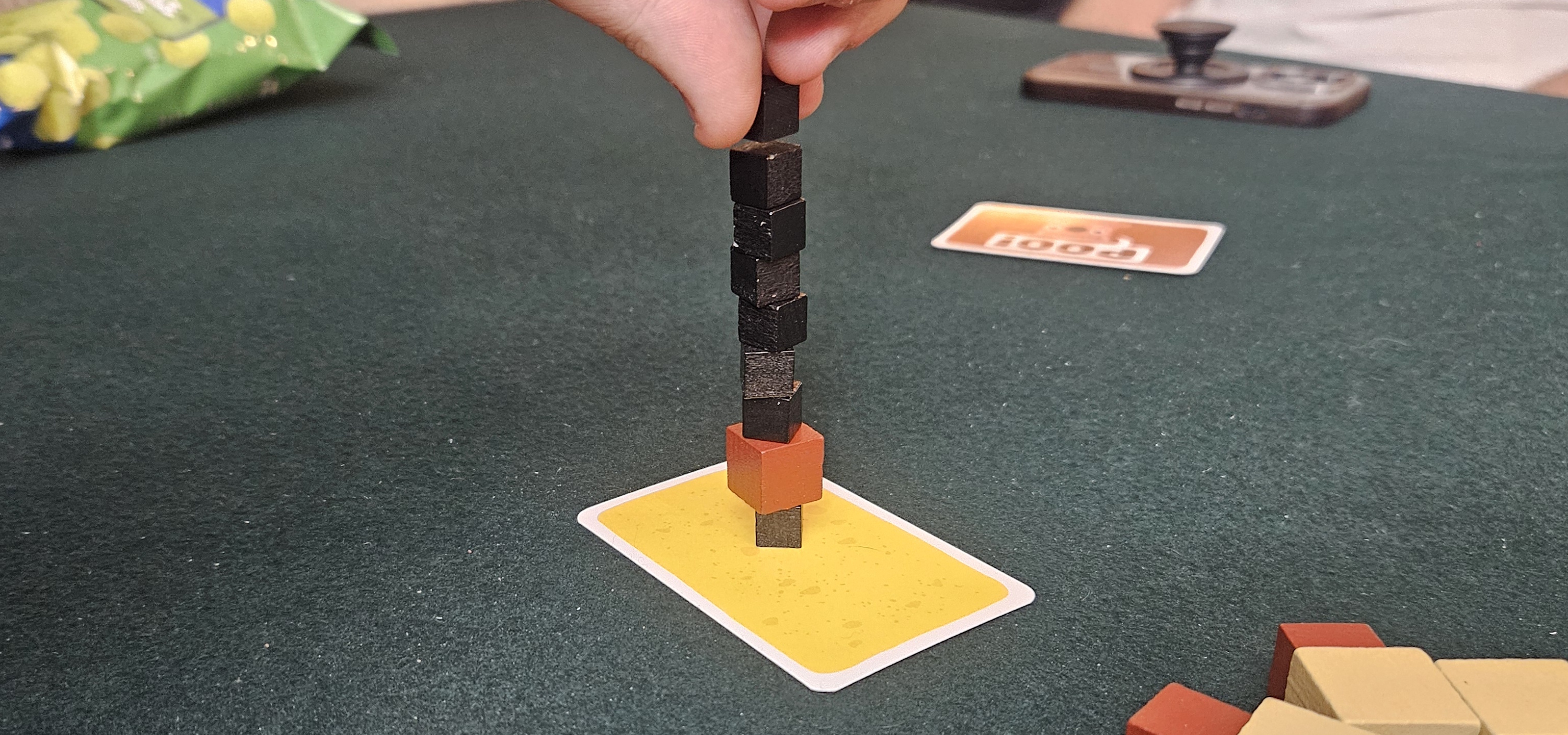


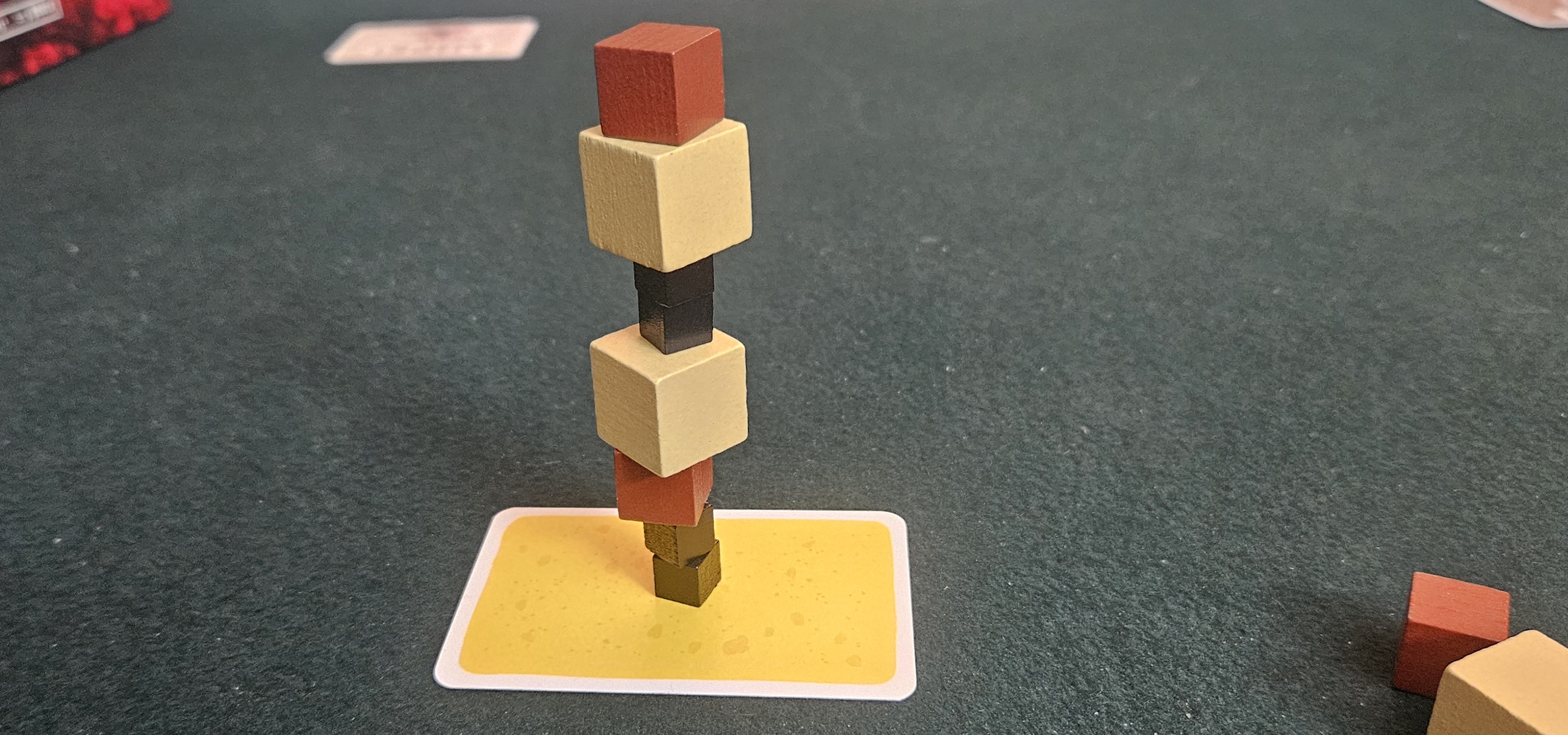


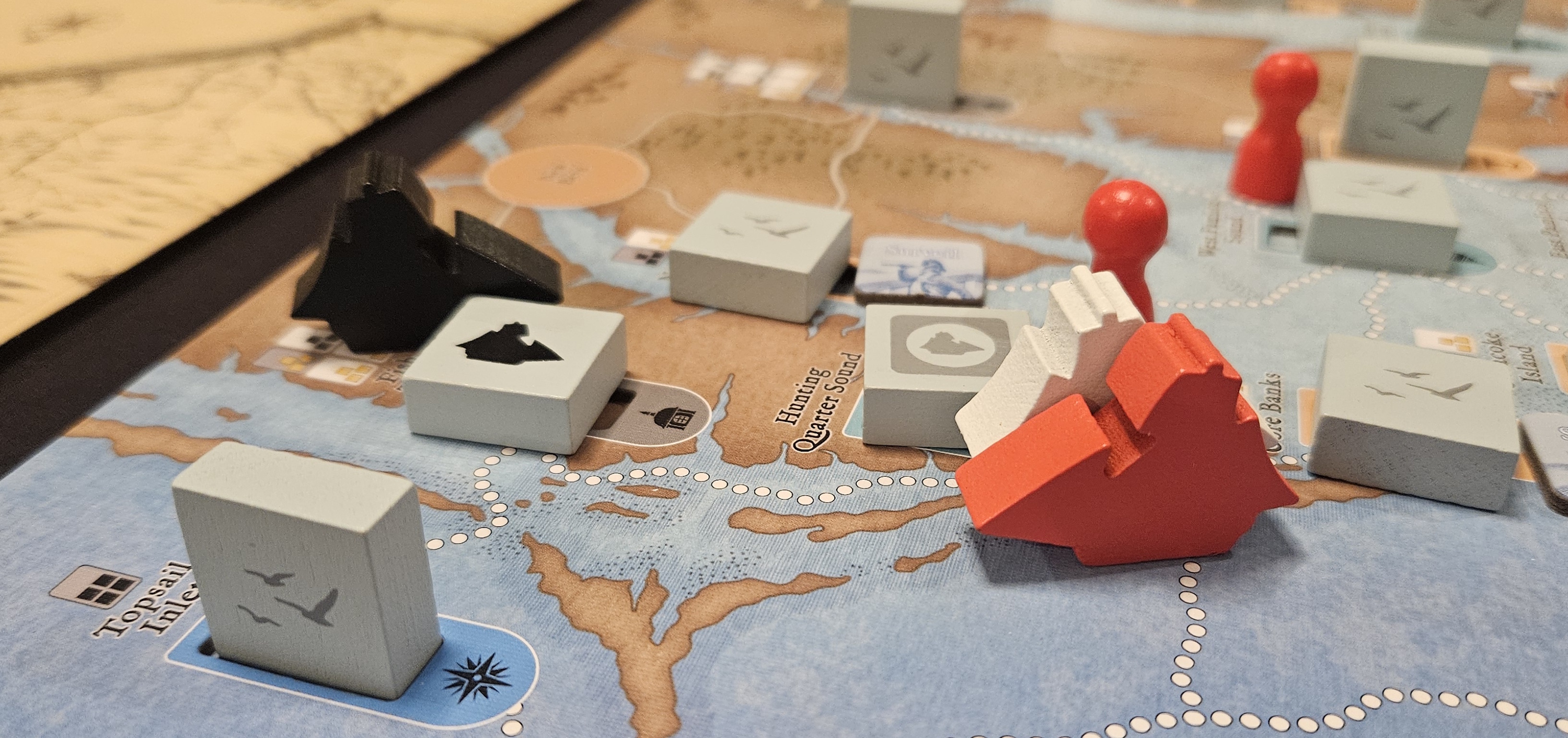
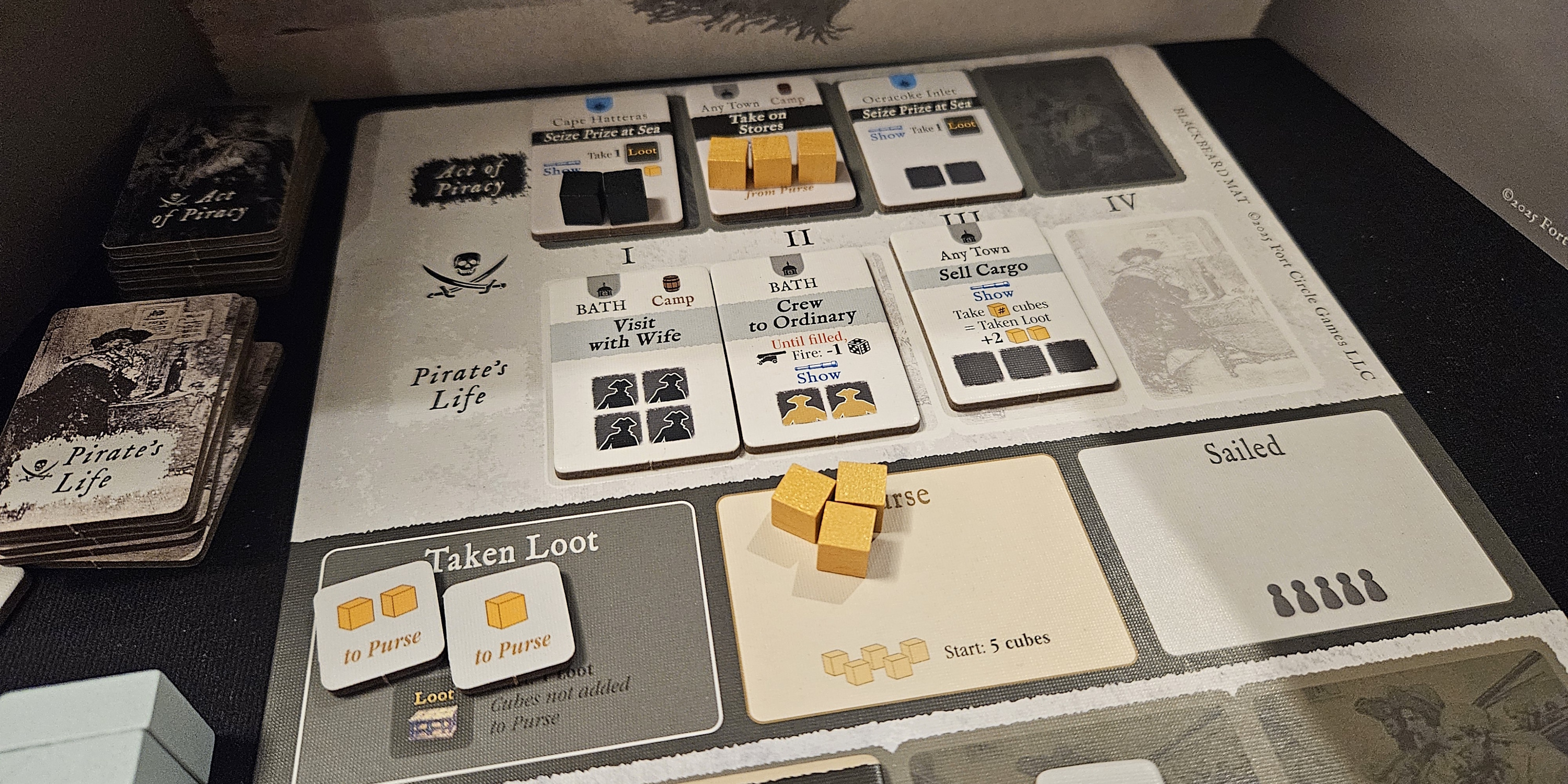
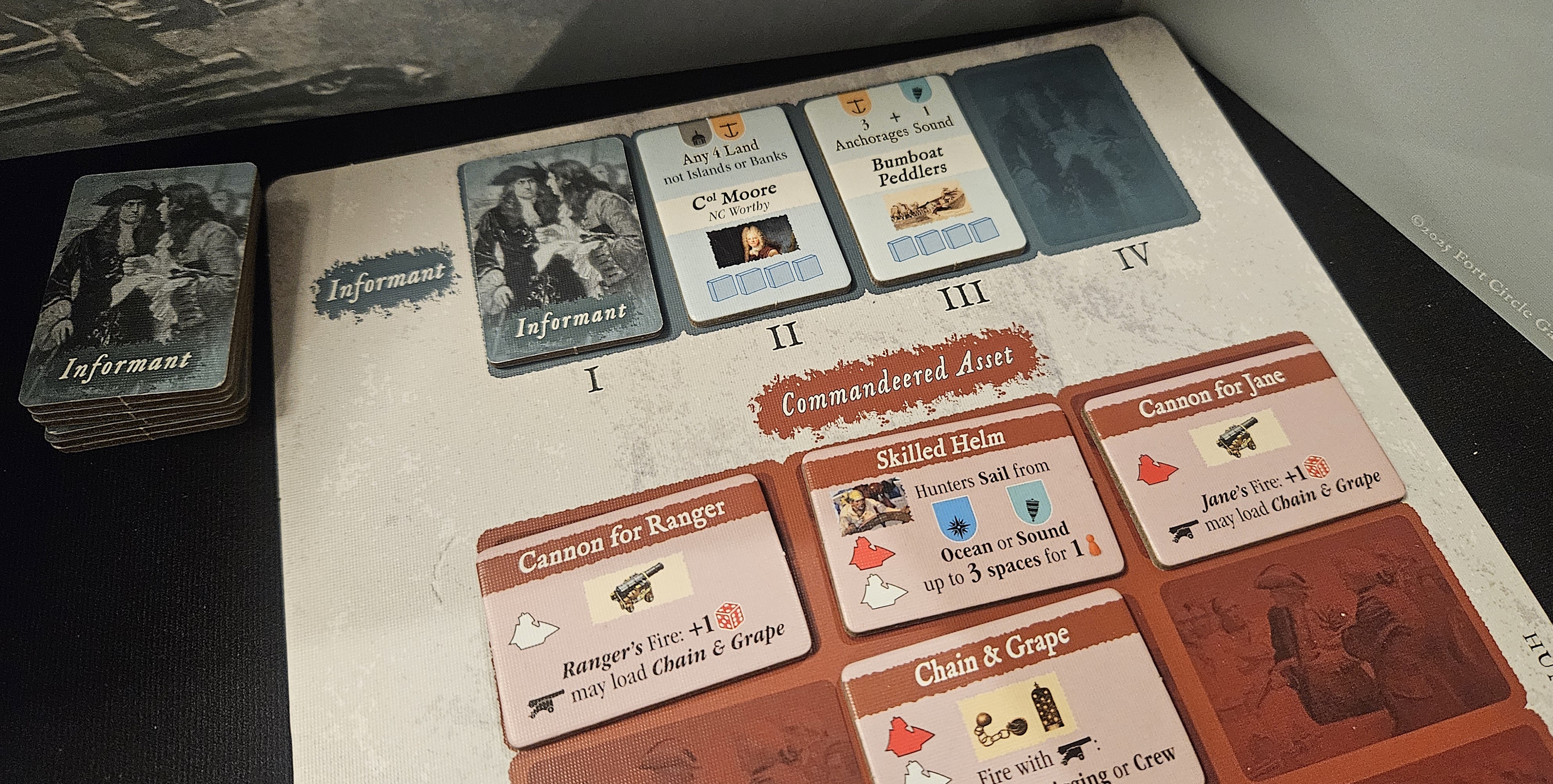
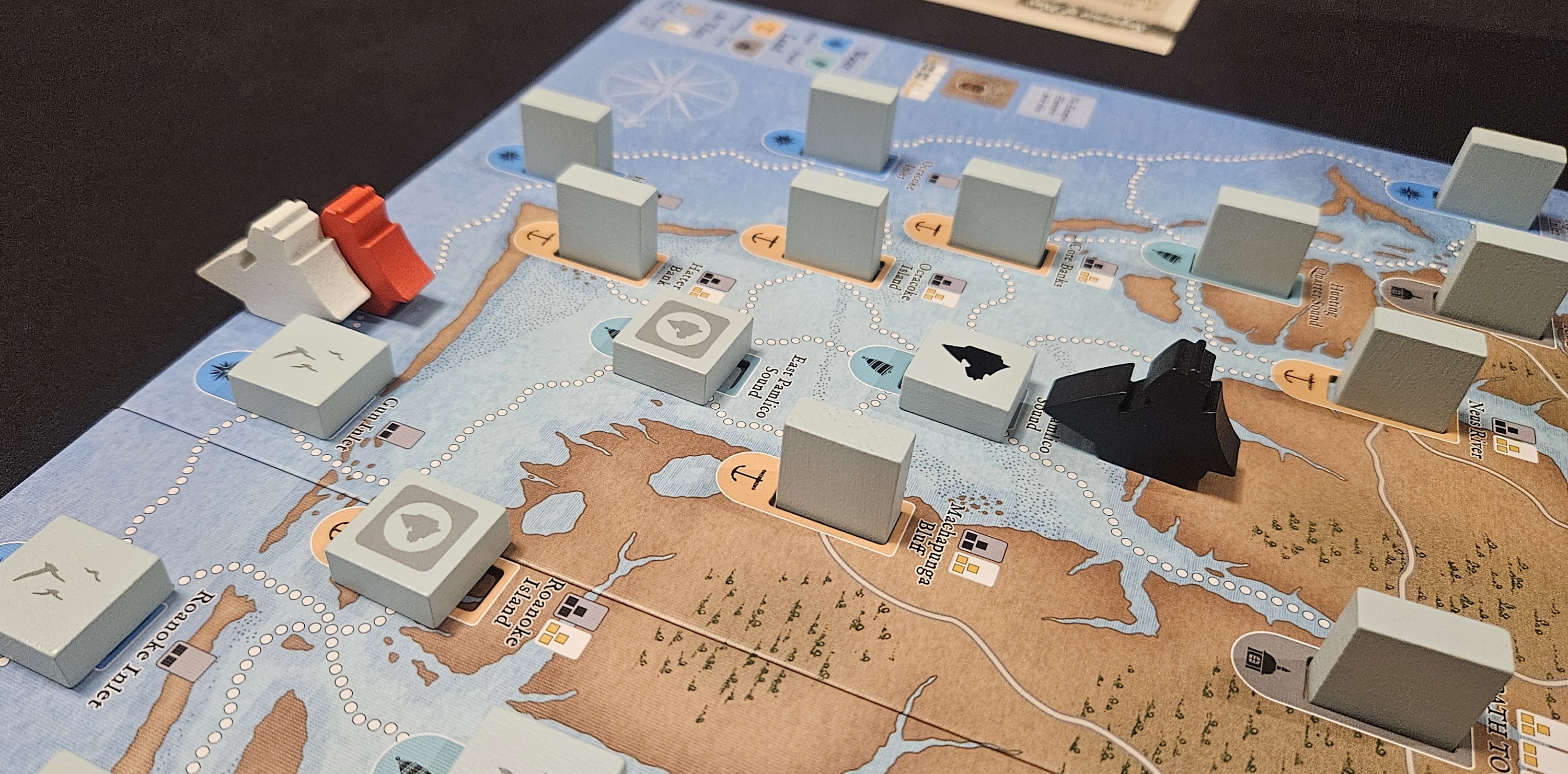
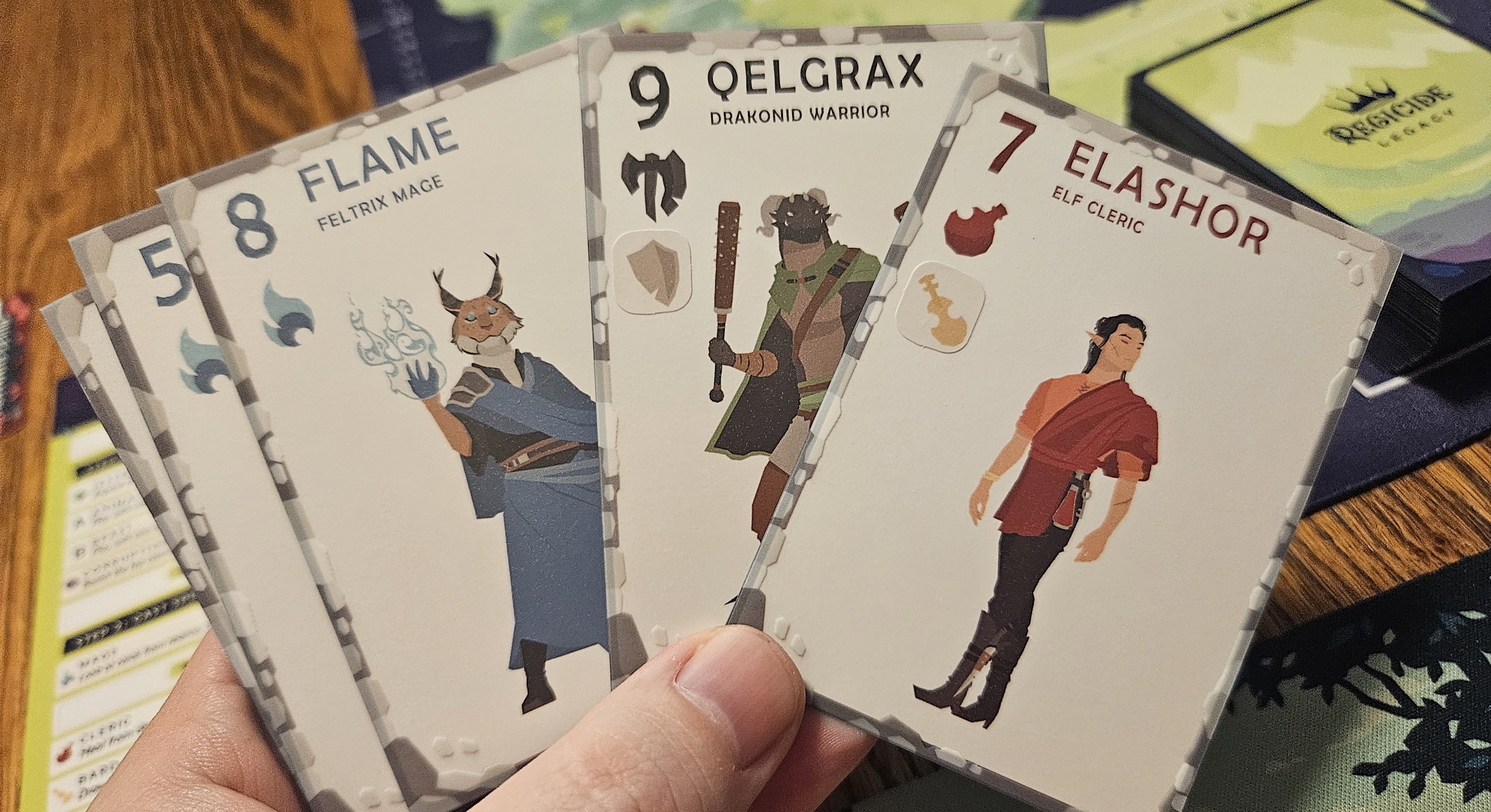
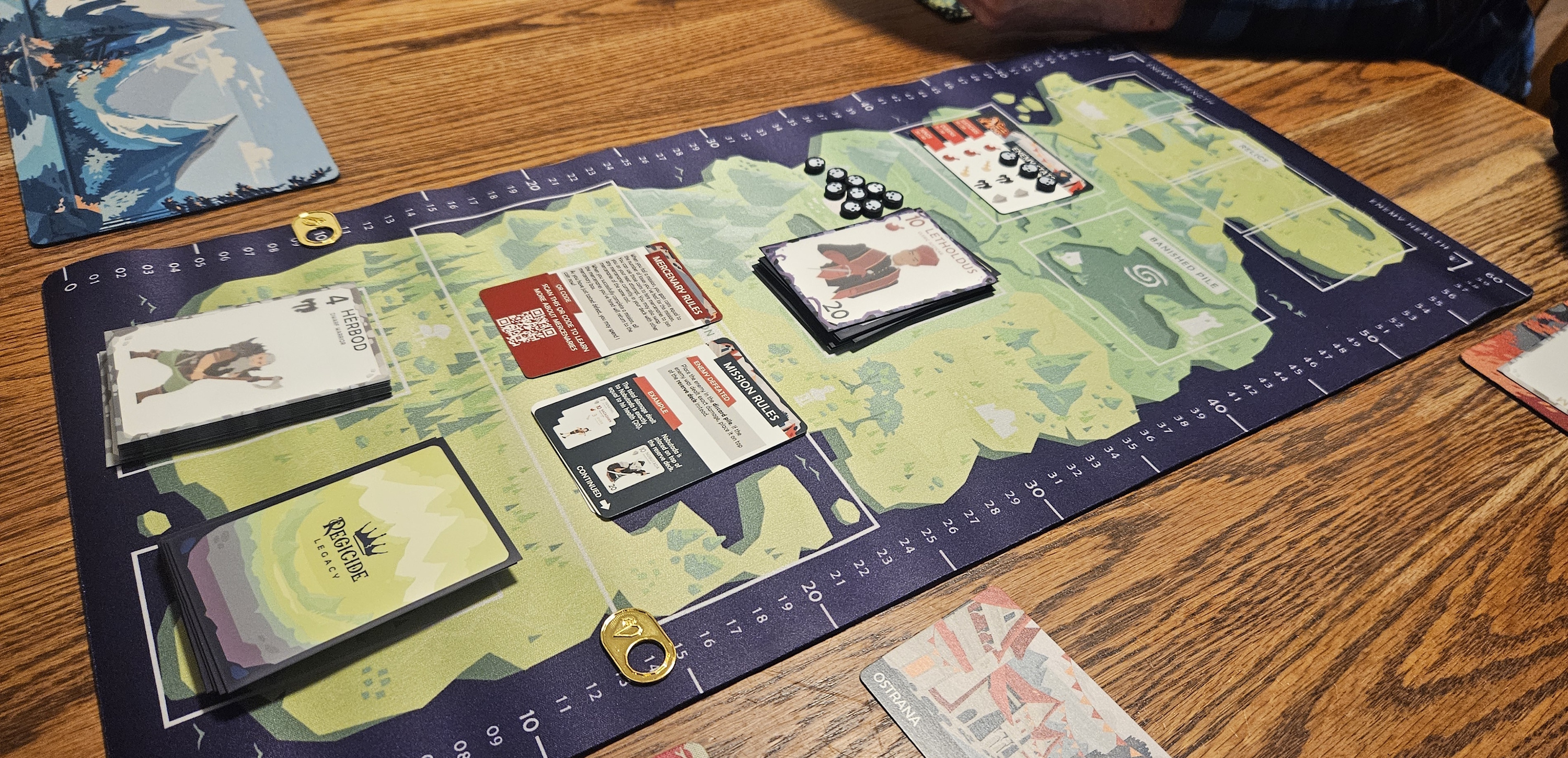
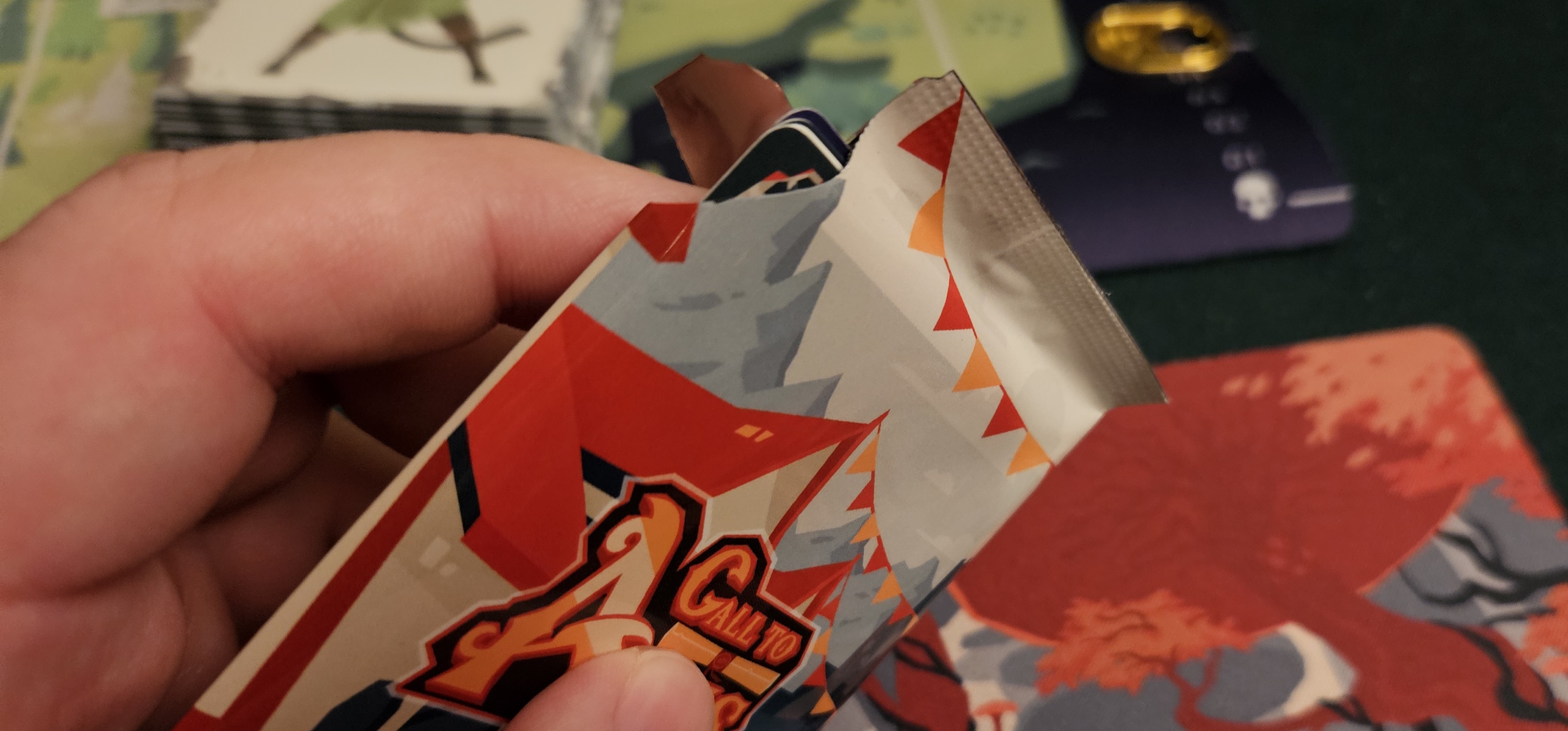
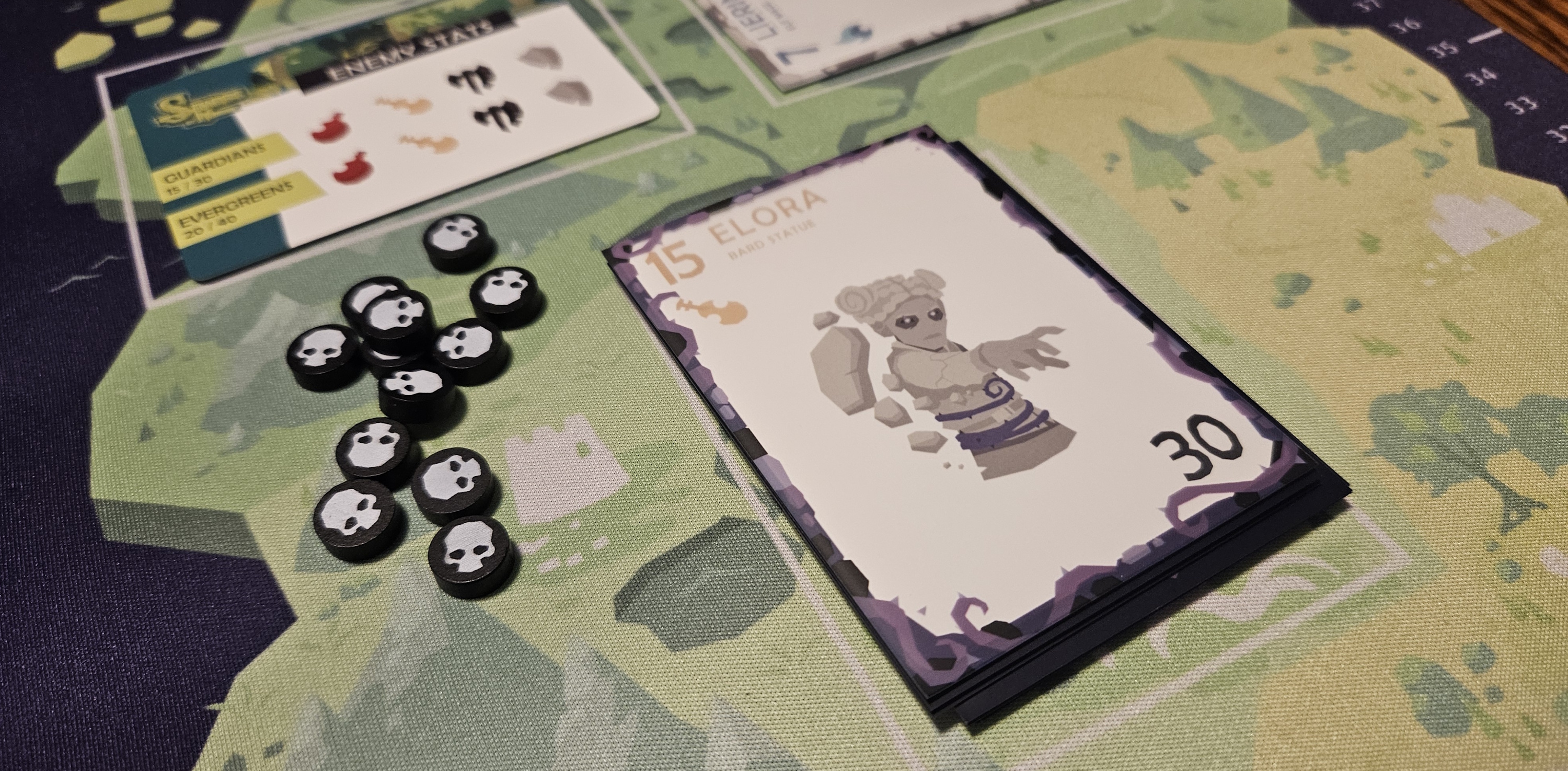
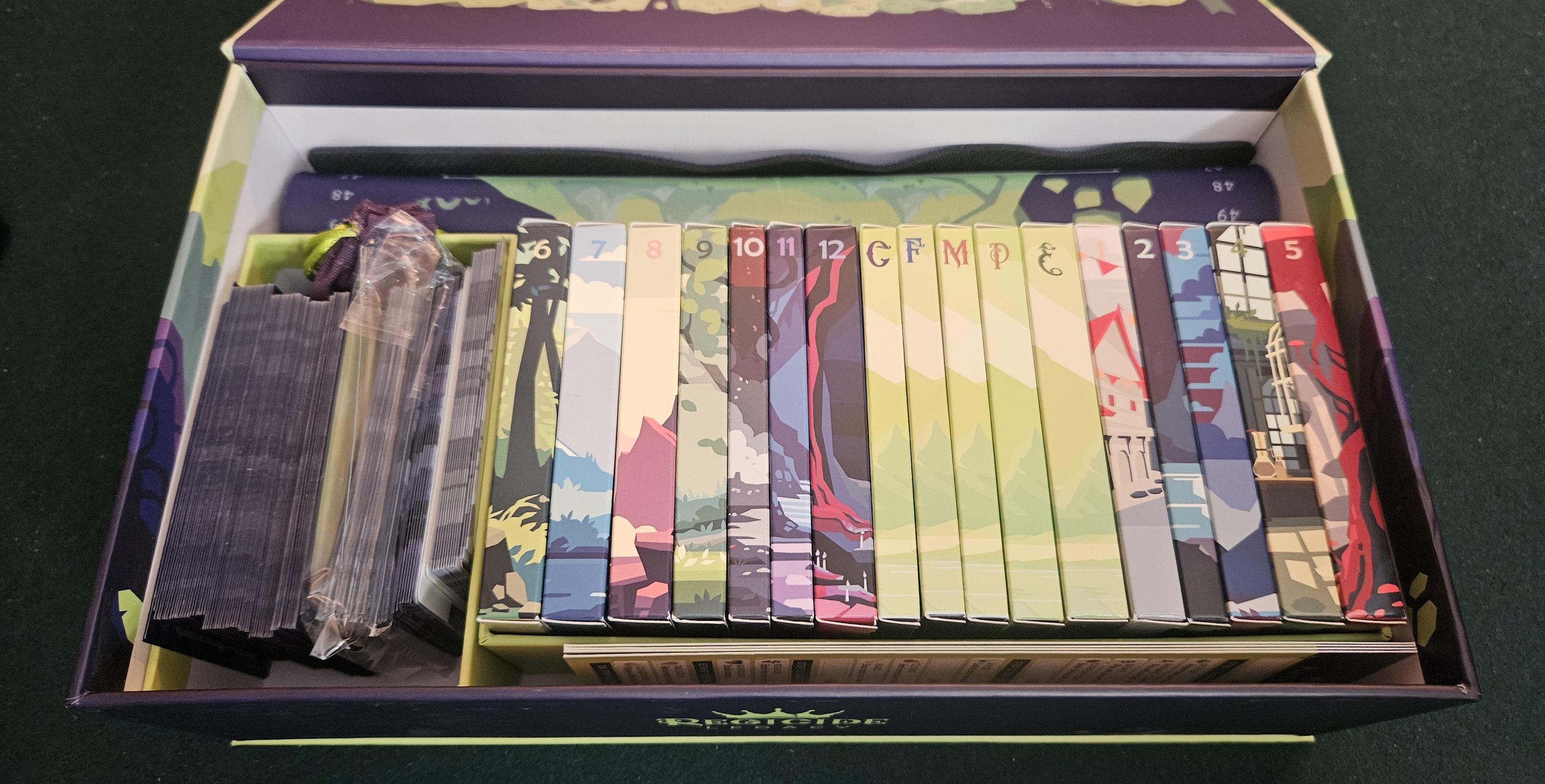
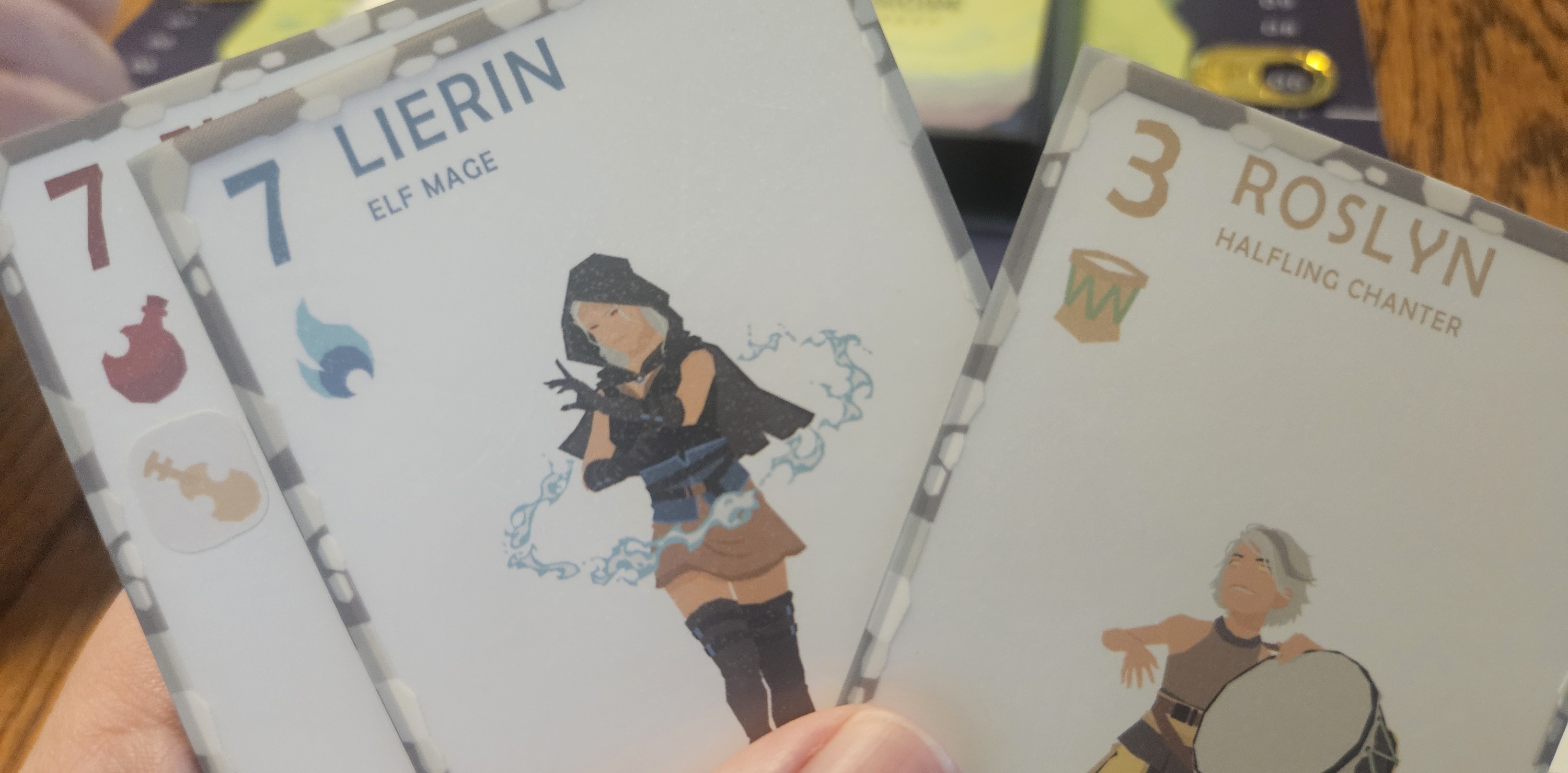

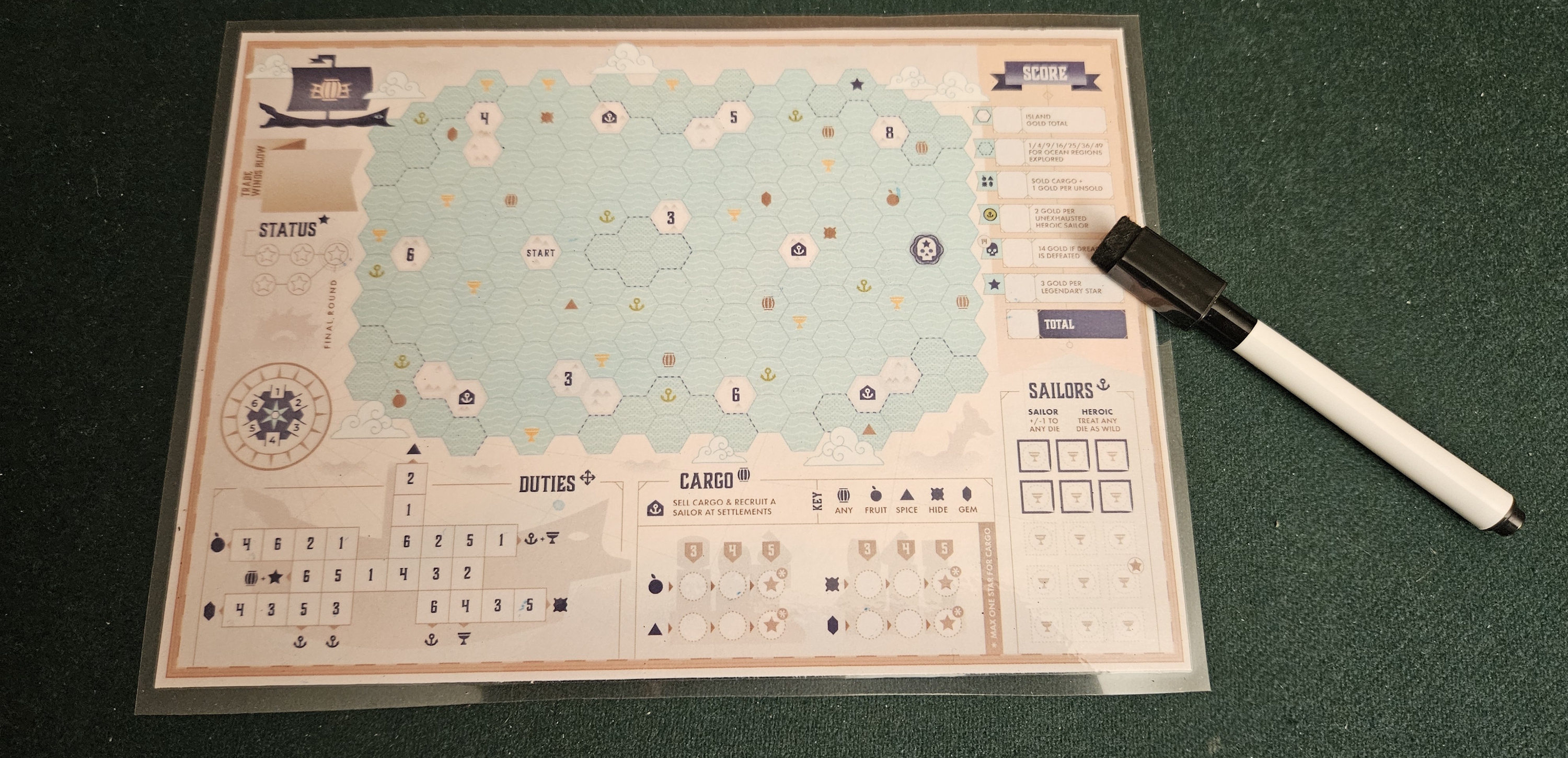
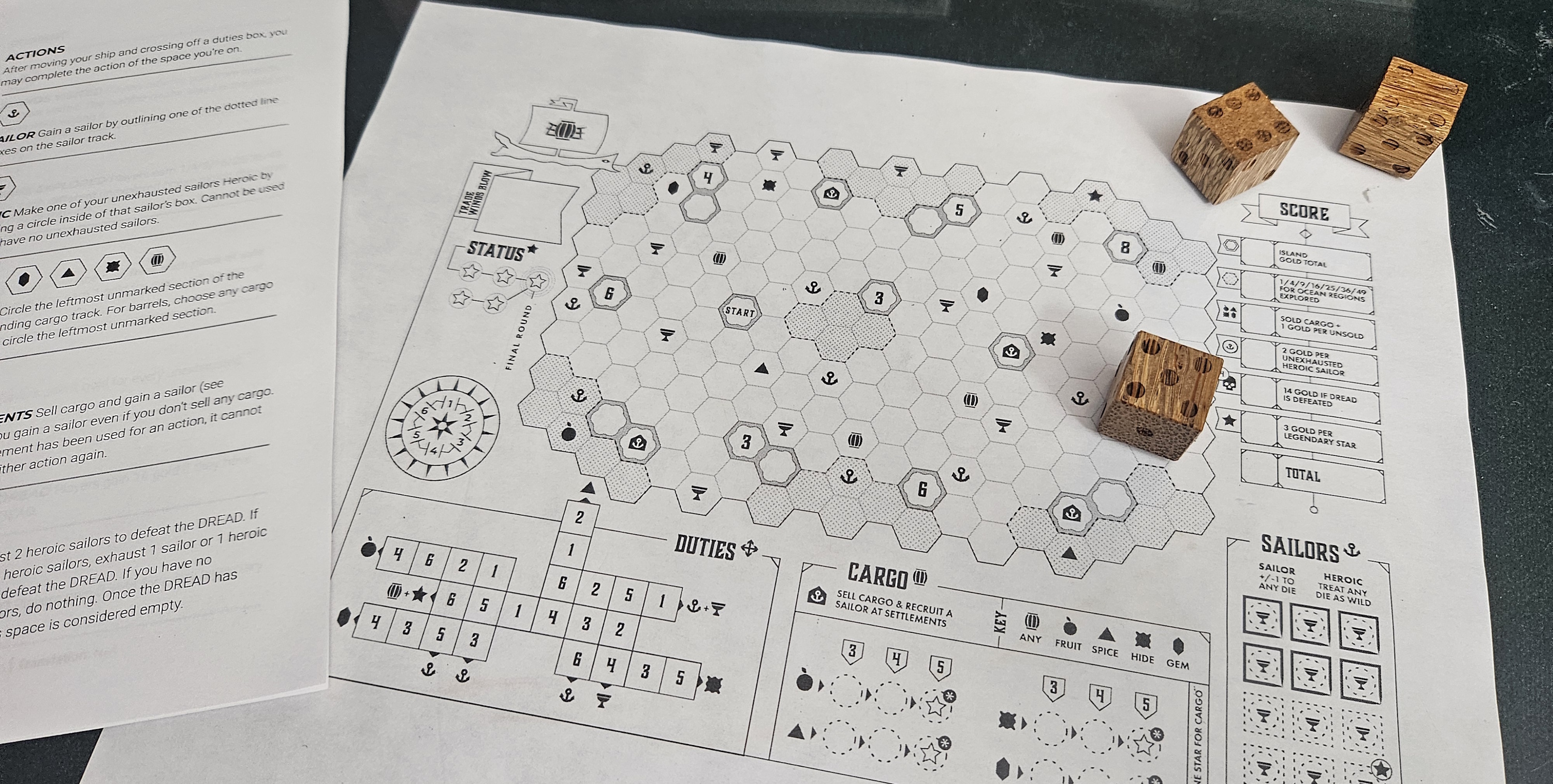
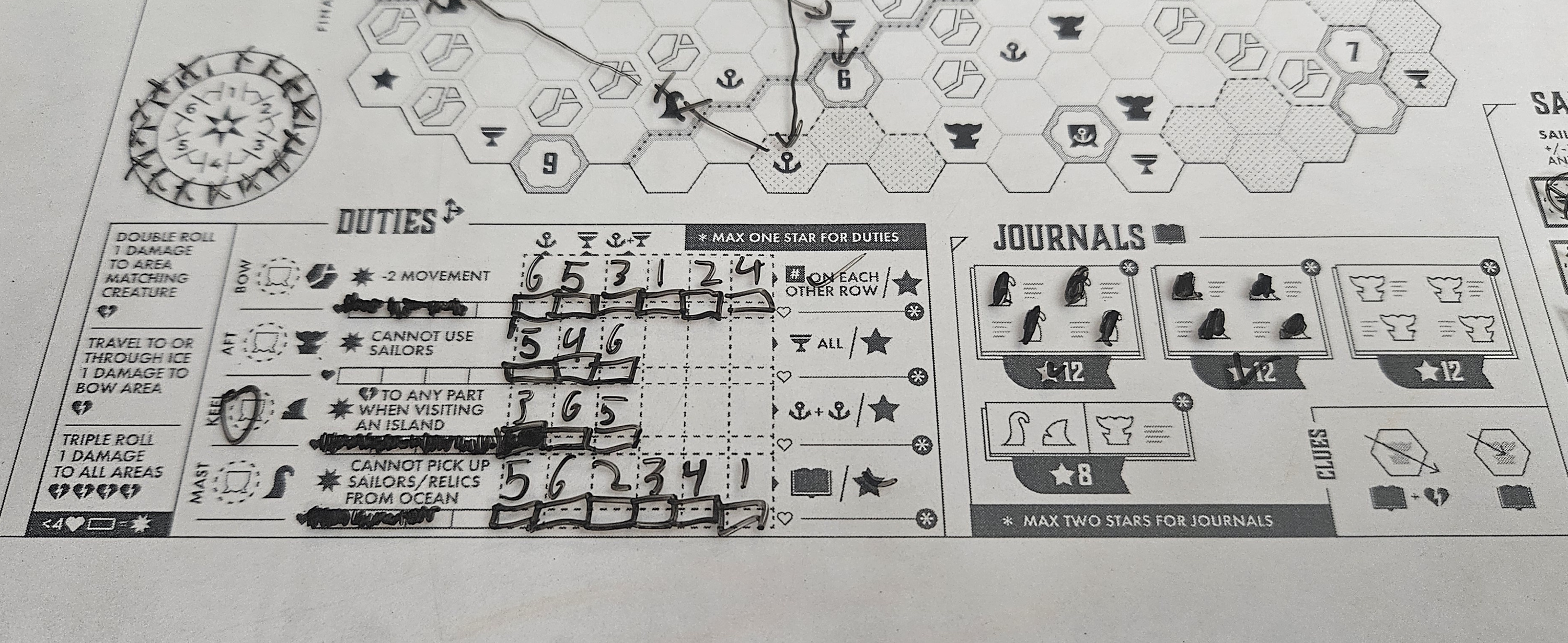
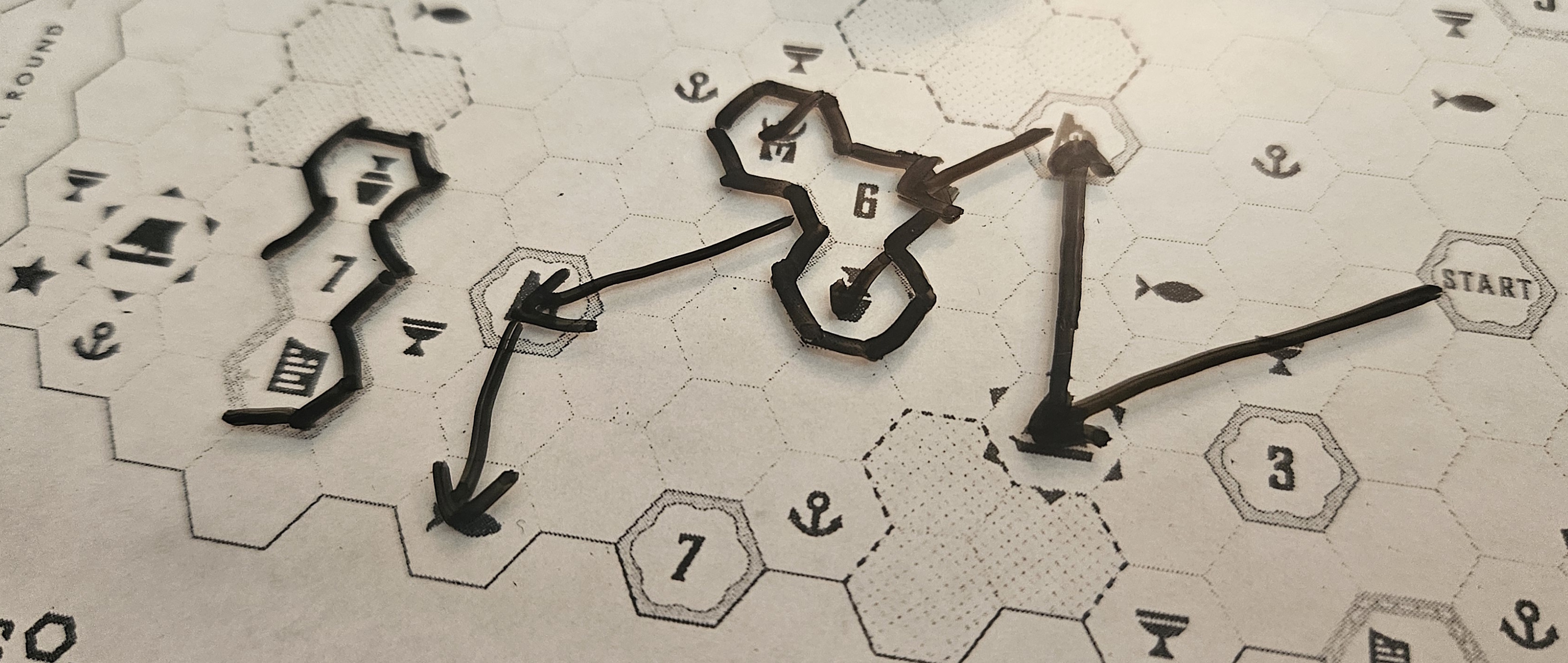
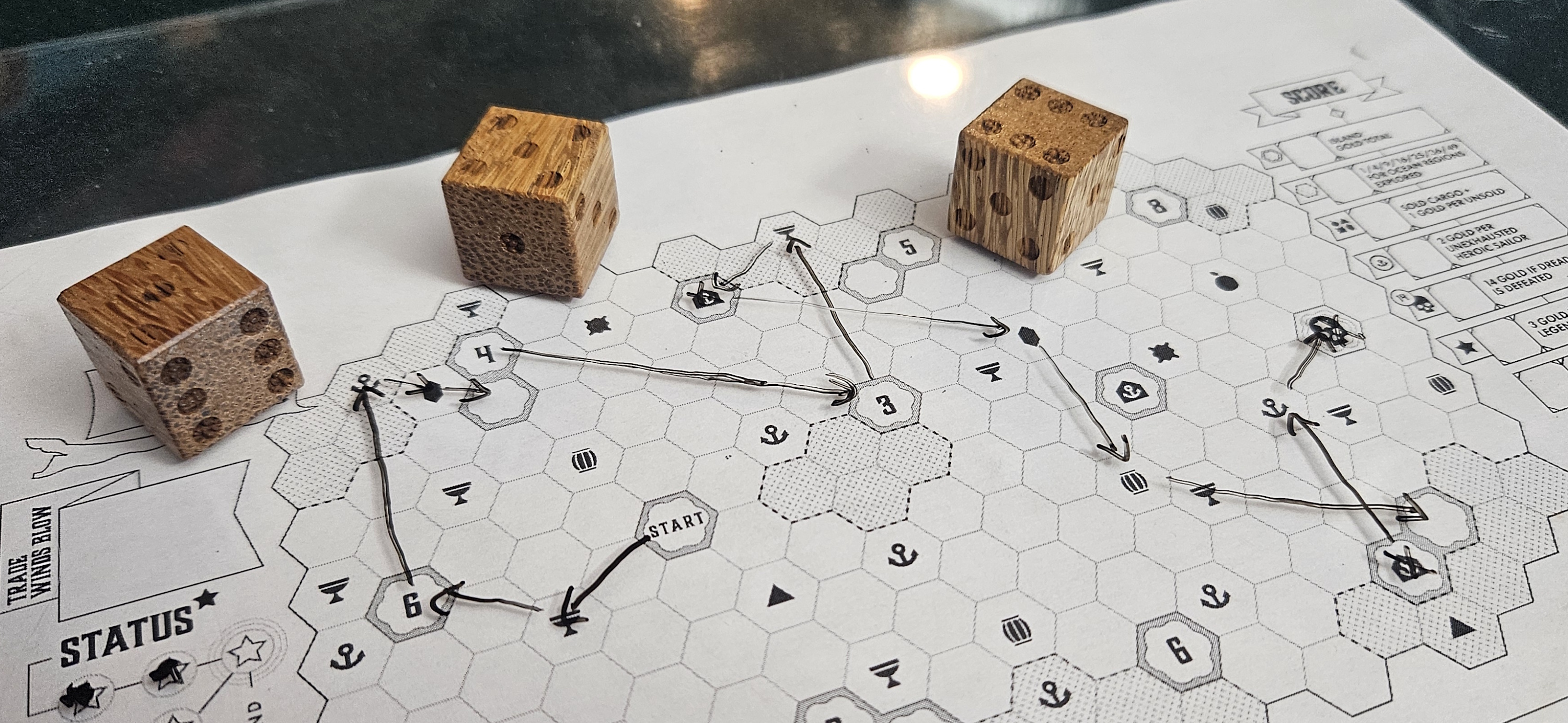

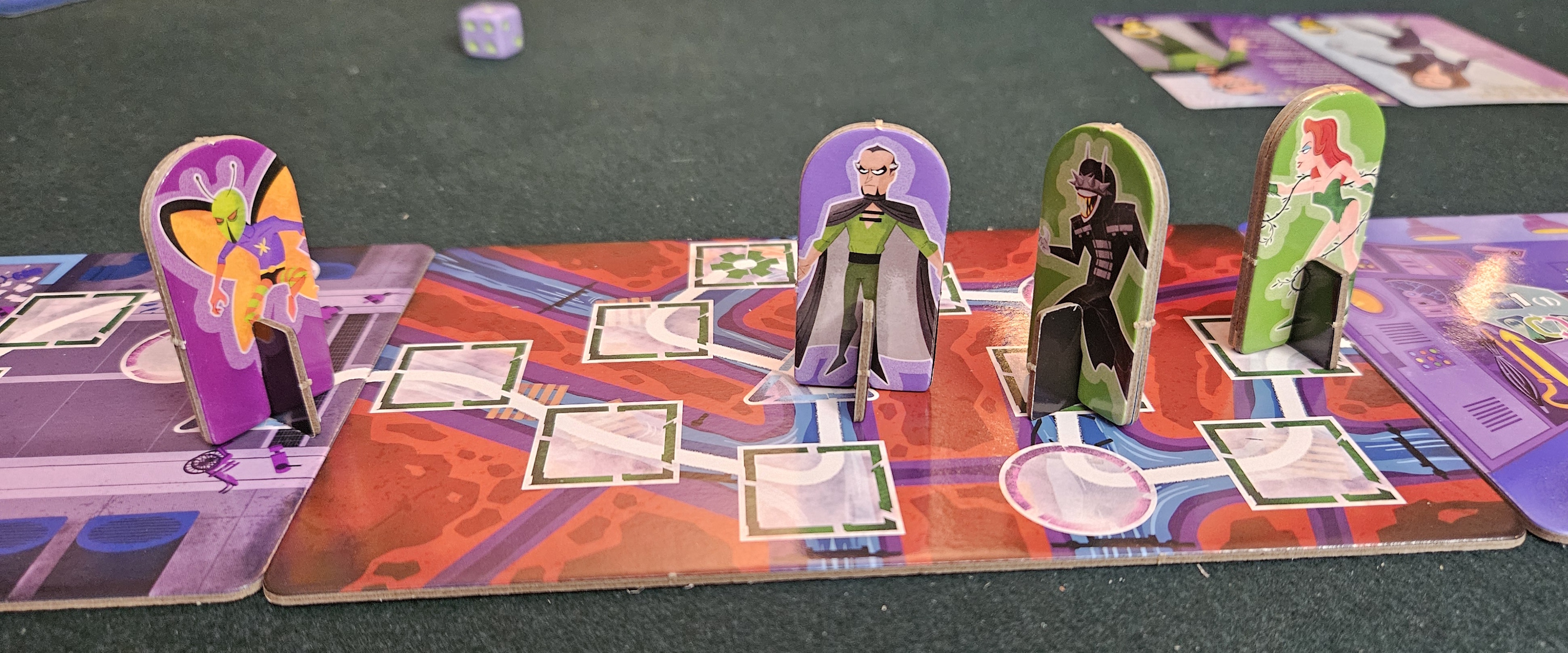
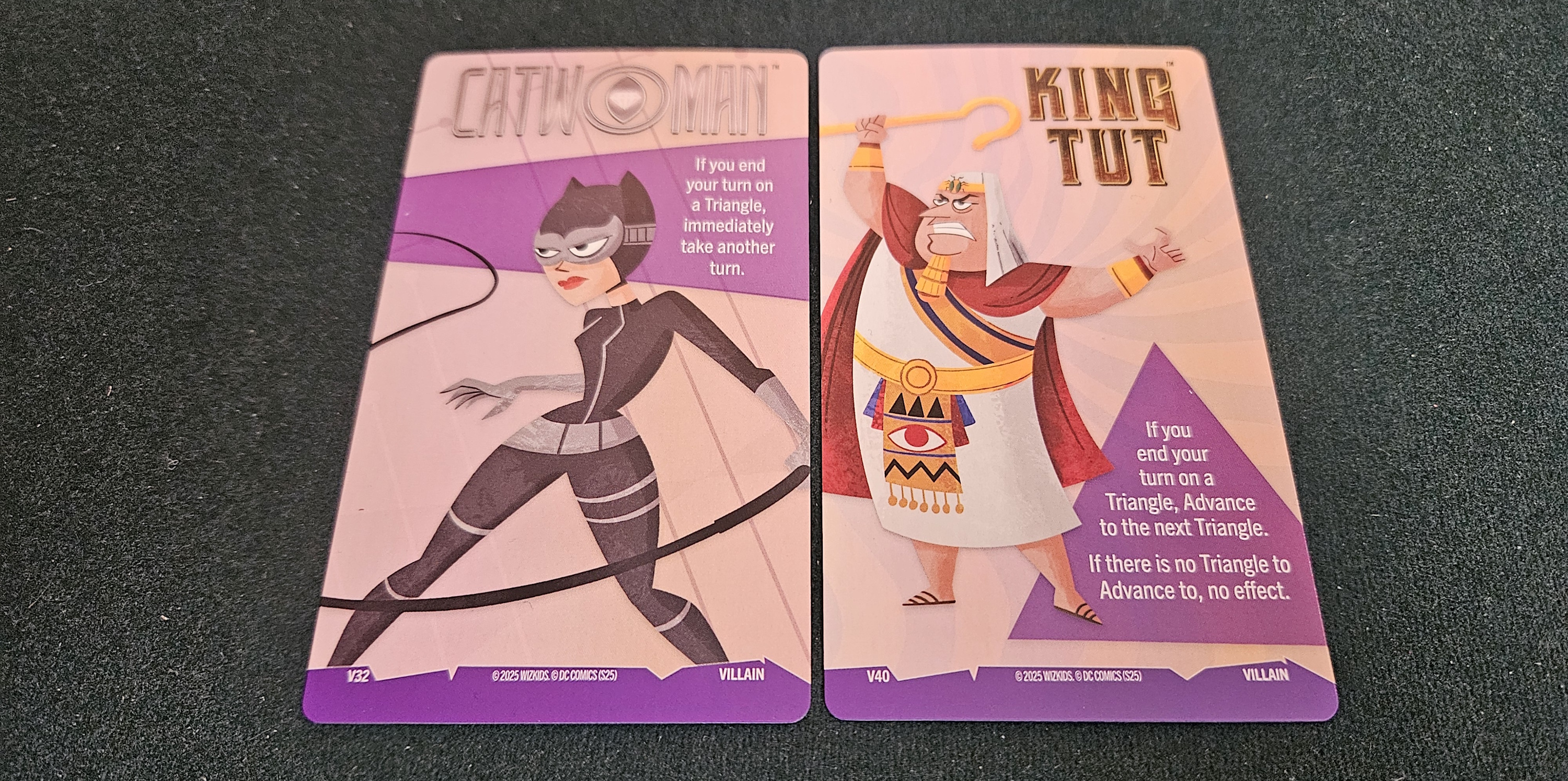
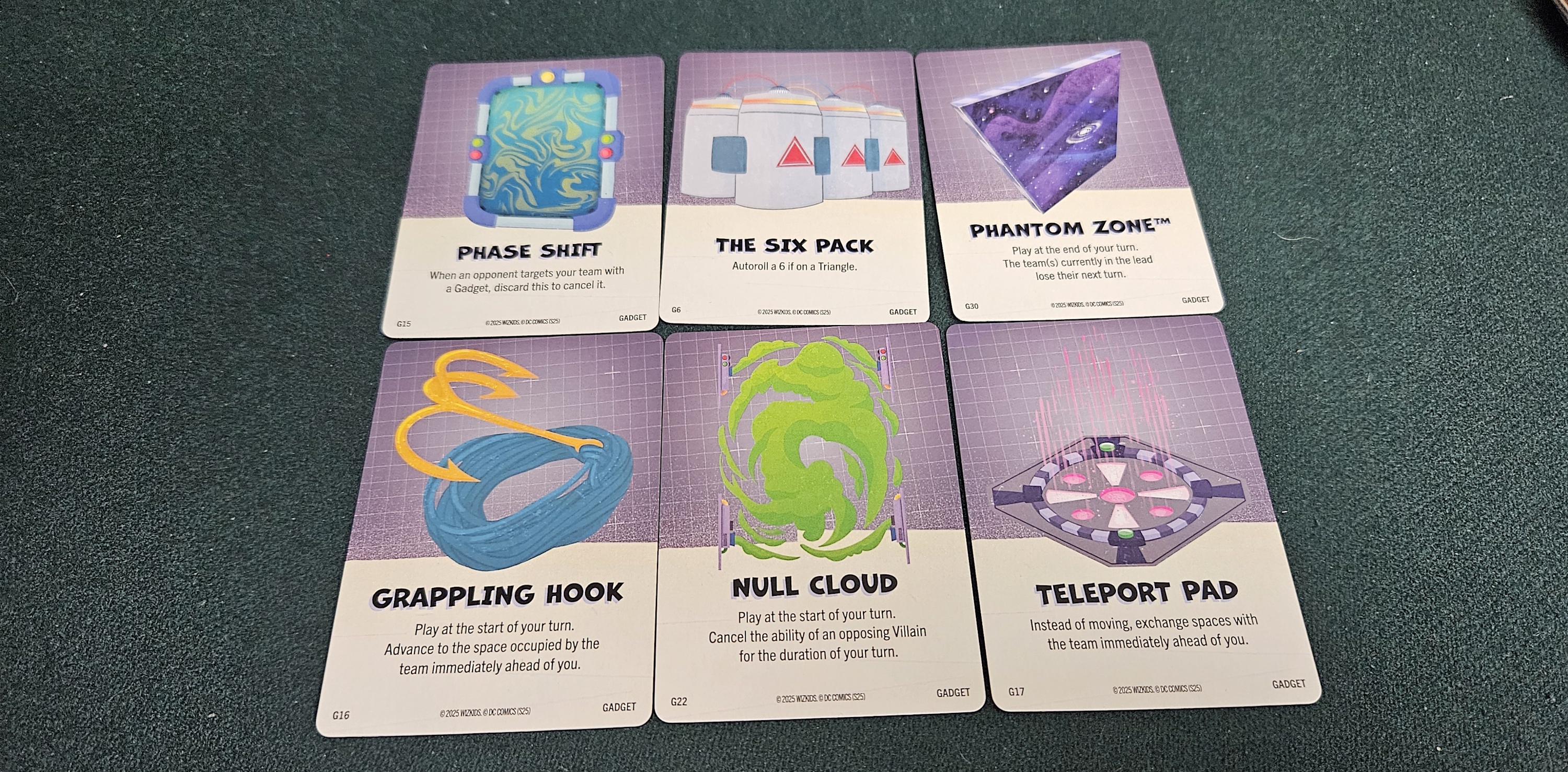
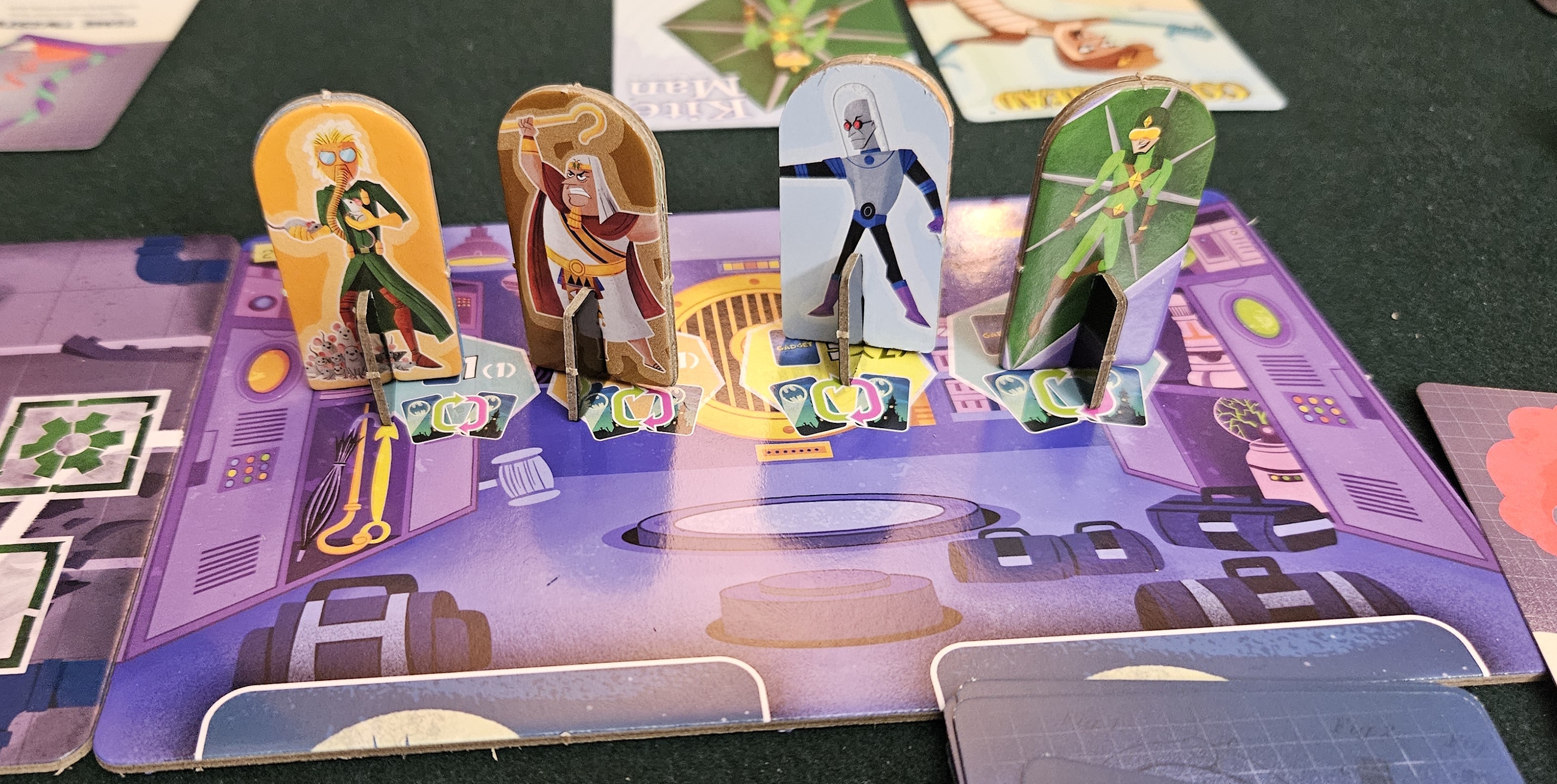

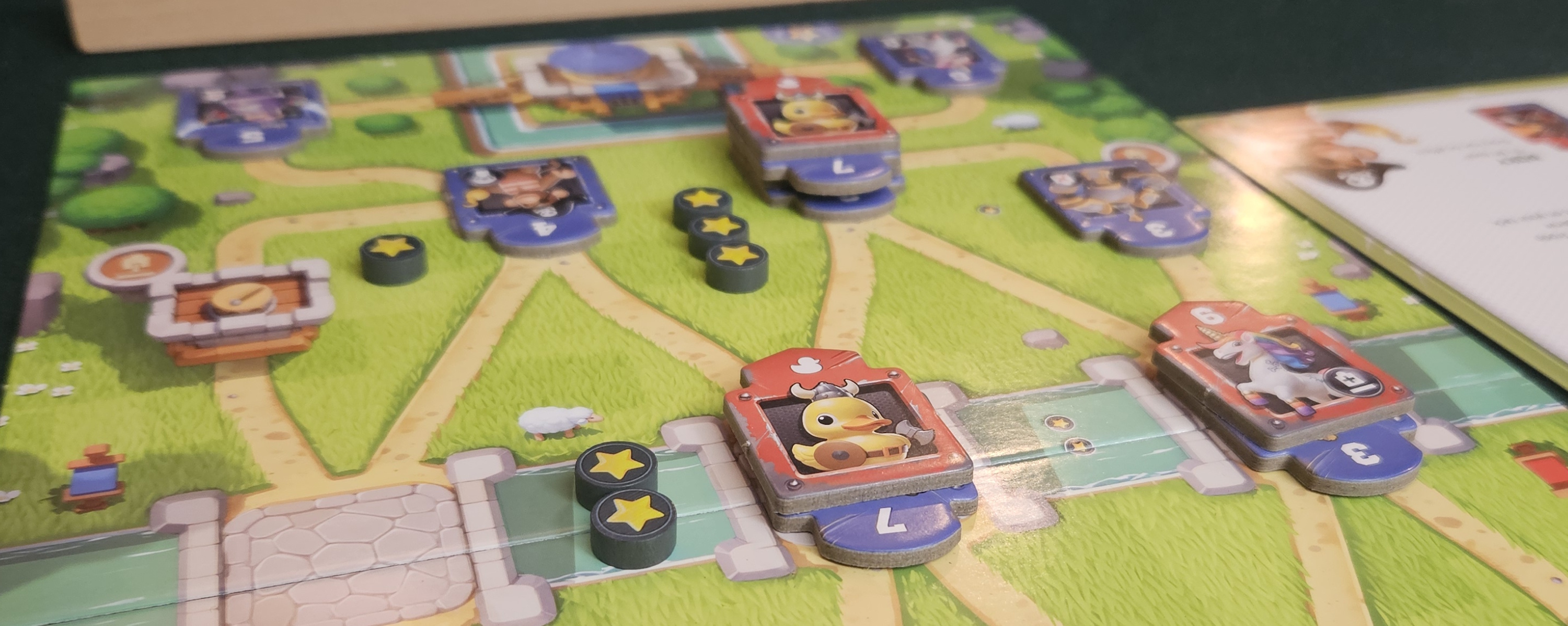
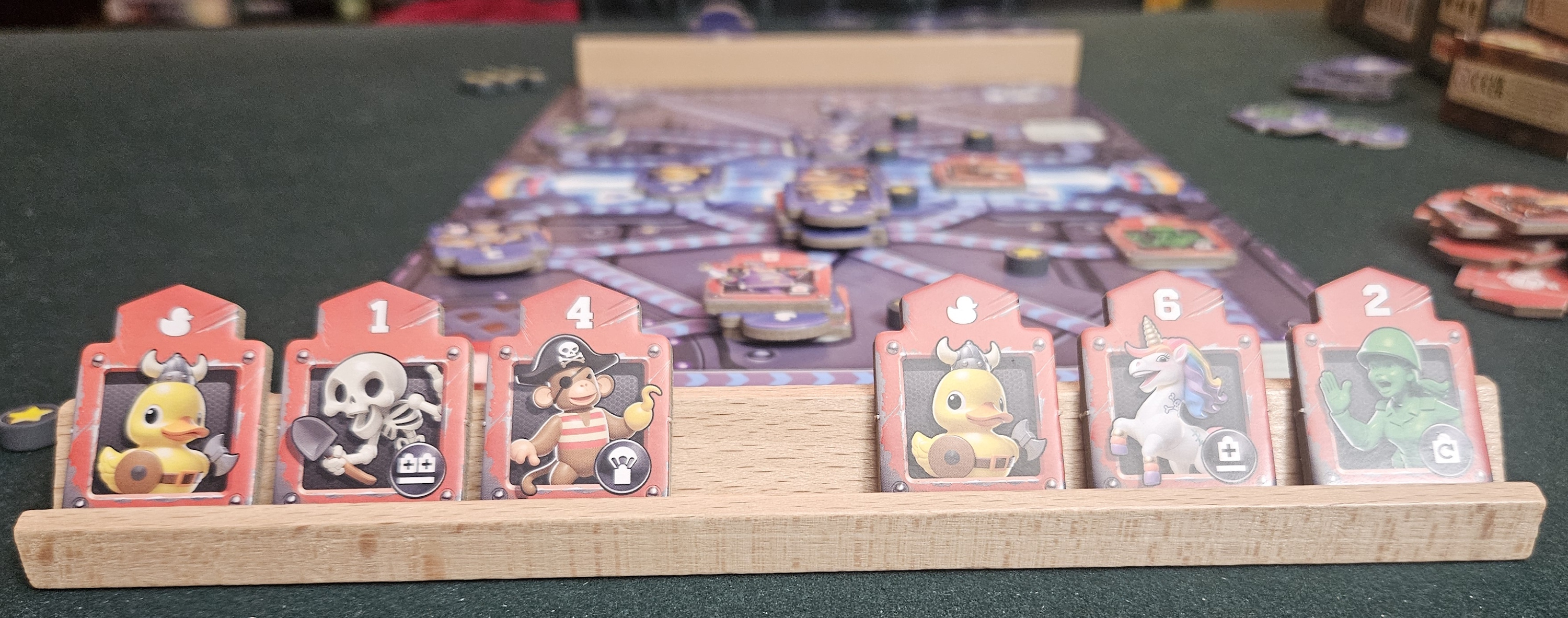
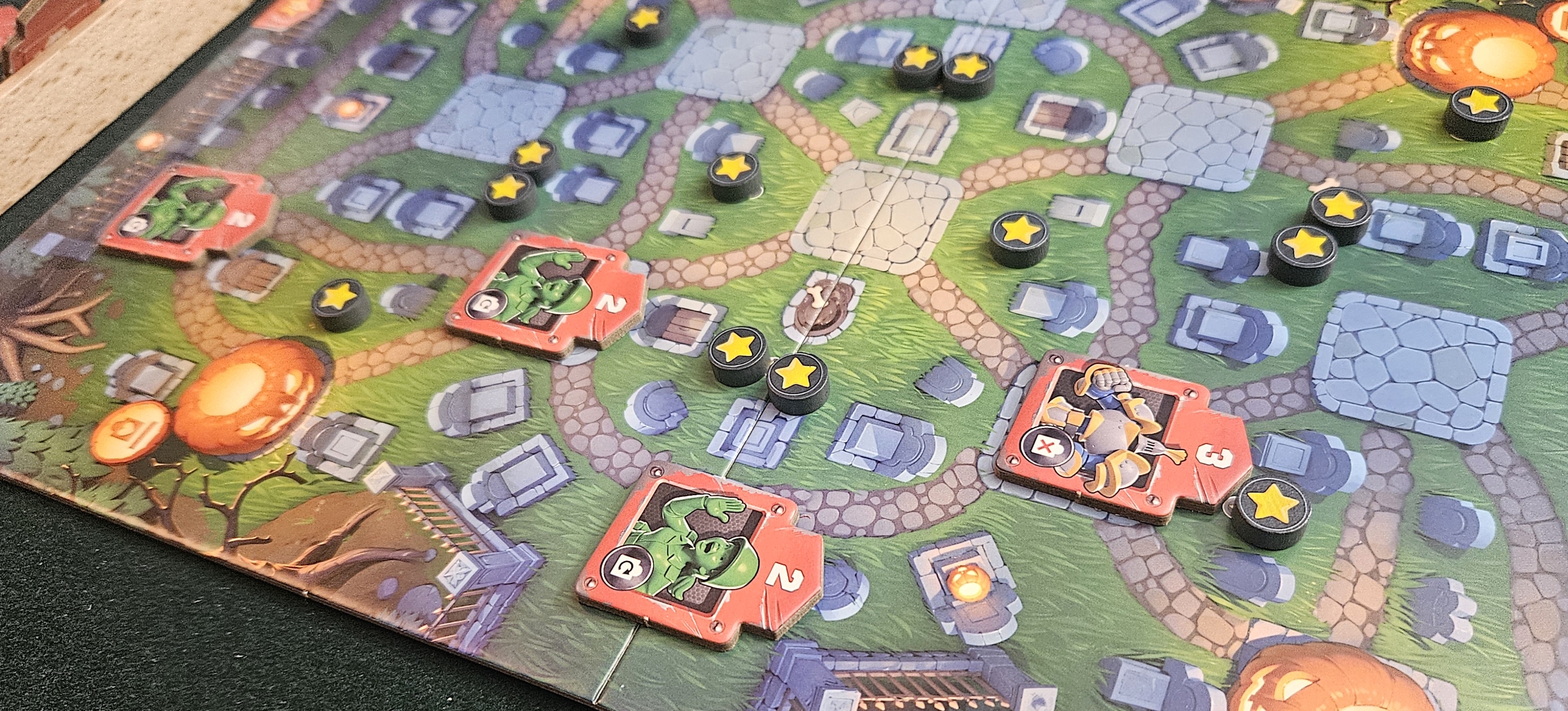

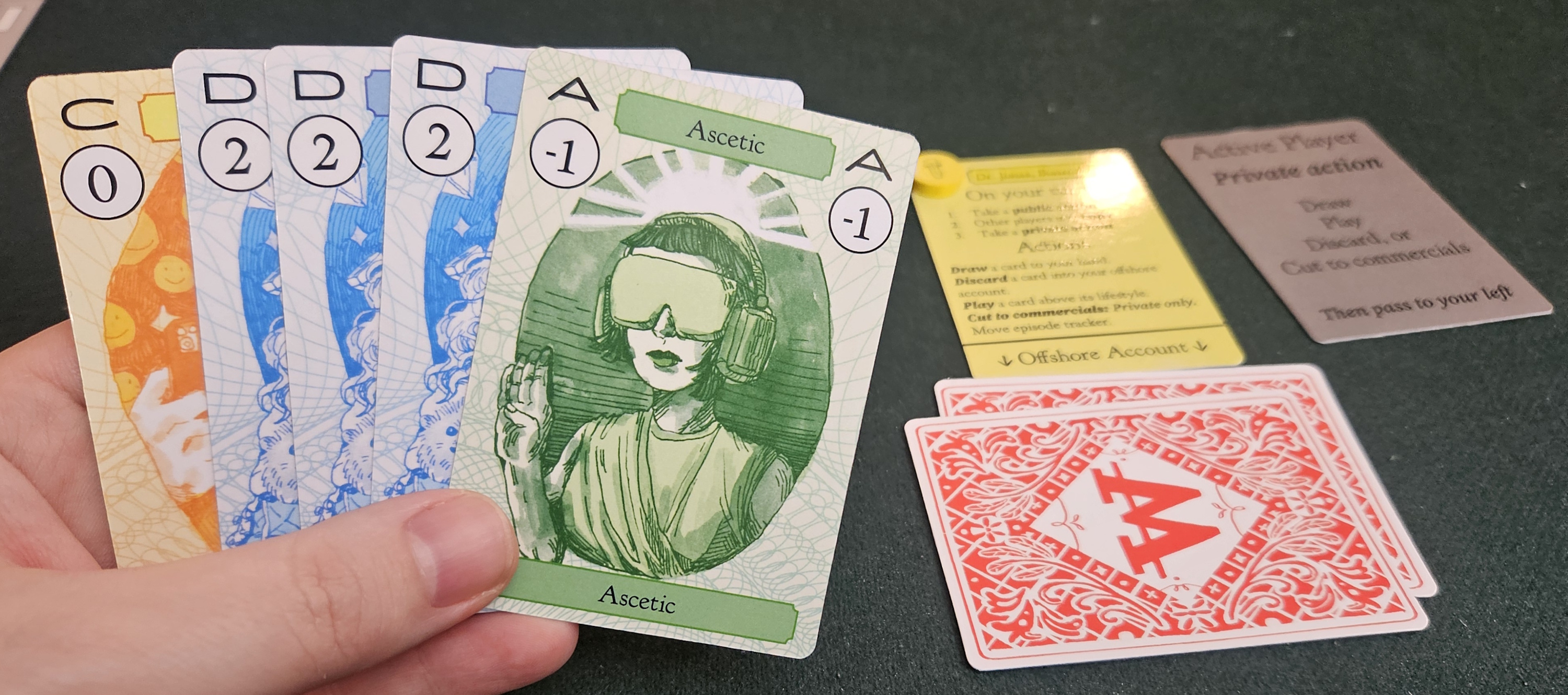
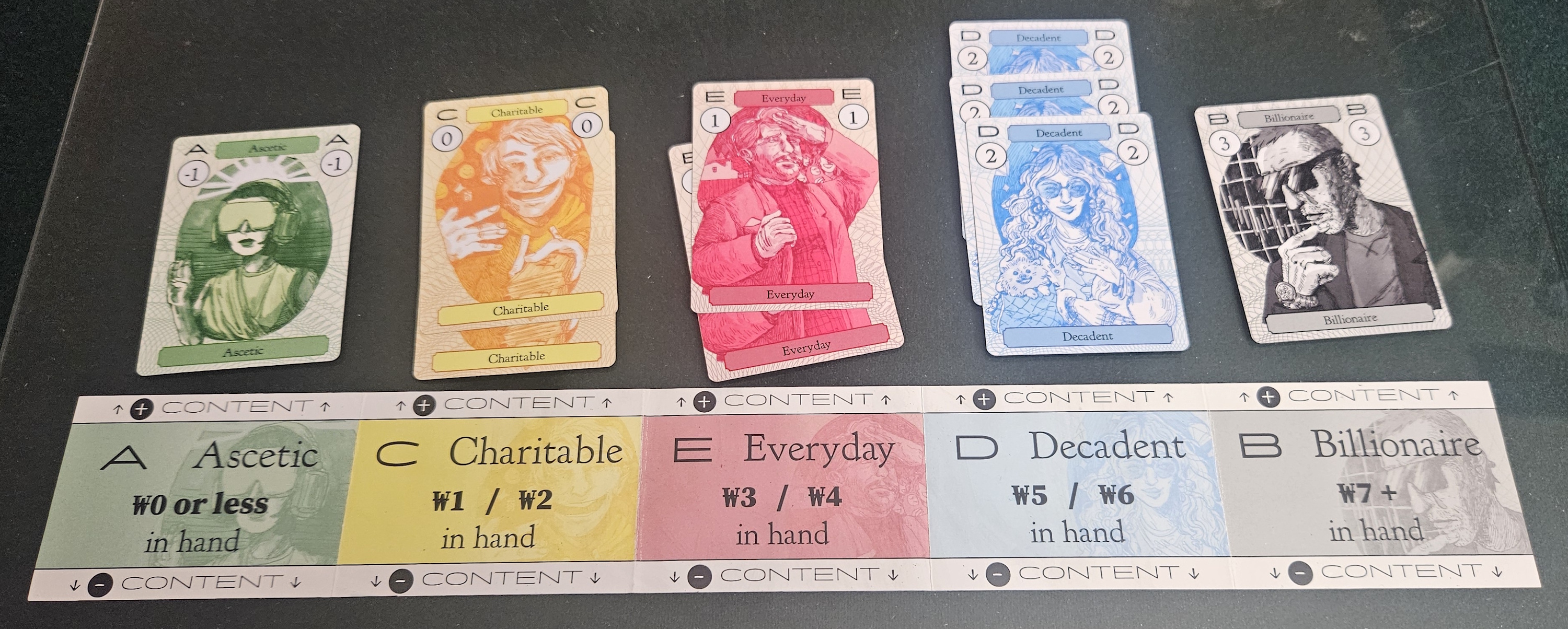
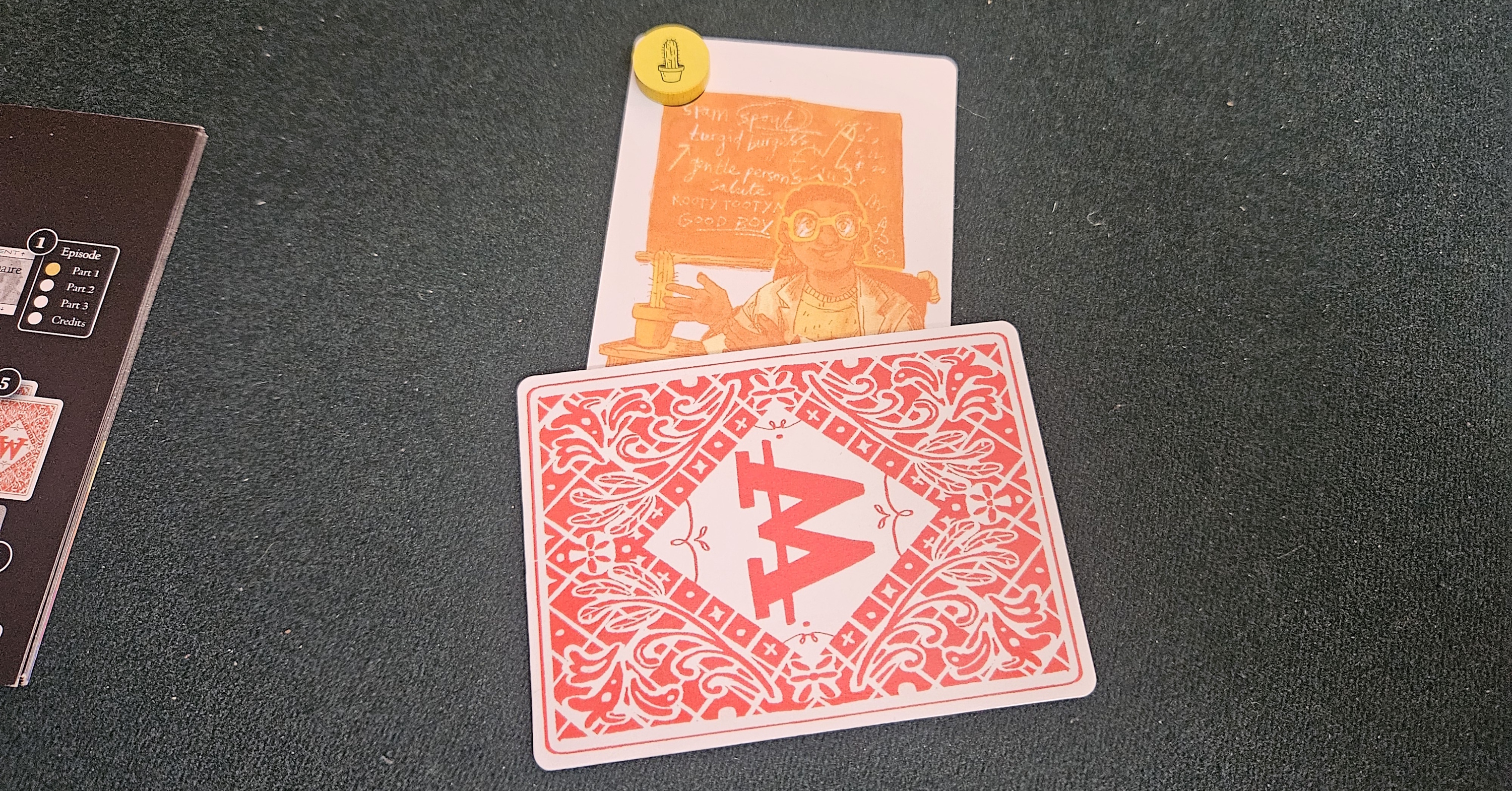
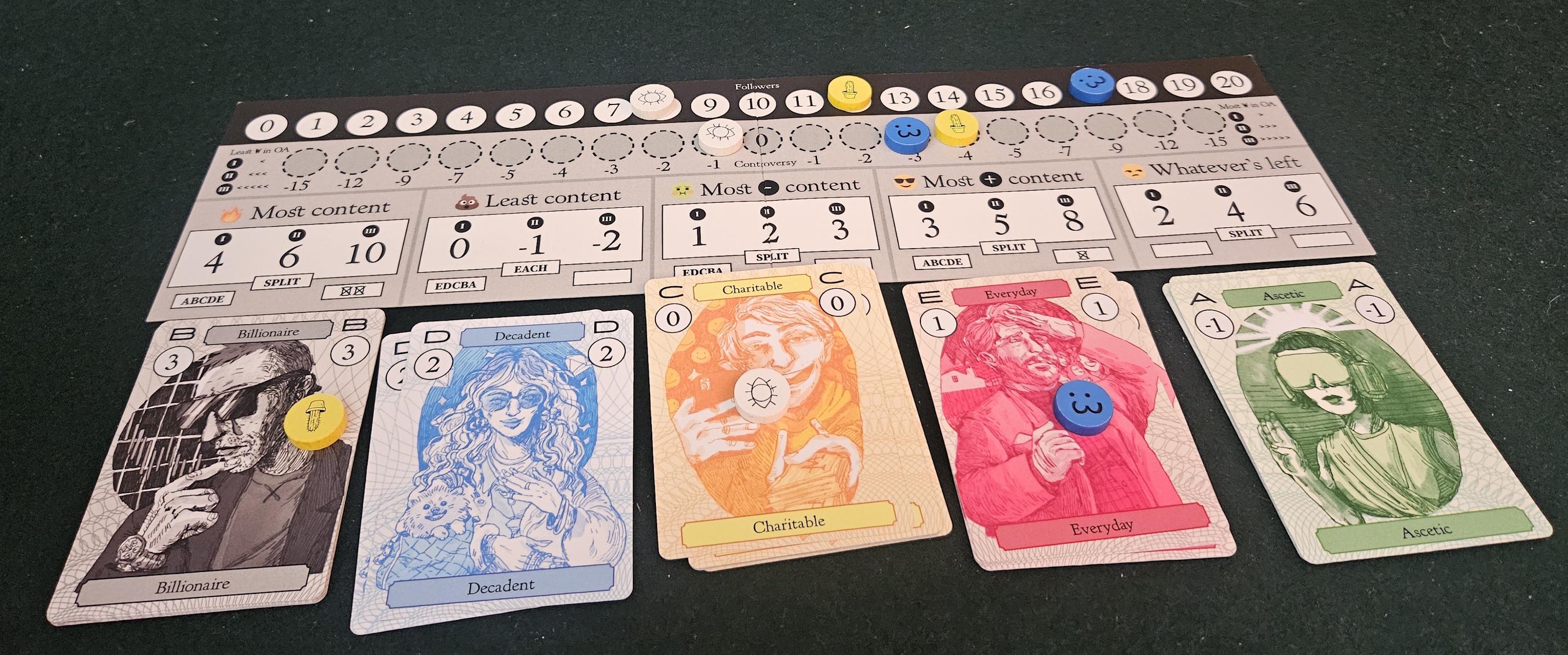
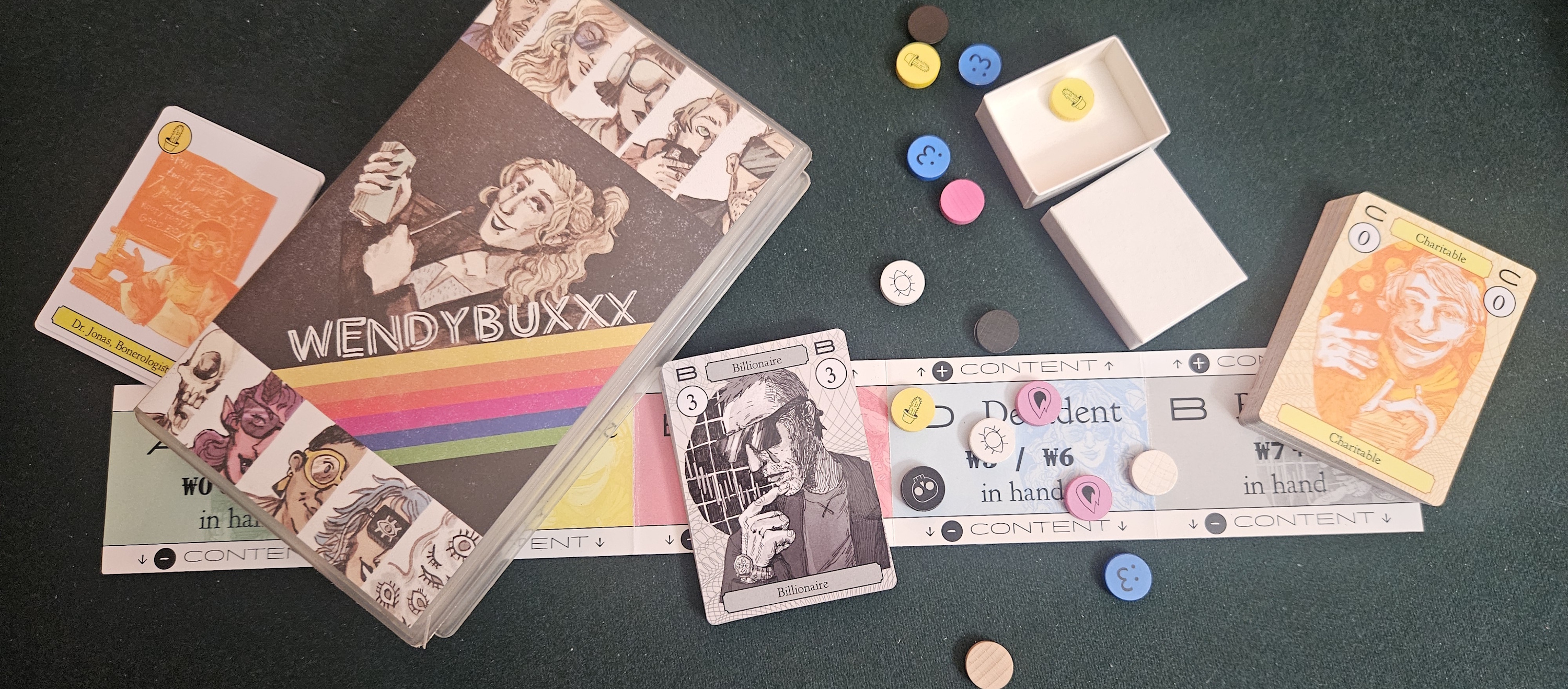

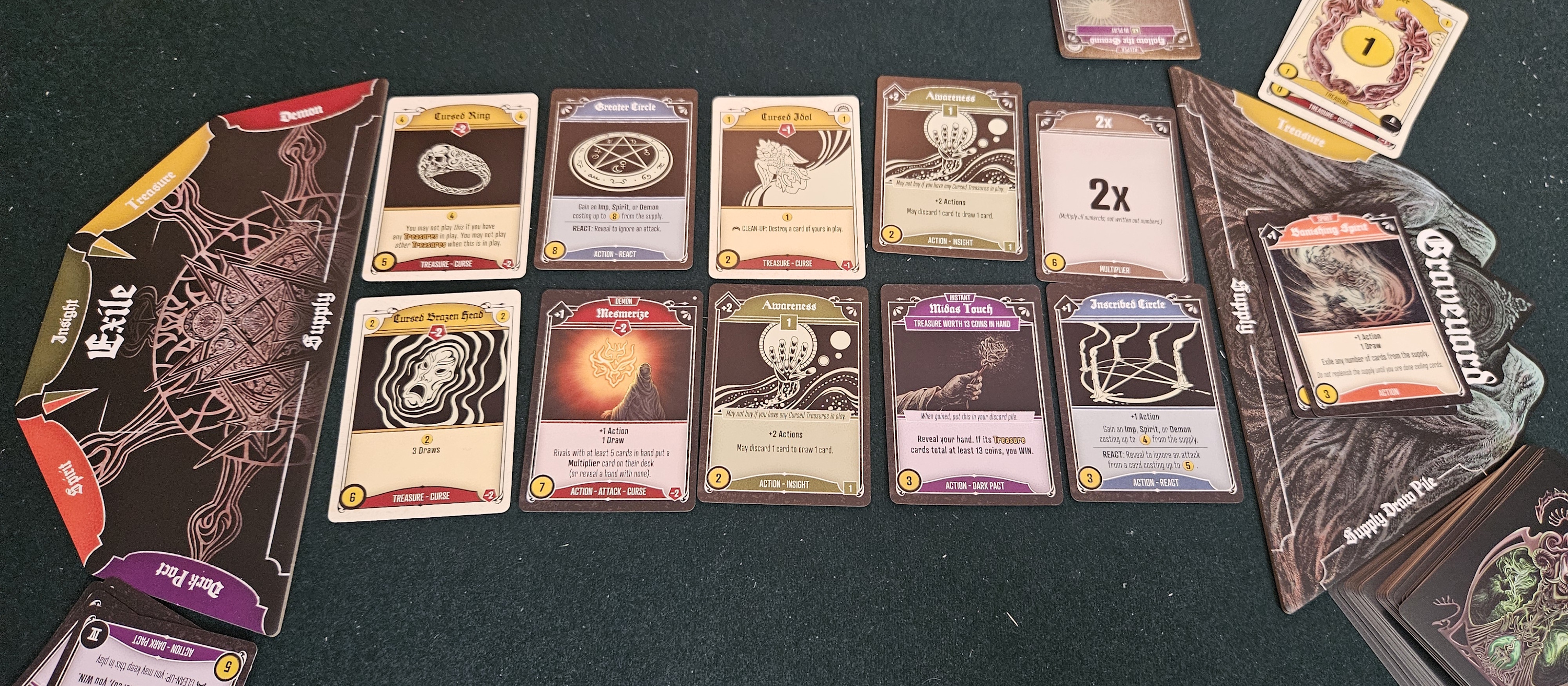
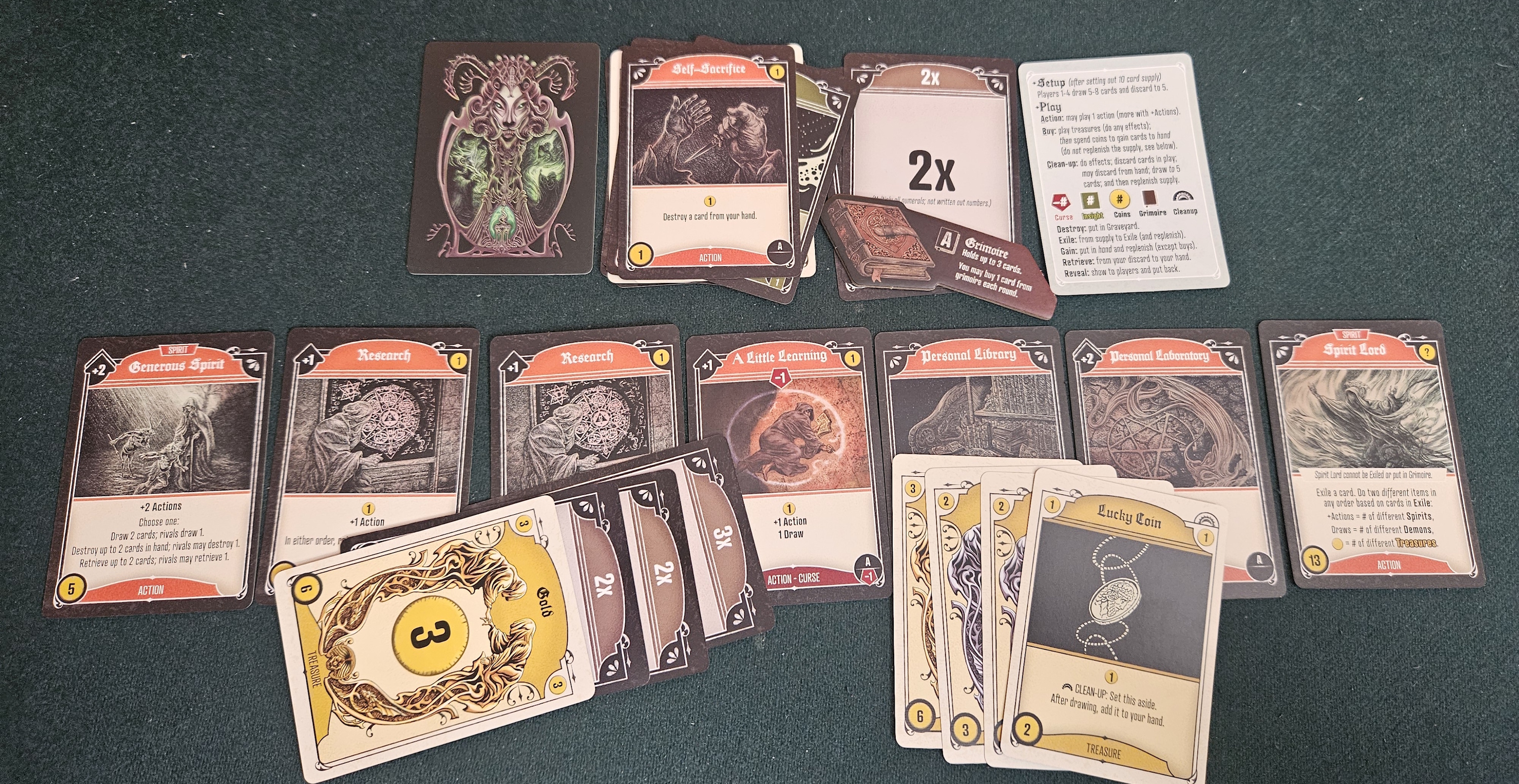
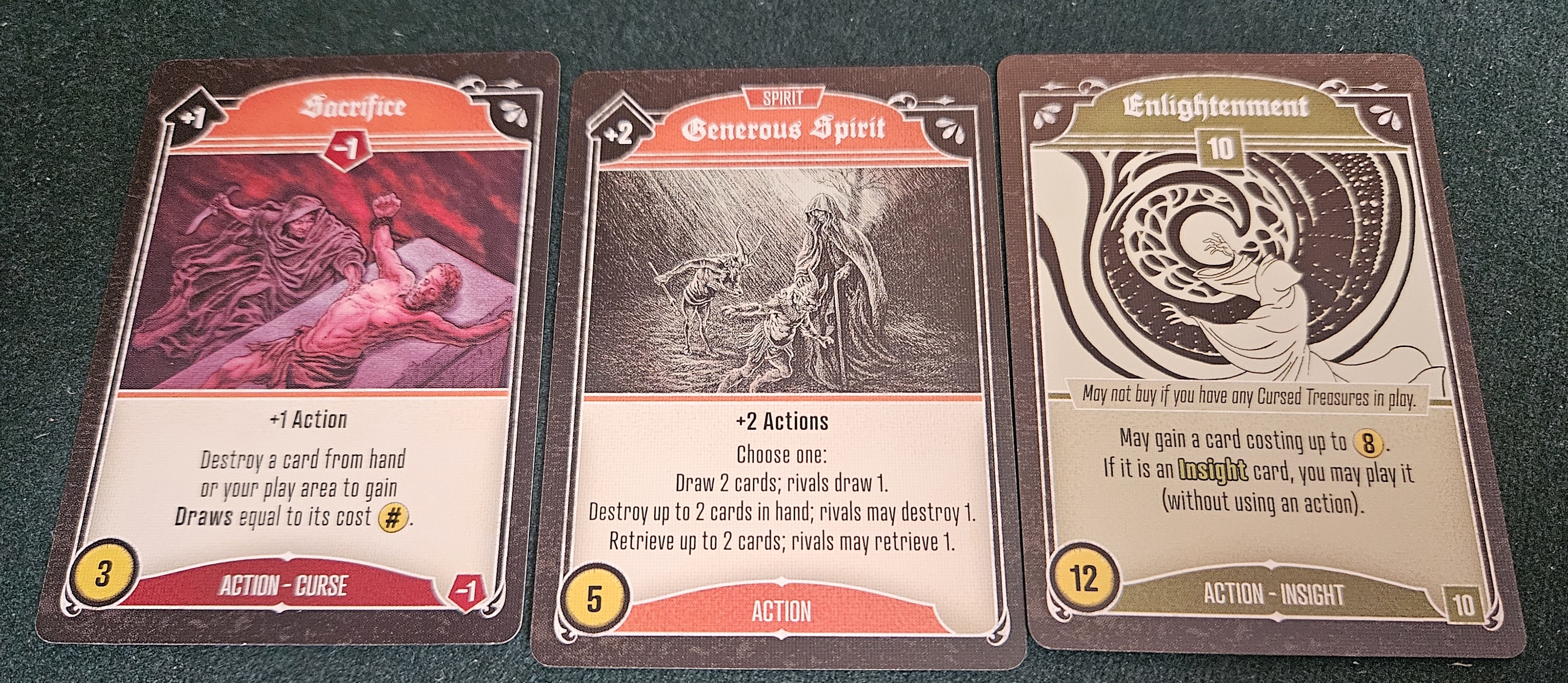
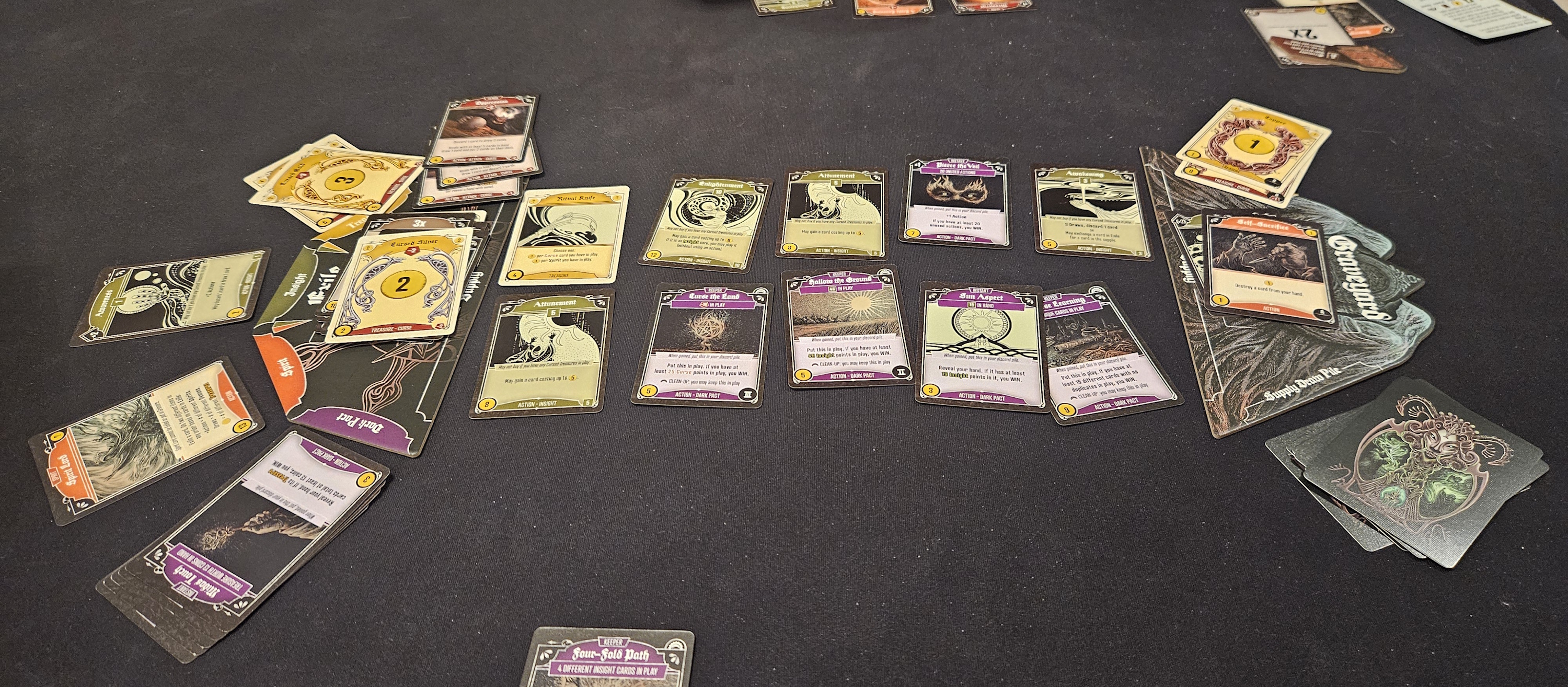
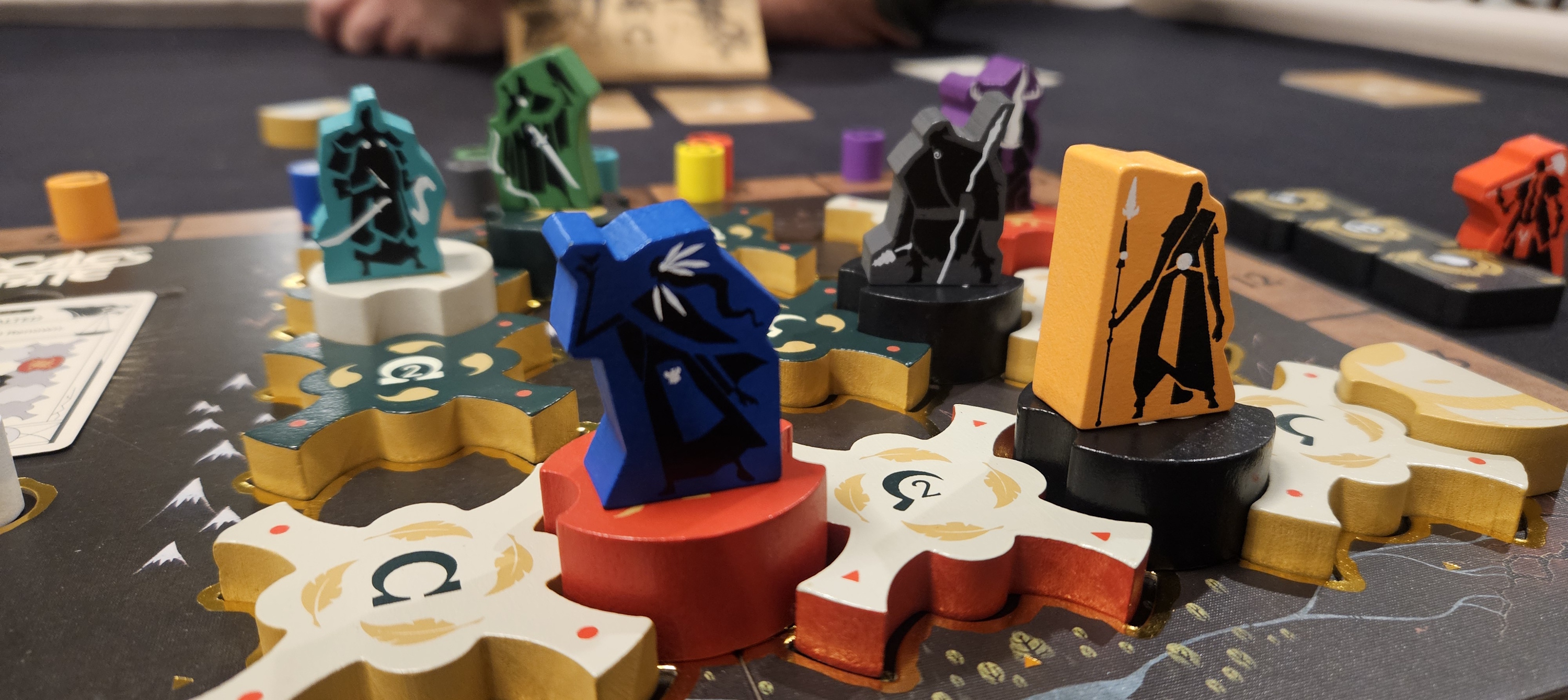
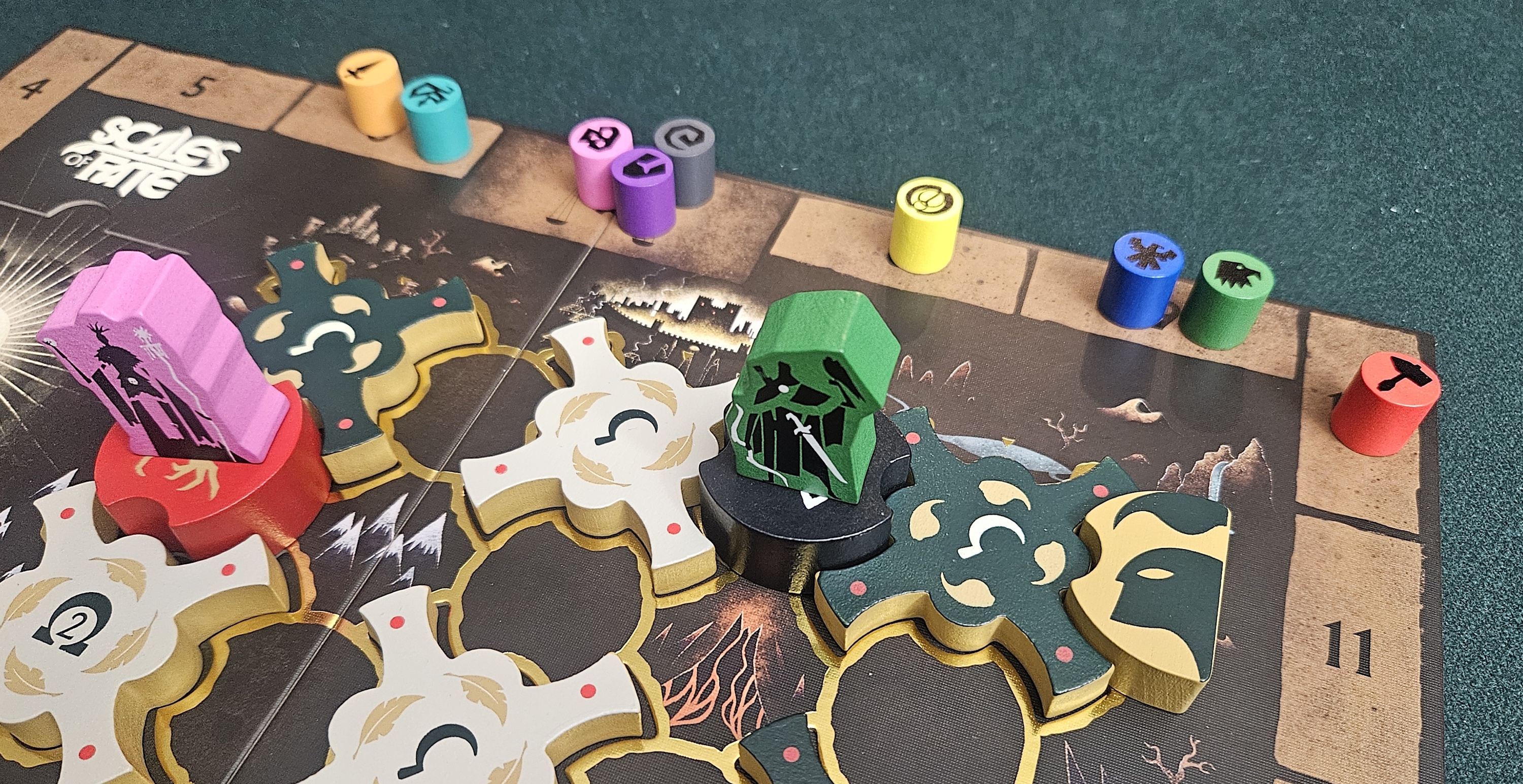
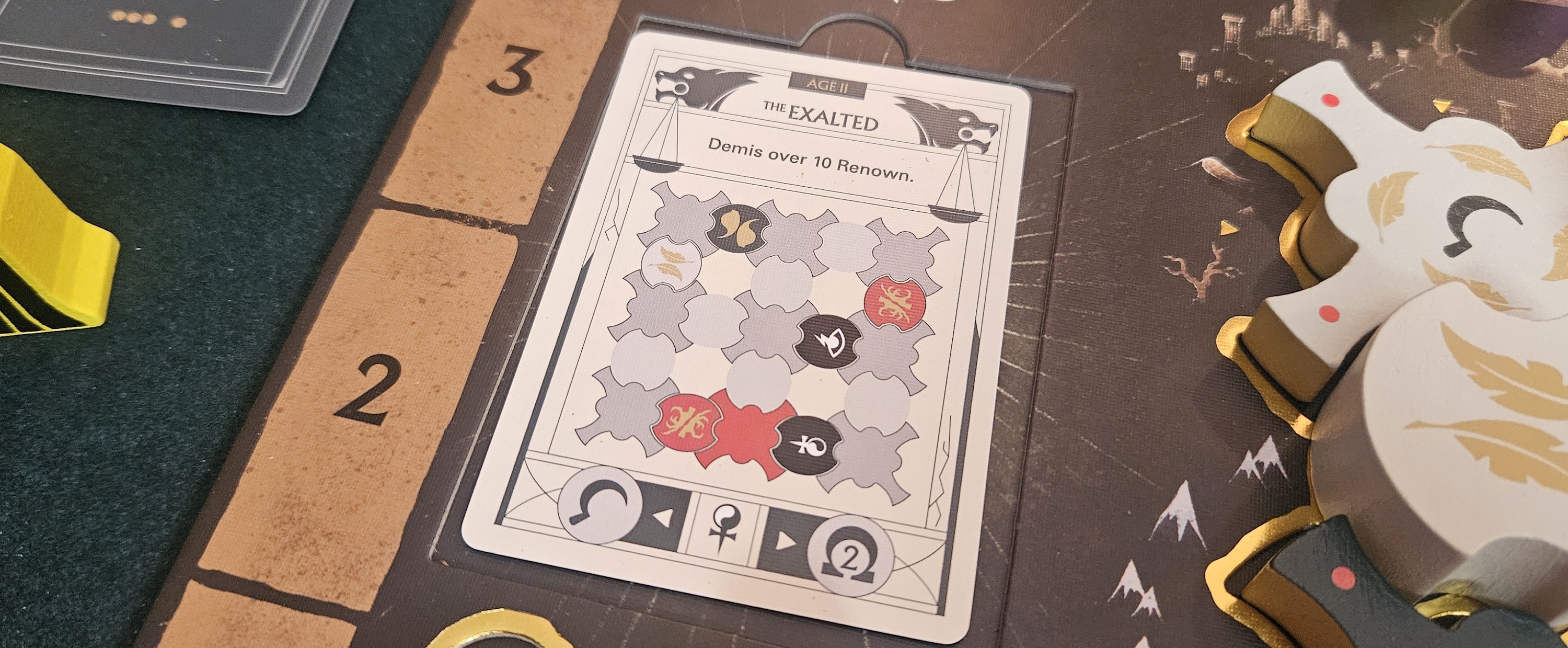
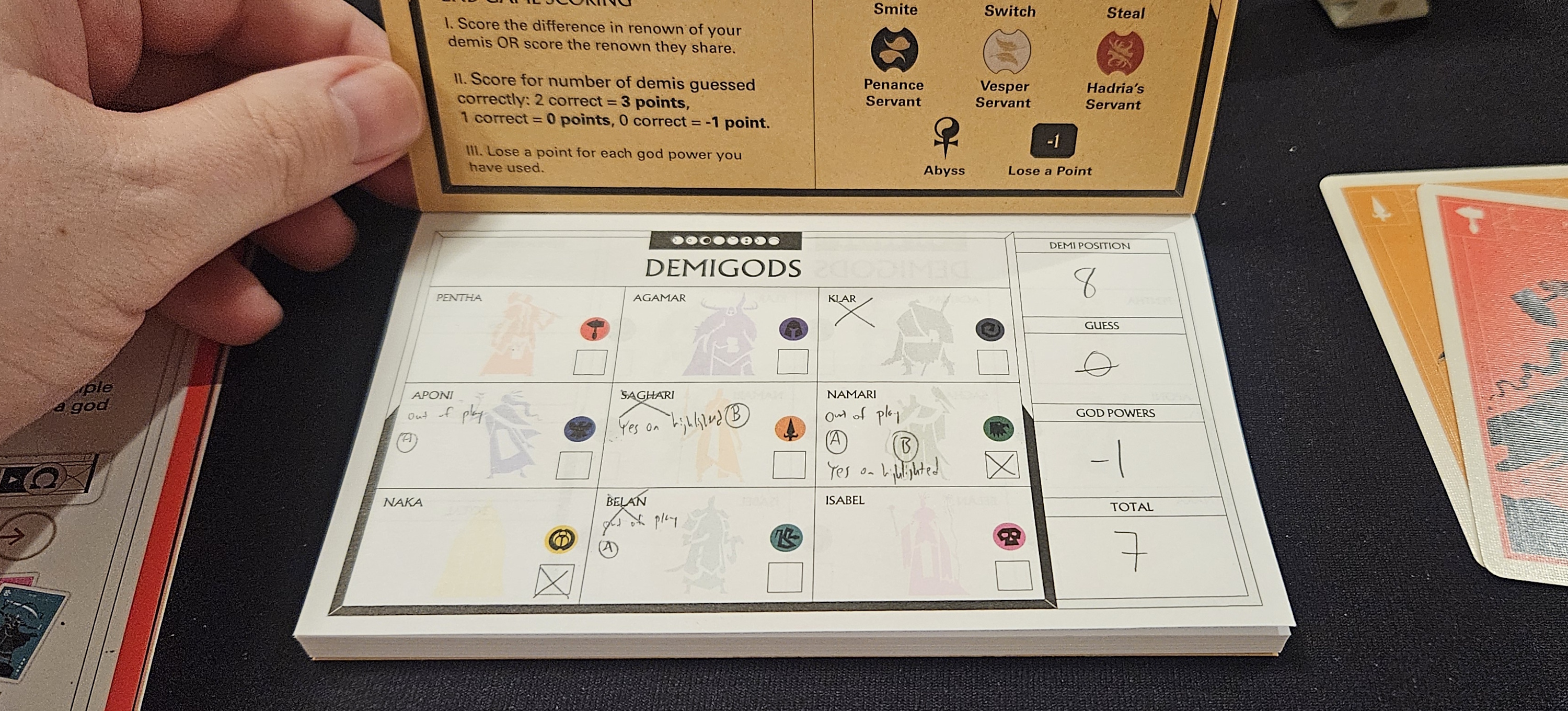
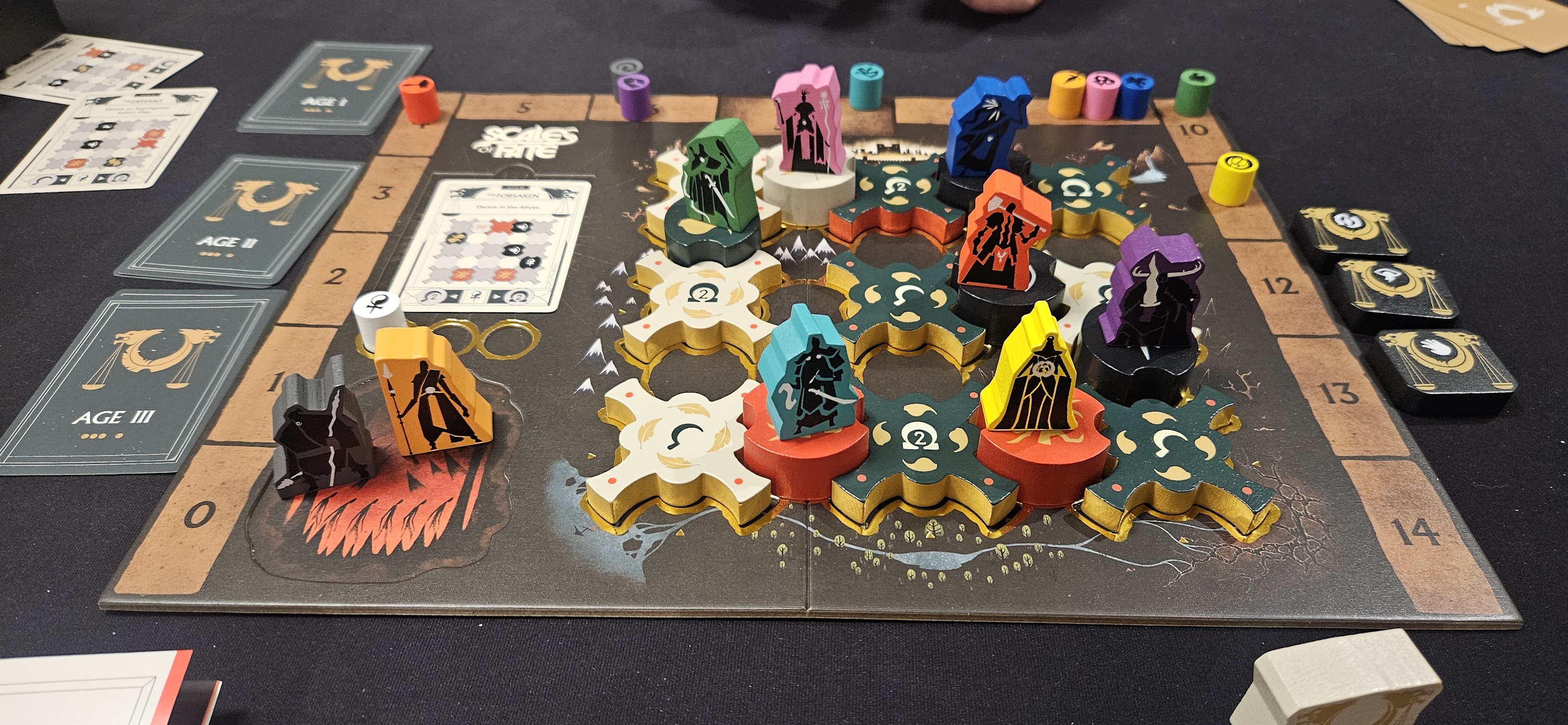

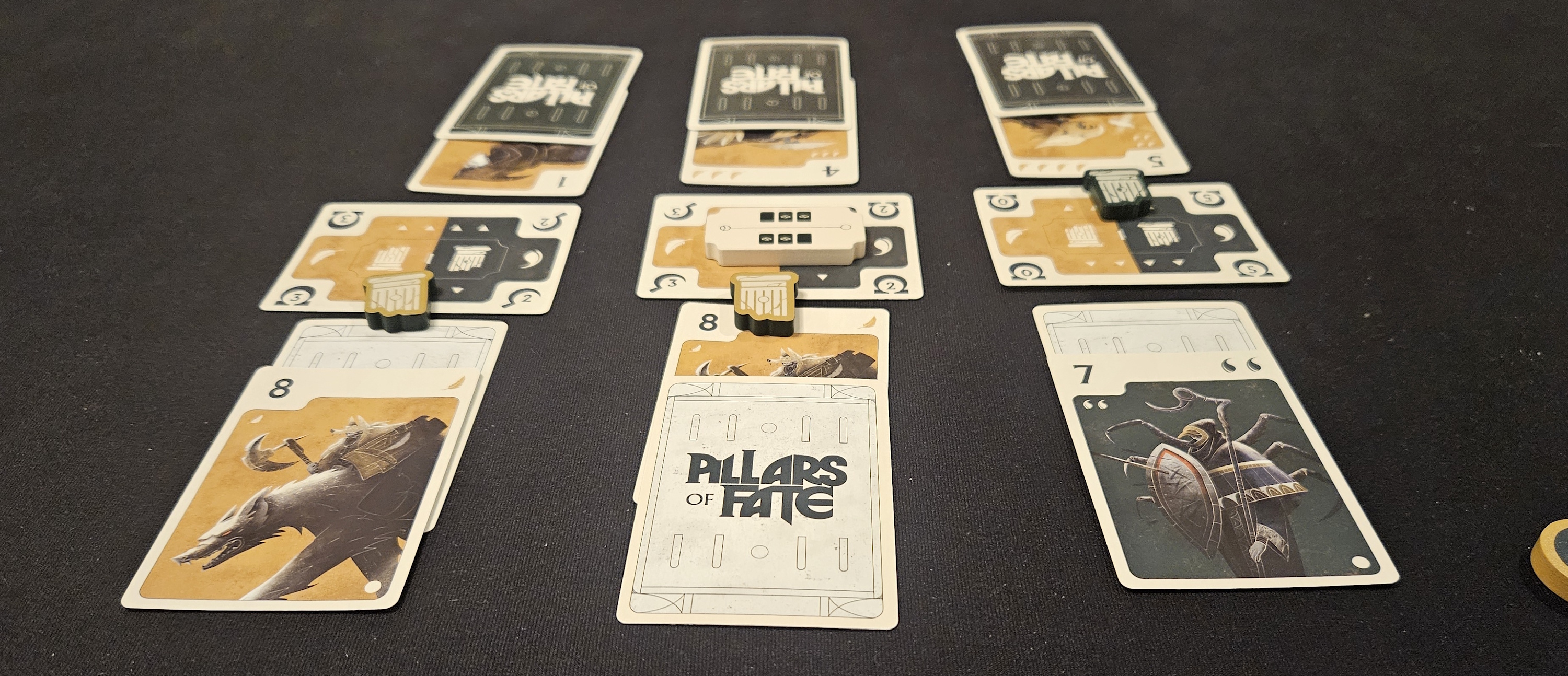
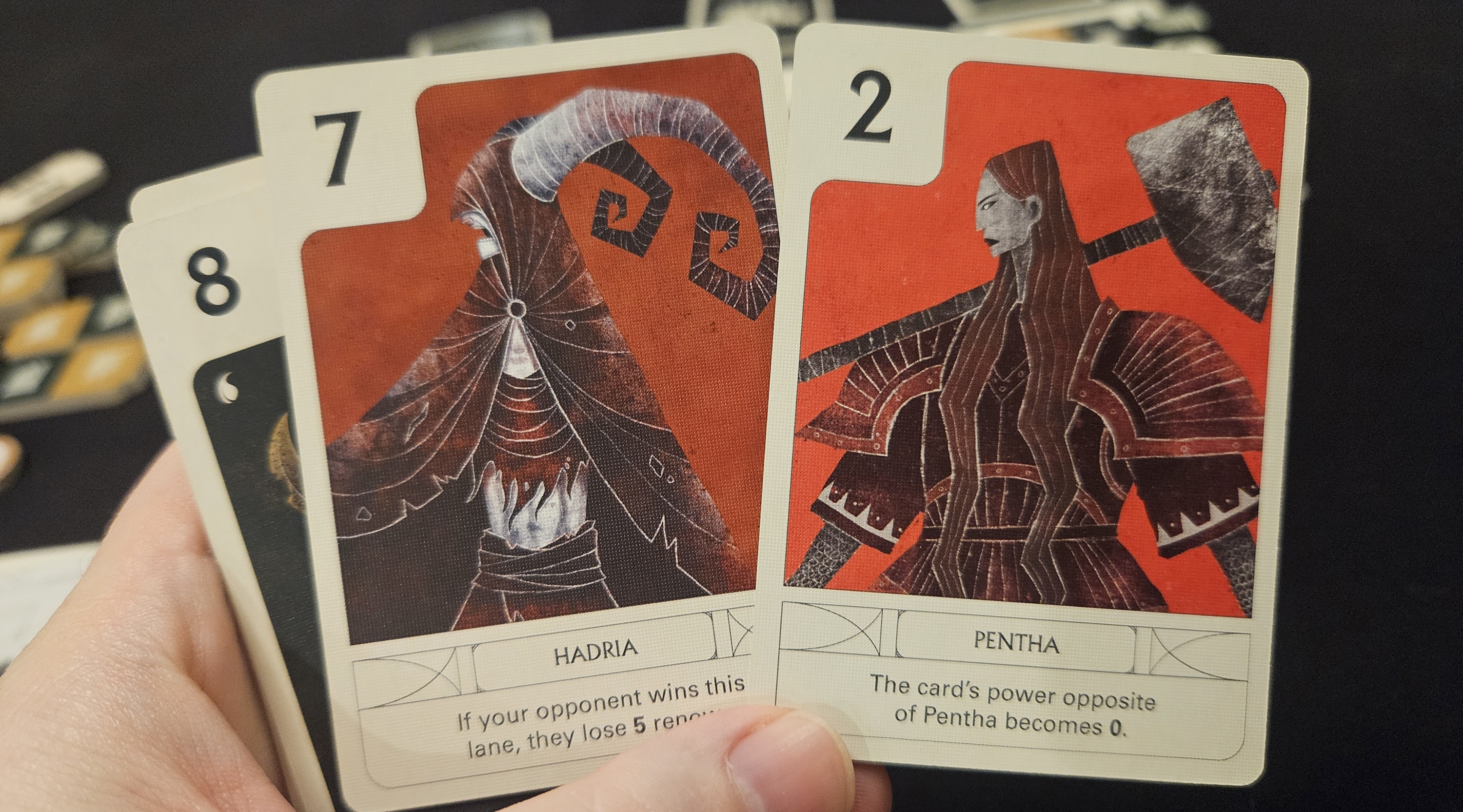
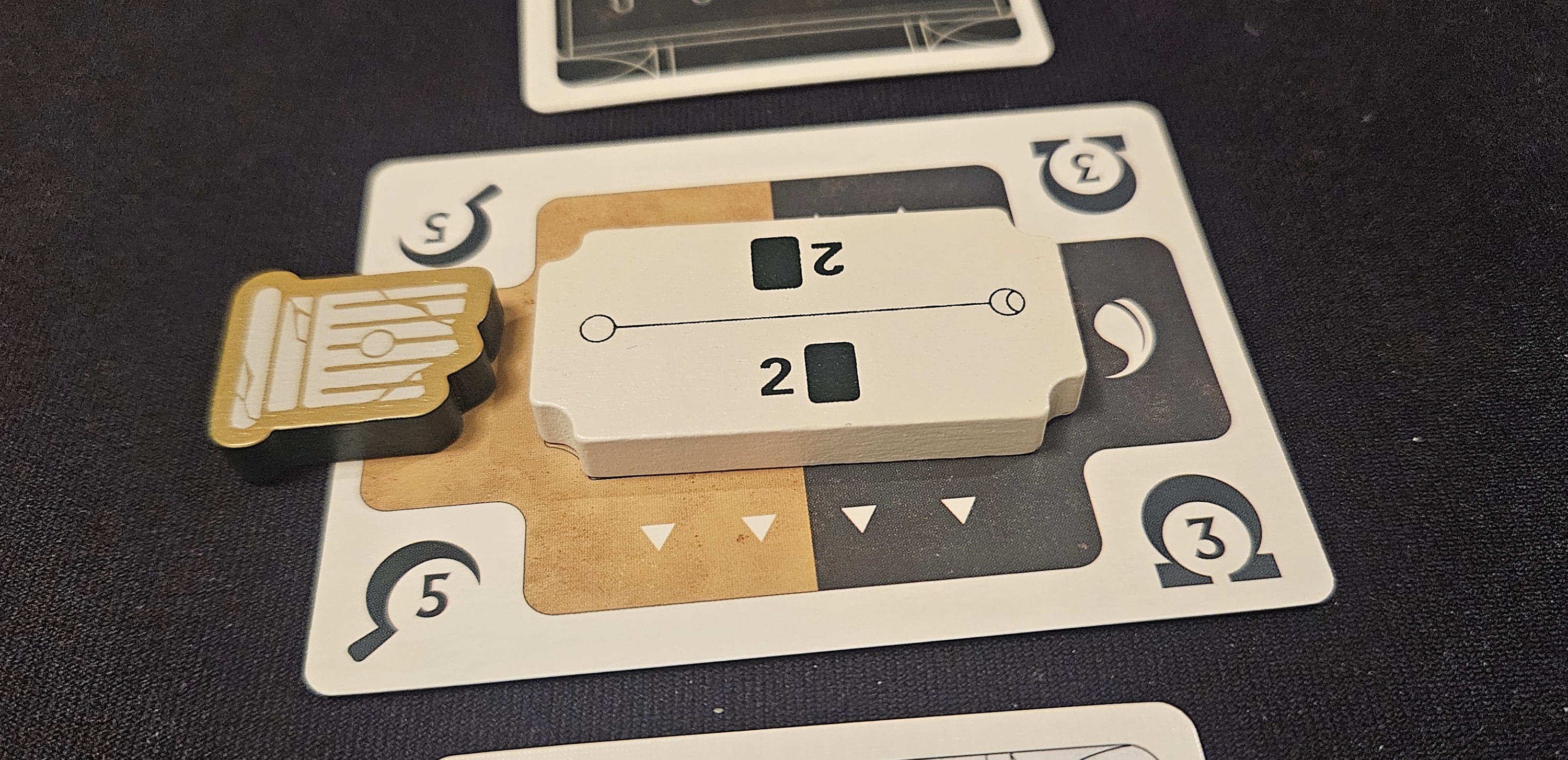
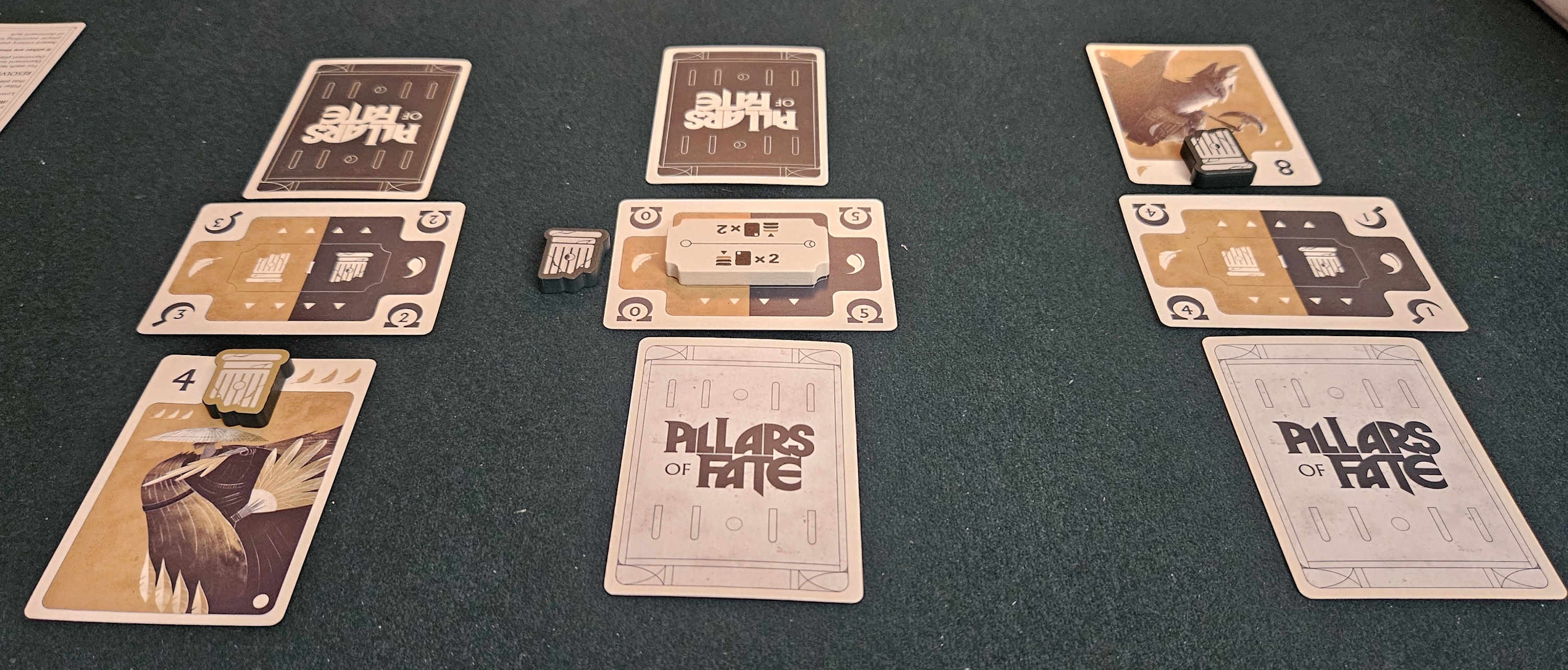

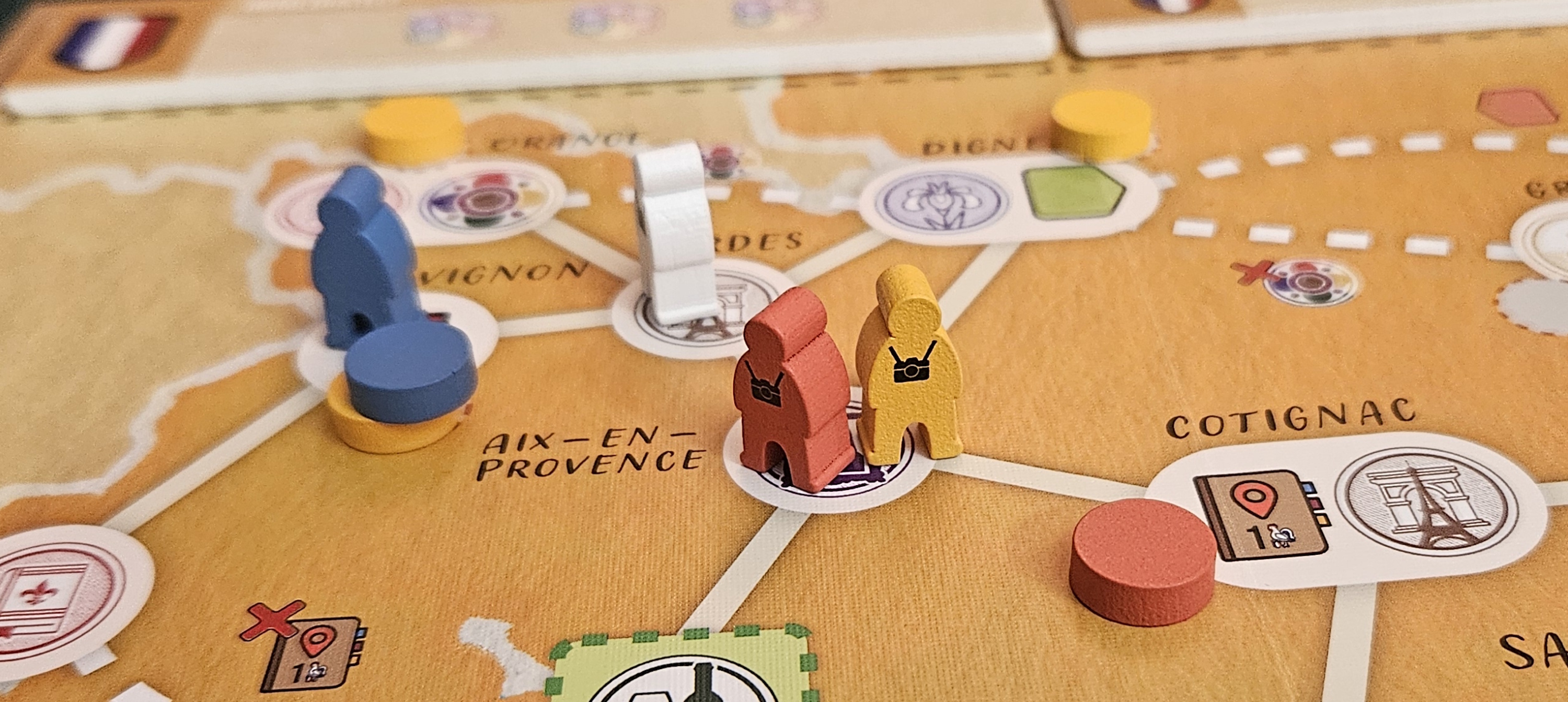
![Wait a minute, how dare you name a place Les Invalides? That should be reserved for hospitals and... [touches earpiece] it's a what? Ahem. Never mind.](https://spacebiff.com/wp-content/uploads/2026/04/4.-flex.jpg "Wait a minute, how dare you name a place Les Invalides? That should be reserved for hospitals and... [touches earpiece] it's a what? Ahem. Never mind.")