Normale Ansicht

Labor Day 2026: What’s New This Year

07. September 2026 um 18:18

At Stonemaier Games,  our staff and contributors now include a total of my 6 full-time coworkers, 1 part-time coworker and cofounder, a number of key independent contractors and creatives (designers and artists), and another 100+ paid volunteers (proofreaders and playtesters). I am so lucky to work with such talented, passionate, and kind people every day.

I’m in the incredibly fortunate position of running a company I love. I try to value my coworkers (in both words and actions) as I’d hope someone would value me if I were in their shoes. I’m a proponent of slow, deliberate, and sustainable growth: If I make the rare decision to hire someone, it’s a commitment to support them long term through the good times and the bad.

Today also happens to be the exact day I said goodbye to my treasured cat companion, Biddy. As I’ve reflected on the 16 years he was in my life, I realized how grateful I am to have had a career at Stonemaier Games that allowed me to work from home. That is such a huge gift of time I could share with Biddy, who would often nap on my chair or desk while I worked.

Here are our updates for 2026:

  • Company Retreat: The 8 of us gathered in Phoenix for a few days of playtesting, discussion, and invaluable idle time together. Several of our games–including Wingspan Pocket–are significantly better as a result of the collective feedback, and it was helpful to see the value of simply being in the same space as each other. We’re getting together again for a low-key evening before Design Day in a few weeks.
  • Sales Team Meetings: A few times this year the Stonemaier sales team (different facets covered by Susannah, Alex, Erica, Dave, and me) has convened for a 1-hour call without any specific objective–we’ve just made space to talk about anything related to the present and future of our products so we can do a better job of serving our varied types of customers (retailers, localization partners, distributors, online stores, convention attendees, and webstore users).
  • No Generative AI: This has been a tough year for many talented people, with companies using AI as a justification for layoffs. My heart goes out to everyone who lost their jobs. Stonemaier Games does not use, has not used, and does not plan to knowingly use generative AI for creative work (text, art, videos, etc). If we’re creating something, we want it built from the ground up by talented people from different backgrounds, perspectives, and cultures. We believe that the process is integral to our output, and it allows human creativity to shine. Whenever AI tries to poke its tendrils into our company, we instead ask the question: Why don’t we pay a person to do this?

What are you reflecting on this Labor Day?


If you gain value from the 100 articles Jamey publishes on this blog each year, please consider championing this content! You can also listen to posts like this in the audio version of the blog.
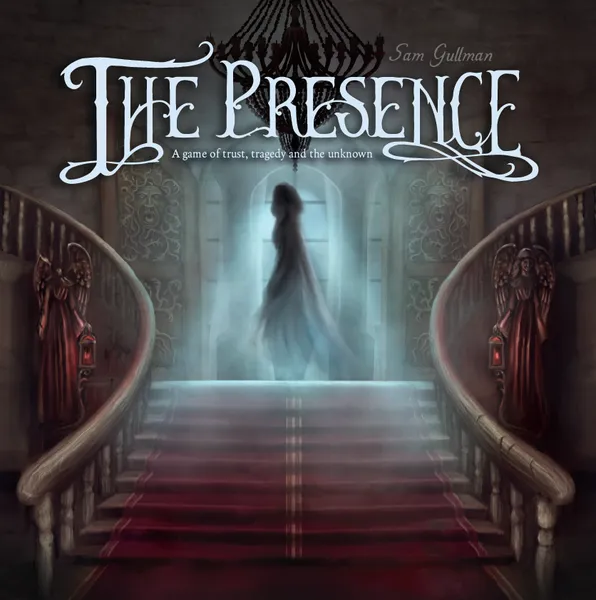
Little Ghost – The Presence in Review

07. September 2026 um 15:00
You’re stuck in a foreign place. It’s a prison of walls and darkness and fear manifest. Do you trust the unknown formless hand? Do you expose your vulnerability for a glimpse of truth? Do you recoil or do you meet The Presence? The Presence is a ghost story. It’s an indie work that draws obvious…

Read more →

The Current State of Crowdfunding Marketing (2026)

03. September 2026 um 22:55

Today I received an enlightening email from a fellow tabletop publisher–someone who has used crowdfunding successfully for multiple projects–about their struggles with certain types of marketing and advertising. I’ll explore this publisher’s struggles and share some constructive opinions.

Struggle #1: Facebook Ads Aren’t Resulting in Backers

The publisher shared data for three of their projects, on which they spent a total of around $90,000 on web ads. This expense essentially negated any profit they would have earned from these projects, with the most recent ad generating a 1% ROAS (return on ad spend).

However, they also shared some good news: BoardGameGeek ads are working well for them. That’s great. I actually haven’t posted an ad on BGG for a while, but I need to do so, and I’ll report what I find. The publisher also shared that they like Gamefound as a platform for discoverability, organic visibility, and the algorithm surfacing campaigns.

Meanwhile, whenever we launch a new product, we work with ad manager Andrew Cook to post two sets of ads on Facebook: One before launch to draw people in, and one during the launch to invite them to check out the webstore. For both the ads and Andrew’s time, I aim to spend around $2,000 total per launch. For every dollar we spend, we generate around 3x that much in revenue (but I think that multiplier would greatly decrease if we significantly increased our ad spend). So perhaps part of the key here is to find the right person to run your ad campaigns.

Struggle #2: Paid Previews Aren’t Working

The publisher shared that paid previews (often on YouTube) aren’t working well, both because they require an extremely polished product before any funding has been received and in terms of only a handful of new backers coming to the project from the previews.

That said, as the publisher also pointed out, attribution from a video is difficult to quantify. “People watch it, follow you, watch another, read your rules and then a week later they pledge.” I agree that there is high value in seeing multiple content creators talk about a game over the span of 1-2 weeks.

I’ll ask this: What if the goal is to inform instead of to convert? You can’t control how many people will back your project after watching a video, but you can try to be of service to people so they can spend their limited budgets on the games that will bring them the most joy. Preview content is one way to do this.

Struggle #3: Prelaunch Followers Aren’t Converting into Backers

The publisher shared that around 7% of prelaunch followers became backers for their most recent project, while they’ve seen other projects get close to 20%.

They did add a few caveats to these numbers (they’ve made some mistakes with pricing and shipping fees). No project is perfect, and it’s more important than ever to have a great game at a great value when you’re trying to create something new.

Creators can reduce the chances of encountering these issues during the campaign by having a variety of people look at their project page before launch.

As for the game itself, I think it’s increasingly helpful to share with backers how it’s different than existing games (while also sharing a few comparisons: If you like X and Y, we think you’ll enjoy Z). Also, sometimes it is a matter of getting just one game that elevates itself over all of your other games–that one special game can make a huge difference for a publisher.

Struggle #4: Climbing into the BGG Hotness Is Very Difficult

The publisher shared this: “We still haven’t cracked BGG organic traffic. I just don’t know how to drive traffic to my BGG page without paying to do that. Designer diaries, etc – they work, but it’s very small traffic, and time I could spend on a game.”

As long as it’s for the right reasons, having your game appear on the BGG Hotness list can have a multiplicative effect, as even more people discover it, which solidifies the game’s presence on the list.

I wrote this a while ago, but I think these tips for helping your game appear on the Hotness still apply: “Find ways to get people talking about your game on BGG. Post images on a regular basis. Encourage conversation as a moderator and a participant. Drive external traffic to your BGG page.”

In my opinion, the best target audience to invite to participation on BGG are the people who are already following your company or your project. This isn’t the reason why I focus on community building, but it is one of the serendipitous results.

I love that we have deeply engaged customers at Stonemaier Games, whether they’re participating on BoardGameGeek or our Facebook groups, Discord, YouTube Channel, Instagram, Bluesky, this blog, etc–I try to hang out with our followers on their platform of choice. In the rare occasions when we have something new to share with them, they’re likely to see it.


I truly feel for every creator who has struggled to connect an external or internal audience with their newest creation. It’s hard–I’ve experienced that too. Whenever I’m discouraged by the uphill battle of finding newcomers to invite to our games, I try to focus on how grateful I am for those who already choose to follow us.

Thanks to the publisher who shared this information with me. They asked to remain anonymous but said it was perfectly fine if I publicly post my thoughts on these topics.


Also read:

Teilnahmebedingungen Neuheitentesteraktion Herbst 2026

02. September 2026 um 13:48

Teilnahmebedingungen & Datenschutz

1. Teilnahme

1.1. Teilnahmeberechtigt sind alle, die mindestens 18 Jahre alt sind, ihren Wohnsitz in Deutschland oder Österreich haben und entweder Fan von www.facebook.com/amigo.spiele sind oder der Seite www.instagram.com/amigo.spiele folgen. Fan ist, wer den „Gefällt mir“-Button auf Facebook aktiviert. Auf Instagram muss der „Folgen“-Button ausgewählt werden. Die Teilnahme ist kostenlos sowie unabhängig vom Erwerb von Produkten oder Dienstleistungen der AMIGO Spiel + Freizeit GmbH. Mitarbeiter*innen von AMIGO sowie deren Angehörige dürfen an diesem Gewinnspiel nicht teilnehmen. Alle, die den Gewinnspielpost mit einem passenden Kommentar bzw. der richtigen Lösung auf www.facebook.com/amigo.spiele oder www.instagram.com/amigo.spiele kommentieren, nehmen automatisch am Gewinnspiel teil. Teilnehmer*innen sind für die Richtigkeit ihrer Angaben selbst verantwortlich. Jede Person darf nur einmal am Gewinnspiel teilnehmen. Die Teilnahme über automatisierte Massenteilnahmeverfahren Dritter ist unzulässig.
1.2. Der Veranstalter darf einzelne Personen von der Teilnahme ausschließen, wenn berechtigte Gründe vorliegen, wie z. B. doppelte Teilnahme unter verschiedenen E-Mail-Adressen oder sonstige Verstöße gegen die Teilnahmebedingungen. In diesem Fall können Gewinne nachträglich aberkannt und zurückgefordert werden.
1.3. AMIGO kann zu jedem Zeitpunkt ohne Vorankündigung und Angabe von Gründen das Gewinnspiel abbrechen oder beenden. Von diesem Recht kann AMIGO insbesondere dann Gebrauch machen, wenn eine ordnungsgemäße Durchführung des Gewinnspiels aus technischen oder rechtlichen Gründen nicht mehr möglich sein sollte.

2. Gewinn

Alle, die einen Post mit einem passenden Kommentar bzw. der richtigen Lösung auf www.facebook.com/amigo.spiele oder www.instagram.com/amigo.spiele kommentieren, nehmen automatisch am Gewinnspiel der entsprechenden Woche teil. Die Gewinner*innen werden zufällig ausgelost. Der Preis ist je eins von zehn Exemplaren der vorgestellten Neuheit pro Kanal und Woche.

Die Gewinnspielteilnahme ist nicht vom Erwerb einer Ware oder einer Dienstleistung abhängig. Eine Barauszahlung des Gewinns ist nicht möglich. Etwaige mit der Inanspruchnahme des Gewinns verbundene Zusatzkosten gehen zu Lasten der Gewinner*innen. Es ist strengstens untersagt, mehrere E-Mail-Adressen oder mehrere Facebook-Profile bzw. Instagram-Profile zur Erhöhung der Gewinnchancen zu verwenden. Pro Teilnehmer*in wird nur ein Preis vergeben. Mehrfachgewinne sind nicht möglich.

3. Gewinnspielzeitraum und Prozedere

3.1. Der Teilnahmezeitraum geht vom 07.09.2026 bis zum 08.11.2026. Innerhalb dieses Zeitraums werden jede Woche insgesamt 20 Exemplare eines Spiels verlost. Die individuellen Gewinnspiele beginnen jeweils mit Veröffentlichung des Posts am Freitag um 07:30 Uhr und enden am darauffolgenden Sonntag um Mitternacht. Nach den jeweiligen Teilnahmeschlüssen eingehende Kommentare werden bei der Auslosung nicht berücksichtigt.
3.2. Der Veranstalter ist nicht verantwortlich für die Verfügbarkeit von ihm oder Dritten bereitgestellter Webseiten, Computersysteme oder Netzwerke oder von Telekommunikationssystemen, die für den Zugriff auf die Webseite des Veranstalters oder Computersysteme erforderlich sind.
3.3. Der Nachweis der Versendung gilt nicht als Nachweis des Zugangs beim Veranstalter.

4. Gewinnspielermittlung und -Benachrichtigung

Die Gewinner*innen werden ausgelost und benachrichtigt. Danach haben sie sich innerhalb von 3 Tagen per Facebook- oder Instagram-Nachricht zu melden, damit die Zusendung des Gewinns abgestimmt werden kann. Bleibt eine Bestätigung innerhalb von 3 Tagen aus, so behält sich der Veranstalter das Recht vor, den Gewinn einzubehalten. Ist der Gewinn bestätigt, erhalten die Gewinner*innen ihre Spiele. Der Gewinn wird an angegebene Anschrift gesendet. Es erfolgt nur ein Zustellversuch, es besteht kein Anspruch auf einen erneuten Versand. Die Teilnehmenden sind selbst für die Richtigkeit ihrer Angaben verantwortlich. Der Gewinn wird direkt aus unserem Lager versandt und wird daher nicht AMIGO Spiel + Freizeit GmbH als Absender aufweisen.

5. Umgang mit personenbezogenen Daten / Datenschutz
5.1. Im Rahmen der Verlosung werden folgende personenbezogene Daten der Teilnehmer*innen verarbeitet:

  • Vor- und Nachname

  • Kontaktdaten wie E-Mail-Adresse sowie die postalische Anschrift

5.2. Zwecke

Diese Daten der Teilnehmer*innen werden ausschließlich zum Zweck der Durchführung des Gewinnspiels erfasst, gespeichert und zur Gewinnbenachrichtigung genutzt.

5.3. Empfänger Ihrer personenbezogenen Daten:

Für die Verarbeitung der Teilnehmerdaten werden auch vertraglich gebundene externe Dienstleister*innen (Auftragsverarbeiter gem. Artikel 28 DSGVO) eingesetzt. Die AMIGO Spiel + Freizeit GmbH sichert die Einhaltung aller datenschutzrechtlichen Vorschriften zur Auftragsverarbeitung bei diesen Dienstleister*innen zu.

Eine sonstige Weitergabe über Übermittlung der personenbezogenen Daten der Teilnehmer*innen an unberechtigte Dritte findet nicht statt.

5.4. Lösch- und Aufbewahrungsfristen
Wir löschen personenbezogene Teilnehmerdaten, sobald sie für die genannten Zwecke nicht mehr erforderlich sind und keine gesetzlichen Nachweis- und Aufbewahrungspflichten entgegenstehen. Die datenschutzkonforme Löschung der Daten erfolgt spätestens drei Monate nach Ende des Gewinnspiels.

5.5. Rechte der Teilnehmer*innen
In Bezug auf die verarbeiteten personenbezogenen Daten stehen den Teilnehmer*innen folgende Rechte zu: 

    • Recht auf Auskunft über gespeicherte Daten (Art. 15 EU-DSGVO),

    • Recht auf Berichtigung (Art. 16 EU-DSGVO),

    • Recht auf Löschung der Teilnehmerdaten (Art. 17 EU-DSGVO), sofern keine gesetzlichen Aufbewahrungspflichten dagegensprechen.

    • Ferner haben Teilnehmer*innen das Recht auf Einschränkung der Verarbeitung von Daten (Art. 18 EU-DSGVO),

    • Recht auf Widerspruch (Art. 21 EU-DSGVO) und

    • Recht auf Datenübertragbarkeit (Art. 20 EU-DSGVO).

Teilnehmer*innen haben zudem das Recht auf Beschwerde bei einer Aufsichtsbehörde ihres Aufenthaltsorts, ihres Arbeitsplatzes oder des Orts des mutmaßlichen Verstoßes, wenn Anhaltspunkte dafür bestehen, dass die Verarbeitung der jeweils betreffenden personenbezogenen Daten gegen die EU-DSGVO verstößt (Art. 77 EU-DSGVO).

 Wenn Teilnehmer*innen eine Einwilligung zur Nutzung von Daten erteilt haben, können sie diese jederzeit mit Wirkung für die Zukunft widerrufen. In diesem Fall ist eine weitere Teilnahme an der laufenden Verlosung naturgemäß nicht mehr möglich.

Alle Informationswünsche, Auskunftsanfragen oder Widersprüche zur Datenverarbeitung richten die Teilnehmer*innen bitte per E-Mail an datenschutz@amigo-spiele.de oder an die unten genannte Postanschrift.

Unsere Datenschutzhinweise können die Teilnehmer*innen hier nachlesen: https://www.amigo-spiele.de/privacy-policy.

6. Anwendbares Recht
Die Teilnahmebedingungen sowie Streitigkeiten oder Meinungsverschiedenheiten im Zusammenhang mit diesem Gewinnspiel unterliegen deutschem Recht.

7. Verantwortlicher
Fragen oder Beanstandungen im Zusammenhang mit diesem Gewinnspiel können unter nachfolgender Adresse an den Veranstalter gerichtet werden:
AMIGO Spiel + Freizeit GmbH
Waldstraße 23-D5
63128 Dietzenbach
hotline@amigo-spiele.de

Die Promotion wird in keiner Weise von Meta gesponsert, unterstützt oder organisiert.

8. Abschlussbestimmungen
Der Rechtsweg ist ausgeschlossen.

Dieses Gewinnspiel steht nicht in Verbindung mit Meta. Meta ist insbesondere nicht Veranstalter, Sponsor, Unterstützer oder Organisator dieses Gewinnspiels. Informationen werden ausschließlich durch den Veranstalter und nicht durch Meta bereitgestellt. Mit der Teilnahme am Gewinnspiel erklären die Teilnehmerinnen, dass sie gegenüber Meta keine Ansprüche geltend machen werden, die im Zusammenhang mit dem Gewinnspiel stehen und sie Meta insoweit freistellen.

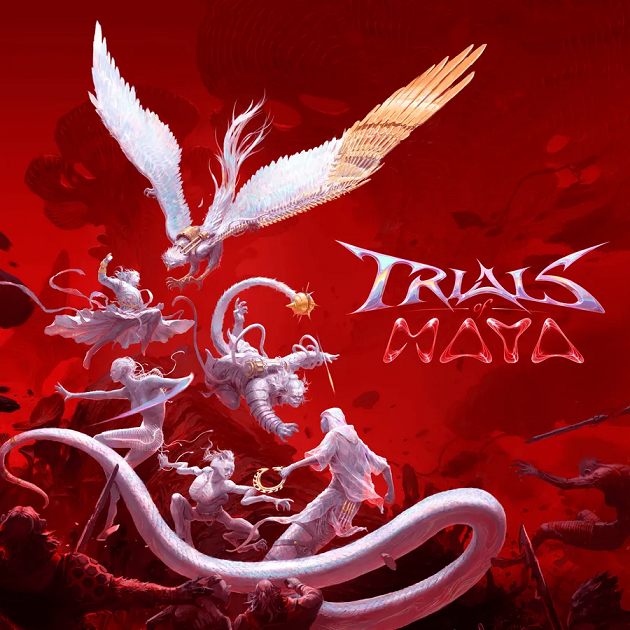
The New MOBA – A Trials of Maya Review

31. August 2026 um 15:00
This review is based on a pre-production copy of the game that is expected to be nearly identical to the final product. I love MOBA games. My time playing League of Legends and DOTA are well in the rearview, but many of these games’ concepts work extraordinarily well on the table. Team play. Miniatures skirmish-like…

Read more →

One Thousand Ratings in One Month

27. August 2026 um 19:55

We always try to make games that are easy to get to the table, but this is absurd: Just one month after customers started receiving copies of Wingspan Pocket, the game already has over 1,000 ratings on BoardGameGeek. People are getting the game and actually playing it right away–this is a publisher’s dream!

What makes Wingspan Pocket so immediately playable? Can these characteristics be replicated in other games? Here’s my take:

  • Context of Wingspan: I can’t overlook that a person’s knowledge of Wingspan makes it easier to play Wingspan Pocket. Similarly, it was easier for me to play Duel for Middle-earth the first time because I had already played 7 Wonders Duel. I think this asset extends beyond game brands to game mechanisms: If I’m drawn to a new deckbuilding game, I come to it with the experience of having played other deckbuilding games.
  • Fast initial setup and per-game setup: I don’t mind punching and sorting a new game, but it’s really nice when that process only takes a few minutes. With Wingspan Pocket, you literally just remove the paper bands that secure the decks of cards, and the game is ready to be played. The per-game setup takes another 2 minutes, which not only makes it easier to play the game for the first time, but also every other time.
  • Streamlined core rules with engine building: No matter how complex a game is, I love when the core action system can be described in a single sentence or infographic. In Wingspan Pocket, you activate bird powers from left to right, starting with the Nest action. That’s it–that’s your turn. A brilliant part of Elizabeth’s design is that you immediately have a sense of progress, because if you play a bird on your first turn, you also get to activate that bird.
  • Game length: Wingspan Pocket plays in around 30 minutes, making it easy to fit into a busy schedule. Most of our other games are longer–some significantly longer–which is right for those games, but it’s neat to see how quick-to-table a shorter game is.
  • Solo play: All of our games include Automa solo modes, so you can play them without having to schedule around other players. This removes a huge barrier to entry. Wingspan Pocket is playable from 1-5 players, so when you’re ready to share it with other players, there’s a higher-than-average player count cap.
  • Shared excitement: When I have the sense that many other people are playing a specific game, I’m excited to play it too. Perhaps it’s just the algorithm, but I’ve noticed a higher density of Instagram posts about Wingspan Pocket than other new games we’ve released in the past. Some of the above factors impact these posts, along with the beautiful bird art by Natalia and Ana–it’s a photogenic game.
  • Reference cards for each player: I believe that the #1 asset to making a game friendly to those who teach games is the inclusion of reference cards for each player. Wingspan Pocket’s reference card has the core gameplay, setup, and card anatomy on one side and icons on the other.

I’m so happy to see people playing Wingspan Pocket, and I’m looking to learn from this experience for our other games (including Wyrmspan Pocket, which Connie is actively working on).

What inspires you to play a game soon after adding it to your collection?


Also read: The Formula for Wingspan’s Longevity, Replayability, and Success

If you gain value from the 100 articles Jamey publishes on this blog each year, please consider championing this content! You can also listen to posts like this in the audio version of the blog

4 Examples of Good, Bad, and Mixed Communication from Our Iceland Trip

24. August 2026 um 18:22

A huge part of my job at Stonemaier Games is communicating information via this website, our newsletters, Facebook groups, the weekly YouTube livecast, etc. I’ve tried to hone my communication skills through lots of practice, plus the consumption of other creators’ newsletters, crowdfunding updates, videos, and more.

I’m always fascinated by how someone handles communication when things don’t go as planned, and we had a few such situations arise during our recent Iceland trip. Here’s what happened, how the communication was handled, and what I learned from it as a creator.

Please Get Off the Plane

We boarded the plane for our Baltimore to Reykjavik flight late in the evening, and then we sat on the plane for around an hour while mechanics came and went. The captain kept us informed during this time that there was a minor mechanical issue that would be fixed soon. When the issue was resolved, the plane continued to sit at the gate for around 20 minutes before the pilot shared that the airport runways were now undergoing scheduled maintenance, and we would need to get off the plane and wait until the next day at 2:00 to reboard.

It was a rough way to start the trip, because we missed an entire day in Iceland as a result. In this case, I think the communication between the plane and the passengers was fine, but I have to think that better communication between the airline and the airport could have gotten us out of Baltimore without disrupting the runway maintenance.

In publishing, communication about timing in the short-term can have big implications. For example, we have a game we’re trying to launch on our webstore right before Essen Spiel (and then have copies at the convention), but to make that possible, we needed to work with our manufacturer to split the print run into two halves.

The Eclipse Is Cancelled

A small part of the reason we chose this particular week to go to Iceland is that they were in the path of totality for a solar eclipse due to happen on August 12. The weather was sunny and clear the entire trip…until the afternoon of the eclipse, when the boat was surrounded by a thick layer of fog.

Throughout the day, the communications officer on board gave updates and set expectations for the eclipse viewing. She told us that the captain was doing his best to find a clear area, but the chances of finding one were increasingly low. While I’m sure some people were disappointed that they missed a clear view of the sun, these updates ensured that no one was completely caught off guard by the lack of visibility.

I appreciate this approach to crowdfunding updates. Even if things aren’t going as planned, I’d rather know (and to hear what the creator is working on) than be kept in the dark.

We Now Live on This Bus

After a fun visit to an Icelandic horse ranch, our excursion bus struggled to pull out of a steep driveway. The driver kept trying, time after time, and each time the bus drifted a little further down the hill. This went on for around 20 minutes without a word of communication from the driver or tour guide.

Did we need progress updates? I don’t think so. We could all hear what was happening, and we knew the driver was doing his best. No one complained, and when the driver finally got it to work, we all cheered.

However, I think there was probably an opportunity for one update 10 minutes in to ease any future concerns. Something along the lines of, “If we’re still here in 20 minutes, we’ll call for a backup bus and everyone can wander around the ranch in the meantime.”

Sometimes people just need to hear that everything will be okay (and how it will be okay). It’s why we send a shipping update and post in a game’s Facebook group about a week into the shipping process–we want to assure people that it’s normal for some orders to have shipped but not others, and that we’ll take care of them if their order doesn’t arrive exactly as they’d hoped.

There Is No Line (Until There’s a Line)

We went on a few excursions, and we found the lack of signage at port to be a bit bewildering. For example, when we arrived to go see puffins in the wild, there were several lines, but the only guidance anyone had from the excursion coordinator was to either wait in a specific line (as directed by her) or to wait literally anywhere else until further instructions were provided. It was confusing for the hundreds of people who had excursions at different times, and probably frustrating for the coordinator to get the same questions over and over.

Similarly, for any future product, I think it’s helpful for customers to have a place to “wait” (i.e., a prelaunch signup page or a game-specific launch notification newsletter). That way they don’t have to wonder if they’ll miss out–they’ll get a notification when the product launches.


Have you learned anything about communication recently from travels, crowdfunding, or other experiences?

If you gain value from the 100 articles Jamey publishes on this blog each year, please consider championing this content! You can also listen to posts like this in the audio version of the blog

Tribute – A Realm of Reckoning Review

21. August 2026 um 15:00
Releasing an album that consists entirely of cover songs is a risky proposition. For every Renegades of Funk there’s also a Thank You. IV Studio’s Realm of Reckoning is such a perilous venture, excising slices of ingenuity from some of the area control genre’s most prolific entities. The originality and expression exist in how these…

Read more →

10 Ways to Offer VIP Status Without Exclusion, Gatekeeping, or Elitism

20. August 2026 um 23:14

A little under 2 weeks ago, we arrived as part of a group of 7 at port in Reykjavik to check into our cruise. This process is very similar to checking into a flight, except at the final step before boarding, there was a surprise: The attendant informed Megan and me that we had VIP status. We were swiftly shepherded into a lounge where we would wait for the ship (instead of standing in line).

As it turns out, the travel agent who arranged the trip for our group (the sister of a friend with whom we were traveling) had received a free VIP upgrade, and she was very nice to apply it to our room. It mostly meant that when the cruise ship docked at various ports around Iceland, we could skip the line to get off and on the boat.

When I heard this from the concierge in the lounge, while I appreciated the ability to save some time, I didn’t want to leave behind the rest of our group. But the concierge continued with the following: Those with VIP status could include other members of their party when skipping lines.

Oh. I see. That felt different. Yes, there was a still a little unease about going to the front of a long queue (which only happened once during the trip), but if we could use the VIP status to help our friends and family… well, yes please. I love positive player interaction!

So as we enjoyed this perk during the trip, I wondered if there were other forms of VIP status that avoided the feeling of exclusion, gatekeeping, or elitism. Here’s a list of some examples, many of which were shared during yesterday’s livecast:

  1. Stonemaier Champion program: For $15/year, Champions support this blog and our YouTube channel while receiving a 20% discount on every Stonemaier webstore purchase and prioritized shipping before non-Champion orders. This has proven to be a good value for over 15,000 Champions without hurting the experience of everyone else.
  2. Convention early access: Various conventions offer early access to the expo hall or hotel blocks for volunteers and those with special ties to the industry (e.g., FLGS owners). Accessing the expo hall an hour early feels great but isn’t so much time that you’ve cleared the shelves.
  3. Theme parks: I went to Universal Studios last year and stayed in a hotel connected to the new Epic Universe, so we could enter the park an hour early early (time we used to have a quiet breakfast). We didn’t pay to jump to the front of the lines for rides, but in hindsight I regret that decision, as we spent hours waiting for our turn.
  4. Birthday perks: Everyone should feel like a VIP on their birthday! Many coffee shops and bakeries will reach out to customers with a birthday treat, which seems like a win-win for the shop and the customer.
  5. Speakeasies: Modern speakeasies (like NOTA in St. Louis) make you feel “in the know” with their hard-to-find doors and passwords to enter, but really anyone is welcome.
  6. Loyalty systems: Some companies offer points to those who purchase products from them, and over time those points can result in some special privileges. The Lego Insider program is an example of this.
  7. Backstage passes at concerts: Some people pay for backstage access while others gain it by knowing the right person. I don’t mind this mild form of gatekeeping because the backstage has an actual capacity limit (unlike an most early bird crowdfunding rewards).
  8. Restaurant regulars: Have you ever been to a restaurant so many times that they know your favorite dish or sometimes serve you a special off-the-menu item? I haven’t, but it sounds amazing. I like that this is an organic, personalized version of a loyalty program.
  9. Corporate perks: Some companies make their employees feel like VIPs by giving them access to suites at sporting venues (and invite friends and family to join them, like the cruise VIP status).
  10. Airport lounges: My credit card gives me access to some airport lounges, and it was really nice to relax in one of them during a trip earlier this year. I wouldn’t say this fully qualifies for the list, as the other way to access them is to pay for expensive plane tickets, but I thought it might be worth mentioning.

I want our customers to feel like very important people (even if they aren’t Stonemaier Champions), so I appreciate the variety of these VIP techniques.

Is there a VIP status or perk you’ve experienced that avoids the feeling of exclusion, gatekeeping, or elitism?

Quick Update, Review Recap, and Gen Con Video

18. August 2026 um 01:15

I spent the last 9+ days in Iceland and the Faroe Islands, which I briefly touched upon in last week’s post and will continue to revisit in articles over the next few weeks. I had minimal internet access on the trip and fell behind in highlighting links that content creators sent to me (as I typically do each Friday on Facebook), so today I’ll catch up via this post.

I hope you discover some great reviewers from this post!

Lists and Variety

Duel of Meloch

Wingspan Pocket

Origin Story: Heroes & Villains

Finspan: Sharks & Reefs

Viticulture: Bordeaux

Wingspan Americas

Vantage

Rolling Realms Redux

Smitten

Expeditions: Gears of Corruption

Also, thanks to Erik Thein for working with us to create this video about the Stonemaier Games experience at Gen Con:

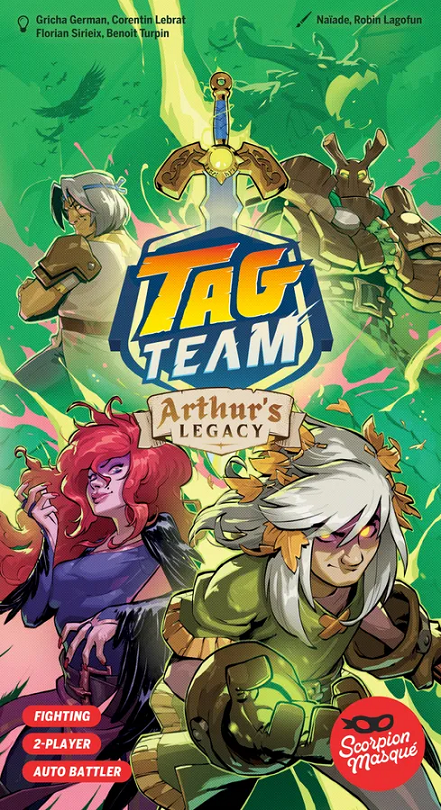
Off With Your Head – A Tag Team: Arthur’s Legacy Review

13. August 2026 um 15:00
Tag Team was a noteworthy competitor in 2025. Its combination of smooth card play with the unpredictable drama of auto-battling forms a compelling build. So compelling in fact, that it seized my affection previously allocated to games like Unmatched and Dice Throne. Anyone with eyes could see this new Scorpion Masqué title was not a one-off.…

Read more →

Providing the Complete Package for Customers

13. August 2026 um 09:57

I’m traveling in Iceland right now, and I despite doing lots of touristy things (while trying to be a respectful tourist), I’ve had nothing but amazing experiences with every Icelander. This ranges from tours to cafes to shopkeepers, among many others.

One of the best all-around experiences I had was at the Blue Lagoon hotel springs outside Reykjavik. My good impressions started at the entrance, a winding walkway lined by piles of volcano rock. It created a literal passage between the rest of the world and this relaxing escape.

At check in, we’re were each given a multi-use wristband. It gave us access to the faculty, it unlocked and linked to any available locker (as well as a panel that would remind you of your locker number if you forgot), and a quick scan informed the bartender of any drinks for which you prepaid (it also created a frictionless checkout if you wanted to add anything extra).

The hot spring area itself was essentially a massive wading pool through otherworldly milky blue warm water. I’m someone who greatly prefers land to water, but this felt really nice just to walk around in. There were a few interconnected pools, saunas, and other areas, as well as mud mask stations (another part of some prepaid packages; a quick wristband scan was all it took). The sheer volume of compatriots whose faces were also covered in green paste made the made for a delightfully silly shared experience.

At the end, there were swimsuit drying machines in the locker area and of course a gift shop to walk through on the way out (in case we wanted to buy more fancy mud). It was well positioned but not pushy.

I’ve heard there are many variations of this type of geothermal spring experience in Iceland, and I went to something similar (but much smaller) at a ryokan in Shibu Onsen in Japan a few years ago. I’m curious if you’ve tried anything designed to relax and rejuvenate while traveling—what stood out the most?

Quick Kickstarter Lesson Recaps: #171-175

10. August 2026 um 09:26
In today’s flashback post, we’ll look at articles about effectively communicating a timeline, what type of project to start with, being a project manager, making sure your project creates a splash, and the technical aspects of adding reward levels mid-campaign.
 
The Project Timeline (#171): Every time I see a timeline image on a project page, I feel better about the project. A good timeline tells the creator has carefully though over upcoming steps, sets clear expectations, and makes me look forward to updates as each milestone is reached. Creators can even take the timeline to the next level by not only showing the future, but also the past. This increases my confidence in the project, because it shows the amount of work they’ve already put into the product. Check out some examples in the full article.
 
Should Your First Project Be Epic or Humble? (#172): There are pros and cons to both. Here’s my overall recommendation to new creators: Choose the product that will sustain your interest, excitement, and passion for the next 1-2 years. You have to want this product to exist more than anything in the world. Some considerations include: A humble product is easier in almost every way, provides a lower barrier of entry for the backer, and can be a great teaching tool for a new creator. While an epic product typically has a great chance of capturing peoples’ hearts, imaginations, and wallets, as well as possibly aligning your fledgling company for future success and having a great chance attracting media attention.
 
The Hidden Job of Every Kickstarter Creator (#173): Even if you’re working alone (like I did), you’re still managing a whole slew of people tasks. That’s why the hidden job of a Kickstarter creator is Project Manager. For me, keeping track of different people and tasks requires a lot of different tools, including email, Basecamp, Discord, and Google Sheets. All the while, trying to communicate clear expectations, limiting needless meetings, testing the waters with someone new, consolidating communication, always compensating fairly, and not hiring unless I have to. Check out the full explanation for all of these in the article.
 
Creating a Spectacle (#174): I think we creators can learn about the idea of spectacle from the Super Bowl. Here are a few things to consider: Build up excitement in advance. Keep it short (a long campaign and reduce spectacle). Add live commentary (i.e., project updates). Keep the press informed. Emphasize your brand (a Kickstarter is the best possible time for you to let people know what you and your company are all about).  And finally, implement amazing art direction: the analogue for a well-choreographed sporting event is a Kickstarter campaign that communicates itself with effective imagery.
 
Adding New Rewards During a Campaign (#175): I have three cautionary tales on this subject. For Euphoria, I added a new reward level to include additional cards and dice. Due to minimum order quantities, just by having this option I was committed to making 1,000. And, I also risked human error by making such a large change midstream. The second tale is from my original Viticulture campaign: I offered a limited reward level related to art in the game. Adding more of this limited reward can be tricky, but there are multiple methods, the best of which is adding more of the same reward level within the campaign so you don’t clutter and confuse the rewards sidebar. And lastly, the third tale is adding more “early bird” rewards (a type of reward  I generally don’t recommend): This is something Isaac Childress did this for Forge War. Adding more of this reward can diminish the perceived value of the earliest pledges. Luckily in all 3 of these tricky situations, they worked out well, but it’s easy to cherry pick the successes. They definitely could have gone a different direction.
 
***
 
If you have any questions or thoughts about these topics, feel free to share in the comments!
 
If you gain value from the 100 articles Jamey publishes on this blog each year, please consider championing this content!

A Surprising Opinion About Promos (and Game Store Customers)

06. August 2026 um 21:27

I follow Games Unlimited PGH (@gamesunlimitedpgh) on Instagram, and Kylie frequently offers really helpful retailer perspectives for publishers to consider.

One of his recent videos (actually a repost from a few years ago) was both surprising and insightful in a few different ways, as Kylie reveals that he–a very successful retailer–does not like promos.

Even as a publisher that doesn’t make promos (it was something we tried up through Scythe’s release in 2016 and then stopped pursuing), I was really curious to hear his reasons. Especially since a survey I ran of retailers in 2017 indicated that 79% of friendly local game store (FLGS) owners liked promos at the time.

Kylie’s reasons are:

  • A lot of publishers send promos to his store, but it takes a lot of work to match them with the game (stores juggle a lot of different games, and promos aren’t always labeled well).
  • Many promos just end up in a general bin, making them hard to find and difficult for store employees to remember to pair with a game.
  • “A large part of our customers are not actually gamers,” so the idea of a promo is confusing to them. (This revelation was particularly interesting to me. Who are the majority of people who shop at local game stores, if they’re not into games?)
  • Even a well-meaning, FLGS-focused publisher who tries to encourage customers to go to a game store using promos as an incentive can actually create an awkward situation if the retailer doesn’t have or can’t find the promo for the customers.

Kylie concludes by simply asking publishers to put promos inside the game box. This seems viable in most cases: Even if you make a special promo card for an existing game to offer at a convention, a content creator, or any circumstance, you can include it in future printings of the game.

I really like that Kylie ends with this: “We’ll do the work of selling your game because it’s awesome, not because we have some rare or exclusive promo.” That 100% echoes my beliefs about actively welcoming people into our games instead of using FOMO/exclusivity tactics.

What do you think about this opinion about promos?


Also read:

If you gain value from the 100 articles Jamey publishes on this blog each year, please consider championing this content! You can also listen to posts like this in the audio version of the blog

This Question About Our Games Stumped Me

03. August 2026 um 17:53

On Sunday afternoon I received an email with a question that stumped me. I knew the answer, but I was at a complete lack of resources to provide an adequate response.

The question was, “Do you make any games other than Wingspan?”

There’s more context to the question: The person enjoys Wingspan and is looking for other competitive, engine-building games with lots of replayability. It was clear in the message that they were genuinely curious, and they simply didn’t know that we’ve published 25+ games over the last 14 years.

Now, of course they could have looked on the Stonemaier Games website or Googled the question. But I’m glad they asked, because I realized while responding that we don’t really have a single page that easily describes all of our games to someone who is completely unfamiliar to them. Here are the resources I ended up sharing:

The gift guide is probably the best resource for someone who wants to discover our games (for themselves or someone else), but I still found it lacking as I replied to this person. If you want to know the one-sentence summary for all of our games, you currently need to click through every single game page to see it. That’s a lot to ask someone to do–it isn’t particularly welcoming.

I think I’m going to approach this problem a few ways:

  1. Tomorrow I will film a video in which I talk about our games for a maximum of 1 minute each.
  2. I will write/compile a one-sentence summary for each of our games.
  3. I’ll talk to our web developer about creating an all-games page that uses a similar format to our third-party accessory showcase, which combines a user-selected filter with images and links about each product. This page is where the video and the one-sentence summaries will live.

What do you think about this solution? Any thoughts on how to group the games in the video (chronologically, alphabetically, weight, etc)? Have you seen other publishers implement something like this that provides a quick introduction to all of their games and is easily editable as they add new games?


If you gain value from the 100 articles Jamey publishes on this blog each year, please consider championing this content! You can also listen to posts like this in the audio version of the blog.

❌